

Note: This article contains affiliate links. If you click on these links and make a purchase, I may earn a small commission at no extra cost to you. This helps support my research and content. Read my full affiliate disclosure here.
Replacing the air conditioning condenser in a Toyota Tundra matters because a failing condenser can cause weak cooling, compressor strain, or system leaks that leave you uncomfortable and risk further damage. This guide focuses on the top shortlisted options for the Tundra and explains the practical reasons to pick each style of condenser.We looked at items that offer dependable fitment, corrosion resistance, and straightforward installation. Below you will find our top picks and the key criteria used to evaluate them, so you can choose the right condenser for your truck's needs.
Looking for other parts? See all Toyota Tundra parts & accessories.
Top Picks at a Glance
| Best Reviewed A top-rated pick with lots of positive feedback | Spectra Premium A/C Condenser for 2000–2003 Toyota Tundra |  |
| Best Quality Built to a higher standard if you want something more solid | CM Compressor A/C Condenser for Toyota Tundra / Sequoia (fits specified years) |  |
| Best Budget The cheapest option that still gets the job done reliably | Garage-Pro A/C Condenser for Toyota Tundra (2000–2006) |  |
| Most Sold A high-volume bestseller chosen again and again | Sawyer Auto Replacement A/C Condenser for 2004-2006 Toyota Tundra Crew Cab |  |
| Best Value for Money The sweet spot between price and what you get | CLIMAPARTS AC Condenser for Toyota Tundra / Sequoia (DPI 3598) |  |
| Best Overall The best all-around choice for most situations | Spectra Premium 7-3598 A/C Condenser for Toyota Tundra and Sequoia |  |
1. Spectra Premium A/C Condenser for 2000–2003 Toyota Tundra

| Compatible Vehicles | 2000-2003 Toyota Tundra V6 3.4L and V8 4.7L |
|---|---|
| Manufacturer | Spectra Premium |
| Item model number | 7-4963 |
| Manufacturer Part Number | 74963 |
| OEM Part Number | 88460AZ037; 884600C020 |
This Spectra Premium condenser is a direct replacement for Toyota Tundra models from 2000 to 2003 and is engineered to match factory fit and function. It installs in place of the original condenser and is intended for typical vehicle air conditioning repair or system rebuilds. Notable features include high-density cooling fins for improved heat exchange, heavy-gauge mounting brackets to reduce vibration, and nitrogen leak-testing to help ensure a damage-free unit at installation. In practice that means faster cooling recovery and a closer fit to factory mounting points, which simplifies installation for a professional or experienced DIY mechanic. The unit’s construction choices aim to deliver reliable, long-term service, but buyers should expect to reuse or replace related components like hoses, O-rings, and receiver-drier when refreshing the system. Also this is a single condenser unit without installation hardware, so additional parts and refrigerant handling equipment will be needed for a complete A/C service.
Best for: Reliability-focused buyers who prioritize a factory-quality replacement to restore A/C performance on a 2000–2003 Toyota Tundra and prefer parts that mirror original design and fit.
Less Ideal for: If you want a full A/C service kit or a quick plug-and-play swap with all hoses and fittings included, this single condenser unit is not the best choice.
- Direct-fit design matched to factory construction for straightforward installation on the specified Tundra models
- High-density fins for effective heat exchange and improved cooling efficiency
- Nitrogen leak-tested to reduce the chance of installation-time leaks
- Heavy-gauge mounting brackets that limit movement and vibration once installed
- Sold as the condenser only with no installation hardware or refrigerant components included
- Requires professional refrigerant handling or proper tools for safe installation and system recharge
Verdict A factory-style, leak-tested condenser that restores reliable A/C cooling for 2000–2003 Toyota Tundra owners but requires separate hardware and professional refrigerant service for installation.
2. CM Compressor A/C Condenser for Toyota Tundra / Sequoia (fits specified years)
| Manufacturer | CM Compressor |
|---|---|
| Brand | CM COMPRESSOR |
| Manufacturer Part Number | CL4284 |
| Product Type | PSG-CON |
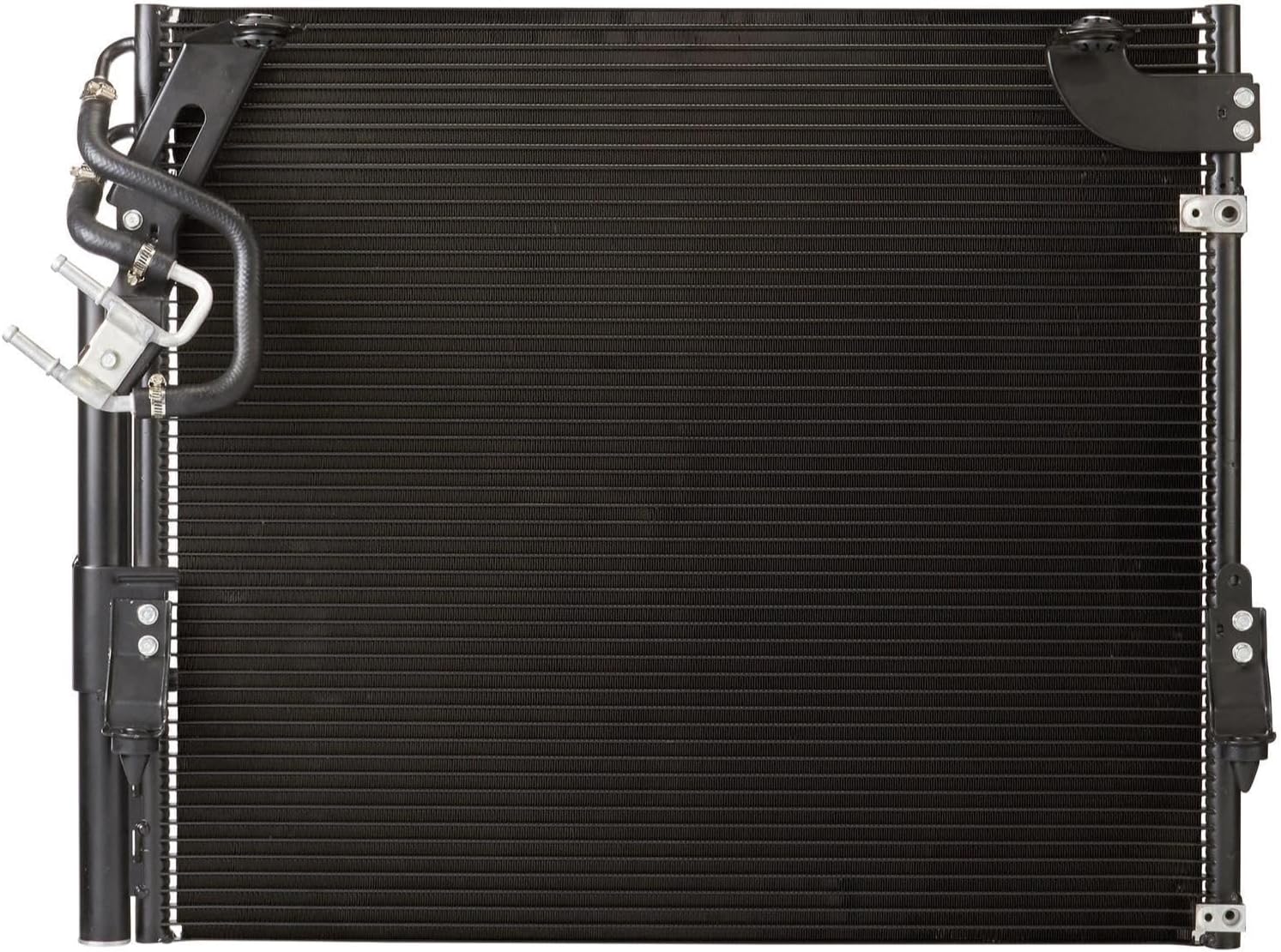
This CM Compressor condenser is a factory-replacement style heat exchanger intended to restore cooling in Toyota Tundra and Sequoia vehicles listed in the fitment. It condenses refrigerant from gas to liquid so the system can deliver cold air to the cabin, and it is constructed from high-strength aluminum for corrosion resistance and long service life. The unit is tested for leakage, durability, and vibration to reduce noise and improve comfort after installation. Typical use is straightforward: swap the failed condenser for this unit during an A/C repair or overhaul, then evacuate and recharge the refrigerant system. The practical benefits are solid build quality, improved corrosion resistance for humid climates, and compatibility with factory connections for a simpler install. Limitations are that installation requires A/C system access and professional handling of refrigerant, and buyers should confirm exact model-year fitment before purchase because compatibility is restricted to the specified Toyota years.
Best for: Drivers focused on restoring or improving A/C performance who want a robust, factory-style replacement condenser for a Toyota Tundra and value durability and corrosion resistance.
Less Ideal for: DIYers without experience handling refrigerant or owners who need a universal or multi-vehicle condenser solution should consider other options.
- High-strength aluminum construction for durability and improved corrosion resistance
- Designed to fit factory mounting points for a straightforward replacement
- Tested for leakage, durability, and vibration to minimize noise and premature failure
- Restores proper refrigerant phase change to recover cabin cooling performance
- Requires professional A/C service for proper evacuation and recharge
- Compatibility limited to the listed Toyota Tundra and Sequoia model years
Verdict A durable, factory-style aluminum condenser that restores A/C cooling for the specified Toyota Tundra and Sequoia years but requires proper refrigerant service to install.
3. Garage-Pro A/C Condenser for Toyota Tundra (2000–2006)
| Vehicle fitment | Toyota Tundra 2000–2006 |
|---|---|
| Core material | Aluminum |
| Interchange numbers | 74963, 10428, 884600C050, TO3030190 |
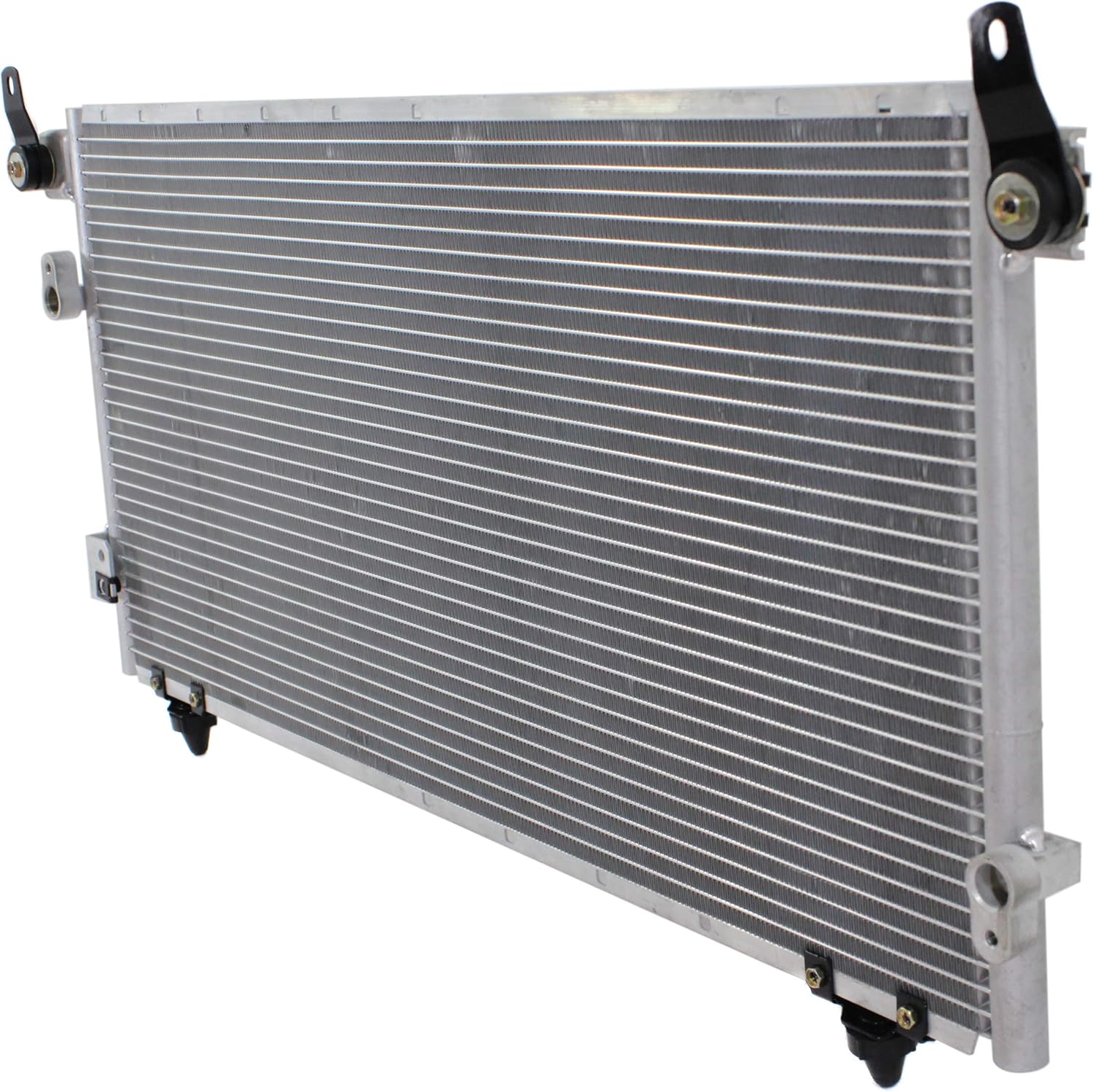
This Garage-Pro condenser is a direct-fit replacement intended to restore air conditioning performance on 2000–2006 Toyota Tundra trucks. It installs in place of the factory condenser and pairs with existing compressor and clutch components to cool the refrigerant efficiently thanks to its aluminum core. Typical use is a like-for-like repair when the original condenser has failed, corroded, or been damaged; it is sized to match factory mounting points and refrigerant connections for a straightforward swap. The main benefits are affordability and a factory-style fit that reduces modification during installation. Buyers should note this is a budget aftermarket part, so finish and long-term corrosion resistance may not match higher-end replacement brands, and the listing references core dimensions rather than performance metrics like flow or capacity. For owners who want an economical, direct replacement to get the A/C working again without extensive downtime, this condenser provides a practical solution, while buyers seeking maximum longevity or OEM-matching corrosion protection may prefer a premium alternative.
Best for: Practical, budget-conscious owners who prioritize a low-cost, functional repair to get a 2000–2006 Tundra's A/C working again without spending on premium parts.
Less Ideal for: Buyers seeking the longest possible service life or enhanced corrosion protection should consider higher-end condensers or OEM replacements instead.
- Direct-fit design for 2000–2006 Toyota Tundra reduces need for modifications during installation.
- Aluminum core improves heat transfer for effective refrigerant cooling compared with older copper designs.
- Affordable option that restores A/C function without the expense of a premium condenser.
- Interchangeable with common part numbers listed for straightforward cross-referencing.
- Does not list corrosion-resistant coatings or long-term durability testing comparable to premium replacements.
- Manufacturer information focuses on fit and sourcing rather than measured performance specifications.
- Limited warranty details are not included in the product specifications provided.
Verdict A cost-effective, direct-fit aluminum condenser that restores A/C function on 2000–2006 Toyota Tundra models but may not match premium parts for long-term durability.
4. Sawyer Auto Replacement A/C Condenser for 2004-2006 Toyota Tundra Crew Cab

| Fitment | 2004-2006 Toyota Tundra Crew Cab V8 4.7L |
|---|---|
| Part Number | SAB2-6480372 |
| Exterior | Ready To Paint |
This Sawyer Auto condenser is a direct-fit replacement designed specifically for the 2004–2006 Toyota Tundra Crew Cab with the 4.7L V8. It replaces the factory unit and installs the same way, so a mechanic or competent DIYer can swap it in without modifying hoses or mounting points. The unit ships unpainted and ready to paint, and the seller notes it follows factory dimensions and fitment so the receiver drier connection and line locations match the vehicle. Practical benefits include straightforward installation, compatibility with the vehicle s existing A/C hardware, and a construction intended to meet modern manufacturing standards. The main limitations are that it arrives uncoated so corrosion protection requires painting or coating, and the listing provides limited long-term durability data beyond a small number of reviews. For someone who wants a factory-style replacement that minimizes installation hassle, this condenser is a sensible choice, but expect to address surface protection before extended exposure to road elements.
Best for: A risk-averse mainstream buyer who wants a straightforward, factory-style replacement that minimizes installation unknowns and matches factory fitment for a Tundra 4.7L.
Less Ideal for: Buyers seeking a pre-coated or upgraded performance condenser or those who prefer parts with extensive long-term warranty and track record should consider other options.
- Direct-fit design installs like the factory condenser with no modification to mounting points
- Compatible specifically with 2004–2006 Toyota Tundra Crew Cab 4.7L V8, simplifying part selection
- Manufactured with modern tooling aimed at consistent build quality
- Same dimensions as the original part so it aligns with existing A/C lines and receiver drier
- Arrives unpainted, so buyers should apply corrosion protection before long-term use
- Limited public data on long-term durability and lifespan compared with long-established aftermarket options
Verdict A practical, factory-style direct replacement for Tundra 2004–2006 Crew Cab owners who want easy installation but should plan to add corrosion protection.
5. CLIMAPARTS AC Condenser for Toyota Tundra / Sequoia (DPI 3598)

| Condenser Type | Parallel Flow |
|---|---|
| Surface Finish | Aluminum |
| Placement on Vehicle | Front |
| OEM Reference | 884600C100 |
This CLIMAPARTS condenser is a direct-fit replacement designed for Toyota Tundra and Sequoia applications that use OEM 884600C100. It is a parallel-flow aluminum condenser built to mirror factory mounting points, tube count, and fin arrangement so it installs like a factory part and integrates with the existing lines and brackets. The unit is leak-tested before shipping and aims to restore air conditioning performance while keeping compressor load low, which can slightly reduce HVAC-related fuel use. Its aluminum construction helps resist corrosion and keeps weight down compared with heavier alternatives. As a value-focused option it provides near-factory fit and function without the premium price of name-brand OE suppliers, but it is sourced from a third-party manufacturer and made in China, so long-term corrosion resistance and exacting tolerance may vary versus a factory dealer part. Expect straightforward installation for routine condenser swaps and reliable cooling restoration when the original condenser has failed.
Best for: Practical optimizers who want a reliable, budget-conscious condenser that installs like a factory part and restores AC performance without paying dealer premiums.
Less Ideal for: Buyers who prioritize dealer-sourced factory parts, extended corrosion warranties, or guaranteed long-term provenance should consider dealer or OEM-sourced condensers instead.
- Designed to match factory mounting points and tube/fin layout for direct replacement fit
- Leak-tested before shipping to reduce risk of immediate failure after installation
- Aluminum parallel-flow construction offers good heat transfer and lighter weight
- Intended to lower compressor load which can modestly improve HVAC efficiency
- Manufactured by a third party so long-term durability and corrosion resistance may be less consistent than dealer parts
- Not a branded OEM unit which may concern buyers seeking factory-sourced components
Verdict A cost-effective, factory-style aluminum condenser that restores AC performance on Toyota Tundra/Sequoia without the dealer price tag.
6. Spectra Premium 7-3598 A/C Condenser for Toyota Tundra and Sequoia

| Manufacturer | Spectra Premium |
|---|---|
| Model | 7-3598 |
| OEM Part Number | 88460AZ007; 884600C100 |
This Spectra Premium condenser is built as a direct replacement for select Toyota Tundra and Sequoia applications and is intended to restore factory-style air conditioning performance. It installs in the front of the vehicle where it dissipates heat from the refrigerant; typical use is during A/C system repairs or when an original condenser fails from leaks or damage. Notable features include OE-matched construction, high-density cooling fins for better heat exchange, heavy-gauge mounting brackets to limit vibration, and nitrogen leak testing to help ensure the unit arrives undamaged. In practice that means a quicker cool-down and a close fit to factory mounting points when the correct application is chosen. Limitations to watch for are fitment variations across model years and occasional reported mounting weld or alignment issues, so confirm exact year and engine fitment before installation and inspect bracket welds at delivery. Professional installation and proper A/C system evacuation and recharge are recommended to achieve reliable operation.
Best for: Balanced, all-round buyers who want a factory-style replacement condenser that delivers reliable cooling and accepts sensible professional installation for long-term performance.
Less Ideal for: Buyers who need a universal or multi-vehicle condenser, or those seeking a plug-and-play upgrade without verifying exact year and trim compatibility.
- Designed as a direct factory-style replacement for select Toyota Tundra and Sequoia models
- High-density fins for improved heat transfer and faster cabin cool-down
- Nitrogen leak-tested prior to shipment to reduce risk of damaged units on arrival
- Heavy-gauge mounting brackets intended to reduce movement and vibration
- Fitment can vary by model year so incorrect application selection will require a return
- Some users reported mounting brackets or welds not matching factory alignment
Verdict A practical factory-quality replacement condenser for Tundra and Sequoia owners who want reliable cooling if they confirm exact fitment before buying.
Choosing the Right Toyota Tundra AC Condenser: Key Factors to Consider
Exact Fitment and Mounting
Correct fitment is essential because the condenser must align with factory mounting points, bracket locations, and refrigerant line ports to avoid modification. A precise fit reduces installation time and the risk of stress on fittings that can lead to leaks.
When components are designed to the vehicle's original specifications, you preserve proper airflow pathways in the front end and maintain the intended clearance to other cooling components. Confirming OEM-style port orientation and bracket holes helps ensure seals and O-rings sit correctly, which is important for a leak-free AC system.
Material and Corrosion Resistance
Condenser materials and protective coatings determine long-term durability, especially if you drive in coastal or winter-salt environments. Aluminum cores with robust anti-corrosion finishes typically resist pitting and galvanic corrosion better than uncoated alternatives.
Durable fins and reinforced end tanks minimize the chance of physical damage from road debris and maintain thermal performance over time. Prioritize condensers with proven corrosion control to reduce the need for early replacement.
Thermal Performance and Flow Design
A condenser's internal flow path and surface area directly affect how efficiently it rejects heat from the refrigerant. Better thermal transfer keeps head pressures lower and helps the A/C system maintain cooler cabin temperatures under load.
Consider condenser thickness, fin density, and tube design because these influence both cooling capacity and airflow resistance. For drivers who tow or operate in very hot climates, a condenser with robust heat rejection can prevent compressor overwork and maintain consistent cabin comfort.
Serviceability and Leak Detection
Ease of service matters for both routine maintenance and repairs. Condensers that allow access to standard service ports and that integrate with common leak-detection techniques will reduce labor time and diagnostic uncertainty.
Design features such as accessible fittings, clear tagging of inlet and outlet lines, and compatibility with common dye or electronic leak detection methods make post-install inspection and future troubleshooting simpler. Avoid designs that obscure access to fittings or that complicate pressure testing.
Installation Complexity and Hardware
Installation factors include whether the condenser comes with the necessary mounting hardware, gaskets, or O-rings, and how much disassembly of front-end components is required. A condenser that matches factory connections typically requires fewer additional parts and less modification.
Also consider whether the replacement will require the removal of other cooling system components or special tools. Simpler installations lower labor time and reduce the chance of installation-induced leaks or misalignment.
Compatibility With System Components
A condenser must work with the vehicle's existing receiver-drier, lines, compressor, and cooling fans. Mismatched port sizes or orientations can introduce restrictions or increase the risk of failure elsewhere in the system.
Verify that the condenser supports the refrigerant type used by the vehicle and that it does not require uncommon adapters. Maintaining compatibility helps preserve optimal pressures and protects downstream components from undue stress.
FAQ
What are common signs that a Toyota Tundra AC condenser is failing?
Common symptoms often include noticeably reduced cooling, higher cabin temperatures, or visible refrigerant oil residue near the condenser indicating a leak. You may also see unusually high head pressures or hear the compressor cycling more frequently. These signs usually prompt a focused inspection of the condenser for damage or corrosion.
Can I replace the condenser myself, and what should I watch for?
Many owners with mechanical experience can replace a condenser, but the job typically involves recovering refrigerant, disconnecting lines, and ensuring correct torque on fittings. Watch for proper port orientation, correct O-ring replacement, and secure mounting to avoid leaks. If you are not comfortable handling refrigerant recovery and recharge, seek professional service.
How can I check a condenser for leaks before installation?
Leak detection often uses electronic detectors, UV dye inspection, or a pressure and vacuum test on the evacuated system. Inspect visible joints and fins for oil traces and perform a pressure test with inert gas if accessible. These methods usually help locate leaks without putting the system into service.
Will a thicker or larger condenser always cool better?
A larger or thicker condenser can increase heat rejection, but benefits depend on airflow, fin design, and system compatibility. Increased size may also restrict airflow or require more clearance in the front end. Evaluate thermal design in the context of the vehicle's cooling package rather than assuming bigger is always better.
Do I need to replace other components when installing a new condenser?
It is common practice to inspect and often replace the receiver-drier or accumulator and to verify O-rings and seals when installing a new condenser. Flushing the system and replacing desiccant components helps remove contaminants and moisture that could harm the new condenser. This approach reduces the chance of premature failure after installation.
How We Chose the Best Toyota Tundra AC Condenser
To compile this list we applied filters that reflect real-world ownership needs for Toyota Tundra AC condensers. Primary selection criteria included exact vehicle fitment and mounting pattern, corrosion-resistant materials and coatings, and compatibility with standard refrigerant lines used on the model. We also evaluated structural durability under typical road and climate conditions, ease of installation including port and bracket alignment, and whether the design supports straightforward leak detection and service access. Thermal performance and internal flow design were considered to ensure adequate heat rejection for usual towing and ambient loads. We excluded components that did not match factory mounting points, lacked clear fitment information, or used materials known to degrade quickly in corrosive environments. The final list favors condensers that balance long-term reliability, serviceability, and practical compatibility with Toyota Tundra air conditioning systems.
Our full evaluation process is outlined in our review methodology.
Conclusion
When choosing a Toyota Tundra AC condenser, prioritize exact fitment, corrosion resistance, and a thermal design suited to your driving conditions. Balance ease of installation and serviceability against thermal performance to find the option that will last and integrate cleanly with your truck's system.Keep in mind the tradeoffs between size, airflow, and compatibility with existing components. Addressing leak detection and replacing related service items during installation will increase the likelihood of a durable, trouble-free repair.
Explore More:
- Check out all Toyota Tundra parts & accessories
- Explore AC Condensers Maintenance & Repair Guides
- Explore HVAC
- Browse all Auto Parts
