

Note: This article contains affiliate links. If you click on these links and make a purchase, I may earn a small commission at no extra cost to you. This helps support my research and content. Read my full affiliate disclosure here.
If your 2002-2005 Ford Explorer is showing inconsistent fan speeds, weak airflow on certain settings, or only runs on high, the blower motor resistor is a common cause. Choosing the right 2002-2005 Ford Explorer blower motor resistor matters because the correct unit restores proper HVAC performance, reduces the risk of overheating, and helps avoid repeated repairs.This guide shortlists seven top blower motor resistors suited to the 2002-2005 Ford Explorer and explains the evaluation factors we used, including fitment accuracy, thermal resilience, and electrical reliability. Read on to see tested decision criteria and practical installation notes before the product list.
Looking for other parts? See all Ford Explorer parts & accessories.
Top Picks at a Glance
| Best Overall The best all-around choice for most situations | A-Premium Front HVAC Blower Motor Resistor (fits 2002–2007 Ford/Mercury/Lincoln) |  |
| Best Quality Built to a higher standard if you want something more solid | AISIN HVAC Blower Motor Resistor Kit (BMRFD-00335) |  |
| Best Value The sweet spot between price and what you get | STETIG Manual Temp Control Blower Motor Resistor (fits select Ford/Lincoln/Mercury) |  |
| Best Budget The cheapest option that still gets the job done reliably | Ruizure A/C Blower Motor Resistor Module for Ford Explorer/Expedition Series |  |
| Highest Rated A top-rated pick with lots of positive feedback | AITKEN Blower Motor Resistor (KM13A) for Ford and Lincoln Models |  |
| Most Popular A crowd favorite that many people choose with confidence | FAERSI Blower Motor Resistor YH-1716 Compatible with 2002–2007 Ford Explorer and Related Models |  |
| Best Seller A high-volume bestseller chosen again and again | Dorman 973-411 HVAC Blower Motor Resistor Kit |  |
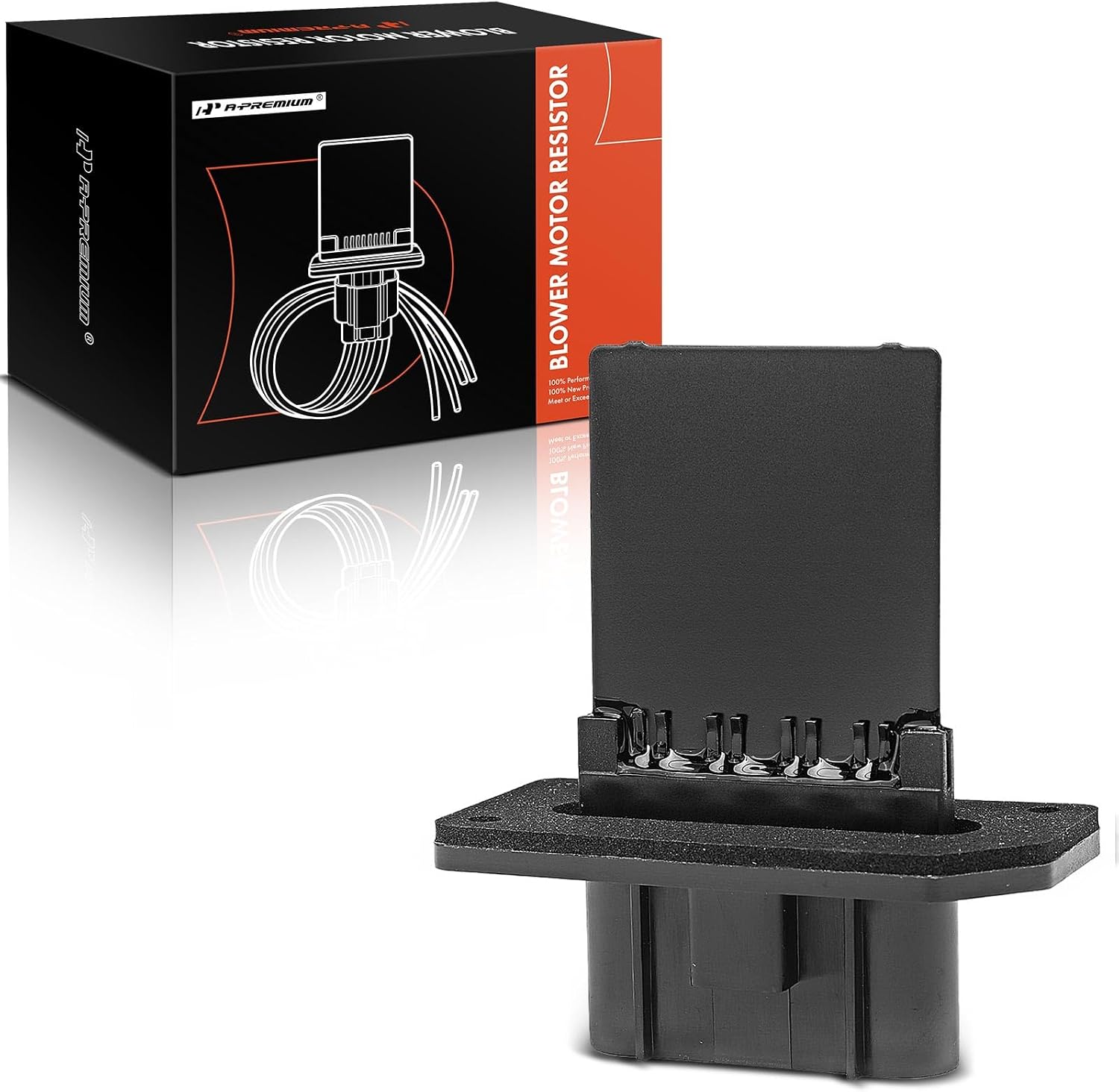
1. A-Premium Front HVAC Blower Motor Resistor (fits 2002–2007 Ford/Mercury/Lincoln)
| Manufacturer Part Number | BMR032C |
|---|---|
| OEM Part Number | RU-381, BMR45, 2400-304257 |
| Terminal Quantity | 4 |
| Bolt Hole Quantity | 2 |
This blower motor resistor replaces the front or rear HVAC resistor to restore the HVAC fan speed settings on compatible 2002–2007 Ford Explorer, Expedition, Sport Trac, Mercury Mountaineer, and Lincoln Aviator models that use manual temperature control. It is supplied with a four-blade terminal connector, two mounting holes, and is built to factory-spec dimensions for a direct bolt-in swap with no wiring harness included. In practical use it lets you regain multiple fan speeds when a failed resistor left the blower stuck on one speed or not working at all. Installation is straightforward for a DIYer with basic hand tools because the part unbolts from the housing and plugs into the factory connector. The unit carries a one-year unlimited-mileage guarantee from the brand. Expect a simple, cost-effective repair solution, but note it does not include a harness and is only compatible with the specific model years and control types listed, so verifying your original part number is important before ordering.
Best for: Buyers who want a practical, cost-effective repair to restore fan speed control on early-2000s Ford Explorer family vehicles and prefer a direct-fit replacement they can install themselves or have a technician fit quickly.
Less Ideal for: Do not choose this part if your vehicle uses automatic climate control, if the blower motor itself is the failure, or if you need a replacement harness included with the resistor.
- Factory-spec fit for listed Ford, Mercury, and Lincoln models for a direct bolt-in replacement
- Four blade terminals and standard two-bolt mounting for straightforward installation
- Manufactured to match OEM form and connector type so no modification is required
- Backed by a one-year unlimited-mileage guarantee from the brand
- Wiring harness is not included so a damaged connector or pigtail will require a separate repair
Verdict: A practical, factory-spec direct replacement resistor that makes a quick, affordable repair to restore multi-speed blower operation on compatible 2002–2005 Ford Explorer-family vehicles.
2. AISIN HVAC Blower Motor Resistor Kit (BMRFD-00335)

| Voltage | 12 Volts |
|---|---|
| Terminal Quantity | 4 |
| Terminal Type | Blade |
| Wiring Harness Included | Yes |
This AISIN blower motor resistor kit replaces the resistive control unit that governs the blower fan speeds on select Ford and Lincoln SUVs from the early 2000s. It is typically used during a repair when a vehicle loses some or all fan speeds, restoring precise airflow control for the heater and A/C. The kit includes a wiring harness and blade terminals with two mounting holes, which makes it straightforward to install for anyone comfortable with basic under-dash electrical work. AISIN positions this as a factory-quality aftermarket replacement, so expect consistent fan-speed steps and reliable operation comparable to original equipment. The harness length and included manual simplify fitment during a quick garage repair, but full performance depends on the rest of the blower circuit, so confirm the motor and connectors are healthy before replacing the resistor alone. This part is a practical, no-frills fix to recover proper climate control function without complex modification.
Best for: Drivers who want a dependable, performance-minded replacement to restore accurate fan-speed control on early-2000s Ford-family SUVs and trucks without upgrading the HVAC system.
Less Ideal for: People seeking upgraded airflow, higher-capacity cooling, or modern electronic fan controllers should look at complete blower motor or control-module upgrades instead.
- Factory-quality aftermarket construction aimed to match original blower control behavior
- Includes wiring harness and blade terminals for easier installation
- Direct fit for specified Ford, Lincoln, and Mercury models from early 2000s
- Supplies precise multi-speed fan control to restore proper HVAC airflow
- Only addresses resistor-level failures and will not fix a faulty blower motor or damaged connectors
Verdict: Choose this AISIN resistor kit when you need a reliable, factory-quality replacement to restore precise multi-speed blower control on compatible early-2000s Ford SUVs.
3. STETIG Manual Temp Control Blower Motor Resistor (fits select Ford/Lincoln/Mercury)

| Brand | STETIG |
|---|---|
| Item model number | 18B647-1318-AB |
| Manufacturer Part Number | 18B647-1318-AB |
| OEM Part Number | 1L2Z19A706AA, 2L2Z19A706AA, 4L2Z19A706AA, JA1504, 4P1366, RU381, 20301, YH1716, RU-381, YH-1716 |
This STETIG blower motor resistor replaces the factory unit that controls blower fan speeds on compatible 2002–2007 Ford Explorer and related vehicles. It is used when a vehicle loses certain fan speeds or the blower only works on high. Installation is straightforward for anyone with basic dash-access skills because the part is built to match factory fit and connector locations. The product lists multiple OEM cross-reference numbers so you can confirm compatibility before ordering. In practice it brings back stepped fan control without needing a full blower motor replacement and the manufacturer claims quality control and three-year coverage. Limitations to note are that fitment is vehicle-specific so you must verify the exact part number, and as a single-component replacement it will not fix problems caused by a failing blower motor, wiring, or control switch. Buyers should also expect a simple replacement part rather than upgraded performance or additional features.
Best for: Buyers who want a practical, cost-effective repair to restore fan-speed function on compatible Ford Explorer and related SUVs without replacing the entire HVAC assembly.
Less Ideal for: Drivers seeking performance upgrades, universal-fit parts, or solutions for electrical faults beyond the resistor should look elsewhere.
- Designed to match factory fit and connector locations for a direct replacement.
- Cross-referenced to multiple OEM part numbers for easier compatibility checks.
- Restores stepped fan-speed control without replacing the blower motor.
- Manufacturer states quality control and offers a multi-year coverage period.
- Only addresses resistor-related failures and will not repair a bad blower motor, switch, or wiring fault.
Verdict: A straightforward, factory-fit replacement resistor for restoring fan-speed control on compatible 2002–2005 Ford Explorer and similar vehicles.
4. Ruizure A/C Blower Motor Resistor Module for Ford Explorer/Expedition Series

| Compatible models | 2002-2007 Ford Explorer/Explorer Sport Trac, 2003-2006 Ford Expedition |
|---|---|
| Also fits | 2003-2005 Lincoln Aviator, 2003-2006 Lincoln Navigator, 2002-2007 Mercury Mountaineer |
| Included components | HVAC Heater Blower Motor Resistor |
| Part number | SS00038 |
This Ruizure blower motor resistor module replaces a failed resistor assembly to return multi-speed control to the HVAC blower in compatible early-2000s Ford platform SUVs. It is typically used when the fan is stuck on one speed or not working at all; swap the faulty module at the blower motor housing and the HVAC blower regains its stepped speed settings. The kit lists multiple interchange numbers and targets Explorers, Expeditions, Aviators, Navigators, and Mountaineers from the 2002–2007 era, making fitment straightforward for those models. Its construction emphasizes durability and claims factory-replacement functionality, which helps avoid intermittent blower operation. As a budget-oriented aftermarket option, it offers a simple plug-and-play replacement without the premium price of branded dealer parts. Limitations include the usual variability of aftermarket fit and longevity compared with higher-end parts, so expect to verify connector match and mounting before installation if your vehicle had previous repairs or wiring changes.
Best for: A practical buyer wanting an affordable, direct replacement to get HVAC fan speeds working again on early-2000s Ford platform SUVs without paying dealer prices.
Less Ideal for: If you prioritize the longest possible service life or exact dealer-original materials, consider premium or dealer-sourced replacements instead.
- Restores full blower fan speed control when the original resistor fails
- Lists multiple interchange part numbers to simplify matching for target vehicles
- Plug-and-play design for straightforward installation at the blower motor housing
- Constructed for durability to handle HVAC operating conditions
- Aftermarket fit and long-term durability can vary compared with higher-end or dealer parts
Verdict: A cost-effective, plug-and-play replacement to restore blower speed control on early-2000s Ford Explorers and related SUVs.
5. AITKEN Blower Motor Resistor (KM13A) for Ford and Lincoln Models

| Manufacturer | AITKEN |
|---|---|
| Model | KM13A |
| Manufacturer Part Number | KM13A |
| OEM Part Numbers | 3L2Z19E624AA, 6L2Z19E624A, XW4Z19E624AA, YW4Z19E624AA |
| Condition | New |
The AITKEN KM13A blower motor resistor replaces the failed resistor that causes blower speeds to drop to a single setting or stop working entirely. It installs in the HVAC housing where it routes current through resistive coils to provide the different fan speeds. Buyers will appreciate that this unit lists multiple OEM part numbers and is described as 100% tested with a one-year free replacement, which points to basic quality control. In practice it performs the single job of restoring reliable speed selection and quieter operation compared with a failing resistor. Installation is straightforward for anyone comfortable accessing the blower housing behind the glove box, and the product ships with the resistor only so you may need to transfer the connector or use the vehicle harness. Important limitations are that fitment is limited to specified older Ford and Lincoln models and the part does not include a new pigtail or detailed vehicle-specific instructions, so verify compatibility before ordering and plan for a short DIY job or a simple shop install.
Best for: Buyers who prioritize a dependable, factory-quality replacement to fix intermittent or single-speed blower operation on older Ford and Lincoln vehicles and prefer a tested part backed by a short warranty.
Less Ideal for: Anyone needing a universal resistor for multiple makes or a kit that includes wiring and extensive installation hardware should look for a different offering.
- Lists multiple OEM part numbers for straightforward cross-reference with factory parts
- Described as fully tested and backed by a one-year free replacement policy
- Restores full multi-speed blower control when original resistor has failed
- Simple unit design that is easy to access and replace in the HVAC housing
- Does not include a replacement harness or pigtail which may be needed on some vehicles
Verdict: Choose this tested, warranty-backed replacement if you want a reliable, factory-compatible resistor to restore proper blower speeds on early 2000s Ford and Lincoln models.
6. FAERSI Blower Motor Resistor YH-1716 Compatible with 2002–2007 Ford Explorer and Related Models

| Fitment | 2003-2006 Ford Expedition; 2002-2007 Ford Explorer; 2003-2005 Lincoln Aviator; 2002-2007 Mercury Mountaineer |
|---|---|
| Part Number | F-10022-1 |
| Replaces | YH-1716, 4L2Z19A706AA, 4P1366, JA1504 and others |
| Warranty Description | 12 Months No-Worry Warranty |
| Material Type | down |
This FAERSI blower motor resistor replaces the factory speed-control resistor used with manual HVAC controls on 2002–2007 Ford Explorer, 2003–2006 Expedition, Lincoln Aviator and Mercury Mountaineer models. It installs in place of the original part and restores variable fan speeds when a failed resistor causes the blower to work only on high or not at all. The unit is sold as a single resistor module, is tested before shipping, and is presented as meeting or exceeding factory specifications. In practical use the resistor addresses common failure modes like thermal fuse burnout and overheating, bringing heater and A/C airflow back to normal without replacing the blower motor itself. Expect a straightforward swap if you can access the resistor housing behind the glovebox or under dash. Limitations are that this is an aftermarket replacement rather than a factory part and some vehicles require checking interchangeable part numbers for an exact fit, so confirm compatibility before installation.
Best for: Buyers who value proven, functional replacements with customer feedback and want a low-risk repair to restore heater and A/C fan speed on supported Ford Explorer family vehicles.
Less Ideal for: People seeking an exact factory-branded replacement or buyers unwilling to check interchange numbers and vehicle fitment before installing should consider other options.
- Direct-fit replacement for listed Ford Expedition/Explorer family vehicles
- Restores full blower fan-speed control without replacing the blower motor
- Designed and tested to resist overheating and thermal fuse failure
- Includes multiple OE interchange numbers to verify fitment
- Aftermarket part rather than a genuine factory component
Verdict: A practical, tested aftermarket resistor that reliably restores blower fan-speed control on 2002–2007 Explorer-family vehicles and minimizes repair risk.
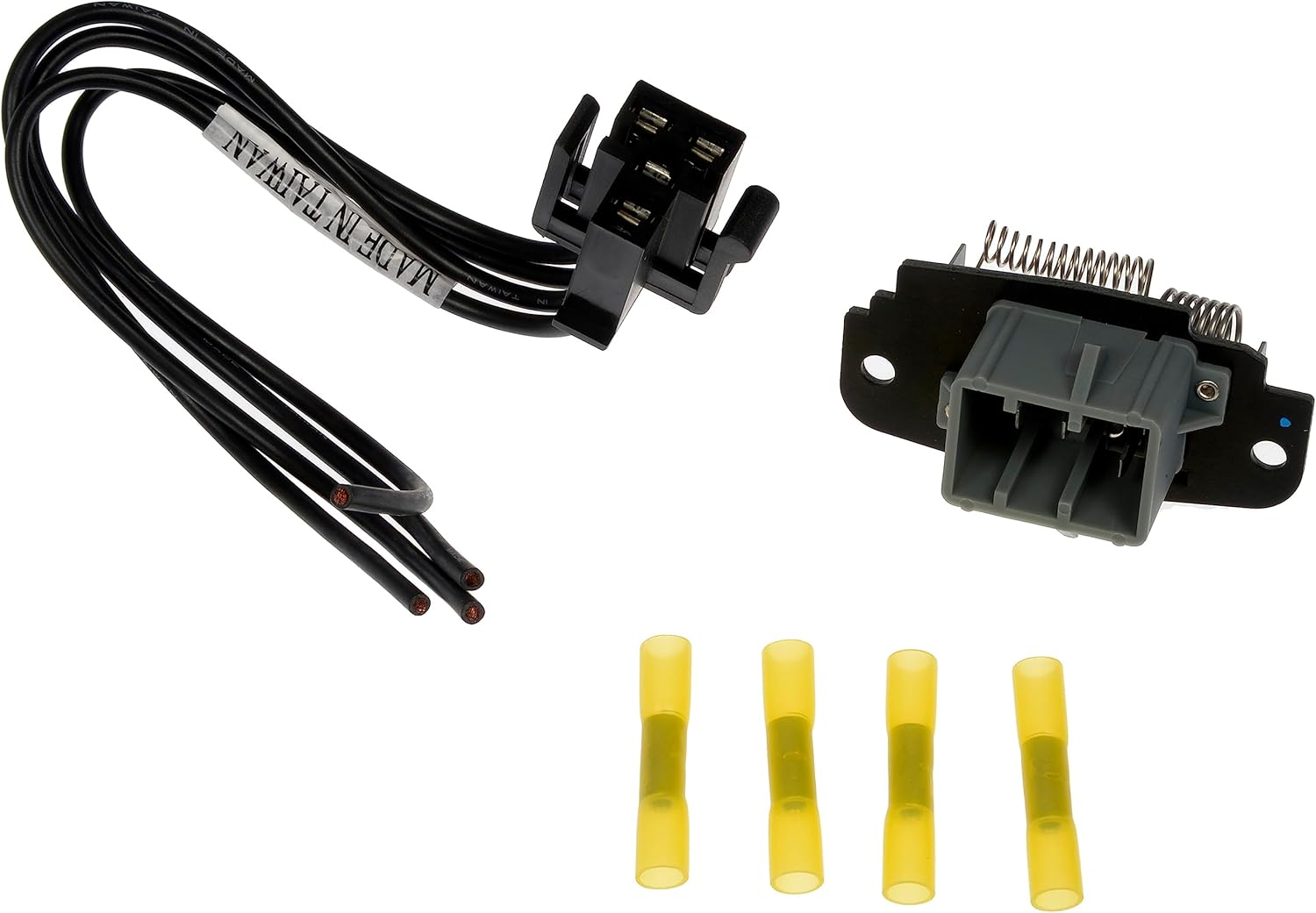
7. Dorman 973-411 HVAC Blower Motor Resistor Kit
| Model | 973-411 |
|---|---|
| Position | Center |
| Manufacturer Part Number | 973-411 |
| OEM Part Number | 20321; 4P1368; JA1506; RU1098; RU404; 4L5Z 19A706-AA; F5TZ19A706B |
This Dorman 973-411 blower motor resistor kit is a direct-replacement repair part intended to restore full HVAC fan control when the original resistor has overheated or corroded. The kit bundles the resistor block with a harness pigtail so you can replace the usually brittle connector and avoid repeated failures caused by a bad wiring plug. Installation is straightforward for a DIYer with basic hand tools and access to the blower housing, and the part is made to match factory function so fan speed settings return to normal. Practical benefits include a complete wiring connection included in the kit and a design meant to fit common mounting positions labeled center. A likely limitation is that fitment is vehicle-specific, so you must confirm it matches the Explorer years and trim before buying; the kit does not address a failed blower motor itself, only the resistor assembly. For buyers who prefer a conservative, repair-focused choice, this offers a simple, proven fix that keeps the stock HVAC controls working.
Best for: Buyers who want a conservative, straightforward repair to restore factory fan speed control on compatible Explorers and who prioritize a complete replacement harness to avoid repeat failures.
Less Ideal for: People looking to replace a failed blower motor, those who prefer professional installation for complex electrical diagnostics, or buyers who need universal fit parts for multiple vehicle models.
- Complete kit includes both the resistor and harness pigtail for a single repair
- Designed to match factory function and restore all fan speed settings
- Straightforward installation suitable for competent DIYers or technicians
- Replaces common failure point caused by overheating or corroded connector
- Fits specific vehicle applications so you must verify compatibility before ordering
- Does not replace the blower motor itself if the motor is the source of the problem
Verdict: A conservative, complete resistor-and-harness kit that reliably restores factory fan speed control on compatible Explorers.
Choosing the Right 2002-2005 Ford Explorer Blower Motor Resistor: Key Factors to Consider
Fitment and Connector Compatibility
Correct fitment is the first practical concern for the 2002-2005 Ford Explorer because the resistor must match the vehicle's factory connector and mounting points. A resistor with the wrong plug or terminal spacing can require splicing or bracket fabrication, adding time and potential failure points. Even small differences in pin orientation can cause fan speed functions to work incorrectly or not at all.
When evaluating options, confirm that the part lists explicit compatibility with 2002, 2003, 2004, and 2005 Explorer models and the same HVAC configuration. Check that mounting tabs align with the housing and that the connector style matches the original. Proper fitment reduces installation time and preserves the original wiring integrity.
Thermal Durability and Materials
Blower motor resistors sit inside or adjacent to the HVAC plenum where they are exposed to heat from the motor and heater core. Materials and construction determine how well a resistor stands up to repeated heat cycles. Look for resistors that use heat-stable substrates, ceramic or insulated resistive elements, and plated terminals to resist corrosion.
Units with better thermal design are less likely to develop cracked solder joints, warped housings, or burned traces. This matters for the Explorer because failing under heat typically produces intermittent fan speeds and eventual total failure. Prioritizing thermal durability reduces the chance of follow-up repairs.
Electrical Reliability and Speed Regulation
The resistor's primary job is to provide stable, distinct resistance steps for the HVAC fan speeds. Electrical reliability covers consistent resistance values under load, durable solder or welded joints, and robust connections that do not loosen over time. Poorly made resistors can cause the fan to skip speeds, drop to low output unexpectedly, or only operate on the highest setting.
When comparing options, consider whether the unit is designed to handle the Explorer's blower motor current without overheating and whether it includes features to protect against voltage spikes. Reliable speed regulation ensures predictable cabin climate control and reduces driver distraction from erratic airflow.
Connector and Terminal Quality
The physical connectors and terminals are a frequent failure point on blower resistor replacements. Terminals that are thin, unplated, or loose can corrode or develop high-resistance joints that mimic resistor failure. For a 2002-2005 Ford Explorer, expect a molded connector that mates snugly with the vehicle harness and terminals plated to resist corrosion.
A quality connector minimizes electrical resistance and eliminates intermittent contacts caused by vibration or temperature cycling. Inspectors often recommend replacing a brittle or damaged harness connector at the same time; choosing a resistor with a robust plug reduces the likelihood that you will need additional wiring repairs.
Sealing and Protection Against Moisture and Debris
Although the blower resistor is inside the vehicle HVAC assembly, moisture and dust can still infiltrate through drain paths or leaks. A resistor with protective housings or sealed terminals fares better in service. Moisture intrusion can cause corrosion and short circuits, leading to erratic fan operation or complete failure.
For Explorer owners, parts that include gaskets, sealed terminal covers, or corrosion-resistant coatings will generally last longer, especially if the vehicle has experienced water ingress or if the HVAC cabin filter area is prone to debris. Protection features help maintain consistent electrical contact and extend component life.
Installation Complexity and Serviceability
Finally, installation ease affects whether the repair stays reliable after replacement. Some resistors are direct-fit replacements requiring only basic hand tools and quick access to the blower housing, while others may demand dashboard removal or cutting harnesses. For the 2002-2005 Explorer, simpler install procedures reduce the risk of damage to surrounding HVAC components or the ductwork.
Consider whether the replacement includes clear instructions, mounting hardware, or a replacement connector. Serviceable designs that allow terminals to be inspected or replaced without disassembling the entire HVAC housing save time during diagnostics and repairs.
Common Symptoms of a Failing Resistor
Recognizing early signs of a failing blower motor resistor helps you address HVAC issues before they lead to no fan operation. Typical symptoms include loss of low or medium fan speeds, intermittent operation that changes with engine temperature, or the blower only working on the highest setting.
Some Explorer owners also notice a burning smell near the dash or visible discoloration at the resistor area, which can indicate overheating. Understanding these symptoms helps you decide whether diagnostics or replacement is the right next step.
- Fan works only on high speed
- Certain fan speed settings do not respond
- Intermittent blower operation that changes with temperature
- Slight burning odor or melted plastic near the glove box
How to Locate the Blower Motor Resistor on the Explorer
On a 2002-2005 Ford Explorer, the blower motor resistor is typically mounted in or near the HVAC housing, accessible from the passenger footwell area. You will usually need to remove the lower glove box or a trim panel to see the resistor and its connector. Access can be limited by ductwork and trim, so a flashlight and a few hand tools are helpful.
Before disconnecting any connectors, note the orientation of the plug and take care to depress locking tabs to avoid damaging the harness. If the resistor is difficult to reach, a short extension or swivel ratchet can simplify removal without forcing components.
- Access via passenger footwell lower panel
- Look for a small rectangular module with a multi-pin plug
- Remove cover panels carefully to avoid breaking clips
Basic Diagnostic Tests You Can Do
You can perform a few straightforward checks to determine whether the resistor is likely at fault. First, observe the fan behavior on each speed setting. Next, with the ignition on and the fan running, check for voltage at the resistor connector using a multimeter. A functioning resistor will show distinct voltage drops between pins corresponding to selected speeds.
If you are comfortable with hands-on testing, a bench test of the resistor with a multimeter can confirm continuity across resistor paths. However, be cautious: testing under load is different from checking static continuity, and certain failures only present under actual blower motor current.
- Inspect connector and wiring for corrosion or melted plastic
- Use a multimeter to check for voltage and continuity
- Compare readings across speed settings to spot open circuits
Installation Tips for a Durable Repair
When installing a replacement resistor, ensure the mating connector is clean and the pins are straight. If the vehicle harness shows signs of overheating or melting, repair or replace that harness section before fitting the new resistor. Secure the resistor mounting to prevent vibration and ensure it sits flush to the housing for effective heat dissipation.
Apply dielectric grease sparingly to terminals if the replacement instructions recommend it, and avoid over-tightening screws which can warp mounting points. After installation, test all fan speeds to verify correct operation before reassembling trim pieces.
- Clean or replace damaged harness connectors
- Tighten mounting tabs evenly to avoid stress
- Verify all fan speeds before finishing reassembly
When to Replace the Resistor Vs Inspecting the Blower Motor
A failing resistor is a common cause of fan speed problems, but the blower motor itself can also create symptoms that look similar. If the motor draws excessive current due to worn brushes or bearing issues, it can overload and burn out the resistor. If you replace the resistor without checking the blower motor, you risk repeating the repair.
Check the blower motor for smooth free rotation and listen for grinding or squealing noises. Measure motor current if possible; an abnormally high draw suggests motor wear. When both components show issues, address the motor first or replace both to prevent subsequent resistor failure.
- Listen for unusual motor noises
- Check for excessive current draw
- Replace motor first if it shows mechanical wear
Long-Term Maintenance to Prevent Future Failures
Regular cabin air filter changes and keeping drain paths clear reduce the chance of moisture and debris reaching the resistor area. Periodically inspect the resistor connector for signs of corrosion or heat damage during routine maintenance. Early detection of connector discoloration allows you to correct high-resistance joints before full failure.
If you live in an area with high humidity or road salt exposure, consider using replacement parts with plated terminals and corrosion-resistant coatings to increase longevity. Preventive care extends the life of both the resistor and the blower motor.
- Replace cabin air filter on schedule
- Inspect resistor area during HVAC service
- Use corrosion-resistant parts in harsh climates
Still looking for the perfect fit?
Select your Ford Explorer configuration to see the most relevant Blower Motor Resistors recommendations
How We Chose the Best 2002-2005 Ford Explorer Blower Motor Resistor
We focused on criteria that matter specifically when replacing the blower motor resistor on a 2002-2005 Ford Explorer. First, fitment accuracy was essential: we prioritized parts designed to match the Explorer's connector, mounting points, and electrical pinout to avoid wiring modifications. Second, thermal durability was considered because these resistors operate in hot, confined HVAC housings; units built with heat-resistant substrates and corrosion-resistant terminals are less likely to fail prematurely. Third, electrical reliability was assessed by looking for consistent multi-speed regulation and stable resistance values under load. Fourth, connector and terminal quality mattered since loose or corroded connections cause intermittent operation. Fifth, ease of installation and availability of clear instructions or compatible hardware reduced the chance of installation errors.We excluded universal or generic-fit units that require modification unless they specifically documented direct compatibility with the 2002-2005 Ford Explorer. We also filtered out parts lacking basic durability features such as sealed terminals or thermal-rated components. The resulting shortlist balances correct fit, robust heat handling, and dependable electrical performance to suit typical Explorer HVAC operating conditions.
Our full evaluation process is outlined in our review methodology.
FAQ
How long does a blower motor resistor typically last on a 2002-2005 Explorer?
Lifespan varies widely depending on climate and usage. Many resistors last several years, but heat cycling and moisture can shorten life; inspect the component when you notice fan speed issues.
Can I drive the Explorer if the blower resistor is failing?
You can drive the vehicle, but you may lose fan speeds or HVAC function which affects defrosting and cabin comfort. If the blower only works on high, plan a timely repair to restore full climate control.
Is the blower motor resistor difficult to replace on this vehicle?
Replacement is typically moderate in difficulty for a DIYer with basic tools because the resistor is accessible from the passenger footwell. Some trim removal may be required; follow safety steps and disconnect the battery if you are working near electrical components.
Will replacing the resistor fix a fan that only runs on high?
Often yes, because the resistor provides lower-speed settings and its failure commonly results in the fan only operating on high. However, confirm the blower motor and wiring are not contributing to the issue before assuming replacement will be a permanent fix.
Should I replace the resistor and connector together?
If the connector shows heat damage, corrosion, or loose terminals, replacing it with the resistor is advisable. A new connector helps ensure reliable contact and prevents future intermittent problems.
How do I test the resistor without removing it?
You can test the resistor in place by measuring voltage at the connector pins across different fan settings and checking for expected voltage drops. A multimeter check for continuity can indicate open circuits, but load testing is more conclusive.
Final Verdict
For the 2002-2005 Ford Explorer, prioritize a direct-fit blower motor resistor that matches the factory connector and offers robust thermal protection. Confirming connector condition and checking the blower motor before installation reduces the chance of repeat failure. Tradeoffs often center on convenience versus long-term durability: a higher-quality resistor with corrosion-resistant terminals and better heat handling costs slightly more in effort but typically lasts longer.Aim to replace the resistor with a unit that emphasizes correct fitment, solid electrical connections, and heat-resistant materials. Doing so restores consistent fan speeds and minimizes the need for follow-up repairs, giving the Explorer reliable HVAC performance.
Explore More:
- Check out all Ford Explorer parts & accessories
- Explore Blower Motor Resistors Maintenance & Repair Guides
- Explore HVAC
- Browse all Auto Parts
