

Note: This article contains affiliate links. If you click on these links and make a purchase, I may earn a small commission at no extra cost to you. This helps support my research and content. Read my full affiliate disclosure here.
If your 1998-2002 Subaru Forester is showing flickering dash lights, slow cranking, or a dead battery, the alternator is a common culprit. Picking the right alternator matters because charging-system performance affects daily reliability, starting consistency, and the lifespan of your battery and electronics.This guide covers the top alternators shortlisted for the 1998-2002 Forester, with an emphasis on electrical output, mechanical fit, and long-term durability. We explain the decision criteria used to evaluate each option and outline what to expect during installation and maintenance. Read on to find alternators suited to routine replacement, higher-mileage vehicles, and owners who want straightforward, dependable repairs.
Looking for other parts? See all Subaru Forester parts & accessories.
Top Picks at a Glance
| Best Overall The best all-around choice for most situations | Parts Player 75A 12V Alternator for 1998 Subaru Forester / 1997-1998 Impreza |  |
| Best Quality Built to a higher standard if you want something more solid | BOSCH Remanufactured Alternator AL4304X, 90 Amp |  |
| Best Value The sweet spot between price and what you get | Parts Player 75A Alternator for Subaru Forester 2.5L (1999–2002) |  |
| Best Budget The cheapest option that still gets the job done reliably | KAC 13820N 75A Alternator Replacement for 1999–2002 Subaru Forester and 1999–2001 Impreza |  |
| Highest Rated A top-rated pick with lots of positive feedback | PHILTOP 13820N Alternator, 75A 12V Compatible with Subaru Forester/Impreza (1999–2002) |  |
1. Parts Player 75A 12V Alternator for 1998 Subaru Forester / 1997-1998 Impreza
| Amperage | 75 Amps |
|---|---|
| Voltage | 12 Volts |
| Rotation | CW |
| Regulator/Fan | IR/IF |
| Plug Code | 300 |
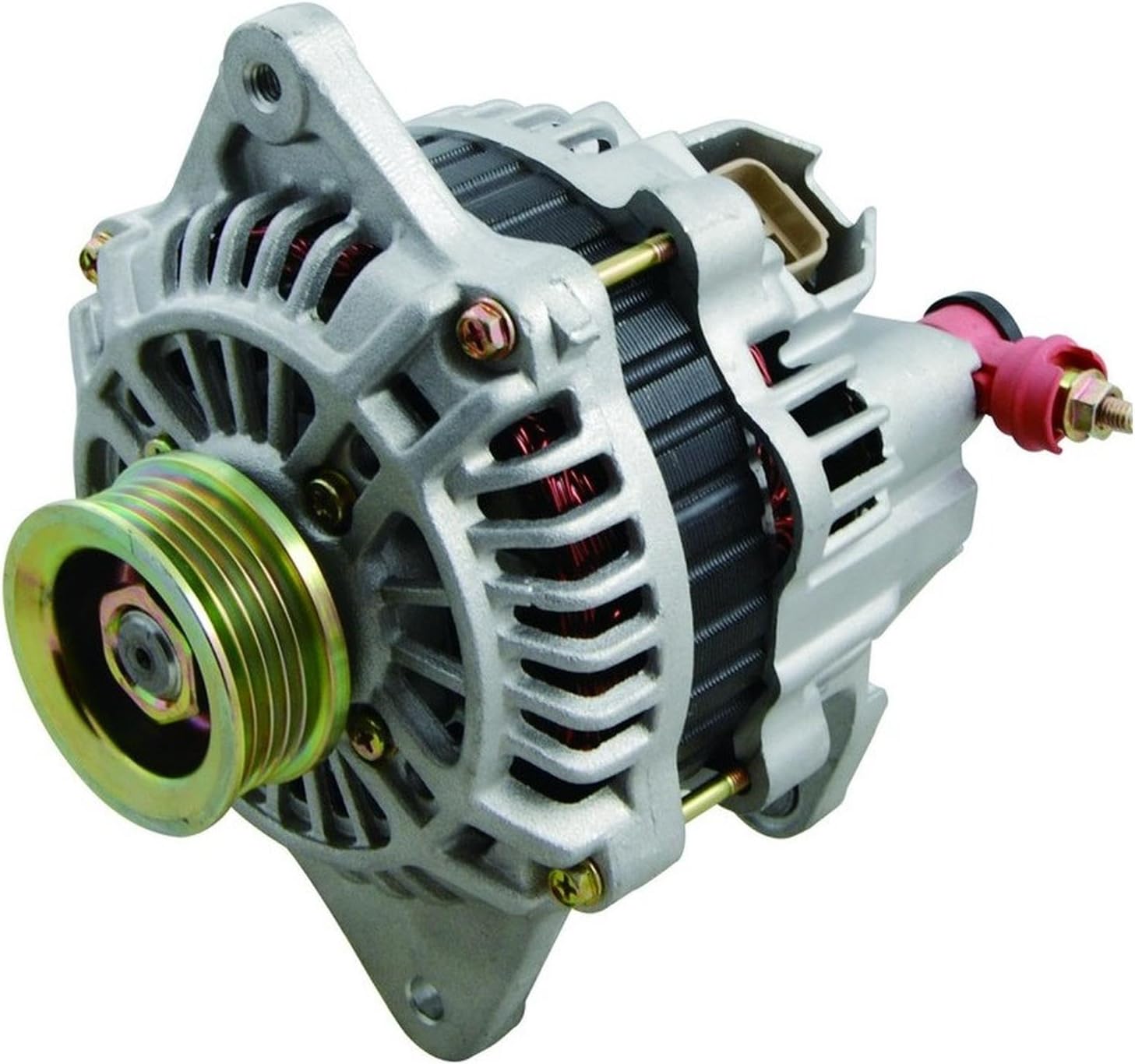
This Parts Player alternator is a direct-fit replacement designed for 1998 Subaru Forester 2.5L and several 1997–1998 Impreza engines. It provides 75 amps at 12 volts and uses a clockwise rotation with an IR/IF regulator and S5 pulley class, so installation follows the same mounting and pulley layout as the original unit. Typical use is straightforward: swap the failed unit for this one and reconnect factory wiring and the belt. The unit is described as machined with premium components and tested for reliability, which should restore charging performance for daily-driven vehicles and light-duty use. It does not include mounting hardware, so expect to reuse your factory bolts or source OE-quality fasteners. Because this is a single-application replacement, confirm plug code and pulley size against your vehicle before ordering. For owners who want a like-for-like replacement that restores battery charging and electrical stability, this alternator covers the essentials without extras like included hardware or upgraded amperage.
Best for: Buyers who want a direct, factory-style replacement to restore charging reliability on a late-1990s Subaru without upgrading electrical capacity.
Less Ideal for: Drivers seeking higher-output alternators for heavy electrical accessory use or those wanting a plug-and-play unit that includes all installation hardware.
- Made to match factory electrical output at 75 amps for correct charging behavior
- 12V clockwise rotation and matching pulley class support straightforward fitment
- Machined exterior and tested components aim to deliver reliable, factory-quality performance
- Does not include mounting hardware so bolts may need to be reused or purchased separately
Verdict: A straightforward, factory-matching 75A replacement alternator that restores charging reliability for late-1990s Subaru Forester and Impreza models.
2. BOSCH Remanufactured Alternator AL4304X, 90 Amp

| Amperage | 20 Amps |
|---|---|
| Model | Reman Alternator |
| Manufacturer | Bosch |
| Exterior | Machined |
This Bosch remanufactured alternator is a direct replacement-style unit rebuilt with new bearings, self-lubricating brushes, clutch pulley, and other refreshed components to restore reliable charging. It is typically used as a factory-quality replacement for vehicles that require a 90 amp unit, and each alternator is full-load tested and subjected to multi-point quality checks to ensure consistent output under real driving conditions. For a performance-minded buyer this unit delivers solid electrical stability for stock and lightly modified engines, helping keep battery voltage steady during accessory use and spirited driving. Because it is remanufactured rather than new, you get many new internal parts without replacing the entire assembly, which can be cost-efficient. Limitations include reliance on correct vehicle fitment and the fact that remanufactured units may vary slightly from new-production parts in appearance and prior-life history, so thorough fitment verification is important before installation.
Best for: Drivers who prioritize dependable charging performance for a 1998–2002 Subaru Forester and want a factory-quality replacement that supports spirited driving and added electrical accessories.
Less Ideal for: Owners seeking a brand-new alternator or a high-output aftermarket performance unit beyond 90 amps should consider other options.
- Remanufactured with multiple new internal components including bearings, brushes, and clutch pulley
- Full-load tested and multi-point quality inspected to meet Bosch performance standards
- Delivers stable 90 amp charging suitable for stock electrical loads and added accessories
- Factory-quality replacement fit and function designed to match original charging specifications
- Remanufactured units can vary cosmetically and may show signs of prior use
- Compatibility must be confirmed for specific vehicle years and configurations before purchase
Verdict: A remanufactured Bosch 90 amp alternator that restores factory-level charging reliability for performance-minded Forester owners who need dependable electrical output.
3. Parts Player 75A Alternator for Subaru Forester 2.5L (1999–2002)

| Amperage | 75 A |
|---|---|
| Voltage | 12 volts |
| Rotation | CW |
| Regulator | IR/IF |
This Parts Player replacement alternator delivers basic charging performance for late 1990s and early 2000s Subaru 2.5L engines. It installs like a direct replacement and provides 75 amps at 12 volts with clockwise rotation and an integrated IR/IF regulator and 6-diode rectifier, so it will support typical electrical loads such as lights, HVAC, and an aftermarket stereo in daily-driving use. The pulley and plug class match factory-style mounting and connections, but mounting hardware is not included so plan to reuse or source bolts and brackets. Practical buyers will appreciate its straightforward fitment for Forester models in the stated years and familiar factory-style design. Limitations include a modest 75 A output that may be marginal for heavily modified audio systems or additional high-draw accessories, and the unit is manufactured in China which may concern buyers who prefer different provenance or branded remanufactured cores.
Best for: Buyers who want a practical, direct-fit replacement to restore charging reliability on a 1999–2002 Forester and prioritize straightforward installation and factory-style function over upgraded output.
Less Ideal for: Those building a high-power audio system or adding multiple high-draw accessories should choose a higher-output or performance-focused alternator instead.
- Direct-fit replacement for 1999–2002 Subaru Forester 2.5L with matching rotation and plug class
- Factory-style regulator (IR/IF) and 6-diode rectifier for reliable charging in normal use
- 75 A output suitable for stock electrical systems and typical daily-driving accessories
- Clean machined exterior and standard pulley/pulley class for straightforward installation
- Mounting hardware is not included so additional parts or reuse of original bolts may be necessary
- 75 A output may be inadequate for high-demand aftermarket electrical setups
Verdict: A practical, factory-style 75 A replacement alternator that restores reliable charging for 1999–2002 Forester owners who need a straightforward direct-fit unit.
4. KAC 13820N 75A Alternator Replacement for 1999–2002 Subaru Forester and 1999–2001 Impreza

| Amperage | 75 A |
|---|---|
| Voltage | 12 V |
| Position | Front |
| Rotation | Clockwise |
| Pulley Class | S5 |
This KAC 13820N alternator is a direct-fit replacement option for compatible 1999–2002 Forester and 1999–2001 Impreza models that need a reliable charging unit. It provides 75 amps at 12 volts with a clockwise rotation and S5 pulley class, so it swaps into the factory location and restores charging to the vehicle electrical system. The unit uses die-cast aluminum construction, pure copper windings, and sealed bearings and rectifier hardware to improve heat dissipation and durability compared with old worn units. Typical use is a straightforward engine-bay replacement during a charging-system repair or refresh; the listing includes installation guidance images and common OEM part numbers to help verify fit. Practical benefits include stable regulator performance for consistent voltage output and components meant to resist corrosion. Limitations are the fixed amperage output, so it is not suited for owners planning significant electrical upgrades, and buyers should verify pulley class and rotation against their vehicle before purchase.
Best for: Buyers who want an affordable, factory-style replacement to restore charging performance on the specified Forester or Impreza without upgrading the vehicle electrical system.
Less Ideal for: Not a good choice for owners planning large audio systems, additional high-current accessories, or who need higher-output alternators for heavy aftermarket electrical loads.
- Direct-fit compatibility with specified 1999–2002 Forester and 1999–2001 Impreza applications
- 75 A output with factory-style regulator for steady charging of stock electrical systems
- Die-cast aluminum housing and pure copper windings for improved heat dissipation and durability
- Includes common OEM part numbers and installation visuals to aid correct selection and fitment
- Fixed 75 A capacity limits suitability for vehicles with aftermarket high-draw accessories
Verdict: A cost-conscious, factory-style 75A replacement that reliably restores charging for the covered 1999–2002 Forester and 1999–2001 Impreza models.
5. PHILTOP 13820N Alternator, 75A 12V Compatible with Subaru Forester/Impreza (1999–2002)

| Amperage | 75 A |
|---|---|
| Voltage | 12 V |
| Rotation | CW |
| Pulley Class | S5 |
This PHILTOP alternator is a direct-fit replacement designed to restore charging performance on 1999–2002 Forester and 1999–2001 Impreza models. It delivers 75 amps at 12 volts with clockwise rotation and an S5 pulley class, so installation is straightforward for anyone swapping a like-for-like factory unit. The unit emphasizes durability with vibration and shock resistance, high-voltage insulation, and components rated for wide temperature ranges and salt spray exposure. That makes it a sensible choice if you need reliable, everyday charging under varied conditions. The alternator is built with factory-matched cores and quality bearings intended to reduce friction and noise, though the listing notes mounting bolts or accessories may not always be included so you should confirm what comes in the box before starting the job. For those who want a long-lasting, OEM-style replacement that closely mirrors factory performance, this alternator provides practical reliability without requiring vehicle modifications.
Best for: Owners who prioritize a dependable, factory-style replacement to restore charging reliability on late 1990s to early 2000s Subaru Forester or Impreza models and prefer parts built to match original performance.
Less Ideal for: Buyers seeking a high-output upgrade for heavy electrical loads or users who want a complete installation kit included with all fasteners and accessories.
- Direct-fit design matches factory form and function for specified Subaru models
- 75 A output with factory-style pulley and clockwise rotation for compatibility
- Built for durability with vibration resistance, high-voltage insulation, and wide-temperature tolerance
- Factory-matched core and quality bearings to reduce noise and improve longevity
- Mounting bolts and some accessories may not be included, requiring reuse of original hardware or separate purchase
- Higher amperage options are not offered if you need an upgraded charging capacity
Verdict: A practical, factory-style replacement alternator aimed at restoring reliable charging performance for 1999–2002 Subaru Forester and compatible Impreza models.
Choosing the Right 1998-2002 Subaru Forester Alternator: Key Factors to Consider
Electrical Output and Amperage Stability
Alternator amperage rating determines how well your Forester supplies power to lights, ignition, and accessories. A unit with stable output across RPM ranges reduces the chance of dimming headlights at idle and ensures reliable charging during heavy electrical loads.
For the 1998-2002 Forester, check that the replacement alternator matches or slightly exceeds the original rated amperage to support any additional accessories you may have added. Consistent voltage regulation is equally important because voltage spikes or drops can damage sensitive electronics. Ask whether the regulator design is integrated or replaceable, since a failed regulator is a common service item.
Mechanical Fit and Mounting
Correct mounting points, pulley alignment, and electrical connector compatibility make the physical swap easier and reduce the risk of belt misalignment. A misfit can lead to premature belt wear, bearing stress, or charging problems.
Confirm that the alternator matches the Forester's accessory layout and that the pulley diameter preserves the original belt speed. Also verify that wiring harness connectors and the output stud or terminal correspond to the factory configuration to avoid additional wiring work during installation.
Durability of Internal Components
Brushes, slip rings, bearings, and the voltage regulator determine an alternator's service life. For older Foresters, look for units with higher-quality bearings and robust brush assemblies to withstand long-term use and high mileage.
Poor-quality internal parts can lead to noisy operation, reduced charging efficiency, or early failure. If you plan to keep the vehicle long term, prioritize rebuildable designs or units with replaceable regulators and brush kits to lower repair costs down the road.
Ease of Installation and Access
Installation complexity affects total repair time and cost. The 1998-2002 Forester's engine bay can be tight depending on the engine and accessory configuration, so choose an alternator that allows straightforward belt tensioning and wiring access.
Consider whether the replacement requires special tools, belt removal sequences, or dropping other components for access. Units that reuse factory mounting hardware and connectors will typically reduce installation time and the chance of fitment headaches.
Warranty and Support Options
Warranty coverage and the availability of repair parts impact long-term ownership cost. A longer warranty period provides confidence in workmanship and component quality, while good support makes it easier to obtain replacement regulators, brushes, or bearings if needed.
Check the warranty terms for coverage of electrical failures and bearing wear. For older vehicles like a 1998-2002 Forester, a seller or manufacturer that offers clear return policies and replacement components can be a significant advantage.
Serviceability and Rebuild Availability
Alternators that are designed to be serviced are often more economical over the life of the vehicle. Availability of rebuild kits or replacement regulators allows you or a local shop to repair worn components rather than replacing the entire unit.
Assess whether the alternator can be disassembled for brush and bearing replacement, and whether common rebuild kits are available. This is particularly valuable for high-mileage Foresters where periodic maintenance can extend the alternator's service life.
Common Alternator Symptoms on 1998-2002 Forester
Recognizing alternator symptoms early helps avoid getting stranded. Typical signs include a battery warning light on the dash, dimming or flickering headlights, slow engine cranking, or unusual whining noises from the front of the engine. These symptoms often progress from intermittent faults to complete charging loss if not addressed.
Some electrical issues can mimic alternator failure, so using basic alternator testing helps confirm the diagnosis before replacement. Pay attention to symptom patterns such as whether the problem appears at idle, under load, or only after the vehicle has been running for some time.
- Battery warning lamp illumination
- Dimming headlights at idle or under load
- Slow or uncertain engine starts
- Growling or whining noise from alternator area
- Electrical accessories cutting in and out
Diagnosing Charging Problems Safely
Start with a visual inspection: check belt condition and tension, wiring connections at the alternator and battery terminals, and look for obvious damage to the alternator housing. Loose or corroded connections often cause charging faults that mimic internal alternator failures.
If visual checks are inconclusive, basic voltage testing with a multimeter can confirm charging function. Measure resting battery voltage, then run the engine and compare readings to verify the alternator is providing the expected charge. For accurate results, test at idle and at higher RPMs to see if output changes with engine speed.
- Inspect drive belt and tension
- Check battery terminals for corrosion
- Measure battery voltage at rest and while idling
- Listen for bearing noise or electrical whine
Installation Tips for the Forester Owner
Plan the job with the correct replacement and tools. For most Forester alternator swaps you will need basic hand tools, a torque wrench, and possibly a pry bar to set belt tension. Support the vehicle safely if you need extra access from below. Keep fasteners and ground wires organized to avoid confusion during reassembly.
When installing, confirm the pulley alignment and belt routing before final torque. Reconnect the battery last and check for proper charging at idle. After installation, allow the engine to run and monitor voltage and listen for abnormal noises to ensure the alternator and belt are functioning correctly.
- Disconnect battery negative before starting work
- Label disconnected connectors to prevent wiring mistakes
- Verify belt tension and pulley alignment
- Test charging output before completing reassembly
When to Consider a Rebuild Versus Full Replacement
Rebuilding an alternator can be cost-effective if the housing and rotor are in good condition and failures are limited to brushes, bearings, or the regulator. For a 1998-2002 Forester, consider rebuilds when the unit is otherwise intact and when rebuild kits are readily available. Rebuilt units can return long service life if repaired correctly.
Full replacement may be preferable if the alternator shows signs of electrical damage, severe bearing wear, or if the housing is corroded. Also choose replacement if a reliable warranty or immediate availability is important for minimizing vehicle downtime.
- Rebuild: brushes, bearings, regulator replacement
- Replace: damaged rotor, stator, or corroded housing
- Assess availability of rebuild kits before deciding
Cost Considerations and Long-Term Value
Initial cost is only part of the ownership equation. Factor in expected service life, warranty coverage, and whether common wear items can be serviced separately. A slightly higher initial investment can be justified by longer bearing life, replaceable regulators, or stronger warranties that reduce total cost over time.
Also consider labor time for the Forester swap. Easier-fit units that reuse factory connectors and mounting hardware typically lower installation labor, which can be the larger component of total repair cost if you use a professional mechanic.
- Evaluate warranty length and terms
- Consider availability of rebuild parts
- Account for installation labor differences
Still looking for the perfect fit?
Select your Subaru Forester configuration to see the most relevant Alternators recommendations
How We Chose the Best 1998-2002 Subaru Forester Alternator
We focused on criteria that matter specifically for replacing alternators in 1998-2002 Subaru Forester vehicles. Key evaluation factors included electrical output and amperage stability under load, mechanical fit and mounting compatibility with the Forester engine and accessory layout, and overall durability of brushes, bearings, and regulators to withstand higher-mileage conditions. We also weighed ease of installation and access to common replacement parts such as voltage regulators and pulleys for straightforward maintenance. Noise and vibration characteristics were considered because worn bearings or poor balancing can cause long-term issues in these models. Finally, warranty coverage and availability of rebuild or repair components were included to reflect total ownership cost over time.We excluded options that require extensive chassis modifications, custom wiring, or nonstandard pulley ratios because these complicate routine replacement for typical Forester owners. The shortlist favors units that match the original charging capacity or offer a clear, compatible upgrade path without altering engine accessories.
Our full evaluation process is outlined in our review methodology.
FAQ
How do I tell if my Forester alternator is failing?
Common indicators include a steadily dimming battery light, headlights that fade at idle, slow cranking, or unusual noises near the front of the engine. Confirm with basic voltage testing at rest and with the engine running to see if the alternator is producing steady output.
Can I drive my Forester with a bad alternator?
You can drive short distances, but a failed alternator will eventually drain the battery and leave you stranded. If you notice charging symptoms, limit driving and address the issue quickly to avoid being stranded or causing further electrical damage.
Is an alternator rebuild a good option for an older Forester?
A rebuild can be a sensible, economical choice when the rotor and housing are in good condition and failures are limited to brushes, bearings, or the regulator. Availability of rebuild kits and the cost of labor versus replacement will influence whether rebuilding is practical.
What basic tests can I run before replacing the alternator?
Start with a visual inspection of belts and connections, then use a multimeter to check battery voltage at rest and while the engine is running. Look for a steady increase in voltage when the engine runs and check for excessive alternator noise or belt slippage that could explain charging problems.
Will installing a higher-output alternator harm my Forester?
Installing a slightly higher-output alternator is usually safe if the mechanical fit and pulley speed remain compatible. Avoid units that alter pulley ratios or require custom wiring, because those changes can introduce other issues such as belt misalignment or regulator incompatibility.
How long should a replacement alternator last in a Forester?
Alternator life depends on driving conditions and maintenance, but a well-made, properly installed unit often lasts many years. Factors like bearing quality, brush wear, and exposure to road contaminants influence longevity, so choose parts and installation practices that minimize these stresses.
Final Verdict
Prioritize an alternator that matches the Forester's original electrical output and offers durable internal components like quality bearings and a reliable regulator. Consider units that simplify installation by reusing factory mounting and connector arrangements, and factor in warranty and rebuildability for long-term value.Balancing amperage capacity, mechanical fit, and serviceability will help you select a replacement that restores reliable charging and minimizes future maintenance. Focus on the criteria discussed here to choose the best option for your 1998-2002 Subaru Forester with confidence.
Explore More:
- Check out all Subaru Forester parts & accessories
- Explore Alternators Maintenance & Repair Guides
- Explore Electrical System
- Browse all Auto Parts
