

Note: This article contains affiliate links. If you click on these links and make a purchase, I may earn a small commission at no extra cost to you. This helps support my research and content. Read my full affiliate disclosure here.
If your Civic is blowing warm air or the AC cycles erratically, a failed condenser is a common culprit. For 2016-2021 Honda Civic owners you need condensers that fit the FC and FK chassis, resist corrosion, and seal reliably to avoid refrigerant loss. This guide shortlists seven well-suited AC condensers chosen for correct part fitment, durability, and straightforward installation for the Civic FC and FK models.Below you will find the top condenser options matched to the 2016-2021 Civic, along with the evaluation criteria we used. Read on to understand symptoms, installation considerations, and how to pick the right replacement for your driving conditions.
Looking for other parts? See all Honda Civic parts & accessories.
Top Picks at a Glance
| Best Overall The best all-around choice for most situations | Orceed Air Conditioning Condenser Compatible with Honda Civic 2016-2021 (Model 30007) |  |
| Best Quality Built to a higher standard if you want something more solid | TYC 30007 Aluminum AC Condenser for 2016-2021 Honda Civic |  |
| Best Value The sweet spot between price and what you get | Readair A/C Condenser for Honda Civic 2016–2021 2.0L | 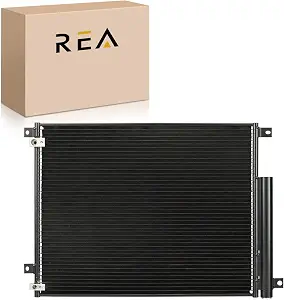 |
| Best Budget The cheapest option that still gets the job done reliably | SCITOO A/C Condenser for 2016–2019 Honda Civic 1.5L |  |
| Highest Rated A top-rated pick with lots of positive feedback | TRQ A/C Condenser and Receiver Drier Assembly (direct-fit) |  |
| Most Popular A crowd favorite that many people choose with confidence | AUTOSAVER88 A/C Condenser for 2016–2021 Civic 2.0L |  |
| Best Seller A high-volume bestseller chosen again and again | A-Premium AC Condenser compatible with 2016–2021 Honda Civic 2.0L |  |
1. Orceed Air Conditioning Condenser Compatible with Honda Civic 2016-2021 (Model 30007)

| Compatible vehicle | Honda Civic 2016-2021 |
|---|---|
| Material | Aluminum |
| Includes | Receiver drier and bracket |
| Replacement part numbers | 30007, 80100TBAA02, 80100TBAA01 |
| Manufacturer | Orceed |
This Orceed condenser is a drop-in replacement designed specifically for 2016–2021 Honda Civic models. Made from aluminum with high-density multi-layered fins, it improves heat dissipation and restores A/C cooling when the original condenser has failed. The kit arrives with a receiver drier and a bracket to simplify installation and follows the factory-style fitment so most installers can reuse existing mounting points and lines for a straightforward swap. Practical benefits include faster cooling and a design that aims to match factory connections, which helps reduce labor time on a DIY replacement or shop install. Customers report good results and long-term leak-free performance in many cases, though there are occasional complaints about packaging damage and inconsistent included components, so inspect the unit and parts on arrival. This is a functional, budget-friendly option for Civic owners who need a reliable condenser replacement without upgrading other system components.
Best for: Buyers wanting a cost-effective, direct-fit condenser that restores A/C performance on a 2016–2021 Honda Civic and who prioritize straightforward installation and practical cooling gains.
Less Ideal for: Those seeking an OEM-branded part or a heavy-duty performance upgrade should consider factory-specified or performance condensers instead.
- Built from aluminum with multi-layered fins for improved cooling efficiency
- Includes receiver drier and mounting bracket to simplify replacement
- Factory-style fitment intended for drop-in installation
- Multiple user reports of reliable cooling and long-term leak-free operation
- Some buyers reported damaged units on arrival, indicating variable packaging protection
- A few listings omitted the dryer or other expected components on delivery
Verdict: A practical, budget-friendly direct-fit condenser for 2016–2021 Honda Civic owners who want reliable cooling restored with minimal installation fuss.
2. TYC 30007 Aluminum AC Condenser for 2016-2021 Honda Civic

| Material Type | Aluminum |
|---|---|
| Part Interchange Info | 80100-TBA-A01 |
| Part Number | 30007 |
| Included Components | Condenser |
| Item Shape | Rectangular |
The TYC 30007 condenser is a factory-style aluminum replacement built to restore or improve A/C cooling on 2016–2021 Honda Civic models. It is test-fit on vehicles and designed to match factory mounting points, inlet and outlet positions, and fin/tube layout so installation is straightforward for DIYers or technicians. The louvered aluminum fins and Nocolok-brazed tubes aim to deliver efficient heat transfer and long-term durability while keeping the unit lightweight. Where applicable the condenser includes an integrated receiver/dryer to simplify installation and reduce additional parts. Expect it to perform like a direct replacement for a worn or leaking original condenser and bring system temperatures back to normal, though professional evacuation and recharge of the refrigerant are still required. This part focuses on correct fit and reliable cooling rather than high-performance modifications, so buyers wanting extreme capacity increases or custom plumbing may need a dedicated performance condenser or system upgrades.
Best for: Buyers who want a reliable, factory-compatible replacement condenser to restore proper A/C cooling on a 2016–2021 Civic and prefer a straightforward install with factory-like performance.
Less Ideal for: Drivers planning on heavily modified cooling systems or seeking substantial aftermarket cooling upgrades should consider purpose-built performance condensers instead.
- Desgined to match factory mounting and hose locations for straightforward drop-in installation
- Louvered aluminum fins and Nocolok-brazed tubes for efficient heat transfer and durability
- Lightweight aluminum tubing that balances strength and cooling performance
- Vehicle test-fitted before release to reduce fitment issues
- Includes receiver/dryer where applicable to simplify replacement
- Not engineered for higher-capacity or modified A/C systems seeking increased cooling beyond factory levels
Verdict: If you need a direct-fit, vehicle-tested condenser to reliably restore factory-level A/C cooling on a 2016–2021 Honda Civic, this TYC unit is a practical choice.
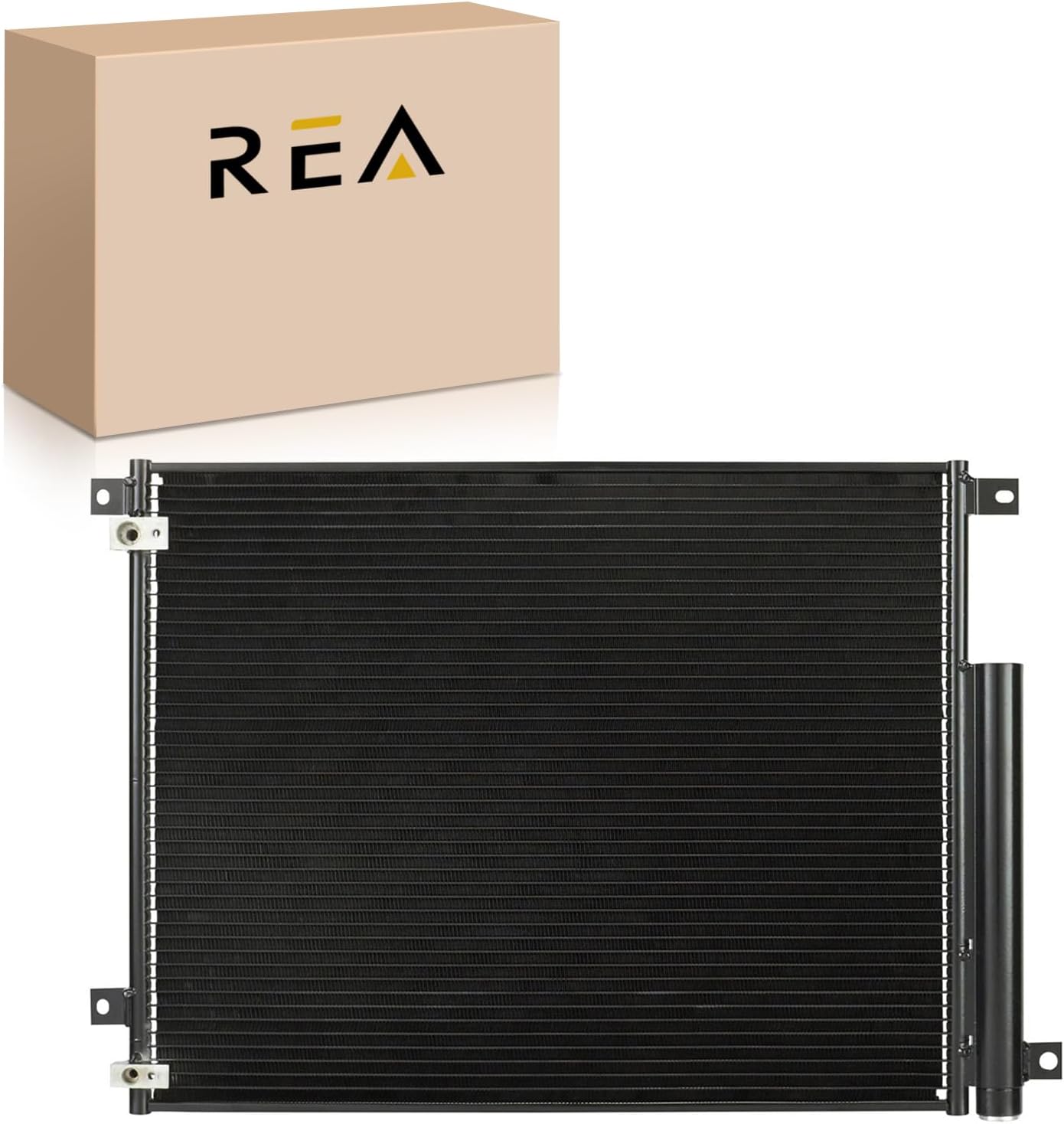
3. Readair A/C Condenser for Honda Civic 2016–2021 2.0L
| Vehicle fitment | Honda Civic 2016–2021 2.0L |
|---|---|
| Construction | Brazed corrugated aluminum fins and tubes |
| Mounting | Heavy-gauge mounting brackets |
| Manufacturer | Readair |
| Manufacturer part number | RCondenser80100TBAA01 |
This Readair condenser is a direct-replacement part meant to restore air conditioning cooling on 2016–2021 Honda Civic 2.0L Coupe and Sedan models. It uses brazed corrugated aluminum tubes and high-density multi-louvered fins to increase heat dissipation, while heavy-gauge mounting brackets reduce vibration and movement. Typical use is a like-for-like swap when a factory condenser is leaking, corroded, or no longer cooling efficiently; installers report straightforward fitment and no leaks when installed correctly. The reinforced brackets and brazed construction suggest good durability compared with cheap aftermarket cores, and the manufacturer backs the unit with a two-year unlimited-mileage guarantee. Limitations to keep in mind are that it is an aftermarket condenser so small differences in fittings or line locations can require careful alignment during install, and it does not include associated components such as O-rings, receiver-drier, or refrigerant — plan to replace those parts and refrigerant when servicing the system. For DIYers and shops focused on restoring reliable cooling without paying OEM pricing, it is a practical option.
Best for: Buyers who want a cost-effective, practical replacement to restore factory cooling performance on a 2016–2021 Honda Civic 2.0L and who value straightforward installation and durable construction.
Less Ideal for: People seeking a complete A/C system service kit or those who prefer purchasing directly from a manufacturer dealer for factory-branded parts.
- Direct-fit design for 2016–2021 Honda Civic 2.0L for straightforward replacement
- High-density multi-louvered fins and brazed tubes for improved heat dissipation
- Heavy-gauge mounting brackets to limit vibration and improve durability
- Backed by a two-year unlimited-mileage guarantee
- Does not include ancillary service parts like O-rings, receiver-drier, or refrigerant which must be purchased separately
- As an aftermarket unit, minor alignment or fitting adjustments may be necessary during installation
Verdict: A practical, durable direct-replacement condenser that restores A/C cooling on 2016–2021 Honda Civic 2.0L models without the OEM price.
4. SCITOO A/C Condenser for 2016–2019 Honda Civic 1.5L

| Fitment | 2016-2019 Honda Civic 1.5L |
|---|---|
| Built-in Receiver/Drier | Yes |
| Core Material | Aluminum |
| Condition | New |
This SCITOO condenser is a straightforward replacement for the 2016–2019 Honda Civic 1.5L that combines an aluminum core and a built-in receiver/drier to restore air conditioning performance. It installs in the same location as the original part and is intended to be a direct-fit, so a DIYer or independent shop can swap it in without major modifications. The aluminum construction helps dissipate heat effectively and the included receiver/drier saves an extra step during installation. SCITOO positions this as a budget-conscious aftermarket option, so you get the essential features for cooling restoration without premium branding. Expect practical performance for everyday driving and hot-weather use, but be aware that aftermarket fit and long-term durability can vary compared with factory parts, so check mounting points and line connections carefully during installation. Technical support is offered by the seller if issues come up during fitment.
Best for: Buyers looking to restore or repair A/C on a 2016–2019 Civic 1.5L without spending on brand-name parts and who prioritize cost and straightforward installation.
Less Ideal for: Those seeking an OEM-identical part with factory-backed longevity or buyers who want a premium upgraded condenser with extended warranty coverage.
- Built-in receiver/drier included so you do not need a separate component during installation
- Aluminum core for effective heat dissipation and typical condenser performance
- Designed as a direct-fit replacement for 2016–2019 Honda Civic 1.5L to simplify installation
- Affordable aftermarket option aimed at restoring A/C function without premium markup
- Aftermarket unit may vary from factory fit and long-term durability compared with factory-quality parts
Verdict: A budget-focused, direct-fit condenser that restores A/C function on 2016–2019 Civic 1.5L with a built-in receiver/drier for easier installation.
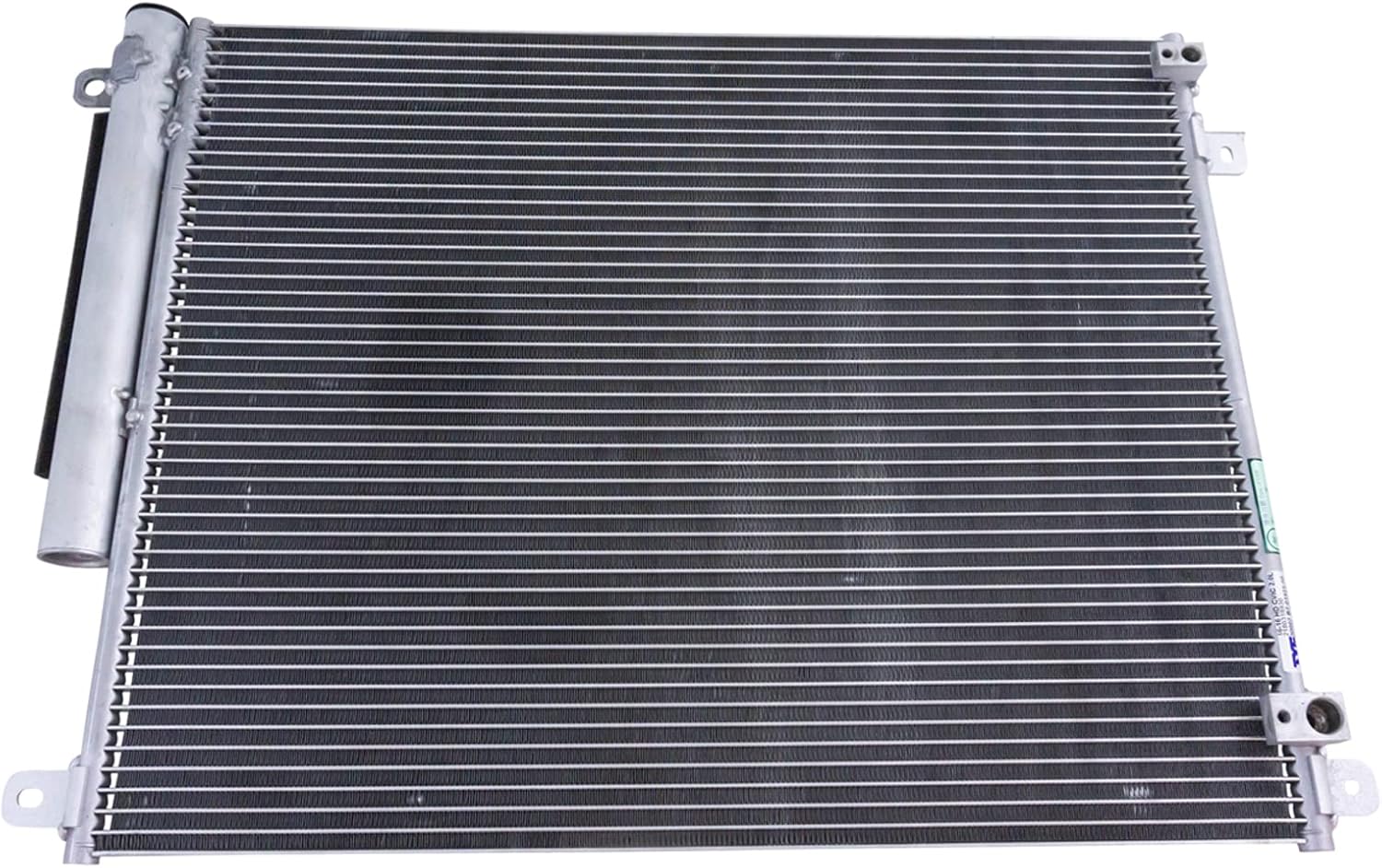
5. TRQ A/C Condenser and Receiver Drier Assembly (direct-fit)
| Fitment | 2016–2021 Honda Civic Sedan L4 2.0L (selected trims listed) |
|---|---|
| Core Material | Aluminum |
| Core Thickness | 0.5 in |
| Mounting Hardware | Included |
| Direct Fit | Yes |
This TRQ condenser/receiver-drier assembly replaces the factory unit and is built as a pre-assembled direct-fit part to simplify A/C repairs on compatible 2016–2021 Honda Civic 2.0L sedans. It combines the condenser and receiver drier so you swap one assembly instead of separate components, and TRQ includes mounting hardware to help speed installation. The core is aluminum with modest thickness and factory-style connections so it bolts in without modification in most cases. For routine repairs the biggest practical benefits are reduced install time and avoiding refrigerant system contamination by swapping the drier at the same time. Some buyers report consistently cold air and good fitment; others have had fitment mismatches on unrelated vehicle years, so confirm orientation and port locations before you install. This is a sensible choice if you want a ready-to-install replacement that mirrors factory layout, but expect an aftermarket unit rather than a dealer original part.
Best for: Buyers who prioritize a reliable, serviceable replacement that minimizes install time and restores A/C performance on 2016–2021 Honda Civic 2.0L sedans.
Less Ideal for: Those who prefer dealer-sourced parts or need a condenser for vehicles outside the specified Honda Civic 2016–2021 2.0L sedan fitment.
- Pre-assembled condenser with receiver drier reduces installation steps and contamination risk
- Direct-fit design and included mounting hardware speed replacement without modifications
- Aluminum core and factory-style connections provide conventional cooling performance
- Fitment depends on matching port orientation so double-check against the car before installation
Verdict: If you want a dependable, ready-to-install replacement condenser that restores cold A/C quickly on 2016–2021 Honda Civic 2.0L sedans, this TRQ assembly is a practical choice.
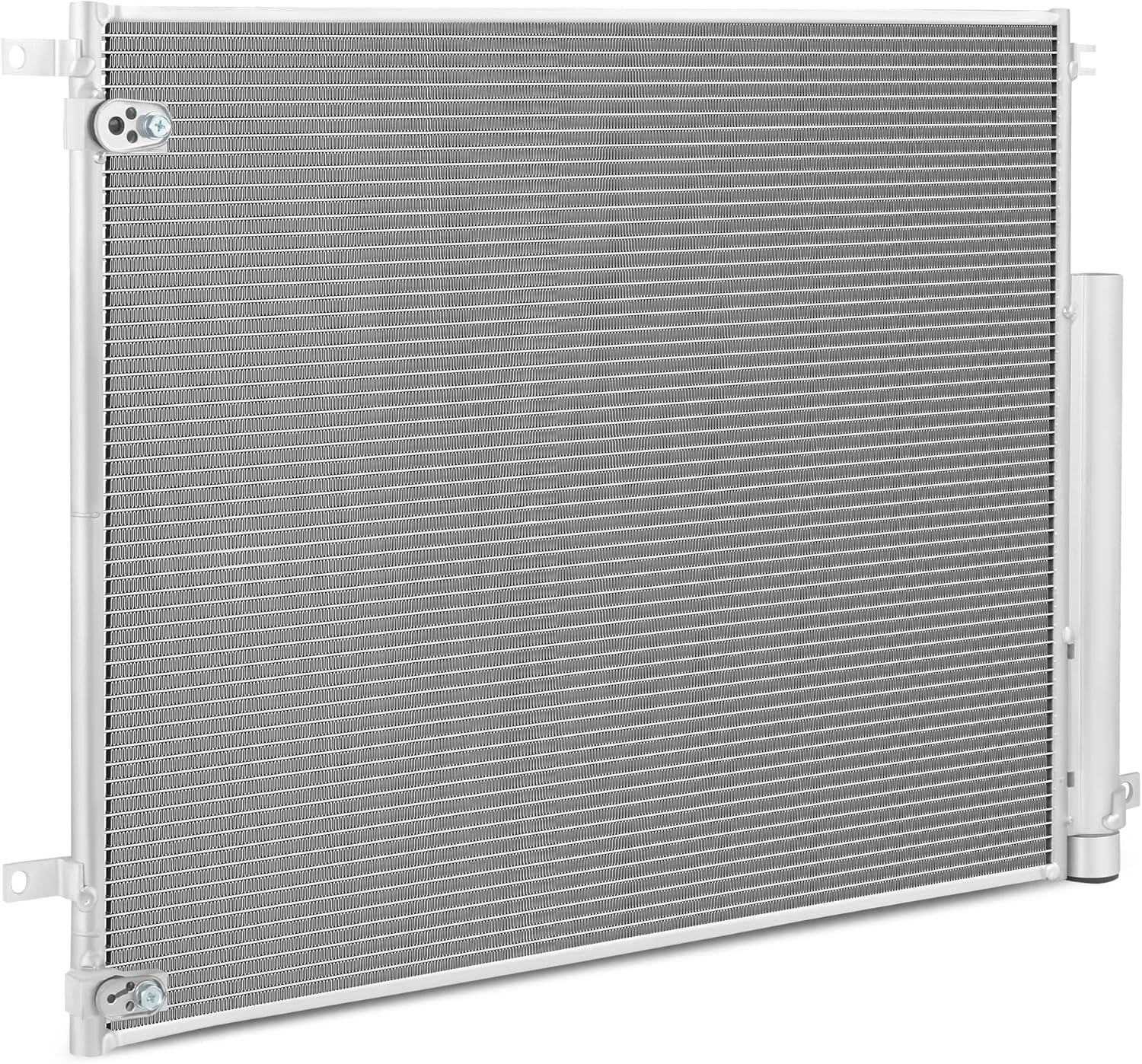
6. AUTOSAVER88 A/C Condenser for 2016–2021 Civic 2.0L
| Compatibility | 2016-2021 Civic L4 2.0L |
|---|---|
| OEM Part Number | 80100TBAA02 |
| Core Construction | Brazed aluminum tubes and corrugated fins |
| Pressure Test | 2.94 MPa (30 kgf/cm) for 1 minute |
| Package Contents | 1x complete condenser and user manual |
This AUTOSAVER88 condenser replaces the factory condenser on 2016–2021 Civic 2.0L cars and is intended to restore or improve cabin cooling. It is built from brazed aluminum tubes and high-density multi-louvered fins to increase heat dissipation and is pressure-tested for airtightness at 2.94 MPa. Typical use is straightforward: remove the old condenser, install this direct-fit unit, evacuate and recharge the refrigerant, and verify there are no leaks. The denser fin design should deliver faster cool-down and better performance in hot weather, while the packaged foam corners help protect the part during shipping. Important limitations are that installation requires refrigerant handling and professional tools, and any underlying system contamination or damaged connectors will still need repair for reliable operation. Fitment is limited to the specified Civic 2.0L application, so confirm fit before buying.
Best for: Buyers who want a proven, factory-style condenser to restore A/C performance on a 2016–2021 Civic 2.0L and who prioritize parts that are pressure-tested and well packaged.
Less Ideal for: Those looking for a universal or multi-vehicle condenser or owners who prefer to avoid any work that involves refrigerant handling and professional installation.
- Direct-fit replacement manufactured to factory-spec for the 2016–2021 Civic 2.0L
- Brazed aluminum core with multi-louvered fins for improved heat dissipation
- Pressure tested for airtightness to reduce chance of shipping defects or early leaks
- Packaged with protective foam to minimize transit damage
- Requires professional refrigerant recovery and recharge; not a DIY job for most owners
Verdict: If you need a ready-for-install, factory-style replacement to restore fast, reliable cooling in a 2016–2021 Civic 2.0L, this AUTOSAVER88 condenser is a practical choice.
7. A-Premium AC Condenser compatible with 2016–2021 Honda Civic 2.0L

| Vehicle fitment | Honda Civic 2016-2021 2.0L |
|---|---|
| Built-in receiver dryer | Yes |
| Built-in bracket | Yes |
| Inlet/outlet fitting type | Block Fitting |
This A-Premium condenser is a direct bolt-on replacement meant to restore the Civic's air conditioning cooling capacity. It includes a built-in receiver dryer and bracket and uses block fittings for the inlet and outlet, so installation follows the factory mounting points and connection style. Typical use is as a replacement for a leaking or damaged condenser after an AC system failure; the factory-style fit and included drier reduce the amount of modification or additional parts needed. Buyers report consistent fit and good packaging, and the condenser is engineered for efficient heat dissipation to keep cabin temps down. Trade-offs to expect are typical of aftermarket condensers: finish and long-term corrosion resistance may vary compared with higher-end OEM parts, and one review noted a damaged unit on arrival, so careful inspection at delivery is wise. The part comes with a one-year unlimited-mileage guarantee from the brand.
Best for: Buyers seeking a reliable, factory-style replacement condenser that minimizes installation hassle and restores cooling quickly, prioritizing a straightforward swap and predictable fit.
Less Ideal for: If you want an OEM-branded part with proven long-term corrosion performance or premium finish, consider factory-sourced alternatives instead.
- Direct bolt-on design for 2016–2021 Honda Civic 2.0L for straightforward installation
- Built-in receiver dryer and bracket reduce the need for separate replacement components
- Factory-style block fittings match the vehicle connection type
- Designed for efficient cooling and heat dissipation to restore AC performance
- One reported case of shipment damage indicating packaging or handling can fail occasionally
Verdict: Choose this condenser if you want a direct-fit, factory-style replacement that gets a 2016–2021 Civic 2.0L AC system back to working condition with minimal fuss.
Choosing the Right 2016-2021 Honda Civic AC Condenser: Key Factors to Consider
Correct Fitment and Mounting
Correct fitment is the top priority for 2016-2021 Civic condensers because the FC and FK chassis uses specific mounting points, port orientations, and clearance around the radiator and bumper support. A condenser that matches those dimensions reduces installation time and avoids stress on hoses and fittings. Proper bracket alignment prevents vibration and premature wear on mounting tabs.
Check that inlet and outlet port locations match the car's AC lines to avoid hose bending or the need for extra adapters. Also confirm OE-style mounting hole patterns and receiver-drier or accumulator connections so the condenser integrates with the rest of the system without custom brackets.
Leak Resistance and Sealing
Leak resistance is critical because refrigerant loss leads to poor cooling and potential compressor damage. Quality condensers use strong seam bonding, durable end caps, and properly crimped fittings to minimize leak points. Look for units with factory-style flares or brazed joints rather than loose mechanical clamps that can fail under vibration.
O-ring compatibility and proper port tooling reduce installation leaks. Consider condensers with clear port protection and well-machined interfaces to make pressure testing and evacuation easier during install.
Corrosion Protection
Corrosion is a common long-term failure mode for condensers exposed to road salt and moisture. Units with protective coatings, aluminum alloys treated for oxidation resistance, or epoxy-fin treatments last longer in harsh climates. The core fin count and spacing also influence how quickly debris and salt accelerate wear.
Choosing a condenser with proven corrosion resistance lowers the risk of pinhole leaks over several seasons and helps maintain consistent cooling performance without repeated repairs.
Thermal Performance and Core Design
Thermal performance determines how effectively the condenser removes heat from the refrigerant before it reaches the expansion valve. Higher-efficiency cores with optimized fin density and tube layouts maintain lower high-side pressures and better cabin cooling. Core thickness and surface area affect how the condenser performs at low speeds or idle, conditions where airflow is limited.
Balancing fin density with clogging resistance is important; very dense fins can trap debris and reduce airflow over time. For typical Civic use, a well-designed tube-and-fin core that matches the OEM profile provides reliable cooling without excessive maintenance.
Serviceability and Installation Ease
Serviceability matters because many condensers require evacuation, brazing, or component transfers like the receiver-drier. Direct-fit condensers that preserve factory mounting and use OE-style fittings simplify installation and reduce shop time. Features like pre-threaded studs, correct flange hardware, and accessible service ports make pressure testing and recharging more straightforward.
Consider whether the condenser allows reuse of existing mounting hardware or requires supplementary parts. Ease of access to the condenser for future diagnosis or repair is also a practical concern for maintaining the Civic's AC system.
Compatibility with System Components
A replacement condenser must be compatible with the rest of the air-conditioning system, including the expansion valve, accumulator or receiver-drier, and compressor. Differences in internal volume or pressure drop can affect refrigerant charge and compressor load. Confirm that the condenser's internal capacity and recommended refrigerant charge align with factory specifications for the 2016-2021 Civic.
Mismatched condensers can cause poor cycling behavior or put extra strain on the compressor, so owners should verify part fitment information and service manuals before installation.
Common AC Condenser Symptoms on 2016-2021 Civics
Typical symptoms that point to condenser problems include warm or inconsistent cabin airflow, reduced cooling during idle, and visible oily residue near condenser seams or line connections. These signs often indicate refrigerant loss due to a leak or reduced heat rejection from internal blockage.
You may also notice the AC clutch cycling more frequently than normal, higher engine bay temperatures, or an audible hissing when the system is pressurized. Early detection can prevent compressor damage and reduce repair scope.
- Warm air at idle but better cooling at speed — could indicate reduced core efficiency.
- Oily residue or wet spots near fittings — common sign of a refrigerant leak.
- Frequent compressor cycling or noisy operation — may be caused by improper pressures from a failing condenser.
Preparing Your Civic FC and FK for Condenser Replacement
Before starting, gather vehicle-specific replacement parts, the correct O-rings, and the necessary tools for evacuation and recharge. Ensure the replacement condenser is specified for the 2016-2021 Civic FC and FK chassis to avoid fitment issues with the bumper support and radiator clearance.
Safely recover refrigerant with proper equipment, remove bumper components as needed for access, and note the routing of any sensors or mounting brackets. Label bolts and connections to simplify reassembly and plan for a vacuum and leak test after installation.
- Verify part numbers and port orientations for FC and FK models.
- Have a receiver-drier or accumulator on hand; these are often replaced when the condenser is changed.
- Plan for a vacuum, leak test, and correct refrigerant charge as part of the job.
Installation Considerations and Common Pitfalls
Common pitfalls include reusing degraded O-rings, improper torquing of fittings, or failing to fully evacuate the system before recharge. Even a small installation leak can lead to premature failure and poor cooling performance. Use new seals sized to factory specifications and apply the correct lubrication to O-rings to ensure a proper seal.
Avoid overtightening fittings which can distort flared connections, and confirm that all brackets are supporting the condenser without placing stress on the tubing. After installation perform a vacuum hold test and pressure test to confirm there are no leaks before charging the system.
- Do not reuse old O-rings or crushed gaskets.
- Follow torque specs for AC fittings and mounting bolts.
- Confirm clearance to the radiator and bumper to prevent rubbing or vibration.
Maintaining the Condenser After Replacement
Regularly inspect the condenser for bent fins, debris accumulation, and signs of corrosion, especially if you drive on salted roads. Gentle fin straightening and careful cleaning with low-pressure water can restore airflow without damaging the core. Avoid pressure washing at high psi which can deform fins and create leakage points.
If you detect a reduction in cooling performance, perform a visual inspection and pressure test to catch developing leaks early. Keep the front-end area clear of heavy debris and consider a protective screen if you frequently drive in gravel or construction zones.
- Inspect fins and clear debris seasonally.
- Use a fin comb for minor straightening, applied gently.
- Monitor for oily deposits that indicate a new leak.
When to Call a Professional
Call a trained AC technician if you do not have the equipment to recover refrigerant, perform a vacuum and recharge, or if the repair involves brazing or welding near the condenser. Professionals can also verify system pressures and perform leak detection with electronic tools that are more sensitive than visual inspection.
A technician can advise whether associated system components like the accumulator or expansion valve need replacement and ensure the refrigerant charge meets factory specifications for the 2016-2021 Civic FC and FK models.
- No refrigerant recovery equipment available.
- Evidence of major corrosion or extensive seam damage.
- Unclear diagnostic results after basic inspection.
Still looking for the perfect fit?
Select your Honda Civic configuration to see the most relevant AC Condensers recommendations
How We Chose the Best 2016-2021 Honda Civic AC Condenser
We prioritized parts that provide reliable cooling, correct AC condenser part fitment, and long-term resistance to leaks or corrosion. Selection focused on condensers built to match factory mounting points and inlet/outlet orientations for the 2016-2021 Civic FC and FK chassis so installation avoids bracket or hose modifications. Durability checks emphasized corrosion-resistant coatings, tube-and-fin construction quality, and robust end-cap and seam fabrication to limit common failure modes.Leak resistance and serviceability were key: we considered condensers with proven sealing methods and straightforward access to service ports for pressure testing or evacuation. Thermal performance mattered too; we favored units with efficient core designs that maintain system pressure and cooling under typical street and highway loads. Weight, overall dimensions, and O-ring port compatibility were validated to reduce the chance of fitment surprises.Exclusions: we excluded any condenser options requiring extensive bumper or support modification, non-direct-fit universal cores without documented FC and FK compatibility, and units lacking clear material or construction specifications. The final shortlist balances installation ease, leak resistance, and thermal performance relevant to Civic owners seeking a practical replacement.
Our full evaluation process is outlined in our review methodology.
FAQ
How do I know if my Civic's condenser is leaking?
Look for oily residue near seams or fittings, reduced cooling performance, and higher-than-normal high-side pressures. A dye test or electronic leak detector provides confirmation; small leaks are often hard to see visually.
Can I replace the condenser myself on a 2016-2021 Civic FC and FK?
If you are comfortable with basic mechanical work and have access to refrigerant recovery and vacuum equipment, you can perform the replacement. However, proper evacuation, leak testing, and recharge procedures are required to avoid system damage.
Should I replace the receiver-drier or accumulator when changing the condenser?
Usually yes. Replacing the receiver-drier or accumulator with the condenser helps remove moisture and contaminants and ensures fresh desiccant in the system, which protects components and extends system life.
What causes condensers to fail prematurely?
Common causes include corrosion from road salts, impact damage from road debris, poor sealing at fittings, and internal blockages from contamination. Regular inspection and protective measures reduce the risk of early failure.
Will a different internal volume condenser affect my Civic's AC operation?
Yes. Changes in internal volume can alter system pressures and refrigerant charge requirements, which may affect compressor load and cycling. Always confirm compatibility and recommended refrigerant charge for the specific condenser.
Final Verdict
For the 2016-2021 Honda Civic (FC and FK) prioritize condensers that match factory mounting and port locations, offer strong leak resistance, and include corrosion protection suitable for your climate. Balance thermal performance with serviceability so the replacement fits cleanly and performs reliably under typical driving conditions.Choose a direct-fit, properly specified condenser and follow correct installation and testing procedures to restore dependable cooling and reduce the chance of follow-up repairs.
Explore More:
- Check out all Honda Civic parts & accessories
- Explore AC Condensers Maintenance & Repair Guides
- Explore HVAC
- Browse all Auto Parts
