

Note: This article contains affiliate links. If you click on these links and make a purchase, I may earn a small commission at no extra cost to you. This helps support my research and content. Read my full affiliate disclosure here.
If your 2006-2010 Ford Explorer is blowing warm air or shows visible refrigerant stains, the AC condenser is a common point of failure. Choosing the right AC condenser replacement matters because fitment, durability, and resistance to leaks determine how quickly your cooling is restored and how long it stays reliable. This guide collects seven shortlisted condensers that meet the most relevant installation and durability criteria for the Explorer.Below you will find the top options along with clear evaluation factors focused on fitment, leak resistance, and installation practicality to help you pick the best condenser for your vehicle and intended repair approach.
Looking for other parts? See all Ford Explorer parts & accessories.
Top Picks at a Glance
| Best Overall The best all-around choice for most situations | DNA MOTORING Aluminum A/C Condenser Compatible with Ford Explorer 2002–2010 (OEM-CDS-3056) | 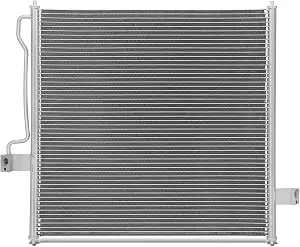 |
| Best Quality Built to a higher standard if you want something more solid | A-Premium A/C Condenser Compatible with Ford Explorer & Mercury Mountaineer (2006–2010) |  |
| Best Value The sweet spot between price and what you get | Kool-Vue A/C Condenser for Ford Explorer (2006–2010) |  |
| Best Budget The cheapest option that still gets the job done reliably | Auto Dynasty A/C Condenser Compatible with 2002-2010 Ford Explorer, Sport Trac & Mercury Mountaineer |  |
| Highest Rated A top-rated pick with lots of positive feedback | TRQ A/C Condenser Compatible with 2002-2010 Ford Explorer / Mercury Mountaineer |  |
| Most Popular A crowd favorite that many people choose with confidence | Agility Auto Parts 7013557 Aluminum Parallel Flow AC Condenser |  |
1. DNA MOTORING Aluminum A/C Condenser Compatible with Ford Explorer 2002–2010 (OEM-CDS-3056)

| Fitment | Ford Explorer 2002-2010; Explorer Sport Trac 2007-2010 |
|---|---|
| Engine fit | 4.0L V6 and 4.6L V8 |
| Material | T-6061 aluminum |
| Reference part numbers | 1L2Z19712AA, 6L2Z19712AA, 8L2Z19712AA, EU2Z19712A, EU2Z19712C, FO3030139 |
This DNA MOTORING condenser replaces a worn or damaged A/C condenser with a factory-style aluminum unit intended for direct fit installation. It is made from T-6061 aluminum and is offered as a complete condenser core to resolve refrigerant leaks, corrosion, or collision damage that cause warm air from the vents. Typical use is straightforward: remove the failed condenser, mount this direct-replacement unit, and reconnect the refrigerant lines and fittings before recharging the system. The key benefits are lightweight aluminum construction for corrosion resistance and a design meant to match original mounting points for easier installation. The product is marketed as a precise fit for specified Explorer and Explorer Sport Trac years and engine options, which should cut bench time for most DIYers or independent shops. Expect to have the system evacuated and recharged by a professional; the condenser itself does not include installation hardware or refrigerant and may require testing for leaks after fitment.
Best for: Someone who wants a reliable, factory-style condenser replacement for a mid-2000s Explorer and prefers a unit that aims for straightforward fitment and durability without premium aftermarket features.
Less Ideal for: If you need a condenser with upgraded performance features, integrated receivers/dryers, or a full install kit included, consider alternatives that bundle those components or offer performance enhancements.
- Direct-replacement design intended to match factory mounting and connections
- Made from T-6061 aluminum for corrosion resistance and lighter weight
- Factory-style core intended to restore A/C cooling when the original condenser is damaged
- Fits specified Ford Explorer and Explorer Sport Trac year and engine combinations to simplify selection
- Does not include refrigerant, fittings, or installation hardware so additional parts or service may be required
Verdict: A straightforward, factory-style aluminum condenser replacement that balances fit, durability, and ease of installation for mid-2000s Ford Explorer owners.
2. A-Premium A/C Condenser Compatible with Ford Explorer & Mercury Mountaineer (2006–2010)

| Vehicle fitment | Ford Explorer 2006-2010; Mercury Mountaineer 2006-2010 |
|---|---|
| Core type | Parallel flow aluminum core |
| Fitting type | Block Fitting |
| Built-in bracket | Yes |
| Built-in receiver dryer | No |
This A-Premium condenser is a direct bolt-on replacement for Ford Explorer and Mercury Mountaineer models from 2006 to 2010 with 4.0L or 4.6L engines. It is built as a parallel flow aluminum core with factory-style fitment and includes mounting brackets pre-attached for straightforward installation. The unit is intended to restore AC cooling efficiency and heat dissipation to factory levels after a failed or leaking condenser. Because it is a replacement condenser rather than a performance upgrade, the practical benefit is reliable, OEM-quality cooling recovery and simpler installation compared with custom or modified condensers. The condenser does not include a built-in receiver dryer so the system will need proper evacuation and recharge and possibly a separate dryer if required. Backed by a one-year unlimited-mileage guarantee, this part suits routine repairs and returns your AC to normal operating temperatures, though it will not increase cooling capacity beyond factory specifications nor support modified high-performance AC systems.
Best for: Buyers who need a reliable, factory-equivalent replacement to restore original AC cooling on a 2006–2010 Explorer or Mountaineer and prioritize straightforward installation and proven fitment.
Less Ideal for: Drivers seeking increased cooling performance beyond stock levels or those running heavily modified AC systems should consider aftermarket performance condensers instead.
- Direct bolt-on design for 2006–2010 Explorer and Mountaineer for straightforward installation
- Parallel flow aluminum core for efficient heat dissipation
- Factory-quality fit and finish aimed at restoring original AC performance
- Includes built-in mounting bracket to reduce installation steps
- One-year unlimited-mileage guarantee for added buyer confidence
- Does not include a built-in receiver dryer, so additional component or service may be required
Verdict: A practical, factory-style replacement condenser that restores original AC cooling and simplifies installation for 2006–2010 Explorers and Mountaineers.
3. Kool-Vue A/C Condenser for Ford Explorer (2006–2010)

| Material Type | Aluminum |
|---|---|
| Mounting Type | Wall Mount |
| Item Type Name | A/C Condenser |
| Model | KVAC3588 |
This Kool-Vue A/C condenser is a direct-fit replacement intended to restore your Explorer's air conditioning performance after a leak or failure. Constructed from aluminum and supplied as a single unit, the condenser is leak tested and built to match factory mounting points for a straightforward swap into 2006–2010 Ford Explorer applications. In practice it replaces the core heat-exchange component that condenses refrigerant so the system can blow cold air again; installers will pair it with the vehicle's existing compressor, clutch, and refrigerant lines or replace those as needed. The practical benefits are simple: an engineered fit minimizes modification, aluminum construction resists corrosion, and the one-year limited warranty gives short-term protection. Expect typical installation labor and the need to evacuate and recharge the refrigerant system, so DIYers should plan for tools or shop time. This part is focused on restoring function rather than upgrading cooling capacity beyond factory levels.
Best for: Buyers who want a straightforward, cost-conscious repair that restores factory cooling with minimal fuss and accepts standard installation procedures.
Less Ideal for: Those seeking a performance upgrade with greater cooling capacity or extended warranty coverage should consider aftermarket high-performance condensers or dealer options.
- Direct-fit design for 2006–2010 Ford Explorer to simplify installation
- Aluminum core for improved corrosion resistance and efficient heat transfer
- 100% fit and leak tested before shipping to reduce early failures
- Matches factory mounting points to avoid modification during replacement
- Limited one-year, limited-mileage warranty rather than a longer-term coverage
- Does not include installation hardware or refrigerant service components
Verdict: A practical, direct-fit aluminum condenser that gets a 2006–2010 Ford Explorer's A/C back to factory-level cooling with minimal modification.
4. Auto Dynasty A/C Condenser Compatible with 2002-2010 Ford Explorer, Sport Trac & Mercury Mountaineer

| Vehicle compatibility | 2002-2010 Ford Explorer, 2007-2010 Explorer Sport Trac, 2002-2010 Mercury Mountaineer |
|---|---|
| Engine fit | 4.0L V6 and 4.6L V8 |
| Material | T-6061 Aluminum |
| OEM part number | 1L2Z19712AA |
This Auto Dynasty condenser is a straightforward, budget-focused replacement for worn or damaged A/C condensers on 2002–2010 Ford Explorer, Explorer Sport Trac, and Mercury Mountaineer with 4.0L and 4.6L engines. Constructed from T-6061 aluminum, it aims to restore cooling capacity and resist corrosion compared with aged original units. Installation is plug-and-play with direct bolt-on fitment, so most DIYers or mechanics can swap it in without drilling or modification. The unit lists OEM part numbers for cross-reference which helps ensure you get the correct fit. Because it is an aftermarket, value-oriented part, finish and precision may not match higher-end replacements, so careful handling during install is recommended to avoid bent fins or leaks. For drivers who need a cost-effective condenser to get an older Explorer back to reliable A/C performance, it delivers the essentials; buyers seeking extended factory-match durability or premium materials may prefer upgraded options.
Best for: Owners looking to restore A/C function on a 2002–2010 Explorer or related models on a tight budget who prefer a direct-fit, DIY-friendly replacement.
Less Ideal for: Drivers seeking a long-term, premium factory-matching condenser or those who plan extensive heavy-duty use and want top-tier durability.
- Direct bolt-on design for 2002–2010 Explorer, Sport Trac, and Mountaineer simplifies installation
- Made from T-6061 aluminum for improved cooling and corrosion resistance over aged units
- Includes OEM part number cross-references to confirm correct fitment
- Packaged as a single condenser for straightforward replacement
- Aftermarket, budget-focused construction may not match fit-and-finish of premium replacements
- Potential for bent fins or slight leak risk if not handled carefully during installation
Verdict: A cost-effective, direct-fit aluminum condenser that restores A/C cooling on 2002–2010 Explorer-family vehicles without complex installation.
5. TRQ A/C Condenser Compatible with 2002-2010 Ford Explorer / Mercury Mountaineer

| Core Material | Aluminum |
|---|---|
| Core Type | Parallel Flow |
| Inlet Fitting Thread Size | M8 |
| Outlet Fitting Thread Size | M8 |
| Position | Left |
This TRQ condenser is a direct-fit replacement for 2002–2010 Ford Explorer and Mercury Mountaineer vehicles, built with an aluminum parallel-flow core and block-style M8 fittings. It is typically used to restore cooling performance when the original condenser is leaking, clogged, or damaged. Notable features include a machined exterior, included mounting hardware, and a core designed for factory-style installation so most DIYers can swap it without major modifications. The parallel-flow core and female block fittings help ensure efficient refrigerant flow and straightforward hose connections. It does not include a drier or oil cooler, so you should replace the receiver/drier and verify refrigerant oil during service. Practical benefits are reliable, vehicle-specific fitment and an affordable way to return full A/C function. Expect professional-level fit but plan for standard companion parts and proper system evacuation and recharge to avoid contamination or performance issues.
Best for: Buyers who prioritize a reliable, vehicle-specific replacement that restores original cooling performance with minimal modification and prefer a part designed for straightforward installation.
Less Ideal for: If you want a condenser with integrated receiver/drier or an all-in-one performance upgrade, consider alternative assemblies or performance-focused parts.
- Direct-fit design made for 2002–2010 Ford Explorer and Mercury Mountaineer for straightforward installation
- Aluminum parallel-flow core that improves refrigerant cooling efficiency
- Includes mounting hardware to reduce supplemental parts and install time
- Machined exterior and factory-style block M8 fittings for secure connections
- Does not include a receiver/drier or oil cooler, which may need separate replacement
Verdict: A reliable, direct-fit aluminum condenser that restores factory-style A/C cooling for 2006–2010 Ford Explorer models with minimal fuss.
6. Agility Auto Parts 7013557 Aluminum Parallel Flow AC Condenser

| Core Material | Aluminum |
|---|---|
| Item Shape | Rectangular |
| Part Number | 7013557 |
| Included Components | Condenser |
This Agility Auto Parts condenser is a parallel-flow aluminum unit designed as a direct replacement for certain 2006–2010 Ford Explorer family vehicles. It installs as a drop-in component to restore cooling performance when the original condenser fails. The parallel-flow core improves heat transfer compared with older serpentine cores, and the aluminum construction keeps weight down while resisting corrosion. Buyers will appreciate that the part lists a clear model/part number and is offered with core dimensions and a simple rectangular shape for predictable fit. Practical benefits include straightforward installation for technicians familiar with AC service and a core size intended to match factory cooling capacity. Limitations are that fitment must be verified against the vehicle part number and interchange list before purchase, and this product listing does not include detailed port or bracket measurements in the description, which can complicate installations on vehicles with collision repairs or aftermarket mounting changes.
Best for: Buyers who want a straightforward, factory-style replacement to get a 2006–2010 Explorer back to proper cooling function and who prioritize clear part identification and ease of installation.
Less Ideal for: People doing custom repairs, vehicles with modified AC mounting, or techs who need full dimensional drawings and connector specifics before fitting.
- Aluminum parallel-flow core offers efficient heat transfer for restoring AC performance
- Sold as a drop-in replacement to simplify installation
- Includes a clear manufacturer part number for verification
- Compact rectangular shape that matches typical condenser mounting orientation
- Listing lacks detailed port and bracket measurements needed for nonstandard installs
Verdict: Pick this Agility condenser if you need a labeled, aluminum parallel-flow drop-in replacement to reliably restore AC cooling on a 2006–2010 Explorer.
Choosing the Right 2006-2010 Ford Explorer AC Condenser: Key Factors to Consider
Fitment and Mounting Alignment
Correct fitment is the top priority when replacing an AC condenser on a 2006-2010 Ford Explorer. A condenser that matches factory mounting points, bracket locations, and inlet/outlet orientations reduces installation time and avoids the need for hose or bracket modification. Misaligned fittings can stress hoses or require adapters that introduce leak points.
During selection, confirm the condenser's mounting hole pattern, line positions, and any attachment for the receiver-drier or accumulator. If the condenser integrates with other cooling components, ensure it does not interfere with radiator clearance or fan shroud placement. Good fitment minimizes rework and helps maintain system integrity after installation.
Material Quality and Core Construction
Material and core construction affect both performance and longevity. Condensers built with thicker aluminum walls, well-brazed joints, and consistent fin spacing provide reliable heat exchange and better resistance to road debris and corrosion. Poorly constructed cores may develop pinhole leaks or suffer fin collapse that reduces cooling efficiency.
Assess core type, tube count, and fin density relative to the vehicle's cooling needs. Robust end tanks and reinforced header connections decrease the chance of seam separation. For Explorer owners facing a harsh climate or salted roads, corrosion-resistant coatings or treated aluminum can extend service life.
Leak Resistance and Sealing
Leaks are the primary failure mode for condensers, so leak resistance is critical. Look for condensers with high-quality brazing at joints, properly welded or crimped fittings, and durable O-ring interfaces where applicable. Units tested for pressure hold or vacuum integrity are preferable because they have documented resistance to refrigerant loss.
Also consider how the condenser integrates with the vehicle's receiver-drier or accumulator. Poor sealing at these interfaces can create refrigerant loss or allow moisture intrusion. Choosing a condenser with factory-like sealing details reduces the likelihood of repeat repairs.
Compatibility With Service Procedures
Replacing an AC condenser involves system evacuation, flushing where necessary, and proper oil and refrigerant handling. Choose a condenser compatible with standard service procedures for the 2006-2010 Ford Explorer to avoid special tools or uncommon fluids. Compatibility with OEM refrigerant type and oil will simplify refilling and prevent lubricant mismatches that can harm compressor life.
If a condenser requires system flushing, confirm whether the design tolerates standard flush practices without damaging internal passages. Also verify that replacement does not mandate replacing unrelated components unless debris or oil contamination is detected.
Durability Against Road Conditions
The Explorer often encounters road debris, gravel, and salt, so condenser durability is a practical consideration. Reinforced mounting zones, protective fin design, and bent-louver or plate fins can help the unit withstand stones and physical impacts. Units with thicker fins or protective screens reduce the chance of fin damage that compromises airflow and heat exchange.
Consider where the condenser is located relative to the bumper and skid areas. A durable condenser decreases the chance of repeat failures after a single road incident and supports longer intervals between repairs.
Serviceability and Replacement Ease
Ease of service affects both labor time and the likelihood of a successful repair. A condenser that allows straightforward access to fittings, uses standard hose connections, and does not require extensive disassembly of the front end will save time and reduce installation errors. Clear orientation marks, predrilled mounting holes, and standard connector types all improve serviceability.
Also factor in whether the condenser allows reuse of the existing receiver-drier or if a replacement drier is recommended. If the design simplifies oil charging and leak testing, it reduces the chance of installation mistakes that lead to future failures.
Common Symptoms of a Failing Condenser on the Explorer
A failing condenser often presents as reduced cooling performance or warm air from the vents even when the compressor runs. You may notice fluctuating cabin temperatures, longer time to reach cool air, or uneven cooling between vents.
Physical signs include oily residue or refrigerant stains near the condenser and visible bent fins or punctures at the front of the vehicle. Some owners report a faint hissing sound from the front when the system is pressurized, which can indicate a small leak.
Addressing symptoms early can prevent compressor damage because a refrigerant loss increases compressor wear due to inadequate lubrication.
- Warm or inconsistent cabin cooling
- Oily residue or refrigerant staining on the condenser
- Hissing sounds under pressure
- Visible fin or core damage on the condenser
Inspection and Vehicle-Specific Diagnostic Steps
Start with a visual inspection of the condenser area for bent fins, punctures, or oil stains. Check the inlet and outlet fittings for corrosion or looseness and inspect mounting brackets for movement. On the 2006-2010 Ford Explorer, clearance with the radiator and fan shroud is important, so confirm there is no contact or chafing.
Pressure testing or using a UV dye is a practical next step to confirm active leaks. During pressure or dye testing, ensure the compressor is isolated and the system is not over-pressurized. If a leak is detected, identify whether it is at a seam, fitting, or due to core damage to determine if condenser replacement is necessary.
After replacement, perform a vacuum test and hold check before recharging. This verifies the new condenser and associated fittings are sealed and ready for correct refrigerant and oil charge.
- Visual check for stains, punctures, and mount integrity
- Pressure or UV dye testing to locate leaks
- Vacuum hold test after installation
When to Flush the AC System or Replace Other Components
If the condenser failure involved core collapse, internal corrosion, or contamination from debris, flushing the AC system may be required. Flushing can remove particulate that would otherwise circulate and damage the compressor or valve components. Evaluate the extent of contamination before deciding whether a flush is warranted.
Receiver-drier or accumulator replacement is often recommended whenever the condenser is replaced, especially if a significant leak or moisture ingress is present. These components trap debris and moisture, and reusing a saturated drier increases the risk of repeat system contamination.
Also inspect the compressor for signs of wear or contamination. If the compressor shows metal particles or abnormal noise, further component replacement beyond the condenser may be necessary to ensure long-term system health.
- Flush system if contamination is present
- Consider replacing receiver-drier or accumulator with condenser
- Inspect compressor for contamination or damage
DIY Vs Professional Replacement Considerations
Many mechanically inclined owners can replace the condenser on a 2006-2010 Ford Explorer with basic tools, but tasks like system evacuation, vacuum testing, and refrigerant charging require proper equipment and certification in many regions. If you have access to a vacuum pump, manifold gauges, and understand refrigerant handling, a DIY replacement is feasible.
Professional service ensures correct leak testing, proper oil and refrigerant charge, and adherence to safety and environmental regulations. Consider professional help if the condenser failure is accompanied by compressor damage, extensive contamination, or if you lack the required service equipment.
In either case, follow vehicle-specific service steps for mounting torque, line connection order, and recommended receiver-drier replacement to avoid common installation mistakes.
- DIY possible with proper tools and knowledge
- Professionals handle leak testing and refrigerant charging
- Replace receiver-drier as part of best-practice service
Preventive Measures to Extend Condenser Life
Regularly inspect the front-end area for accumulated debris, smashed fins, or stone impacts, and remove lodged materials promptly. Applying a protective grille or mesh can reduce direct hits from road debris without significantly restricting airflow.
Rinse the condenser with low-pressure water to clear dirt and salt after exposure to dusty or salted roads. Avoid pressure washing too close to the fins to prevent bending them and reducing airflow.
Address minor leaks quickly; small refrigerant loss often precedes larger failures. Maintain proper coolant and engine cooling system health because overheating can indirectly stress AC system components and reduce condenser effectiveness.
- Clear debris and inspect for fin damage regularly
- Rinse salt and dirt to reduce corrosion risk
- Repair minor leaks promptly to avoid bigger failures
Still looking for the perfect fit?
Select your Ford Explorer configuration to see the most relevant AC Condensers recommendations
How We Chose the Best 2006-2010 Ford Explorer AC Condenser
We selected condensers based on criteria that matter for restoring air conditioning performance on a 2006-2010 Ford Explorer. Our evaluation prioritized correct part fitment to the vehicle's factory mounting points and hose connections, since mismatched fittings create installation delays and potential leaks. We emphasized core construction and fin density because sturdier cores and proper fin spacing improve heat transfer and resist damage from road debris. Leak resistance was a key filter, with attention to brazed seams, robust end tanks, and corrosion-resistant coatings that reduce common failure modes.We also considered compatibility with OEM refrigerant and oil charge practices so the condenser integrates cleanly with the existing system and service procedures. Ease of installation was another factor, including whether the condenser accommodates original transmission or A/C line routing and requires only standard service steps. Units that required custom fabrication, nonstandard hoses, or significant system modification were excluded. Finally, we factored in warranty coverage and documented manufacturing quality to prefer units that balance reliability with straightforward replacement for Explorer owners.
Our full evaluation process is outlined in our review methodology.
FAQ
What are the signs my Explorer needs an AC condenser replacement?
Common signs include reduced or inconsistent cooling, visible oily stains on the condenser, hissing noises under pressure, and physical damage to fins or the core. Any of these symptoms warrants a focused inspection and pressure test.
Can I replace the condenser myself on a 2006-2010 Ford Explorer?
Yes, a knowledgeable DIYer can replace the condenser with basic hand tools, but system evacuation, vacuum testing, and refrigerant charging require specialized equipment and safe handling. If you lack this equipment, professional service is advisable.
Do I need to replace the receiver-drier when changing the condenser?
It is usually recommended because the receiver-drier traps moisture and debris. Reusing an old drier after a condenser failure can leave contaminants in the system and increase the risk of repeat problems.
How do I confirm there is a leak in the condenser?
Start with a visual check for oil stains and then use pressure testing or UV dye to pinpoint leaks. A vacuum hold test after installation also confirms whether the system is sealed before recharging.
Will a small puncture always require full condenser replacement?
Small punctures are often impractical to repair permanently because condensers operate under pressure and repairs can be temporary. For long-term reliability on the Explorer, replacement is usually the recommended approach.
Should I flush the AC system when replacing the condenser?
Flushing is recommended if there is evidence of internal contamination, core collapse, or debris. If the system was clean and the failure was an isolated external puncture, flushing may not be necessary, but perform a proper inspection to decide.
Final Verdict
For the 2006-2010 Ford Explorer, prioritize condensers that match factory fitment and offer robust construction with proven leak resistance. Balancing correct mounting alignment, durable core materials, and compatibility with standard service procedures reduces installation headaches and the risk of repeat failures. If you are uncertain about system contamination or lack the proper service equipment, factor in professional service to ensure correct evacuation, vacuum testing, and refrigerant charge. By focusing on fitment, sealing quality, and serviceability you can restore reliable cooling and minimize the chance of a return visit.
Explore More:
- Check out all Ford Explorer parts & accessories
- Explore AC Condensers Maintenance & Repair Guides
- Explore HVAC
- Browse all Auto Parts
