

Note: This article contains affiliate links. If you click on these links and make a purchase, I may earn a small commission at no extra cost to you. This helps support my research and content. Read my full affiliate disclosure here.
If your CR-V is showing ABS fault lights or erratic brake feel, the sensor that reports wheel speed could be the issue. Choosing the right Honda CR-V ABS wheel speed sensor matters because it directly affects anti-lock braking operation, traction control responses, and diagnostic reliability when your vehicle throws codes. This guide highlights the top shortlisted options for Honda CR-V owners and explains why each made the list. We evaluated fitment, signal consistency, and durability across typical driving conditions to help you pick a replacement that restores dependable braking function. Read on for the criteria we used and what to check before you buy.
Looking for other parts? See all Honda CR-V parts & accessories.
Top Picks at a Glance
| Best Reviewed A top-rated pick with lots of positive feedback | A-Premium ABS Wheel Speed Sensor for Honda CR-V Front Right (2007–2011) | 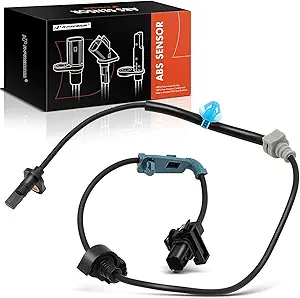 |
| Most Popular A crowd favorite that many people choose with confidence | TRQ Rear Right ABS Wheel Speed Sensor, Passenger Side, for 2007–2011 Honda CR-V |  |
| Best Quality Built to a higher standard if you want something more solid | BOXI 4‑Piece ABS Wheel Speed Sensor Kit for Honda CR‑V (2002–2006) |  |
| Best Budget The cheapest option that still gets the job done reliably | BOXI Rear Left ABS Wheel Speed Sensor for 2002–2006 Honda CR-V |  |
| Most Sold A high-volume bestseller chosen again and again | AUTOKAY ABS Wheel Speed Sensor Kit for Honda CR-V 2002–2006 (4‑Pack) |  |
| Best Value for Money The sweet spot between price and what you get | UOIENRT ABS Wheel Speed Sensor Kit for Honda CR-V (2007–2011) — Front Driver and Passenger (2-Pack) |  |
| Best Overall The best all-around choice for most situations | A-Premium ABS Wheel Speed Sensor 2‑Piece Set for Honda CR‑V (Front L/R) |  |
1. A-Premium ABS Wheel Speed Sensor for Honda CR-V Front Right (2007–2011)
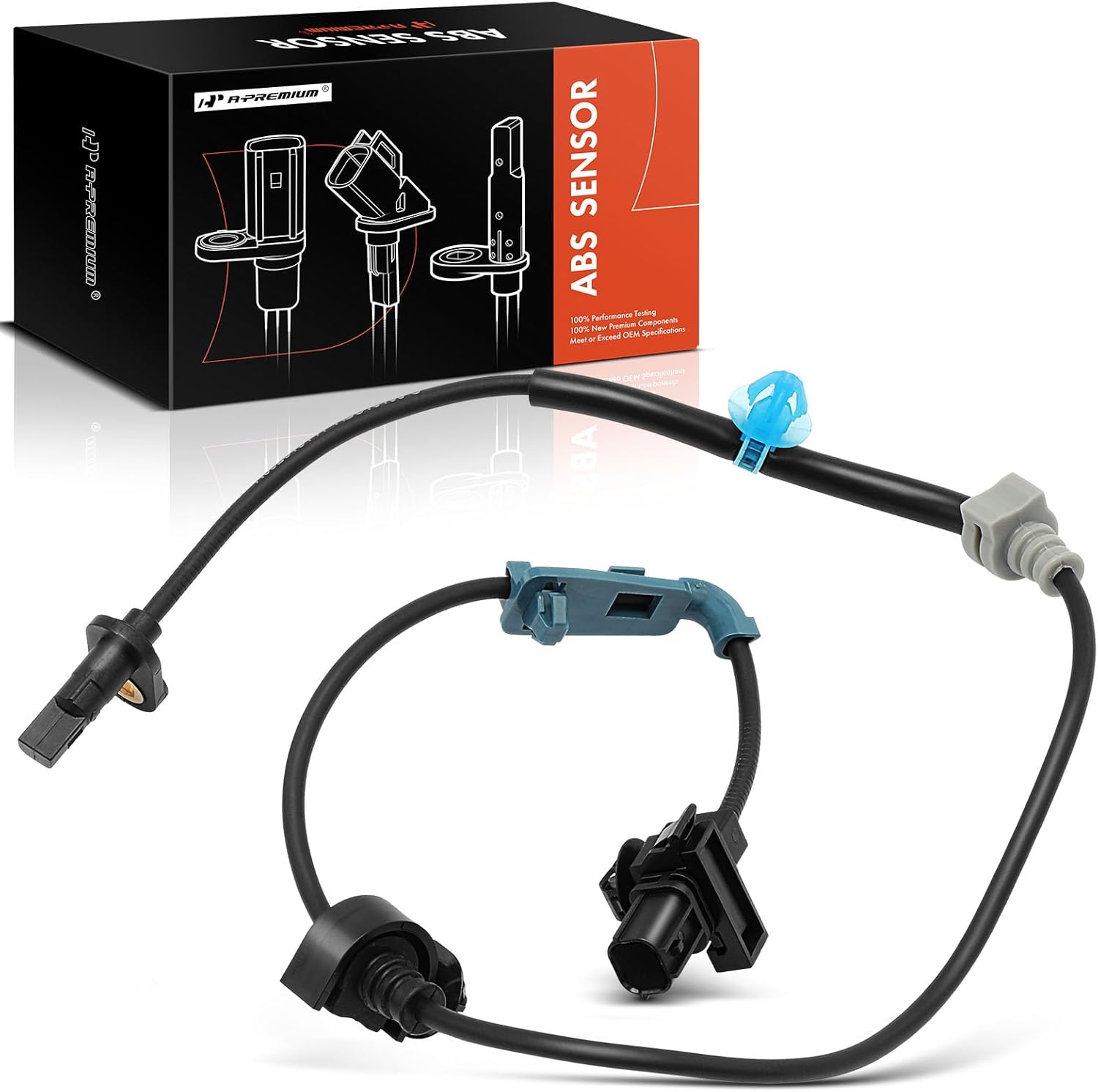
| Vehicle fitment | Honda CR-V 2007-2011 L4 2.4L |
|---|---|
| Location | Front Right Passenger Side |
| Connector pins | 2 Pins |
| Manufacturer part number | APABS0242 |
This A-Premium wheel speed sensor is a direct-fit replacement for the front right (passenger) side of 2007–2011 Honda CR-V 2.4L models and is intended to restore ABS and traction control operation when an original sensor fails. It arrives as a complete sensor with the connector and mounting features needed to swap into the factory location and the manufacturer says each unit is performance tested to meet or exceed factory specifications. In practice buyers report an easy installation and immediate resolution of ABS warning lights when the connector and mounting tabs are intact. The sensor uses a two-pin connector and flange mount common to the OEM part, so it integrates with the vehicle harness without modification. Limitations are typical of aftermarket sensors: long-term durability can vary by driving conditions and some buyers replace retaining clips from the original if theirs are damaged. If you want a straightforward, reliability-focused replacement that restores system function quickly this sensor is a practical choice.
Best for: Reliability-focused buyers who need a straightforward replacement to get ABS and traction systems back to normal with minimal fuss and a focus on function over brand loyalty.
Less Ideal for: Those seeking a factory-branded OEM part for guaranteed long-term provenance or users who prefer to source parts through dealership-only channels.
- Direct fit for 2007–2011 Honda CR-V front right, matching OEM location and connector
- Sold as a new, fully tested unit intended to meet or exceed factory performance
- Includes necessary mounting features and connector so no wiring modifications are required
- Multiple customer reports of easy installation and immediate resolution of ABS warning light
- Aftermarket longevity can vary with driving conditions compared with factory-branded parts
- May require reuse or replacement of original retaining clips if included plastic tabs are damaged
Verdict A practical, tested aftermarket front-right ABS sensor that reliably restores ABS function on 2007–2011 Honda CR-Vs for buyers prioritizing dependable replacement performance.
2. TRQ Rear Right ABS Wheel Speed Sensor, Passenger Side, for 2007–2011 Honda CR-V

| Fitment | 2007–2011 Honda CR-V US-built, rear passenger side |
|---|---|
| Mounting Type | Flange Mount |
| Material | Acrylonitrile Butadiene Styrene |
| Manufacturer | TRQ |
This TRQ rear right wheel speed sensor is a direct-replacement part for 2007–2011 US-built Honda CR-Vs, installed at the passenger-side rear wheel to feed wheel speed data to the ABS and stability systems. It arrives as a pre-assembled sensor with the mounting flange and connector positioned to match factory routing, so installation is typically a simple wheel removal and a couple of fasteners and clips. TRQ highlights DIY support via online videos, which helps convenience-minded owners complete the job without a shop visit. In use the sensor clears speed-sensor error codes and restores normal ABS and traction control behavior when the original unit fails. A minority of users report fitment or wiring slack issues on non-matching vehicles, so confirming exact CR-V fitment before buying is recommended. This part is a budget-friendly alternative to dealer replacements and is best when you need a straightforward, quick fix to regain ABS and traction function on the specified CR-V model years.
Best for: Convenience-driven owners who prefer a quick DIY fix and want a straightforward replacement that restores ABS and traction function without a shop visit.
Less Ideal for: Those seeking a heavy-duty or performance-grade sensor for off-road or extreme driving conditions should consider more robust aftermarket options or a dealer part.
- Direct-fit replacement for 2007–2011 US-built Honda CR-V rear passenger side to simplify installation
- Pre-assembled with factory-style flange and connector for straightforward mounting and wiring routing
- Extensive DIY video support from the manufacturer to guide owners through installation
- Clears ABS and traction control error codes when replacing a failed sensor
- Some reports of fitment or cable slack mismatch on non-matching or aftermarket hubs, so fit confirmation is important
- Material is ABS plastic rather than metal, which may be less robust under extreme conditions
Verdict A budget-friendly, direct-fit rear passenger-side sensor that gets 2007–2011 Honda CR-V ABS and traction systems back to normal with minimal fuss.
3. BOXI 4‑Piece ABS Wheel Speed Sensor Kit for Honda CR‑V (2002–2006)

| Fitment | Honda CR‑V 2002–2006 2.4L 4‑Door |
|---|---|
| Quantity | 4 pieces |
| Mounting Type | Flange Mount |
| Output Type | Digital |
This BOXI kit supplies four ABS wheel speed sensors intended to replace the factory sensors on a 2002–2006 Honda CR‑V. Each sensor mounts via a flange and provides a digital output to the vehicle ABS and traction control modules. In practice the set is used when a failing sensor triggers ABS or traction warnings or when you need all four corners refreshed during a brake system service. The listing emphasizes direct-fit compatibility with the referenced Honda part numbers and says the sensors are tested to meet or exceed factory performance. Practical benefits include restoring accurate wheel-speed signals to clear dash warnings and recover proper ABS and stability control function, plus replacing all sensors at once to avoid mismatched sensor ages. Limitations are that installation requires basic mechanical skill or professional help because instructions are not included and the kit is aftermarket rather than factory-branded, so fit and long-term durability can vary compared with OEM parts.
Best for: Performance-oriented buyers who prioritize restoring accurate ABS and traction control response on a CR‑V and prefer replacing all wheel-speed sensors at once to ensure consistent system behavior.
Less Ideal for: Buyers seeking a direct factory-branded replacement with dealer backing or those who want step-by-step installation guidance included in the package.
- Complete 4-piece kit covers front and rear left and right positions so all sensors can be replaced at once.
- Direct replacement for the listed Honda CR‑V model years and OEM part numbers for straightforward fitment.
- Digital output and flange-mount design match factory connection style for plug-and-play installation in most cases.
- Manufacturer states components are tested to meet or exceed factory performance, which helps restore ABS and stability control operation.
- No installation instructions included, which can complicate DIY replacement for less experienced users.
- Aftermarket product rather than factory-branded part so long-term durability and exact fit can vary by vehicle and installation conditions.
Verdict A convenient four‑sensor aftermarket kit to restore ABS and traction function on 2002–2006 Honda CR‑Vs, best for buyers seeking performance restoration rather than OEM-branded parts.
4. BOXI Rear Left ABS Wheel Speed Sensor for 2002–2006 Honda CR-V

| Fitment | 2002–2006 Honda CR-V rear left driver side |
|---|---|
| Mounting Type | Flange Mount |
| Output Type | Digital |
| Material | Acrylonitrile Butadiene Styrene |
This BOXI rear left wheel speed sensor replaces the factory unit on 2002–2006 Honda CR-V rear driver side and provides the vehicle speed/ABS input the vehicle computer needs. It is a direct-fit aftermarket replacement intended for a straightforward swap during brake or sensor service. The sensor is molded from ABS plastic, uses a flange mount and a digital output, and is supplied with the same OEM part numbers for cross-reference to simplify selection. In use it restores wheel speed signal for ABS and traction control and should clear related warning lights when the original sensor has failed. Practical benefits include a parts-level replacement that is inexpensive and easy to carry to a shop or install for a competent DIYer. Important limitations are typical of budget aftermarket sensors: the connector design and corrosion protection may not match factory robustness and instructions are not included, so professional installation or careful DIY practice is recommended.
Best for: Budget-conscious owners looking to replace a failed rear left ABS sensor on a 2002–2006 Honda CR-V who prioritize cost savings and a simple direct-fit swap.
Less Ideal for: Drivers seeking a factory-quality lifetime replacement or enhanced corrosion resistance should consider higher-end or OEM sensors and professional-fit options.
- Direct-fit replacement for rear left driver-side on 2002–2006 Honda CR-V, matching listed OEM part numbers
- Digital output and flange mount for straightforward installation and signal compatibility
- Compact, low-cost option that is easy to transport and keep as a spare
- No installation instructions included which may complicate DIY fitment for some users
- Connector and corrosion protection may be less robust than factory parts which could affect long-term durability
Verdict A low-cost, direct-fit replacement that restores ABS wheel speed signals for older Honda CR-Vs but may lack the long-term durability of higher-end factory-quality sensors.
5. AUTOKAY ABS Wheel Speed Sensor Kit for Honda CR-V 2002–2006 (4‑Pack)

| Material | Acrylonitrile Butadiene Styrene |
|---|---|
| Maximum Supply Voltage | 12 Volts (DC) |
| Measurement Accuracy | ±1% |
| Mounting Type | Flange Mount |
| Specific Uses For Product | Replacement for Honda CR-V 2002–2006 2.4L |
These AUTOKAY sensors replace the factory wheel speed sensors on Honda CR-V 2002–2006 2.4L models and are supplied as a four-piece kit so you can service all wheels at once. They output an electrical signal and use a flange mounting that matches the factory-style installation, so replacement is straightforward for a competent DIYer or a technician. The sensors claim ±1% measurement accuracy and are rated for 12 V systems, which is appropriate for vehicle ABS circuits and should keep wheel-speed readings stable under normal driving. Benefits include full-vehicle coverage in one purchase and parts that are listed to replace several common Honda part numbers. Limitations are typical of aftermarket sensors: you should confirm connector and plug compatibility with your vehicle before installation and expect possible differences from factory-fit sensors in materials and long-term durability. For owners prioritizing a low-risk, budget-friendly replacement, this kit covers all four corners with minimal fuss.
Best for: Risk-averse mainstream buyers looking for a straightforward, low-risk replacement to restore ABS sensing on a Honda CR-V 2002–2006 without shopping for individual parts.
Less Ideal for: Owners seeking a direct factory-brand sensor with OEM materials or those who need a one-off sensor rather than a full four-pack should consider other options.
- Includes four sensors so all wheel positions can be replaced in one job
- Designed to match known Honda CR-V 2002–2006 part numbers for straightforward fitment
- Flange mount and electrical signal output match factory installation style
- Measurement accuracy rated to ±1% and suitable for 12 V vehicle systems
- Aftermarket construction may not match long-term durability of factory-quality sensors
- Connector compatibility should be verified before purchase to avoid fit issues
Verdict A practical four-pack replacement that restores wheel-speed sensing for 2002–2006 Honda CR-Vs without the hassle of sourcing individual sensors, but verify connector fit and expect aftermarket-level durability.
6. UOIENRT ABS Wheel Speed Sensor Kit for Honda CR-V (2007–2011) — Front Driver and Passenger (2-Pack)

| Material | Acrylonitrile Butadiene Styrene |
|---|---|
| Mounting Type | Flange Mount |
| Output Type | electrical signal |
| Fitment | Honda CR-V 2007-2011 front |
This two-piece ABS wheel speed sensor kit replaces the front driver and passenger sensors on Honda CR-V models from 2007 through 2011. The sensors mount via a flange and output the electrical signal the vehicle ABS and traction systems need to monitor wheel speed. Typical use is simple: remove the failed sensor, install the replacement, and reconnect the electrical plug and mounting fastener. The ABS sensors are made from ABS plastic and come as a matched pair so both front channels can be serviced at once. That makes the kit a convenient option for DIY repairs or budget-conscious shops because you replace both sides and avoid a second teardown later. Expect a basic, factory-style replacement rather than an upgraded performance part. Buyers should verify connector fit and routing during installation since aftermarket harnesses can differ slightly from factory parts, and long-term durability depends on proper installation and road conditions.
Best for: Practical optimizers who prioritize doing a reliable, cost-effective repair themselves or at a small shop and want to replace both front sensors in one job.
Less Ideal for: Drivers seeking heavy-duty or enhanced-performance sensors for extreme off-road or track use should consider higher-spec alternatives.
- Specifically listed to fit Honda CR-V 2007–2011 front driver and passenger positions
- Sold as a matched 2-piece kit so both front sensors can be replaced at once
- Direct flange-mount design simplifies installation for DIYers and independent shops
- Produces the standard electrical speed signal required by ABS and traction systems
- Made from ABS plastic rather than metal-reinforced materials which may affect longevity in harsh conditions
- Aftermarket connector fitment can sometimes require minor routing or clip adjustments during installation
Verdict A budget-friendly matched pair of front ABS wheel speed sensors that makes replacing both Honda CR-V 2007–2011 front sensors in one job straightforward and economical.
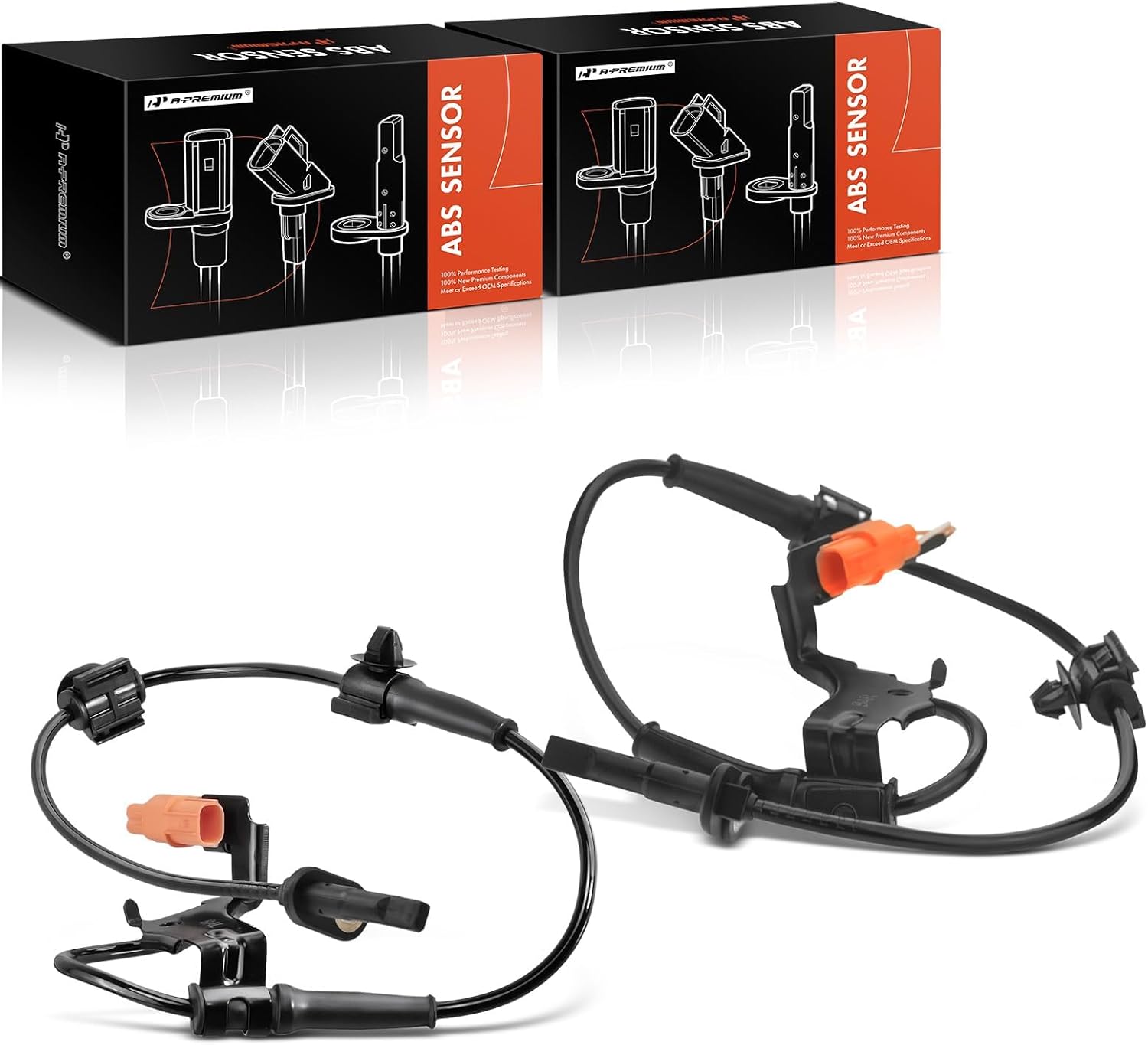
7. A-Premium ABS Wheel Speed Sensor 2‑Piece Set for Honda CR‑V (Front L/R)
| Material | Acrylonitrile Butadiene Styrene |
|---|---|
| Output Type | Digital |
| Mounting Type | Flange Mount |
| Measurement Accuracy | ±3% |
These A-Premium sensors are a direct-fit replacement for the front driver and passenger speed sensors on 2002–2006 Honda CR‑V models. They function as digital wheel speed sensors to restore ABS and traction control signals after an original unit fails. The pair arrives as flange‑mount sensors made from ABS plastic with claimed fast response and a measurement accuracy of about ±3 percent. In practice they are typically used by DIYers and independent shops to clear ABS warning lights and restore consistent braking system input without needing an expensive dealer sensor. Reviewers report easy electrical fitment and immediate clearing of the ABS light in most cases, though some mention fragile plastic mounting tabs which can make installation fussy if the old sensor or hardware is corroded. A one-year unlimited-mileage guarantee covers defects. If you want a budget-friendly, factory-replacement style sensor that usually works as intended for the CR‑V, this set is a practical choice, but be prepared for some careful handling during installation and potential replacement of small mounting clips if they break.
Best for: Balanced owners who want a reliable, cost-effective factory-replacement sensor set to fix ABS warnings and restore normal braking behavior without dealer prices.
Less Ideal for: Drivers seeking heavy-duty, long-life motorsport parts or those who prefer metal-bodied sensors for extreme off-road use should consider higher-end alternatives.
- Direct-fit pair for front left and right on Honda CR‑V 2002–2006 ensuring correct electrical connectors and mounting orientation
- Digital output with claimed ±3% measurement accuracy for stable ABS and traction input
- Affordable alternative to dealer sensors with immediate resolution of ABS warning lights reported by multiple users
- Includes a one-year unlimited-mileage guarantee for defect coverage
- Plastic mounting tabs and some small components can be fragile and may break during installation
- Made from ABS plastic rather than metal-bodied construction which may affect long-term durability in harsh conditions
Verdict A budget-friendly, direct-fit front sensor pair that reliably clears ABS issues on 2002–2006 Honda CR‑Vs if you handle the plastic mounts carefully.
Choosing the Right Honda CR-V ABS Wheel Speed Sensor: Key Factors to Consider
Connector and Plug Compatibility
Correct electrical connector fit is essential so the sensor mates securely with the vehicle harness. A mismatched plug can lead to intermittent connections, corrosion at the terminals, or complete signal loss, which often manifests as sporadic ABS warnings.
When connectors match the original, installation is faster and there is less risk of wiring stress or poor contact. Look for sensors that specify the exact connector type used on the Honda CR-V and include protective terminal seals to resist moisture and road grime.
Mounting and Tone Ring Engagement
How the sensor mounts and senses the wheel speed influences reading accuracy. Proper alignment with the tone ring or reluctor is required to generate a clean, consistent signal; incorrect mounting depth or an incompatible mounting flange can distort the waveform and trigger errors.
Consider sensors that match the original mounting boss dimensions and offer secure fasteners or grommets. Reliable mechanical fit reduces the need for adjustments and minimizes vibration that could affect signal quality.
Signal Type and Electrical Specifications
Sensors can produce different signal types and voltage/resistance characteristics that the vehicle ECU expects. Ensuring the replacement matches the original sensor's electrical profile reduces the chance of ABS codes and prevents misinterpretation of wheel speed by the control modules.
Check published resistance ranges, voltage behavior at idle and while spinning, and whether the sensor is active or passive. Matching these specs helps maintain correct ABS and traction control functions and simplifies diagnostics.
Durability and Environmental Sealing
Wheel speed sensors operate in harsh environments and must resist water, salt, road debris, and temperature swings. Good sealing and rugged housings prevent moisture ingress and corrosion, which are common causes of early failure and unreliable readings.
Prioritize sensors with robust seals, corrosion-resistant terminals, and durable cable jackets. These features help extend service life and reduce the likelihood of intermittent faults that can be hard to diagnose.
Ease of Installation
An easily installed sensor reduces labor time and the potential for installation errors. Features that matter include clear connector orientation, proper cable length for secure routing, and retention hardware that matches the vehicle mounting points.
Sensors designed for straightforward replacement help both DIYers and technicians avoid extra adjustments, clipped wires, or strained harnesses that could otherwise cause future issues.
Diagnostic Consistency
A replacement should provide a stable signal so diagnostic tools report consistent wheel speed readings and codes. Sensors that produce clean, repeatable outputs simplify troubleshooting and reduce false positives for ABS-related codes.
Consider sensors with predictable electrical behavior under normal and fault conditions. Reliable diagnostic consistency saves time when verifying repairs and helps ensure that any remaining faults are due to other components, not sensor variability.
FAQ
What are common symptoms of a failing wheel speed sensor on a Honda CR-V?
Common signs often include an illuminated ABS or traction control light, intermittent activation of ABS during normal braking, or a loss of anti-lock braking function at low speeds. You may also notice inconsistent speedometer or cruise control behavior if the vehicle uses wheel speed input for those systems.
Where is the ABS wheel speed sensor located on a Honda CR-V?
On the Honda CR-V the sensor is typically mounted near the wheel hub or the wheel bearing assembly behind the rotor. Location can vary slightly between front and rear positions, so inspect the hub area and follow the wiring harness from the wheel well when locating the unit.
How do technicians diagnose whether a sensor is faulty?
Diagnosis usually involves a visual inspection for damaged wiring or connectors, checking resistance with a multimeter, and observing the sensor signal with a scope or scan tool while the wheel is turned. Technicians also confirm that the sensor reads consistently compared with other wheels and verify there are no tone ring issues affecting the signal.
Can you replace a wheel speed sensor yourself on a Honda CR-V?
Many owners can perform a sensor replacement with basic hand tools, provided the correct sensor is used and the connector and mounting are properly secured. Take care when routing the harness and tightening fasteners to avoid cable strain and ensure the sensor aligns correctly with the tone ring.
Will a faulty wheel speed sensor trigger code P0500 on a Honda CR-V?
Code P0500 relates to vehicle speed sensor issues and can be triggered by inconsistent or absent signals from the wheel speed sensor. While not the only possible cause, a faulty sensor is one of the commonly investigated sources when this code appears.
How long do wheel speed sensors typically last?
Service life varies with driving conditions and exposure to road salt or debris, but sensors often last several years under normal conditions. Premature failure usually involves physical damage, connector corrosion, or persistent moisture ingress rather than electrical wear alone.
How We Chose the Best Honda CR-V ABS Wheel Speed Sensor
To assemble this list we focused on components that meet the specific fitment and electrical requirements of the Honda CR-V. Primary filters included plug-and-play connector compatibility, correct tone ring engagement or mounting interface, and matching sensor signal type to avoid ECU errors. We also considered build quality factors such as housing materials, sealing against moisture and debris, and connector strain relief to ensure long-term reliability under road conditions. Performance filters emphasized steady signal output across common speed ranges and resistance to magnetic interference, since inconsistent signals can trigger ABS or traction control faults. Durability checks included environmental resistance and expected service life based on construction. We excluded parts lacking clear fitment data, incomplete electrical specifications, or poor user feedback about premature failure. Finally, we prioritized options that balance reliable diagnostics and straightforward installation for typical DIY or technician replacement scenarios.
Our full evaluation process is outlined in our review methodology.
Conclusion
When choosing a replacement Honda CR-V ABS wheel speed sensor prioritize correct connector fitment, matching electrical characteristics, and a reliable mechanical mount. Those factors together determine whether the ABS and related systems receive accurate wheel speed data. Expect tradeoffs between ease of installation and long-term durability. Focus on sensors that clearly document fit and electrical specs, provide good environmental sealing, and offer straightforward installation to minimize future diagnostic time.
Explore More:
- Check out all Honda CR-V parts & accessories
- Explore ABS Wheel Speed Sensors Maintenance & Repair Guides
- Explore Electrical System
- Browse all Auto Parts
