

Note: This article contains affiliate links. If you click on these links and make a purchase, I may earn a small commission at no extra cost to you. This helps support my research and content. Read my full affiliate disclosure here.
Choosing the right 255/50R20 tires for your Ford Explorer affects safety, comfort, and fuel economy. The wrong tire can compromise wet and winter traction or shorten tread life, while the right fit balances grip, noise, and load capacity for typical Explorer use.This guide groups seven top 255/50R20 options that are well suited to the weight and handling characteristics of the Explorer. We evaluated candidates across traction, treadwear, ride comfort, and load rating to surface practical choices for everyday driving and occasional harsher conditions. Read on to see the shortlist and the core criteria we used to assess each tire.
Looking for other parts? See all Ford Explorer parts & accessories.
Top Picks at a Glance
| Best Overall The best all-around choice for most situations | TRAVELSTAR UN66 255/50R20 All-Season CUV/SUV Tire — Set of 4 |  |
| Best Quality Built to a higher standard if you want something more solid | Pirelli Scorpion All Season Plus 3 255/50R20 109V XL Tire |  |
| Best Value The sweet spot between price and what you get | Landspider CityTraxx H/P 255/50R20 High Performance All-Season Tire |  |
| Best Budget The cheapest option that still gets the job done reliably | Cosmo Tires RoadHunter 255/50R20 XL All-Season Touring Tire |  |
| Highest Rated A top-rated pick with lots of positive feedback | Falken Wildpeak A/T Trail 255/50R20 All-Terrain Tire |  |
| Most Popular A crowd favorite that many people choose with confidence | Fullway HP108 All-Season Performance Tire 255/50R20 109V XL |  |
1. TRAVELSTAR UN66 255/50R20 All-Season CUV/SUV Tire — Set of 4

| Rim Size | 20 Inches |
|---|---|
| Load Index | 105 |
| Speed Rating | H |
| Load Capacity | 2039 Pounds |
| Seasons | Year Round |
The TRAVELSTAR UN66 is a 255/50R20 all-season tire built for CUVs and SUVs that prioritizes balanced everyday performance. Its asymmetrical tread and silica-enhanced compound aim to deliver confident wet and dry traction while keeping rolling resistance low for reasonable fuel efficiency. Expect responsive steering and stable high-speed behavior helped by a construction tuned for heavier crossover dynamics, and the tread pattern is designed to cut road noise for a quieter cabin on highway drives. Use it as a direct replacement on 20-inch SUV wheels where you want predictable handling in mixed conditions rather than extreme winter or performance capability. The tire is M+S rated for light snow and comes with a three-year road hazard warranty, which adds practical protection for typical driving. Limitations: it is not a winter-specific tire so deep snow or ice will exceed its intended capability, and this size is focused on SUVs so it is not aimed at sporty passenger cars seeking maximum grip at the limits.
Best for: Buyers who want a quiet, predictable all-season tire for a mid-size SUV that balances everyday wet/dry traction, highway comfort, and steering stability.
Less Ideal for: Drivers who need dedicated winter tires for heavy snow or who prioritize maximum dry-performance grip for spirited driving should look elsewhere.
- Designed for CUV/SUV dynamics to improve steering response and stability
- Asymmetrical tread with silica compound for balanced wet and dry traction
- Engineered pitch pattern to reduce road noise for a quieter cabin
- M+S all-season rating and 3-year road hazard warranty for practical year-round use
- Not intended for severe winter conditions or heavy ice performance
Verdict: A well-rounded all-season 255/50R20 tire that delivers quiet, stable handling and dependable wet-weather traction for SUV owners seeking balanced everyday performance.
2. Pirelli Scorpion All Season Plus 3 255/50R20 109V XL Tire

| Rim Size | 20 Inches |
|---|---|
| Load Index | 109.00 |
| Speed Rating | V |
| Tread Type | Asymmetrical |
| Seasons | NON_WINTER, Year Round |
The Pirelli Scorpion All Season Plus 3 is a touring all-season tire sized 255/50R20 with a 109 load index and V speed rating, designed for CUVs, SUVs, and light trucks like the Ford Explorer. It uses a redesigned tread pattern and compound with full-depth sipes and 3D sipe technology to maintain traction throughout the tire life and improve wet and dry handling. In real-world use this translates to confident braking and composed cornering for everyday driving, plus a quieter, more comfortable ride and improved tread life versus the prior generation. The XL load range and 109 load index provide extra capacity for heavier loads or towing on larger Explorer trims. Limitations are typical of an all-season touring tire: you will not get the same extreme dry grip or track performance as a dedicated summer performance tire, and while snow performance is improved for an all-season, it is not a winter-specific tire for sustained heavy snow or ice.
Best for: Drivers of Ford Explorer who want a quiet, long-lasting all-season tire that balances everyday wet and dry performance with extra load capacity rather than an aggressive summer or winter specialist.
Less Ideal for: Drivers focused on maximum track-level dry grip or those who regularly face deep snow and ice should look at dedicated summer or winter tires instead.
- Redesigned tread compound and full-depth sipes for extended tread life and consistent traction
- 3D sipe technology and asymmetrical tread for improved wet and dry handling
- XL load range and 109 load index give extra carrying capacity for heavier SUV use
- Quieter, more comfortable ride compared with previous generation
- Not as grippy as dedicated summer performance tires in high-speed cornering
- Improved snow capability but not a substitute for winter tires in severe winter conditions
Verdict: A balanced all-season choice for Ford Explorer owners who want quiet, reliable mileage and confident wet/dry handling with extra load capacity.
3. Landspider CityTraxx H/P 255/50R20 High Performance All-Season Tire
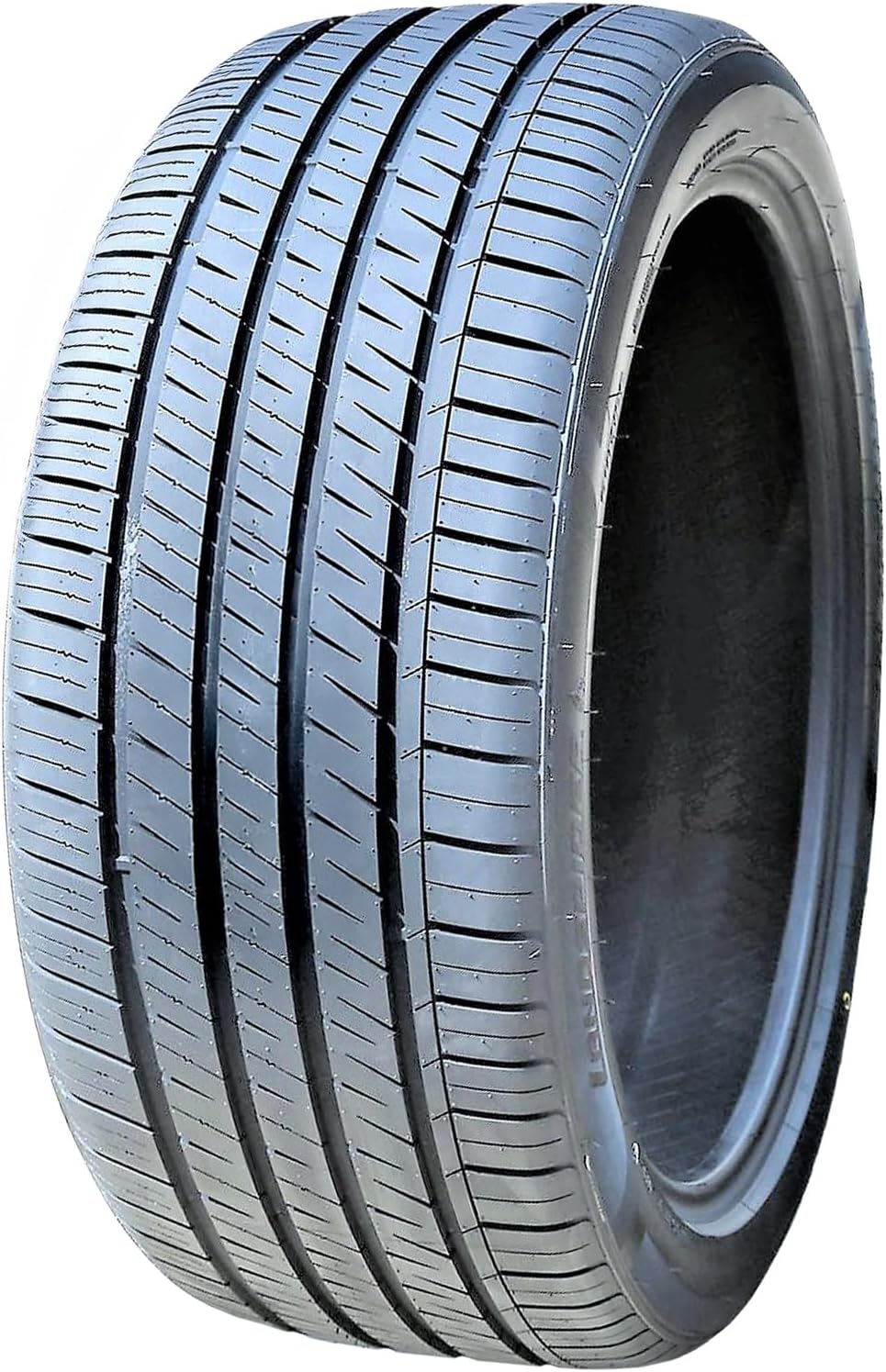
| Size | 255/50R20 |
|---|---|
| Tread Type | Asymmetrical |
| Load Capacity | 2271 Pounds |
| Maximum Pressure | 49 PSI |
| UTQG | 420-A-A |
The Landspider CityTraxx H/P is a 255/50R20 all-season, high-performance radial intended for trucks and SUVs. It uses an asymmetrical tread to balance wet traction and cornering grip while the 4-ply XL construction raises load capacity for heavier vehicles. Typical use is daily highway driving with occasional spirited cornering and light-duty hauling where higher load range is needed. Notable features are the asymmetrical tread pattern for improved wet handling, a UTQG rating that suggests good treadwear and traction, and a 49 psi maximum inflation that supports heavier loads. In practice this tire should deliver confident wet braking and stable high-speed behavior on a vehicle like an Explorer, though it is tuned toward performance rather than deep snow or mud. Limitations include a performance focus that may not match dedicated winter tires in severe snow and the universal fit designation means professional mounting and correct sizing should be confirmed for exact Explorer trim and wheel offsets.
Best for: Buyers who prioritize a balance of wet performance, treadlife, and higher load capacity for everyday driving and occasional heavy loads on a Ford Explorer.
Less Ideal for: Drivers who need a dedicated winter tire or frequent off-road/mud capability should choose a specialized winter or all-terrain tire instead.
- Asymmetrical tread pattern for improved wet grip and handling
- XL 4-ply construction increases load capacity for heavier SUVs
- UTQG 420-A-A indicates solid treadwear and traction for its class
- Designed as an all-season high-performance tire for confident highway and high-speed driving
- Not optimized for severe winter conditions or deep snow traction
Verdict: A practical high-performance all-season 255/50R20 that gives Ford Explorer drivers improved wet handling and higher load capacity without sacrificing treadlife.
4. Cosmo Tires RoadHunter 255/50R20 XL All-Season Touring Tire

| Rim Size | 20 Inches |
|---|---|
| Load Index | 109 |
| Speed Rating | H |
| Load Capacity | 2270 Pounds |
| Seasons | Year Round |
The Cosmo RoadHunter is a touring all-season tire intended for drivers who need a quiet, durable replacement for 255/50R20-equipped SUVs like the Ford Explorer. It combines a directional five-rib tread with angled grooves and dense sipes to shed water and reduce hydroplaning while providing usable traction in light winter conditions. Features called out include a high UTQG traction and treadwear rating, a silica-based compound aimed at lower rolling resistance, and bead reinforcement to sharpen steering response. In practice this tire delivers a comfortable, low-noise ride and confident highway manners for everyday commuting and long trips, with above-average expected mileage thanks to the 560 treadwear figure. Important limitations are that it is a touring-style all-season tire rather than a dedicated winter or heavy off-road tire, and it carries no manufacturer warranty, so buyers seeking winter performance or backed coverage should consider alternatives.
Best for: Drivers looking for an affordable, long-lasting all-season touring tire that prioritizes a quiet ride and reliable wet-weather handling for daily driving and highway miles.
Less Ideal for: Drivers who need dedicated winter traction, heavy off-road capability, or who require a tire with backed manufacturer warranty and support.
- High UTQG treadwear and traction ratings suggest longer life and good wet traction
- Directional five-rib tread and angled grooves help resist hydroplaning in rain
- Silica-based compound and reinforcement deliver lower rolling resistance and improved steering response
- Designed for a quiet, comfortable ride suitable for commuting and highway touring
- Not a dedicated winter or severe snow tire so performance may lag in deep snow or ice
- No manufacturer warranty is provided
Verdict: A budget-friendly 255/50R20 all-season touring tire that delivers quiet highway comfort and above-average tread life for everyday SUV use.
5. Falken Wildpeak A/T Trail 255/50R20 All-Terrain Tire

| Rim Size | 20 Inches |
|---|---|
| Load Index | 109.0 |
| Speed Rating | V |
| Load Capacity | 2271 Pounds |
| Seasons | NON_WINTER |
The Falken Wildpeak A/T Trail is an all-terrain tire built specifically for CUVs and smaller SUVs, offering a mix of off-road capability and on-road dependability. It is typically used as a replacement tire for drivers who split time between paved commuting and light off-road trails. Notable features include a crossover-specific construction for improved handling on higher-center-of-gravity vehicles, a rugged upper sidewall and 2-ply polyester build for resistance to punctures, and Falken’s 3D Canyon Sipe Technology that maintains biting edges for traction in dry, wet, and snowy conditions. Practical benefits are long tread life backed by a 65,000-mile limited treadwear backing, good winter performance for a non-winter tire, and a design that helps resist uneven wear for consistent handling. Important limitations are that it is an XL load-range tire with a V speed rating, so it is optimized for heavier CUV/SUV applications rather than high-performance sports driving, and drivers seeking the quietest highway ride or maximum wet braking among passenger tires may find more specialized options better suited to those priorities.
Best for: Buyers who prioritize a durable, long-lasting tire that can handle occasional off-road use and deliver reliable year-round traction for crossover and SUV duty.
Less Ideal for: Drivers who prioritize the absolute quietest highway ride, maximum wet-stopping performance, or high-speed sporty handling should consider more road-focused or performance tires.
- Crossover-specific construction improves stability for SUVs and CUVs.
- Rugged upper sidewall and 2-ply polyester construction increase resistance to off-road damage.
- 3D Canyon Sipe Technology maintains traction in wet and winter conditions as tread wears.
- Long limited tread life coverage indicating extended durability.
- Optimized design resists uneven wear for consistent handling over time.
- Not designed primarily for the quietest possible highway NVH performance.
- V speed rating and XL load range favor durability over high-speed sporty handling.
Verdict: Choose the Wildpeak A/T Trail when you want a rugged, crossover-focused 255/50R20 that delivers long tread life and dependable on- and off-road traction.
6. Fullway HP108 All-Season Performance Tire 255/50R20 109V XL

| Size | 255/50R20 |
|---|---|
| Load Capacity | 2271 Pounds |
| Load Range | XL |
| Tread Type | Asymmetrical |
| UTQG | Treadwear: 380, Traction: A, Temperature: A |
The Fullway HP108 is an all-season performance tire sized 255/50R20 aimed at truck and SUV drivers who need a capable, low-cost replacement. It uses an asymmetrical tread and a radial construction to balance dry grip, wet traction and tread life, and the UTQG rating (380/AA) suggests above-average wear and good traction and heat resistance for its price class. The XL load range and 109V load index mean it can handle heavier Explorer loads or optional equipment without immediate stress. Expect typical highway comfort and stable handling in dry and wet conditions, with modest snow capability compared with dedicated winter tires. Installation is straightforward for factory wheels that accept 255/50R20, but buyers should allow for somewhat louder road noise and less refined ride and steering precision than premium name-brand tires. For everyday driving and occasional long trips on a Ford Explorer, the HP108 delivers competent performance where value and load capacity are priorities.
Best for: Ford Explorer drivers seeking an affordable replacement tire that can carry heavier loads and deliver reliable all-season highway performance backed by many buyer reviews.
Less Ideal for: Drivers who prioritize the quietest ride, the sharpest steering feel, or serious winter traction should consider premium or winter-specific tires instead.
- XL load rating and 109V index support heavier loads and cargo
- Asymmetrical tread offers balanced dry and wet performance
- UTQG 380 treadwear rating indicates relatively long service life for the price
- Radial construction and 4-ply rating provide sturdy, durable casing
- Budget-oriented compound can be noisier and less precise than premium tires
- All-season design is limited in heavy snow compared with dedicated winter tires
Verdict: A cost-conscious all-season 255/50R20 tire that gives Ford Explorer owners strong load capacity and respectable wet/dry performance for everyday driving.
Choosing the Right Ford Explorer 255/50R20 Tires: Key Factors to Consider
Load Rating And Size Accuracy
Correct load rating ensures the tire can safely carry the weight of a loaded Explorer, including passengers and cargo. Using 255/50R20 tires with a lower load index than recommended increases the risk of overheating, blowouts, and uneven wear.
Size accuracy matters for speedometer calibration and suspension geometry. Even minor deviations in overall diameter affect gearing, ABS calibration, and ride height. When replacing tires, confirm the load index and exact 255/50R20 specification to preserve the vehicle's handling and safety margins.
Wet Traction And Braking Performance
Many driving incidents occur on wet roads, so a tire's ability to evacuate water and maintain contact is critical. Tread patterns with circumferential grooves and well-designed siping reduce hydroplaning risk and shorten stopping distances on soaked pavement.
For an Explorer that will see rain or occasional highway exposure, prioritize tires with demonstrable wet braking and lateral grip. These traits affect everyday safety and confidence during sudden maneuvers or heavy braking events.
Treadwear And Warranty Coverage
Treadwear determines how long a set of tires will deliver usable miles before replacement. Higher-rated treadwear or a robust mileage warranty can lower long-term ownership cost, especially for drivers who log many miles in an Explorer.
Warranty coverage also signals manufacturer confidence in the product. Consider prorated mileage warranties and any conditions that void coverage, such as commercial use or improper installation. Plan for regular inspections to catch uneven wear early and keep warranty eligibility intact.
Noise And Ride Comfort
The Explorer is commonly used for family and commuter duties, making a quiet, comfortable ride important. Tread block design, rubber compound, and sidewall construction influence road noise and how the tire absorbs bumps.
A tire that sacrifices comfort for marginal grip may not suit everyday use. Look for designs that attenuate cabin noise and provide predictable responses over rough pavement to maintain long trips that are comfortable for all occupants.
All-Season Versus Seasonal Performance
Decide whether you need a true winter-capable tire or an all-season compromise. All-season tires deliver year-round utility with acceptable wet and light-snow performance, while dedicated winter tires markedly improve traction in cold, icy, or deep-snow conditions.
Consider the typical climate where you drive the Explorer. If winters are mild, a high-performance all-season 255/50R20 tire may be sufficient. In colder regions, the difference in rubber compound and tread design of winter tires can be a critical safety factor.
Handling And Steering Response
Handling characteristics affect how the Explorer corners and responds to steering inputs. Tread stiffness, shoulder design, and sidewall construction influence lateral grip and feedback.
For drivers who carry varied loads or tow occasionally, consistent steering response under different loads preserves predictability. Choose tires that maintain grip through transitions and provide stable, repeatable behavior during evasive maneuvers.
Confirm Fitment And Load Index For Your Explorer
Before buying any 255/50R20 tire, check the placard on the driver door jamb or the owner's manual for the recommended load index and speed rating for your Explorer's trim and axle configuration. The correct load index prevents overloading the tire and protects braking and handling performance.
If you plan to carry heavy cargo, tow, or regularly run with a full passenger load, select tires with a higher load rating within the 255/50R20 size to maintain safety and reduce heat buildup.
- Verify both size and load index match or exceed factory recommendations.
- Consider a higher load index if you frequently carry heavy loads or tow.
Seasonal Options: When To Use Winter Versus All-Season
All-season 255/50R20 tires offer a balance of wet grip, dry handling, and acceptable light-snow performance for most climates. For regions with regular snow and sustained subfreezing temperatures, dedicated winter tires deliver superior braking and traction because of softer compounds and specialized tread geometry.
Switching to winter tires in cold months preserves summer or all-season tread life and delivers a noticeable safety improvement. If you only want a single set year-round, select all-season tires that have documented cold-weather capability rather than relying on a summer-only compound.
- Choose winter tires for consistent subfreezing conditions and frequent snow.
- Choose all-season tires if winters are mild and you prefer a single set.
Tread Pattern And Its Impact On Hydroplaning
Tread architecture plays a large role in water evacuation and hydroplaning resistance. Tires with wide circumferential grooves and directional or asymmetric patterns channel water away from the contact patch more effectively.
For the Explorer, where highway driving and wet-road exposure are common, prioritize tread patterns that demonstrate quick water evacuation without sacrificing dry stability.
- Directional and asymmetric designs often perform well in wet conditions.
- Look for tread designs that balance groove volume with solid shoulder blocks for cornering stability.
Maintaining Tire Health: Rotation, Balancing, And Alignment
Proper maintenance extends tread life and preserves the Explorer's handling. Regular tire rotation promotes even wear across the set, while balancing reduces vibration and premature wear on suspension components. Wheel alignment keeps the contact patch uniform and prevents feathering or cupping.
Follow the vehicle manufacturer's recommended service intervals and have tires inspected for uneven wear patterns. Addressing alignment or balance issues early prevents accelerated wear and maintains traction performance.
- Rotate tires according to mileage or at least every oil change interval.
- Balance tires after installation and whenever you feel vibration.
- Check alignment annually or after suspension work or curb impacts.
Treadwear Indicators And When To Replace Tires
Tire manufacturers include treadwear indicators molded into grooves to show when the tire tread has reached a minimum safe depth. For highway-capable vehicles like the Explorer, replacing tires before they reach the legal minimum preserves wet traction and braking performance.
Beyond indicators, watch for signs such as uneven wear, vibration, sidewall damage, or age-related cracking. Typical replacement intervals depend on driving habits and climate, but inspection at least twice a year is a good habit.
- Replace tires if treadwear indicators are visible or if braking distances noticeably increase.
- Consider replacement sooner if you frequently drive on rough roads or carry heavy loads.
Still looking for the perfect fit?
Select your Ford Explorer configuration to see the most relevant Tires recommendations
How We Chose the Best Ford Explorer 255/50R20 Tires
We focused on criteria that matter specifically for 255/50R20 tires on the Ford Explorer. Primary filters included correct size and load rating sufficient for typical Explorer curb weight and payload, verified wet and dry traction performance, and treadwear lifespan projected from manufacturer ratings and independent test data. We prioritized tires that balance ride comfort and road noise, since the Explorer is often used for family and commuting duties.Key evaluation dimensions were braking and cornering grip in both dry and wet conditions, tread compound and siping patterns that affect winter capability, manufacturer treadwear warranties, and confirmed load index compatibility for the vehicle. We also considered rolling resistance for fuel economy and whether the tire construction supports the Explorer's suspension tuning.Exclusions: we excluded any 255/50R20 options with insufficient load rating, tires intended only for high-performance sports cars that do not match Explorer weight targets, and specialty off-road tires whose ride and noise compromise everyday usability. Final selections balance durability, safety, and comfort for typical Ford Explorer owners.
Our full evaluation process is outlined in our review methodology.
FAQ
How do I know if 255/50R20 is the right size for my Ford Explorer?
Check the tire placard on the driver door jamb or the owner's manual for the factory tire size. If 255/50R20 is listed for your trim, it is an approved size. For any doubt, consult a professional installer to confirm fitment and load index compatibility.
Can I use all-season 255/50R20 tires year-round on the Explorer?
All-season tires can work year-round in mild climates. However, in consistently cold or snowy regions, dedicated winter tires provide better traction and shorter stopping distances. Your driving conditions should determine whether a single set is sufficient.
How often should I replace the tires on my Explorer?
Replacement frequency depends on mileage, driving style, and conditions, but many drivers see replacement between 40,000 and 70,000 miles. Inspect tread depth and overall condition regularly and consider earlier replacement if you notice uneven wear or reduced wet traction.
Will a higher load rating affect ride quality on my Explorer?
A higher load-rated tire typically uses stiffer construction, which can slightly change ride firmness and steering feel. For the Explorer, a moderate increase in load rating is beneficial if you carry heavy loads, but excessive stiffening may reduce ride comfort.
How important is wheel balancing and alignment after fitting new tires?
Wheel balancing and alignment are important to prevent vibration, uneven wear, and to maintain steering precision. Balance tires after mounting and check alignment if you notice pulling, uneven wear, or after suspension work.
Can I improve fuel economy by changing my 255/50R20 tires?
Tire rolling resistance influences fuel economy. Choosing tires designed for lower rolling resistance can yield modest fuel savings, but driving habits and vehicle maintenance have a larger overall impact.
Final Verdict
When choosing 255/50R20 tires for your Ford Explorer, prioritize correct load rating, dependable wet traction, and appropriate seasonal performance for your climate. Balance tread life expectations against ride comfort and noise to match how you use the vehicle.Make decisions based on the factors that matter most to you: if you carry heavy loads or tow, emphasize load rating; if you face winter conditions, favor winter-capable designs. With those priorities set, you can select a tire that provides safe, comfortable driving and predictable handling for the Explorer.
Explore More:
- Check out all Ford Explorer parts & accessories
- Explore Tires Maintenance & Repair Guides
- Explore Wheels & Tires
- Browse all Auto Parts
