

Note: This article contains affiliate links. If you click on these links and make a purchase, I may earn a small commission at no extra cost to you. This helps support my research and content. Read my full affiliate disclosure here.
Replacing a failing catalytic converter on a 1999-2004 Jeep Grand Cherokee matters for emissions, performance, and passing state inspections. For owners of the WJ generation, a properly fitting unit restores exhaust flow and helps resolve drivability issues tied to clogged or damaged converters. This guide presents seven shortlisted catalytic converters chosen for direct-fit compatibility with the 1999-2004 Grand Cherokee and evaluates them against the key concerns owners face: physical fitment, emissions effectiveness, and long-term durability.Below you will find clear summaries of the top options, plus guidance on diagnostics, installation considerations, and maintenance to help you choose the right replacement for your WJ Grand Cherokee.
Looking for other parts? See all Jeep Grand Cherokee parts & accessories.
Top Picks at a Glance
| Best Overall The best all-around choice for most situations | Walker Ultra Direct-Fit Catalytic Converter 54447 for Jeep Grand Cherokee |  |
| Best Quality Built to a higher standard if you want something more solid | Walker Ultra 50338 Direct-Fit Catalytic Converter for Jeep Grand Cherokee |  |
| Best Value The sweet spot between price and what you get | ASOPARTS 3" Universal Catalytic Converter with Heat Shield and O2 Port |  |
| Best Budget The cheapest option that still gets the job done reliably | MAYASAF 2.5" Universal Catalytic Converter with O2 Port |  |
| Highest Rated A top-rated pick with lots of positive feedback | MagnaFlow HM Grade Direct-Fit Catalytic Converter 23226 |  |
| Most Popular A crowd favorite that many people choose with confidence | Eastern Catalytic 70318 Catalytic Converter (Non-CARB Compliant) |  |
| Best Seller A high-volume bestseller chosen again and again | RZOCARULE Universal 2.5" High-Flow Catalytic Converter with O2 Port and Heat Shield |  |
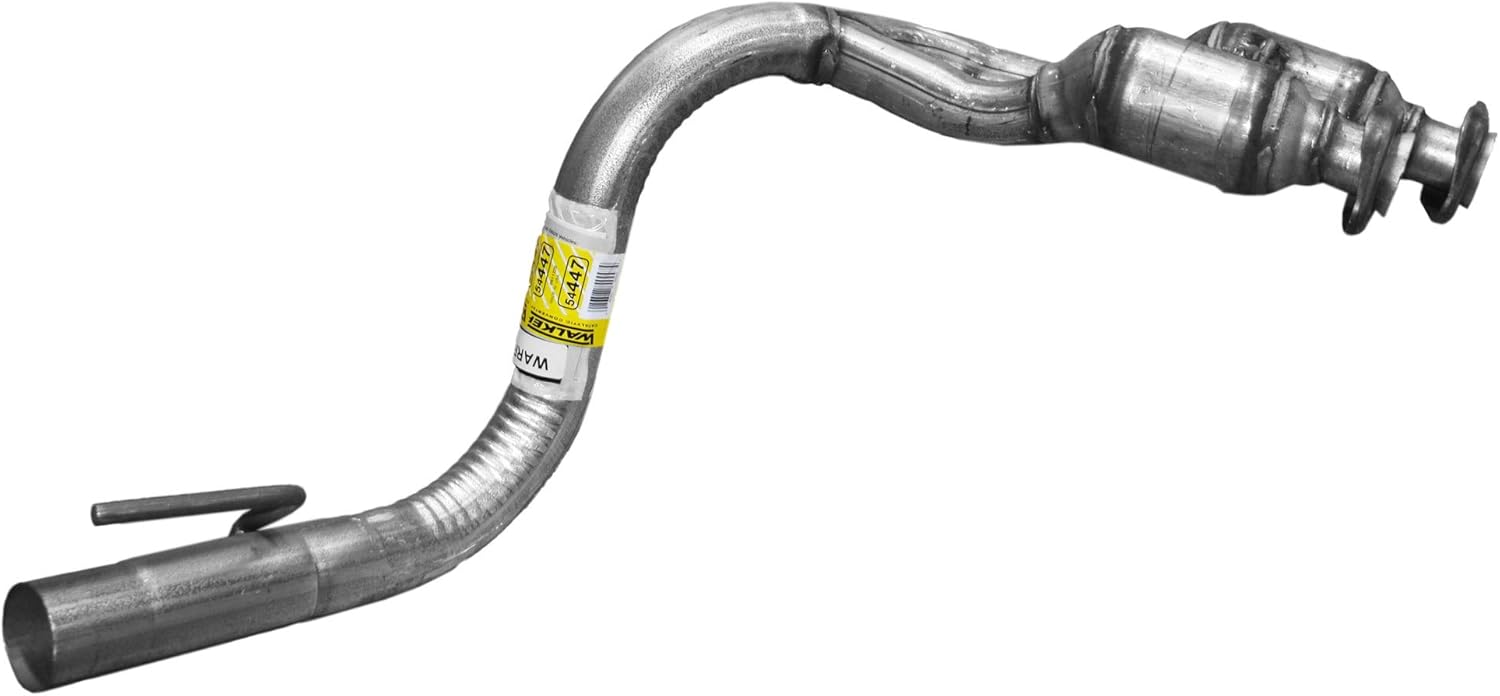
Walker Ultra Direct-Fit Catalytic Converter 54447 for Jeep Grand Cherokee
| Brand | Walker |
|---|---|
| Item model number | 54447 |
| Fits vehicles | 1999-2004 Jeep Grand Cherokee (per listing) |
| EPA compliance | For OBDII 1996 and newer |
This Walker Ultra direct-fit catalytic converter replaces the factory unit on compatible Jeep Grand Cherokee models and is built to meet EPA compliance for OBDII vehicles. It installs as a bolt-on replacement using OE-style flanges, hangers, brackets and heat shields so most DIYers or independent shops can swap it in without welding or custom fabrication. Walker specifies a high-technology washcoat and a calibrated precious metal load intended to restore emissions control and keep the check-engine light from returning when the rest of the exhaust and sensors are in good condition. The converter includes thick flanges and aluminized heat shields for durability and underbody protection. Real-world reports show reliable fitment and straightforward installation, though there have been isolated quality-control and internal honeycomb issues reported in older batches, so inspect the unit and O2 sensor bungs before installation. Overall this is a practical factory-style replacement for maintaining emissions compliance and drivetrain compatibility on the covered Grand Cherokee years.
Best for: Buyers seeking a factory-style, EPA-compliant replacement catalytic converter for mid-1999 to 2004 Jeep Grand Cherokee models who prioritize correct fitment and emissions compliance without welding.
Less Ideal for: Those looking for a high-flow performance converter or a universal custom-fit solution should consider alternatives designed for modified engines or performance tuning.
- Direct-fit design with OEM-style flanges, hangers and brackets for bolt-on installation
- Engineered washcoat and precious metal load aimed at restoring emissions performance
- Includes aluminized heat shields to protect the vehicle undercarriage
- Sturdy construction with thick flanges and brackets for durability
- Some historical quality-control reports including loose honeycomb or mislocated sensor bung on certain production batches
Verdict: A factory-style, EPA-compliant direct-fit replacement that restores emissions control and simplifies installation on covered Jeep Grand Cherokee model years.
Walker Ultra 50338 Direct-Fit Catalytic Converter for Jeep Grand Cherokee

| Manufacturer Part Number | 50338 |
|---|---|
| Compatible with Vehicle Type | Car |
| Installation Type | Bolt-On |
| Material Type | aluminum coated |
| Manufacturer | Tenneco (Dynomax, Walker, Thrush) |
The Walker Ultra 50338 is a direct-fit replacement catalytic converter built to restore emissions performance on compatible Jeep Grand Cherokee models. It installs as a bolt-on unit with OE-style hangers, flanges, heat shields, and brackets so professional installers can swap it in without cutting or fabricating. The converter is engineered for OBDII vehicles and uses an OE-style washcoat and precious metal loading to meet EPA emissions requirements while resisting heat with aluminized shields. Construction emphasizes durability with a stainless-steel body and thick mounting points that hold up under normal driving conditions. Because it is a direct-fit, the part minimizes installation time and helps clear emissions-related diagnostics when correctly matched to the vehicle and local regulations. The main trade-off is this is an emissions-focused replacement rather than a performance-enhancing aftermarket high-flow unit, so drivers seeking maximum exhaust flow or horsepower gains should look at performance-specific converters instead.
Best for: Buyers who need a reliable, regulation-compliant replacement to restore emissions performance on a 1999–2004 Jeep Grand Cherokee and prioritize fitment and longevity over performance gains.
Less Ideal for: Drivers focused on extracting maximum horsepower or building a high-flow exhaust system should choose a performance-oriented converter or custom solution instead.
- Direct-fit bolt-on design with OE-style hangers and flanges for straightforward installation
- EPA-compliant for OBDII vehicles using factory-style washcoat and precious metal loading
- Stainless-steel body and aluminized heat shields for durability and heat protection
- Built with thick mounting points and brackets to withstand normal road use
- Designed for emissions compliance rather than maximizing exhaust flow or horsepower
Verdict: Choose the Walker Ultra 50338 when you want a durable, direct-fit replacement that restores emissions compliance and minimizes installation work for 1999–2004 Jeep Grand Cherokee models.
ASOPARTS 3" Universal Catalytic Converter with Heat Shield and O2 Port

| Inlet/Outlet | 3" ID |
|---|---|
| Housing Material | Stainless steel |
| O2 Port | Included |
| Mounting | Universal fit |
This ASOPARTS 3-inch universal catalytic converter is a budget-oriented replacement meant to restore catalytic function and clear catalyst-related fault codes. It uses a stainless-steel housing and an internal honeycomb ceramic substrate, and includes an oxygen sensor port so it can be bolted into systems that require a sensor upstream or downstream. Typical use is to replace a stolen or failed converter or to address a P0420-style code; installation is intended to be straightforward for a professional or a competent DIYer with welding or flange work. The stainless construction should resist corrosion and high exhaust temperatures, while the heat shield helps protect surrounding components. Buyers should note universals require correct positioning and sometimes welding or custom piping to match factory exhaust geometry, and results for emissions testing or smog can vary depending on vehicle, engine condition, and local regulations.
Best for: A practical buyer who needs an affordable replacement catalytic converter to clear a sensor or catalyst fault and is willing to have a shop adapt a universal unit to their exhaust.
Less Ideal for: Do not choose this if you require a guaranteed pass of a specific emissions test without verification from a shop or if you need a vehicle-specific factory-quality direct-fit converter.
- Stainless steel housing resists rust and heat for longer service life.
- Includes an O2 sensor port so a sensor can be installed without drilling.
- Heat shield reduces heat transfer to nearby components.
- Universal 3" inlet/outlet fits many 3-inch exhaust setups for flexible installation.
- Universal design often requires welding or piping adjustments to match factory exhaust layout.
Verdict: A cost-conscious universal 3-inch stainless catalytic converter that provides an easy oxygen-sensor-ready replacement when you plan to have a shop adapt it to your Jeep Grand Cherokee.
MAYASAF 2.5" Universal Catalytic Converter with O2 Port

| Inlet/Outlet ID | 2.5 inches |
|---|---|
| Overall length | 11 inches |
| O2 port | Yes |
| Exterior | Machined |
This MAYASAF universal catalytic converter is a simple, budget-focused replacement for vehicles that accept a 2.5 inch inside diameter pipe and an 11 inch overall unit. It attaches inline to an existing exhaust system and includes an O2 sensor port, so it can be used with the stock oxygen sensor location on the vehicle. Typical installation requires cutting and clamping or welding to your exhaust; professional installation is recommended if you are not set up for exhaust work. The unit is described as machined stainless and users report generally solid fit and improved exhaust behavior after installation, though material composition notes vary across reviews. It is a straightforward option when you need a low-cost repair that restores function and allows the engine management system to read the O2 signal. This converter is universal by design, so it may require slight modifications to fit perfectly and it is not intended as an emissions-certification direct replacement for states with stricter aftermarket rules.
Best for: Buyers prioritizing a low-cost repair for a Grand Cherokee in need of a working catalytic converter and willing to accept minor exhaust modification or professional installation.
Less Ideal for: Drivers in states with strict aftermarket emissions rules or anyone needing a guaranteed emissions-certified direct-fit replacement should consider a vehicle-specific converter instead.
- Includes an O2 sensor port so the factory oxygen sensor can be reused
- Standard 2.5 inch inlet/outlet fits many common aftermarket exhaust pipes
- Compact 11 inch overall length for easier inline installations
- Low-cost option compared with full direct-fit replacement converters
- Universal fit may require cutting, welding, or adapters for a precise match
- Manufacturer description and some reviews disagree about actual material composition
Verdict: If you need an inexpensive inline catalytic replacement for a 1999-2004 Jeep Grand Cherokee and can accept minor exhaust modification, this unit provides an affordable way to restore O2 sensor function and exhaust flow.
MagnaFlow HM Grade Direct-Fit Catalytic Converter 23226

| Applicable vehicles | 1996-2000 Jeep Cherokee; 1993-1998 Jeep Grand Cherokee |
|---|---|
| Material | Stainless Steel |
| Inlet/Outlet Attachment | Clamp-On |
| Main Piping Diameter | 2.5" |
| Series | HM Grade |
This MagnaFlow HM Grade direct-fit catalytic converter is built to replace the factory unit on 1996–2000 Jeep Cherokee and 1993–1998 Jeep Grand Cherokee applications and is engineered to meet Federal EPA emissions requirements. Constructed from stainless steel tubing with a spun-body design and laser fusion welds, it aims to resist corrosion and minimize leaks. The internal ceramic substrate and mandrel-bent inlet piping are sized to preserve factory flow characteristics so drivability and fuel economy remain close to stock while reducing the likelihood of a check engine light caused by a failing converter. Installation is designed to be clamp-on with no welding required, though removing the old unit usually requires cutting; buyers should have a 2.5" clamp and an O2 socket handy. It is not legal for use in certain states with stricter rules. Solid construction and direct-fit dimensions make this a practical, reliability-oriented replacement, but check local emissions laws before purchasing.
Best for: Buyers prioritizing a durable, factory-like replacement to restore emissions function and avoid persistent check engine lights while keeping stock drivability.
Less Ideal for: Anyone living in states that require California-compliant converters or customers who need a high-performance or race-oriented catalytic solution.
- Federal/EPA-compliant for approved states
- Stainless steel spun body and laser fusion welds for corrosion resistance and reduced leak risk
- Direct-fit design replicates factory fit and flow to maintain drivability
- Mandrel-bent inlet preserves exhaust flow characteristics to help fuel efficiency
- Not legal for sale or use in several states with stricter emissions rules
Verdict: Choose this MagnaFlow direct-fit converter when you want a durable, factory-style replacement that preserves drivability and keeps emissions systems functioning.
Eastern Catalytic 70318 Catalytic Converter (Non-CARB Compliant)

| Model | 70318 |
|---|---|
| Converter Body Material | Stainless Steel |
| Exterior | Brushed |
The Eastern Catalytic 70318 is a straightforward replacement catalytic converter intended for older trucks and SUVs that need a back-to-basics repair. It is a stainless steel body unit sold as a universal/direct-fit style converter that installers typically weld into the exhaust where the original unit sat. Buyers report it restores engine responsiveness and clears emissions-related drivability symptoms when a clogged converter was the cause. Notable features are its simple brushed stainless housing and common inlet/outlet pipe sizing that shops can adapt or weld into place. Practical benefits include a low up-front cost and compatibility with standard muffler-shop installation, making it a sensible choice when you need to replace a failed converter and get the vehicle running normally. Important limitations are that this specific item is not CARB compliant and lacks an oxygen sensor port on some listings, so you should confirm the exact configuration and local emissions requirements before buying for a 1999-2004 Jeep Grand Cherokee.
Best for: Buyers who prioritize getting a reliable, low-cost repair that restores performance and resolves emissions-related drivability on older vehicles and who prefer solutions validated by other owners and independent shops.
Less Ideal for: Drivers who must pass strict state emissions inspections or who need a direct factory-style converter with preinstalled sensor ports should consider certified or vehicle-specific options instead.
- Affordable replacement that can revive poor acceleration caused by a clogged converter
- Stainless steel converter body offers basic corrosion resistance
- Common pipe sizing accepted by muffler shops for straightforward welding installation
- Multiple user reports of restored drivability and cleared engine codes after installation
- Not CARB compliant so it will not meet California emissions rules
- May ship without an oxygen sensor port, requiring modification or additional fitting
Verdict: Choose this converter if you want a low-cost stainless steel replacement that installers can weld in to quickly restore performance on an older Jeep Grand Cherokee.
RZOCARULE Universal 2.5" High-Flow Catalytic Converter with O2 Port and Heat Shield

| Inlet/Outlet Diameter | 2.5 inches |
|---|---|
| O2 Sensor Port | Included |
| Substrate | Ceramic honeycomb |
| Housing Material | Stainless steel |
This RZOCARULE 2.5-inch universal catalytic converter is built as a front-section replacement to reduce emissions and restore exhaust flow for vehicles that accept a 2.5-inch outer diameter pipe. It uses a ceramic honeycomb substrate to increase reaction surface area and a coated catalyst to convert harmful exhaust gases into less harmful compounds. The stainless steel housing and integrated heat shield aim to resist corrosion and high temperatures for longer life. An O2 sensor port is included so you can retain the upstream sensor without modification. Because this is a universal part, expect occasional fitment and sizing adjustments at installation rather than a guaranteed bolt-in match; several buyers reported having to adapt or confirm measurements before fitting. It is not offered for sale in certain high-emission states, so check local regulations before planning an installation. For a risk-averse buyer working on a 1999-2004 Jeep Grand Cherokee, this unit can serve as a cost-effective front converter replacement if you confirm pipe diameter and are prepared to have exhaust clamps or minor welding done during installation.
Best for: Buyers who prioritize restoring emissions control and exhaust function on an older vehicle while keeping costs down and who are comfortable verifying pipe diameter and arranging minor exhaust work at installation.
Less Ideal for: Owners who need a guaranteed direct-fit, vehicle-specific certified converter for strict state inspections or who cannot make any exhaust modifications should look for a vehicle-specific factory-quality replacement.
- Universal 2.5-inch inlet/outlet fits many exhaust runs with the same outer diameter
- Built-in O2 sensor port preserves upstream sensor function and avoids extra drilling
- Ceramic honeycomb substrate increases catalytic surface area for effective emissions conversion
- Stainless steel shell and heat shield improve corrosion and heat resistance
- Universal design can require pipe measurement, trimming, clamps, or welding for a proper fit on specific vehicles
- Not compliant for sale in certain states with stricter emissions rules
Verdict: A budget-friendly high-flow front converter option for a 1999–2004 Jeep Grand Cherokee if you confirm 2.5-inch pipe fitment and accept minor exhaust fitting work.
Choosing the Right 1999-2004 Jeep Grand Cherokee Catalytic Converter: Key Factors to Consider
Fitment and Exhaust Geometry
Exact fitment to the 1999-2004 Grand Cherokee WJ exhaust geometry matters because incorrect flange spacing, pipe diameter, or hanger placement leads to leaks, vibration, and premature stress on the exhaust system. A direct-fit converter that lines up with factory flanges and hanger points reduces installation time and avoids additional welding or pipe modification.
When assessing fitment, check the inlet and outlet diameters, flange bolt pattern, and the distance between mounting points. Also confirm whether the unit is intended for the same engine and drivetrain configuration as your vehicle, since small differences in pipe routing across WJ variants can affect clearances.
Emissions Conversion Efficiency
The primary function of a catalytic converter is to reduce noxious emissions. For the Grand Cherokee, consider the type of catalytic substrate and its cell density, which influence conversion efficiency for hydrocarbons, carbon monoxide, and nitrogen oxides. Higher cell density can improve conversion but may increase backpressure if not engineered correctly.
Evaluate product documentation for indications of the converter's targeted emissions performance and any testing notes. Proper conversion efficiency helps the vehicle pass emissions inspections and reduces the risk of a recurring check engine light related to the catalyst.
Backpressure and Engine Performance
Catalytic converters introduce some restriction in the exhaust stream. Excessive backpressure from a clogged or poorly designed converter can reduce engine power, lower fuel economy, and cause overheating in the exhaust manifold. For the WJ Grand Cherokee, balance is important: a converter tuned for emissions must still permit sufficient flow for the engine's displacement and typical driving loads.
Look for units designed to maintain near-factory backpressure characteristics for the 4.0L and 4.7L engines commonly found in this generation. Technical specs or flow data are useful indicators of whether a converter will preserve drivability.
Material Quality and Corrosion Resistance
The exhaust environment is corrosive and thermally stressful. Shell material, weld quality, and internal substrate mounting affect long-term reliability. Stainless steel shells and high-quality welds resist rust and failure from road salt and moisture, which matters for vehicles used in harsher climates or with extended mileage.
In addition to shell material, inspect how the substrate is secured inside the shell and whether insulation or high-temperature packing is used. These details influence resistance to rattling, substrate breakage, and early failure under thermal cycling.
Oxygen Sensor Compatibility
The 1999-2004 Grand Cherokee has specific upstream and downstream oxygen sensor locations and thread types. A replacement converter must provide the correct sensor bungs in the proper positions and thread sizes to preserve engine management accuracy. Incorrect sensor placement can trigger check engine lights and impair closed-loop fueling.
Confirm whether the unit includes threaded bungs for both sensors or requires sensor relocation. Some converters provide pre-threaded ports at OEM locations to simplify installation and reduce the chance of leaks.
Warranty and Support
Warranty coverage and vendor support offer insight into product quality and long-term confidence. Longer limited warranties generally indicate greater confidence in materials and manufacturing. For the Grand Cherokee, consider warranty terms that cover corrosion, cracking, and internal failure for a reasonable period or mileage bracket.
Also note the availability of technical support or clear fitment documentation from the maker. Straightforward return policies and accessible installation guidance reduce risk when replacing a catalytic converter on the WJ.
How to Diagnose a Failing Catalytic Converter on a WJ Grand Cherokee
Symptoms often begin with a persistent check engine light that stores a catalyst efficiency or oxygen sensor code. Owners may notice reduced acceleration, lower fuel economy, or an unusual rotten-egg smell from the exhaust when the catalyst is compromised. Physical signs include rattling from the catalytic housing if the internal substrate has broken loose.
Simple diagnostic steps include scanning for ECU codes, performing a visual inspection for damage or leaks around the flanges, and checking exhaust backpressure if you have the tools. A quick heat test also helps: a healthy converter will be significantly hotter at the outlet than the inlet after a road test. If you see similar temperatures at inlet and outlet or excessive heat at the inlet, that can indicate a restriction or internal failure.
- Check engine codes related to catalyst efficiency or oxygen sensors
- Visual inspection for dents, leaks, or loose internals
- Compare inlet and outlet temperatures after driving
- Measure exhaust backpressure if possible
Installation Considerations and Common Fitment Issues
For the 1999-2004 WJ Grand Cherokee, confirm the converter matches the factory flange dimensions and hanger layout before attempting installation. Expect minor differences between engine variants that can affect where the pipe clears the crossmember or suspension components. Preparing the vehicle by supporting the exhaust and using penetrating lubricant on old bolts reduces the risk of breaking studs during removal.
If a direct-fit unit is not available, some owners choose a bolt-on converter with an adapter or have a shop perform a short section of custom piping. When welding is required, ensure proper alignment and leak-free joints. Also reuse or replace gaskets and hardware to maintain a sealed connection and avoid exhaust leaks that could mimic other engine issues.
- Confirm flange bolt pattern and inlet/outlet diameters
- Inspect hanger locations and clearance to chassis
- Use new gaskets and properly torque bolts
- Plan for possible welding or minor pipe modification
Maintaining Your Replacement to Avoid Premature Failure
Preventative maintenance helps extend the life of a new catalytic converter. Address engine misfires, oil consumption, or coolant leaks promptly because unburned fuel, oil, or antifreeze entering the exhaust can damage the catalyst substrate. Keep oxygen sensors and spark plugs in service to prevent conditions that overheat or contaminate the converter.
Avoid prolonged idling and reduce heavy, low-rev towing when possible, since excessive heat cycles and high exhaust temperatures accelerate wear. Regular visual checks for mounting integrity and early attention to rattles or changes in exhaust tone will catch issues before they become major failures.
- Repair engine misfires and oil or coolant leaks promptly
- Maintain oxygen sensors and ignition components
- Avoid excessive towing and sustained high-load operation
- Inspect mounts and gaskets periodically
Legal and Emissions Inspection Notes for the WJ
Emissions regulations and inspection criteria vary by jurisdiction, but the core requirement for the 1999-2004 Jeep Grand Cherokee is that the converter effectively reduces emissions to meet local limits. Choose a replacement that preserves or restores the vehicle's emissions control function and provides clear fitment and application data for inspection officials if required.
Keep documentation that shows the unit is intended for the 1999-2004 WJ Grand Cherokee and note any certification or testing statements supplied by the manufacturer. In some states, inspectors will check for tampering, so maintaining stock-like appearance and sensor placements helps pass visual inspections.
- Keep installation documentation and fitment notes for inspections
- Retain original sensor locations and avoid visible tampering
- Confirm local rules about converter replacement disclosures
When to Consider Professional Installation
If the old converter is rusted to the point of seized bolts, if custom piping is necessary, or if you lack welding experience, professional installation is advisable. A shop can ensure precise alignment, leak-free welds, and correct oxygen sensor positioning. They can also diagnose related engine issues that might have caused converter failure and address them before installing a new unit.
For owners who have lifting equipment, basic hand tools, and experience with exhaust work, a direct-fit unit often installs with standard tools. Still, plan for at least two hours of labor and have replacement gaskets and hardware on hand to complete the job reliably.
- Hire a shop for seized bolts, custom piping, or welding needs
- Professional installers can test backpressure and sensor operation
- DIY is feasible for direct-fit units with proper tools and time
- Have new gaskets and hardware ready for reassembly
Still looking for the perfect fit?
Select your Jeep Grand Cherokee configuration to see the most relevant Catalytic Converters recommendations
How We Chose the Best 1999-2004 Jeep Grand Cherokee Catalytic Converter
We prioritized products that match the 1999-2004 Jeep Grand Cherokee WJ chassis for direct-fit installation and maintain proper emissions control. Our evaluation emphasized concrete, truck-specific criteria rather than marketing claims. Key criteria included: fitment accuracy to factory flange and hanger locations, catalytic substrate type and cell density relevant to emissions conversion, shell and weld quality for long-term corrosion resistance, and thermal management to resist premature clogging. We also considered legal compliance cues such as conformity to emissions-related design (where indicated by manufacturers) and compatibility with the vehicle oxygen sensor locations. Durability factors like stainless construction and internal packing method were weighed to estimate service life under typical driving conditions.Excluded from the shortlist were universal or heavily modified-pipe converters that require custom fabrication, and units with unclear fitment data for the WJ. We filtered out options lacking clear technical specs or that did not meet the minimum expectations for emissions performance and mechanical reliability for this vehicle generation.
Our full evaluation process is outlined in our review methodology.
FAQ
What are the common symptoms of catalytic converter failure on a 1999-2004 Grand Cherokee?
Common symptoms include a check engine light with catalyst or oxygen sensor codes, reduced acceleration, lower fuel economy, a sulfurous smell, and rattling noises from a damaged internal substrate. These signs often appear gradually but can become pronounced if the substrate breaks or clogs.
Can I replace the catalytic converter myself on a WJ Grand Cherokee?
Many owners can install a direct-fit converter with basic tools and a lift or jack stands, but expect to encounter corroded bolts and tight clearances. Professional installation is recommended if welding, custom piping, or seized hardware is likely.
Will a new catalytic converter clear a check engine light immediately?
Sometimes the light clears after replacement, but the ECU may require several drive cycles to reset catalyst efficiency monitors. Clearing codes and performing a monitored drive cycle helps confirm the repair. If the underlying engine issue that damaged the converter is unresolved, the light may return.
How important is matching oxygen sensor locations when replacing the converter?
Very important. Correct sensor placement and thread type ensure accurate readings for fuel control and catalyst monitoring. Incorrect sensor bung placement can trigger diagnostic codes and impair engine management.
What should I do if the replacement converter fits but the exhaust leaks at the flange?
Recheck flange alignment, replace the gasket, and properly torque the bolts. If the flange faces are damaged or warped, the proper fix is to resurface or replace the flange rather than forcing the joint, which can cause persistent leaks.
How long should a replacement catalytic converter last on the Grand Cherokee WJ?
Lifespan depends on driving conditions and maintenance. With no engine issues and normal driving, a quality converter can last many years, but contamination from oil, coolant, or prolonged engine misfires will shorten service life.
Final Verdict
For the 1999-2004 Jeep Grand Cherokee WJ, prioritize a direct-fit catalytic converter that matches factory flange geometry and maintains proper oxygen sensor placement. Focus on units with robust materials and clear fitment documentation to minimize installation complications and ensure emissions compliance. Balance conversion efficiency with reasonable backpressure to preserve drivability.Address underlying engine issues before installation and keep an eye on sensor performance to protect the new converter. With those priorities in mind, you can replace the converter with confidence and restore emissions function and reliable performance to your Grand Cherokee.
Explore More:
- Check out all Jeep Grand Cherokee parts & accessories
- Explore Catalytic Converters Maintenance & Repair Guides
- Explore Exhaust & Emissions
- Browse all Auto Parts
