

Note: This article contains affiliate links. If you click on these links and make a purchase, I may earn a small commission at no extra cost to you. This helps support my research and content. Read my full affiliate disclosure here.
Replacing or upgrading the alternator on your Ford Explorer directly affects how reliably the vehicle starts and how well electrical systems perform on the road. Choosing the right alternator matters because a correct fit and sufficient output keep electronics stable and prevent battery drain or unexpected breakdowns.This guide covers seven shortlisted alternators that stood out during our review for reliability, output, and installation practicality. We evaluated build quality and ease of fitment among other practical factors to help you pick the best option. Read on for the criteria we used and practical notes to help you decide.
Looking for other parts? See all Ford Explorer parts & accessories.
Top Picks at a Glance
| Best overall The best all-around choice for most situations | DB Electrical Remanufactured Alternator 400-52292R (Replacement for Ford 9L3T-10300-CB) |  |
| Best quality Built to a higher standard if you want something more solid | DB Electrical Alternator 115A for 4.0L Ford Explorer / Mercury Mountaineer (2009–2010) |  |
| Best Value The sweet spot between price and what you get | Parts Player 130A 12V Alternator for Ford Explorer/Sport Trac (4.0L, 2001–2004) |  |
| Best budget The cheapest option that still gets the job done reliably | Youxmoto Alternator 4.6L Fit for Ford Explorer/Mountaineer 2002-2004 |  |
| Highest Rated A top-rated pick with lots of positive feedback | A-Premium Alternator for Ford Explorer/Mountaineer 4.0L — 130A 12V, 6-Groove CW Pulley |  |
| Most Popular A crowd favorite that many people choose with confidence | SHICHU Alternator Replacement for Ford Explorer 3.5L V6 (2013–2019) |  |
| Best Seller A high-volume bestseller chosen again and again | A-NAFTULY Replacement Alternator for Ford (95A, 12V) |  |
1. DB Electrical Remanufactured Alternator 400-52292R (Replacement for Ford 9L3T-10300-CB)

| Volt | 12 |
|---|---|
| Amps | 150 |
| Condition | Remanufactured |
| Regulator Location | Internal |
This DB Electrical remanufactured alternator is a direct-fit replacement designed for Ford vehicles that originally used the Denso SC hairpin-style unit. It provides 12 volts and 150 amps of charging capacity and installs like a factory replacement, with internal regulator and fan and the same mounting pattern and terminal layout used on the original part. Typical use is as a repair component when the stock alternator fails or is no longer charging properly; installers report straightforward fitment and standard connector and pulley interfaces. The remanufactured approach keeps cost down compared with new-brand units while offering a one-year warranty; many users find the output and charging voltage meet factory expectations. Expect the biggest compromises to be variability common to remanufactured parts and a shorter warranty than many new alternators, so longevity can vary. Verify vehicle fitment before ordering and be prepared to address minor differences such as terminal post sizing during installation.
Best for: Practical, balanced buyers who want a reliable, lower-cost replacement that restores factory charging performance without upgrading to a premium new unit.
Less Ideal for: Buyers who prioritize maximum long-term durability or a multi-year warranty should consider a new-brand alternator or a higher-tier aftermarket option.
- Direct-fit remanufactured replacement for multiple Ford models, easing installation
- 150A output suitable for stock electrical loads and accessories
- Internal regulator and fan mean no additional external components required
- Replaces several OEM numbers so compatibility with factory wiring is likely
- Remanufactured unit so component wear and lifespan can vary compared with new alternators
- Warranty period is limited to one year which is shorter than some new-brand alternatives
Verdict: A cost-effective, factory-style remanufactured alternator for Ford Explorer owners who want OEM-like charging performance without the price of a new unit.
2. DB Electrical Alternator 115A for 4.0L Ford Explorer / Mercury Mountaineer (2009–2010)

| Volt | 12V |
|---|---|
| Amps | 115 |
| Regulator Location | Internal |
| Rotation Direction | Clockwise |
This DB Electrical alternator is a direct replacement designed for the 4.0L Ford Explorer and Mercury Mountaineer from 2009 to 2010. It supplies 12 volts at 115 amps and features an internal regulator and clockwise rotation with an internal fan, so installation mimics the factory unit and it fits under the stock accessory layout. Typical use is to replace a failing or weak alternator to restore battery charging and electrical system performance; the M8 B+ terminal and six-groove solid pulley match common accessory configurations. The practical benefits are straightforward: it brings charging capacity back to spec, is listed as new and built to meet OEM standards, and has a one-year warranty for after-install protection. Limitations to consider are that it is an aftermarket part rather than a factory-branded unit and the listing references a solid pulley and specific groove count, so confirm pulley and belt compatibility before purchase. Expect a standard swap-in replacement when matched to the correct model and engine year.
Best for: Performance-oriented buyers who prioritize reliable charging under load and want a high-output factory-style replacement for a 2009–2010 Ford Explorer or Mercury Mountaineer with a 4.0L engine.
Less Ideal for: Shoppers seeking a factory-branded OEM unit or those who have a different pulley or accessory configuration on their vehicle should consider alternatives.
- 115 amp output restores factory charging capacity for 4.0L Explorer/Mountaineer electrical loads
- Internal regulator and internal fan mirror factory installation for a straightforward swap
- Designed to meet OEM specifications according to the manufacturer
- Replaces multiple OEM part numbers, simplifying fitment for the specified vehicle years
- Aftermarket construction rather than factory-brand may concern buyers seeking original manufacturer components
- Solid pulley and six-groove configuration require verification against the vehicle’s belt setup
Verdict: A 115A factory-style aftermarket alternator that restores charging performance for 2009–2010 Ford Explorer and Mercury Mountaineer 4.0L vehicles, but verify pulley and belt compatibility before buying.
3. Parts Player 130A 12V Alternator for Ford Explorer/Sport Trac (4.0L, 2001–2004)
| Amperage | 130 Amps |
|---|---|
| Voltage | 12 Volts |
| Rotation | Clockwise |
| Regulator/Fan | IR/IF |
| Pulley Class | S6 |
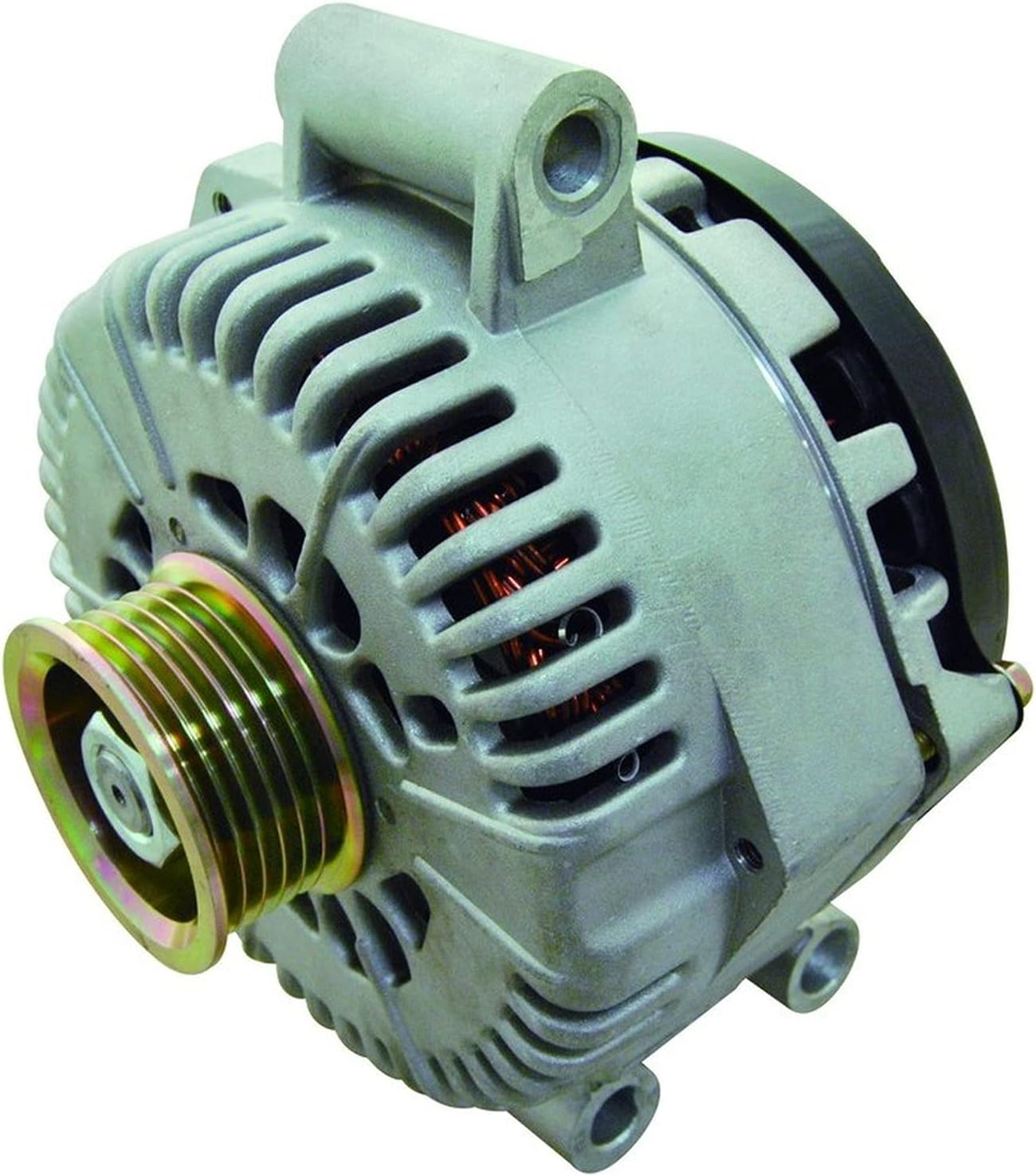
This Parts Player alternator replaces the factory unit on 4.0L Ford Explorer and Sport Trac models and delivers a 130 amp output suitable for charging the battery and running accessories. It installs like a direct replacement and is used to restore charging system performance after an original alternator fails. Notable features include a 130A amperage rating, clockwise rotation, internal regulator/fan configuration, and a pulley sized for S6 belts. In practice it provides enough charge capacity for standard electrical loads including A/C and aftermarket audio on most vehicles of this age. Several buyers report straightforward installation and reliable operation for months of use. Limitations to consider are that mounting hardware is not included and there are mixed reports about connector durability and a small number of failures, so careful inspection of the electrical connections at installation is wise. This unit is a budget-friendly alternative to remanufactured factory replacements but may require attention to wiring and installation quality to avoid issues.
Best for: Practical optimizers who want a cost-effective, direct-replacement alternator that restores charging performance without paying for a premium remanufactured unit. Ideal for owners focused on getting reliable function at a lower purchase cost.
Less Ideal for: Drivers who want a guaranteed factory-quality remanufactured unit with included hardware and manufacturer-backed warranty should consider higher-end or branded remanufactured alternatives.
- Direct-fit replacement for 4.0L Ford Explorer and Sport Trac models, simplifying installation
- 130 amp output handles typical factory loads and common aftermarket accessories
- Internal regulator and fan reduce need for external components
- Multiple customer reports of easy install and reliable charging behavior
- Mounting hardware not included so separate fasteners may be needed
- Some reports of connector or wiring issues that can cause overheating if not installed carefully
Verdict: A budget-friendly, direct-fit 130A alternator that restores charging for 4.0L Ford Explorer/Sport Trac models but may require careful installation and separate mounting hardware.
4. Youxmoto Alternator 4.6L Fit for Ford Explorer/Mountaineer 2002-2004
| Voltage | 12V |
|---|---|
| Amperage | 130A |
| Rotation | CW |
| Regulator | Internal (IR) |
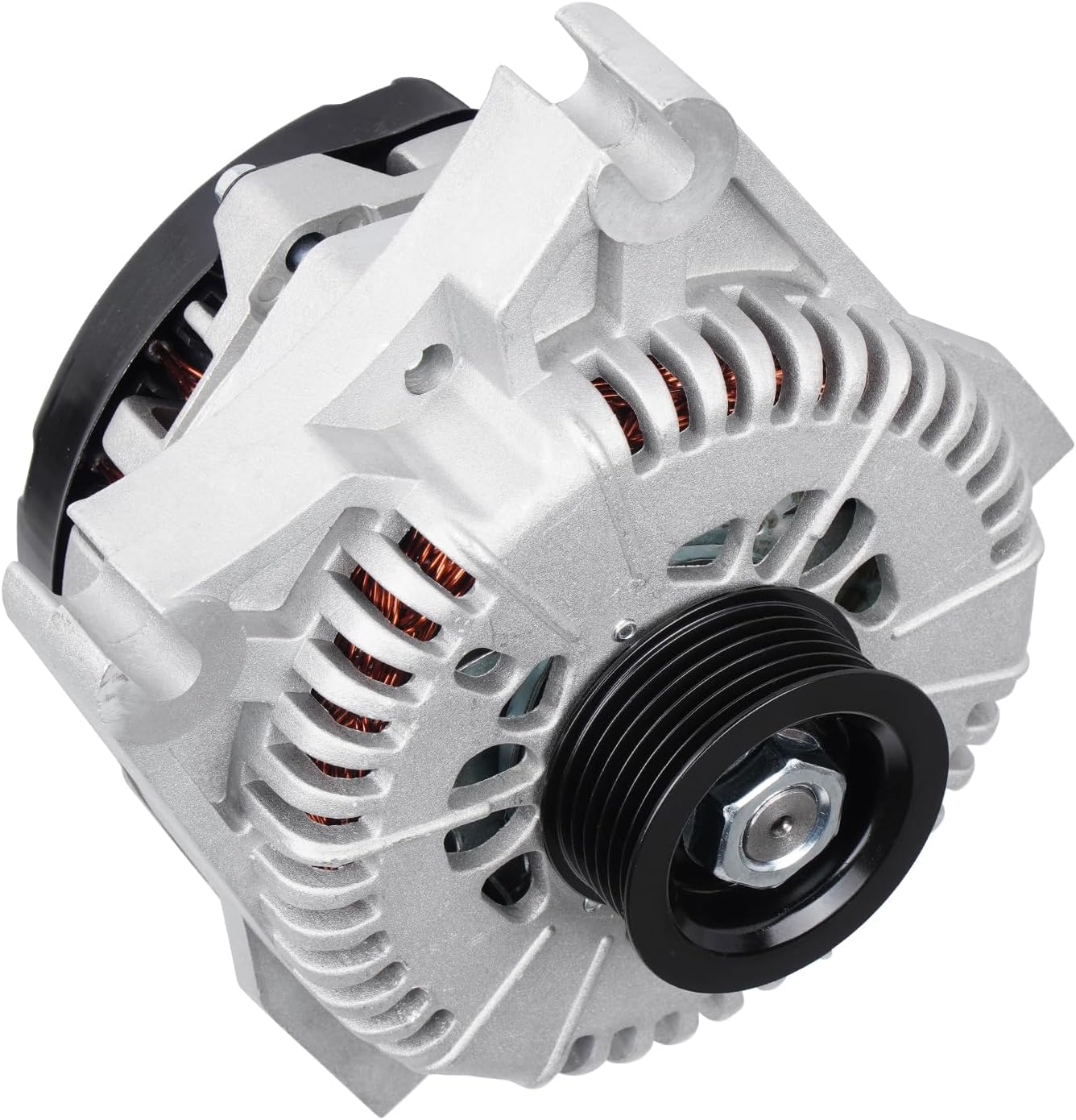
This Youxmoto alternator is a direct-fit replacement for the 4.6L Ford Explorer/ Mountaineer (2002–2004) and supplies 12 volts at 130 amps with clockwise rotation and an internal regulator. It installs in place of the factory unit without modification, so it is typically used to restore charging system function after an original alternator fails. The aluminum housing and thicker copper coil are meant to deliver steady output and resist corrosion, while the built-in regulator and standard pulley class simplify swap-in installation. For a budget-conscious buyer this alternator provides the core capabilities you need: correct fitment, adequate amperage for stock electrical loads, and a simple installation path. Limitations are typical for low-cost replacements: some buyers report occasional early failures and quality variation across units, and the one-year replacement parts coverage is shorter than many remanufactured options. Expect this unit to be a good low-cost repair when you need a working alternator quickly, but plan on verifying output and connections after installation.
Best for: Budget-conscious Ford Explorer owners who prioritize a low-cost, ready-to-install replacement to get their vehicle charging again without paying for a premium remanufactured unit.
Less Ideal for: Drivers who need extended warranty coverage, higher durability under heavy aftermarket electrical loads, or guaranteed long-term reliability should consider higher-end or professionally remanufactured alternators instead.
- Direct-fit design for 4.6L Ford Explorer/Mountaineer 2002–2004 simplifies installation
- 130 amp output suitable for stock charging demands
- Aluminum housing and thick copper coil improve heat dissipation and conductivity
- Includes internal regulator and standard pulley class for plug-and-play replacement
- Some customer reports of units arriving defective or failing early
- Shorter replacement parts coverage compared with many remanufactured alternators
Verdict: A cost-effective, direct-fit 130A alternator for 4.6L Ford Explorer/Mountaineer owners who need a quick, affordable replacement but are willing to accept some quality variation.
5. A-Premium Alternator for Ford Explorer/Mountaineer 4.0L — 130A 12V, 6-Groove CW Pulley
| Amperage | 130 Amps |
|---|---|
| Voltage | 12 Volts |
| Rotation | CW (Clockwise) |
| Number of Grooves | 6-Groove Pulley |
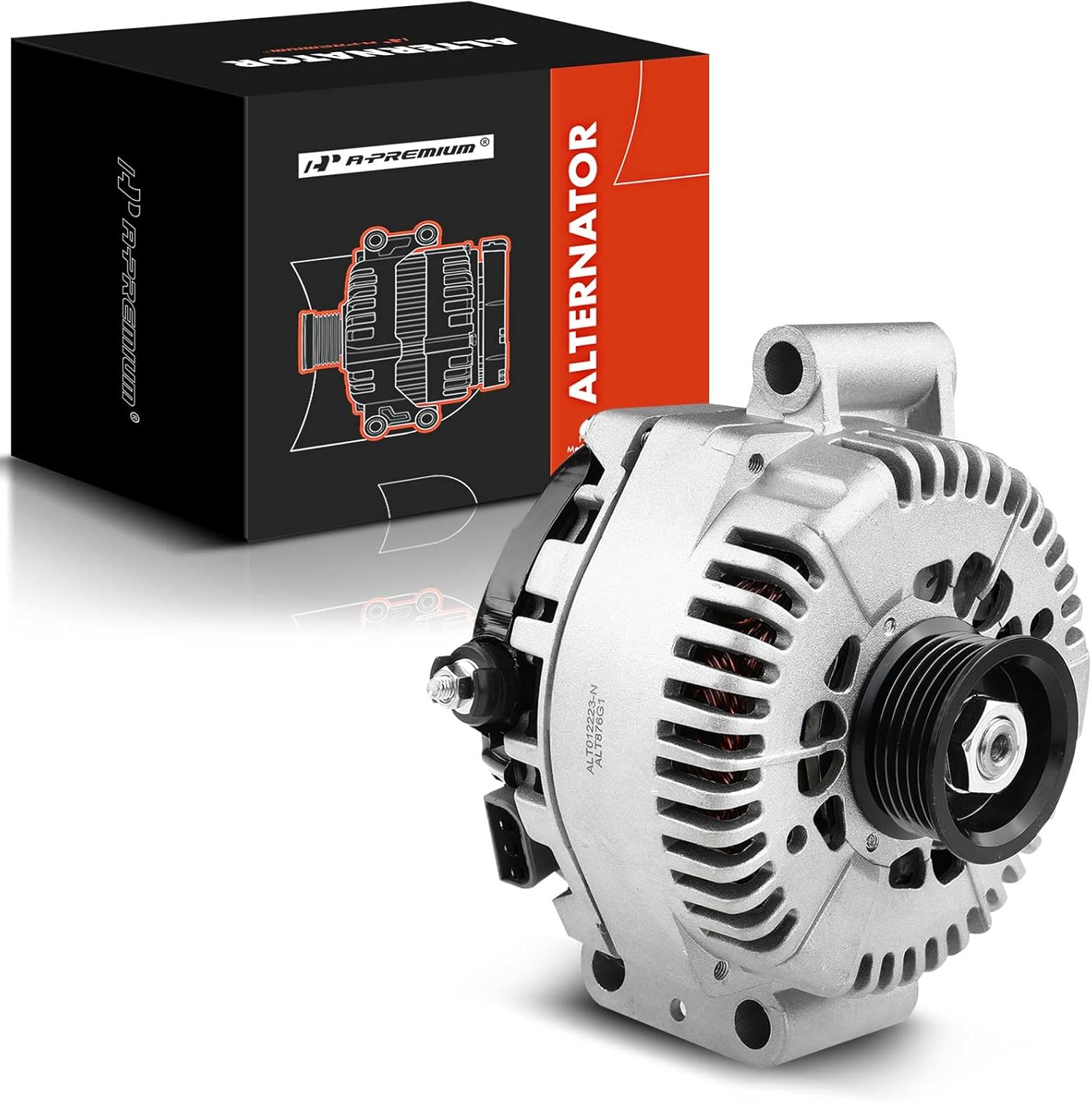
This A-Premium alternator is a direct-fit replacement for 2001–2004 Ford Explorer and Sport Trac and 2001–2004 Mercury Mountaineer 4.0L models that use the black rear-cover alternator. It provides 130 amps at 12 volts with a clockwise rotation and a six-groove pulley, so it supplies charging current to run accessories and recharge the battery under normal driving loads. The unit is built from new components rather than rebuilt parts, which should improve reliability and lifespan compared with used cores. Installation is the same as a factory replacement and reviewers report correct fit and plug-and-play operation. Important limitations are that it only fits the specific alternator variant with the black rear cover and the 6-groove pulley, so buyers must verify visual match to their existing unit before ordering. The manufacturer offers a one-year unlimited-mileage guarantee, which provides some protection if early failures occur.
Best for: Reliability-focused buyers who want a factory-style replacement that uses new components and restores charging performance on older Ford Explorer or Mountaineer 4.0L vehicles.
Less Ideal for: Drivers who need a universal or multi-vehicle alternator option or who require extended multi-year warranty coverage should consider other alternatives.
- 130 amp output suitable for stock electrical loads and common accessories
- 100% new-component construction rather than rebuilt core
- Designed as a direct-fit replacement for specified 2001–2004 Ford/Mercury 4.0L models for easier installation
- Clockwise rotation and 6-groove pulley match factory configurations for affected vehicles
- Fits only the alternator variant with a black rear cover and the listed pulley/rotation configuration
- One-year guarantee is limited compared with longer aftermarket warranties from some competitors
Verdict: A-Premium supplies a new-component, direct-fit 130A alternator aimed at restoring reliable charging on 2001–2004 Ford Explorer and related 4.0L models, provided you match the specific rear-cover and pulley configuration.
6. SHICHU Alternator Replacement for Ford Explorer 3.5L V6 (2013–2019)

| Amperage Rating | 225 Amp |
|---|---|
| Voltage | 12.0 Volt |
| Rotation Direction | Clockwise |
| Pulley Groove Quantity | 6 |
This SHICHU alternator is offered as a like-for-like replacement for the 3.5L V6 turbocharged Ford Explorer (2013–2019). It is used to restore charging to the vehicle by replacing a failed factory alternator and connects to the existing mounting points and electrical harness. Notable details include a 225 amp output, 12 volt system compatibility, clockwise rotation, and a six-groove pulley which match the Explorer's accessory drive design. For a convenience-focused buyer this unit can get an Explorer back on the road quickly without sourcing a factory unit from a dealer, and many owners report straightforward fitment and immediate charging. Buyers should be aware that aftermarket alternators vary in long-term reliability and some reports cite intermittent failures or lower-than-expected output on certain vehicles, so expect to verify fitment and test charging after installation. The product comes with a one-year unlimited-mileage quality guarantee from the seller which provides basic post-sale support.
Best for: Convenience-driven Explorer owners who want a fast, affordable replacement to get a 2013–2019 3.5L V6 back on the road without dealer sourcing.
Less Ideal for: Owners seeking a long-term factory-specified alternator or those who prefer dealer-supplied units for warranty and OEM traceability should consider dealer or remanufactured factory replacements instead.
- 225 amp output suitable for high-electrical-load Explorer configurations
- Matches Ford Explorer 3.5L V6 rotation and pulley groove count for direct fitment
- Many buyers report easy installation and immediate restoration of charging
- Includes a one-year unlimited-mileage quality guarantee for basic support
- Aftermarket longevity is variable with some users reporting early failures
- Pulley construction differs from some factory units which may affect durability
Verdict: A high-output, direct-fit aftermarket alternator that gets 2013–2019 Ford Explorer 3.5L V6 vehicles charging again quickly and affordably.
7. A-NAFTULY Replacement Alternator for Ford (95A, 12V)

| Output | 95 Amp |
|---|---|
| Voltage | 12 Volt |
| Rotation | CW |
| Pulley | 6-Groove Clutch Pulley |
This A-NAFTULY alternator is a direct-fit replacement designed to restore charging on compatible Ford vehicles, including specified Explorer model years. It supplies 95 amps at 12 volts and uses a CW rotation with a 6-groove clutch pulley, so installation typically follows the factory mounting points and plug locations. The seller notes calibrated rotors and stators with copper windings and an insulating coating intended to reduce heat and electrical losses, which should help stabilize charging and improve cold starts. Buyers can expect a straightforward swap for a failed alternator to clear dash warning lights and stop battery drain. Some customers reported receiving the wrong pulley configuration, which may require swapping the pulley from the old unit or a brief modification. The product is sold new, tested for no-load and load performance, and comes packaged with basic installation guidance. For a risk-averse buyer focused on reliable repair, this alternator offers a practical, factory-style replacement but verify pulley and connector details for your Explorer before installation.
Best for: Risk-averse mainstream buyers who prioritize getting their Ford Explorer back on the road with a straightforward, factory-compatible replacement without extensive modification.
Less Ideal for: Drivers wanting guaranteed dealer-level parts provenance or plug-and-play high-output upgrades should consider OEM or performance alternators instead.
- 95 amp output matches common Ford charging requirements for affected model years
- Designed to match factory mounting and electrical connections for a direct replacement
- Copper windings and calibrated rotors/stators aim to improve heat dissipation and stable charging
- Tested for no-load and load performance before shipping
- Some units have arrived with an incorrect pulley requiring transfer of the old pulley or replacement
- Not branded as a factory OEM unit which may concern buyers seeking dealer parts
Verdict: A practical 95A factory-style replacement for Explorer charging failures that usually installs easily but double-check pulley configuration before fitting.
Looking for the perfect fit?
Select your Ford Explorer configuration to see the most relevant Alternators recommendations
Choosing the Right Ford Explorer Alternator: Key Factors to Consider
Electrical Output and Amperage
The alternator's rated amperage determines how much current it can supply to the battery and the vehicle's electrical systems. Higher-output alternators support more accessories and heavy electrical loads, while lower-output units may struggle if you have additional lighting, audio equipment, or winches.
Consider both the peak and continuous output ratings. Continuous amperage affects day-to-day reliability, while peak ratings matter during cold starts or when many systems draw power at once. Matching the alternator output to your Explorer's typical electrical load helps avoid battery depletion and reduces strain on the charging system.
Fitment and Mounting Compatibility
Proper physical fit matters because alternators must align with existing brackets, belts, and electrical connectors. A unit that fits without modification reduces installation time and the risk of belt misalignment or accessory interference.
Check mounting hole locations, pulley type, and connector style to ensure compatibility. Even small differences in orientation or plug placement can require adapter brackets or wiring changes, so prioritize alternators that match the Explorer's factory configuration for a straightforward replacement.
Build Quality and Internal Components
Durable internal parts such as bearings, brushes, rectifiers, and voltage regulators affect both lifespan and performance stability. Higher-quality components usually mean steadier voltage regulation and less frequent failures.
Look for evidence of quality control like sealed housings, corrosion-resistant finishes, and robust bearings. Better internal components also tolerate heat and vibration more effectively, which is important in an under-hood environment where temperature swings and road impacts are common.
Thermal Performance and Cooling
Alternators generate heat during operation, and insufficient cooling can shorten component life or lead to intermittent faults. Designs with effective ventilation, heat-dissipating housings, or improved internal airflow tend to run cooler under sustained loads.
Consider the typical climate and driving conditions you encounter. If you frequently tow, idle in traffic, or drive in hot weather, prioritize alternators with proven thermal management to reduce the likelihood of heat-related failures and maintain consistent charging output.
Ease of Installation and Accessibility
How easy an alternator is to install affects labor time and the chance of installation errors. Units that preserve factory connectors, use the same pulley type, and do not require special tools are faster to fit and less likely to trigger electrical issues.
Also think about accessibility in the engine bay. Alternators that allow bolts and connectors to be reached without extensive disassembly will reduce installation complexity. Clear instructions and labeled connectors further simplify the process for both DIYers and professional technicians.
Warranty and Support Coverage
Warranty terms reflect a manufacturer's confidence and provide protection against early failures. A longer or more comprehensive warranty reduces ownership risk and can offset concerns about component durability.
Check what the warranty covers, how claims are processed, and whether support is available for fitment questions. Good post-sale support is useful if you encounter unexpected fitment issues or need guidance during installation.
How We Chose the Best Ford Explorer Alternator
We focused on alternators designed specifically for the Ford Explorer and evaluated each unit on concrete, vehicle-relevant measures. Key criteria included electrical output and amperage consistency, physical fit and mounting compatibility with factory locations, build quality and internal component durability, and ease of installation including plug-and-play connectors and clear mounting points. We also considered thermal performance under typical driving loads and the warranty terms offered by manufacturers to reflect long-term ownership risk.We excluded units that required extensive vehicle modifications, lacked clear fitment information for the Explorer, or used nonstandard connectors that force electrical rewiring. Our selection prioritized alternators that balance reliable charging performance with straightforward installation and serviceability. Units primarily intended for heavy customization or racing applications were not considered because they do not match typical owner needs for daily-driven Explorers.
Our full evaluation process is outlined in our review methodology.
FAQ
What are common alternator symptoms I should watch for on a Ford Explorer?
Common symptoms often include a dimming or flickering dashboard light, slow cranking at startup, or unexplained battery drain. You might also notice electrical accessories performing intermittently or a battery warning light on the dash. These signs usually indicate the charging system is not maintaining proper voltage and merit further testing.
How can I test whether the alternator is failing?
Alternator testing typically involves measuring the battery voltage at idle and while the engine is running to see if voltage is within expected charging range. A significant drop or no change when the engine runs suggests charging issues. Many auto shops also perform load tests and check the regulator and diode function to pinpoint alternator faults.
Is an alternator rebuild kit a good option for the Explorer?
A rebuild kit can be a cost-effective choice if the alternator housing and mounting are sound and you are comfortable with mechanical work. Kits usually include brushes, bearings, and rectifier components to renew the unit. However, consider the age and overall condition of the alternator and whether replacing the entire unit may be a more reliable long-term solution.
Do I need professional help for alternator replacement or can I do it myself?
Many mechanically inclined owners can handle alternator replacement using basic hand tools, especially when the alternator is easily accessible. However, tasks that involve serpentine belt removal, electrical connector work, or tight engine-bay access may be better handled by a professional. If you are unsure, consulting a technician reduces the risk of installation errors.
What affects alternator installation cost for a Ford Explorer?
Installation cost usually depends on the alternator's accessibility, the time required to remove obstructing components, and whether any additional parts are needed such as belt tensioners or connectors. Complicated engine layouts or corroded fasteners can increase labor time. The vehicle's model year and engine configuration also influence how straightforward the replacement will be.
Conclusion
When choosing an alternator for a Ford Explorer, prioritize units that match the vehicle's amperage needs, physical fit, and thermal requirements. Balancing output capacity with reliable internal components and straightforward installation will reduce future headaches.Remember that warranty coverage and supplier support matter for long-term ownership. Evaluate the tradeoffs between higher output and installation complexity, and pick the option that best aligns with how you use your Explorer and how much hands-on installation work you want to take on.
Explore More:
- Check out all Ford Explorer parts & accessories
- Explore Alternators Maintenance & Repair Guides
- Explore Electrical System
- Browse all Auto Parts
