

Note: This article contains affiliate links. If you click on these links and make a purchase, I may earn a small commission at no extra cost to you. This helps support my research and content. Read my full affiliate disclosure here.
If your 2006-2010 Ford Explorer is showing electrical quirks, replacing the alternator can bring back dependable charging and prevent unexpected breakdowns. The right alternator ensures consistent voltage under load, supports accessories, and avoids battery drain or premature battery failure. This guide shortlists seven top alternators suited to the Explorer s wiring and accessory loads, with attention to output capacity, build quality, and fitment.Below we explain why matching output, mounting, and durability matter, then walk through the shortlisted options and installation considerations to help you pick the best alternator replacement for your Explorer.
Looking for other parts? See all Ford Explorer parts & accessories.
Top Picks at a Glance


1. URQS 12V 130A Replacement Alternator for Ford Explorer 4.0L V6 (2004–2008)

| Output | 12V 130A |
|---|---|
| Pulley | 6-groove |
| Voltage regulator | Integrated, later-style |
| Fitment range | Ford Explorer 4.0L V6 2004-2008 |
This URQS replacement alternator supplies 12 volts and up to 130 amps for the Ford Explorer 4.0L V6 and similar mid-2000s vehicles. It installs like a factory-style unit and is intended as a direct-fit replacement, including a 6-groove pulley and the later-style internal voltage regulator. In real-world use it restores charging performance for vehicles with weakened or failed alternators, supporting typical electrical loads such as lights, HVAC blowers, and charging while driving. Notable features include the higher 130A output and compatibility notes confirming shared mounting with later cores, which simplifies swapping with the original part. Practical benefits are straightforward fitment for the specified Explorer model range and sufficient output for stock electrical systems and modest accessories. Limitations are that it is an aftermarket unit rather than a brand-name factory part and that fit and connector details should be checked against your VIN or old unit before purchase to ensure exact match.
Best for: Buyers who want a reliable, direct-replacement alternator to restore factory charging performance on a mid-2000s Explorer without upgrading electrical capacity or doing modifications.
Less Ideal for: Not the best choice for owners planning heavy electrical upgrades or high-amperage accessory installs who should consider a higher-output or performance-specific alternator.
- Rated 130 amp output suitable for stock electrical loads and moderate accessory use
- 6-groove pulley and later-style internal regulator for direct-fit replacement
- Designed as a 100% new aftermarket unit rather than a reman, reducing concerns about prior wear
- Aftermarket part may differ slightly from factory part in finish and supplier components
Verdict: A straightforward 130A direct-replacement alternator that restores factory charging for mid-2000s Explorer 4.0L V6 owners looking for a practical, no-frills swap.
2. DB Electrical Remanufactured 150A Alternator 400-52292R (Fits select Ford vehicles)

| Condition | Remanufactured |
|---|---|
| Voltage | 12V |
| Amperage | 150A |
| Regulator Location | Internal |
| Pulley Type | Solid |
This DB Electrical remanufactured alternator is a direct-replacement designed for late-2000s Ford SUVs and trucks and supplies up to 150 amps at 12 volts. It uses a Denso SC hairpin design with an internal fan and internal regulator, and standard mounting and terminal layouts to match factory installations. Typical use is a like-for-like replacement when a worn or failed alternator needs swapping to restore charging performance and accessory power. The remanufactured core and factory-style regulator mean installation is straightforward for a professional or experienced DIYer, and the 150A output is adequate for vehicles with added electrical accessories like upgraded audio or lighting. Because it is remanufactured, buyers get OEM-spec fit and function at a lower cost, but condition can vary part to part and it may not match a brand-new unit in longevity. Verify exact fitment against OEM part numbers before ordering to avoid fit or connector differences on some model years.
Best for: Buyers who need a cost-effective, factory-style replacement alternator for late-2000s Ford Explorers and related models and prioritize restoring charging capacity for added accessories.
Less Ideal for: If you want a brand-new unit with a longest possible lifespan or require upgraded high-output charging beyond 150A, consider new high-output aftermarket alternators instead.
- 150 amp output suits vehicles with extra electrical load
- Built to match Denso hairpin family and factory mounting for easier swap-in fit
- Internal regulator and fan reduce the need for additional external components
- Remanufactured option lowers cost versus a new factory replacement
- Remanufactured condition means performance and remaining life can vary between units
Verdict: A practical remanufactured 150A replacement that restores factory-style charging for late-2000s Ford Explorers and similar trucks while saving money over a new unit.
3. Aeagle 12V 130A Replacement Alternator for 4.0L Ford Explorer / Sport Trac / Mercury Mountaineer / Ranger / Mazda B4000 (2004–2009)
| Voltage | 12V |
|---|---|
| Amperage | 130A |
| Rotation | CW |
| Regulator | IR |
| Pulley Class | S6 |
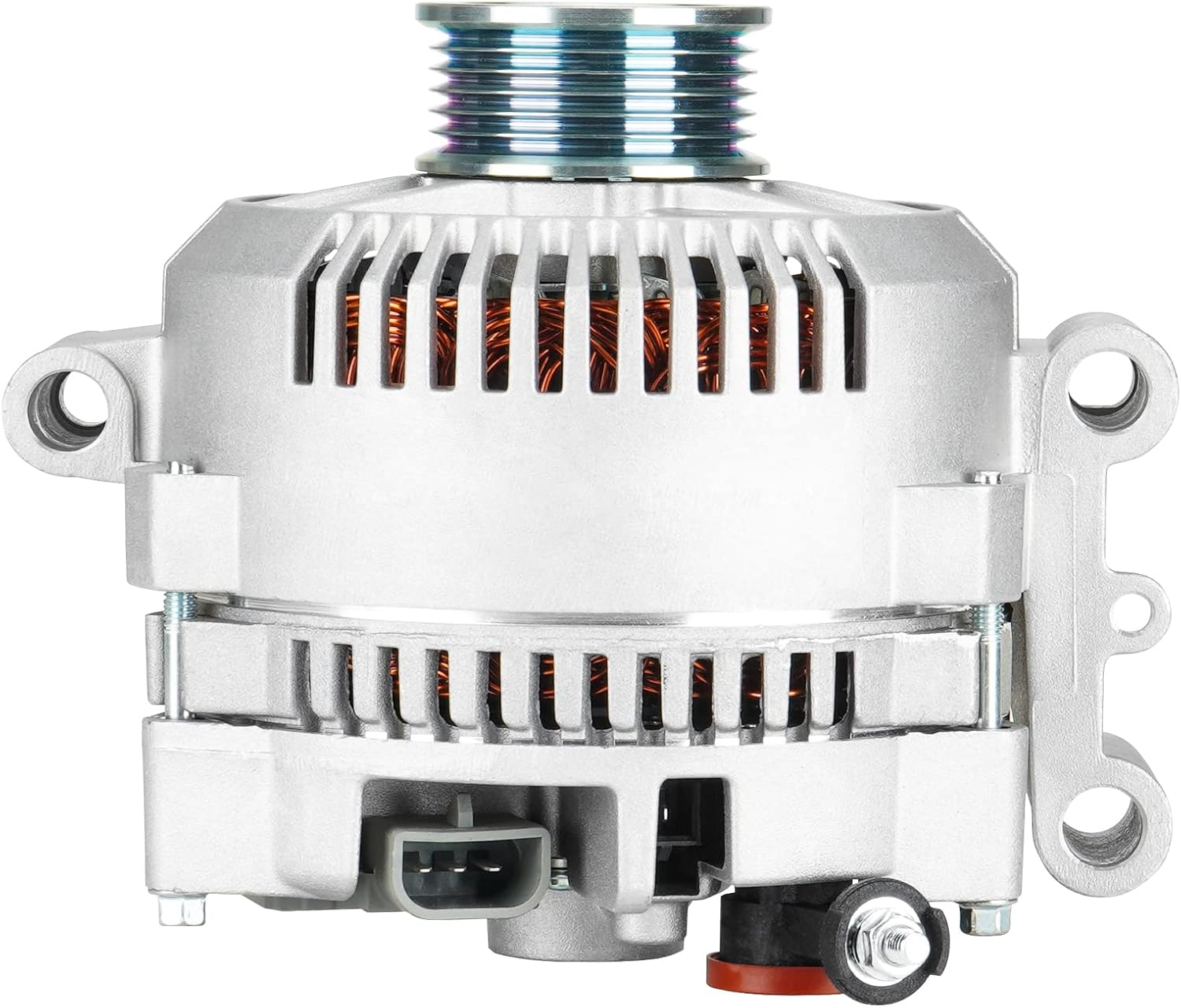
This Aeagle replacement alternator supplies 12 volts and 130 amps for 4.0L V6 Ford and compatible vehicles, and is intended as a direct-fit replacement when the factory unit matches the listed part numbers and non-black back cover style. Installation is typical for alternator swaps: unbolt the old unit, transfer any brackets or pulleys as needed, plug in the electrical connector, and torque the mounting bolts to spec. Notable features include an internal regulator, clockwise rotation, S6 pulley class, and a fan designed for forced airflow, which together mean it should handle typical electrical loads and recharge the battery reliably. The unit is marketed as precision measured for direct mounting and tested for thermal and high-load durability. Limitations are that fit depends on exact back-cover style and part number matches, and buyers may need to reuse or swap pulleys or brackets in some installs. For someone replacing a worn alternator on a driven vehicle, this offers a practical, factory-style replacement at a straightforward specification level.
Best for: Buyers who want a practical, cost-conscious factory-style replacement for a worn alternator on a 4.0L V6 Ford or compatible vehicle and who prioritize straightforward installability and reliable charging performance.
Less Ideal for: Those upgrading to high-output electrical systems, heavy aftermarket audio, or custom pulley setups should consider a high-output or application-specific unit instead.
- Provides 130A output suitable for stock electrical systems and moderate accessory load
- Includes internal regulator for simplified wiring and factory-style operation
- Precision measured for direct mounting to reduce fitment fiddling
- Designed and tested for high thermal and high power demand for durability
- Not compatible with alternators that have a black back cover, so fit must be confirmed before purchase
- May require reuse or swapping of the original pulley or brackets in some installations
Verdict: A direct-fit, factory-style 130A replacement alternator for 4.0L V6 Ford and compatible models that balances reliability and straightforward installation for practical owners.
4. SCITOO 12V 115A Alternator with 6-Groove Pulley for Ford Explorer / Sport Trac / Ranger / Mercury Mountaineer

| Voltage | 12 Volts |
|---|---|
| Amperage | 115 Amp |
| Rotation | CW |
| Pulley | 6-Groove |
This SCITOO alternator is a direct-fit replacement designed for mid-2000s Ford Explorer, Explorer Sport Trac, Ranger and Mercury Mountaineer applications. It provides 12 volts at 115 amps with a clockwise rotation and a 6-groove pulley, and includes an internal regulator and fan so it replaces the factory unit without extra parts. Typical use is as a like-for-like swap when the original alternator fails or underperforms; installers will appreciate that mounting points and pulley configuration are machined for proper fit. Practical benefits include a high-output design that supports modern electrical loads and pre-tested bearings intended to meet factory-style durability. The unit is sold as new and is ready for bolt-on installation after standard belt tension and battery isolation steps. Limitations are that this is a vehicle-specific replacement so it must match your engine and pulley setup, and buyers who need a higher-output upgrade or different pulley configuration will need a different part.
Best for: Drivers looking for an affordable, direct-fit replacement alternator to restore reliable charging on mid-2000s Ford Explorer and related models who prioritize cost and correct fit over performance upgrades.
Less Ideal for: Enthusiasts who want a high-output aftermarket unit for heavy accessory loads or custom pulley setups should consider performance alternators instead.
- Built for vehicle-specific fit with machined mounting points for straightforward bolt-on replacement
- 115 amp output suitable for stock electrical loads and common accessories
- Internal regulator and fan included, so no external components are required for installation
- Pre-tested bearings and CNC-machined castings aimed at factory-style durability
- Designed as a direct replacement so it is not a higher-output upgrade option
Verdict: A budget-friendly, vehicle-specific 115A replacement that gets a mid-2000s Ford Explorer charging system back to factory-capable performance without fuss.
5. MINPART 115A Replacement Alternator for 2009–2010 Ford Explorer / Sport Trac and 2009–2010 Mercury Mountaineer

| Voltage | 12 Volts |
|---|---|
| Amperage | 115 Amps |
| Rotation | CW (Clockwise) |
| Regulator | IR (Internal Regulator) |
This MINPART alternator is a direct-fit replacement designed for 2009–2010 Ford Explorer and Explorer Sport Trac and 2009–2010 Mercury Mountaineer with the 4.0L engine. It supplies up to 115 amps at 12 volts, uses a clockwise S6 pulley and includes an internal regulator and fan for cooling. Installation is intended to match the factory unit so it drops in without modification for compatible vehicles. The internal fan and greased key components are meant to reduce noise and manage heat under continuous use, which helps with long-term reliability. Practical benefits include ample charging capacity for stock electrical loads and accessories and a familiar fitment that simplifies swapouts. Important limitations are that fitment is limited to the listed model years and engine, and buyers should confirm pulley and connector match before installation; this unit does not document any vehicle-specific harness adapters. For owners prioritizing a dependable, factory-style replacement, this alternator focuses on ruggedness and straightforward installation rather than performance upgrades.
Best for: Buyers who want a straightforward, dependable replacement that closely mirrors the factory charging system for 2009–2010 4.0L Explorers and Mountaineers and who prioritize long-term reliability over aftermarket output upgrades.
Less Ideal for: Drivers looking to increase charging capacity beyond factory levels or those needing cross-vehicle compatibility should consider performance or multi-fit alternators instead.
- Direct-fit design intended to install like the factory unit for listed 2009–2010 4.0L vehicles
- 115 amp output provides strong charging headroom for stock electrical systems and common accessories
- Internal regulator and fan help manage heat and simplify installation by avoiding external components
- Key components are pre-greased to reduce noise and improve durability in varied conditions
- Compatibility limited to the specified 2009–2010 4.0L applications so it is not a universal alternator
Verdict: Choose this alternator if you want a rugged, factory-style 115A replacement built for reliable charging in 2009–2010 4.0L Explorers and Mountaineers.
6. TRQ ALA94465 Alternator — Direct Fit Replacement

| Manufacturer | TRQ |
|---|---|
| Model | TRQ ALA94465 Alternator |
| Exterior | Machined |
| Upgraded Service Life | Pressure-Fit High-Capacity Diodes |
| Improved Reliability | Double insulated rotors and stators |
This TRQ ALA94465 is a direct-replacement alternator intended to restore charging performance on compatible mid-2000s Ford Explorer, Sport Trac, Ranger, B4000 and Mountaineer vehicles. It installs like a factory replacement with pre-assembled components to reduce installation time and avoid modifications. Notable features include pressure-fit high-capacity diodes for better heat dissipation and double-insulated rotor and stator windings aimed at improving reliability and signal integrity. In real-world use this means steadier charging under load and potentially longer service life compared with basic reman units. The unit weighs more than lightweight options, reflecting its robust construction, and buyers should verify vehicle fitment before ordering. For DIYers the included online videos and TRQ fitment guidance make the swap straightforward, but professional install is reasonable if you prefer hands-off service. Expect functionality equivalent to a factory-style replacement, with the main compromises being that it is a replacement aftermarket part rather than a factory original and that compatibility must be confirmed for your exact year and engine configuration.
Best for: Buyers who prioritize proven compatibility and social proof and want a reliable, factory-style replacement they can fit themselves or hand to a shop with confidence.
Less Ideal for: If you need an exact factory-original branded unit or are buying for a different vehicle family outside the specified Explorer/Ranger/Mountaineer range, look elsewhere.
- Direct-fit pre-assembled design simplifies installation and avoids modifications
- High-capacity diodes for improved heat dissipation compared with basic units
- Double-insulated rotor and stator for improved signal stability and reliability
- Extensive DIY videos and fitment guidance to support home installers
- Aftermarket replacement rather than factory-original part
Verdict: A reliable direct-fit replacement alternator that restores factory-style charging performance while making DIY installation easier.
7. KAC Replacement Alternator for 4.0L Ford Explorer/Ranger (fits 2004–2009 applications)

| Voltage | 12V |
|---|---|
| Amperage | 115/130A |
| Rotation | CW |
| Pulley class | S6 |
| Regulator | Internal (IR) |
This KAC alternator is a direct-replacement unit designed for 4.0L Ford V6 trucks and SUVs from the mid-2000s, including Explorer, Sport Trac, Ranger, Mountaineer and B4000 applications listed by the manufacturer. It delivers 115/130 amps at 12 volts with clockwise rotation, a 6-groove S6 pulley and an internal fan for cooling. In practice that means it can reliably handle factory electrical loads and commonly added accessories without heavy voltage fluctuation thanks to the built-in regulator. The CNC-machined housing and stated cooling provisions aim to improve durability in hot or cold climates, and the part carries multiple interchange numbers for cross-reference. Installation is typical for a front-position alternator and should fit where the original alternator mounts; buyers should still confirm year/engine/trim fitment before ordering. Limitations include compatibility only with the specified 4.0L V6 fit list and the usual variability in aftermarket fit and finish compared with factory-sourced parts.
Best for: A buyer who wants a dependable, factory-replacement alternator for a mid-2000s Ford with a 4.0L V6 and prioritizes proven performance and reduced electrical risk.
Less Ideal for: Drivers shopping for alternate engine sizes, newer model years, or universal/modified alternators should look for parts matched to their specific vehicle or upgraded performance units.
- Factory-style 12V design with 115/130A output suitable for stock electrical loads and modest accessories
- CNC-machined housing and internal fan for improved cooling and expected longevity
- Includes built-in voltage regulator to reduce output fluctuation and protect vehicle electronics
- Multiple interchange part numbers to simplify cross-referencing during replacement
- Front-position fitment matches original mounting location for listed vehicles
- Fit is limited to the specific 4.0L V6 Ford applications listed by the manufacturer
Verdict: Choose this KAC alternator if you need a factory-style, reliably regulated 12V replacement for mid-2000s Ford 4.0L V6 applications to restore dependable charging performance.
Choosing the Right 2006-2010 Ford Explorer Alternator: Key Factors to Consider
Output Rating and Electrical Load
Alternator amperage determines how well the unit supplies power for ignition, charging, and accessories. For a 2006-2010 Ford Explorer you should match or slightly exceed the factory output to ensure the battery stays charged under typical loads such as HVAC, stereo systems, and daytime running lights.
If you run heavy accessories like aftermarket audio or additional lighting, pick an alternator with a higher continuous output and ensure the vehicle s wiring and fuse capacity can handle the extra current. Undersized units risk repeated battery drain and starting problems.
Fitment and Pulley Compatibility
Correct physical fit matters for bolt pattern, mounting ear location, and pulley type. The Explorer s alternator mounts in a specific orientation and uses a particular pulley diameter and belt type. An alternator that does not align properly can cause belt misalignment, premature wear, or damage to the tensioner.
Confirm the pulley style and whether the unit uses the same single-groove or serpentine profile as the factory part. Some replacement alternators include multiple pulley options or require swapping the factory pulley; plan for that during installation.
Internal Component Quality
Durable bearings, high-grade diodes, and a reliable voltage regulator extend service life and reduce failure risk. Bearings that are sealed and rated for high heat, along with diode packs that handle voltage spikes, are especially important in engine bays where temperatures fluctuate.
A quality regulator that maintains stable voltage under varying engine speeds protects sensitive electronics and helps battery longevity. Inspect specifications for component materials and any stated lifespan or duty-cycle ratings.
Heat Management and Venting
The alternator sits in a confined area where heat can build up, so good venting and thermal design reduce internal stress on components. Units with improved ventilation or heat-dissipating housings are less likely to fail due to heat soak after long drives or heavy accessory use.
Poor heat management accelerates insulation breakdown, diode failure, and bearing wear, so choose alternators designed to operate reliably at the temperatures typical under the Explorer s hood.
Warranty and Reman/Replacement Policies
Warranty length and core-return terms provide insight into manufacturer confidence and potential long-term costs. A longer warranty can offset upfront costs if a failure occurs, while clear core-return or remanufacturing options can reduce total ownership expense.
Review what the warranty covers, such as parts and labor or only parts, and whether the warranty is transferable. Also confirm the process and deadlines for core returns if you opt for a remanufactured unit.
Ease of Installation and Serviceability
Installation complexity affects whether you can perform the replacement yourself or need professional help. Alternators that use the factory harness connector and standard bolt patterns reduce installation time and lower the chance of wiring errors.
Serviceable features like accessible mounting bolts, plug-and-play electrical connections, and available rebuild kits can make future repairs simpler and more economical for DIY mechanics.
Common Alternator Symptoms to Watch For
Recognizing early signs of alternator trouble helps avoid being stranded. Typical symptoms include a battery warning light on the dash, dimming headlights at idle, electrical accessories that work intermittently, or a battery that repeatedly needs jump-starts. Listen for unusual whining or grinding noises from the front of the engine, which can indicate bearing wear.
Some symptoms overlap with weak batteries or loose connections, so combine symptom awareness with basic testing to isolate the alternator as the cause. Addressing symptoms early reduces the risk of ancillary damage to the Explorer s battery and electrical components.
- Dim or flickering headlights at idle
- Battery or charging warning lamp illumination
- Intermittent electrical accessory operation
- Grinding or whining noises near the engine front
- Frequent battery discharge or need for jump-starts
Basic Alternator Testing Steps
Before replacing the alternator, you can perform simple tests with a multimeter to confirm charging performance. With the engine off and the battery fully charged, measure battery voltage. Start the engine and measure voltage again; a healthy charging system typically reads higher than battery voltage at idle, indicating active charging. Also check voltage stability under modest accessory load such as headlights and blower motor.
A voltage that remains equal to the battery reading after starting suggests the alternator is not charging. If you hear unusual noises, inspect the belt tension and pulley. For owners comfortable with troubleshooting, these steps help decide whether an alternator replacement is necessary or if the issue lies elsewhere.
- Measure battery voltage with engine off, then with engine running
- Observe voltage change when turning on headlights or blower
- Listen for abnormal sounds while engine runs
- Inspect belt condition and tension
Installation Considerations for 2006-2010 Explorers
Installation for the Explorer typically requires securing the vehicle, disconnecting the battery, removing the drive belt, and unbolting the alternator from its mounting points. Access can be limited depending on engine and accessory layout, so allow extra time if working in a cramped engine bay. Use the correct torque for mounting bolts and ensure the electrical connector is fully seated to avoid parasitic resistance.
If the replacement alternator uses a different pulley or requires a pulley swap, factor that step into the job. After installation, double-check belt alignment and tension to prevent premature belt wear. Finally, clear any stored diagnostic trouble codes and test drive while monitoring charging voltage to confirm proper operation.
- Disconnect battery before starting work
- Check belt condition and replace if worn
- Verify pulley match or plan for pulley swap
- Torque mounting bolts to factory specifications
- Clear codes and verify charging voltage after installation
When To Consider Remanufactured Or Rebuilt Units
Remanufactured alternators and rebuild kits can be cost-effective while restoring OE-level components. Rebuilt units that replace bearings, brushes, diodes, and regulators often match the original fit and function while offering shorter lead times than brand-new units. For owners comfortable with hands-on repairs, a rebuild kit allows replacing key wear items without swapping the entire housing.
Consider core quality and warranty when choosing reman options. A well-done reman or rebuild can provide reliable service if internal components are upgraded or replaced to proper specifications, but poorly rebuilt units risk rapid recurrence of failures.
- Rebuild kits typically include brushes, bearings, and diode packs
- Reman units often require a core return
- Ensure rebuilt components meet or exceed OEM specs
- Check warranty on remanufactured units
Managing Costs and Warranty Expectations
Alternator price and warranty length vary by new versus reman choices. Factor in potential core charges, warranty coverage, and the value of a longer warranty for higher-use vehicles. A slightly higher upfront cost may be justified by extended coverage that reduces out-of-pocket expense if a unit fails within a few years.
Also consider labor time if you plan to have installation performed. Some alternator failures occur shortly after replacement due to installation errors, so follow torque and wiring guidance closely. Keep documentation of warranty terms and core-return procedures in case you need a claim.
- Compare warranty length and coverage details
- Confirm core-return terms for reman units
- Account for installation labor in total cost
- Retain proof of purchase and installation notes for claims
Still looking for the perfect fit?
Select your Ford Explorer configuration to see the most relevant Alternators recommendations
How We Chose the Best 2006-2010 Ford Explorer Alternator
We focused on criteria that matter specifically for the 2006-2010 Ford Explorer s electrical system and real-world ownership. Primary evaluation factors included output capacity versus original equipment specifications, construction quality of bearings and diodes, and thermal management to resist heat soak in under-hood conditions. Fitment and mounting alignment were confirmed against the Explorer s factory mounting points and pulley type to minimize modification during installation. We also examined warranty terms and support coverage to gauge long-term value, plus availability of core-return or rebuild options for owners who prefer remanufactured routes.Excluded items included units that required nonstandard alternator brackets, electrical adapters, or significant harness changes. We did not consider alternators rated far above factory output that would necessitate wiring upgrades. Our final shortlist balances reliable electrical output, robust internal components, plug-and-play fitment, and reasonable warranty protections so owners can restore charging performance without extensive modifications.
Our full evaluation process is outlined in our review methodology.
FAQ
What are the most common alternator symptoms on a 2006-2010 Ford Explorer?
Common signs include a battery warning light on the dash, dimming headlights at idle, intermittent accessory operation, and unusual noises from the alternator area. These often precede battery drain or starting problems.
Can I test the alternator myself before replacing it?
Yes. Use a multimeter to check battery voltage with the engine off and then with the engine running. A rise in voltage when running indicates charging. Also test under accessory load. If readings do not change or are unstable, the alternator may be failing.
Is a remanufactured alternator a reliable option for this Explorer?
Remanufactured alternators can be reliable if rebuilt with quality parts and backed by a clear warranty. Verify that bearings, diodes, and the regulator were replaced and check the reman warranty before choosing this route.
Do I need to replace the alternator pulley when installing a new unit?
Not always. If the replacement alternator includes a matching pulley and belt profile, you can reuse the factory pulley. If pulley diameter or profile differs, a pulley swap may be necessary to maintain belt alignment and proper charging performance.
How long does an alternator typically last on a 2006-2010 Explorer?
Lifespan varies with driving conditions and electrical load but commonly ranges from several years to over a decade. Heavy accessory use, frequent short trips, and high under-hood temperatures shorten service life.
Will replacing the alternator fix a weak battery?
Replacing a failing alternator can stop repeated battery discharge by restoring proper charging, but a battery that has been deeply discharged repeatedly may still need replacement. Test the battery after fixing the charging system to confirm its condition.
Final Verdict
Prioritize matching output capacity and fitment when choosing an alternator for a 2006-2010 Ford Explorer. Focus on units with durable internal components, good heat management, and a warranty that reflects the expected service life. If you run extra electrical accessories, select a higher-capacity unit only if the wiring and belt system can accommodate it.Balancing these tradeoffs will help you restore reliable charging without unnecessary modifications. With careful selection and correct installation, you can return the Explorer s charging system to dependable operation and avoid repeat service visits.
Explore More:
- Check out all Ford Explorer parts & accessories
- Explore Alternators Maintenance & Repair Guides
- Explore Electrical System
- Browse all Auto Parts
