

Note: This article contains affiliate links. If you click on these links and make a purchase, I may earn a small commission at no extra cost to you. This helps support my research and content. Read my full affiliate disclosure here.
Choosing the right thermostat for your 2010-2014 Subaru Outback matters for engine longevity and cabin comfort. A properly functioning thermostat ensures the engine reaches operating temperature quickly, prevents overheating under load, and helps maintain steady heater performance during cold starts. For Outback owners, the correct thermostat also affects emissions and fuel economy when the engine runs too cold or too hot.This guide covers six shortlisted thermostat options that fit the 2010-2014 Subaru Outback. We evaluated each option for mechanical reliability, temperature accuracy, and ease of installation. Below you will find practical guidance on fitment, signs of failure, and what to check during installation before you pick a replacement. Next up are the product selections and the factors we used to choose them.
Looking for other parts? See all Subaru Outback parts & accessories.
Top Picks at a Glance
| Best Overall The best all-around choice for most situations | Subaru Thermostat and Gasket (21210AA211) |  |
| Best Quality Built to a higher standard if you want something more solid | Subaru Genuine Thermostat Assembly 21200AA170 |  |
| Best Value The sweet spot between price and what you get | AISIN Engine Coolant Thermostat with Gasket |  |
| Best Budget The cheapest option that still gets the job done reliably | Anleecap Engine Coolant Thermostat THF-003 (82°C / 180°F) |  |
| Highest Rated A top-rated pick with lots of positive feedback | Subaru Thermostat and Gasket Kit (21210AA080) |  |
| Most Popular A crowd favorite that many people choose with confidence | AISIN THF-003 Engine Coolant Thermostat with Gasket |  |
1. Subaru Thermostat and Gasket (21210AA211)
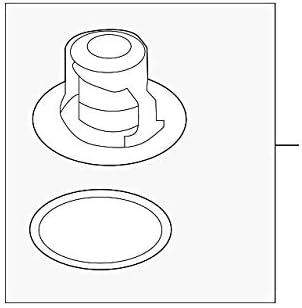
| Manufacturer Part Number | 21210AA211 |
|---|---|
| Manufacturer | Subaru |
| Model | Thermostat |
This Subaru-branded thermostat and gasket set replaces the factory unit on compatible 2.0L and 2.5L non-turbo Subaru engines. It regulates coolant flow to keep operating temperature in the designed range and includes the mating gasket for a proper seal during installation. Typical use is as a direct replacement during routine cooling-system maintenance or when a failing thermostat causes overheating or poor heater performance. Being a manufacturer part, it matches factory fit and finish and simplifies installation without modification. The machined exterior and exact part number make it straightforward for DIY mechanics or technicians to source the correct item. Limitations are minimal but expected: it is specific to certain 2012-2016 Crosstrek, 2012-2014 Impreza, 2013-2014 Legacy, and 2013-2014 Outback non-turbo engines and does not cover turbocharged or other engine variants, so confirm engine code before ordering.
Best for: Buyers who want a straightforward, factory-quality replacement thermostat for routine cooling-system maintenance on the specified Subaru non-turbo engines and prefer parts that match original fit and function.
Less Ideal for: Those working on turbocharged engines, different engine sizes, or owners who need a universal or performance thermostat option should look elsewhere.
- Factory-brand part ensures factory-fit and compatibility with specified Subaru engines
- Includes gasket for a single, matched replacement and proper sealing
- Machined exterior and OEM part number simplify identification and installation
- Direct replacement for common maintenance—no modification required
- Fits only specific non-turbo Subaru 2.0L and 2.5L engine applications, not universal
Verdict: Choose this Subaru thermostat when you want a direct factory-quality replacement that restores proper engine temperature control on the specified non-turbo Subaru models.
2. Subaru Genuine Thermostat Assembly 21200AA170

| Manufacturer | Subaru |
|---|---|
| Model | Thermostat |
| Item model number | 21200AA170 |
| Manufacturer Part Number | 21200AA170 |
This genuine Subaru thermostat assembly replaces the factory unit to restore proper coolant flow and temperature regulation on compatible Subaru engines. Installed in the coolant housing, it opens and closes to maintain engine operating temperature, helping with warm-up, heater performance, and preventing overheating. Being a genuine OEM part, it fits to factory tolerances and uses Subaru-specified components, which reduces fitment fuss and makes it a direct swap during a repair or routine maintenance. The machined exterior and specified part number make sourcing and verification straightforward. One limitation is that it is a direct factory replacement with no performance-enhancing features such as an altered spring rate or different opening temperature, so performance-focused tuners looking to change warm-up behavior or raise/lower the thermostat opening point will need an aftermarket high- or low-temperature unit instead. For routine repairs and to return cooling to factory behavior this part is reliable and easy to install for anyone comfortable with basic coolant system work.
Best for: Buyers who want a reliable factory-spec replacement to restore correct coolant control and fitment without modifications, especially during engine repairs or routine maintenance.
Less Ideal for: Enthusiasts seeking a thermostat to change engine warm-up characteristics or improve performance should consider an aftermarket performance thermostat instead.
- Genuine Subaru part that matches factory fit and function
- Machined exterior and OEM part number simplify verification and installation
- Restores proper engine temperature regulation and heater performance
- Straightforward direct-fit replacement that reduces installation guesswork
- No performance-oriented features or altered opening temperature for tuning
Verdict: Choose this factory Subaru thermostat to restore stock cooling performance and guaranteed fitment on the specified Outback engines.
3. AISIN Engine Coolant Thermostat with Gasket

| Manufacturer | AISIN |
|---|---|
| Model | THF-005 |
| Position | Center |
| Includes | Gasket |
This AISIN thermostat is a direct replacement designed to restore proper engine temperature control in compatible Subaru 2.5L engines. It installs in the center thermostat housing and comes with a gasket, so you can swap it into the cooling system during routine maintenance or when a failed thermostat causes overheating or poor warm-up. The unit is machined to factory-style tolerances and is built to the OE specified opening temperature, which helps the engine reach and maintain optimal operating temperature for fuel economy and heater performance. Because AISIN focuses on exact fit and function, this part minimizes plumbing adjustments and reduces the chance of leaks when installed correctly. Limitations are that fitment is specific to select 2010–2012 Legacy and Outback configurations, so you must verify engine compatibility before buying, and it does not include a thermostat housing or additional seals beyond the supplied gasket.
Best for: Buyers who want a reliable, factory-quality replacement thermostat to return cooling performance to factory behavior with minimal fuss during scheduled repairs.
Less Ideal for: If you need a universal aftermarket option, a performance thermostat with a different opening temperature, or parts for vehicles outside the specified Subaru years, look elsewhere.
- Factory-matched operating temperature for consistent engine warm-up and cooling
- Machined exterior for precise fit and reliable sealing with included gasket
- Supplies correct form, fit, and function to reduce installation adjustments
- Fitment covers specific Subaru years and engine configurations only, requiring verification before purchase
Verdict: Choose this AISIN thermostat when you want a direct, factory-quality replacement that restores proper temperature control for the specified Subaru Outback/Legacy applications.
4. Anleecap Engine Coolant Thermostat THF-003 (82°C / 180°F)

| Manufacturer Part Number | THF-003 |
|---|---|
| OEM Cross Reference | 21200-AA170, 21210-AA080 |
| Opening Temperature | 82°C / 180°F |
| Includes | Thermostat and seal |
This Anleecap thermostat is a direct-fit replacement designed to match the factory 82°C/180°F opening temperature used on Subaru cooling systems. It ships as a simple kit with the thermostat and a seal so you can perform a straightforward swap during a routine cooling system service. For 2010–2014 Outback owners it provides the correct temperature calibration and a bolt-on fit when the matching part numbers are confirmed, which helps the engine reach and hold normal operating temperature and avoid overcooling or overheating. The unit is compact and appears to be manufactured to match factory form and function, but this aftermarket option does not include extra hardware or performance features beyond stock replacement. If you prioritize a low-cost, OEM-spec replacement to get your Outback back on the road quickly, this does the job, though long-term durability versus a higher-end brand is the usual uncertainty with value aftermarket parts.
Best for: A buyer wanting an inexpensive, factory-spec replacement to restore proper engine temperature control on a 2010–2014 Subaru Outback and finish a DIY or budget repair quickly.
Less Ideal for: Those seeking upgraded cooling performance, extended-life components, or documented long-term durability from a premium parts supplier should consider other options.
- Built to the OEM 82°C/180°F opening temperature for correct engine warm-up behavior
- Includes seal for a complete, ready-to-install replacement
- Direct-fit design intended for straightforward bolt-on installation
- Low-cost option for budget repairs
- Aftermarket brand with limited long-term reliability history compared with established manufacturers
- Fitment requires confirming part numbers to avoid mismatches
Verdict: A low-cost, OEM-spec thermostat kit that provides the correct 82°C/180°F replacement for 2010–2014 Subaru Outback owners who need an affordable, direct-fit swap.
5. Subaru Thermostat and Gasket Kit (21210AA080)

| Item model number | 21210AA080 |
|---|---|
| Manufacturer | Subaru |
| OEM Part Number | 21210 AA080 |
| Is Discontinued By Manufacturer | No |
This Subaru thermostat and gasket kit is a factory-quality replacement intended to restore proper engine cooling control on compatible Subaru engines. It includes the thermostat sized to Subaru specifications and the matching gasket to ensure a reliable seal when installed. Typical use is as a direct-fit replacement during routine cooling system service or when diagnosing overheating and poor cabin heat; fitting the correct OEM part reduces the chance of coolant leaks and erratic temperature readings. The notable feature is that this is a genuine Subaru part manufactured to the brand standard, which helps maintain original cooling behavior without needing calibration. Practical benefits include straightforward installation for a mechanic familiar with Subaru cooling systems and reduced risk of premature failure compared with some aftermarket alternatives. The main limitation is that it is specific to Subaru vehicles listed for this part and does not offer aftermarket performance enhancements or alternate temperature ratings.
Best for: Buyers who prioritize long-term reliability and want a factory-quality cooling system replacement that restores original temperature control on specified Subaru models.
Less Ideal for: Drivers seeking a higher- or lower-temperature thermostat for performance tuning or altered cooling characteristics should consider aftermarket options.
- Genuine Subaru part manufactured to factory standards for fit and function
- Includes matching gasket to help ensure a proper seal during installation
- Direct-fit replacement for listed Subaru engines simplifies installation for technicians
- Consistent temperature regulation matching factory behavior
- Does not change thermostat temperature rating or offer performance tuning options
Verdict: If you want a reliable, factory-spec replacement to restore original cooling performance on compatible Subaru models, this genuine Subaru thermostat and gasket kit is the safe choice.
6. AISIN THF-003 Engine Coolant Thermostat with Gasket

| Included Components | Thermostat and O-ring gasket |
|---|---|
| Manufacturer Part Number | THF-003 |
| OEM Part Number | 21210-AA080 |
| Material | Stainless Steel |
The AISIN THF-003 is a direct-fit replacement thermostat designed to restore proper engine temperature control on compatible Subaru models. It installs in place of the factory unit and is supplied with a gasket to simplify a one-time coolant system service. AISIN markets this part to match OEM operating temperature and form, fit, and function, so it should reopen and close at the same setpoint as the original thermostat and help the engine reach and maintain normal operating temperature quickly. Typical use is straightforward: replace a stuck-open or stuck-closed thermostat during routine cooling system maintenance or when diagnosing warm-up and overheating symptoms. The construction and material claims point to durable, engine-grade components for long service life, but buyers should verify engine and year fitment for their 2010-2014 Outback before ordering. This part does not include additional cooling parts such as hoses or sensors, so plan for a basic gasket-and-thermostat swap rather than a broader coolant system overhaul.
Best for: A Subaru owner who wants a reliable, factory-quality replacement thermostat to return their 2010–2014 Outback to correct warm-up and cooling behavior with minimal fuss.
Less Ideal for: Not a good choice for someone planning a full cooling-system upgrade or who needs additional components like temperature sensors or hoses included.
- Matched to OEM specified operating temperature for consistent warm-up and cooling behavior
- Supplied gasket simplifies installation and reduces the chance of leaks
- Manufactured by a major OEM supplier with focus on form, fit, and function
- Simple direct-replacement design makes it suitable for routine thermostat service
- Compatibility varies by engine and year so fitment must be confirmed before purchase
Verdict: Choose the AISIN THF-003 when you want a straightforward, OEM-matched thermostat replacement to restore proper engine temperature control in a 2010–2014 Subaru Outback.
Choosing the Right 2010-2014 Subaru Outback Thermostat: Key Factors to Consider
Correct Fitment and Part Number Match
Confirming the thermostat matches the 2010-2014 Subaru Outback part number is essential. Incorrect fitment can lead to leaks, poor seating in the housing, or incorrect valve actuation. Always cross-reference the vehicle year range, engine variant, and any factory part number to ensure the replacement aligns with the factory specifications.
A correct part reduces installation time and avoids repeated removal. For the Outback, the thermostat must interface cleanly with the existing housing and coolant passages. Using a unit that requires an adapter or trimming increases the risk of coolant loss and thermostat failure down the road.
Rated Opening Temperature and Tolerance
The thermostat's rated opening temperature determines when coolant begins circulating through the radiator. A thermostat that opens too early causes the engine to run cold, hurting fuel economy and cabin heat. A thermostat that opens too late increases overheating risk. Look for units with opening temperatures that match Subaru's factory spec and have tight tolerances so the valve actuation point is predictable.
Manufacturers sometimes quote a nominal temperature and a tolerance range. For the Outback, prioritize units that state both the opening temperature and the variance so you know how closely they track the OEM design.
Valve and Material Durability
Thermostats endure continuous thermal cycling and exposure to coolant chemistry, so materials matter. Components like the valve, spring, and housing face corrosion and wear that can cause sticking or failure. Choose thermostats built from corrosion-resistant metals and with robust springs and valves that resist binding.
Durable materials reduce the chance of common failures such as a valve sticking closed or a weakened spring that fails to fully open. For owners who keep their Outback for many years, investing in a thermostat with proven material quality reduces the need for premature replacement.
Seal and Gasket Integrity
A secure seal between the thermostat and housing prevents coolant leaks and air ingestion into the cooling system. Gasket condition, whether the thermostat includes a new seal, and the design of the mating surface all influence long-term leak resistance. On the 2010-2014 Outback, the housing and mating surfaces can develop minor distortion or pitting with age, so a good seal design helps maintain integrity after installation.
During replacement, inspect the housing surface and replace the gasket or o-ring as recommended. A thermostat that includes a high-quality seal reduces installation complexity and lowers the chance of a post-installation coolant drip.
Compatibility With Cooling System Maintenance
Consider how the thermostat choice affects routine cooling system tasks. Some thermostats make bleeding air easier or come with features that simplify coolant flow during a flush. Also think about whether the thermostat design works with the Outback's thermostat housing layout to avoid repeated removals during future maintenance.
Choosing a thermostat that is straightforward to service reduces labor time and the chance of installation errors. If you plan to do the replacement yourself, select units that include clear fitment guidance and any required seals to streamline the job.
Resistance to Sticking and Thermal Cycling
A common failure mode is a thermostat that sticks open or closed after repeated cycles. Sticking closed leads to overheating, while sticking open causes long warm-up times and poor heater performance. Assess whether the thermostat design and materials are proven to resist sticking, and whether manufacturing tolerances minimize the risk of valve binding.
For the Outback, where drivers may encounter varied climates and temperature extremes, a thermostat that handles repeated cold starts and long highway runs without degradation is preferable.
Common Thermostat Symptoms on the 2010-2014 Outback
Recognizing symptom patterns helps determine whether the thermostat or another cooling-system component is at fault. Overheating during city driving but normal temperatures at highway speed can indicate a thermostat that is slow to open or a restricted coolant path. Conversely, extended warm-up times and weak cabin heat typically point to a thermostat that is stuck open or opening prematurely.
Other signs to watch for include temperature gauge fluctuations, coolant leakage around the thermostat housing, and temperature warning lights. Pay attention to when symptoms occur and under what driving conditions, as this information helps narrow down the cause.
- High temperature readings at idle but normal on the highway suggest restricted flow or delayed opening.
- Engine takes a long time to reach operating temperature points to a thermostat that opens too early or is stuck open.
- Visible coolant at the thermostat housing flange can signal a failed gasket or a warped housing surface.
- Intermittent temperature spikes often indicate a thermostat sticking or a failing sensor, not necessarily a bad radiator.
Preparing for a Thermostat Replacement
Before removing the old thermostat, gather proper tools, the correct replacement thermostat and seal, and fresh coolant suitable for Subaru engines. Work on a cool engine to avoid burns and relieve pressure by opening the coolant reservoir cap only after the engine has cooled.
Inspect the housing and surrounding hoses for corrosion or damage while the system is drained. Replace any worn clamps, damaged hoses, or corroded components to prevent future leaks after the new thermostat is installed.
- Park on a level surface and let the engine cool fully.
- Drain coolant to a level below the thermostat housing before unbolting.
- Compare the old thermostat and seal with the replacement to confirm fitment.
- Have replacement gaskets or o-rings on hand in case the new unit does not include them.
Testing and Verifying Thermostat Operation
You can perform basic checks before or after installation to verify thermostat function. A bench test involves placing the thermostat in water with a thermometer and heating slowly to observe the opening temperature. This helps confirm that the valve opens near the specified temperature and does not stick.
After installation, run the engine and monitor the temperature rise and coolant flow through the radiator. Look for steady, predictable gauge movement and ensure the heater provides consistent warmth once the engine reaches operating temperature.
- Bench test: watch for smooth opening at the rated temperature and full valve travel.
- Post-install: check for coolant circulation in the radiator upper hose as the thermostat opens.
- Bleed trapped air from the system per Subaru service procedures to avoid false temperature readings.
Common Installation Pitfalls to Avoid
Overtorquing thermostat housing bolts can warp the flange and cause leaks; follow torque specs where available. Failing to replace seals or reusing old, compressed gaskets often results in weeping at the housing. Also, careless handling of the thermostat can damage the valve or seat, so avoid prying on the valve during removal.
Another frequent mistake is not properly bleeding air from the cooling system after replacement, which can cause overheating even with a correctly functioning thermostat. Follow the Outback-specific bleeding steps to ensure all air pockets are removed.
- Do not reuse old gaskets unless they are in perfect condition.
- Tighten bolts in a crisscross pattern to seat the housing evenly.
- Confirm torque values rather than guessing tightness to avoid distortion.
- Perform a thorough bleed after refilling coolant to prevent airlocks.
When to Inspect the Thermostat Housing and Surrounding Parts
The thermostat housing and nearby coolant passages should be inspected whenever you replace the thermostat. Look for corrosion, pitting, or surface irregularities that could compromise the seal. If the housing shows damage, you may need to dress the surface or replace the housing to ensure a reliable seal.
Also check the condition of nearby hoses, clamps, and the coolant reservoir. Any soft hoses or rusted clamps should be replaced during the job to minimize the chance of a follow-up failure shortly after thermostat service.
- Inspect the housing flange for pitting or warping before installing the new thermostat.
- Replace worn hose clamps and any hoses that show soft spots or swelling.
- Clean mating surfaces thoroughly and remove gasket remnants to achieve a good seal.
Balancing Longevity and Serviceability
While a long-lasting thermostat is desirable, consider how easy it will be to service in the future. Some thermostats include higher-quality seals but are more expensive to replace. Others may be slightly more economical but require closer attention to installation details.
For the Outback, prioritize a thermostat that provides reliable temperature control while allowing straightforward access for inspection during routine maintenance. This balance reduces cumulative labor and the likelihood of repeat visits to address preventable issues.
- Choose thermostats with durable seals even if they slightly increase initial effort to install.
- Consider whether the unit simplifies future coolant changes and bleeding procedures.
- Factor in how often you plan to perform cooling-system maintenance when selecting a unit.
Still looking for the perfect fit?
Select your Subaru Outback configuration to see the most relevant Thermostats recommendations
How We Chose the Best 2010-2014 Subaru Outback Thermostat
We focused on criteria that matter specifically for the 2010-2014 Subaru Outback cooling system. First, fitment and correct part number match were primary filters because improper fit or valve temperature causes poor regulation and potential damage. Second, temperature accuracy and opening tolerance were evaluated to ensure the thermostat opens at or very near the OEM-rated temperature so the engine reaches and holds proper operating temperature. Third, build quality and housing interface were considered, including whether the unit uses a robust valve, corrosion-resistant materials, and a design that seals cleanly against the Outback thermostat housing. Fourth, durability under repeated thermal cycling and resistance to sticking or binding were used as selection factors. Fifth, serviceability and installation considerations such as gasket/seal condition, included seals, and accessibility in the Outback engine bay were reviewed.We excluded items that required modification to the cooling system or that did not provide clear fitment information for the 2010-2014 Outback. Units without documented opening temperatures or with nonstandard housings were filtered out. The final picks balance proper fitment, temperature control, and ease of replacement so you get reliable operation for this specific Subaru model.
Our full evaluation process is outlined in our review methodology.
FAQ
What are common signs my Outback thermostat is failing?
Common signs include the engine overheating at idle or in traffic, long warm-up times and poor heater output, temperature gauge fluctuations, and visible coolant leaks at the thermostat housing. Each symptom often correlates with a specific failure mode such as a stuck closed or stuck open valve.
Can I test a thermostat without removing it from the car?
You can get an initial indication by monitoring temperature changes and feeling the upper radiator hose for heat as the engine warms. However, a definitive bench test requires removing the thermostat and observing its opening in heated water to confirm the rated temperature and full travel.
How important is using the correct opening temperature for the Outback?
Using a thermostat that matches the factory opening temperature is important because it ensures the engine reaches optimal operating temperature for emissions, fuel economy, and heater performance. Deviating significantly can lead to cold running or increased overheating risk.
Should I replace the thermostat housing gasket when I change the thermostat?
It is usually best to replace the gasket or o-ring during a thermostat replacement. Old seals can be compressed or damaged, leading to coolant leaks. Replacing the seal reduces the chance of post-installation leakage and saves time compared with redoing the job later.
What should I do if my Outback still overheats after replacing the thermostat?
If overheating continues, verify the thermostat is the correct opening temperature and that it is installed correctly. Check for trapped air in the cooling system, confirm coolant level and condition, and inspect the radiator, hoses, and water pump for proper function. Persistent overheating may indicate a different cooling system fault.
How often should the thermostat be inspected or replaced on the 2010-2014 Outback?
There is no fixed interval for replacement; thermostats are usually replaced when symptoms appear or during major cooling system service. However, inspecting the thermostat and housing during routine coolant changes or when the vehicle reaches higher mileage is a good preventive practice.
Final Verdict
When replacing the thermostat on a 2010-2014 Subaru Outback, prioritize correct part fitment, accurate opening temperature, and a reliable seal to prevent leaks. Balance material durability and resistance to sticking with ease of service so you minimize repeat interventions. Consider the condition of the housing and related hoses while you work; addressing those items during the job reduces the chance of future coolant issues.Ultimately, choose a thermostat that matches Subaru's temperature spec, offers solid materials and sealing, and makes bleeding and future maintenance straightforward. That approach gives the best combination of dependable temperature control and long-term reliability for your Outback.
Explore More:
- Check out all Subaru Outback parts & accessories
- Explore Thermostats Maintenance & Repair Guides
- Explore Cooling System
- Browse all Auto Parts
