

Note: This article contains affiliate links. If you click on these links and make a purchase, I may earn a small commission at no extra cost to you. This helps support my research and content. Read my full affiliate disclosure here.
A failing starter can leave a Ford F-350 stranded at the worst possible moment. Choosing the right Ford F-350 starter motor matters because this part directly controls engine cranking reliability, cold-weather performance, and long-term durability under heavy-duty use. A correct fit and robust construction reduce the risk of repeat failures and simplify installation when you or a mechanic replaces it.This guide shortlists the top-rated starter motors for the Ford F-350 and explains the practical tradeoffs that matter for owners. We evaluate each option for durability, electrical compatibility, and installation simplicity so you can pick the right unit for daily driving, towing, or commercial work. Read on for the core decision factors and answers to common owner questions before the product list that follows.
Top Picks at a Glance
| Best Overall The best all-around choice for most situations | A-Premium 12V Starter Motor 1.4kW, 12T, CW Rotation (fits select Ford trucks and SUVs) |  |
| Best Quality Built to a higher standard if you want something more solid | DB Electrical 410-14084 Starter for Ford Super Duty 6.7L Diesel (2011–2015) |  |
| Best Value The sweet spot between price and what you get | Grezuton 6646N Starter Motor for Ford 4.6L–6.8L V8/V10 (1999–2013) |  |
| Best Budget The cheapest option that still gets the job done reliably | INNOVFER 6646 Starter Replacement for Ford and Lincoln 12V, 1.4 kW |  |
| Highest Rated A top-rated pick with lots of positive feedback | DynaVim Parts Starter for Ford 4.6/5.0/5.4/6.2/6.8 V8/V10 (6646N) |  |
| Most Popular A crowd favorite that many people choose with confidence | BDELI BD6646N Replacement Starter for Ford V8/V10 Engines (1999–2013) |  |
| Best Seller A high-volume bestseller chosen again and again | E EZEXPREZE 6646N Replacement Starter Motor for Ford 4.6–6.8L V8/V10 |  |
1. A-Premium 12V Starter Motor 1.4kW, 12T, CW Rotation (fits select Ford trucks and SUVs)

| Voltage | 12V |
|---|---|
| Power Rating | 1.4KW |
| Rotation | Clockwise |
| Number of Teeth | 12 |
This A-Premium starter motor is a direct-replacement unit intended to restore cranking to compatible Ford trucks and SUVs. It supplies 1.4 kW of power, a clockwise rotation and a 12-tooth pinion, so installation is straightforward where those specs match the original part. Typical use is replacing a worn or failed starter during routine maintenance or after a no-crank condition; the unit bolts into the factory location and connects to existing wiring. Notable features include broad vehicle fitment across F-150/F-250/F-350 Super Duty and related models, a compact aftermarket design, and a one-year unlimited-mileage guarantee for peace of mind. In practice the starter gives reliable starts for everyday driving and towing setups within the specified vehicle range, though buyers should verify gear tooth count and rotation before ordering. It is an aftermarket replacement rather than a factory remanufactured unit, so some buyers may notice minor differences in fit or finish compared with a factory-quality part.
Best for: Buyers who want a practical, reliable replacement starter for late 1990s–early 2010s Ford trucks and SUVs and prioritize broad fitment and straightforward installation.
Less Ideal for: Drivers seeking a factory-remanufactured or OEM-branded starter for exact cosmetic or provenance match should consider an alternative.
- Direct-replacement design for wide range of Ford F-series models and related SUVs
- Matches key mechanical specs: 12V, 1.4 kW power, clockwise rotation, 12-tooth pinion
- One-year unlimited-mileage guarantee for added confidence
- Compact aftermarket construction that simplifies installation in factory mounting locations
- Aftermarket unit may have slight differences in finish or minor fitment details compared with factory-quality parts
Verdict: A practical, broadly compatible 12V starter that restores reliable cranking for late 1990s–early 2010s Ford F-series trucks without the premium of an OEM unit.
2. DB Electrical 410-14084 Starter for Ford Super Duty 6.7L Diesel (2011–2015)

| Voltage | 12 volts |
|---|---|
| Wattage | 3 KW |
| Amperage | 3.7 A |
| Starter Type | OSGR |
| Rotation | CW |
This DB Electrical 410-14084 is an aftermarket direct-replacement starter built for 6.7L Ford Super Duty trucks from 2011–2015. It supplies a 3.0 kW (12 V) output with clockwise rotation and a 12-tooth pinion, so installation is the same basic procedure as swapping a factory starter. The unit is an OSGR style starter, so it combines a solenoid-mounted drive for easier engagement and compact packaging for tight engine bays. For drivers who need reliable cranking after a failed factory starter, it restores starting performance and is compatible with common OEM part numbers referenced by Ford and Motorcraft. The metal construction and specified amperage make it suitable for regular heavy-duty use, though buyers should verify fit for specific model years and configurations before ordering. The package includes a one-year warranty for peace of mind, but this is an aftermarket option so enthusiast buyers seeking upgraded high-torque or race-focused starters may prefer performance-specific units instead.
Best for: Buyers who need a dependable factory-style replacement to restore reliable starting on 6.7L Super Duty diesels and prioritize correct fit and straightforward installation.
Less Ideal for: Drivers seeking a high-torque or performance-focused starter for racing or extreme cold-start conditions should consider dedicated performance units instead.
- Direct-replacement fit for 6.7L Ford Super Duty 2011–2015, matching common OEM part numbers
- 3.0 kW / 12 V output suited to diesel cranking demands
- OSGR design integrates solenoid and drive for simpler installation and reliable engagement
- Metal construction and factory-style specifications intended for regular heavy-duty use
- Aftermarket unit rather than a branded performance starter so torque output and longevity may vary from upgraded performance models
Verdict: Choose this DB Electrical starter when you want a factory-style, direct-replacement unit that restores reliable cranking on 6.7L Ford Super Duty trucks.
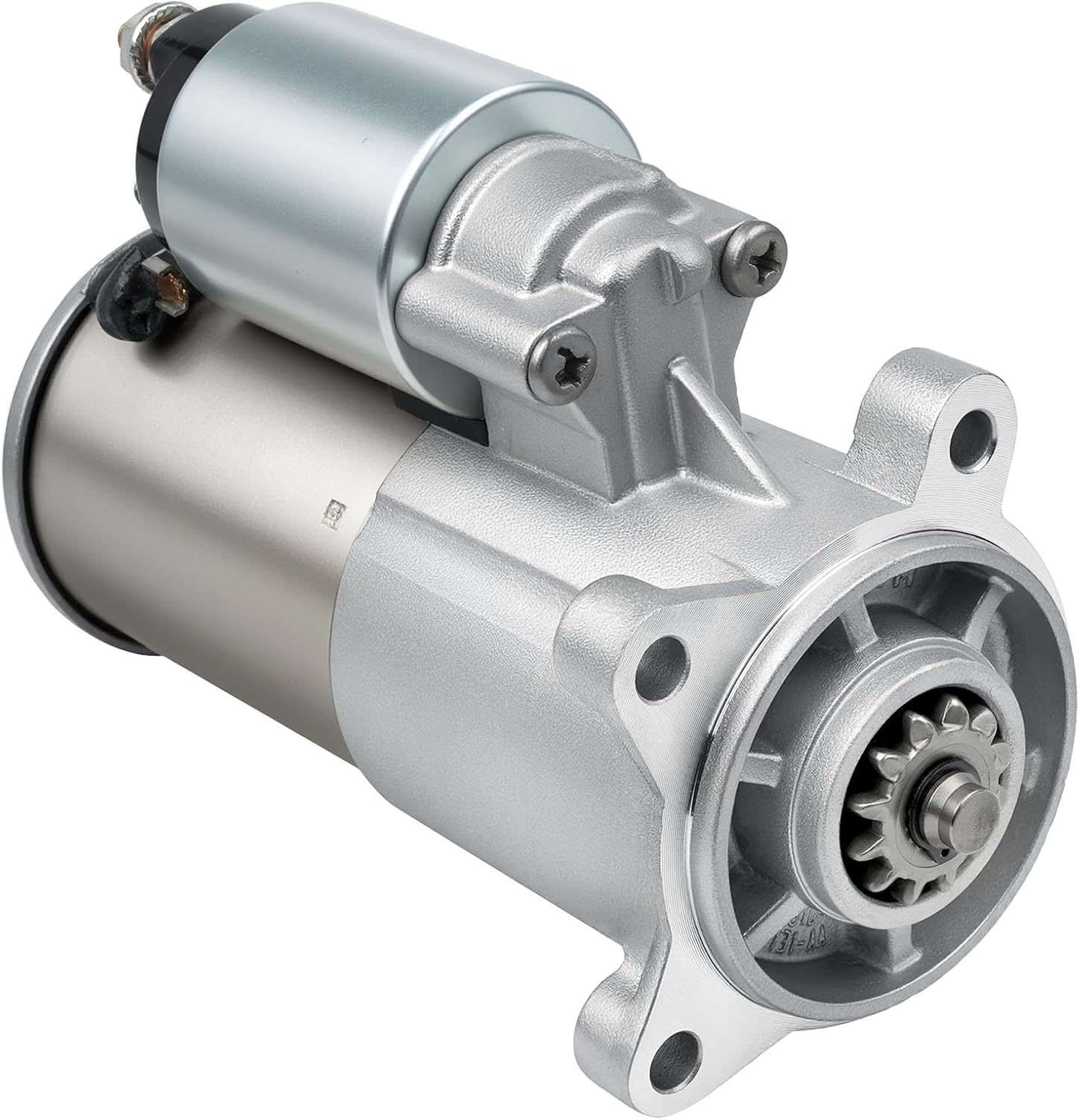
3. Grezuton 6646N Starter Motor for Ford 4.6L–6.8L V8/V10 (1999–2013)
| Voltage | 12 Volts |
|---|---|
| Power | 1.4 KW |
| Rotation | CW |
| Tooth Count | 12 |
This Grezuton 6646N starter is a 12‑volt PMGR replacement designed to replace factory starters on many Ford V8 and V10 engines from about 1999–2013. It installs like a conventional replacement starter and is intended for owners needing a reliable unit to restore starting performance. Key features listed include a 1.4 kW motor, clockwise rotation, and a 12‑tooth drive, matching common factory reference numbers so fitment aligns with factory hardware. In practice the unit should deliver similar cranking speed and engagement behavior to the original, making it suitable for routine restoration after a failed starter. The practical benefits are straightforward: it offers a like‑for‑like mechanical replacement without modification, and the seller provides a one‑year replacement promise. Limitations are typical for aftermarket starters: you must verify engine and year fitment carefully before buying and expect installation may be tight on some chassis layouts; higher-mileage engines or heavy-duty commercial use might demand a heavy‑duty or upgraded high‑torque unit instead.
Best for: Buyers who want a practical, budget‑minded replacement that restores factory starting performance on compatible Ford trucks and SUVs without modifying the vehicle.
Less Ideal for: Drivers who need a heavy‑duty high‑torque starter for towing, extreme climates, or high‑compression engine builds should consider performance or commercial‑grade units instead.
- Designed to match OEM reference numbers for direct replacement fitment
- 12V PMGR design with 1.4 kW power provides factory‑style cranking performance
- Includes common rotation and tooth count specifications to simplify compatibility checks
- One‑year replacement coverage from the seller
- Not marketed as a heavy‑duty or high‑torque upgrade for commercial or severe‑duty use
Verdict: A straightforward, factory‑style 12V replacement starter that reliably restores original starting function for compatible Ford V8 and V10 engines.
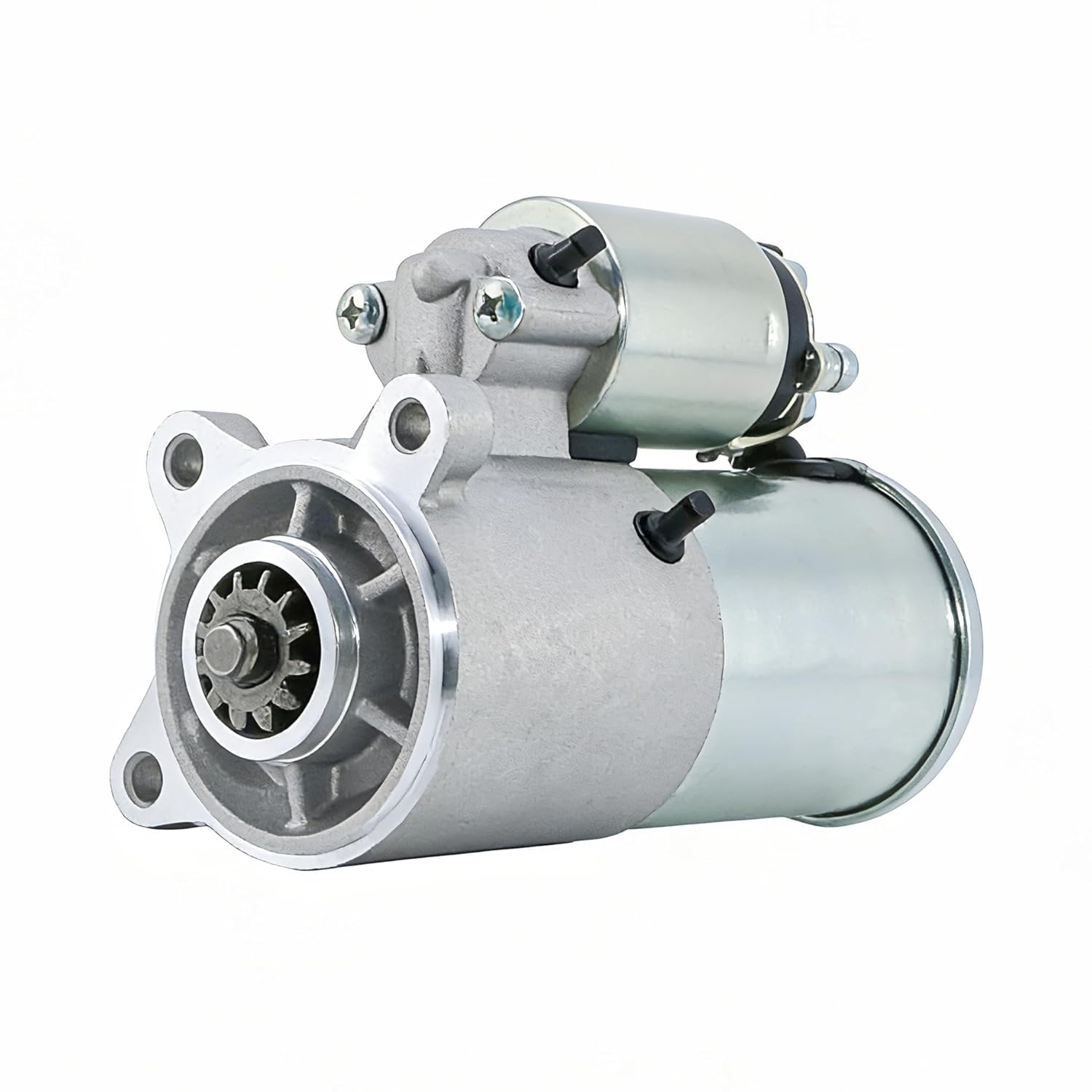
4. INNOVFER 6646 Starter Replacement for Ford and Lincoln 12V, 1.4 kW
| Voltage | 12 volts |
|---|---|
| Wattage | 1.4 KW |
| Amperage | 160 A |
| Phase Type | Three Phase |
This INNOVFER 6646 starter is a no-frills replacement designed to swap into compatible Ford and Lincoln V8 and V10 engines. It delivers 12 volts and 1.4 kW of starting power with a 12-tooth pinion and clockwise rotation, so installation is straightforward where the 6646 pattern is used. The starter is marketed as a precision-fit aftermarket unit that matches common factory part numbers and is built from metal components for durability. Its 160 A amperage rating and PMGR design mean it should crank reliably for everyday driving, towing, and moderate-duty truck work. For budget-focused buyers this unit offers a direct replacement option without paying premium-brand markup, and the seller backs it with a 12-month replacement promise. Expect basic packaging and limited extras; if you need factory-brand assurance or extended heavy-duty duty-cycle testing for severe commercial use, a higher-end or OEM-labeled starter may be a better choice.
Best for: Drivers replacing a failed starter on older Ford or Lincoln V8/V10 trucks who prioritize a low-cost, direct-fit replacement that gets the vehicle back on the road quickly.
Less Ideal for: Fleet operators or users who demand extended heavy-duty cycle testing and the longest possible service life should consider higher-tier or factory-branded starters instead.
- Direct-fit design that matches common 6646 starter part numbers for straightforward replacement
- 160 A rating and 1.4 kW output suitable for typical V8 and V10 starting needs
- Metal construction aimed at durability over basic service life
- Includes support and a 12-month replacement policy for post-purchase peace of mind
- Aftermarket unit with limited documented long-term durability compared with higher-end or factory-brand starters
Verdict: A cost-focused, direct-fit starter solution that restores reliable starting for compatible Ford and Lincoln V8/V10 vehicles without premium brand pricing.
5. DynaVim Parts Starter for Ford 4.6/5.0/5.4/6.2/6.8 V8/V10 (6646N)

| Phase Type | Single Phase |
|---|---|
| Material Type | Metal |
| Included Components | Starter |
| Model | 4L34-11000-AA |
This DynaVim starter is a bolt-in replacement intended for many Ford V8 and V10 engines used in F-150, F-250/F-350 Super Duty, Expedition, Navigator, Excursion, and select Mustangs. It functions like a factory-style starter: an electric motor with an integrated solenoid that spins the flywheel to start the engine. Typical use is straightforward replacement of a failed or weak starter during routine maintenance or repair. Notable features include claimed factory-equivalent manufacturing standards, metal construction, and packaging aimed at protecting the unit in transit. For a reliability-focused buyer the practical benefits are clear: straightforward fitment for specified years and engines, a familiar installation process, and a one-year replacement policy for added peace of mind. Limitations to note are that fitment is vehicle- and engine-specific so buyers must confirm compatibility with their exact model and engine code, and this is an aftermarket unit rather than a branded OEM part which can mean slight differences in finish or mounting details on some applications.
Best for: Buyers who prioritize getting a dependable, direct-replacement starter that fits common Ford V8/V10 engines and want a straightforward swap to restore starting reliability.
Less Ideal for: Anyone who requires a genuine factory-branded starter or needs a part explicitly validated by a dealer for modified or nonstandard engine setups should look elsewhere.
- Covers a wide range of Ford V8/V10 applications for late 1990s to early 2010s vehicles
- Manufactured to meet or exceed factory standards according to the seller
- Metal construction that matches the robustness expected for starter service
- Comes with a one-year replacement policy for added assurance
- Aftermarket part so finish and minor mounting details may differ from factory units
Verdict: A practical, factory-style aftermarket starter that restores reliable starting on the covered Ford V8/V10 engines while offering a one-year replacement safety net.
6. BDELI BD6646N Replacement Starter for Ford V8/V10 Engines (1999–2013)

| Voltage | 12 Volts |
|---|---|
| Wattage | 1.4 KW |
| Material Type | Metal |
| Included Components | 100% New Starter x 1 |
This BDELI BD6646N is an aftermarket 12-volt starter built to replace factory units on many Ford V8 and V10 gas engines from 1999–2013. It installs like a direct replacement and is intended for typical starter duties: crank the engine reliably and engage the flywheel under normal starting conditions. Notable features include a 1.4 kW rating, metal construction, and manufacturing under ISO-quality processes with factory testing before shipment. For day-to-day use it offers the straightforward benefit of restoring starting function quickly without modifying the vehicle. The practical upside is broad vehicle fitment across F-series trucks, Expeditions, Lincoln Navigator, and some Mustangs and Excursions that use the listed part numbers. Limitations to bear in mind are that this is an aftermarket unit so fit and finish can vary versus factory parts and installation may require basic tools and moderate mechanical experience; heavy-duty commercial applications with frequent high-cycle starts may benefit from a heavy-duty or performance-grade unit instead.
Best for: Buyers who prioritize documented fitment and community approval and want a tested replacement that restores reliable starting on older Ford V8/V10 gasoline trucks and SUVs.
Less Ideal for: People needing a heavy-duty starter for constant commercial use, frequent towing starts, or who require an upgraded high-torque performance unit.
- Direct-fit replacement for many 1999–2013 Ford V8/V10 gasoline engines so it simplifies installation
- 12-volt, 1.4 kW rating suitable for normal cold-start conditions
- Manufactured under ISO-certified processes with factory testing for quality control
- Metal construction that matches typical starter durability expectations
- Comes as a complete unit ready to install with mounting and electrical interfaces included
- Aftermarket product so exact fitment or cosmetic finish may differ from factory original
- Not specified as a heavy-duty or high-torque unit for extreme frequent-start commercial use
Verdict: A broadly compatible, factory-tested 12V replacement that gets older Ford V8/V10 trucks and SUVs back to reliable starting with minimal fuss.
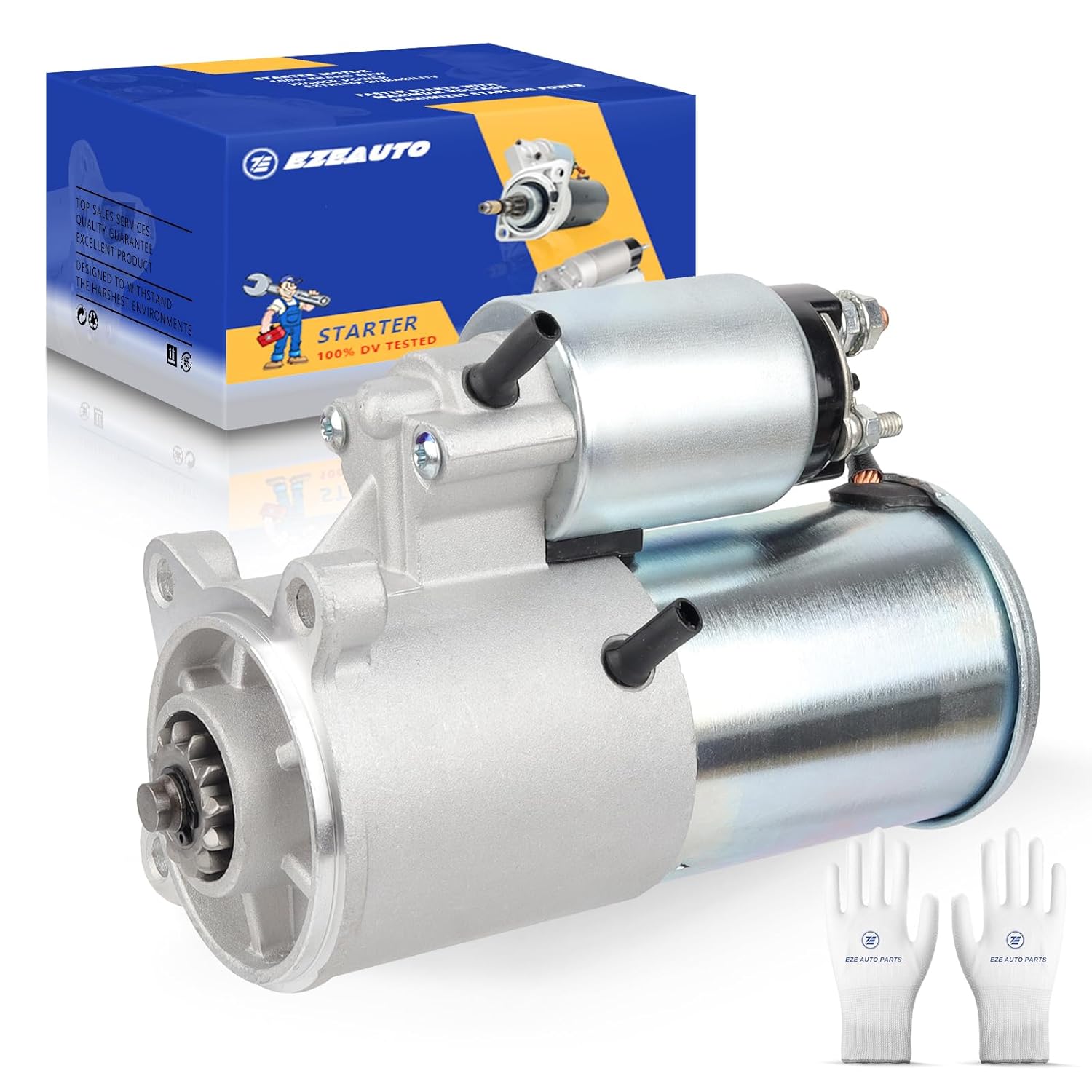
7. E EZEXPREZE 6646N Replacement Starter Motor for Ford 4.6–6.8L V8/V10
| Voltage | 12 volts |
|---|---|
| Wattage | 1400 watts |
| Phase Type | Single Phase |
| Rotation | CW (Clockwise) |
This E EZEXPREZE 6646N starter is a straightforward replacement unit built for Ford 4.6L–6.8L V8 and V10 engines commonly found in F-250/F-350 and related trucks and SUVs. It supplies 12 volts and a 1.4 kW power rating with clockwise rotation and a 12-tooth pinion, so installation matches the factory-style mounting and engagement on listed models. Typical use is a like-for-like swap when an original starter fails; the metal construction and factory-style fitment simplify installation for experienced DIYers or a professional shop. The listing notes full DV testing and a one-year guarantee, which provides extra reassurance for buyers prioritizing reliability. Practical benefits include compatibility across many Super Duty years and inclusion of common reference part numbers to confirm fit. Limitations are that this is an aftermarket unit rather than a factory-branded part and buyers should verify engine and year fitment against the detailed reference numbers before ordering. Expect straightforward starting performance when matched correctly to the vehicle application.
Best for: Buyers who want a reliable, drop-in replacement starter for Ford Super Duty engines and prefer parts that are tested and backed by a one-year guarantee.
Less Ideal for: Those seeking an OEM-branded original part or a high-performance upgrade beyond factory starting power should consider other options.
- Designed as a direct-fit replacement for many Ford V8 and V10 engines to simplify installation
- 12V, 1.4 kW rating and clockwise rotation that match common Super Duty starter specs
- Metal construction intended for durability in engine bay conditions
- Includes extensive reference part numbers to help confirm vehicle fitment
- Unit passed manufacturer DV testing and carries a one-year guarantee
- Aftermarket unit rather than a factory-branded starter which may differ slightly from original components
Verdict: A tested, one-year-guaranteed aftermarket starter that provides a direct-fit factory-style replacement for Ford F-350 and similar Super Duty engines.
Choosing the Right Ford F-350 Starter Motor: Key Factors to Consider
Electrical Compatibility and Voltage Rating
Ensuring the starter motor matches the Ford F-350 electrical system is essential. Voltage rating, terminal types, and solenoid wiring must align with the truck's battery and ignition wiring to avoid weak starts or electrical faults. Incorrect terminal layouts or incompatible solenoid designs can make a physically correct starter unusable or require wiring changes.
Pay attention to whether the starter is designed for standard or high-compression engines, and confirm the recommended battery capacity and cable gauge. Proper compatibility reduces installation time, prevents unintended electrical loads on the charging system, and helps maintain consistent cranking speed under load.
Mounting Fitment and Mechanical Interface
Physical fitment determines whether a starter can be installed without modification. The mounting bolt pattern, overall length, and flywheel engagement must match the Ford F-350's engine configuration. A correct mechanical interface avoids clearance issues with nearby components and ensures the pinion gear properly meshes with the flywheel.
Consider whether the unit is intended for specific engine displacements or transmission types within the F-350 range. Confirming these mechanical details prevents the need for adapters or fabrication, which can add cost and complexity.
Durability and Build Quality
Durability matters more on a work truck like the F-350 because frequent starts under load, extended idling, and towing cycles increase wear. Robust housings, quality bearings, and corrosion-resistant coatings extend service life. Units built to withstand vibration and harsh under-hood conditions reduce the likelihood of premature failure.
Also consider whether critical wear parts, such as the drive assembly or brushes, are serviceable or replaceable. Better materials and tighter manufacturing tolerances generally translate to longer intervals between replacements and fewer roadside failures.
Starter Solenoid Integration
Some starter motors include an integrated solenoid, while others rely on a remote or separate solenoid. Integrated solenoids simplify installation because they consolidate electrical connections and mounting points. However, replacement or servicing can be more involved if the solenoid fails.
Understand the solenoid design and terminal arrangement for the selected starter. Units with accessible solenoids or clearly labeled terminals make troubleshooting easier when symptoms like starter clicking noise appear.
Cold-Weather Performance
Ford F-350 owners operating in cold climates should prioritize starters rated for low-temperature operation. Cold oil and lower battery output increase cranking demands, so a starter with sufficient torque and reliable solenoid operation in subfreezing temperatures is critical. Insulation, seals, and lubricant choices inside the starter influence how well it performs when cold.
A starter that consistently achieves fast crank speeds in cold conditions reduces starter motor wear and lowers the chance of being unable to start when needed most.
Serviceability and Replacement Parts Availability
Access to replacement drive assemblies, brushes, and solenoids affects long-term maintenance costs and turnaround time for repairs. Starters with commonly available replacement parts can often be serviced rather than fully replaced, which is valuable for fleet owners or long-term upkeep.
Check whether the manufacturer provides service kits or lists compatible replacement parts. Readily available parts make roadside repairs more feasible and can reduce downtime for a working F-350.
Common Starter Motor Symptoms and What They Mean
Recognizing starter motor symptoms early helps you diagnose whether the starter or another system component is at fault. Intermittent no-crank situations, a rapid clicking noise when you turn the key, or a slow crank are classic indicators pointing to starter or electrical issues. Each symptom has different likely causes and suggests different troubleshooting steps.
A single click at the key position often indicates solenoid engagement without sufficient current reaching the starter drive. Repeated clicking usually points to insufficient battery voltage or poor cable connections. A grinding noise during engagement can indicate improper flywheel mesh or a worn drive assembly, and it should be addressed promptly to avoid flywheel damage.
- No crank but dash lights on: could be starter solenoid fault or wiring issue.
- Starter clicking noise: often low battery voltage or poor connections.
- Slow cranking: typically weak battery, high resistance in cables, or failing starter.
- Grinding on start: possible misalignment between pinion and flywheel or worn teeth.
How to Test a Starter on a Ford F-350
Simple tests can narrow down whether the starter is at fault. Start with a verified-good battery and check voltage at the starter terminals while attempting to crank. Voltage that drops significantly under load indicates battery or charging system problems rather than the starter itself.
A bench test isolates the unit from the vehicle and demonstrates whether the starter spins properly when supplied with appropriate voltage. For in-vehicle tests, inspect and clean battery terminals and starter connections, then test for voltage at the solenoid control terminal during cranking to confirm proper signal from the ignition switch.
- Check battery state and cable condition first.
- Measure voltage at starter while cranking to detect voltage drop.
- Listen for solenoid click to confirm solenoid actuation.
- Use a bench test to verify starter motor operation off the vehicle.
Installation Tips to Simplify Starter Replacement
Preparing the vehicle and workspace reduces hassle during starter motor installation. Disconnect the negative battery terminal before beginning, and ensure the truck is safely supported if you need to access the starter from underneath. Label wiring or photograph the existing connections to ensure correct reassembly.
Tighten mounting bolts to the recommended torque to avoid misalignment and check that electrical terminals are clean and corrosion-free. When available, use the supplied gaskets, spacers, or mounting hardware to maintain correct gear engagement and prevent strain on the starter housing.
- Always disconnect the negative battery terminal first.
- Support the vehicle securely and use proper lighting.
- Clean and inspect wiring and terminals before reconnecting.
- Torque mounting bolts to factory specifications to ensure proper alignment.
When to Consider Rebuilding Vs Replacing
Deciding between rebuilding and replacing a starter depends on condition, cost, and part availability. Rebuilding can be economical if the housing and armature are in good condition and replacement parts like brushes and solenoids are readily available. Rebuilding is most practical when you can verify component-level wear and obtain quality replacement kits.
Full replacement is often preferable when the starter shows extensive corrosion, damaged drive assembly teeth, or when modern replacement units offer improved warranties and sealed designs that reduce future maintenance. For fleet vehicles or trucks used hard on the job, replacement with a heavy-duty unit may reduce downtime compared with periodic rebuilds.
- Rebuild when internal wear is limited and parts are available.
- Replace when housing or drive assembly is damaged or heavily corroded.
- Consider the time and downtime costs for rebuilds versus replacement.
- Evaluate warranty and expected service life when choosing.
Preventive Maintenance to Extend Starter Life
Regular electrical system maintenance helps prolong starter life. Keep battery terminals and cable connections clean and tight, and periodically inspect starter mounting points for looseness or corrosion. Ensure the charging system maintains proper battery charge to avoid low-voltage cranking that stresses the starter.
Avoid repeated excessive cranking attempts; if the truck does not start after a few tries, pause to prevent overheating the starter. Address oil leaks that can contaminate the starter housing and accelerate wear on seals and bearings.
- Clean battery terminals and cables regularly.
- Inspect starter and mounting bolts during routine service.
- Repair oil or coolant leaks that reach the starter area.
- Limit repeated crank attempts to avoid overheating the starter.
How We Chose the Best Ford F-350 Starter Motor
We selected starter motors for the Ford F-350 using a practical, vehicle-focused editorial process that reflects real-world needs. Evaluation prioritized electrical compatibility with Ford F-350 charging systems and starter solenoid integration, since correct voltage and terminal layout are essential for reliable cranking. Durability and build quality were next, with emphasis on heavy-duty components, reinforced housings, and quality bearings that endure frequent starts and towing loads.Ease of installation was a key filter because many owners perform a swap or work with a mechanic; we considered units with clear terminal layouts, standard mounting bolt patterns, and included mounting hardware where applicable. Performance under temperature extremes and corrosion resistance factored into selection to ensure consistent cold-weather starting and longevity in harsh conditions. Finally, we assessed available replacement parts and serviceability, like replaceable solenoids or drive assemblies.We excluded units that lacked clear fitment information for the Ford F-350, had undocumented electrical specs, or were primarily cosmetic rebuilds without verifiable longevity. The resulting list reflects starter motors that balance compatibility, robustness, and installation practicality for typical F-350 use cases.
Our full evaluation process is outlined in our review methodology.
FAQ
What are the most common starter motor symptoms on an F-350?
Common symptoms include a single or repeated clicking noise when turning the key, a slow crank, intermittent no-crank events, and grinding during engagement. Each symptom can point to different causes such as low battery voltage, poor connections, solenoid issues, or mechanical wear.
How do I test whether the starter or battery is the problem?
Start by checking battery voltage and cable condition. Measure voltage at the starter while attempting to crank; a large voltage drop indicates battery or cable issues. If the battery is good, a bench test of the starter off the vehicle can confirm whether the starter itself operates correctly.
Can I install a starter myself on a Ford F-350?
Many owners with basic mechanical skills can replace a starter, provided they follow safety steps like disconnecting the negative battery terminal and supporting the vehicle. Some installations require working in tight spaces or lifting the truck, so evaluate your comfort level and tools before attempting the job.
Are starter solenoid problems common and how do they present?
Solenoid issues are fairly common and often present as a single click with no crank or intermittent engagement. Problems can stem from worn contacts, poor connections, or internal solenoid failure. Diagnosing involves checking for proper control voltage at the solenoid and inspecting the wiring and terminals.
Is it worth rebuilding a starter on a high-mileage F-350?
Rebuilding can be worth it when the armature and housing are in good condition and quality replacement parts are available. For trucks with heavy-duty use or extensive corrosion, a new heavy-duty replacement may offer better longevity and lower total downtime.
What maintenance reduces the chance of premature starter failure?
Regularly clean and tighten battery terminals and cable connections, inspect starter mounting bolts, and address oil leaks that contaminate the starter. Maintaining a healthy charging system to prevent chronic low-voltage cranking also reduces starter wear.
Final Verdict
Prioritize electrical compatibility, mounting fitment, and durability when choosing a Ford F-350 starter motor. For trucks used in towing or commercial duty, favor units with robust construction and reliable solenoid designs that handle frequent starts and harsh environments. If you perform your own maintenance, consider serviceability and parts availability so repairs can be completed quickly.Balance the tradeoff between rebuildability and full replacement based on the starter's condition and downtime costs. Focus on the key decision factors discussed above to pick a starter that restores reliable starting and minimizes future maintenance for your Ford F-350.
