

Note: This article contains affiliate links. If you click on these links and make a purchase, I may earn a small commission at no extra cost to you. This helps support my research and content. Read my full affiliate disclosure here.
If you drive a Ford F-350 with the 7.3L Diesel, a dependable alternator is critical for towing, extended idling, and powering accessories. The right alternator keeps your battery charged under heavy electrical loads and prevents failures that strand you on the road.This guide highlights six shortlisted alternators chosen for output, durability, and fitment for the 7.3L Diesel. We evaluate cold-start performance, continuous output under load, thermal management, and build quality to help you pick the best replacement or upgrade. Read on for practical buying guidance and installation considerations before you pick the unit suited to your truck.
Top Picks at a Glance
| Best Overall The best all-around choice for most situations | DB Electrical 400-14089 110A 12V Alternator (direct-fit) |  |
| Best Quality Built to a higher standard if you want something more solid | Lucas 110A Remanufactured Alternator for Ford 7.3L Super Duty |  |
| Best Value The sweet spot between price and what you get | TadaMark 110A Replacement Alternator for 7.3L Ford Super Duty (2002–2003) |  |
| Best Budget The cheapest option that still gets the job done reliably | SB Parts Alternator SB8316n for Ford 7.3L Diesel (2002–2003) |  |
| Most Popular A crowd favorite that many people choose with confidence | DB Electrical 400-14044 12V 110A Alternator |  |
| Best Seller A high-volume bestseller chosen again and again | DB Electrical 400-14178 12V 180A Alternator (Clockwise, Internal Regulator) |  |
1. DB Electrical 400-14089 110A 12V Alternator (direct-fit)
| Amperage | 110 Amps |
|---|---|
| Voltage | 12 Volts |
| Rotation | CW |
| Regulator | Internal (IR) |
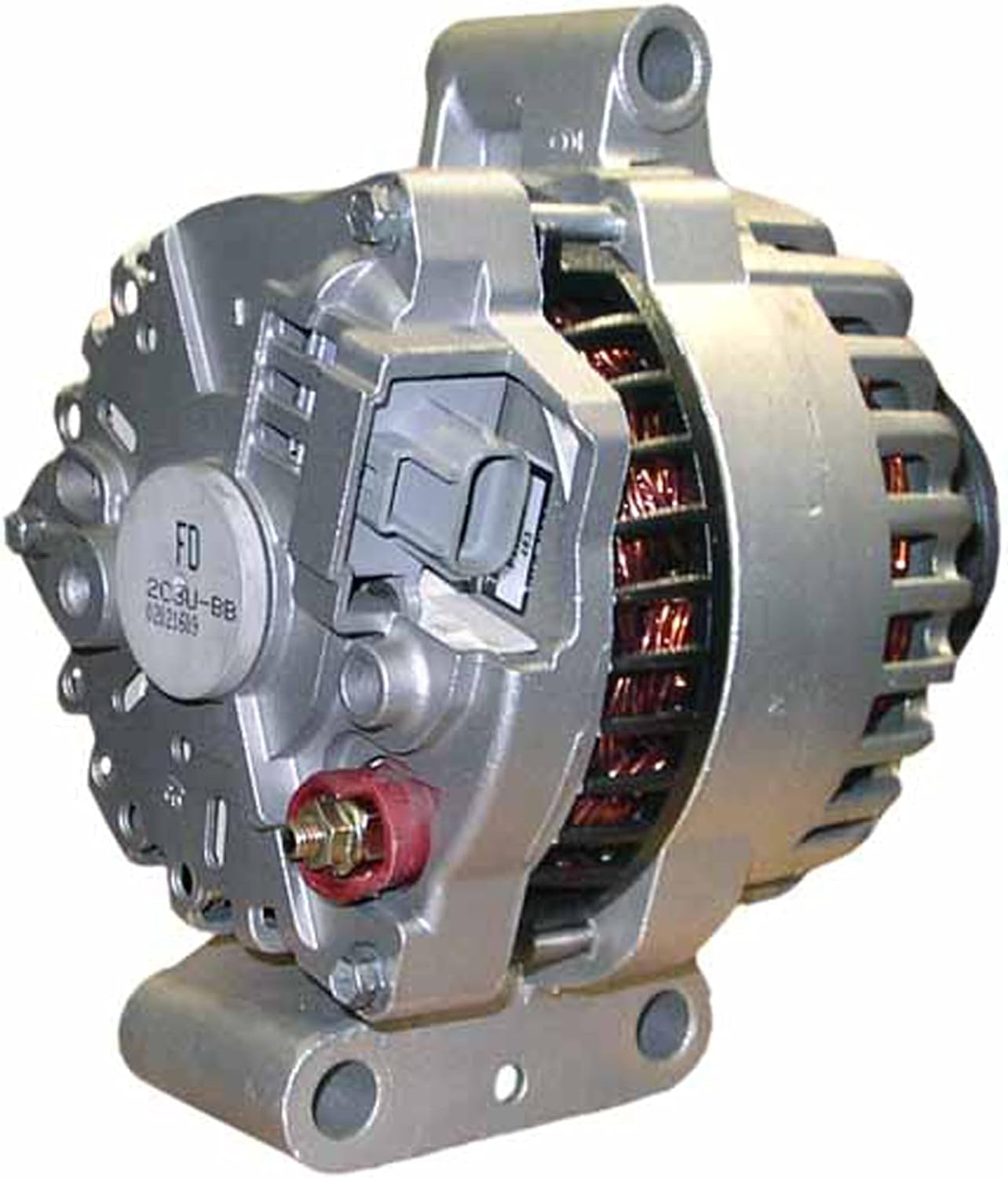
This DB Electrical 400-14089 is a direct-replacement alternator intended for Super Duty 7.3L Ford trucks and the Excursion from 2002–2003. It delivers 110 amps at 12 volts with a clockwise rotation and an internal regulator, so it functions as a straightforward swap for worn factory units. Typical use is engine-bay replacement to restore charging performance and electrical reliability; the S8 pulley and IF fan match the original mounting and cooling layout for an easy bolt-in install. The practical benefits are solid: a factory-style regulator and connector layout reduce wiring headaches, and the 110A output is sufficient for stock electrical loads including lights, charging, and typical accessories. Expect a lower-cost aftermarket option that aims to meet OEM fit and function, but as with many remanufactured or aftermarket alternators buyers should verify connector and mounting details before purchase and confirm rotation and clocking match their truck. This unit is best when you want a near-direct swap to get a 7.3L back on the road without changing wiring or brackets.
Best for: Buyers who want a reliable, near-direct replacement to restore charging on a 2002–2003 7.3L Ford without modifying wiring or mounting and who prioritize value over OEM-brand parts.
Less Ideal for: Owners planning major electrical upgrades, high-accessory loads, or who prefer a factory-brand new alternator for maximum long-term assurance should consider other options.
- Direct-fit design aimed at restoring factory charging without vehicle modifications
- 110 amp output suitable for stock electrical systems on 7.3L Super Duty trucks
- Internal regulator and matching pulley/fan reduce installation complexity
- Replaces multiple manufacturer part numbers for straightforward cross-referencing
- Aftermarket part so build and long-term durability can vary compared with a new factory unit
Verdict: A practical, value-oriented direct-fit 110A alternator to quickly restore charging on 2002–2003 Ford 7.3L Super Duty trucks.
2. Lucas 110A Remanufactured Alternator for Ford 7.3L Super Duty

| Amperage | 110 A |
|---|---|
| Voltage | 12 volts |
| Rotation | CW |
| Regulator/Fan | IR/IF |
| Pulley Class | S8 |
This Lucas 110A remanufactured alternator is a direct-fit replacement for Ford 7.3L Super Duty trucks and Excursion models from the 1999-2001 era. It delivers 110 amps at 12 volts with clockwise rotation and a S8 pulley, matching factory mounting and electrical connections so installation is straightforward for a competent DIYer or independent shop. Because it is remanufactured in the U.S., it restores charging capacity for high-demand electrical systems and supports common towing and accessory loads without requiring wiring modifications. Notable features include the integrated regulator/fan configuration and machined exterior that mirror the original unit. Limitations are typical of remanufactured parts: you may see slight cosmetic variation from new units and longevity depends on installation and vehicle conditions. This alternator does not include mounting hardware so plan accordingly when swapping the unit in a Super Duty.
Best for: Drivers upgrading or repairing a 7.3L Super Duty who need reliable charging for towing, auxiliary accessories, or higher electrical loads and prefer a factory-compatible replacement without modifying the vehicle.
Less Ideal for: Buyers seeking a high-output aftermarket performance alternator above 110 amps or a brand-new unit with factory-fresh cosmetic condition should consider other options.
- 110 amp output restores charging for heavy accessory and towing loads
- Direct-fit design matches factory mounting and electrical connections
- Remanufactured in the USA to provide a cost-effective replacement
- Includes factory-style regulator and S8 pulley for plug-and-play installation
- Does not include mounting hardware with the unit
- Remanufactured condition can show cosmetic variation compared with new alternators
Verdict: A practical, factory-compatible 110A remanufactured alternator that restores reliable charging capacity for 7.3L Super Duty trucks used for towing and heavy accessory loads.
3. TadaMark 110A Replacement Alternator for 7.3L Ford Super Duty (2002–2003)

| Voltage | 12V |
|---|---|
| Amperage | 110A |
| Rotation | CW |
| Pulley Class | S8 |
| Regulator | IR |
This TadaMark alternator is a straightforward replacement for 2002–2003 Ford Excursion, F-250, and F-350 7.3L diesel trucks that need a reliable charging unit. It supplies 110 amps at 12 volts with clockwise rotation and an internal regulator, so it fits into the factory charging system and supports typical truck electrical loads like lights, HVAC and accessory charging. The S8 pulley and three-clock mounting match common factory configurations, which simplifies installation for a competent DIYer or shop. The unit is described as factory-quality aftermarket with an internal fan for cooling and includes common reference numbers for easy cross-checking. Buyers should note this is an aftermarket part so fit and finish can vary slightly from an original part and professional verification of wiring and pulley alignment is recommended during installation. A one-year service policy is provided by the brand for post-sale support.
Best for: Buyers who want a practical, cost-conscious replacement that restores charging capacity to a 2002–2003 7.3L Ford truck without upgrading electrical components or changing pulley setups.
Less Ideal for: Anyone planning heavy electrical upgrades, high-output audio systems, or performance charging modifications should consider higher-capacity or purpose-built alternators instead.
- 110 amp output suitable for stock and moderately loaded 7.3L diesel electrical systems
- Direct-fit mounting pattern and three-clock orientation for easier installation on specified 2002–2003 Super Duty models
- Internal regulator and internal fan simplify installation and provide cooling under load
- Includes common reference numbers to cross-check compatibility with factory replacements
- Aftermarket build means cosmetic and minor dimensional differences from factory parts may occur
Verdict: A practical factory-style 110A replacement alternator that restores reliable charging for 2002–2003 7.3L Ford Super Duty trucks without modification.
4. SB Parts Alternator SB8316n for Ford 7.3L Diesel (2002–2003)
| Amperage | 105 A |
|---|---|
| Rotation | CW |
| Pulley | S8 |
| Compatible engines | 7.3L diesel 2002–2003 |
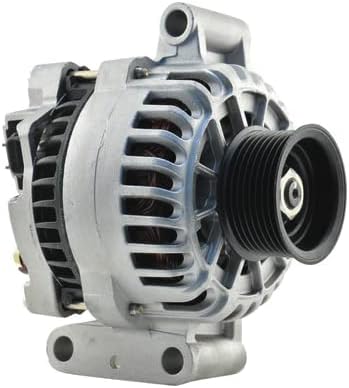
This SB Parts alternator is a budget-friendly replacement for 7.3L Power Stroke diesel trucks from 2002 to 2003. It supplies 105 amps with clockwise rotation and an S8 pulley to match the factory charging setup, so it installs like a standard replacement for F-250, F-350, F-450, F-550 and Excursion diesel models specified. Typical use is to restore charging performance after a failed or weak alternator; the unit is built to fit the stock dual- and single-system configurations listed and accepts the same mounting and pulley arrangement. Its practical benefits are straightforward: a familiar form factor that simplifies swap-in replacement and an amperage rating adequate for stock electrical loads. Limitations to keep in mind are that this is a basic aftermarket unit aimed at budget buyers, so expect fewer performance or longevity claims than premium remanufactured or upgraded alternators, and verify exact engine and ambulance or dual-system configurations before ordering.
Best for: Buyers looking for an inexpensive, straightforward replacement alternator to restore factory charging on 2002–2003 7.3L diesel Super Duty trucks who prioritize cost and ease of swap-in installation.
Less Ideal for: Owners who need higher output for heavy aftermarket electrical accessories or who prefer fully remanufactured warranty-backed units should consider other options.
- Direct-fit design for 2002–2003 Ford 7.3L diesel Super Duty and Excursion models
- 105 amp output suitable for factory electrical loads
- Matches factory rotation and pulley type (CW rotation, S8 pulley)
- Simple replacement that uses existing mounting and pulley configuration
- Basic aftermarket construction may not match lifespan of premium remanufactured units
- Limited fitment strictly to the listed 2002–2003 7.3L diesel configurations
Verdict: A no-frills, cost-conscious alternator that restores factory charging for 2002–2003 Ford 7.3L diesel trucks with minimal fuss.
5. DB Electrical 400-14044 12V 110A Alternator

| Voltage | 12V |
|---|---|
| Amperage | 110A |
| Regulator Location | Internal |
| Manufacturer | DB Electrical |
This DB Electrical 12V 110A alternator is a direct replacement unit intended for late 1990s to early 2000s Ford full-size vans and Super Duty pickups, including the F-350 covered in this buyer guide when equipped with the matching fitment. It supplies up to 110 amps and uses an internal voltage regulator, so installation is straightforward for a technician or experienced DIYer using the factory mounting points and wiring. The machined exterior and listed OEM cross-references indicate it is built to match factory mounting and electrical interfaces, which helps minimize wiring changes and makes it suitable for fleet or repair-shop swaps. The main benefit is delivering reliable charging capacity for stock electrical loads and moderate accessory use without custom modifications. Limitations are its 110A output, which may be marginal for heavily modified 7.3L trucks running high-draw accessories or aftermarket stereo and winch setups that demand higher amperage. Buyers should verify part numbers and physical fit before ordering to ensure compatibility with their specific year and configuration.
Best for: A buyer who values proven, replacement-grade parts and wants a straightforward, factory-compatible alternator for routine repair or fleet maintenance on covered Ford Super Duty models.
Less Ideal for: Owners planning substantial electrical upgrades or running multiple high-draw accessories should choose a higher-amperage or performance alternator instead.
- Matches many factory replacement numbers to simplify fitment with factory wiring and mounts
- Internal voltage regulator reduces installation complexity
- Machined exterior finish suggests solid build quality for repair and fleet use
- Suitable for professional technicians and competent DIY installers
- 110A output may be insufficient for F-350s with heavy aftermarket electrical loads
Verdict: A reliable, factory-style 12V 110A replacement alternator for Ford Super Duty repairs when you want straightforward fitment and proven compatibility.
6. DB Electrical 400-14178 12V 180A Alternator (Clockwise, Internal Regulator)

| Voltage | 12V |
|---|---|
| Amperage | 180A |
| Rotation Direction | Clockwise |
| Regulator Location | Internal |
| Pulley Type | Solid |
This DB Electrical alternator is a direct-replacement style unit intended for Ford F-250 and F-350 Super Duty trucks (2003–2007) and select E-350 models. It provides 180 amps at 12 volts with a clockwise rotation and an internal voltage regulator, so it functions like a factory replacement for charging the battery and powering electrical systems under load. Typical use is straightforward: swap it into the original alternator location, reconnect the factory wiring and pulley, and restore charging capacity for heavy-duty accessories and towing. Notable features include a solid pulley, factory-style mounting and internal regulator which simplify installation for technicians and experienced DIYers. The practical benefits are reliable charging output suitable for high-demand electrical setups and compatibility with existing OEM part numbers. Limitations are that fitment is limited to the listed Ford and E-350 years and configurations and the unit requires verification against your truck’s exact part number before purchase.
Best for: Buyers who prioritize a dependable, factory-style replacement for a 2003–2007 Super Duty or 2004–2007 E-350 and want a straightforward swap that restores charging capacity.
Less Ideal for: Drivers with different model years, non-listed configurations, or those seeking a higher-output or performance-modified alternator should look elsewhere.
- 180 amp output suitable for trucks with high electrical loads
- Internal voltage regulator reduces external wiring complexity
- Solid pulley and factory-style mounting for straightforward swap-in installation
- Listed to replace common OEM part numbers for easier part-matching
- Compatibility is restricted to the specific Ford Super Duty and E-350 model years listed
Verdict: Choose this unit if you want a factory-style 180A replacement that restores reliable charging for specified 2003–2007 Ford Super Duty and 2004–2007 E-350 applications.
Choosing the Right Ford F-350 7.3L Diesel Alternator: Key Factors to Consider
Output Capacity and Continuous Amperage
Alternator amperage rating determines how much electrical load the unit can sustain without dropping voltage. For the F-350 7.3L Diesel, owners often run winches, auxiliary lighting, fridges, and trailer power while towing. Selecting an alternator with sufficient continuous output prevents battery drain when those loads are active.
Consider both peak and continuous amperage numbers. Some units list a higher peak rating that is only sustainable for short bursts. Look for ratings that reflect sustained output at operating RPMs you expect while towing or idling. A unit with a modestly higher continuous rating can reduce wear by operating below its maximum capacity more of the time, improving longevity.
Thermal Management and Cooling
Alternators generate heat, and excessive heat shortens component life and can cause voltage regulation issues. Diesel trucks and heavy towing produce higher under-hood temperatures, so cooling design matters for the 7.3L Diesel application.
Check whether the alternator uses internal fans, external cooling fins, or larger vents to shed heat. Some designs include upgraded rotors or improved insulation that tolerate higher temperatures. Better thermal management keeps regulator and bearing temperatures lower, reducing the chance of premature failure during long highway pulls or slow climbs.
Mechanical Fit and Mounting Compatibility
Proper fitment is essential to avoid modification and ensure correct belt alignment. The alternator must match the F-350 7.3L Diesel accessory bracket locations, electrical connector style, and pulley diameter to maintain correct charging behavior and belt tension.
Verify mounting bolt patterns, electrical plug type, and whether the alternator uses a one- or two-bolt mounting ear. Pulley size and type can affect charging at idle and top-end; swapping pulleys to match factory specifications is sometimes necessary. Choosing a unit designed for the 7.3L Diesel reduces installation time and prevents accessory drive problems.
Voltage Regulation and Electrical Stability
A stable voltage regulator is key for consistent charging, battery life, and electronic module operation. Voltage spikes or undercharging can damage sensitive electronics or shorten battery life, especially in modern trucks with many control modules.
Look for alternators with proven regulator designs that maintain steady voltage across varying loads and RPM ranges. Some units have externally serviceable regulators, which simplifies repairs. Pay attention to electrical noise suppression and compatibility with the truck's charging system to avoid interference with sensors or communications modules.
Durability and Corrosion Resistance
Alternators on a work truck face moisture, road salt, and vibration. Materials and protective finishes influence how long the unit will last in real-world conditions. For a 7.3L Diesel F-350 that sees heavy use, durability is a top priority.
Consider housing finishes, sealed bearings, and robust electrical terminals. Look for designs that limit water and debris ingress around the brush box and connectors. Units with heavier-duty internal components such as reinforced rotors or upgraded bearings will generally tolerate high-mileage service better than economy alternatives.
Serviceability and Warranty Coverage
Ease of maintenance and warranty support reduce lifetime ownership costs. Serviceable components like replaceable brushes or external regulators can extend service life without full replacement. Warranty terms also indicate manufacturer confidence.
Assess how accessible wear items are and whether common failure parts are replaceable. Check that the alternator's warranty covers typical failure modes for a diesel work truck, and confirm any required registration steps or exclusions. For vehicles used in heavy-duty applications, longer or more comprehensive coverage provides added protection against downtime.
Why Alternator Output Matters for Towing and Idling
Towing heavy loads and extended idling both place unique demands on an alternator. At low engine speeds the alternator must still provide enough current to run engine management systems, glow plugs during cold starts, and any added accessories. Insufficient output can lead to depleted batteries and dimming lights when you most need full electrical capacity.
Upgrading to a higher-capacity unit or choosing one rated for better low-RPM output can stabilize system voltage during these conditions. That reduces accessory strain and improves reliability when you are towing or running auxiliary equipment at low speeds.
- Low-RPM charging is crucial during slow towing and long idle periods
- Higher continuous output reduces voltage drop under sustained loads
- Correct output prevents battery cycling and extends battery life
Common Alternator Symptoms on the 7.3L Diesel
Knowing early warning signs helps avoid being stranded. Common symptoms include dimming headlights at idle, dashboard warning lights, slow cranking or repeated jump starts, and sporadic electrical failures. These can indicate worn brushes, a failing regulator, or reduced output from the rotor.
Some issues are intermittent and only appear under specific loads or temperatures. If you notice electrical oddities that correlate with heavy accessory use or idling, have the charging system tested rather than assuming the battery is the only cause.
- Dimming or flickering lights, especially at idle
- Dashboard lights flicker or come on intermittently
- Battery warning light during heavy electrical load
Installation Considerations and Preparation
Replacing an alternator on the F-350 7.3L Diesel usually requires basic hand tools, a torque wrench, and knowledge of the accessory belt routing. Before you begin, disconnect the battery negative terminal and note connector locations and harness routing to avoid pin damage. Some alternators require slight bracket alignment or different pulley swaps to match factory belt geometry.
Have replacement gaskets, fasteners, and a quality replacement belt on hand if the pulley size differs. If you plan to reuse the factory pulley, confirm shaft compatibility and secure fitment. For owners tackling the job themselves, factor in time for testing and calibrating the charging output after installation.
- Always disconnect the battery before starting work
- Confirm mounting pattern and pulley compatibility before purchase
- Test charging voltage at idle and at operating RPM after install
Testing the Charging System
Proper diagnosis avoids unnecessary replacements. Start with a voltage check at the battery with the engine off and then at idle. Typical resting voltage should be near 12.6 volts and rise to roughly 13.8 to 14.8 volts when charging. A multimeter can reveal undercharging or overcharging conditions quickly.
For intermittent or load-related issues, perform a load test by turning on high-draw accessories and observing voltage stability. Alternator testing at a qualified shop can also measure diode integrity and output under simulated load conditions if you need a deeper diagnosis.
- Measure resting and charging voltages with a multimeter
- Perform a load test with accessories on to spot voltage drop
- Check for abnormal AC ripple which indicates diode problems
When to Consider a Rebuild Versus Replacement
Some alternators can be economically rebuilt by replacing brushes, bearings, and regulators. A rebuild can be a practical choice if the housing and rotor are in good condition and parts are available. For trucks with high-mileage but otherwise sound units, a rebuild may restore service life with less waste.
However, extensive rotor damage, severe corrosion, or unknown electrical history often justifies a full replacement. If you depend on your truck for heavy towing or commercial work, prioritize reliability and warranty support when deciding between a rebuild kit and a new unit.
- Rebuilds work well when mechanical wear is limited and parts are serviceable
- Replace if rotor or stator damage is evident or corrosion is extensive
- Consider uptime needs and warranty when choosing between options
Long-Term Maintenance Tips
Regular inspections help catch problems early. Periodically check belt tension and condition, clean electrical connections, and look for oil or coolant contamination near the alternator. Preventative attention to sealing and fasteners reduces the likelihood of premature failures.
Address unusual noises or increased ripple in charging output promptly. Replacing worn belts, corroded connectors, or failing bearings as soon as they appear will extend the alternator and battery life on a work truck.
- Inspect belt and tensioner every service interval
- Keep electrical terminals clean and tight
- Replace worn bearings or brushes before failure
Still looking for the perfect fit?
Select your Ford F-350 configuration to see the most relevant Alternators recommendations
How We Chose the Best Ford F-350 7.3L Diesel Alternator
We focused on alternators that meet the electrical demands and duty cycle commonly encountered by owners of the Ford F-350 7.3L Diesel. Our selection criteria centered on output capacity, thermal performance, mechanical fit, long-term reliability, and serviceability. Specifically, we gave preference to units that offer rated amperage sufficient for common towing and accessory loads, robust cooling features or higher temperature ratings, and mounting compatibility with the 7.3L Diesel accessory drive.We also examined build details that affect longevity such as quality of bearings, brush and regulator designs, and corrosion-resistant finishes for under-hood exposure. Electrical performance under sustained load and during cold starts was a primary filter, as diesels and heavy loads can expose weak regulators or undersized rotors. Warranty and support terms were considered as indicators of manufacturer confidence.Excluded items included universal-fit or custom high-output race alternators that require major modifications, and refurbished units lacking clear component-level rebuild documentation. The final shortlist balances factory-style fit and ease of installation with options that provide additional amperage where owners need it most.
Our full evaluation process is outlined in our review methodology.
FAQ
How can I tell if the alternator or battery is the problem?
Begin with a resting and charging voltage test. If resting voltage is low and charging voltage rises to the expected range with the engine running, the battery may be weak. If charging voltage is low or fluctuates, the alternator or regulator is likely at fault. A dedicated load test or bench test can confirm alternator health.
What amperage should I choose for heavy towing on a 7.3L Diesel?
Select an alternator with a continuous output rating above your typical accessory and towing demands. Owners carrying winches and multiple accessories often choose units with a comfortable margin over stock output to avoid running near maximum capacity. Estimate combined accessory draw and add a safety buffer.
Is it worth rebuilding my existing alternator?
A rebuild can be cost-effective when the alternator housing and rotor are in good condition and wear is limited to brushes, bearings, or the regulator. For trucks used in demanding applications, consider whether the rebuild will meet uptime needs or if a new unit with warranty is a better long-term choice.
Will a higher-output alternator affect my battery life?
A properly matched higher-output alternator can reduce battery cycling by supplying needed current directly, which may extend battery life. However, incorrect voltage regulation or poor installation can cause overcharging, so ensure the regulator maintains correct charging voltage for the battery type.
Can I install an alternator myself on the F-350 7.3L Diesel?
Many owners with basic mechanical skills can install an alternator, provided they follow safety steps and confirm fitment. You will need tools for belt tensioning and to safely disconnect the battery. If wiring modifications or pulley swaps are required, professional installation is recommended.
How long should a replacement alternator last on this truck?
Lifespan depends on duty cycle, exposure, and build quality. Alternators on heavy-use trucks often have shorter service lives than passenger vehicles, but well-built units with proper cooling and maintenance commonly last many years. Regular inspections and keeping the accessory drive in good condition improve longevity.
Final Verdict
For the Ford F-350 7.3L Diesel, prioritize alternators that balance ample continuous output with robust thermal design and proper mechanical fit. That combination helps prevent charging shortfalls during towing and reduces stress on the electrical system during long idles or heavy accessory use.Weigh serviceability and warranty against your expected duty cycle. If you regularly tow or run numerous accessories, choose a higher-capacity unit with proven cooling and solid mounting compatibility. For lighter use, a factory-fit replacement that matches electrical regulation and pulley geometry will provide reliable service with minimal installation changes.
