

Note: This article contains affiliate links. If you click on these links and make a purchase, I may earn a small commission at no extra cost to you. This helps support my research and content. Read my full affiliate disclosure here.
If you drive a Honda CR-V, a healthy cabin air filter matters for comfort, ventilation performance, and allergen control. Choosing the right filter affects how well your HVAC system circulates air, how much dust and pollen are trapped, and how often you need maintenance. This guide shortlists the top options for the Honda CR-V and explains the practical tradeoffs we considered, including filtration efficiency and installation simplicity. Read on to see the selected picks and the evaluation criteria used to create this list.
Looking for other parts? See all Honda CR-V parts & accessories.
Top Picks at a Glance
| Best Reviewed A top-rated pick with lots of positive feedback | Puroma Cabin Air Filter with Activated Carbon (replacement for CP134) – 2 pack |  |
| Most Popular A crowd favorite that many people choose with confidence | ECOGARD XC35519 Cabin Air Filter |  |
| Best Quality Built to a higher standard if you want something more solid | K&N Lifetime Washable Cabin Air Filter (VF2033) |  |
| Best Budget The cheapest option that still gets the job done reliably | A-Premium 2‑Pack Activated Carbon Cabin Air Filter — Compatible with Honda & Acura Models | 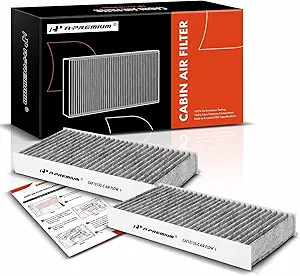 |
| Most Sold A high-volume bestseller chosen again and again | BOSCH 6029C HEPA Cabin Air Filter |  |
| Best Value for Money The sweet spot between price and what you get | EPAuto CP135 Cabin Air Filter with Activated Carbon (replacement for Honda) |  |
| Best Overall The best all-around choice for most situations | FRAM Fresh Breeze Cabin Air Filter with Arm & Hammer Baking Soda, CF10134 |  |
1. Puroma Cabin Air Filter with Activated Carbon (replacement for CP134) – 2 pack

| Brand | Puroma |
|---|---|
| Item model number | CP134 |
| Manufacturer part number | HCF134N |
| Compatible vehicle family | Honda (CP134 fitment) |
The Puroma CP134 cabin air filter is a direct-replacement cabin filter that adds an activated carbon layer to reduce odors while filtering dust and airborne contaminants from HVAC intake air. It is intended for simple, owner-performed swaps and installs in minutes using the molded airflow arrow for correct orientation. The filter uses multiple non-woven layers and a denser pleat structure to trap particulates and preserve HVAC performance, which helps keep vents smelling fresher and can reduce load on the blower between changes. Practical benefits include a firm frame that seals inside the housing and a carbon layer that helps neutralize common road and vehicle smells. Limitations are that long-term filtration efficiency and lifespan depend on local driving conditions and maintenance interval; heavily polluted areas will require more frequent replacement than benign environments. This product is a straightforward, lower-cost alternative to factory replacements for routine cabin air maintenance on compatible Hondas.
Best for: Reliability-focused buyers who prioritize consistent, practical maintenance and want a no-fuss replacement that keeps cabin air clean and HVAC performance steady on Honda CR-Vs.
Less Ideal for: Drivers who require certified minute-by-minute filtration data for severe allergen or clinical air quality needs should consider higher-spec or specialist filters.
- Activated carbon layer helps reduce odors and volatile compounds in cabin air.
- Multi-layer non-woven media and tighter pleats improve particulate capture compared with cheap flimsy filters.
- Firm frame and accurate CP134 sizing provide a snug fit and reliable seal in the housing.
- Easy DIY installation with an airflow arrow makes replacement quick and intuitive.
- Performance and replacement interval vary with local air quality and heavy contamination may shorten service life.
- Not a branded factory replacement so exact filtration performance versus factory-original media is not documented.
Verdict A practical, easy-to-install activated-carbon cabin filter for Honda CR-V owners who want affordable, reliable cabin air freshness between scheduled maintenance.
2. ECOGARD XC35519 Cabin Air Filter

| Brand | ECOGARD |
|---|---|
| Model | XC35519 |
| Manufacturer Part Number | XC35519 |
| OEM Part Number | 80292-SDA-A01 |
The ECOGARD XC35519 is a direct-fit cabin air filter made to replace the factory filter in compatible Honda vehicles. It installs in the glove box/filter housing and is intended for routine cabin air maintenance to remove dust, pollen, and other particulates from incoming air. Key features include a pleated filtration media sized to match Honda housings and a simple drop-in installation that most owners report completing in minutes. Practical benefits are improved cabin air freshness and fewer airborne irritants, which helps HVAC performance and passenger comfort between scheduled service intervals. The filter does not appear to include activated carbon for odor control, and a few users noted occasional minor fitment trimming on older housings, so check orientation and fit before final installation. For owners who prefer a low-effort, budget-friendly replacement that restores factory-quality airflow, this is a sensible pick; buyers seeking stronger odor removal should consider a carbon-activated option instead.
Best for: Convenience-driven buyers who want an inexpensive, easy-to-install replacement to keep cabin air fresh with minimal time or effort.
Less Ideal for: Drivers who prioritize active odor removal or advanced filtration for heavy pollution environments should consider carbon or HEPA-style alternatives.
- Fits Honda cabin filter housings for straightforward drop-in replacement in most model years listed
- Pleated media traps dust, pollen, and common airborne particles to improve cabin air quality
- Thin, factory-style profile eases installation through the glove box without special tools
- Widely available and commonly used by DIYers so there is abundant fitment and installation guidance online
- Does not advertise activated carbon or dedicated odor-absorbing layer
- Some reports of minor trimming or slight fitment issues on certain older housings
Verdict A practical, easy DIY replacement for Honda cabin air filters that refreshes cabin air affordably but lacks specialized odor-absorbing media.
3. K&N Lifetime Washable Cabin Air Filter (VF2033)

| Manufacturer | K&N Engineering |
|---|---|
| Part Number | VF2033 |
| Material | Polyurethane |
| Warranty Description | 10 Years – 100,000 Miles |
This K&N washable cabin air filter replaces the factory disposable cabin filter in compatible Honda CR-V models and is intended to provide long-term, high-flow filtration for the vehicle’s HVAC system. It installs like a standard cabin filter and is typically used in the same maintenance interval as a disposable unit, except you clean and reinstall it instead of throwing it away. Notable features include a washable polyurethane media, pre-treatment to help control odors, and a design that aims to increase heating and cooling efficiency by improving airflow. The practical benefits are reduced recurring filter purchases, less landfill waste, and slightly stronger vent airflow and odor reduction when the filter is kept clean. Important limitations are the higher upfront cost compared with disposable filters and the requirement to clean the filter periodically to maintain performance; some users have reported occasional fitment tweaks needed during installation on specific trim years. For a performance-focused buyer seeking improved airflow and lifetime use on a Honda CR-V, this filter offers a sensible upgrade if you are willing to maintain it.
Best for: Performance-oriented Honda CR-V owners who prioritize improved HVAC airflow and long-term value and who are willing to perform occasional maintenance to keep the filter functioning optimally.
Less Ideal for: Buyers who prefer zero-maintenance, low-upfront-cost solutions or who do not want to perform periodic cleaning should consider a conventional disposable cabin filter instead.
- Washable, reusable media eliminates regular disposable replacements
- Designed to improve airflow for heating and cooling efficiency
- Pre-treated to help reduce cabin odors
- Fits as a drop-in replacement for compatible Honda CR-V cabin air box
- Higher initial cost than standard disposable filters
- Requires periodic cleaning to maintain filtration and airflow
Verdict A performance-minded, lifetime reusable cabin filter for the Honda CR-V that boosts airflow and cuts recurring replacement costs if you commit to periodic cleaning.
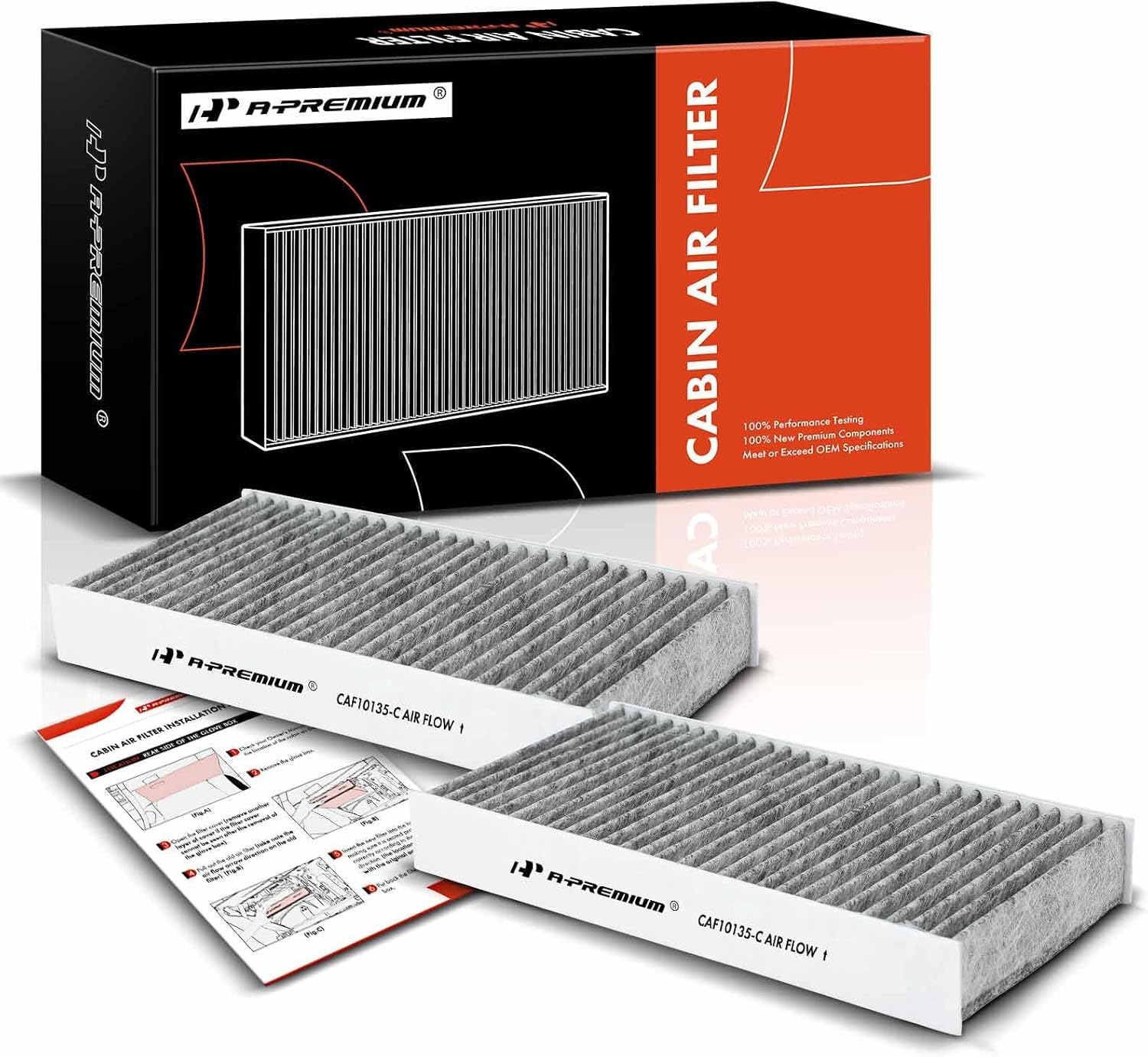
4. A-Premium 2‑Pack Activated Carbon Cabin Air Filter — Compatible with Honda & Acura Models
| Package Quantity | 2 |
|---|---|
| With Activated Carbon | Yes |
| Washable | No |
| Reusable | No |
| Location | Front |
This two-pack cabin air filter from A-Premium is a straightforward replacement designed to fit Honda models such as the Civic (2001–2005), CR-V (2002–2006) and other compatible Acura/Honda vehicles. Each filter uses multi-layer media with an activated carbon layer to reduce odors and capture common airborne contaminants before they enter the cabin. Typical use is a direct swap into the factory cabin filter housing behind the glove box during routine maintenance; the package includes two filters so you can replace both sides or keep a spare. The filters are not washable or reusable, so they are a throwaway replacement at the recommended interval. Installation is simple and reported to fit like factory-quality pieces for the listed Hondas, though a snug fit is common with factory locations. The main limitations are that these are basic disposable filters without advanced HEPA filtration and they are for naturally aspirated engines where specified fitment applies. For a budget-focused buyer who wants better odor control and cleaner cabin air without spending on premium parts, this is a practical choice.
Best for: Budget-conscious owners prioritizing a low-cost, straightforward cabin air upgrade to reduce dust and odors in their Honda vehicle and who prefer simple DIY maintenance.
Less Ideal for: Drivers who need medical-grade filtration for allergies or those who prefer a long-life washable filter should consider higher-spec alternatives.
- Includes two filters so you get an extra unit or a matched replacement
- Activated carbon layer helps reduce odors and smoke entering the cabin
- Multi-layer media captures dust, pollen, and common airborne contaminants
- Designed to match factory fitment for the listed Honda and Acura model years
- Disposable only and not washable or reusable
- Does not advertise HEPA-level filtration for very fine particles
Verdict A low-cost, two-pack activated-carbon cabin filter that gives Honda owners noticeable odor control and basic particle filtration for routine maintenance.
5. BOSCH 6029C HEPA Cabin Air Filter

| Model | 6029C |
|---|---|
| Filtration efficiency | 99.97% at 0.3 microns |
| Compatibility note | Compatible with select Honda and Acura models including CR-V (verify trim/year) |
The Bosch 6029C is a HEPA-level replacement cabin air filter intended to improve in-car air quality by capturing very small particles down to 0.3 microns. It installs in the passenger compartment filter housing and is typically replaced once a year or every 12,000 miles. The filter uses a melt-blown electrostatic layer plus an extra static cotton layer to increase particle capture and capacity, while structural ribs help the element keep its shape during service. In practice the 99.97% filtration efficiency reduces pollen, dust, and many exhaust and outdoor odors, which riders and allergy sufferers will notice right away. Because the media is dense, some users report a modest reduction in maximum fan output so you may need to run the blower one or two settings higher on hot days. Fit and build quality track closely with factory replacement parts for compatible Honda models, and installation is straightforward for DIY maintenance. If you prioritize cleaner cabin air and fewer allergens, this Bosch HEPA filter delivers tangible benefits with minimal fuss.
Best for: Risk-averse mainstream buyers who want a reliable, factory-quality upgrade to prioritize respiratory health and consistent cabin air quality without experimenting with off-brand alternatives.
Less Ideal for: Buyers whose primary concern is preserving maximum HVAC airflow or who need the absolute lowest-cost basic filter should consider lighter-weight or value options instead.
- HEPA-level filtration rated to capture 99.97% of 0.3 micron particles for strong allergy and pollutant reduction
- Multi-layer media (melt-blown electrostatic plus cotton layer) increases particle capacity and longevity
- Structural ribs improve durability and ensure the filter keeps its shape in the housing
- Fits factory-style compartment and installs quickly for DIY replacement
- Denser HEPA media can slightly reduce maximum fan airflow compared with thinner charcoal or paper filters
- Not a drop-in improvement for cooling performance—may require higher fan speed to match prior airflow
Verdict A dependable, near-OEM HEPA cabin filter that meaningfully improves in-cabin air quality for CR-V owners while requiring only minor adjustments to fan settings.
6. EPAuto CP135 Cabin Air Filter with Activated Carbon (replacement for Honda)

| Compatible models | Honda CR-V 2002-2006 |
|---|---|
| Filter type | Cabin air with activated carbon |
| Recommended replacement | Every 12 months or 12,000 miles |
| Manufacturer | EPAuto |
The EPAuto CP135 is a direct-replacement cabin air filter that installs behind the glove box on compatible Honda models, including the CR-V (2002–2006). It uses pleated filter media with an activated carbon layer to trap dust, pollen and some odors while keeping ventilation airflow steady. Typical use is a DIY swap at the recommended interval — about every 12 months or 12,000 miles — and the package includes the single filter element sized for the factory filter housing. In practice the filter fits the CR-V filter drawer easily and restores fresher-smelling cabin air; reviewers report straightforward installation and visible dust capture after use. Limitations include occasional missing airflow arrows on one of the filter pieces and the fact that activated carbon reduces but does not eliminate strong odors or gases; if you need advanced filtration for allergens or chemical vapors, a specialized medical-grade or high-efficiency filter would be better. For routine maintenance on an older Honda CR-V this offers a low-cost, effective refresh of the cabin air system.
Best for: Practical optimizers who want a low-cost, easy-to-install cabin filter that restores fresh air and steady HVAC airflow in an older Honda CR-V without overspending on specialty filtration.
Less Ideal for: Drivers needing true medical-grade allergen or chemical vapor protection or those seeking OEM-branded parts for dealer-level service should consider higher-spec or factory replacement options.
- Activated carbon layer helps reduce common odors in the cabin
- Pleated media captures dust, pollen and visible contaminants
- Designed to match factory filter location and installs behind the glove box
- Economical replacement that lowers routine maintenance cost
- One filter in some packs may lack a printed airflow direction, requiring visual alignment
- Not a high-efficiency medical-grade filter for fine allergen or vapor removal
Verdict A budget-friendly, carbon-treated cabin filter that fits 2002–2006 Honda CR-Vs and refreshes cabin air without a big cost.
7. FRAM Fresh Breeze Cabin Air Filter with Arm & Hammer Baking Soda, CF10134

| Part number | CF10134 |
|---|---|
| Vehicle fitment | Honda CR-V (see compatibility) |
| Filtration claim | Up to 98% of dust and pollen |
| Odor control | Carbon with Arm & Hammer baking soda treatment |
This FRAM Fresh Breeze cabin air filter is a direct-fit replacement used behind the glove box on compatible Honda vehicles, including the CR-V specified in the article goal. It installs in about 15 minutes and functions like a standard cabin filter by trapping dust, pollen and other airborne contaminants to improve cabin air quality and HVAC performance. The distinguishing feature is the Arm & Hammer baking soda combined with carbon embedded in the media, which helps neutralize odors coming through the ventilation system rather than only trapping particulates. FRAM claims up to 98 percent filtration of common contaminants, which translates to noticeably cleaner air and reduced dust on vents and interior surfaces for everyday driving. Limitations are typical of scented or treated filters: the odor-control treatment can diminish over time and does not replace professional cleaning of HVAC ducts. Also, fit and performance depend on using the correct part for the CR-V model year, so verify compatibility before purchase.
Best for: Balanced, all-round Honda CR-V owners who want an easy, factory-style cabin air filter swap that improves cabin air quality and reduces common odors.
Less Ideal for: Drivers needing medical-grade allergen or HEPA-level filtration or those with persistent HVAC contamination should consider higher-specification filters or professional HVAC service instead.
- Direct-fit replacement for compatible Honda models for straightforward installation behind the glove box
- Carbon plus Arm & Hammer baking soda treatment targets odors as well as particulates
- Claims high particulate filtration, helping reduce dust and pollen in the cabin
- Quick, tool-light install typically completed in about 15 minutes
- Odor-control treatment can lose effectiveness over time and may not eliminate strong smells
- Does not address issues from contaminated HVAC components such as mold in ducts
Verdict A convenient, direct-fit cabin filter for Honda CR-Vs that combines particulate filtration with baking-soda enhanced odor control for cleaner, fresher cabin air.
Choosing the Right Honda CR-V Cabin Air Filter: Key Factors to Consider
Filtration Efficiency
Filtration efficiency determines how well a cabin air filter captures particles such as dust, pollen, and soot. Higher efficiency reduces allergens and visible dust in the cabin, which is especially important for sensitive occupants.
Be aware that materials and pleat design influence efficiency. Filters rated for finer particle capture often use denser media or electrostatic layers. While higher efficiency is desirable, it can increase airflow resistance, so balance particle capture with expected HVAC performance.
Fit and Compatibility
Correct fit is critical to ensure all incoming air passes through the filter rather than bypassing it. A filter that is slightly undersized or lacks proper sealing can let unfiltered air into the cabin and reduce overall effectiveness.
Confirm the exact fitment for the Honda CR-V model year and the filter housing orientation. Proper tabs, notches, and gasket edges help maintain a secure seal and simplify installation.
Airflow Resistance
Airflow resistance affects how hard the HVAC blower must work to move air through the system. Low resistance helps maintain effective ventilation and prevents additional strain on blower components.
Filters with very dense media or excessive pleating can restrict flow. Look for designs that balance particle capture with low pressure drop to preserve cabin airflow levels, especially when the HVAC is set to high fan speeds or recirculation modes.
Moisture and Mold Resistance
The cabin air filter sits where condensation and humidity can occur, so materials that resist moisture absorption and microbial growth are valuable. Filters that wick moisture or degrade quickly can become breeding grounds for mold and odors.
Seek filters with water-resistant media or antimicrobial treatments if you frequently encounter wet climates, heavy dew, or use the defogger often. These features help maintain air quality and extend replacement intervals.
Durability and Service Life
Durability affects how long a filter maintains its effectiveness before needing replacement. Stronger media and well-supported pleats resist collapse and clogging, which helps preserve filtration performance over time.
Consider expected mileage and environmental conditions when estimating service life. Heavily polluted or dusty areas will shorten the interval between changes, while suburban driving with less particulate exposure may allow for longer use.
Ease of Installation
A filter that is easy to install reduces the chance of incorrect fitment and makes routine maintenance faster. Clear orientation markings, durable edges, and a design that snaps into place minimize frustration during replacement.
If you plan to replace the filter yourself, check that access to the CR-V's filter compartment is straightforward and that the filter can be removed and reinserted without special tools. This also helps ensure a proper seal after installation.
FAQ
How often should I replace the Honda CR-V cabin air filter?
Replacement intervals often depend on driving conditions, but many drivers find changing the filter every 12,000 to 15,000 miles or once a year is reasonable. If you drive in dusty, urban, or high-pollen areas, inspect the filter more frequently and replace it sooner when it appears dirty or airflow is reduced.
What are common signs of a clogged cabin air filter?
Common symptoms include reduced airflow from the vents, increased dust settling inside the cabin, persistent musty odors when the HVAC runs, and reduced defogging performance. These signs usually indicate the filter is restricting airflow and should be inspected and likely replaced.
Can I use an aftermarket filter instead of an OEM cabin filter?
Aftermarket filters can match or exceed OEM performance, but quality varies. Choose a filter with clear fitment for the Honda CR-V and documented filtration specifications. Look for robust materials and good sealing features to avoid bypass and ensure consistent airflow.
Is it difficult to replace the cabin air filter in a Honda CR-V?
Replacing the filter is usually straightforward and can often be done without specialized tools. Access typically involves removing a glovebox insert or a panel to reach the housing. Clear orientation markings on the replacement filter make reinstallation easier.
Does a higher-efficiency cabin pollen filter affect HVAC performance?
Higher-efficiency filters can increase resistance to airflow, which may slightly reduce ventilation rates if the filter is very dense. Most well-designed filters balance capture efficiency with low pressure drop to avoid noticeable impact on HVAC performance.
What size cabin air filter does a Honda CR-V use?
The correct filter size depends on the CR-V model year and the designated filter housing. Always verify the required dimensions and part orientation specific to your vehicle year to ensure a proper fit and seal. Manufacturer documentation or parts diagrams list the exact size.
How We Chose the Best Honda CR-V Cabin Air Filter
We focused on items that fit the Honda CR-V and deliver meaningful improvements in cabin air quality and HVAC performance. Primary evaluation criteria included filtration efficiency for common particulates and pollen, physical fit and compatibility with the CR-V filter housing, ease of installation including access and orientation, and airflow impact to avoid undue strain on the HVAC blower. Durability and moisture resistance were considered to ensure the filter holds up in humid or dusty conditions. We also checked material quality and any certifications or standardized test claims that indicate particle capture performance. Products were excluded if they lacked clear fitment information for the Honda CR-V, had unverifiable filtration claims, or used materials prone to rapid clogging or moisture breakdown. We did not include items without published specifications relevant to the criteria above.
Our full evaluation process is outlined in our review methodology.
Conclusion
Prioritize filters that balance strong particle capture with low airflow resistance and correct fit for the Honda CR-V. Consider moisture resistance and durability if you encounter humid or dusty conditions, and prefer designs that are easy to install to reduce the chance of incorrect fitment. Regular inspection and replacement based on driving conditions will maintain ventilation performance and reduce allergens inside the cabin. Use the factors above to weigh tradeoffs and choose a filter that meets your filtration and maintenance needs.
Explore More:
- Check out all Honda CR-V parts & accessories
- Explore HVAC
- Browse all Auto Parts
