

Note: This article contains affiliate links. If you click on these links and make a purchase, I may earn a small commission at no extra cost to you. This helps support my research and content. Read my full affiliate disclosure here.
If the air conditioning in your 2007–2011 Honda CR-V is warm, noisy, or intermittently cutting out, the compressor is often the root cause. Choosing the right AC compressor matters because fitment, clutch compatibility, and internal porting affect how quickly the system cools and how long components last. This guide narrows the field to seven shortlisted compressors that match the CR-V's service and performance needs. We consider mechanical compatibility, durability, and ease of installation in our selections so you can get the system back to delivering cold, consistent airflow. Below you will find the top picks and the evaluation criteria used to vet them, followed by practical guidance for installation and troubleshooting.
Looking for other parts? See all Honda CR-V parts & accessories.
Top Picks at a Glance
| Best Overall The best all-around choice for most situations | HAYIAUTO TRSE09 A/C Compressor with Clutch (fits 2007–2011 Honda CR-V 2.4L) |  |
| Best Quality Built to a higher standard if you want something more solid | Denso A/C Compressor with Clutch (471-7056) |  |
| Best Value The sweet spot between price and what you get | YOMALL 4920AC Air Conditioning Compressor with Clutch |  |
| Best Budget The cheapest option that still gets the job done reliably | Jiabailie Air Conditioning Compressor for Honda CR-V and Compatible Models | 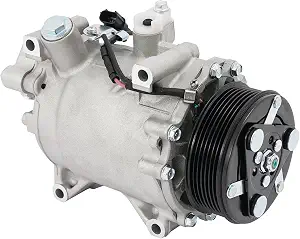 |
| Highest Rated A top-rated pick with lots of positive feedback | Autodevil A/C Compressor with Clutch for 2007–2011 CR‑V / 2007–2012 RDX |  |
| Most Popular A crowd favorite that many people choose with confidence | ECCPP AC Compressor with Clutch (TRSE09) for 2007–2014 Honda CR-V / 2007–2015 Honda Civic / 2007–2012 Acura RDX |  |
| Best Seller A high-volume bestseller chosen again and again | ILONPA AC Air Conditioning Compressor with Clutch for 2007–2014 Honda CR‑V (2.4L) / Acura RDX (2.3L) / 2012–2015 Civic Si (2.4L) |  |
1. HAYIAUTO TRSE09 A/C Compressor with Clutch (fits 2007–2011 Honda CR-V 2.4L)

| Compressor Type | TRSE09 |
|---|---|
| Refrigerant Type | R-134A |
| A/C Compressor Oil Type | PAG 46 |
| A/C Compressor Pulley Grooves | 7 |
This HAYIAUTO TRSE09 compressor is a one-piece aluminum replacement built to bring a failed CR-V air conditioning system back to life. It includes the compressor and clutch and is preconfigured for R-134a systems with a 7-groove pulley and PAG 46 oil type. In typical use it replaces the factory unit during an A/C overhaul or after a compressor failure; install requires evacuating and recharging the system and confirming the rest of the A/C components are sound. The unit is CNC-machined, tested to factory-quality dimensions, and uses upgraded seals and a reinforced housing intended to reduce vibration and leaks. That construction should deliver quieter operation and improved durability versus low-end reman parts. Important limitations are that it arrives without a detailed vehicle-specific oil charge or refrigerant, so a professional service visit is necessary for correct oil volume, vacuuming, and recharge. Also some buyers report variation in fit or finish with aftermarket compressors, so verify part numbers and clutch type before installation.
Best for: Buyers seeking a balanced, reliable replacement to restore factory cooling on a 2007–2011 CR-V who value a durable, tested compressor and plan to have the system professionally evacuated and recharged.
Less Ideal for: DIYers who want a plug-and-play, precharged assembly or owners planning to install without inspecting and servicing the rest of the A/C system.
- One-piece aluminum housing and CNC-machined components for improved durability and dimensional accuracy
- Includes compressor and clutch with 7-groove pulley for direct replacement of the factory unit
- Designed and tested to factory-quality dimensions with enhanced seals to reduce refrigerant leaks
- Engineered to run quietly with vibration-damping internal components
- Ships without a specified pre-charged refrigerant or verified oil volume for the vehicle, requiring professional service
- Aftermarket fitment can vary so part number and clutch compatibility must be double-checked before purchase
Verdict: A solid, factory-quality replacement compressor for 2007–2011 Honda CR-V 2.4L that prioritizes durability and quieter operation when installed and serviced correctly.
2. Denso A/C Compressor with Clutch (471-7056)

| Voltage | 28 Volts |
|---|---|
| Recommended Uses For Product | Air Conditioner |
| Noise | 14.4 Decibels |
| Included Components | A/C Compressor |
This Denso 471-7056 A/C compressor is a direct replacement designed to restore cooling in compatible Honda CR-V models. It includes the clutch assembly and arrives pre-filled with a small amount of oil so a trained technician can install and recharge the system quickly. In real-world use it performs like a factory-style compressor, providing reliable clutch engagement and consistent cooling when the system is charged and the rest of the A/C components are serviced. Notable features from the listing include a low reported noise level and factory-quality manufacturing that aims for a first-time fit. Practical benefits are straightforward: it returns cold air and avoids the expense of dealer-only parts while matching fitment for this vehicle family. Limitations to keep in mind are typical for aftermarket compressors — occasional units may be defective and installation requires proper oil balancing and system evacuation/recharge to avoid premature failure. Have plumbing O-rings and a fresh receiver/drier or accumulator changed when replacing the compressor to protect the new unit.
Best for: Buyers who prioritize restoring strong, factory-like A/C performance in 2007–2011 Honda CR-Vs and want a reliable replacement compressor that fits without modification.
Less Ideal for: If you need a budget temporary fix or expect to skip replacing other A/C components, this compressor is not the best choice; also avoid if you require universal or multi-vehicle compatibility.
- Vehicle-specific replacement intended for direct fit and easy swap with factory mounting points
- Delivered with factory-compatible oil charge to simplify installation prep
- Lower noise profile reported for smoother cabin operation
- Built by a reputable manufacturer known for factory-quality replacement parts
- Some buyers report rare defective units so professional testing after install may be needed
Verdict: Choose this Denso unit when you want a factory-quality, vehicle-specific compressor that restores strong, quiet A/C performance in 2007–2011 Honda CR-Vs.
3. YOMALL 4920AC Air Conditioning Compressor with Clutch

| Manufacturer | YOMALL |
|---|---|
| Part Number | YOMALL-4920AC-1 |
| Compressor Type | TRSE09 |
| Pulley Groove Quantity | 7 |
This YOMALL 4920AC compressor is a replacement unit intended to restore A/C function on compatible late-2000s Hondas and Acuras. It installs like a factory-style compressor and includes a 7-groove pulley and clutch to match common original equipment on affected CR-V and RDX models. In everyday use it pumps refrigerant efficiently, aiming for steady, quiet operation and reduced vibration compared with worn compressors. The listing highlights corrosion-resistant construction and precision manufacturing to help longevity under high-heat engine bay conditions. Buyers should plan professional installation and system evacuation and recharge, since the compressor ships without oil or refrigerant and proper fit depends on matching OE part numbers and mounting points. Overall it is a pragmatic replacement option for repairing a failed compressor when you want a drop-in style unit that mirrors factory function without upgrading the system.
Best for: Buyers looking for a cost-effective, factory-style compressor replacement to return a 2007–2011 CR-V air conditioning system to normal operation with minimal modification.
Less Ideal for: Those seeking an upgraded performance or modern efficiency retrofit for the A/C system or DIYers who want a plug-and-play kit that includes refrigerant and oils.
- Designed to replace common OEM part numbers for related Honda and Acura models
- Seven-groove pulley and matched clutch for direct mechanical fitment
- Built for quiet, low-vibration operation and improved refrigerant circulation
- Manufactured with materials and processes aimed at high-temperature durability
- Ships without refrigerant or installation fluids so system evacuation and recharge are required
- Compatibility depends on matching exact part numbers and vehicle side components which may need verification
Verdict: A practical, factory-style compressor replacement for restoring reliable A/C performance on affected late-2000s Honda CR-Vs.
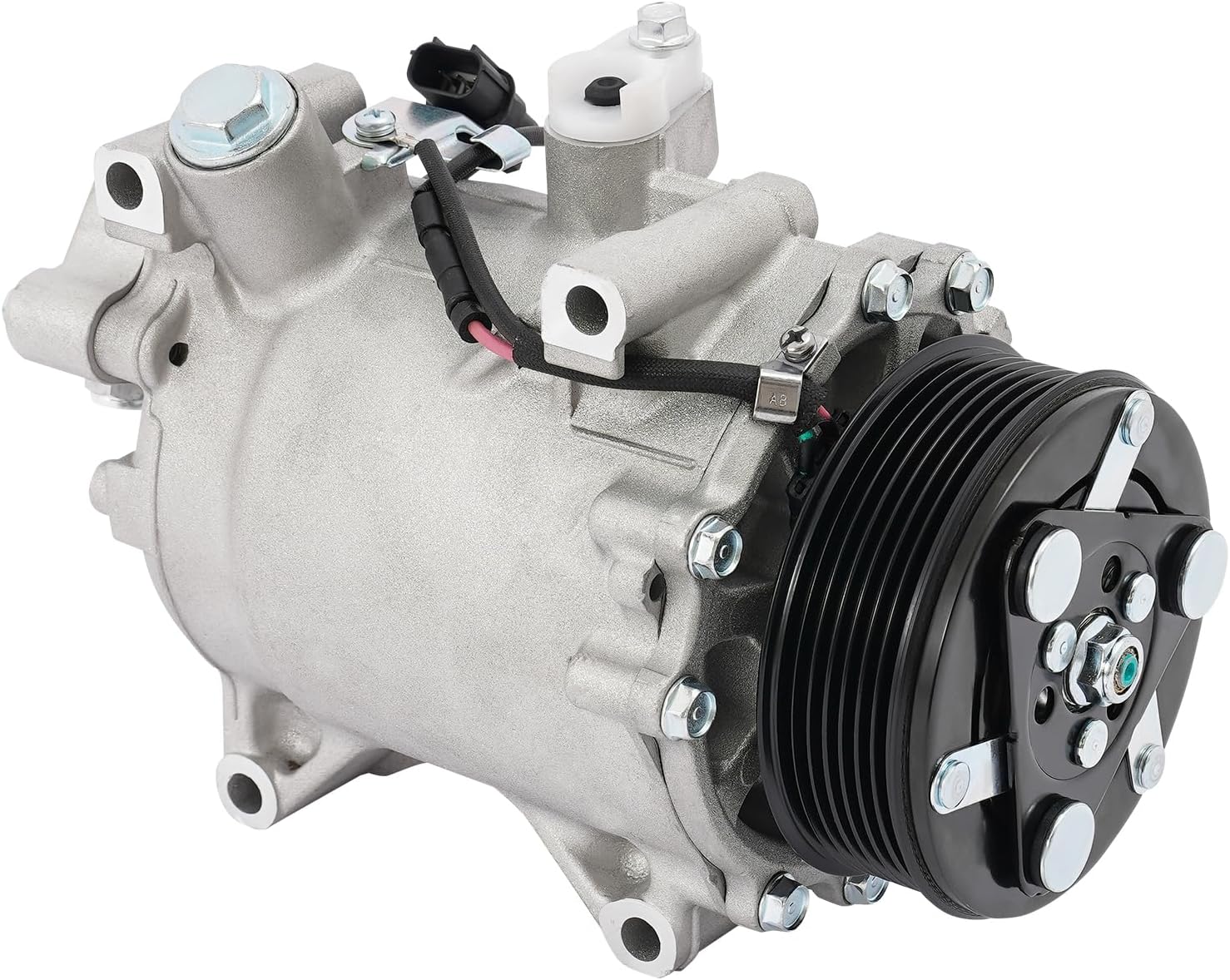
4. Jiabailie Air Conditioning Compressor for Honda CR-V and Compatible Models
| Brand Name | Jiabailie |
|---|---|
| Power Source | Battery Powered |
| Included Components | 1* Air Compressor |
| Model Name | PCP Air Compressor |
This Jiabailie air conditioning compressor is a factory-style replacement intended for selected Honda CR-V, Civic and Acura ILX/RDX models that use the Sanden-type compressor. It installs in place of the original unit and is used to restore the vehicle air conditioning system so the car blows cold again after a failed compressor. The listing highlights compatibility with 2007–2015 CR-V 2.4L, 2012–2014 Civic 2.4L, 2007–2012 RDX 2.3L and 2013–2015 ILX 2.4L and references several OEM part numbers it replaces. Practical benefits include matching factory specifications for fit and function and being built with materials aimed at durability. Buyers should clean the A/C system and confirm condenser and fan function before installation to avoid damaging the new compressor. Expect a do-it-yourself or shop replacement process; the unit does not include refrigerant, oil fill details, or installation hardware so those must be addressed separately.
Best for: Buyers looking for a budget-friendly replacement compressor to restore A/C cooling on the specified Honda and Acura models who prioritize a direct-fit, factory-style swap over premium aftermarket performance.
Less Ideal for: People who want a fully turnkey kit with refrigerant charging, hoses, or hardware included or who need a compressor engineered for higher performance or modified vehicles.
- Direct-fit replacement for specified Honda and Acura Sanden-type applications
- Built to match original factory specifications for fit and basic reliability
- Replaces multiple OEM part numbers so it is easy to cross-reference compatibility
- Does not include refrigerant, oil quantity instructions, or installation hardware in the package
Verdict: A cost-conscious direct-replacement compressor that restores factory-style air conditioning performance for the listed Honda and Acura Sanden applications.
5. Autodevil A/C Compressor with Clutch for 2007–2011 CR‑V / 2007–2012 RDX

| Compatible Models | 2007–2011 CR‑V, 2007–2012 RDX |
|---|---|
| Compressor Type | Belt Driven |
| Material | Aluminum Alloy |
| Pulley Groove Quantity | 7 |
| Prefilled with Oil | Yes |
This Autodevil compressor is a factory-replacement style unit intended to restore air conditioning on 2007–2011 CR‑V and compatible RDX models. It ships prefilled with oil, includes the clutch, and matches OEM mounting and pulley groove count so installation and belt alignment are straightforward for a professional installer. In use it compresses and circulates refrigerant reliably and several owners report noticeably improved cooling and quiet operation after replacement. The unit is aluminum alloy and belt driven, which helps reduce weight and improves heat dissipation compared with heavier cast designs. On the downside there are some reports of clutch coil and amperage issues on a few installs, so double-check electrical compatibility and fuse rating during installation and expect typical HVAC service tools and refrigerant handling. For buyers prioritizing a like-for-like replacement that restores cooling performance without modifying other components, this compressor is a practical choice.
Best for: Buyers who need a reliable, ready-to-install replacement compressor to restore factory cooling in a 2007–2011 CR‑V and who prefer a cost-effective option that closely matches original fit and function.
Less Ideal for: People looking for a performance upgrade, rebuilt core exchange, or a compressor for different vehicle models should consider other specialized options.
- Direct-replacement fit for 2007–2011 CR‑V and 2007–2012 RDX models
- Prefilled with oil and includes clutch for faster installation
- Aluminum alloy, belt-driven design for good heat dissipation and lighter weight
- Matches original pulley groove count for proper belt alignment
- Some users reported clutch coil electrical or amperage failures on a minority of units
Verdict: A straightforward, factory-style replacement compressor that restores strong cooling and fits CR‑V/RDX applications without extra modification.
6. ECCPP AC Compressor with Clutch (TRSE09) for 2007–2014 Honda CR-V / 2007–2015 Honda Civic / 2007–2012 Acura RDX

| Compressor type | TRSE09 |
|---|---|
| Internal oil content | 130ml |
| Pulley grooves | 7 |
| Oil type | PAG46 |
| Noise | 72 Decibels |
This ECCPP AC compressor is a complete replacement unit that arrives pre-filled with oil and includes the clutch, making it ready for installation on compatible vehicles. It is a TRSE09-style compressor pitched to fit 2007–2014 Honda CR-V, 2007–2015 Civic (2.4L), and 2007–2012 Acura RDX applications and is pressure tested for leaks at the factory. In use you can expect strong cooling capability and relatively low vibration with a claimed noise level under 72 dB. The aluminum housing and factory lubrication mean the unit is built to handle highway and daily-driving duty without immediate servicing. Important practical points are clear: have the rest of the A/C system flushed and inspected before fitting, and use a professional installer if you are not familiar with A/C work because debris or incorrect installation can quickly damage the compressor or clutch. For buyers influenced by other users, the model has reasonable review history and matches factory-style replacement expectations but may not match OEM fitment nuances in every case.
Best for: Buyers who want a ready-to-install, factory-style replacement compressor that restores A/C cooling in the listed CR-V and related 2.3–2.4L vehicles and who prioritize proven fitment and real-world performance over brand-new OEM sourcing.
Less Ideal for: People looking for an exact OEM-branded unit or a do-it-yourselfer without experience in A/C system flushing and refrigerant service should consider alternatives or professional help.
- Includes compressor and clutch and ships pre-filled with factory lubricant
- Pressure tested for leaks and designed for low vibration and quieter operation
- Aluminum body construction intended for durable, long-term use
- Claims compatibility with specific 2007–2014 CR-V and related 2.3–2.4L applications
- Requires professional installation and a clean A/C system to avoid premature failure
Verdict: A complete, pre-filled TRSE09 replacement compressor built to restore reliable cooling for the specified 2007–2014 CR-V and related 2.3–2.4L models with minimal extra prep work.
7. ILONPA AC Air Conditioning Compressor with Clutch for 2007–2014 Honda CR‑V (2.4L) / Acura RDX (2.3L) / 2012–2015 Civic Si (2.4L)

| Compatible engines | 2.3L–2.4L models listed |
|---|---|
| Oil type | PAG 100 |
| Oil prefilled | 120±10ML |
| Pulley grooves | 7 |
| Pulley diameter | 106 mm |
This ILONPA compressor is a full replacement unit that includes the clutch and comes prefilled with PAG 100 oil, so it is ready to drop in for the compatible Honda CR‑V, Acura RDX, and Civic Si models listed. Typical use is as a direct swap when a factory compressor or clutch has failed; buyers will usually have a shop evacuate and recharge the system unless they have HVAC tools. The unit uses a seven‑groove pulley and a 106 mm pulley diameter, and the seller notes it contains roughly 120 ml of oil. Construction from aluminum alloy and the preinstalled clutch reduce installation steps compared with rebuilding a core. Customer reports show straightforward fitment on 2007–2011 CR‑V examples and consistent cooling performance. Be aware that some installs may require transferring the original electrical connector or clutch depending on vehicle trim, and professional evacuation and commissioning are recommended. For a buyer who wants a lower‑cost, fully assembled replacement rather than sourcing parts separately, this offers a practical balance of value and simplicity.
Best for: Buyers who prefer a ready‑to‑install replacement that minimizes parts sourcing and want a practical, lower‑risk repair option to restore cold air on the specified 2007–2014 CR‑V and related models.
Less Ideal for: People who want a factory dealer compressor, exact OEM part traceability, or who plan to rebuild the original unit to preserve original components should consider other options.
- Supplied prefilled with PAG 100 oil (about 120±10 ml) so no oil top‑up is required before installation
- Includes compressor clutch and mounting hardware for a mostly complete replacement
- Aluminum alloy construction aimed at lower noise, reduced vibration, and durability
- Seven‑groove pulley and specified 106 mm diameter match factory belt configurations listed
- May require transferring the original electrical connector or clutch in some trims
- Professional evacuation and recharge of the AC system are recommended after installation
Verdict: A mostly complete, prefilled replacement compressor that gives risk‑averse owners an affordable, straightforward way to restore reliable AC performance on the specified Honda CR‑V and similar models.
Choosing the Right 2007-2011 Honda CR-V AC Compressor: Key Factors to Consider
Exact Fitment and Porting
Correct physical fitment is the single most important factor when selecting a replacement compressor for this CR-V. The compressor must match the vehicle's mounting points, refrigerant line port positions, and electrical connector location to avoid costly modifications. Even small differences in port orientation or mounting ear spacing can necessitate adapter hoses or bracket work, which adds labor and potential leak points.
Porting and internal displacement also influence how the compressor integrates with the rest of the AC system. Using a compressor with the same port sizes and flow characteristics helps maintain proper refrigerant charge and system pressures. For a 2007–2011 Honda CR-V, verifying OEM-equivalent port layout eliminates guesswork during installation and ensures the system operates within the designed parameters.
Clutch Compatibility and Engagement
The compressor clutch controls when the unit engages and must be compatible with the CR-V's electrical system and pulley alignment. A clutch with improper air gap, engagement torque, or electrical connector type can lead to erratic operation, premature wear, or electrical faults. Confirming that the replacement clutch matches the original in terms of pulley diameter and engagement characteristics reduces the risk of belt misalignment and slippage.
Clutch engagement also affects cabin comfort. A clutch that engages too slowly or intermittently will cause delayed cooling or pulsed operation. Look for compressors that specify matching clutch stroke and torque specifications so the compressor engages smoothly with the CR-V's existing wiring and control systems.
Bearing and Internal Component Durability
Bearings and internal valve components determine how long a compressor will last under normal driving conditions. Higher-quality bearings and better internal machining reduce vibration, heat generation, and wear over time. For a vehicle like the 2007–2011 CR-V, which may rack up many miles, choosing a compressor with proven internal durability minimizes the likelihood of a premature failure that would require repeating the repair.
Consider service life expectations and any published RPM or duty-cycle ratings. Compressors designed to withstand frequent city driving cycles and longer idle times are preferable because stop-and-go traffic can accelerate wear. Longer-lasting internals also help protect other AC system parts by maintaining consistent pressures and preventing contaminant generation.
Seals, O-Rings, and Leak Resistance
Refrigerant leaks are a common reason AC repairs recur. The quality of seals and O-rings used in a compressor directly affects leak resistance. Materials that are compatible with R-134a refrigerant and the compressor oil used in the CR-V will swell and seal correctly without degrading under thermal stress. Poor-quality seals can harden or crack, causing refrigerant loss and moisture ingress that damage the system.
Look for compressors that include high-quality replacement seals and specify compatibility with the CR-V's refrigerant type. Proper sealing reduces the chance of oil loss as well, which is critical because insufficient lubrication will accelerate internal wear and risk total compressor failure.
Noise and Vibration Characteristics
Excessive noise or vibration from a replacement compressor indicates misalignment, poor internal tolerances, or low-quality bearings. For daily driving comfort in the CR-V, a compressor that operates quietly helps maintain a pleasant cabin environment and signals proper operation. Manufacturers that publish NVH characteristics or that use improved damping features typically produce compressors with lower operating noise.
Consider reviews or specifications mentioning clutch engagement smoothness, pulley balance, and bearing insulation. Even small reductions in vibration can extend the life of drive belts and reduce stress on mounting brackets, making quieter compressors a practical long-term choice for this vehicle.
Warranty and Support Documentation
A solid warranty and clear installation documentation are important for owners managing a repair. Warranties that cover a reasonable mileage or time period provide confidence that the unit should last under normal use. Clear installation guides, included O-rings, or torque specs reduce the risk of installation errors that cause early failures.
For the 2007–2011 CR-V, documentation that lists wiring diagrams, clutch air gap specs, and refrigerant oil charge recommendations is especially helpful. Good support materials lower the chances of improper installation and help technicians or DIYers complete the job correctly the first time.
Common Symptoms of Compressor Problems
Recognizing the most frequent signs of compressor trouble helps you diagnose whether the unit is the likely culprit. Warm air from the vents despite a functioning blower, intermittent cooling, or a system that cycles on and off can all point to compressor issues. Some symptoms are mechanical while others are electrical, so understanding what you are hearing and feeling is valuable.
Specific symptoms include unusual noises when the AC is running, such as grinding, squealing, or a rhythmic clicking that changes with engine speed. You may also notice reduced airflow strength when the compressor fails to maintain system pressure. Monitoring these symptoms early often prevents greater damage to the rest of the air conditioning system.
- Warm or no-cool air with compressor cycling
- Squealing or grinding noises from the front of the engine
- Intermittent compressor engagement or failure to engage
- Oil residue or refrigerant dye around line connections
Diagnosing Compressor Vs. System Issues
Not every AC problem is the compressor. Low refrigerant charge, clogged condensers, or a faulty pressure sensor can mimic compressor failure. Use pressure gauges to check high- and low-side pressures while the system runs to see if the compressor is building pressure. A compressor that runs but produces near-equalized pressures on both sides likely has internal loss of displacement or a failed valve.
Electrical diagnosis is also important. Confirm that the compressor clutch receives proper voltage and that the relay and fuses are intact. If the clutch engages but cooling is poor, internal mechanical failure is more probable. If the clutch never engages, focus first on the electrical control circuit before replacing the compressor.
- Use manifold gauges to check system pressures
- Inspect clutch engagement while the system is commanded on
- Check for electrical continuity and proper voltage at the clutch connector
- Look for visible oil or dye to identify leaks
Preparing for a Replacement Job
Proper preparation reduces time in the garage and helps ensure a successful repair. Before removing the old compressor, recover refrigerant following environmental regulations and note the amount recovered. When you remove the unit, cap the lines to prevent contamination and check the system for debris using a filter dryer or inspection lamp.
Plan to replace related wear items while the system is open. Common accompanying parts include the receiver-drier or accumulator, expansion device, and O-rings on the refrigerant connections. Flushing the lines may be necessary if the old compressor failed catastrophically and sent metal debris into the system. Having the correct torque tools and a service manual for the 2007–2011 CR-V simplifies the process.
- Recover refrigerant per regulations
- Replace receiver-drier or accumulator when accessible
- Replace O-rings with refrigerant-compatible materials
- Inspect for metal debris and flush if necessary
Installation Tips to Avoid Common Pitfalls
During installation, verify pulley alignment and belt tension to prevent premature belt wear or slippage. Ensure electrical connectors seat fully and that the clutch air gap is set to manufacturer specification. Incorrect air gap alters clutch engagement and can produce heat or noise issues shortly after installation.
Use the recommended type and amount of compressor oil and charge the system to the proper refrigerant level. After assembly, evacuate the system for the required time to remove moisture and then perform a controlled refrigerant charge while monitoring pressures. Finally, test the system at idle and during a brief road test to confirm stable operation and listen for any unusual noises.
- Check pulley alignment before belt installation
- Set clutch air gap to specification
- Use correct compressor oil type and fill quantity
- Evacuate and leak-test before charging refrigerant
When to Replace Other AC Components Too
If the compressor failed due to internal contamination, other components are at risk. The receiver-drier or accumulator captures moisture and debris, so replacing it during compressor replacement is often prudent. The expansion device and condenser should be inspected for blockages or corrosion that could have contributed to high system pressures and compressor overload.
Replacing ancillary parts while the system is open saves labor and reduces the chance of early repeat failures. Simple checks like measuring condenser airflow, inspecting fins for damage, and verifying the expansion device moves freely can inform whether additional parts should be replaced.
- Replace receiver-drier or accumulator with compressor service
- Inspect condenser for blockages or damage
- Check expansion device for proper operation
- Consider flushing lines if metal debris is present
Maintaining AC Performance After Replacement
Regular maintenance keeps the new compressor operating as intended. Periodically check belts, electrical connections, and refrigerant charge during routine service intervals. Catching a small leak early avoids long-term lubricant loss and potential internal damage.
If your CR-V spends time in dusty or coastal environments, inspect the condenser and cooling fans more frequently. Keeping the condenser clear of debris improves heat rejection and reduces compressor workload, which contributes to longer compressor life and steadier cooling performance.
- Inspect belts and tension regularly
- Check refrigerant charge annually or when performance drops
- Keep condenser fins clean and unobstructed
- Listen for new noises after winter storage or periods of disuse
Still looking for the perfect fit?
Select your Honda CR-V configuration to see the most relevant AC Compressors recommendations
How We Chose the Best 2007-2011 Honda CR-V AC Compressor
We focused on criteria that directly affect longevity, system reliability, and installation for the 2007–2011 Honda CR-V. Fitment and factory-equivalent porting were primary filters because mismatched ports, pulley offsets, or mounting points create installation headaches and can stress the system. Durability and internal component quality were assessed through specification checks such as clutch engagement ratings, bearing life expectations, and whether the compressor uses modern refrigerant-compatible materials. Sealing and leak resistance were another key filter: compressors with improved gasket and O-ring specifications reduce the likelihood of refrigerant loss and moisture intrusion. Ease of installation and compatibility with the CR-V electrical connector and belt configuration influenced selections to minimize modification needs. Noise and vibration characteristics were evaluated using published sound and vibration spec information where available. We excluded units with unclear fitment data, non-compatible porting for the 2007–2011 CR-V, or compressors that required major modification to the mounting or drive system. Final choices prioritized components that strike a balance between reliable operation, straightforward installation, and longevity under normal driving conditions.
Our full evaluation process is outlined in our review methodology.
FAQ
What are common car AC compressor symptoms on a 2007–2011 CR-V?
Common symptoms include warm air from the vents, intermittent cooling, squealing or grinding noises from the front of the engine, and visible oil near refrigerant line connections. Electrical issues like a clutch that fails to engage can also indicate compressor problems.
Can I run the CR-V with a failing compressor temporarily?
Running the vehicle briefly is often possible, but continuing to operate a compressor that is seizing or leaking risks debris circulating through the system or rapid lubricant loss. Address the issue promptly to avoid more extensive repairs.
How do I tell if the clutch or the compressor internals are at fault?
If the clutch receives voltage but the compressor shaft does not turn or pressures remain equalized, the internals may be failing. If the clutch never receives voltage or does not engage when energized, the issue may be electrical or the clutch assembly itself.
Should I replace the receiver-drier when changing the compressor?
It is usually recommended to replace the receiver-drier or accumulator during compressor replacement. The drier removes moisture and debris that can damage the new compressor, and replacing it reduces the risk of contaminant-related failures.
What does car AC compressor noise indicate after installation?
Post-installation noise can indicate pulley misalignment, incorrect clutch air gap, or bearing issues. Double-check alignment and air gap specs if unusual noise appears soon after installation.
How long should a properly installed replacement compressor last in this CR-V?
Longevity depends on driving conditions and maintenance, but a properly installed compressor with correct oil charge and leak-free seals typically lasts several years under normal use. Regular inspections and addressing small leaks early help extend service life.
Final Verdict
When replacing the AC compressor in a 2007–2011 Honda CR-V, prioritize exact fitment, clutch compatibility, and high-quality seals to restore reliable cooling and avoid repeat repairs. Balance durability and noise characteristics with ease of installation so the repair does not introduce new issues. Focus on a compressor that matches porting and mounting for this vehicle, includes compatible seals, and provides clear installation specs. That approach reduces labor, lowers the risk of contaminant-related failures, and delivers steady cabin comfort for the long term.
Explore More:
- Check out all Honda CR-V parts & accessories
- Explore AC Compressors Maintenance & Repair Guides
- Explore HVAC
- Browse all Auto Parts
