

Note: This article contains affiliate links. If you click on these links and make a purchase, I may earn a small commission at no extra cost to you. This helps support my research and content. Read my full affiliate disclosure here.
If your Ford Explorer is showing vibration, wheel noise, or uneven tire wear, replacing the rear wheel hub assembly can restore handling and safety. You need an assembly that fits correctly, provides reliable bearing performance, and meets the torque and installation needs of the vehicle.This guide shortlists the seven best rear wheel hub assemblies for Ford Explorer owners, focusing on durability, fitment accuracy, and noise reduction. Below we explain the evaluation criteria and what to expect from each shortlisted option before you inspect product details or plan installation.
Looking for other parts? See all Ford Explorer parts & accessories.
Top Picks at a Glance
| Best Overall The best all-around choice for most situations | Detroit Axle Wheel Hub and Bearing Assembly Kit (pair) for Ford Explorer 2011–2019 | 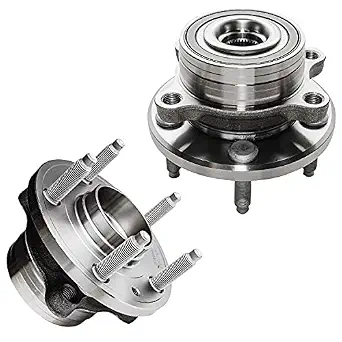 |
| Best Value The sweet spot between price and what you get | Nilight Wheel Bearing and Hub Assembly 512460 (2-Pack) |  |
| Best Budget The cheapest option that still gets the job done reliably | AFA Motors 512460 Wheel Hub and Bearing Assembly (Front/Rear, 5-Lug) |  |
| Highest Rated A top-rated pick with lots of positive feedback | TRQ Wheel Bearing and Hub Assembly, Direct-Fit |  |
| Most Popular A crowd favorite that many people choose with confidence | Detroit Axle Front and Rear Wheel Bearing Hub Kit for 2006–2010 Ford Explorer and Mercury Mountaineer |  |
| Best Seller A high-volume bestseller chosen again and again | KUSATEC 512460 Wheel Bearing and Hub Assembly |  |
1. Detroit Axle Wheel Hub and Bearing Assembly Kit (pair) for Ford Explorer 2011–2019

| Bearing Number | 512460 |
|---|---|
| Bearing Type | Ball Bearing |
| Unit Count | 2.0 Count |
| Material Type | Alloy Steel |
This Detroit Axle kit supplies two complete wheel hub and bearing assemblies intended as direct replacements for the Ford Explorer (and Police Interceptor Utility) model years listed. Each assembly comes preassembled with a magnetic ABS ring and five-lug flange so installation is mostly bolt-on for technicians or experienced DIYers removing the old hub. The brand highlights high-frequency quenching and bearing-grade alloy steel for improved wear and corrosion resistance, and the assemblies are built to factory-style fit and function. In real-world use the main benefits are simplified installation compared with pressed-in bearings, consistent ABS sensor compatibility, and a robust construction meant for daily driving and light towing. Limitations to note are that this is an aftermarket remanufactured-style replacement rather than a factory-branded part and longevity can depend on installation quality and driving conditions. Buyers should also confirm exact fit for the vehicle trim and year before starting work.
Best for: Buyers who want a balanced replacement that combines ease of installation, factory-style fit, and durable materials for regular driving and occasional heavy use.
Less Ideal for: Drivers seeking an original factory-branded hub for fleet-level service or those who prefer professional remanufacturing shops to supply and install parts should look elsewhere.
- Sold as a matched pair for front or rear replacement, ensuring consistent wear characteristics
- Preassembled hub and bearing reduces labor compared with standalone bearings and races
- Includes magnetic ABS ring for direct compatibility with factory ABS systems
- Manufactured from alloy steel with heat treatment for improved wear and corrosion resistance
- Aftermarket replacement rather than factory-branded unit, so long-term durability can vary by use and installation
Verdict: A practical, factory-style paired hub assembly that simplifies replacement and restores ABS-compatible wheel function for Explorer owners seeking a reliable all-round option.
2. Nilight Wheel Bearing and Hub Assembly 512460 (2-Pack)

| Position | Front or Rear |
|---|---|
| Speed Sensor Included | Yes |
| Wheel Stud Quantity | 5-Lug |
| Pre-Greased | Yes |
| Material Type | Alloy Steel |
This Nilight 512460 hub and bearing kit supplies two pre-greased assemblies that replace front or rear hubs on compatible Ford Explorers and Police Interceptor Utility vehicles. Each assembly includes a 5-lug flange and a sealed bearing meant for high-speed operation, and Nilight says the parts are forged for corrosion resistance and tested for precision fit. In practice the pre-greased bearings save installation time and the integrated seal reduces maintenance needs, while the included speed-sensor-ready design (confirm sensor requirement for your vehicle) keeps compatibility with ABS systems. Expect improved wheel stability and reduced vibration when the original hubs are worn. Limitations to note are that this is a direct hub assembly replacement rather than an upgraded performance unit, and exact fit depends on matching the 512460 reference to your vehicle; professional installation is recommended if you are not experienced with hub replacement. The two-pack is convenient if you plan to service both sides at once.
Best for: Buyers who want a practical, ready-to-install replacement to restore factory-like wheel stability and avoid extra prep work when servicing a compatible Ford Explorer or Police Interceptor Utility.
Less Ideal for: Drivers seeking heavy-duty, off-road, or performance-oriented hub upgrades should consider specialty or OEM-plus options instead.
- Pre-greased assemblies reduce prep time and initial maintenance.
- Designed to fit front or rear positions for the specified Ford Explorer and Police Interceptor Utility years.
- Sealed bearing and forged construction aimed at corrosion resistance and long service life.
- Includes 5-lug flange compatible with factory wheel studs and helps restore driving stability.
- Not marketed as a performance or heavy-duty upgrade compared with higher-end aftermarket hubs.
Verdict: A no-frills, pre-greased two-pack hub assembly that restores stability and saves installation time on the specified Ford Explorer and Police Interceptor Utility model years.
3. AFA Motors 512460 Wheel Hub and Bearing Assembly (Front/Rear, 5-Lug)

| Position | Front or Rear |
|---|---|
| Lugs | 5 Bolt |
| ABS Type | Sensor Wire |
| Material Type | Alloy Steel |
This wheel hub and bearing assembly is a direct replacement unit for the front or rear 5-lug hubs on specified Ford Explorer and Police Interceptor Utility years. It arrives as a complete hub with integrated ball bearing and ABS sensor wire provision, so installation replaces the entire worn assembly rather than rebuilding the bearing alone. The unit is made from alloy steel with a corrosion-resistant coating on the studs and quad-lip seals to keep out dirt and moisture, which helps reduce noise and extend service life. Typical use is a factory-style repair when a noisy, loose, or failing hub needs swapping; the included sensor wire and flange pattern match factory mounting points for a straightforward bolt-in fit. Limitations are that fitment is specific to the listed Explorer/Interceptor years and it does not include additional hardware beyond the single hub, so retaining or reusing some fasteners may be necessary. For a cost-focused repair this assembly offers a practical, factory-style replacement.
Best for: Buyers looking for an affordable, direct-replacement hub to restore a Ford Explorer or Police Interceptor Utility to factory-like function without paying for dealer parts or a full bearing service.
Less Ideal for: Users seeking a performance or heavy-duty upgrade for off-road or towing use should consider premium or heavy-duty aftermarket hubs instead.
- Complete hub-and-bearing unit simplifies replacement and avoids bearing press work
- Corrosion-resistant coating on studs helps maintain torque and prevent rust
- Quad-lip seals and grease-compatible bearing reduce contamination and operating noise
- Includes provision for ABS sensor wire for plug-and-play fit with factory wiring
- Sold as a single hub so buyers replacing both sides must purchase two units
Verdict: A practical, budget-friendly factory-style replacement hub for restoring quiet, reliable wheel performance on supported Ford Explorer and Police Interceptor Utility models.
4. TRQ Wheel Bearing and Hub Assembly, Direct-Fit

| Bearing Type | Ball Bearing |
|---|---|
| Material Type | Alloy Steel |
| Included Components | Wheel Bearing & Hub Assembly |
| Wheel Stud Quantity | 5 |
This TRQ wheel bearing and hub assembly is a pre-assembled, direct-fit replacement intended for Ford Explorer and Police Interceptor Utility applications from the stated model years. It combines a ball-type bearing with an alloy steel hub and comes with wheel studs installed, so it cuts installation time compared with separate components. Typical use is straightforward: remove the worn hub, bolt this unit in, and torque to factory specifications; TRQ also provides installation videos to help DIYers. The product aims to reduce noise and vibration and restore wheel stability by matching factory mounting points and spline count. Notable limitations are that flange bolts and the ABS sensor are not included, so you may need to transfer original hardware or source replacements. Also this assembly does not include an ABS sensor or tone ring, so vehicles that require those exact components need verification before purchase. For reliability-focused buyers this hub assembly offers a practical, factory-style replacement that simplifies installation while restoring original handling characteristics.
Best for: Buyers who prioritize a dependable, factory-style replacement to restore wheel stability and reduce noise while minimizing installation hassle.
Less Ideal for: Drivers who need a hub with an integrated ABS sensor or who prefer a hub kit that includes all flange hardware and sensors.
- Pre-assembled direct-fit design reduces installation time and complexity
- Alloy steel construction with ball bearing intended to restore stability and reduce vibration
- Includes wheel studs for straightforward mounting
- Manufacturer provides installation videos to guide DIY repairs
- Flange bolts and ABS sensor are not included, requiring reuse or separate purchase
- Not suitable if your vehicle needs an integrated ABS tone ring or sensor in the hub
Verdict: A reliable, pre-assembled direct-fit hub that simplifies repairs and restores factory-like wheel stability for a focused, reliability-first replacement.
5. Detroit Axle Front and Rear Wheel Bearing Hub Kit for 2006–2010 Ford Explorer and Mercury Mountaineer

| Fitment | 2006–2010 Ford Explorer (4-door), 2007–2010 Explorer Sport Trac, 2006–2010 Mercury Mountaineer |
|---|---|
| Kit contents | 2x Front hub assemblies, 2x Rear hub assemblies |
| Lug pattern | 5-bolt |
| Front ABS | Front hubs with sensor wire |
| Bearing type | Ball Bearing |
This Detroit Axle kit supplies two front and two rear wheel bearing hub assemblies intended to replace worn or damaged hubs on 2006–2010 Ford Explorer (4-door), Explorer Sport Trac, and Mercury Mountaineer models. Each front assembly includes a sensor wire for ABS and a 3-bolt triangular flange while the rear hubs are non-ABS with 5-bolt lugs. The hubs are described as made from premium bearing steel with high-frequency quenching and ISO 9001 production controls, which suggests improved wear resistance and consistent fit compared with generic bearings. Installation is typical of hub replacements and the assemblies arrive as complete units so you avoid pressing bearings in and out. Limitations are that rear hubs lack ABS sensors and you should confirm exact fit by matching part numbers and lug pattern before installation. For drivers who want full front-and-rear coverage in one purchase and prefer ready-to-install assemblies, this kit simplifies a multi-hub job and leans toward durable, factory-style performance.
Best for: Buyers who value proven fitment and want a single kit to replace all four hubs on the specified Ford Explorer/Mountaineer models and who prioritize assemblies that are ready to install.
Less Ideal for: Do not choose this kit if you need ABS-equipped rear hubs or are repairing a different vehicle; specialty or performance hub needs are better served by other parts.
- Complete kit includes both front and rear hub assemblies so you can replace all four hubs in one job
- Front hubs include ABS sensor wiring for easy connection to factory systems
- Made with high-frequency quenching and premium bearing steel for improved wear resistance
- Arrives as full assemblies so no bearing press is required during installation
- Rear hubs are non-ABS which may require sensor swaps or separate ABS-capable parts for some vehicles
Verdict: If you need a factory-style, ready-to-install set to replace all four wheel hubs on 2006–2010 Explorer/Mountaineer models, this Detroit Axle kit is a convenient, durable option.
6. KUSATEC 512460 Wheel Bearing and Hub Assembly

| Compatible vehicles | Ford Explorer 2011-2018, Police Interceptor Utility 2013-2018 |
|---|---|
| Position | Front or Rear |
| Flange bolt holes | 4 |
| Flange bolt thread size | 1/2-20 |
| Lug count | 5 with ABS |
This KUSATEC 512460 wheel bearing and hub assembly replaces the hub and bearing in the front or rear of compatible Ford Explorers and Police Interceptor Utility vehicles. It is supplied ready to install with a 5-lug flange and ABS provision and is intended as a direct replacement for worn or noisy hubs. In real-world use the unit offers a protective coating on the hub bolts to resist corrosion and a reinforced seal to reduce road noise and vibration. Installation is straightforward for a competent DIYer or a shop since it mirrors factory fitment and bolt pattern. The part is sold as a single assembly so you can replace only the damaged side. Limitations to consider are that compatibility is limited to the specified model years and the listing does not include wheel studs or additional hardware beyond the hub assembly, so verify your vehicle fit and any reused fasteners before installation.
Best for: Buyers who want a straightforward, factory-style replacement hub for a Ford Explorer or Police Interceptor Utility from 2011 to 2018 and prefer a part that emphasizes corrosion protection and serviceability.
Less Ideal for: Drivers seeking a heavy-duty or performance-oriented upgrade for towing or off-road use should consider specialty hubs designed for those demands.
- Direct-fit design for front or rear positions on listed vehicle years, matching factory bolt pattern and ABS tone ring
- Protective coating on hub bolts reduces corrosion and makes wheel nut tightening easier
- Improved seal design aimed at lowering noise and vibration compared with worn hubs
- Factory-quality inspection claimed by the manufacturer for consistent fit and operation
- Sold as a single hub assembly so matching side or full-axle replacement requires buying additional units
- Does not list included wheel studs or extra fasteners, so some installations may need supplemental parts
Verdict: Choose this hub assembly if you need a direct-fit, factory-style replacement for a 2011–2018 Ford Explorer or 2013–2018 Police Interceptor Utility and want corrosion-resistant hardware and improved sealing for quieter operation.
Choosing the Right Ford Explorer Rear Wheel Hub Assembly: Key Factors to Consider
Fitment and Compatibility
Correct fitment is the single most important factor when choosing a rear wheel hub assembly for a Ford Explorer. The hub must match the vehicle's mounting bolt pattern, flange dimensions, and ABS tone ring placement so it seats flush and aligns the wheel correctly. Mismatched fitment can cause wheel vibration, ABS errors, uneven tire wear, and premature bearing failure.
Verify documented compatibility with the Explorer year range and model configuration you own. Pay attention to whether the assembly is described as a direct bolt-on replacement or if additional machining or bearing presses are required. Clear fitment information shortens repair time and reduces the risk of returns or rework.
Bearing Quality and Load Rating
Bearing construction directly affects service life and how the hub handles vehicle weight, impacts, and towing. Look for assemblies that specify bearing type, material hardness, and load rating. Higher-quality bearings typically use precision-graded steel, tighter tolerances, and effective preloading to resist play under load.
A hub with an appropriate load rating prevents premature wear when the Explorer is used for heavy cargo or frequent highway driving. Consider the driving style and expected loads when prioritizing bearing durability over cost.
Seals, Lubrication, and Contamination Protection
Seals and lubrication method determine how well the hub resists water, salt, and road debris. Effective lip seals and shielded bearing designs keep grease in and contaminants out. Assemblies that arrive pre-packed with manufacturer-grade grease and durable seals reduce the chance of early failure.
If you regularly drive in wet or salty conditions, prioritize hubs with robust sealing and corrosion-resistant finishes. Proper protection extends bearing life and lowers the likelihood of emergency roadside repairs.
ABS and Sensor Compatibility
Many Ford Explorer rear hubs integrate an ABS tone ring or are designed to work with the vehicle's wheel speed sensor system. Compatibility with the ABS system is crucial to avoid diagnostic trouble codes and maintain stability control functionality.
Confirm whether the hub includes an integrated tone ring or requires transferring the original ring, and whether any additional alignment or calibration is needed after installation. Sensor mismatches can lead to braking anomalies or warning lights that require diagnostic attention.
Noise, Vibration, and Harshness (NVH) Performance
NVH characteristics reflect how the hub affects ride comfort and perceived mechanical health. A well-built hub minimizes grinding, humming, and vibration transmitted through the chassis. Construction factors that reduce NVH include tight bearing tolerances, preloaded assemblies, and balanced flange design.
If you are sensitive to road noise or maintain a high-mileage Explorer, prioritize hubs with explicit NVH design features. Reduced noise often correlates with smoother bearing operation and longer service intervals.
Installation Ease and Serviceability
Installation considerations influence labor time and cost when replacing a rear hub assembly. Bolt-on assemblies that come pre-assembled with bearings, studs, and seals simplify the job and often do not require bearing presses. Other units may require specialized tools or additional steps like transferring tone rings.
Look for clear installation guidance, available torque specifications, and whether the hub accepts the stock wheel studs. Choosing a hub that suits your mechanical comfort level can make the repair faster and reduce the chance of installation errors.
Common Symptoms of a Failing Rear Hub
Recognizing hub failure early helps prevent more extensive damage. Typical signs on a Ford Explorer include a grinding or humming noise from the rear that changes with vehicle speed, noticeable wheel play when the car is lifted, and uneven or rapid tire wear. Noise that worsens during turns often points to bearing wear rather than brakes or tires.
Other indicators include intermittent ABS warning lights if the tone ring or sensor signal is disrupted. Pay attention to vibration through the steering wheel or rear of the vehicle at highway speeds. Early attention preserves wheel bearing life and reduces the chance of sudden failures.
- Grinding or humming that varies with speed
- Play or looseness when the rear wheel is rocked
- ABS warnings or inconsistent braking feel
- Uneven tire wear on the rear wheels
Preparing for Replacement
Before beginning service, inspect the rear hub area, brake components, and axle condition. Gather required tools including jack stands, a torque wrench, and any specialty tools recommended for your chosen assembly. Confirm the hub you purchased matches the Explorer's fitment and whether the tone ring is integrated or must be transferred.
Take photos of the assembly before removal and note torque specs for wheel studs and mounting bolts. If you plan to perform the work yourself, ensure you have access to an up-to-date service manual or factory torque specifications to achieve correct clamp loads and safety.
- Check whether bearing press is needed or if assembly is bolt-on
- Confirm torque specs and required tools ahead of time
- Inspect surrounding components for wear while hub is removed
Installation Tips to Avoid Common Mistakes
Avoid reusing damaged or corroded fasteners. Clean mating surfaces thoroughly and replace any hardware that shows excessive wear. When installing a new hub, follow proper torque sequences and tighten mounting bolts to the manufacturer-recommended values to prevent distortion or premature bearing stress.
If the hub includes an ABS tone ring, ensure it is free from debris and correctly seated. After installation, perform a road test at safe speeds to confirm noise elimination and ABS functionality. Recheck mounting bolt torque after an initial break-in distance if recommended by the assembly manufacturer.
- Replace worn wheel studs and use correct torque values
- Seat the hub fully to prevent preload loss
- Verify ABS tone ring alignment and sensor gap
When to Replace Other Components While the Hub Is Out
Replacing the rear hub is an opportunity to inspect adjacent components and address items that commonly wear together. Check wheel studs for corrosion or thread damage and replace if necessary. Inspect parking brake components, rotor condition, and any axle seals that are accessible with the hub removed.
Seizing or worn parking brake parts and contaminated brake surfaces reduce stopping performance. Addressing these items during the hub replacement saves labor costs down the road and helps ensure the repair restores full vehicle safety and function.
- Inspect and replace damaged wheel studs
- Check parking brake shoes and hardware
- Examine axle seals for leaks and replace if needed
How Torque Specifications Affect Hub Life
Proper torque values for hub mounting bolts and wheel studs influence bearing preload and clamp distribution. Under-tightening can allow movement that accelerates wear, while over-tightening can deform components and reduce bearing life. Always follow the torque specifications relevant to the Ford Explorer rear hub assembly and use a calibrated torque wrench.
If you do not have factory specs on hand, consult a trusted repair manual or the assembly documentation. Double-check torque after a short break-in period, as some fasteners settle and may require re-torquing to maintain the correct clamp load.
- Use a calibrated torque wrench for final tightening
- Follow recommended torque sequence and values
- Recheck torque after initial break-in distance
Still looking for the perfect fit?
Select your Ford Explorer configuration to see the most relevant Wheel Hub Assemblies recommendations
How We Chose the Best Ford Explorer Rear Wheel Hub Assembly
We selected rear wheel hub assemblies using criteria that matter for Ford Explorer owners and real-world use. Primary considerations included bearing durability and load rating to ensure assemblies tolerate curb hits, towing loads, and typical SUV driving without premature wear. Fitment accuracy and factory-equivalent mounting locations were required so the assembly aligns with wheel studs, ABS tone rings, and hub flange dimensions.We evaluated seal quality and lubrication method to reduce contamination risk from water and road debris, which is a leading cause of early bearing failure. Noise and vibration control were assessed through construction details such as preloaded bearings and integrated shielding. Ease of installation and compatibility with common repair workflows were weighed, including whether the assembly requires special press tools or permits bolt-on replacement.Exclusions: we did not include assemblies that lack clear fitment data for the Explorer, units missing ABS tone ring compatibility, or parts with known quality control concerns. Final picks balanced long-term durability, correct fitment, and user-friendly installation attributes.
Our full evaluation process is outlined in our review methodology.
FAQ
How long does a rear wheel hub assembly typically last on a Ford Explorer?
Life expectancy varies based on driving conditions, exposure to water and road salt, and loading. Many assemblies last over 100,000 miles under normal use, but harsh conditions or impact damage can greatly shorten service life.
Can I replace a rear wheel hub assembly myself on an Explorer?
Many mechanically inclined owners can perform the replacement with the right tools and reference materials. Bolt-on assemblies simplify the task, while units requiring bearing presses or special tools are more challenging and may be better handled by a shop.
Will a bad rear hub cause an ABS light on my Explorer?
Yes. A damaged tone ring or disrupted wheel speed sensor signal from a failing hub can trigger ABS warnings. Confirm sensor wiring and tone ring condition when diagnosing the light.
Should I replace wheel studs when installing a new hub?
You should inspect studs for thread damage or corrosion and replace any that are compromised. Fresh studs help ensure accurate wheel clamping and reduce the chance of future wheel-related problems.
What driving symptoms mean the hub bearings are failing?
Common symptoms include humming or grinding noises that change with vehicle speed, looseness when the wheel is rocked, and vibration during cornering. These signs often indicate bearing wear or loss of preload.
Final Verdict
Prioritize fitment accuracy, bearing durability, and proper sealing when choosing a rear wheel hub assembly for your Ford Explorer. Balance NVH performance and ease of installation against the expected driving conditions and load demands to pick the right option for long-term reliability.Focus on assemblies that provide clear fitment data, integrated ABS compatibility if required, and proper torque guidance. That approach will help you restore stability and quiet operation while minimizing rework and future failures.
Explore More:
- Check out all Ford Explorer parts & accessories
- Explore Wheel Hub Assemblies Maintenance & Repair Guides
- Explore Wheels & Tires
- Browse all Auto Parts
