

Note: This article contains affiliate links. If you click on these links and make a purchase, I may earn a small commission at no extra cost to you. This helps support my research and content. Read my full affiliate disclosure here.
If your Ford Explorer shows steering looseness or uneven tire wear, the rear suspension ball joints may be the cause. Choosing the right rear ball joint matters because it affects handling, alignment stability, and how long the repair lasts under real-world driving conditions.This guide shortlists the top seven rear ball joints for Ford Explorer owners who want reliable fitment and long-term durability. We evaluated options for fit accuracy, serviceability, and build quality to help you pick the replacement that best suits your maintenance approach. Read on to see the picks and our evaluation criteria before diving into installation and maintenance tips.
Looking for other parts? See all Ford Explorer parts & accessories.
Top Picks at a Glance
| Best Overall The best all-around choice for most situations | Detroit Axle Rear Control Arms Kit with Ball Joints and Toe Compensator Links |  |
| Best Quality Built to a higher standard if you want something more solid | MOOG K500169 Rear Upper Suspension Ball Joint |  |
| Best Value The sweet spot between price and what you get | DEARMMGG Rear Upper Ball Joint Kit (2 pcs) K500109 |  |
| Best Budget The cheapest option that still gets the job done reliably | DJGAA Rear Upper Ball Joint K500109 (pair) |  |
| Highest Rated A top-rated pick with lots of positive feedback | Detroit Axle Rear Upper Control Arms with Ball Joints, Pair |  |
| Most Popular A crowd favorite that many people choose with confidence | Detroit Axle 18-piece Suspension Kit for 2002-2003 Ford Explorer 4.0L |  |
| Best Seller A high-volume bestseller chosen again and again | Detroit Axle Rear Left Upper Control Arm with Ball Joint Assembly (Driver Side) |  |
1. Detroit Axle Rear Control Arms Kit with Ball Joints and Toe Compensator Links

| Fit Type | Vehicle Specific Fit |
|---|---|
| Auto Part Position | Rear Upper |
| Material Type | Aluminum |
| Unit Count | 4.0 Count |
| Part Interchange Info | ES800562 MS40127 MS40126 |
This Detroit Axle kit replaces both rear upper control arms (with integrated ball joints) plus the two outer toe compensator links to restore rear suspension geometry on compatible 2002–2005 Ford Explorer, 2003–2005 Lincoln Aviator, and 2002–2005 Mercury Mountaineer 4-door models. Designed as direct-fit replacements, the cast aluminum arms aim to match factory fit and function while improving corrosion resistance and rigidity over worn parts. Installation is straightforward for a competent DIYer or a shop since the kit is vehicle-specific and includes the associated toe links so you can address alignment-related wear in one job. The integrated ball joints remove the need to press in separate joints, but that also means replacing an arm if a joint later fails. These parts are focused on restoring handling and eliminating play rather than upgrading performance for off-road use. If you need a complete suspension overhaul or heavy-duty performance pieces, stronger aftermarket or adjustable arms would be a better choice.
Best for: Buyers who want a straightforward, factory-fit replacement to eliminate rear suspension play and restore handling on the specified Explorer/Aviator/Mountaineer models without chasing multiple parts.
Less Ideal for: Drivers seeking heavy-duty off-road upgrades, adjustable performance arms, or rebuildable ball joint solutions should consider aftermarket performance or serviceable options instead.
- Complete rear kit includes both upper control arms with ball joints plus outer toe compensator links for one axle
- Cast aluminum construction resists rust and offers higher rigidity than standard stamped parts
- Vehicle-specific direct-fit design simplifies installation and helps maintain factory alignment geometry
- Integrated ball joints reduce installation steps compared with separate joint replacement
- Integrated ball joints require replacing the whole arm if the joint wears instead of servicing the joint separately
Verdict: A convenient, vehicle-matched rear suspension kit that restores factory steering and ride control by replacing both upper control arms and toe links in one install.
2. MOOG K500169 Rear Upper Suspension Ball Joint

| Manufacturer | MOOG Chassis Products |
|---|---|
| Brand | MOOG |
| Model | Suspension Ball Joint Rear Upper |
| Position | Bottom |
The MOOG K500169 rear upper ball joint is a direct-fit replacement intended to restore proper pivoting movement and steering stability for the rear suspension on compatible Ford Explorers. It installs in the rear upper position and is built with heat-treated studs and a pressed cover plate where applicable to resist wear from road stress. The greasable design and MOOG gusher bearing let technicians service the joint to flush contaminants and reduce friction, which helps extend service life compared with non-greasable alternatives. In real-world use this part is aimed at restoring alignment control and eliminating play that produces shimmy, uneven tire wear, or steering pull after the original joint wears out. The emphasis is on durability and serviceability rather than motorsport performance, so buyers looking to maintain factory handling will appreciate the fit and longevity. Note that this is a single rear upper joint supplied for the listed years and not an upgraded performance or heavy-duty aftermarket unit.
Best for: Buyers who want a reliable, factory-quality replacement to restore rear suspension control and eliminate play for everyday and spirited street driving on the specified Ford Explorer models.
Less Ideal for: Drivers seeking race-spec components or heavy-duty suspension upgrades for towing, off-road abuse, or track use should choose a reinforced or performance-specific ball joint instead.
- Direct-fit design for listed Ford Explorer rear upper position for straightforward installation
- Heat-treated ball stud improves fatigue strength and resistance to premature failure
- Greasable socket and gusher bearing design let technicians service the joint to extend life
- Pressed-in cover plate helps seal out debris and reduce bearing wear
- Sold as a single unit rather than a multi-piece kit
- Not a performance or heavy-duty upgrade for track or heavy-load use
Verdict: A serviceable, factory-quality rear upper ball joint that restores steering stability and durability for the specified Ford Explorer models.
3. DEARMMGG Rear Upper Ball Joint Kit (2 pcs) K500109

| Fitment | 2002-2005 Ford Explorer; 2003-2005 Lincoln Aviator; 2002-2005 Mercury Mountaineer |
|---|---|
| Package | 2x Rear Upper Ball Joints |
| Manufacturer | DEARMMGG |
| Part number | K500109 |
This DEARMMGG kit supplies two rear upper ball joints intended as direct replacements for select 2002–2005 Ford Explorer, 2003–2005 Lincoln Aviator, and 2002–2005 Mercury Mountaineer rear suspensions. The parts are painted and come as a pair, letting you replace both sides at once during a single service. In practice these install like a factory-style replacement and are aimed at routine suspension repairs where worn ball joints cause looseness or uneven tire wear. The kit’s straightforward fitment and included part number make matching to the vehicle simple, and the finish helps resist corrosion after installation. Limitations are that this is a basic replacement component rather than a performance upgrade, and buyers should confirm year and model fitment before purchase since it only covers the listed vehicles. For most owners restoring factory handling and eliminating play in the rear suspension, this provides a practical, cost-effective option.
Best for: Buyers looking to restore factory ride and steering stability on early 2000s Ford Explorer, Lincoln Aviator, or Mercury Mountaineer rear suspension who prioritize a reliable, straightforward replacement.
Less Ideal for: Drivers who want heavy-duty or performance suspension components or need parts for vehicles outside the specified year and model range should look elsewhere.
- Sold as a matched pair so both rear upper joints can be serviced at once
- Painted finish helps resist surface corrosion after installation
- Direct-fit design for the listed 2002–2005 Explorer, 2003–2005 Aviator, and 2002–2005 Mountaineer models
- Includes manufacturer part number for easy verification and ordering
- Not a performance or heavy-duty upgrade; intended as a factory-style replacement
Verdict: A practical, factory-style paired replacement for rear upper ball joints that gets early 2000s Explorer-family SUVs back to solid, predictable rear suspension feel.
4. DJGAA Rear Upper Ball Joint K500109 (pair)
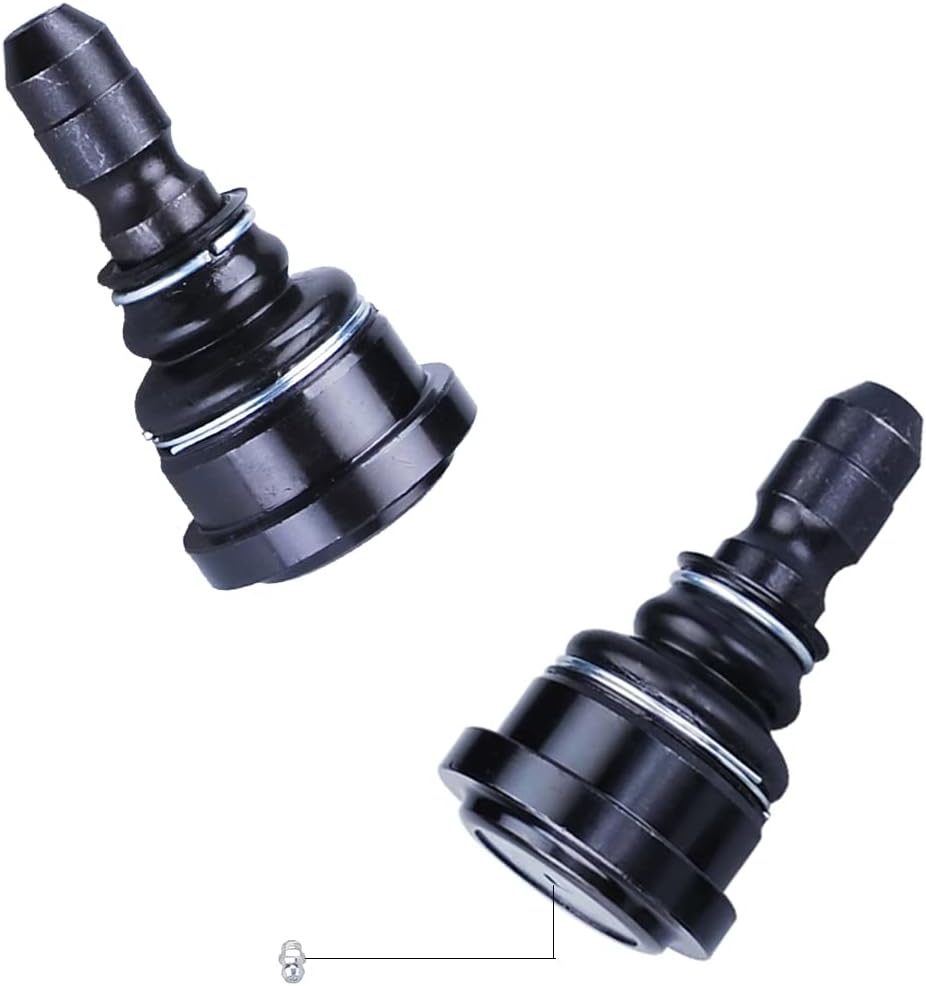
| Fitment | Ford Explorer 2002-2005; Lincoln Aviator 2003-2005; Mercury Mountaineer 2002-2005 |
|---|---|
| Quantity | 2 rear upper ball joints |
| Manufacturer | DJGAA |
| Manufacturer Part Number | K500109 |
These DJGAA rear upper ball joints are sold as a two-piece set intended to replace worn rear upper joints on compatible SUVs. They are designed as direct-fit replacements to simplify installation and return steering geometry and rear suspension function to factory-like behavior. The parts are described as made from premium alloy with anti-rust treatment and were engineered and tested to meet fit, form, and function expectations. For a budget-focused buyer this kit provides a straightforward way to address clunks, uneven tire wear, or loose rear steering feel without expensive dealer parts. Expect standard hardware and no extra modifications; installation follows typical suspension service procedures and may require basic tools and alignment afterward. Limitations include no vehicle-specific hardware beyond the joints themselves and no extended warranty information provided, so buyers who need dealer-level assurances or full-service kits may prefer other options.
Best for: Buyers looking for an affordable, straightforward replacement to restore rear suspension feel and eliminate play on older SUVs who prioritize low cost and ease of installation.
Less Ideal for: Drivers seeking dealer-backed parts, extended warranties, or comprehensive service kits that include hardware and professional installation should consider alternatives.
- Sold as a matched pair for rear upper positions
- Direct-fit design intended for easy installation and alignment
- Premium alloy construction with anti-rust treatment for durability
- No additional installation hardware or extended warranty details included
Verdict: A cost-conscious, direct-fit pair that restores rear suspension function on specified Ford Explorer-family SUVs without frills.
5. Detroit Axle Rear Upper Control Arms with Ball Joints, Pair

| Fit Type | Vehicle Specific Fit |
|---|---|
| Auto Part Position | Rear Upper |
| Kit Contents | Pair with ball joints installed |
These rear upper control arms replace worn factory components and include pre-installed ball joints for an easier swap. Intended as direct-fit replacements for 4-door 2002–2005 Ford Explorer, 2003–2005 Lincoln Aviator, and 2002–2005 Mercury Mountaineer, the kit arrives as left and right assemblies so both sides can be renewed at once. Constructed from a premium alloy and finished to resist corrosion, the arms are built to be stiffer than aging originals which helps restore rear suspension geometry and handling feel. Installation is straightforward for a competent DIYer or tech since the assemblies come complete with ball joints pre-pressed. Expect improved stability and reduced play over worn parts, though the increased rigidity can slightly change ride compliance compared with softer, high-mileage bushings. The product is positioned as a durable, value-oriented aftermarket alternative that emphasizes structural strength and fit-for-purpose replacement rather than performance tuning.
Best for: Buyers who want a dependable, factory-style replacement to restore rear suspension stability and remove looseness from aging rear upper control arms.
Less Ideal for: Drivers seeking performance-tuned suspension components or those who prefer adjustable aftermarket control arms for alignment customization.
- Direct-fit pair for the specified 4-door Ford Explorer, Lincoln Aviator, and Mercury Mountaineer models
- Pre-installed ball joints reduce installation time and eliminate separate press-fit steps
- Premium alloy construction with corrosion-resistant finish for longer service life
- Designed to restore rear suspension geometry and reduce play compared with worn originals
- Increased structural rigidity may slightly reduce rear ride compliance compared with softer original bushings
Verdict: A durable, direct-fit pair with pre-installed ball joints that reliably restores rear suspension stability for 4-door 2002–2005 Ford Explorer-family vehicles.
6. Detroit Axle 18-piece Suspension Kit for 2002-2003 Ford Explorer 4.0L

| Fitment | 2002–2003 Ford Explorer 4.0L 4-door (built after 3/03/02) |
|---|---|
| Kit quantity | 18 pieces |
| Includes | Front/Rear upper control arms w/ ball joints, inner/outer tie rods, lower ball joints, sway bar end links, toe compensator links, boots |
This Detroit Axle kit supplies the major front and rear suspension components needed when a 2002–2003 Ford Explorer with the 4.0L engine shows wear: front and rear upper control arms with ball joints, inner and outer tie rods, lower ball joints, sway bar end links, toe compensator links, and boots. It is intended as a direct-fit replacement for the specified Explorer production dates and excludes Sport Trac and vehicles with 16-inch aluminum wheels. In practice the kit simplifies a multi-part repair by grouping matched components so you can replace worn steering and suspension parts in one job. Components are made from a premium alloy with claimed enhanced structural strength and corrosion resistance, which should help longevity under normal driving. The package is a solid option for restoring steering feel and reducing play, but it is a vehicle-specific kit so fitment must be confirmed before ordering and specialized tools or alignment after installation will be required. Buyers should also note the kit targets the Explorer configuration described and will not fit other models or wheel options.
Best for: Buyers who want a comprehensive, matched set of suspension and steering parts to rebuild a 2002–2003 Explorer 4.0L in one job and who value vehicle-specific fit and reassurance from broad customer feedback.
Less Ideal for: People seeking individual replacement parts, owners of other Explorer variants or Sport Trac models, or anyone unwilling to arrange a professional alignment after installation.
- Comprehensive kit covers front and rear upper control arms, tie rods, ball joints, sway bar links and related boots for a single repair session.
- Direct-fit design for the listed 2002–2003 Explorer 4.0L production window reduces modification during installation.
- Premium alloy construction and reinforced structure aim to resist wear and corrosion for longer service life.
- Includes both inner and outer tie rods and toe compensator links so steering geometry parts are renewed together.
- Fitment is restricted to the stated 2002–2003 Ford Explorer 4.0L 4-door built after 3/03/02 and excludes Sport Trac and 16-inch aluminum wheel variants.
Verdict: If you need a complete, vehicle-specific suspension refresh for a 2002–2003 Explorer 4.0L, this kit bundles the matched steering and control-arm components to do the job in one purchase.
7. Detroit Axle Rear Left Upper Control Arm with Ball Joint Assembly (Driver Side)

| Fit Type | Vehicle Specific Fit |
|---|---|
| Auto Part Position | Rear Left Upper |
| Auto Part Orientation | Drivers Side |
| Material Type | Alloy Steel, Cast Iron |
This Detroit Axle rear left upper control arm integrates a ball joint into a vehicle-specific, direct-fit assembly for 4-door 2002–2005 Ford Explorer, Lincoln Aviator, and Mercury Mountaineer models. It replaces the factory arm to restore rear suspension geometry and steering stability after wear or damage. Constructed from alloy steel and cast iron with a high-strength design, the part is intended to resist impact and corrosion and to provide a durable, long-lived replacement. Installation is straightforward for someone with basic suspension experience because it is built to match factory mounting points. The integrated ball joint simplifies sourcing and reduces labor compared with replacing separate components. Limitations are that it is for rear left upper position only and fits 4-door models, so it is not a universal solution; professional alignment after installation is recommended to ensure correct handling. Buyers seeking a straightforward factory-quality replacement for the specified vehicles will find this a practical option.
Best for: Buyers who want a reliable, factory-style replacement to restore rear suspension performance on the specified 4-door Ford Explorer, Lincoln Aviator, or Mercury Mountaineer and who prioritize low risk and proven fitment.
Less Ideal for: Shoppers looking for a universal control arm, parts for non-4-door configurations, or those who prefer to replace only the ball joint separately should consider other options.
- Vehicle-specific direct-fit design simplifies installation and matches factory mounting points
- Integrated ball joint removes need to source separate components
- High-strength alloy steel and cast iron construction for durability and rust resistance
- Designed to restore rear suspension geometry and steering stability
- Fits rear left upper position for 4-door models only, so not suitable for other positions or body styles
Verdict: If you need a low-risk, vehicle-specific replacement to restore rear suspension stability on a 4-door 2002–2005 Explorer/Aviator/Mountaineer, this integrated control arm and ball joint is a practical choice.
Choosing the Right Ford Explorer Rear Ball Joint: Key Factors to Consider
Fitment and Mounting Compatibility
Correct fitment is essential because even small differences in stud length, mounting flange diameter, or ball taper can affect alignment and suspension geometry. For the Ford Explorer rear suspension, confirm the replacement matches factory mounting points and fastener patterns to avoid additional modifications.
Mismatched fitment can cause premature wear on surrounding components, uneven tire wear, and difficulty achieving correct toe and camber during alignment. Also consider whether the unit is designed for the vehicle's specific rear subframe or axle mounting orientation to ensure proper articulation under load.
Material Quality and Corrosion Protection
Ball joints operate in a harsh environment where salt, water, and road debris accelerate corrosion. Choose assemblies with hardened steel studs, robust housings, and plated finishes or protective coatings to resist rust. High-quality materials reduce the chance of galling or stud fatigue that can lead to failure.
Polymer or synthetic boot materials should resist tearing and chemical attack from oils and road contaminants. Corrosion resistance matters especially if you drive in wet or salted conditions because a seized or degraded joint is harder to service and more likely to fail.
Boot and Seal Design
A durable boot and effective seal keep grease in and contaminants out. Look for multi-lip seals and reinforced boot materials that maintain a grease barrier over the life of the joint. A compromised boot lets dirt and water enter, accelerating wear on the bearing surfaces and leading to slop or noise.
Some units use welded or crimped boots, while others have replaceable designs. Evaluate whether the seal type suits your maintenance preference; greaseable options can extend service life if you plan periodic servicing, while sealed-for-life joints reduce routine maintenance but may require replacement sooner if the boot fails.
Serviceability and Greaseability
Deciding between a greaseable and a sealed ball joint affects long-term ownership. Greaseable joints include a zerk fitting that allows fresh grease to flush contaminants and prolong bearing life when serviced periodically. This is useful if you perform regular maintenance or expect to keep the vehicle long term.
Sealed joints are maintenance-free until the boot fails, which simplifies repairs but can shorten usable life if contamination occurs. Consider access in the rear suspension area of the Explorer and whether you have the tools or willingness to perform greasing when selecting a joint.
Load Capacity and Design Robustness
Rear suspension ball joints must handle vertical loads, lateral forces, and braking torque. Check that the joint design and internal bearing surfaces are specified for the expected load range and usage pattern of the Ford Explorer. Heavier-duty construction can improve durability in vehicles used for towing or carrying heavy loads.
A robust design often features larger stud diameters, thicker housings, and reinforced contact surfaces. While exact load numbers may not always be published, visual indicators such as heavier construction, larger retaining hardware, and reinforced boots suggest greater capacity and longevity.
Included Hardware and Installation Details
Complete replacement kits that include nuts, washers, and any necessary mounting hardware simplify installation and reduce the risk of reusing worn fasteners. Also consider whether the ball joint requires special tools like a press, pickle fork, or specific torqueing sequence.
Clear installation guidance, torque specifications, and hardware quality matter for a safe and durable repair. If a joint needs a press-fit, verify whether a local shop can supply the tool or whether a serviceable alternative exists that matches the vehicle's repairability.
How Rear Ball Joints Affect Ford Explorer Handling
Rear ball joints play a direct role in preserving rear toe and camber under dynamic loads. Excessive play in the joint can translate to wandering, looseness during cornering, and a vague steering response even though the joints are located at the rear axle.
Replacing worn rear ball joints restores a firmer connection between suspension links and the axle, helping to stabilize handling and reduce unpredictable rear-end behavior. Properly fitted joints also help maintain alignment settings, which reduces uneven tire wear.
- Play in rear joints often shows as rear-end looseness at speed
- Good joints maintain alignment under load and during braking
- Worn joints can accelerate tire wear and stress other suspension parts
Symptoms That Point Specifically to Rear Ball Joint Wear
Certain symptoms indicate rear ball joint wear as opposed to front-end problems. Listen for clunking or popping from the rear when driving over bumps or during acceleration and deceleration. Pay attention to uneven rear tire wear patterns that do not resolve after alignment; this can signal articulation issues at the rear mounts.
Another sign is a change in how the vehicle tracks at highway speeds, such as a feeling that the rear is vague or wanders within the lane. These cues, together with a visual inspection for torn boots or grease leakage, narrow down the diagnosis toward rear ball joints.
- Popping or clunking noises from the rear suspension
- Uneven or feathered rear tire wear
- Rear-end wandering or instability at speed
- Visible boot damage or grease leakage at the joint
DIY Vs Professional Replacement Considerations
Installing rear ball joints on the Ford Explorer can be a medium-difficulty job depending on whether the joint is bolt-in or press-fit. Bolt-in styles reduce the need for heavy tooling and can be done in a well-equipped home garage. Press-fit joints require a press or specialized removal tools and may be better handled by a shop.
Consider your access to tools, the availability of torque specs, and whether the job requires additional alignment after installation. If you plan to replace the joint yourself, plan for a follow-up alignment and verify whether included hardware meets OEM torque and grade requirements.
- Bolt-in joints are more DIY-friendly
- Press-fit joints usually require a hydraulic press or specialized tools
- Always recheck alignment after replacing rear suspension joints
Preparing for a Rear Ball Joint Replacement
Before you start the job, inspect the rear subframe, control arms, and surrounding bushings. Replace or service any corroded fasteners and ensure the suspension is supported safely on jack stands. Gathering the correct replacement joint, new hardware, and the necessary tools in advance saves time and reduces the risk of interruptions.
Document bolt locations and torque values, and have a plan for disposing of old grease and contaminated boots. If the replacement is greaseable, stock a compatible chassis grease and a quality grease gun. For press-fit repairs, confirm access to a press or a professional who can perform the press operations.
- Inspect adjacent suspension components before starting
- Gather correct hardware, grease, and tools ahead of time
- Plan for alignment after installation
Maintenance Tips to Extend Ball Joint Life
Regular visual inspections of boots and keeping grease fittings serviced on greaseable joints extend service life. Clean any exposed areas and remove road salt buildup during seasonal maintenance to prevent premature corrosion of studs and housings.
Address any suspension noises promptly; delaying repairs can let wear progress to a point where more components need replacement. Finally, maintaining proper tire pressures and alignment reduces uneven loading and helps ball joints last longer.
- Inspect boots during every oil change or seasonal check
- Grease greaseable joints at recommended intervals
- Remove road salt and contaminants to reduce corrosion
Still looking for the perfect fit?
Select your Ford Explorer configuration to see the most relevant Ball Joints recommendations
How We Chose the Best Ford Explorer Rear Ball Joint
We focused on factors that matter for rear suspension ball joints on the Ford Explorer. Primary evaluation criteria included fitment accuracy to factory mounting points, robust materials and sealing to resist contamination, and bearing or stud design that supports correct suspension geometry. We also considered longevity indicators such as greaseable designs or durable polymer boots, and quality of included hardware when applicable.Serviceability and installation friendliness were assessed next. That meant favoring units that work with commonly available tools or include necessary press-fit hardware, and noting whether a replaceable or sealed design affects future maintenance. Noise and vibration resistance under load were judged by design features that reduce play and maintain smooth articulation.We excluded any components lacking clear fit specifications for the Ford Explorer rear suspension or those with insufficient corrosion protection for road use. We did not consider front suspension parts or upper-only replacements unless they matched the rear joint form and function needed for this vehicle. Our list emphasizes durable replacements that meet or exceed expected OEM fit and performance criteria.
Our full evaluation process is outlined in our review methodology.
FAQ
How can I tell if a rear ball joint on my Explorer needs replacing?
Check for clunking or popping from the rear over bumps, uneven rear tire wear, and excessive play when you lift the rear wheel and try to move the suspension link. Also inspect the boot for tears or grease leakage, which often precede joint failure.
Is replacing a rear ball joint on the Ford Explorer a DIY job?
It depends on the joint design. Bolt-in rear ball joints are more suitable for DIYers with basic tools. Press-fit joints typically require a hydraulic press or specialty tools, so many owners prefer a professional for those replacements.
Do rear ball joints on the Explorer require regular greasing?
Some aftermarket units are greaseable and benefit from periodic lubrication, which can extend service life. Sealed-for-life joints do not accept grease and need replacement if the boot fails or wear develops.
Will replacing rear ball joints require an alignment?
Yes. Any change to rear suspension geometry can affect toe and camber, so plan for a full alignment after installation to ensure even tire wear and correct handling.
Can a worn rear ball joint cause wheel vibration?
A severely worn joint can introduce play that may be felt as vibration under certain conditions, but wheel vibration often has multiple causes. Inspect the ball joints along with tires, wheel balance, and other suspension components to determine the source.
Should I replace other suspension parts when I replace the rear ball joint?
Consider replacing adjacent hardware such as control arm bushings or corroded fasteners if they show wear. New ball joints install best on sound mounting points; replacing worn components together helps ensure a durable repair.
Final Verdict
When replacing Ford Explorer rear ball joints, prioritize correct fitment, durable materials, and a boot/seal design that withstands road contamination. Decide whether you want a greaseable unit for longer service life or a sealed assembly for lower maintenance, and factor in whether the job requires press tools or is a bolt-in swap.Balance ease of installation and long-term durability based on how you use the vehicle. After installation, a proper alignment and periodic inspections will keep the rear suspension performing safely and reduce the chance of premature wear.
Explore More:
- Check out all Ford Explorer parts & accessories
- Explore Ball Joints Maintenance & Repair Guides
- Explore Suspension & Steering
- Browse all Auto Parts
