

Note: This article contains affiliate links. If you click on these links and make a purchase, I may earn a small commission at no extra cost to you. This helps support my research and content. Read my full affiliate disclosure here.
If your 1995-2001 Ford Explorer is showing a soft brake pedal, fluid loss, or inconsistent stopping power, the brake master cylinder is a common culprit. Choosing the right replacement or rebuild option matters because the master cylinder directly controls hydraulic pressure to the calipers and wheel cylinders. A correct-fit unit restores brake feel, prevents leaks, and reduces the chance of uneven braking across the vehicle.This guide highlights shortlisted master cylinders that match the 1995-2001 Ford Explorer specifications and covers key decision points like fitment, seal quality, and rebuild versus replacement. Read on for the evaluation criteria used and practical guidance to help you pick the best option for your Explorer and driving needs.
Looking for other parts? See all Ford Explorer parts & accessories.
Top Picks at a Glance
| Best Overall The best all-around choice for most situations | Dorman M390398 Brake Master Cylinder |  |
| Best Quality Built to a higher standard if you want something more solid | PRO+ PN3072 Brake Master Cylinder |  |
| Best Value The sweet spot between price and what you get | BOXI Brake Master Cylinder (replacement for select Ford/Mazda/Mercury/Lincoln) |  |
| Best Budget The cheapest option that still gets the job done reliably | PHILTOP Brake Master Cylinder Assembly (replacement) |  |
| Best Seller A high-volume bestseller chosen again and again | TRQ Brake Master Cylinder BCA51899 for 1995–1997 Ford Explorer/Ranger and Compatible Trucks |  |
1. Dorman M390398 Brake Master Cylinder

| Manufacturer | Dorman Products |
|---|---|
| Model | M390398 |
| Exterior | Machined |
| Compatible vehicles | Select Ford, Mazda, Lincoln, Mercury models (see fitment) |
The Dorman M390398 is a new, fully reconstructed brake master cylinder designed to replace the factory unit on specified model years of Ford Explorer and related vehicles. It reproduces the original casting design and uses new components rather than a remanufactured core, with EPDM rubber seals selected for compatibility with glycol-based brake fluids. Typical use is a brake-system repair where the original master cylinder is worn, leaking, or causing pedal feel issues; the part installs in place of the factory piece and connects to existing brake lines and proportioning hardware. The practical benefits include factory-like fit and performance for covered vehicles, resistance to brake fluid degradation, and adherence to SAE specifications for predictable braking feel. Expect a straightforward swap for a mechanically competent DIYer or an independent shop, though confirming exact trim fitment before purchase is essential. This unit is focused on fit and function rather than performance upgrades, so it is not a modification for higher-capacity braking systems.
Best for: Buyers wanting a dependable, factory-style replacement for a worn or leaking master cylinder on mid-1990s to early-2000s Ford Explorer-era vehicles who prioritize correct fit and reliable, OEM-like braking feel.
Less Ideal for: Drivers seeking performance upgrades, higher-capacity brake systems, or parts for different vehicle families should look at specialty or vehicle-specific options.
- Designed to match original casting and function for specified vehicles
- Comes 100% new rather than remanufactured
- EPDM rubber components resist glycol-based brake fluid degradation
- Meets SAE specifications for consistent braking performance
- Limited to specific model years and trims so fitment must be verified before ordering
Verdict: A straightforward, factory-style new replacement for Explorer-era vehicles that restores original brake function without needing a remanufactured core.
2. PRO+ PN3072 Brake Master Cylinder

| Brand | PRO+ |
|---|---|
| Model | New Brake Master Cylinder |
| Manufacturer Part Number | PN3072 |
| Exterior | Anti-Corrision Finish |
The PRO+ PN3072 is a replacement brake master cylinder designed to restore precise braking feel and hydraulic consistency on compatible late 1990s and 2000s Ford-based platforms. It supplies steady hydraulic pressure to the brake system, making it useful for daily driving and for drivers who want predictable pedal response during spirited use. Notable features include 100% new EPDM seals and O-rings to reduce leaks and resist heat and corrosion, an anti-corrosion exterior finish, and factory-quality testing against OEM specifications for fit and function. Installation is intended to be straightforward as a direct-fit replacement, letting you swap the unit without major modification. Limitations are that fitment must match your vehicle year and model exactly and it does not upgrade braking performance beyond restoring factory-level pressure or improving pedal modulation for high-performance track use.
Best for: Drivers restoring brake feel and reliability on late 1990s to early 2000s Ford platform vehicles who prioritize a dependable, direct-replacement part over performance upgrades.
Less Ideal for: Drivers seeking an aftermarket unit tuned for increased pedal firmness or track performance should look at performance-oriented master cylinders or hydraulic upgrades instead.
- Direct-fit design engineered to match factory fit and function
- New EPDM seals and O-rings improve leak resistance and durability
- Tested against factory specifications for consistent out-of-box performance
- Anti-corrosion exterior helps longevity in varied climates
- Restores factory-level performance but does not provide a performance boost for track-focused braking
Verdict: Choose the PRO+ PN3072 when you want a tested, direct-replacement master cylinder that restores reliable, factory-quality braking performance.
3. BOXI Brake Master Cylinder (replacement for select Ford/Mazda/Mercury/Lincoln)
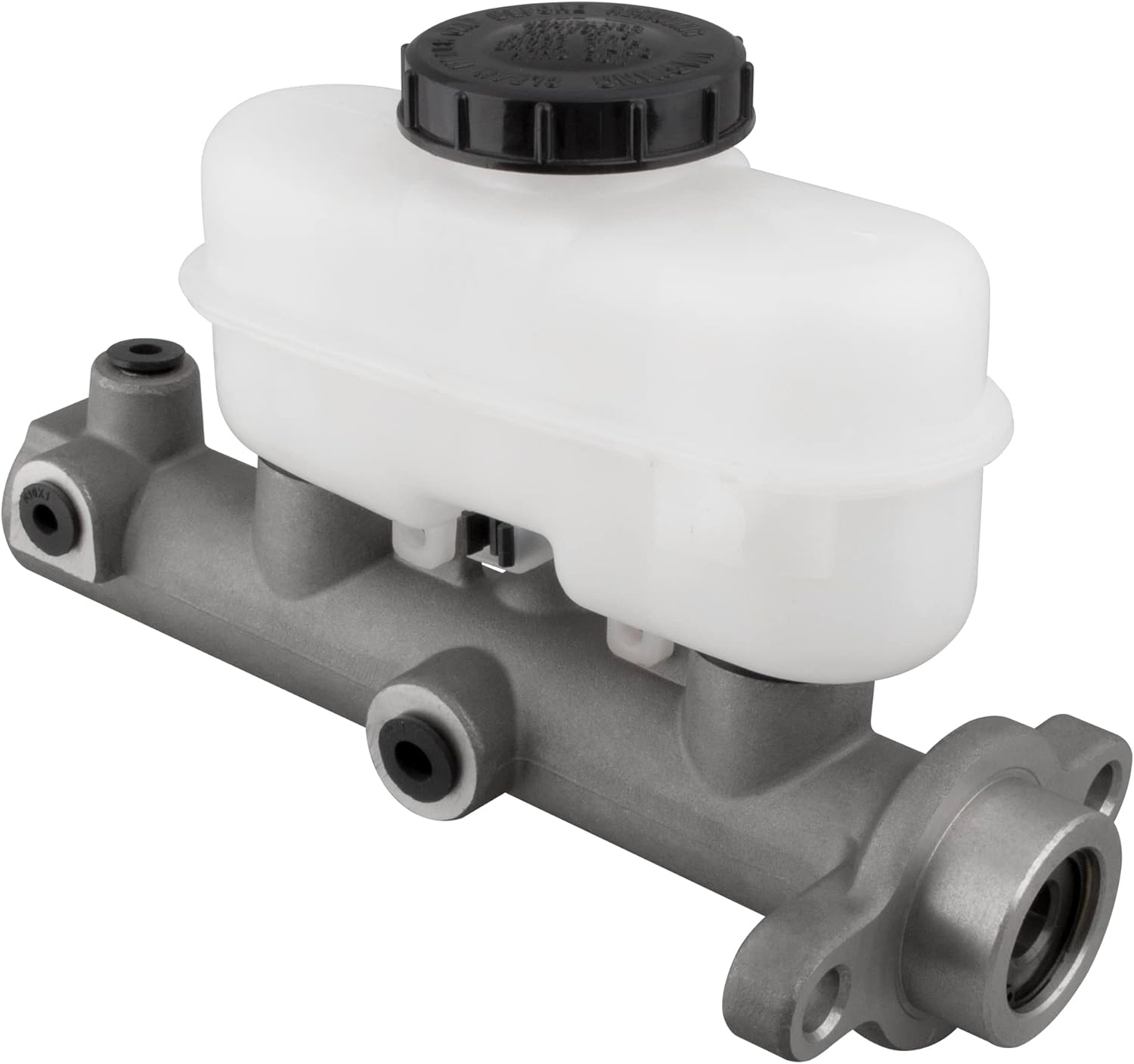
| Manufacturer | ShangHai BOXI Auto Parts Co., Ltd. |
|---|---|
| Brand | BOXI |
| Model | Brake Master Cylinder |
| Manufacturer Part Number | BX06400011-1 |
This BOXI brake master cylinder is a direct replacement intended to restore hydraulic braking control on compatible Ford Explorer and related vehicles. It installs in place of the factory unit to reestablish proper pedal feel and brake fluid pressure after the original cylinder fails or leaks. The unit lists multiple factory part numbers it replaces, which simplifies cross-referencing during purchase. In use it provides the expected single-assembly function of reservoir connection and piston actuation for conventional braking systems. Practical benefits include a ready-to-fit replacement for common model years and an apparent focus on meeting OEM performance levels. Limitations are typical for aftermarket parts: fitment must be confirmed against your vehicle and the part does not include extra hardware beyond the cylinder itself, so expect to reuse or replace mounting bolts and brake line fittings as needed. Professional installation or careful bleeding of the brake system is necessary for safe operation.
Best for: Buyers who want a practical, cost-conscious replacement to get a 1998–2005 Explorer or similar vehicle back on the road with reliable, factory-style braking performance without unnecessary extras.
Less Ideal for: Do not choose this if you need upgraded performance parts, a rebuild kit, or a source that includes every installation fastener and fitting; consider a professional remanufactured unit or upgrade option instead.
- Direct-fit replacement for specified Ford Explorer years and several related models
- Lists multiple OEM part numbers for easy compatibility checking
- Designed to restore factory-style pedal feel and hydraulic pressure
- Ships as a complete master cylinder assembly ready to install
- Does not include additional hardware or fittings that may be needed during installation
Verdict: A straightforward, budget-focused replacement master cylinder that restores factory-style braking on supported Ford Explorer-era vehicles.
4. PHILTOP Brake Master Cylinder Assembly (replacement)

| Material | Aluminium |
|---|---|
| Master Cylinder Bore Diameter | 1.063 IN |
| Number of Outlets | 3 |
| Rearward Outlet Size | M10 x 1.0; M18 x 1.0 |
| Reservoir Included | Yes |
This PHILTOP master cylinder is a direct replacement-style unit meant to restore braking function on compatible Ranger, Explorer and related Mazda trucks from the late 1990s to early 2000s. It ships as a complete assembly with reservoir and pressure sensor so installation is straightforward for a mechanic or an experienced DIYer. Constructed from aluminum with EPDM rubber components, the unit resists glycol-based brake fluid and matches the original casting material to help ensure fit and mounting alignment. Notable specs on the listing include a 1.063 inch bore, three outlets, and included sensor hardware. The practical benefit is a low-cost brand-new replacement that avoids the uncertainties of a remanufactured part and simplifies replacement when the master cylinder is the source of soft pedal or fluid loss. Limitations are typical of economy aftermarket parts: finish and long-term durability can vary versus higher-end replacements, and buyers must verify fitment to their exact vehicle and brake configuration before ordering.
Best for: Buyers looking for an affordable, ready-to-install replacement master cylinder to get a high-mileage late-1990s to early-2000s Ford or Mazda truck or SUV back to safe braking without specialty parts sourcing.
Less Ideal for: If you prioritize factory-direct or long-term premium durability and want the highest-end materials or warranties, consider a higher-tier or dealer-sourced replacement instead.
- Complete assembly includes reservoir and brake fluid sensor for easier swap-in installation
- Aluminum housing and EPDM seals designed to resist brake fluid corrosion
- Bore and outlet sizes listed to help verify fit with original system
- Supplied new rather than remanufactured, reducing wear-related unknowns
- Aftermarket build quality and long-term durability may not match premium OE-quality replacements
Verdict: A cost-conscious, all-new replacement master cylinder that provides the core hardware and sensor needed to quickly restore braking on supported late-90s to early-2000s Ford and compatible Mazda models.
5. TRQ Brake Master Cylinder BCA51899 for 1995–1997 Ford Explorer/Ranger and Compatible Trucks

| Master Cylinder Bore Diameter | 26.99 mm |
|---|---|
| Material | Aluminum |
| Includes | Reservoir, cap, sensor, bleeder kit |
| Grade Type | Standard Replacement |
This TRQ master cylinder is a factory-replacement style unit intended to replace the original brake master cylinder on 1995–1997 Ford Explorer and compatible trucks that use a 1-1/16 inch bore with cruise control. It comes pre-assembled with the reservoir, cap, sensor, and a bleeder kit, which simplifies installation for DIYers and shops by reducing the need for extra parts. The unit is aluminum, which helps resist corrosion and reduces weight, and TRQ provides installation videos to guide fitting and bleeding. In typical use it restores hydraulic pressure to the braking system and works with existing brake lines and proportioning systems when matched to the proper vehicle configuration. Limitations to note are fitment specificity and the need to confirm the 1-1/16 inch bore and cruise-control configuration before ordering; it will not be correct for Explorers with different bore sizes or without the listed cruise-control/proportioning valve setups. Also, while pre-assembled, professional-quality bench bleeding or proper system bleeding after installation is still required to avoid spongy pedal feel.
Best for: Buyers who prioritize a low-risk, direct-fit replacement that minimizes modification and prefer clear installation guidance so they can install or verify the repair with confidence.
Less Ideal for: Drivers who have Explorers or trucks with a different master cylinder bore, lack the listed cruise-control/proportioning configuration, or who need a universal or performance-oriented master cylinder.
- Pre-assembled with reservoir, cap, sensor, and included bleeder kit for easier installation
- Aluminum construction resists corrosion compared with some cast units
- Direct-replacement design made to match the specified 1-1/16 inch bore and cruise-control configurations
- Manufacturer provides step-by-step installation videos to guide DIY installation
- Fitment is specific to vehicles with the 1-1/16 inch bore and cruise control and is not universal
- Requires proper system bleeding after installation to ensure correct pedal feel
Verdict: A ready-to-install, factory-replacement style master cylinder that reduces installation uncertainty for 1995–1997 Explorers and compatible trucks with the specified bore and cruise-control setup.
Choosing the Right 1995-2001 Ford Explorer Brake Master Cylinder: Key Factors to Consider
Fitment and Port Alignment
Correct fitment is the first priority for a 1995-2001 Ford Explorer master cylinder. The wheel cylinder and caliper plumbing, reservoir height, and sensor ports must align without modification. A unit that matches the factory port spacing and thread sizes reduces installation time and the chance of leaks caused by adapters or altered lines.
Misaligned ports can create stress on brake lines or require rerouting, which increases labor and introduces potential leak points. When fitment is accurate you preserve brake geometry and the original routing of the Explorer's brake lines, keeping the system safe and serviceable.
Seal Material and Bore Finish
Seals and the cylinder bore determine long-term leak resistance and pedal feel. For the Explorer, choose seals rated for brake fluid and temperature cycles to avoid hardening, shrinking, or swelling that leads to master cylinder seal leak symptoms.
A smooth, corrosion-resistant bore finish reduces abrasive wear on seals and ensures consistent hydraulic pressure. Poor materials or rough internal surfaces can accelerate seal failure and contribute to soft pedal complaints.
Reservoir Compatibility and Level Sensors
The master cylinder reservoir must interface properly with the Explorer's reservoir height and any fluid level or warning sensors. Incorrect reservoir fit can cause overflow, air ingestion, or false low-fluid warnings. If the reservoir or sensor ports do not match, you may need additional fittings or replacement reservoirs, complicating the job.
Preserving correct reservoir geometry also helps maintain consistent fluid flow and reduces the chance of air pockets forming when the vehicle experiences steep angles or heavy braking.
Durability and Corrosion Protection
Ford Explorers from 1995-2001 are often driven in varied climates, so corrosion protection matters. Master cylinders made from materials with protective coatings or corrosion-resistant alloys hold up better over time, especially where road salt or moisture exposure is common.
Rust or pitting in the bore or body can undermine seals and lead to brake fluid leak master cylinder issues. Prioritizing durable finishes and proven materials reduces the need for frequent replacements and preserves brake performance.
Rebuildability and Parts Availability
Many owners consider rebuilding the original master cylinder as a cost-effective option. For the Explorer, check whether rebuild kits are readily available and whether the component design supports reliable rebuilding without specialized tools. A rebuildable core should have accessible retaining hardware and standard-size seals.
If rebuild kits and replacement seals are easy to source, you can extend the life of a serviceable unit. However, some older cylinders are better replaced than rebuilt due to wear or internal damage.
Installation and Serviceability
Ease of installation affects both DIY owners and shops. For the 1995-2001 Explorer, simpler installations that avoid bench-bleeding complications and do not require unusual adapters save time and reduce labor cost. Features like bleed screw accessibility and straightforward port orientation make bleeding and maintenance easier.
Consider whether you will perform the installation yourself or rely on a mechanic, and factor in the time and tools required for a clean, reliable installation.
Common Master Cylinder Symptoms on the 1995-2001 Explorer
Recognizing the typical symptoms helps you decide whether the master cylinder is the issue. A soft or sinking brake pedal that worsens under sustained pressure often indicates internal leaks or deteriorated seals. If the pedal slowly sinks when held at pressure, an internal bypass between primary and secondary circuits is a likely cause.
External fluid loss near the firewall or under the brake booster frequently signals a leak at the master cylinder gasket or the pushrod seal. Pulsating or inconsistent brake feel can stem from uneven fluid delivery due to internal scoring or contamination.
- Soft or spongy pedal feel
- Brake pedal sinks slowly under hold
- Visible brake fluid at firewall or booster
- Intermittent or uneven braking response
Rebuild Vs Replace: Which Makes Sense for This Explorer
Deciding between rebuilding the original unit and installing a replacement depends on condition and parts availability. Rebuilding is practical when the bore is smooth and corrosion-free, seals are available, and you have access to a proper rebuild kit. It preserves the original component and can be cost-effective for a serviceable core.
Replacement is preferable if the body shows pitting, the bore is scored, or the cost and labor to rebuild approach that of a direct-fit replacement. For many owners, choosing a direct-fit replacement that matches the Explorer's ports and reservoir avoids uncertainty and reduces installation complexity.
- Rebuild when bore is clean and kits are available
- Replace if pitting, deep scoring, or extensive corrosion exists
- Consider time, tools, and available replacement parts
Bleeding and Bench Preparation Tips
Proper bleeding after installation is essential to restore firm pedal feel. For the Explorer, bench-bleeding the master cylinder before installation removes trapped air and simplifies on-vehicle bleeding. Use a steady, gravity-assisted method or a manual syringe to cycle fluid until no air rises.
On-vehicle bleeding should follow the factory sequence to clear the ABS modulator and wheel circuits. Ensure the reservoir stays above the minimum level throughout the process to avoid introducing new air. Inspect for leaks at line fittings and bleed screws after pressurizing the system.
- Bench-bleed before installation when possible
- Follow the correct bleeding sequence for the Explorer
- Keep reservoir topped and check fittings for leaks
Practical Installation Considerations
Space at the firewall and access to the mounting studs can influence the labor involved. Some replacement units replicate the factory mounting points exactly, while others may require slight repositioning of brake lines. Confirm that retaining clips and mounting hardware are compatible to avoid last-minute fabrication.
Torqueing the mounting bolts and line fittings to manufacturer specifications prevents distortion of the master cylinder body and reduces the risk of leaks. After the initial road test, recheck torque and inspect for any sign of weeping fluid.
- Verify mounting stud alignment and clip compatibility
- Use correct torque values for bolts and fittings
- Recheck connections after a short road test
When to Inspect the Booster and Pushrod
Sometimes master cylinder symptoms originate from a failing brake booster or a misadjusted pushrod. If the pedal is abnormally hard to depress or you notice hissing, inspect the booster vacuum and check the pushrod length and engagement with the master cylinder pushrod. A maladjusted pushrod can cause pedal height issues and uneven braking feel.
Before condemning the master cylinder, confirm the booster is functioning and that the pushrod does not bind or bottom out. Addressing booster and pushrod issues first prevents unnecessary master cylinder replacements on the 1995-2001 Explorer.
- Listen for vacuum leaks or hissing near the booster
- Check pushrod travel and adjustment
- Verify booster vacuum supply and hose condition
Still looking for the perfect fit?
Select your Ford Explorer configuration to see the most relevant Brake Master Cylinders recommendations
How We Chose the Best 1995-2001 Ford Explorer Brake Master Cylinder
We evaluated master cylinders for the 1995-2001 Ford Explorer using practical, vehicle-specific criteria that matter to owners and independent shops. Fitment and port layout: we prioritized units that match the Explorer's reservoir and brake line ports to avoid modification and minimize installation time. Seal materials and internal bore finish: corrosion-resistant seals and a smooth bore reduce the risk of leaks and soft pedal symptoms over time. Reservoir compatibility: we checked whether the cylinder interfaces correctly with the Explorer's reservoir height and sensor ports.Function and safety features: we assessed the integrity of the primary and secondary circuit isolation and the quality of pressure surfaces that affect pedal feel and stopping balance. Durability and corrosion protection: coatings and material choices that resist rust in common driving conditions received higher weight. Rebuildability: for owners considering a rebuild, we factored whether standard rebuild kits are available and whether the unit's design supports reliable rebuilding.We excluded units that require welding, custom adapters, or significant plumbing changes, as well as any options that lack clear fitment data for the 1995-2001 Explorer. The final list favors direct-fit replacements and rebuild-friendly cores that address common master cylinder symptoms for this vehicle.
Our full evaluation process is outlined in our review methodology.
FAQ
How do I know if the master cylinder is leaking on my Explorer?
Look for brake fluid pooling near the firewall or under the brake booster, a constantly low reservoir, or wetness around the master cylinder body. Internal leaks often reveal themselves as a pedal that slowly sinks when held at pressure.
Can I rebuild the original master cylinder for a 1995-2001 Explorer?
Often you can rebuild it if the bore is smooth and rebuild kits are available. Rebuilding is effective when corrosion is minimal and seals are in common sizes; replace instead if the bore shows deep pitting or scoring.
Will replacing the master cylinder fix a soft brake pedal?
Replacing a worn or leaking master cylinder typically restores firm pedal feel when the issue is internal leakage or seal failure. However, confirm the booster and brake lines are in good condition since those components also affect pedal feel.
Do I need to bench-bleed the master cylinder before installing it?
Bench-bleeding is recommended because it removes trapped air from the unit before it goes on the vehicle. It reduces on-vehicle bleeding time and helps achieve a firmer pedal more quickly.
How long does it take to replace a master cylinder on this Explorer?
Time varies by experience and tools, but a typical DIY replacement can take a couple of hours including bench-bleeding and bleeding the system. Professional shops may be faster, but you should allow time for careful bleeding and leak checks.
What should I check after installing a new master cylinder?
Check for leaks at all line fittings and the master cylinder body, verify pedal travel and firmness, and re-torque fittings after a short test drive. Also confirm the reservoir level and that no air remains in the system.
Final Verdict
When selecting a master cylinder for a 1995-2001 Ford Explorer, prioritize correct fitment, durable seals, and a corrosion-resistant bore to restore reliable braking. Decide between rebuilding and replacement based on bore condition, parts availability, and how comfortable you are with the necessary tools.Focus on options that match the Explorer's reservoir and port layout to minimize installation complexity and leak points. Prioritize safety and serviceability over low upfront effort, and you will regain firm pedal feel and consistent stopping performance for everyday driving.
Explore More:
- Check out all Ford Explorer parts & accessories
- Explore Brake Master Cylinders Maintenance & Repair Guides
- Explore Brake System
- Browse all Auto Parts
