

Note: This article contains affiliate links. If you click on these links and make a purchase, I may earn a small commission at no extra cost to you. This helps support my research and content. Read my full affiliate disclosure here.
If your 2006-2010 Ford Explorer is showing a soft brake pedal, a sinking pedal, or visible brake fluid near the firewall, the brake master cylinder is a likely culprit. Choosing the right master cylinder matters because it affects pedal firmness, hydraulic balance, and leak resistance for your Explorer. The wrong unit can cause fitment headaches or premature failure, while the right one restores predictable braking and prevents fluid loss.This guide shortlists the top brake master cylinders suitable for the 2006-2010 Ford Explorer and explains the criteria we used to evaluate them, including fitment, seal quality, and long-term durability. Read on to understand the symptoms, installation considerations, and how to pick the best option for your driving needs.
Looking for other parts? See all Ford Explorer parts & accessories.
Top Picks at a Glance
| Best Quality Built to a higher standard if you want something more solid | Motorcraft BRMC93 Master Cylinder |  |
| Best Value The sweet spot between price and what you get | KAC Brake Master Cylinder Replacement for 2006–2010 Ford Explorer and Mercury Mountaineer |  |
| Best Budget The cheapest option that still gets the job done reliably | TAUTOY Brake Master Cylinder w/Reservoir (M630525) |  |
| Highest Rated A top-rated pick with lots of positive feedback | PHILTOP Brake Master Cylinder Assembly for 2006–2010 Ford Explorer and Mercury Mountaineer | |
| Most Popular A crowd favorite that many people choose with confidence | Dorman M630525 Brake Master Cylinder |  |
| Best Seller A high-volume bestseller chosen again and again | TRQ Brake Master Cylinder BCA52045 for 2006–2010 Ford Explorer / Sport Trac / Mercury Mountaineer |  |
1. Motorcraft BRMC93 Master Cylinder

| Manufacturer | Motorcraft |
|---|---|
| Model | Master Cylinder |
| Manufacturer Part Number | BRMC93 |
| Fit type | Vehicle Specific |
The Motorcraft BRMC93 is a vehicle-specific master cylinder intended to replace the original unit on compatible Ford and Lincoln models from the factory line. It restores brake fluid pressure generation and pedal feel by directly replacing the worn or leaking factory master cylinder. Installation follows standard brake-hydraulic procedures and typically requires bench bleeding and reconnecting to the booster and lines. Notable features include factory engineering for correct fit and function and a painted finish for corrosion resistance. The unit is backed by Motorcraft testing and a two-year unlimited mileage warranty, which gives added assurance for long-term service. Practical benefits are straightforward: it eliminates internal leaks, recovers firm pedal feel, and maintains factory braking geometry without modification. Limits are that this is a direct replacement designed for specific vehicle fitment, so it is not an upgrade for increased performance or racing applications and will not change pedal ratio or boost characteristics.
Best for: Buyers who need a reliable, factory-equivalent replacement to restore original brake feel and hydraulic integrity on compatible Ford-model vehicles and prefer parts engineered by the vehicle maker.
Less Ideal for: Drivers seeking performance upgrades, track-focused modifications, or altered pedal characteristics should consider performance-oriented master cylinders or system upgrades instead.
- Factory-engineered fit and function for Ford and Lincoln models
- Painted finish improves corrosion resistance
- Backed by Motorcraft testing and a two-year unlimited mileage warranty
- Direct replacement that restores original pedal feel and stops leaks
- Not designed to increase braking performance for track or heavy-duty upgraded systems
Verdict: Choose the Motorcraft BRMC93 when you want a factory-quality, drop-in master cylinder that reliably restores original brake function on compatible Ford vehicles.
2. KAC Brake Master Cylinder Replacement for 2006–2010 Ford Explorer and Mercury Mountaineer

| Reservoir Included | Yes |
|---|---|
| Material | Aluminium |
| Number of Outlets | 2 |
| Rearward Outlet Size | M12 x 1.0 |
| Master Cylinder Bore Diameter | 1.063 in |
This KAC master cylinder replaces the factory unit on 2006–2010 Ford Explorer, 2007–2010 Explorer Sport Trac, and 2006–2010 Mercury Mountaineer vehicles. It comes as a complete assembly with reservoir and sensor, is made from new aluminum casting to match factory material, and provides two brake outlets sized for standard lines. Installation is the typical bolt-in swap for a master cylinder and is intended for routine brake system repairs or restoring a spongy pedal feel caused by internal wear or leaks. The inclusion of the sensor and correct outlet threading reduces the chance of additional parts or adapters during installation. Buyers should note this is an aftermarket replacement rather than a remanufactured unit, so fit and finish can vary slightly from factory parts. Also, bench bleeding and proper system bleeding after installation are required for safe braking performance. For someone focused on a practical, like-for-like repair, this part covers the main needs without extras.
Best for: Buyers who want a straightforward, practical replacement to restore braking function on the specified Explorer and Mountaineer models without sourcing remanufactured parts or extra components.
Less Ideal for: Shoppers seeking a factory-branded part or those who prefer performance-upgrade components beyond a direct replacement should consider other options.
- Complete assembly includes reservoir and brake fluid sensor for plug-and-play replacement
- Made from new aluminum casting to match factory material and avoid remanufactured parts
- Direct fitment for 2006–2010 Ford Explorer, 2007–2010 Explorer Sport Trac, and 2006–2010 Mercury Mountaineer
- Correct rearward outlet thread size M12 x 1.0 and two outlets to match factory brake lines
- Aftermarket fit and finish may differ slightly from factory parts
- Requires proper bench bleeding and full system bleeding during installation
Verdict: A practical, all-new aluminum master cylinder assembly that provides a direct-fit replacement with sensor and reservoir for 2006–2010 Explorers and Mountaineers.
3. TAUTOY Brake Master Cylinder w/Reservoir (M630525)

| Manufacturer | TAUTOY |
|---|---|
| Model | 6L2Z-2140-B |
| Item model number | M630525 |
| Manufacturer Part Number | TYMSB232 |
| Compatible vehicles | Ford Explorer 2006-2010; Explorer Sport Trac 2007-2010; Mercury Mountaineer 2006-2010 |
This TAUTOY master cylinder replaces the factory unit and includes the reservoir ready for direct installation on specified 2006–2010 Ford Explorer family vehicles. It is built from metal components and produced in TS16949 certified facilities, which suggests consistent manufacturing and basic functional testing. Typical use is a direct swap when the original master cylinder shows internal leaks, spongy pedal feel, or loss of braking pressure. The product lists multiple OEM part numbers for fitment and arrives painted with mounting points and ports matching factory locations. Practical benefits include a complete assembly that avoids the hassle of transferring the old reservoir and the promise of a one-year replacement or 50,000 km coverage. Expect straightforward bolt-in installation for owners comfortable with brake-system work, but professional bleeding of the system is still required to restore proper pedal feel. This is a value-focused replacement so buyers should not expect premium materials or additional hardware beyond the assembly itself.
Best for: Buyers looking for an affordable, ready-to-install replacement master cylinder for routine brake repairs on 2006–2010 Explorer family vehicles who prioritize value and correct fitment over premium features.
Less Ideal for: Shoppers seeking high-performance brake upgrades or professional restorations that require OE-level branded parts or enhanced materials should consider alternative, higher-end options.
- Complete assembly with reservoir reduces installation steps.
- Manufactured in TS16949 certified facilities indicating standardized quality control.
- Matches multiple OEM part numbers for direct fit on listed vehicles.
- Painted finish helps resist surface corrosion out of the box.
- No extra installation hardware or detailed instructions included beyond the part itself.
- Not marketed as a premium aftermarket upgrade—focused on economy and fit rather than performance enhancements.
Verdict: A budget-friendly, factory-fit replacement master cylinder that lets you restore proper brake function on 2006–2010 Explorer family vehicles without extra parts or modification.
4. PHILTOP Brake Master Cylinder Assembly for 2006–2010 Ford Explorer and Mercury Mountaineer
| Material | Aluminium |
|---|---|
| Reservoir Included | Yes |
| Master Cylinder Bore Diameter | 1.063 IN |
| Number of Outlets | 2 |
| Rearward Outlet Size | M12 x 1.0 |
This PHILTOP master cylinder is a direct replacement-style assembly intended to restore brake hydraulics on compatible 2006–2010 Ford Explorer and Mercury Mountaineer models. It pairs an aluminum housing with new internal components, includes the plastic reservoir and a sensor, and matches common replacement numbers for straightforward swap-in fit. In real-world use it returns firm pedal feel and proper fluid routing when the original cylinder shows signs of internal leakage or a spongy pedal. The use of EPDM rubber for seals resists standard glycol brake fluid and should provide long service life if installed correctly and bled properly. Limitations are typical for aftermarket parts: correct fit depends on matching the listed reference numbers and vehicle application, and buyers should plan for a full brake bleed and inspection of related hardware when replacing the unit. Fitment is limited to the stated model years and configurations listed for this part.
Best for: Buyers who prioritize restoring factory braking reliability on a 2006–2010 Explorer or Mountaineer and want a complete replacement assembly that minimizes parts sourcing and fabrication during installation.
Less Ideal for: Do not choose this if you need a remanufactured or upgraded performance master cylinder or if your vehicle falls outside the specified model years and configurations.
- Made from new materials with aluminum housing to match factory casting for reliable fit and strength
- Includes reservoir and sensor for a more complete, ready-to-install assembly
- EPDM rubber seals resistant to glycol brake fluid to reduce premature degradation
- Matches common replacement numbers for straightforward compatibility with listed models
- Fit and compatibility require confirming the exact reference numbers and vehicle application before installation
Verdict: A complete, new-material replacement designed to restore factory-quality braking on 2006–2010 Ford Explorer and Mercury Mountaineer models.
5. Dorman M630525 Brake Master Cylinder

| Brand | Dorman |
|---|---|
| Model | M630525 |
| Manufacturer Part Number | M630525 |
| Exterior | Machined |
This Dorman M630525 master cylinder is a 100% new replacement built to match the original design and restore proper brake pedal feel and hydraulic pressure on compatible 2006–2010 Ford Explorer, Explorer Sport Trac, and Mercury Mountaineer models. It is constructed with a machined housing and new internal components, and rubber parts use EPDM compound for resistance to glycol-based brake fluid. Install is typical for brake master cylinder swaps and usually done with basic shop tools and brake bleeding to remove air from the system. The practical benefits are straightforward: it returns factory-style performance without reconditioning, uses OE-style materials to resist corrosion and fluid damage, and meets SAE specifications for reliability. Limitations include the need to verify exact trim fitment before buying and the usual brake-system labor and bleeding requirements after replacement. It does not replace related components like the booster or lines, so inspect those during service.
Best for: Buyers who want a reliable, like-new replacement that restores factory brake feel on 2006–2010 Ford Explorer family vehicles and prefer parts with proven build quality and documented fitment.
Less Ideal for: If you need a complete brake system overhaul including a faulty booster or corroded lines, this master cylinder alone will not address those issues and a broader repair is a better choice.
- Built entirely of new components rather than remanufactured parts
- EPDM rubber seals compatible with glycol-based brake fluid for durability
- Machined housing engineered to match original casting and fitment
- Meets SAE specifications for consistent, factory-like performance
- Requires vehicle-specific fitment check and standard brake bleeding after installation
Verdict: Choose this Dorman master cylinder when you need a new, factory-quality replacement to restore reliable brake function on 2006–2010 Ford Explorer family vehicles.
6. TRQ Brake Master Cylinder BCA52045 for 2006–2010 Ford Explorer / Sport Trac / Mercury Mountaineer
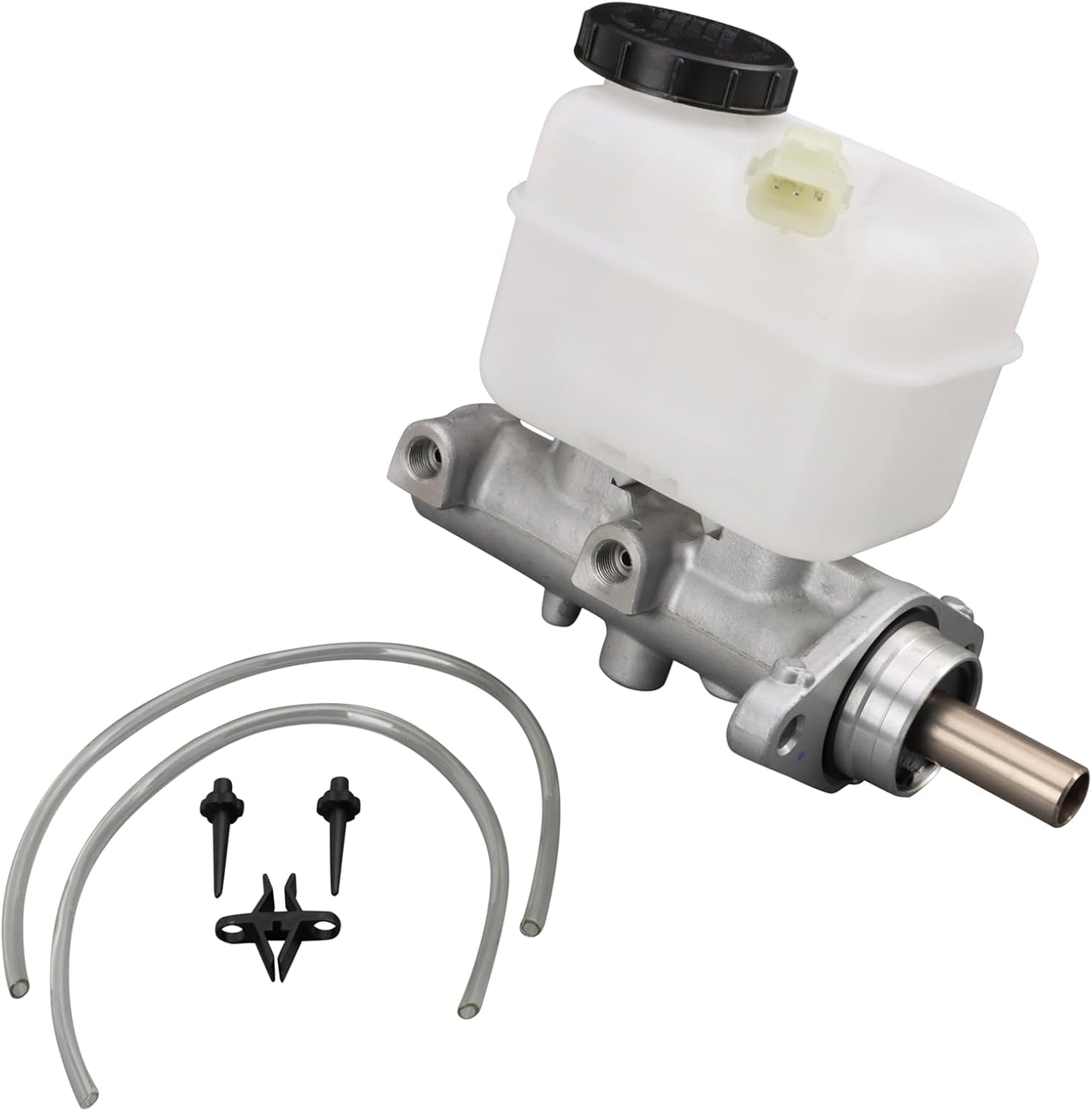
| Master Cylinder Bore Diameter | 1.0625 in |
|---|---|
| Material | Aluminum |
| Cap Included | Yes |
| Reservoir Included | Yes |
| Sensor Included | Yes |
This TRQ master cylinder is a factory-replacement style unit designed for 2006–2010 Ford Explorer, select 2007–2010 Explorer Sport Trac, and Mercury Mountaineer applications that use a 1.0625 inch bore. It ships pre-assembled with the reservoir, cap, brake fluid sensor, and a bleeder kit to simplify installation and reduce time in the garage. Made from machined aluminum and offered as a standard replacement grade, it matches the expected function of the original component and is intended for routine repairs rather than performance upgrades. The included sensor and bleeder kit help streamline bleeding and reconnecting the electrical circuit without sourcing extra parts. Buyers should note this is a direct replacement for the specified bore size only, so verifying the bore and vehicle production date is important before purchase. For owners who want a straightforward, like-for-like swap with helpful installation aids, this unit reduces guesswork and makes a DIY replacement more manageable.
Best for: A buyer who wants a worry-minimizing, like-for-like replacement for the factory master cylinder and prefers a pre-assembled unit that simplifies DIY installation and reduces installation uncertainty.
Less Ideal for: Drivers seeking a performance or heavy-duty upgrade beyond factory-spec braking components or those who need compatibility with different bore sizes or nonstandard brake systems.
- Direct-fit design for specified 2006–2010 Explorer, Sport Trac, and Mountaineer applications
- Pre-assembled with reservoir, cap, sensor, and bleeder kit to simplify installation
- Machined aluminum construction for corrosion resistance versus cast alternatives
- Matches factory-style function for routine brake system repairs
- Fits only vehicles with the 1.0625 in bore so incorrect bore selection will prevent proper fitment
Verdict: Choose this TRQ master cylinder if you want a pre-assembled, factory-style direct replacement that makes a straightforward DIY swap on 2006–2010 Ford Explorer family vehicles with the 1.0625 inch bore.
Choosing the Right 2006-2010 Ford Explorer Brake Master Cylinder: Key Factors to Consider
Fitment and Mounting
Correct fitment is the first priority for the 2006-2010 Ford Explorer because even small differences in mounting flange geometry or stud spacing will prevent a straightforward installation. Confirming the unit matches the Explorer's mounting points and pushrod length avoids the need for modifications that can compromise safety.
Pay attention to reservoir connections and sensor ports. The Explorer's reservoir arrangement and brake fluid level sensor location must be compatible so the unit can connect without adapters. Incorrectly aligned ports may require splicing hoses or reusing old reservoir parts, which can introduce leaks or air into the system.
Bore Size and Pedal Feel
The master cylinder bore diameter determines hydraulic pressure and pedal travel. A bore that is too large for the Explorer's brake calipers and drum geometry can produce a very firm pedal with reduced travel, while a bore that is too small can create excessive travel and a spongy feel. Matching the factory bore size maintains the intended balance between effort and modulation.
If you are changing other braking components such as calipers or proportioning valves, consider how bore size interacts with those parts. For brake systems on the 2006-2010 Explorer, maintaining the original bore specification is generally the safest way to preserve predictable pedal behavior.
Seal Materials and Leak Resistance
Seal composition affects resistance to swelling, cracking, and brake fluid compatibility. For the Explorer, choose a master cylinder with seals rated for DOT 3 or DOT 4 fluid and made from materials that resist heat and age-related degradation. Superior sealing reduces the chance of a brake fluid leak at the master cylinder and prevents the common symptom of brake pedal sinking over time.
Also consider the sealing design at reservoir connections and bleed ports. Robust retention features and quality O-rings minimize the risk of master cylinder seal leak scenarios that lead to fluid loss and air ingress.
Corrosion Protection and Internal Finish
Internal corrosion is a leading cause of master cylinder failure. A unit with a corrosion-resistant bore finish and treated steel or plated components will last longer in climates where moisture and road salt are present. For the 2006-2010 Ford Explorer, which may see varied environmental exposure, prioritizing units with proven anti-corrosion treatments helps maintain smooth piston travel and reduces the need for early replacement.
External finishes and protective coatings on mounting hardware also help prevent seizing during removal or future service, which is useful when planning maintenance or replacement.
Serviceability and Parts Availability
Consider whether seals, rebuild kits, or replacement reservoirs are readily available for the chosen master cylinder. For owners who prefer rebuilt units or intend to service the component themselves, easy availability of rebuild kits and clear disassembly procedures matters. It also affects total ownership cost when repairs are needed.
Units that support bench bleeding and have straightforward bleed port access simplify installation and reduce the chance of trapped air, which can otherwise cause a soft or spongy brake pedal after replacement.
Compatibility With Brake Booster And Sensors
The master cylinder must interface properly with the Explorer's power brake booster and any integrated brake fluid level sensors. Mismatched pushrod length or sensor port spacing can lead to improper booster preload or loss of dash warnings. Ensuring compatibility avoids additional adjustments to the booster or wiring modifications.
Verify the electrical sensor connector style and the reservoir cap venting arrangement. Proper sensor fitment maintains accurate fluid level monitoring and reduces troubleshooting after installation.
Common Symptoms of Master Cylinder Failure on the Explorer
Owners of 2006-2010 Ford Explorer models often notice progressive changes rather than a sudden failure. A soft or sinking brake pedal that develops over several pumps is a classic symptom indicating internal seal wear or bypassing inside the master cylinder. Intermittent brake warning lights or a drop in braking responsiveness under prolonged braking can also signal internal leakage.
Visible brake fluid at the firewall or around the reservoir base points to external seal failure. Pay attention to dampness under the brake booster or staining on the firewall after parked periods, which suggests a brake fluid leak master cylinder scenario requiring immediate attention.
- Soft or spongy pedal that worsens with time
- Brake pedal that sinks to the floor under steady pressure
- Fluid stains near the master cylinder or firewall
- Illuminated brake warning light tied to fluid level
Installation Considerations for the 2006-2010 Explorer
Replacing the master cylinder on the Explorer requires attention to bench bleeding and proper brake system bleeding afterwards. Bench bleeding the unit before installation helps remove trapped air and prevents lengthy bleeding procedures on the vehicle. If bench bleeding is not possible, plan for thorough system bleeding following installation.
Torque specs for mounting bolts, correct pushrod adjustment into the booster, and proper reservoir fill level are important to avoid brake drag or insufficient pedal travel. Use recommended torque values for the Explorer's mounting hardware and ensure the brake booster pushrod allows the master cylinder to sit flush without preloading the booster.
- Bench-bleed before installation to remove air
- Use correct torque and pushrod alignment to avoid drag
- Top off reservoir with correct DOT fluid and bleed each circuit
When To Choose A Rebuild Versus Replacement
A rebuild can be a cost-effective option if the cylinder body and bore are unscored and replacement seals or a master cylinder rebuild kit are available for the unit that fits the 2006-2010 Explorer. Rebuilding preserves original bore sizing and can restore service life if corrosion or scoring is minimal.
Opt for a full replacement when bore scoring, pitting, or significant corrosion is present, or when parts availability for a reliable rebuild kit is limited. Replacement units may offer updated seal materials or finishes that extend longevity compared with an older OEM unit.
- Rebuild if bore integrity and external mounting are sound
- Replace if scoring, corrosion, or unavailable seals exist
- Check availability of rebuild kits before committing to a rebuild
Brake Fluid and Maintenance Tips
Using the correct brake fluid and maintaining proper fluid condition are essential to master cylinder life. For the 2006-2010 Ford Explorer, follow the manufacturer recommendation for fluid type and change intervals. Fresh fluid minimizes internal corrosion and seal deterioration that can lead to master cylinder issues.
Regular inspections of the reservoir, cap seal, and surrounding firewall area will catch small leaks early. If you notice contamination, a discolored reservoir, or repeated low fluid events, inspect the master cylinder seals and connections promptly to avoid brake system compromise.
- Flush brake fluid at recommended intervals to prevent corrosion
- Inspect reservoir cap and seals for cracks or hardening
- Address any fluid contamination or repeated fluid loss quickly
Warranty And Support Considerations
Review warranty coverage and what it includes for brake-related failures. For master cylinders, warranties that cover seal failure and premature leakage provide useful protection for the 2006-2010 Explorer application. Understand the warranty period and any requirements for professional installation to maintain coverage.
Also consider vendor support and availability of technical documentation, such as installation guides or bleed procedures. Clear instructions and accessible support can reduce installation errors and make troubleshooting easier if issues arise after replacement.
- Check what failure modes the warranty covers, especially leaks
- Confirm any installation requirements to keep warranty valid
- Look for clear installation guides and bleed instructions
Still looking for the perfect fit?
Select your Ford Explorer configuration to see the most relevant Brake Master Cylinders recommendations
How We Chose the Best 2006-2010 Ford Explorer Brake Master Cylinder
We vetted candidates based on fitment accuracy, sealing materials, bore and reservoir compatibility, long-term durability, and serviceability specific to the 2006-2010 Ford Explorer. Fitment accuracy was prioritized because incorrect mounting points, pushrod length, or reservoir connections on this vehicle lead to installation problems and compromised brake performance. Seal quality and material compatibility with DOT 3/4 brake fluids were weighed heavily because degraded seals are the most common failure mode that causes leaks and soft pedals on these model years.Durability factors included corrosion-resistant finishes on internal components, factory-style bore sizing to maintain intended pedal travel, and compatibility with the stock brake booster. We also considered serviceability: whether the unit can be bench-bled or supports straightforward bleeding after installation and whether rebuild kits or replacement seals are available for long-term maintenance. Units with ambiguous fitment information or missing reservoir/port specs were excluded. We excluded any options without clear compatibility for the 2006-2010 Ford Explorer, and we did not consider components intended only for other model years or vehicle platforms.
Our full evaluation process is outlined in our review methodology.
FAQ
How do I know if the master cylinder is causing my soft brake pedal?
A soft pedal that worsens with repeated application or a pedal that sinks when held under pressure often indicates internal bypassing in the master cylinder. Verify there are no external leaks, check fluid level, and rule out air in the lines. If leaks and air are absent, internal seal wear in the master cylinder is a likely cause.
Can I replace the master cylinder myself on a 2006-2010 Explorer?
DIY replacement is possible if you are comfortable with brake bleeding procedures and have the correct tools. Bench-bleeding the new unit and performing a complete system bleed are essential. If you are uncertain about achieving a solid pedal or following torque and pushrod setup, seek professional help.
Is a brake pedal that slowly sinks a sign of a leak or master cylinder failure?
A sinking pedal can result from an external leak, air in the system, or internal leakage inside the master cylinder. Inspect for visible fluid loss around the master cylinder and reservoir first; if none is found, internal seal failure is a common cause and should be diagnosed promptly.
Are rebuild kits a reliable option for the Explorer's master cylinder?
Rebuild kits can be reliable if the master cylinder bore is in good condition and the kit includes high-quality seals compatible with DOT fluid. Availability of a correct rebuild kit and the skill to perform the rebuild are key. If the bore is corroded or scored, replacing the unit is usually the safer choice.
Will replacing the master cylinder fix all brake performance issues?
Replacing a faulty master cylinder will address issues caused by internal leakage or failed seals, but it will not fix problems originating from worn calipers, contaminated fluid, or ABS module faults. Diagnose the system comprehensively to ensure the master cylinder is the primary cause before replacement.
How soon should I address a small brake fluid leak at the master cylinder?
Any brake fluid leak should be addressed immediately. Even a small leak can lead to air ingress and decreased braking performance, and it may rapidly worsen. Stop driving the vehicle until the issue is repaired to maintain safe braking capability.
Final Verdict
When replacing the brake master cylinder on a 2006-2010 Ford Explorer, prioritize correct fitment, factory-equivalent bore sizing, and high-quality seals to restore firm pedal feel and avoid future leaks. Consider corrosion protection and the availability of rebuild kits if you plan long-term maintenance. Weigh the tradeoff between rebuilding a serviceable original and installing a new unit with improved seal materials. In most cases, a properly fitted, well-sealed master cylinder that allows thorough bleeding will provide the most reliable brake performance for this vehicle.
Explore More:
- Check out all Ford Explorer parts & accessories
- Explore Brake Master Cylinders Maintenance & Repair Guides
- Explore Brake System
- Browse all Auto Parts
