

Note: This article contains affiliate links. If you click on these links and make a purchase, I may earn a small commission at no extra cost to you. This helps support my research and content. Read my full affiliate disclosure here.
If your 1998-2002 Honda Accord feels loose at the steering wheel or pulls during turns, the tie rod ends are a likely culprit. Proper tie rod ends restore steering precision, improve handling consistency, and reduce premature tire wear—important outcomes for an Accord with two decades of service. This guide covers seven shortlisted replacements chosen for reliable fitment and proven durability within the 1998-2002 Accord range.Below you will find clear evaluation criteria used to compare these tie rod ends, plus practical advice on installation, alignment implications, and how to spot common wear signs before they become safety issues.
Looking for other parts? See all Honda Accord parts & accessories.
Top Picks at a Glance
| Best Overall The best all-around choice for most situations | TRW JAR541 Steering Inner Tie Rod End |  |
| Best Quality Built to a higher standard if you want something more solid | MOOG ES3491 Outer Steering Tie Rod End |  |
| Best Value The sweet spot between price and what you get | BDFHYK Outer Tie Rod Kit (2pc) for Honda Accord 1998–2002 / Acura TL 1999–2003 / Acura CL 2001–2003 |  |
| Best Budget The cheapest option that still gets the job done reliably | KFVF Front Outer Tie Rod End Kit (ES3490/ES3491) for 1998–2002 Honda Accord |  |
| Highest Rated A top-rated pick with lots of positive feedback | Metrix Premium Chassis Parts Front Outer Tie Rod End Kit (Front Left & Right) |  |
| Most Popular A crowd favorite that many people choose with confidence | Detroit Axle Front Inner Tie Rod Ends (2pc) for 1998–2002 Honda Accord V6 |  |
| Best Seller A high-volume bestseller chosen again and again | Detroit Axle Front 4pc Tie Rod Kit for 1998–2002 Honda Accord |  |
1. TRW JAR541 Steering Inner Tie Rod End
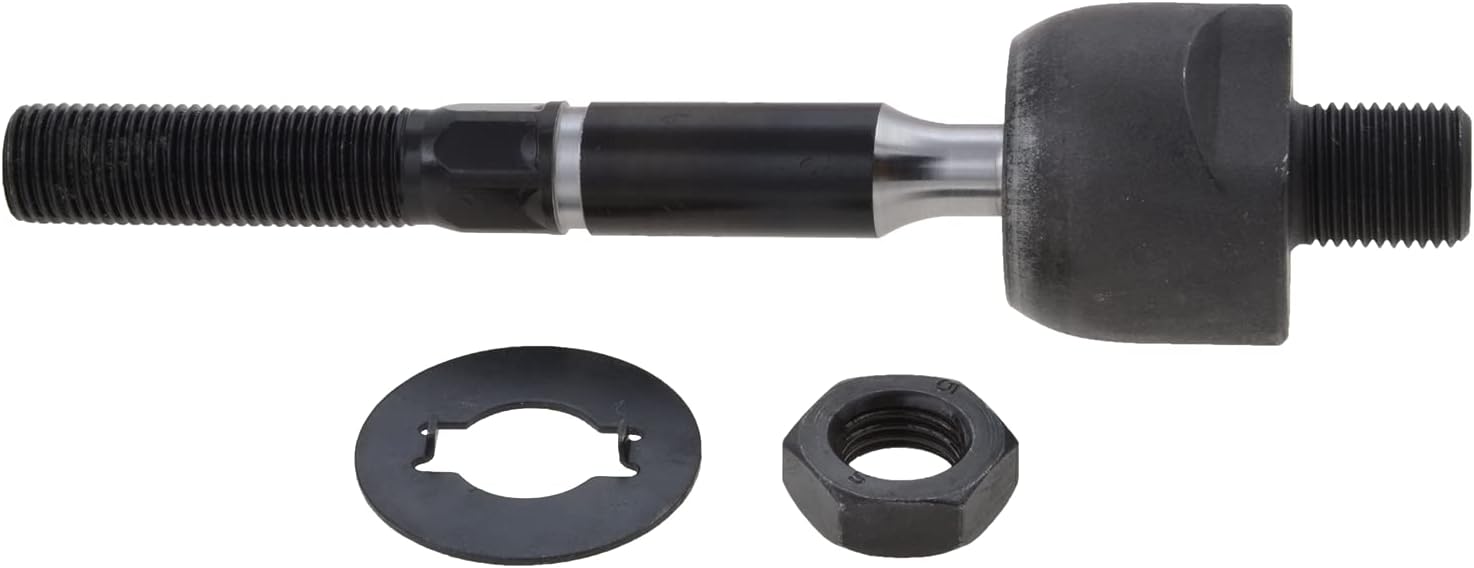
| Brand | TRW |
|---|---|
| Model | JAR541 |
| Position | Inner |
| Fits | 1998-2002 Honda Accord; select Acura CL/TL models |
The TRW JAR541 is an inner steering tie rod end built to match factory performance and longevity for 1998–2002 Honda Accord applications. It uses forged or cold-formed steel with low-friction polymer bearings and polished ball pins to reduce steering play and deliver smooth feedback. Long-lasting rubber dust covers and a developed grease formulation help keep contaminants out and extend service life, while included factory-quality installation hardware simplifies replacement. In everyday use this part restores precise steering response after worn tie rods cause looseness or uneven tire wear, and TRW’s extensive testing suggests consistent durability under normal driving conditions. The design focuses on direct fit and straightforward installation for DIY mechanics or pros. Limitations include that it is a direct replacement inner tie rod only and does not address outer tie rod, steering rack, or alignment needs, so a full front-end inspection and post-install alignment are recommended when replacing this component.
Best for: Buyers who want a durable, factory-grade inner tie rod replacement to restore steering precision on a 1998–2002 Accord and prefer a direct-fit part from a reputable chassis supplier.
Less Ideal for: If you need a complete steering overhaul, adjustable performance rods, or parts for vehicles outside the listed Accord years, this single inner tie rod will not meet those broader needs.
- Factory-quality construction with forged or cold-formed steel for strength
- Low-friction polymer bearings and polished ball pin for smoother steering feel
- Long-lasting rubber dust cover and grease formula improve durability
- Includes factory-quality installation hardware when applicable for easier replacement
- Only replaces the inner tie rod; related steering components and alignment must be checked separately
- Fitment limited to specific year ranges and models so verification before purchase is required
Verdict: A durable, factory-quality inner tie rod end that restores steering precision on 1998–2002 Honda Accords and installs as a direct replacement.
2. MOOG ES3491 Outer Steering Tie Rod End

| Brand | MOOG |
|---|---|
| Part Number | ES3491 |
| Bearing Type | Ball Bearing |
| Compatible Lubricant | Grease |
The MOOG ES3491 is a greasable outer tie rod end designed to replace a worn steering linkage and restore precise steering feel on compatible Accords and Acuras. It installs in place of the factory rod end and is used to correct looseness, reduce uneven tire wear, and return alignment characteristics closer to factory steering behavior. Notable features include a heat-treated ball stud for improved fatigue strength, a press-fit cover plate that helps keep debris out, and a gusher bearing design that allows grease to flow across the bearing surface for lower friction and longer life. The greasable socket means you can top up lubricant to flush contaminants instead of replacing the unit at the first sign of wear. Practical benefits are improved steering stability, easier preventative maintenance thanks to the zerk fitting, and a robust build that matches factory fitment. Limitations are typical for single tie rod ends: installation requires basic suspension tools and a post-replacement alignment is recommended to ensure correct toe settings.
Best for: Buyers who prioritize restoring crisp, factory-like steering and want a serviceable, long-lasting replacement that can be maintained with periodic greasing.
Less Ideal for: Drivers who want a maintenance-free, permanently sealed replacement or those unwilling to perform or pay for a post-install alignment should consider alternatives.
- Greasable design with zerk fitting allows periodic lubrication to extend service life
- Heat-treated ball stud improves fatigue strength versus basic replacements
- Press-fit cover plate and sealing minimize contamination and bearing wear
- Designed for direct fit and easy installation to restore steering feel
- Requires wheel alignment after installation to correct toe settings
Verdict: Choose the MOOG ES3491 if you want a serviceable, heavy-duty outer tie rod end that restores steering precision and accepts regular greasing to extend life.
3. BDFHYK Outer Tie Rod Kit (2pc) for Honda Accord 1998–2002 / Acura TL 1999–2003 / Acura CL 2001–2003

| Fitment | Honda Accord 1998-2002; Acura TL 1999-2003; Acura CL 2001-2003 |
|---|---|
| Included parts | Driver and passenger outer tie rod ends (2pc) |
| Material | AISI 1045 medium-carbon steel |
| Replacement part numbers | ES3490 / ES3491 |
This BDFHYK 2-piece outer tie rod kit replaces both driver and passenger outer tie rod ends to remove steering play and restore straight-line stability on affected Accord and Acura models. Made from forged AISI 1045 medium-carbon steel with induction heat treatment, the parts are intended for daily-driven cars and aim to resist road debris and environmental wear. Installation is typical for front-end steering work and will require a standard tie-rod press or ball-joint tool plus a mandatory four-wheel alignment afterward. The kit lists OE-equivalent part numbers ES3490 and ES3491 so fitment is straightforward for the covered years. Practical buyers will appreciate getting both outer ends in one package rather than sourcing parts separately. Expect routine benefits like reduced steering slack and more even tire wear, though you should plan for alignment labor and follow factory torque and adjustment procedures to avoid premature wear. The product is focused on function rather than upgraded performance features, so it is a repair-oriented replacement rather than a performance or heavy-duty upgrade.
Best for: Buyers who want a practical, factory-replacement steering repair for late 1990s to early 2000s Accords and compatible Acuras and prioritize dependable, long-lasting components over performance upgrades.
Less Ideal for: People seeking performance steering upgrades, heavy-duty suspension components, or parts for vehicles outside the listed model years should look at specialized alternatives.
- Direct-fit kit covering both left and right outer tie rod ends for the listed model years
- Forged AISI 1045 medium-carbon steel construction with induction heat treatment for improved durability
- Includes OE-equivalent part numbers (ES3490/ES3491) so matching and installation are simpler
- Supplies both outer ends in one package which reduces parts sourcing time
- No mention of included alignment hardware or grease fittings so additional small parts or shop work may be needed
Verdict: A straightforward, durable two-piece outer tie rod kit that restores steering precision on the specified Accord and Acura model years, making it a smart choice for practical repair-focused buyers.
4. KFVF Front Outer Tie Rod End Kit (ES3490/ES3491) for 1998–2002 Honda Accord

| Fitment | 1998–2002 Honda Accord |
|---|---|
| Included parts | Front outer tie rod end – driver (ES3490) and passenger (ES3491) |
| Manufacturer | KFVF |
| OEM part numbers | 53540S84A01, 53560S84A01 |
This KFVF kit replaces both front outer tie rod ends (driver and passenger) for 1998–2002 Honda Accords and is intended for do-it-yourself steering repairs and alignment restoration. The parts arrive as two outer tie rod ends (ES3490 and ES3491) machined to match factory-style fitment so you can reinstall and perform a wheel alignment without modification. Notable features include grease zerks for serviceable lubrication and cast components that reviewers describe as well made. In practice the kit restores steering feel, eliminates play and front-end noise, and is straightforward to install for someone with basic suspension tools and alignment access. Limitations to expect are the usual: you will still need a proper alignment after installation and some installers may prefer higher-end or name-brand options for heavy-duty use. For a budget-focused replacement that provides serviceable parts and correct fitment, this kit covers the essentials for returning your Accord’s steering to normal operation.
Best for: Buyers who need an affordable, direct-fit steering repair to remove play and restore steering feel and who plan to do their own installation or source a budget-friendly installer.
Less Ideal for: Drivers seeking the longest-lasting, premium aftermarket or heavy-duty upgraded tie rod ends should consider higher-tier branded parts or professional-grade options.
- Includes both left and right front outer tie rod ends for a complete axle-side replacement
- Grease zerks allow periodic lubrication to extend service life
- Manufactured to match factory-style fitment for straightforward installation and alignment
- Not a premium brand; may lack the corrosion protection or longevity of higher-end OE-quality alternatives
Verdict: A practical, budget-focused front outer tie rod end kit that gives correct fitment and serviceable components to restore steering on 1998–2002 Accords.
5. Metrix Premium Chassis Parts Front Outer Tie Rod End Kit (Front Left & Right)

| Compatible models | 1998-2002 Honda Accord; 1999-2003 Acura TL; 2001-2003 Acura CL |
|---|---|
| Position | Front Outer |
| Material | Steel (machined exterior) |
| Design | Pre-greased and greasable joint |
This Metrix Premium Front Outer Tie Rod End Kit provides direct-replacement steering components for compatible Accord and Acura models. Each kit includes left and right outer tie rod ends that come pre-greased and feature a greasable design to allow periodic maintenance. The parts are steel with machined exterior surfaces and a corrosion-resistant cataphoresis coating intended to extend service life. In practice these tie rod ends restore steering precision and are straightforward to install for anyone comfortable with front-end work, though a post-install wheel alignment is required. Metrix says the parts meet IATF 16949 and ISO 9001 standards and many buyers report a good fit and solid build quality compared with parts-store alternatives. Expect reliable day-to-day performance on street-driven Accords, with the option to re-grease the joint to prolong life. A small number of users reported shorter service life in harsher climates and one noted an included nut that was undersized for a specific vehicle, so check fasteners during install and keep an eye on longevity in heavy-use conditions.
Best for: Buyers who prioritize a reliable, factory-style replacement for steering components on a 1998–2002 Honda Accord and want parts they can maintain to extend service life.
Less Ideal for: Drivers looking for heavy-duty aftermarket performance upgrades for off-road or race use should consider heavy-duty or performance-specific tie rod ends instead.
- Direct fit for listed 1998–2002 Honda Accord and matching Acura applications, simplifying installation.
- Pre-greased and greasable design lets you maintain the joint for longer service life.
- Corrosion-resistant coating and machined finish improve durability and fit.
- Manufacturer certifications (IATF 16949 and ISO 9001) indicate controlled manufacturing quality.
- Some users reported premature failure in aggressive environments, so longevity may vary by use and climate.
- One buyer noted a supplied nut that did not fit their application, requiring reuse of the OEM fastener.
Verdict: A factory-quality, serviceable pair of front outer tie rod ends that restore steering precision and let you extend life through periodic greasing.
6. Detroit Axle Front Inner Tie Rod Ends (2pc) for 1998–2002 Honda Accord V6

| Fitment | 1998–2002 Honda Accord V6 3.0L Sedan (also lists 1998–2000 Coupe) |
|---|---|
| Kit contents | 2x Front Inner Tie Rod Ends |
| Manufacturer | Detroit Axle |
| Manufacturer Part Number | EV423 x2 |
This Detroit Axle kit supplies two front inner tie rod ends intended as direct replacements for 1998–2002 Honda Accord V6 applications. The parts are built like aftermarket steering components with grease fittings and cotter pins included, so you can lubricate the joint during service rather than relying on a sealed lifetime part. Typical use is to swap worn inner tie rods when you have play in the steering or uneven tire wear; installers report these bolt in and accept the factory nut arrangement without modification. Practical benefits include a greaseable joint for longer service life and an aftermarket construction that holds up under everyday driving. Variability in length and occasional manufacturing defects appear in reviews, so expect to verify measurement against the removed unit and plan for a front-end alignment after installation. The kit ships without new jam nuts which some installers reuse from the old assembly. For DIYers comfortable with suspension work this is a value-oriented replacement; shops replacing multiple steering parts may prefer a matched OEM-style assembly to avoid fitment checks and alignment surprises.
Best for: Buyers who prioritize proven user feedback and want a budget-friendly, greaseable inner tie rod replacement they can install or have installed with confidence.
Less Ideal for: Buyers seeking exact factory-matched assemblies without any fitment verification or those unwilling to perform or pay for a front-end alignment after replacement.
- Direct-fit design for 1998–2002 Honda Accord V6 front inner tie rods
- Grease fitting provided so the joint can be lubricated for longer life
- Includes cotter pins and matches factory nut placement for straightforward installation
- Affordable aftermarket option compared with dealer parts
- No new jam nuts included so you may need to reuse or source them separately
- Some units have reported length differences or occasional quality control issues requiring measurement before final installation
Verdict: A budget-conscious, greaseable front inner tie rod kit with widespread positive reviews that suits DIYers and service shops who verify fitment and plan an alignment.
7. Detroit Axle Front 4pc Tie Rod Kit for 1998–2002 Honda Accord

| Fitment | 1998–2002 Honda Accord (front) |
|---|---|
| Kit contents | 4x front inner and outer tie rods |
| Manufacturer | Detroit Axle |
| Manufacturer Part Number | 4S4000045 |
This Detroit Axle kit supplies four front tie rod pieces—inner and outer on both sides—intended as a direct replacement for 1998–2002 Honda Accord steering assemblies. Installers typically use it to restore steering feel, eliminate play, and prepare the car for a wheel alignment. The parts are manufactured and tested for wear and fatigue and many buyers report straightforward fitment and acceptable factory-style performance. Practical benefits include receiving a full left/right set at once and components that let you reassemble and set approximate length before a professional alignment. Some units include grease fittings while others may not, so expect slight variation between pieces. Rusted or seized original ball joints can add labor during removal, so plan for a tie-rod puller or specialty tool. For a risk-averse buyer this kit offers a familiar, factory-replacement approach but you should budget for an alignment and potentially minor supplemental parts like adjusting sleeves during installation.
Best for: Drivers who want a conservative, factory-style replacement to restore steering precision on a 1998–2002 Honda Accord and prefer a complete front-end kit they can fit or have installed by a mechanic.
Less Ideal for: People seeking performance or heavy-duty upgraded steering components or those who want tie rods with guaranteed grease fittings on every piece should consider other specialized options.
- Full front kit includes both inner and outer tie rod ends for left and right sides so you replace all worn components at once
- Designed and tested for wear and fatigue to align with common factory-replacement expectations
- Multiple buyers report good fitment and straightforward installation on the specified Accord years
- Some assemblies lack grease fittings leading to inconsistent maintenance options across the four pieces
- Removal of corroded factory joints can require extra tools and time during installation
Verdict: A complete, factory-style front tie rod kit that reliably restores steering feel on 1998–2002 Honda Accords and simplifies replacing all worn front tie rod components at once.
Choosing the Right 1998-2002 Honda Accord Tie Rod End: Key Factors to Consider
Fitment and Thread Specifications
Accurate fitment is the single most important factor when replacing tie rod ends on a 1998-2002 Honda Accord. Threads, taper geometry, and overall length affect toe settings and steering geometry. A part with incorrect thread pitch or taper can be difficult or unsafe to install and will require extra adapters or rework.
Confirming the exact thread pitch, stud taper angle, and overall reach ensures the replacement seats properly in the steering knuckle and matches the inner tie rod or steering rack connection. Proper fit reduces the chance of binding, uneven wear, or the need for nonstandard shims during wheel alignment.
Ball-Stud Play and Tolerance
Low play in the ball stud joint is essential for steering precision and predictable feedback. Excessive free play translates to vague steering and can accelerate uneven tire wear on the Accord. Look for parts with tight ball stud tolerances and documented maximum axial and radial play measurements.
A well-manufactured tie rod end will have controlled clearance that allows smooth articulation without perceptible looseness. This factor directly affects steering feel at low speeds and stability at higher speeds.
Boot Quality and Sealing
The dust boot protects the ball joint from dirt, water, and road salt; for a vehicle of this age, a durable boot can significantly extend service life. Boots made from high-quality synthetic rubber or multi-layer elastomer resist cracking and retain grease longer than thin, low-density materials.
Also consider how the boot is sealed to the housing. Crimped or mechanically secured boots tend to hold grease and keep contaminants out better than simple press-fit designs. A reliable seal reduces maintenance frequency and the risk of premature failure.
Material Hardening and Corrosion Resistance
Tie rod ends undergo repetitive contact stress at the ball stud and housing interface. Heat treatment and surface hardening of the contact surfaces improve wear resistance and longevity. Parts without appropriate hardening will show faster deterioration and increased play.
Corrosion resistance matters on an older Accord exposed to road salt or moisture. Look for zinc plating, e-coating, or other protective finishes on the housing and threaded areas. Corrosion on threads or the ball stud can complicate future service and accelerate failure.
Serviceability and Replacement Hardware
Consider how easy the tie rod end will be to service if it needs to be replaced again. Replacement units that include new castle nuts, cotter pins, or grease fittings reduce the risk of reusing worn hardware. Greaseable designs allow periodic lubrication to extend life, but sealed designs eliminate a failure point at the grease fitting.
Also check whether the replacement requires special tools or press-fit procedures. Parts that install with common hand tools and standard pullers are preferable for DIYers and independent shops.
Impact on Alignment and Geometry
Tie rod end length and reach affect toe settings, so picking a replacement that closely matches the original geometry streamlines alignment. Subtle differences in effective length can require extra toe adjustment or result in camber/toe tradeoffs if compensating at the control arm.
Choosing parts with correct dimensions reduces the need for additional shims or aftermarket adjustments and helps maintain predictable tire wear characteristics on the Accord.
Signs Your Accord Needs New Tie Rod Ends
Several steering and tire symptoms point to worn tie rod ends on a 1998-2002 Accord. Common indications include uneven tire wear across the front tires, steering wheel vibration at speed, and a loose or wandering steering feel. You may also notice clunking noises when turning from a stop or during curb maneuvers.
- Uneven or cupped wear on the front tire shoulders
- Excessive free play in the steering wheel before tire direction changes
- Clunking or knocking noises when steering or hitting bumps
- Vehicle pulls slightly to one side despite a recent alignment
How Replacement Affects Alignment
Replacing tie rod ends changes the effective length of the steering linkage, which directly impacts toe. Even when the new part claims to be an exact match, you should always plan for a professional alignment after installation. Driving without correcting toe can lead to rapid front tire wear and unpredictable handling.
An alignment ensures the steering wheel is centered and that toe and caster are within the recommended range for the 1998-2002 Accord. If you are replacing only one outer tie rod end, note that matching the opposite side and then fine-tuning toe is the standard practice to preserve symmetrical steering geometry.
- Always perform a toe alignment after tie rod end replacement
- Adjust both sides when possible to avoid asymmetric wear
- Record original measurements when removing parts to aid reassembly
Basic Installation Considerations for DIYers
Outer tie rod end replacement on the 1998-2002 Accord is a common DIY job but requires the right tools and safety precautions. Typical steps include lifting the vehicle securely, removing the wheel, separating the tie rod end from the steering knuckle, and unscrewing the tie rod end from the inner assembly while counting turns to approximate toe settings.
Use a suitable tie rod puller or pickle fork to separate the ball stud from the knuckle without damaging the taper. Preserve or replace the castle nut and cotter pin; reusing corroded hardware increases failure risk. After installing the new tie rod end, torque fasteners to the vehicle manufacturer specifications and have the vehicle aligned professionally as the final step.
- Lift vehicle using rated jack stands and chock rear wheels
- Count the number of turns when unscrewing the old tie rod end to approximate toe
- Use a tie rod puller to avoid damaging the knuckle taper
- Torque to spec and install a new cotter pin
Maintenance Tips to Maximize Service Life
Regular visual inspections catch early signs of boot failure, corrosion, or visible play. If your replacement is greaseable, plan routine lubrication intervals based on local driving conditions. For sealed units, periodic inspection of the boot for cracks or grease leakage is the simple preventive step.
Avoid repeated aggressive curb strikes and pothole impacts, which increase stress on tie rod ends and other steering components. Address loose wheel bearings and worn control arm bushings promptly, as these can accelerate tie rod wear by allowing extra movement in the front suspension.
- Inspect boots for cracks or grease leakage every oil change
- Relubricate greaseable units per manufacturer recommendations
- Repair related suspension issues to prevent accelerated wear
Still looking for the perfect fit?
Select your Honda Accord configuration to see the most relevant Tie Rod Ends recommendations
How We Chose the Best 1998-2002 Honda Accord Tie Rod End
We focused on selecting tie rod ends that provide precise fitment and durable performance specific to the 1998-2002 Honda Accord chassis. Our evaluation prioritized components that meet or exceed factory ball-stud tolerances, use corrosion-resistant finishes, and offer robust dust boot protection to reduce premature wear.Concrete criteria included ball-stud fit and play tolerances, thread and taper specifications for correct installation, boot material and sealing method, and the supplier's documented manufacturing standards for heat treatment or hardened contact surfaces. We also considered ease of installation for standard hand tools and the availability of replacement hardware where applicable.Items were excluded if they lacked explicit compatibility with the 1998-2002 Accord, showed unclear material specs, or lacked evidence of quality control in manufacturing documentation. The goal was to favor parts that minimize alignment drift, resist contamination, and maintain steering geometry over longer service intervals.
Our full evaluation process is outlined in our review methodology.
FAQ
How quickly do tie rod ends on a 1998-2002 Accord wear out?
Wear rate varies with driving conditions, but tie rod ends commonly last many tens of thousands of miles. Harsh roads, frequent curb impacts, and corrosion shorten life, while careful driving and regular inspections extend it.
What are the most common symptoms of a failing tie rod end on this Accord?
Typical symptoms include loose steering feel, uneven front tire wear, vibration at speed, and clunking noises when turning. These signs often appear gradually as play increases in the ball stud joint.
Can I drive the Accord with a bad tie rod end?
Driving with a worn tie rod end is unsafe because it reduces steering control and can lead to sudden steering failure in extreme cases. Repair or replacement is recommended as soon as you observe symptoms.
Do I need an alignment after replacing a tie rod end?
Yes. Replacing a tie rod end affects toe and possibly steering wheel centering. A professional alignment is necessary to ensure proper tire wear and correct steering geometry.
Is it better to choose a greaseable or sealed tie rod end?
Greaseable tie rod ends allow periodic lubrication, which can extend life if you perform maintenance. Sealed units eliminate a grease fitting as a potential failure point and are maintenance free. The best choice depends on your willingness to service the component and local road conditions.
Will replacing only one outer tie rod end fix steering problems?
Replacing a single worn outer tie rod end can restore function, but mismatched components may complicate alignment. When feasible, match the opposite side and have a toe alignment performed to ensure balanced geometry.
Final Verdict
For a 1998-2002 Honda Accord, prioritize tie rod ends that match factory thread and taper dimensions, offer tight ball-stud tolerances, and protect the joint with a durable boot and corrosion-resistant finish. Decide between greaseable and sealed designs based on how much routine maintenance you will perform and local driving conditions. After installation, always have a professional alignment performed to preserve tire life and steering feel. With the right part and proper setup, you can restore precise steering and dependable handling to an older Accord.
Explore More:
- Check out all Honda Accord parts & accessories
- Explore Tie Rod Ends Maintenance & Repair Guides
- Explore Suspension & Steering
- Browse all Auto Parts
