

Note: This article contains affiliate links. If you click on these links and make a purchase, I may earn a small commission at no extra cost to you. This helps support my research and content. Read my full affiliate disclosure here.
If you want a wider track, more aggressive wheel fitment, or a slight visual stance change on your 2016-2021 Honda Civic, choosing the right wheel spacers matters. Improper spacers can cause vibration, uneven wear, or fitment problems on the Civic's hub and brake clearance, so you should focus on fit, centering method, and fastener torque when deciding.This guide covers six shortlisted wheel spacers selected for the 2016-2021 Civic (FC and FK chassis) and explains the factors that affect compatibility, installation, and long-term use. Below you will find concise explanations of key specs, installation considerations, and practical tips to help you pick the best option for your vehicle and driving goals.
Looking for other parts? See all Honda Civic parts & accessories.
Top Picks at a Glance
| Best Overall The best all-around choice for most situations | YHTAUTO 1" Hubcentric Wheel Spacers 5×114.3mm with M12x1.5 Studs (4pcs) | 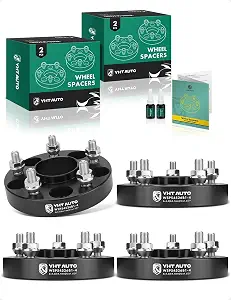 |
| Best Quality Built to a higher standard if you want something more solid | KSP Performance 25mm Hubcentric 5×114.3 Wheel Spacers (64.1mm Bore) — 4pc Kit |  |
| Best Value The sweet spot between price and what you get | PHILTOP 15mm 5×114.3 Hub-Centric Wheel Spacers (64.1mm bore) — 4 pcs |  |
| Best Budget The cheapest option that still gets the job done reliably | ECCPP 1" Hubcentric Wheel Spacers 5×114.3 (4-piece) |  |
| Most Popular A crowd favorite that many people choose with confidence | dynofit 25mm (1") 5×4.5 Hub-Centric Wheel Spacers — Set of 4 |  |
1. YHTAUTO 1" Hubcentric Wheel Spacers 5×114.3mm with M12x1.5 Studs (4pcs)
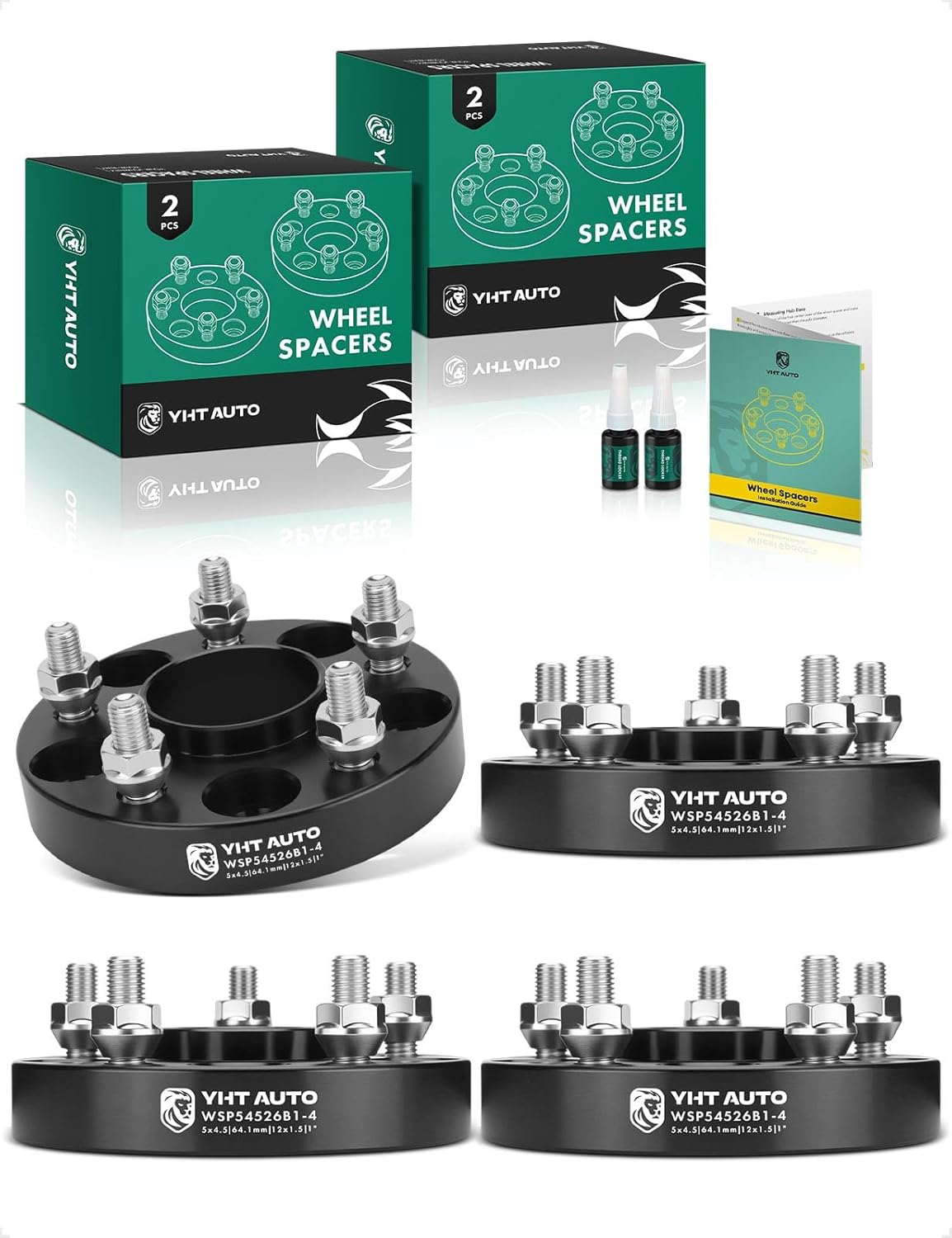
| Bolt pattern | 5×114.3mm (5×4.5) |
|---|---|
| Hub bore | 64.1 mm (with lip) |
| Thickness | 1 inch |
| Stud size | M12x1.5 |
| Stud grade | 12.9 |
These YHTAUTO spacers are a bolt-on hubcentric solution that moves each wheel out by 1 inch using a 64.1 mm hub bore and M12x1.5 studs. They are typically used to improve wheel fitment and stance on compatible Hondas and Acuras, or to provide a bit more clearance for wider tires or calipers. The kit includes four spacers, high-strength 12.9 grade studs, and lug nuts plus an installation guide. The raised hub lip design centers the spacer on the vehicle hub so load is carried by the hub instead of the lug threads, and the manufacturer recommends 70 to 80 ft-lbs torque and using thread locker. In practice these spacers give a noticeable stance improvement and many users report straightforward installation and solid fit. However quality reports are mixed so careful pre-install inspection and regular torque checks are important; one review alleges fastener failure on a sample. These are best for drivers who want a simple, low-cost way to correct wheel offset or clearance but should be installed and monitored carefully by someone comfortable with wheel hardware procedures.
Best for: Buyers who want a bolt-on, budget-friendly way to push Civic wheels outward for improved stance or minor clearance issues and who are comfortable torquing and checking wheel hardware.
Less Ideal for: Drivers seeking a permanent, maintenance-free modification or those unwilling to perform regular torque checks and visual inspections should consider alternative wheel or hub solutions.
- Hubcentric design centers on the hub so radial loads are transferred to the vehicle hub rather than lug studs
- Includes high-strength M12x1.5 studs and lug nuts so no stud replacements are usually required
- 1 inch thickness provides a clear, measurable change in wheel stance and extra clearance for tires or brakes
- Manufacturer-specified torque and 12.9 grade hardware indicate attention to fastener strength
- Some user reports of fastener breakage and loosening mean you must inspect and re-torque regularly
Verdict: A straightforward, hubcentric 1-inch spacer kit that gives 2016–2021 Civic owners an easy way to correct offset and gain clearance while keeping installation simple.
2. KSP Performance 25mm Hubcentric 5×114.3 Wheel Spacers (64.1mm Bore) — 4pc Kit

| Wheel Size | 25 Millimeters |
|---|---|
| Pitch Circle Diameter | 114.3 Millimeters |
| Size | 64.1mm Hub Bore |
| Bolt Pattern (Number of Holes) | 5 |
| Special Features | 10.9 degree lug nuts, Anodized surface, Forged |
These KSP Performance spacers move the wheel 25mm outward to correct fitment, clear large calipers, or widen the track on compatible 5×114.3 Honda and Acura hubs. Sold as a four-piece kit, they are forged aluminum with an anodized finish and include M12x1.5 studs and 10.9-degree lug bolts for mounting. In real-world use they make nonstandard wheels and snow-tire setups sit flush in the fender and many buyers report no vibration when the spacers are torqued to specification. The hubcentric bore helps keep the wheel centered during installation which reduces the risk of shudder. Limitations to consider are the bolt-through design versus using extended hub studs and the fact these are a 25mm offset change only, so larger clearance or heavy-duty duty applications are outside their intended use. Proper torque checks and following wheel-fitment guidance are required for safe, long-term use.
Best for: Buyers who want a simple, bolt-on way to correct wheel fitment or widen the track on 2016–2021 Civic setups while keeping installation straightforward and reversible.
Less Ideal for: Drivers building high-horsepower or competition cars that demand heavy-duty, stud-replacement solutions or significantly larger spacing should look at strengthened stud conversions or thicker spacers engineered for that use.
- Forged T6 aluminum construction with anodized finish for corrosion resistance and strength
- 64.1mm hubcentric bore centers the wheel for easier, more reliable installation
- Includes M12x1.5 studs and 10.9-degree lug bolts for a straightforward bolt-on fit
- 25mm thickness provides a noticeable stance and improved clearance for larger wheels or calipers
- Bolt-on spacer design rather than using extended hub studs may be considered less robust by some installers
Verdict: A practical, forged 25mm hubcentric spacer kit that fixes wheel fitment and clears calipers on 2016–2021 Civic setups with minimal fuss.
3. PHILTOP 15mm 5×114.3 Hub-Centric Wheel Spacers (64.1mm bore) — 4 pcs

| Bolt pattern | 5×114.3 (5×4.5") |
|---|---|
| Thickness | 15mm |
| Stud thread | M12x1.5 |
| Center bore | 64.1mm |
| Material | 6061-T6 aluminum |
These PHILTOP spacers are a straightforward way to push the wheels 15mm outward on 5×114.3 bolt-pattern vehicles, using hub-centric machining and M12x1.5 threaded studs to maintain alignment and load transfer. For a 2016–2021 Honda Civic with a matching bolt pattern, installation is typical wheel removal, fitment of the spacer to the hub, then re-torquing lugs to the recommended spec and re-torquing after 50–100 miles. The parts are forged 6061-T6 aluminum with anodized finish and CNC machining, so they are lightweight and corrosion resistant compared with cast alternatives, and the package includes high-hardness studs rated 12.9 grade. The practical benefits are a wider track for improved cornering stability and a more aggressive stance without changing wheels. Important limitations are the thin 15mm offset which gives a modest visual and handling change, and the need to verify exact fitment and follow torque and installation notes; professional installation is recommended if you are not comfortable with wheel/hub work.
Best for: A Civic buyer who wants a practical, factory-friendly way to slightly widen the track for improved stability and a cleaner stance without changing wheels, and who values a durable, machined spacer.
Less Ideal for: Not the right choice for owners seeking large visual offsets, major wheel fitment changes, or heavy off-road use where thicker adapters or wheel upgrades are required.
- Hub-centric 64.1mm bore reduces chance of vibration when matched to the hub
- Forged 6061-T6 aluminum and anodized finish for strength and corrosion resistance
- Includes high-hardness M12x1.5 studs (12.9 grade) for secure fastening
- 15mm thickness gives noticeable track width gain while remaining compatible with many factory clearances
- Only 15mm thickness so handling and clearance gains are modest compared with larger spacers
Verdict: A durable, machined 15mm hub-centric spacer that modestly widens a 2016–2021 Civic's track for improved stance and stability while staying close to factory fitment.
4. ECCPP 1" Hubcentric Wheel Spacers 5×114.3 (4-piece)

| Thickness | 1 inch / 25mm |
|---|---|
| Bolt pattern | 5×114.3 (5×4.5) |
| Thread pitch | 12×1.5mm |
| Center bore | 64.1mm |
| Stud grade | 10.9 |
These ECCPP 1-inch hubcentric spacers are a budget-friendly way to push factory wheels outward for a wider stance and improved clearance on compatible Honda Civics. Sold as a four-piece set, the spacers are CNC machined to a hubcentric profile and use 12×1.5mm studs with a 64.1mm center bore to center the wheel on the hub. Typical use is simple: install the spacer to the hub, secure with the provided studs and nuts, then remount the wheel and torque to spec. Practical benefits include added track width for a more aggressive look, a small handling feel improvement from increased track, and the ability to clear calipers or suspension components without changing wheels. Important limitations are that included lug nuts may sit long on some factory wheels, some users needed to trim studs or use different nuts, and a few reports indicate inconsistent long-term durability so regular torque checks and proper installation are important. Follow the seller notes on thread size, center bore, and clearance before buying and use thread locker and correct torque when installing.
Best for: Buyers who want an affordable, reversible way to widen a 2016–2021 Civic’s stance or gain modest clearance while prioritizing cost over premium-brand parts.
Less Ideal for: Drivers seeking a lifetime worry-free upgrade, motorsport use, or wheel fitments that require precision-certified spacers should consider higher-end options or professional fitment services.
- Hubcentric 64.1mm bore centers wheels for reduced vibration when matched correctly
- CNC machining and 10.9-grade studs for stronger clamping compared with generic stamped spacers
- 1-inch (25mm) thickness gives noticeable stance and extra clearance without extreme offset change
- Fits common 5×114.3 Honda bolt pattern used on many 2016–2021 Civic variants
- Included lug nuts and stud length may not fit all factory wheels and can require trimming or replacement
- Mixed user reports on long-term durability mean you should recheck torque regularly
Verdict: If you need an inexpensive, hubcentric 25mm spacer to widen a 2016–2021 Honda Civic and accept that you should verify fitment and torque regularly, this set is a practical value pick.
5. dynofit 25mm (1") 5×4.5 Hub-Centric Wheel Spacers — Set of 4

| Bolt pattern | 5×4.5 (5×114.3mm) |
|---|---|
| Hub bore | 64.1mm |
| Thickness | 1 inch (25.4mm) |
| Thread pitch | M12x1.5 |
| Material | 6061-T6 Aluminum |
These dynofit spacers are a set of four forged 6061-T6 aluminum adapters that bolt between the hub and wheel to push the wheel out by 1 inch (25.4mm). They are intended to solve brake caliper clearance and tire rubbing issues and to give the car a wider, more aggressive stance. The hub-centric design with a raised lip centers the spacer on the vehicle hub for stable contact at speed and under load, and the included treated bolts/studs are CNC-machined for better corrosion resistance and fit. Installation is straightforward for a shop or experienced DIYer and most customers report a firm fit with no vibrations when properly torqued. Important trade-offs: increasing track width can add stress to suspension and drive components on any vehicle, and a few users reported cosmetic fading of the black finish over time or rare drivetrain issues after installation. Also check local regulations and fender clearance before fitting larger wheels or tires.
Best for: Buyers who want a proven, shop-friendly spacer to correct wheel offset or caliper clearance and who prioritize secure fitment supported by positive user experiences.
Less Ideal for: Drivers seeking a purely cosmetic change without evaluating wheel fitment or those unwilling to consider possible added stress to suspension and drivetrain components should look elsewhere.
- Forged 6061-T6 aluminum construction for strength and lighter weight than cast alternatives
- Hub-centric design with locating lip for accurate centering and reduced vibration risk
- CNC-machined, treated bolts/studs for improved fit and corrosion resistance
- 1" thickness reliably increases clearance for larger tires or brake calipers and improves stance
- Black anodized finish may fade or discolor with prolonged heat exposure
Verdict: A strong, hub-centric 1" forged spacer that reliably fixes clearance and offset issues while delivering a flush, aggressive look backed by plenty of positive user feedback.
Choosing the Right 2016-2021 Honda Civic Wheel Spacers: Key Factors to Consider
Bolt Pattern and Lug Type
Confirming the Civic's bolt pattern is critical because spacers must match the 5×114.3 layout exactly to seat properly. Mismatched bolt patterns can prevent full lug engagement and produce unsafe load distribution.
You also need to account for whether your wheels use lug nuts or lug bolts and whether the spacer requires studs or accepts existing hardware. Some spacers replace factory studs with longer studs, while others rely on extended lug bolts. Ensuring hardware compatibility preserves proper thread engagement and reduces the risk of stripped threads or loose wheels.
Hub Bore and Centering Method
A hubcentric spacer uses a precisely machined center bore to locate on the vehicle hub, which minimizes runout and reduces the chance of vibration. Lugcentric spacers rely on the lug pattern to center the wheel, which can be less precise unless tolerances are very tight.
For the 2016-2021 Civic, pay attention to the spacer's hub bore diameter and whether it includes centering rings sized to the factory hub. Proper centering is especially important if you plan to run low-profile tires or aftermarket wheels with tight clearances where any runout can cause steering shimmy or uneven tire wear.
Spacer Thickness and Wheel Backspacing
Thickness determines how far the wheel moves outward and directly affects track width, scrub radius, and steering feel. Small increments can improve stance without affecting handling dramatically, while larger spacers can alter suspension geometry and place extra load on wheel bearings.
Measure your wheel backspacing and caliper clearance before selecting thickness. Consider a thickness guide that keeps adequate stud thread engagement—typically at least 1.5 to 2 full turns of thread—or follow manufacturer torque specs. Also account for any future changes like different wheels or brake upgrades, which may require different spacer thicknesses.
Material Quality and Manufacturing Tolerances
High-quality materials such as billet 6061-T6 aluminum resist corrosion and provide predictable strength-to-weight characteristics for spacers. Poorly made spacers can deform, corrode, or fail under load, risking wheel separation or unsafe driving conditions.
Pay attention to machining tolerances, anodizing, and whether the spacer is one-piece or multi-piece. Consistent tolerances affect hubcentric fit and the ability to maintain correct torque over time. Corrosion-resistant coatings help preserve fit in wet or salt-exposed climates common in many regions.
Fasteners, Torque Specs, and Installation Hardware
Correct fasteners and following torque specs are essential for safety. Spacers that include the appropriate length studs, nuts, or extended bolts remove guesswork and help ensure proper thread engagement. If the spacer does not include hardware, you must source bolts that match both spacer and hub thickness while allowing for correct torque application.
Observe the recommended torque sequence and check torque after initial driving. Some installations require retorquing after the first 50 to 100 miles. Failing to follow torque guidance can lead to loosening, noise, or more serious failures over time.
Brake Clearance and Wheel Fitment
Spacers change the lateral position of the wheel, which can create or remove interference with brake calipers and suspension components. Verify that the chosen spacer thickness does not cause the wheel inner surface to contact caliper hardware or brake hoses.
Also consider wheel offset and spoke design; certain wheel shapes may require less or more offset correction. When in doubt, measure from the hub flange to the inner wheel face and compare against spacer thickness to confirm safe clearance.
Understanding Hubcentric Versus Lugcentric Spacers
Hubcentric spacers are machined to fit snugly over the vehicle hub so the hub, not the lug nuts, centers the wheel assembly. This reduces runout and the likelihood of vibration at highway speeds. Lugcentric designs center the wheel by the lug pattern, which can be acceptable when tolerances are tight but may allow small misalignments.
For the 2016-2021 Civic (FC and FK), hubcentric spacers are generally preferable when you are using aftermarket wheels that come with precise hub bores or when you are sensitive to steering vibration. If you choose lugcentric spacers, verify the spacer and wheel tolerances and consider using centering rings where possible.
- Hubcentric: better at preventing vibration and runout
- Lugcentric: simpler design but more sensitive to tolerances
- Use centering rings if hub bores are larger than the factory hub
Measuring for Correct Spacer Thickness
Accurate measurement avoids surprises. Start by checking your wheel backspacing and the current clearance between the hub flange and the inner wheel face. Determine how far you need the wheel to move outward to achieve desired stance or clearance, then factor in safe stud engagement.
If you plan on modest visual changes for a street-driven Civic, small thicknesses like 5 to 12 millimeters often suffice. Larger spacers can affect handling and wheel bearing loads, so measure brake clearance and suspension interference before committing to thicker options.
- Measure wheel backspacing and existing clearance
- Confirm at least 1.5 to 2 full thread turns of stud engagement
- Check for caliper and brake hose interference with simulated spacing
Installation Prep and Using a Wheel Spacer Installation Kit
An installation kit typically includes extended studs or bolts, washers, and sometimes centering rings. Preparing your workspace and having the correct tools prevents cross-threading and ensures you can torque fasteners to specification. Clean the hub flange, remove rust, and check the mating surface for burrs before installing a spacer.
Follow a star torque pattern and use a calibrated torque wrench. After installation, recheck torque after a short break-in period. If a kit includes new studs, hand-start them first, then torque incrementally to avoid misalignment. Proper prep reduces the risk of vibration and improves long-term safety.
- Clean hub flange and mating surfaces
- Use supplied centering rings if provided
- Retorque after initial driving interval
How Spacer Width Affects Driving Dynamics
Increasing track width changes scrub radius and can slightly increase steering effort and steering feel. On a Civic, small changes can be beneficial for cornering grip and a planted look, but large offsets may accelerate bearing wear or alter alignment characteristics.
If you track the car or encounter spirited driving, choose a conservative spacer width and monitor wheel bearing temperatures and steering feel. For show or stance-focused builds, wider spacers produce the desired aesthetic but take extra care to maintain hardware and suspension inspections.
- Small widths: subtle stance change, minimal handling impact
- Large widths: pronounced stance, potential bearing and alignment effects
- Monitor bearing and steering behavior after installation
Common Fitment Issues on the FC and FK Civic and How to Avoid Them
The 2016-2021 Civic comes with specific brake and suspension clearances that can vary with wheel size and trim. The most common issues when adding spacers are caliper contact, rubbing on suspension arms, and insufficient stud engagement. Measure carefully and confirm wheel offset before deciding on spacer thickness.
Use mock-up spacers or temporary washers to simulate the final position when in doubt. If your wheels have complex spoke designs, check the inner spoke clearance versus the caliper area at multiple steering angles to ensure no interference occurs during turning or suspension travel.
- Check caliper and suspension clearance at full lock
- Use temporary spacers to verify fit before final install
- Account for variations across Civic trims and brake packages
Maintenance and Long-Term Checks
After installation, inspect spacer mounting surfaces and fasteners periodically for corrosion or loosening. Torque can settle over time, so a recheck after the first few hundred miles and then at regular service intervals is sensible. Watch for unusual noises, vibration, or uneven tire wear as signs of an issue.
If corrosion appears on aluminum spacers or mating surfaces, clean and treat the area. Replace any hardware that shows thread damage or significant wear rather than attempting repairs that could compromise safety.
- Retorque schedule: after 50-100 miles, then at service intervals
- Inspect for corrosion and replace compromised hardware
- Monitor for vibration and tire wear as early warning signs
Still looking for the perfect fit?
Select your Honda Civic configuration to see the most relevant Wheel Spacers recommendations
How We Chose the Best 2016-2021 Honda Civic Wheel Spacers
We evaluated potential wheel spacers for the 2016-2021 Honda Civic using criteria aimed at real-world fit and safety. Primary filters required exact 5×114.3 bolt pattern compatibility and options that list hub bore sizing or hubcentric adapters to ensure proper centering. We prioritized spacers with clear material and manufacturing specs, such as 6061-T6 aluminum or equivalent, and looked for machine tolerances and anodized finishes that resist corrosion. Fastener strategy was another key dimension; candidates needed to include compatible studs or extended lug bolts, or offer clear guidance on necessary hardware. We considered spacer thickness ranges that maintain safe stud engagement while achieving desired offset changes, and flagged any options that compromised brake caliper clearance or wheel backspacing.Testing and verification criteria included documented torque specs, whether a spacer is hubcentric or lugcentric, and whether a full installation kit (bolts, washers, and centering rings) is available. We excluded adapters that required welding, permanent modification of the hub, or spacers with incomplete spec sheets. Final selections balanced safe engineering, practical installation, and the fitment needs of common Civic wheel sizes and brake packages for the FC and FK years.
Our full evaluation process is outlined in our review methodology.
FAQ
Will wheel spacers cause vibration on my 2016-2021 Civic?
They can if the spacer is not hubcentric or if tolerances are poor. Properly machined hubcentric spacers and correct installation with centering rings reduce the chance of vibration. Always verify fit and balance wheels after installation.
What thickness of spacer is safe for the Civic FC and FK chassis?
Safe thickness depends on wheel backspacing and stud engagement, but modest widths like 5 to 12 mm are common for street use. Ensure adequate thread engagement and check for brake or suspension interference before choosing larger sizes.
Do I need a spacer installation kit or can I reuse factory hardware?
It depends on the spacer design. Many spacers require longer studs or extended bolts to maintain proper thread engagement, so an installation kit is often recommended. If factory hardware provides full engagement, verify torque specs and thread depth before reuse.
How tight should I torque spacer fasteners and wheel nuts?
Follow the torque specifications supplied with the spacer or the vehicle's recommended wheel torque if applicable. Use a star pattern and a calibrated torque wrench, and retorque after initial driving. Exact numbers vary by hardware, so use the documented spec for your setup.
Are hubcentric rings necessary for aftermarket wheels on the Civic?
If the wheel's center bore is larger than the Civic hub, hubcentric rings or a hubcentric spacer help ensure proper centering and reduce runout. They are particularly useful when wheel bores vary from factory dimensions.
Can wheel spacers affect wheel bearing life?
Yes. Increasing track width can change loads on wheel bearings and suspension components, especially with large spacer widths. Choose conservative thicknesses and monitor bearing temperature and wear if you plan extensive driving or spirited use.
Final Verdict
When selecting wheel spacers for a 2016-2021 Honda Civic, prioritize correct bolt pattern match, hubcentric fit, and sufficient fastener engagement. Balance the visual or handling benefits of a wider track against potential impacts on bearings and brake clearance. Follow recommended torque practices and perform initial and periodic checks after installation. With careful measurement and the right hardware, spacers can safely achieve the stance and fitment you want while keeping the Civic's driving dynamics and safety intact.
Explore More:
- Check out all Honda Civic parts & accessories
- Explore Wheel Spacers Maintenance & Repair Guides
- Explore Wheels & Tires
- Browse all Auto Parts
