

Note: This article contains affiliate links. If you click on these links and make a purchase, I may earn a small commission at no extra cost to you. This helps support my research and content. Read my full affiliate disclosure here.
If your 2006-2011 Honda Civic is showing loose or vague steering, replacing worn tie rod ends is one of the most effective repairs you can make. This guide focuses on tie rod ends that fit the Civic 2006-2011 (FA and FG) chassis and explains why correct fitment, durability, and alignment tolerance matter for everyday driving and safety.We shortlisted seven top options that suit common Civic driving conditions and technician preferences, and evaluated them across build quality, joint design, and ease of installation. Read on to understand what to expect when replacing steering tie rod ends and which attributes matter most for a long-lasting repair.
Looking for other parts? See all Honda Civic parts & accessories.
Top Picks at a Glance
| Best Overall The best all-around choice for most situations | TRQ Front Inner and Outer Tie Rod Set, 4-Piece |  |
| Best Quality Built to a higher standard if you want something more solid | MOOG ES800373 Outer Steering Tie Rod End |  |
| Best Value The sweet spot between price and what you get | Detroit Axle Front Tie Rods Kit (4) for 2006–2011 Honda Civic 1.8L |  |
| Best Budget The cheapest option that still gets the job done reliably | SCITOO Front Inner Tie Rod End for 2006-2011 Honda Civic |  |
| Highest Rated A top-rated pick with lots of positive feedback | Metrix Premium Chassis Parts Front Outer Tie Rod End Kit (Left & Right) |  |
| Most Popular A crowd favorite that many people choose with confidence | Detroit Axle Pair Front Outer Tie Rod Ends for 2006–2011 Honda Civic |  |
| Best Seller A high-volume bestseller chosen again and again | SCITOO 8-piece Front Suspension Kit for Honda Civic (2006–2011) |  |
1. TRQ Front Inner and Outer Tie Rod Set, 4-Piece

| Position | Front Inner, Front Outer |
|---|---|
| Manufacturer | TRQ |
| Model | TRQ PSA55208 4 Piece Tie Rod Set |
This TRQ 4-piece kit includes both inner and outer front tie rods for driver and passenger sides and is intended as a direct replacement for 2006–2011 Honda Civic models. The parts arrive pre-assembled and pre-greased to simplify DIY installation, and TRQ provides extensive installation videos to guide the job. In use the components aim to restore steering feel and alignment stability after worn tie rods, and many buyers report a precise fit and straightforward swap with no modifications required. Notable features include machined exterior finish and factory-style thread pitch for easy mating to existing steering linkage. Limitations to be aware of are occasional reports of inconsistent hardware quality and the lack of grease fittings on some pieces, which means you may not be able to re-lube the joints later. After installation a professional wheel alignment is still required. For a buyer seeking a balance of cost and functionality this kit delivers a complete set to do the job without sourcing individual parts.
Best for: Buyers who want a full, budget-conscious replacement kit that balances ease of installation with reliable fitment for routine steering repairs on a 2006–2011 Civic.
Less Ideal for: Drivers who prioritize dealer-level hardware or frequent on-vehicle servicing where re-greaseable joints are important should consider higher-end or serviceable alternatives.
- Complete 4-piece set covers both inner and outer front tie rods for both sides
- Pre-assembled and pre-greased for easier DIY installation
- Direct-fit design created for 2006–2011 Honda Civic to avoid modifications
- Extensive installation video library to guide home mechanics
- Some customers report inconsistent hardware quality including problematic self-locking nuts
- No grease fittings on several pieces, limiting long-term re-lubrication options
Verdict: A cost-effective, full front tie rod replacement kit that makes a practical DIY repair for 2006–2011 Honda Civic owners seeking reliable fit and easier installation.
2. MOOG ES800373 Outer Steering Tie Rod End

| Fit Type | Vehicle Specific Fit |
|---|---|
| Compatible with Vehicle Type | Passenger Car, Truck |
| Material Type | Metal |
| OEM Equivalent Part Number | ES800373 |
The MOOG ES800373 is an outer tie rod end designed to replace the worn steering link on 2006–2011 Honda Civic models and restore accurate wheel response. It installs in the steering linkage to transmit steering input to the front wheel knuckle, and MOOG highlights heat-treated studs, a pressed cover plate, and a greasable bearing design where applicable to extend service life. In real-world use this part aims to return steering feel close to factory standards, reduce looseness and vibration, and help stop premature tire wear caused by a failing rod end. The greasable socket and sealed cover plate help keep out road grime and permit periodic lubrication for longer life on vehicles driven on rough roads. Fit is vehicle-specific so installation is typically straightforward for a technician and alignment is recommended afterward. Buyers seeking the absolute highest performance tuning may prefer aftermarket performance steering components, but for a performance-minded Civic driver wanting a durable, serviceable replacement that preserves sharp steering, this MOOG is a solid choice.
Best for: Drivers focused on preserving or restoring precise steering on a 2006–2011 Honda Civic who want a durable, serviceable replacement that maintains sharp handling.
Less Ideal for: Drivers building dedicated track or racing Hondas who need adjustable or high-performance aftermarket steering links; also not for those who need multi-vehicle universal fitment.
- Vehicle-specific design for direct fit on 2006–2011 Honda Civic models
- Heat-treated ball stud for improved fatigue strength and durability
- Greasable socket option allows periodic lubrication to extend service life
- Press-in cover plate helps seal out debris and reduce bearing wear
- Not marketed as an upgraded performance or adjustable steering component for motorsport use
Verdict: Choose the MOOG ES800373 when you want a durable, serviceable replacement that restores factory-level steering response on a 2006–2011 Honda Civic.
3. Detroit Axle Front Tie Rods Kit (4) for 2006–2011 Honda Civic 1.8L

| Fitment | 2006-2011 Honda Civic 1.8L |
|---|---|
| Kit contents | 2 inner and 2 outer tie rod ends |
| Manufacturer | Detroit Axle |
| Manufacturer part number | 80070-4B |
This Detroit Axle kit supplies both inner and outer front tie rod ends as a direct-fit replacement for 2006–2011 Honda Civic 1.8L cars. It is typically used when steering play, uneven tire wear, or a knocking at the front end indicate worn tie rods. The kit includes two inner and two outer links so you can replace the whole front tie-rod assembly at once and restore steering responsiveness and toe alignment stability. Detroit Axle notes premium alloy construction and enhanced structural strength, which in practice means corrosion resistance and higher rigidity compared with generic stamped parts. Installation is straightforward for a competent DIYer or tech because the parts are made to match factory mounting points. Important limitations are that this is an aftermarket replacement rather than an OEM part and alignment will be required after installation; also bushings and related steering components are not included, so additional inspection may be needed during service. For a practical replacement that restores steering feel and serviceability, this kit covers the common failure points on the Civic front end.
Best for: Buyers who want a practical, do-it-yourself replacement that restores steering feel and fixes play without unnecessary extras; good for owners prioritizing value and straightforward repairs.
Less Ideal for: Shoppers looking specifically for dealer-sourced factory parts or a plug-and-play solution that includes alignment and other steering components.
- Complete four-piece kit replaces both inner and outer front tie rod ends for a full front-end refresh
- Direct-fit design intended to match factory mounting points for easier installation
- Premium alloy construction aimed at improved wear resistance and corrosion protection
- Includes parts for both sides so you can address steering play and toe issues in one job
- Aftermarket part rather than factory-original, which may differ slightly from dealer components
- Requires a wheel alignment after installation and does not include related steering hardware
Verdict: A cost-effective, direct-fit four-piece tie rod kit that lets practical owners replace the Civic front tie rods and restore steering responsiveness in one service.
4. SCITOO Front Inner Tie Rod End for 2006-2011 Honda Civic
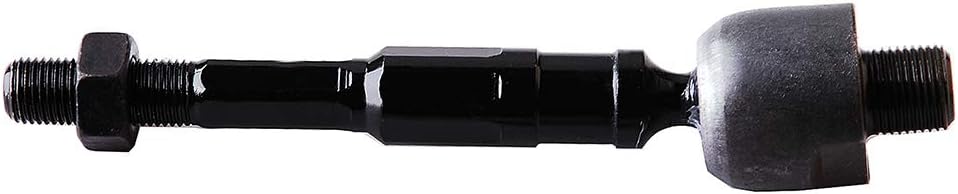
| Manufacturer | SCITOO |
|---|---|
| Model | 100466 |
| Manufacturer Part Number | 100466-5206-1136099511 |
| OEM Part Number | EV800246 |
This SCITOO front inner tie rod end replaces the EV800246 inner tie rod on 2006–2011 Honda Civic models and is aimed at straightforward steering repairs. It is supplied pre-greased and the product description emphasizes consistent assembly and factory-style tolerances to simplify installation. In use it restores steering response and helps eliminate play or noise from a worn inner tie rod, making it suitable for routine maintenance or when diagnosing steering wander. The part is metal finished and arrives as a single replacement unit so you can swap one side without buying a full kit. Important trade-offs are that this is an aftermarket, economy-focused part so long-term durability may not match higher-end premium brands, and professional installation is recommended to ensure correct alignment and safety. For someone replacing a failing inner tie rod to get solid steering function back on a budget, this provides a practical, ready-to-install option.
Best for: Buyers looking to fix steering play or noise on a 2006–2011 Honda Civic without spending much and who prioritize an affordable, ready-to-install replacement part.
Less Ideal for: Drivers seeking a long-term performance or heavy-duty steering upgrade or those who prefer OEM-brand parts and extended longevity.
- Pre-greased at the factory for initial lubrication and reduced prep work
- Made to fit 2006–2011 Honda Civic inner tie rod application for direct replacement
- Consistent assembly and tolerance claims aim to simplify installation
- Metallic finish suggests basic corrosion resistance and durable construction
- Aftermarket economy part so long-term durability may be lower than premium replacements
- Sold as a single inner tie rod end rather than a multi-piece steering kit
Verdict: A budget-friendly, pre-greased inner tie rod built to restore steering feel on 2006–2011 Honda Civic models without extra prep work.
5. Metrix Premium Chassis Parts Front Outer Tie Rod End Kit (Left & Right)
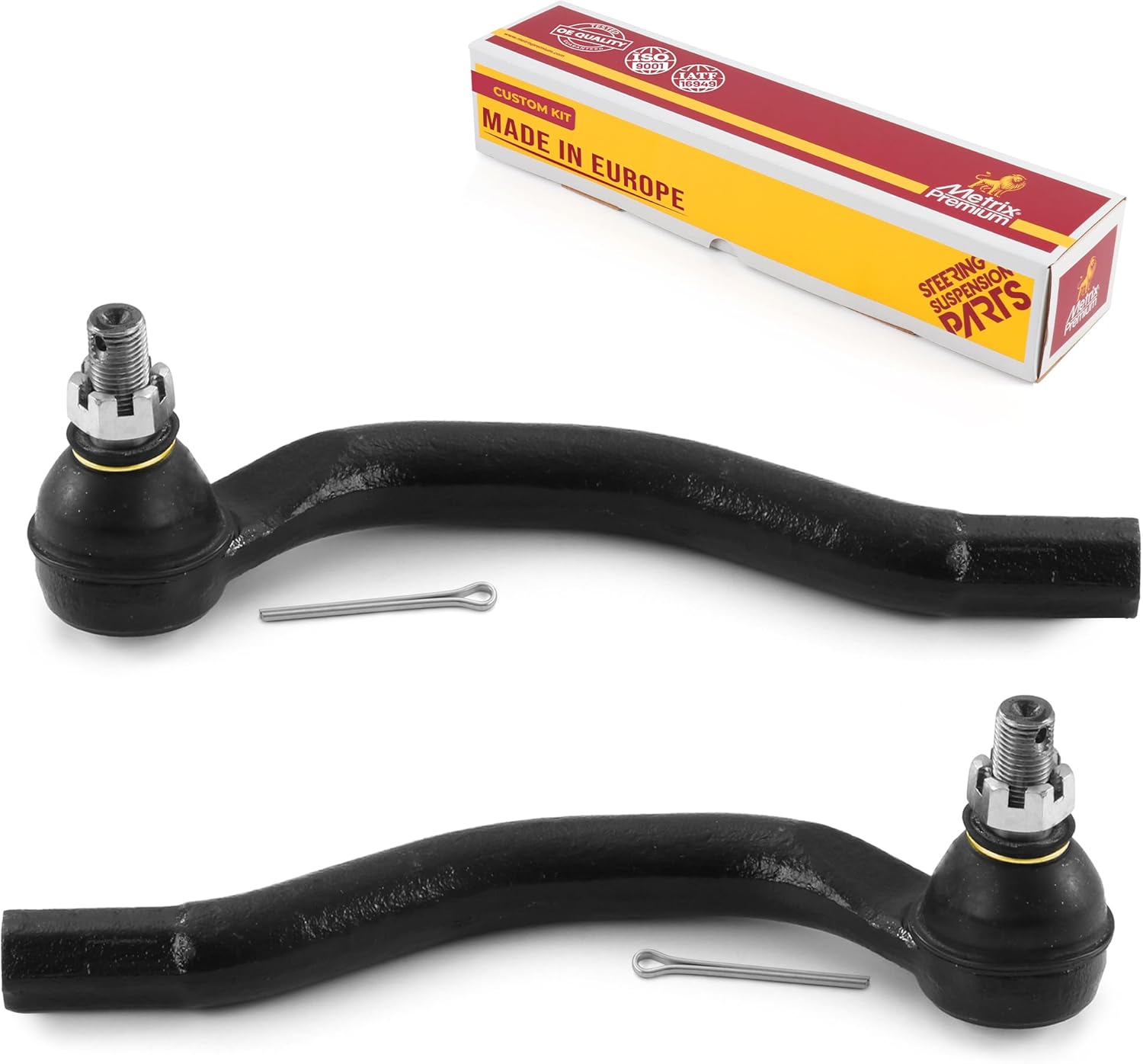
| Compatible models | 2006-2011 Acura CSX, 2006-2011 Honda Civic |
|---|---|
| Quantity | 2 (left and right outer) |
| Material | Steel |
| Position | Front Outer |
| Includes | Cotter pins |
This Metrix Premium front outer tie rod end kit replaces both left and right outer tie rod ends to restore steering precision on 2006–2011 Honda Civic and Acura CSX models. The hardware is steel with a machined exterior and each ball joint terminal is greasable for routine maintenance. Metrix positions these parts as factory-quality replacements built to meet IATF 16949 and ISO 9001 standards and they include cotter pins for secure installation. In practice the kit simplifies doing both sides at once and the greasable design can extend service life compared with sealed, non-serviceable alternatives. The parts are intended for DIY or professional installation; follow standard removal steps, torque specs, and get a post-installation alignment for even tire wear. A practical limitation is that these are direct replacement outer tie rod ends only, so if inner tie rods or other front-end components are worn you should replace those as well to fully restore handling. The kit also does not remove the need for proper alignment checks after installation.
Best for: Drivers who prioritize a reliable, factory-style steering repair and want a greasable, maintainable outer tie rod end kit for Civic CSX-era Hondas.
Less Ideal for: Buyers looking for a full steering overhaul kit or adjustable performance tie rods should consider kits that include inner joints or aftermarket adjustable components.
- Designed to factory-quality standards with IATF 16949 and ISO 9001 certifications
- Includes both left and right outer tie rod ends and cotter pins for a complete front replacement
- Greasable ball joint design allows periodic maintenance to extend service life
- Machined steel construction and corrosion-resistant coating for durability
- Only replaces outer tie rod ends, so other worn steering components must be serviced separately
Verdict: A dependable, factory-style pair of greasable outer tie rod ends ideal for restoring steering feel and reliability on 2006–2011 Honda Civic and Acura CSX models.
6. Detroit Axle Pair Front Outer Tie Rod Ends for 2006–2011 Honda Civic

| Fitment | 2006–2011 Honda Civic |
|---|---|
| Kit contents | 2x Front Outer Tie Rod Ends |
| Warranty | 10-Year Warranty |
These Detroit Axle front outer tie rod ends are a direct replacement intended for 2006–2011 Honda Civic vehicles and come as a two-piece kit. They install like factory parts and are typically used when endplay, steering vibration, or uneven tire wear indicates worn outer tie rods. Notable features include grease fittings for easier service and manufacturing to aftermarket quality standards with impact and fatigue testing. In practice the parts fit cleanly to the knuckle and provide predictable steering feel once installed and aligned. Many buyers report straightforward installation with common tools and immediate improvement in steering vibration or looseness. Limitations are that the kit does not include new jam nuts or OE-style self-locking nuts and some installers prefer adding a washer or using the factory nut type for aluminum knuckles. Expect to perform a wheel alignment after installation and to reuse or replace related fasteners as needed.
Best for: Drivers who want a proven, serviceable steering replacement with lots of user feedback and expect a part that installs like the factory component and can be maintained with grease fittings.
Less Ideal for: People seeking a fully OEM-fastener kit or a one-stop replacement that includes all nuts and washers should look for kits that supply those hardware items.
- Direct-fit replacement made for 2006–2011 Honda Civic for straightforward installation
- Grease zerts included for periodic lubrication and improved serviceability
- Undergoes impact and fatigue testing to meet aftermarket durability expectations
- Comes as a pair so both front outer tie rods can be replaced at once
- Does not include jam nuts or OE-style self-locking nuts, which some installations require
- May require adding a washer or different nut when mating to aluminum knuckles
Verdict: A serviceable, direct-fit pair of front outer tie rod ends that match factory fit and give a reliable steering fix for 2006–2011 Honda Civic owners seeking parts with strong user feedback.
7. SCITOO 8-piece Front Suspension Kit for Honda Civic (2006–2011)

| Fitment years | 2006-2011 |
|---|---|
| Engine | 1.8L |
| Material | Alloy steel, stainless steel |
| Position | Front |
| Finish | Electrophoretic coating |
This SCITOO 8-piece front suspension kit supplies the front steering and suspension components needed when replacing worn tie rods and related parts on a 2006–2011 Honda Civic 1.8L. The kit includes both lower control arms with ball joints, inner and outer tie rod ends, and sway bar end links so you get matched components at once rather than sourcing parts individually. Parts arrive pregreased and finished with an electrophoretic coating to resist corrosion during road use. In practice this makes installation smoother and reduces the chance of needing immediate follow-up maintenance. The control arms and linkages are stamped as vehicle-specific fit and list common OEM part numbers for easy cross-referencing. Expect the kit to restore steering feel and reduce play when installed correctly; professional installation is recommended to ensure alignment and torque specs are met. Limitations are that this is an aftermarket replacement set rather than factory-brand parts and the kit covers only the specified Civic years and 1.8L configuration, so confirm fitment before purchase.
Best for: Buyers who want a low-risk, all-in-one replacement to restore steering and front suspension on a 2006–2011 Honda Civic 1.8L without hunting down individual parts, and who prioritize straightforward, reliable repairs.
Less Ideal for: Drivers looking specifically for factory-branded components or those who only need a single individual part rather than a full front kit should consider alternatives.
- Complete front kit bundles lower control arms, inner and outer tie rod ends, sway bar links, and ball joints for matching replacement.
- Parts come pregreased which saves time at installation and reduces initial maintenance needs.
- Electrophoretic coating and stainless/alloy steel construction improve corrosion resistance for longer service life.
- Includes common alternate/OEM part numbers to simplify compatibility checks and parts cross-referencing.
- Aftermarket kit rather than factory-brand parts which may differ slightly in fit or finish from factory-quality components.
Verdict: If you need a dependable, ready-to-install front suspension bundle to remove steering play on a 2006–2011 Honda Civic 1.8L, this SCITOO kit provides a convenient, corrosion-resistant solution.
Choosing the Right 2006-2011 Honda Civic Tie Rod End: Key Factors to Consider
Fitment and Thread Compatibility
Correct fitment is critical because a tie rod end with the wrong thread pitch, taper size, or overall length can prevent proper alignment or cause premature wear. For the 2006-2011 Civic (FA and FG), matching the factory thread specifications ensures the new end seats correctly into the steering linkage and that tie rod adjustments change toe as expected.
Mismatched parts can lead to stripped threads, unstable mounting, or altered steering ratios that compromise handling. Always verify the thread pitch, left/right orientation, and whether the tie rod end is designed as an inner or outer unit when applicable. Confirming these dimensions before installation reduces rework and helps maintain proper steering geometry.
Joint Design and Seal Quality
The ball-stud joint design affects steering feel and how long the tie rod end remains free of play. Look for designs with precision-machined ball studs and tight tolerance sockets to minimize axial and radial play. A well-fitting joint reduces wandering and uneven tire wear on the Civic.
Equally important is the dust boot and seal. A durable rubber or synthetic boot that resists cracking and keeps lubricant in while blocking water and debris will extend service life. For the 2006-2011 Civic, boots that retain grease and resist heat from braking components will slow wear and delay replacement intervals.
Materials and Corrosion Resistance
Materials determine how a tie rod end copes with road salt, moisture, and daily use. Components with hardened steel studs and corrosion-resistant coatings such as zinc or similar finishes last longer in environments where rust is common. For Civics used in cold climates or near salt-sprayed roads, corrosion protection prevents seized joints and simplifies future service.
Consider also heat-treated components in areas that see higher loads, such as towing or performance driving. Better materials usually translate into less frequent replacements and fewer alignment headaches over the life of the car.
Adjustability and Alignment Tolerance
Tie rod ends that allow for fine adjustment without removing other components make alignments easier and more accurate. For the Civic 2006-2011, a tie rod end that maintains consistent thread engagement while enabling toe correction reduces alignment time at the shop or during DIY servicing.
Pay attention to how much adjustment range the replacement provides compared with the factory part. Limited adjustability can force technicians to pre-bend or alter tie rods, which risks steering geometry errors. Parts with a clear marking for left versus right and robust locking features help maintain alignment settings under vibration.
Serviceability and Installation Ease
Ease of installation matters whether you are a DIYer or a technician because it affects labor time and the chance of installation errors. Features that help include standard nut and stud sizes, a replaceable dust boot, and a design compatible with common pullers and separators. For the 2006-2011 Civic, replacement parts that allow direct swap without modifying adjacent steering components save time.
Also consider whether the part requires special tools or presses. The fewer specialty tools needed, the more straightforward the job will be for most owners. Clear torque specifications and accessible grease fittings are additional conveniences that simplify proper service.
Longevity and Expected Wear Patterns
Understanding likely wear patterns helps set expectations for service intervals. Tie rod ends wear from axial and lateral loads transmitted during steering and from exposure to contaminants. Parts designed to distribute these loads and retain grease will show less axial play and slower wear progression on the Civic.
Look for signs that manufacturers considered wear—such as reinforced boots, polished ball studs, and materials chosen for fatigue resistance. Longer-lasting parts reduce the frequency of tie rod end replacement and help maintain consistent steering response.
Common Symptoms of a Worn Tie Rod End on a 2006-2011 Civic
Worn tie rod ends produce predictable symptoms that help you decide whether replacement is necessary. Typical signs include looseness in the steering wheel, a wandering vehicle at highway speeds, and uneven tire wear concentrated on the inner or outer edges.
You may also notice clunking noises when turning or a loose feeling when transitioning into corners. Identifying these symptoms early prevents further suspension damage and preserves safe steering response.
- Steering wheel play or vague center
- Pulling or drifting to one side at speed
- Uneven or accelerated tire wear
- Clunking or knocking during steering inputs
How Replacement Affects Alignment and Tire Wear
Replacing tie rod ends directly impacts toe settings, which control tire scrub and wear patterns. A properly fitted and adjusted tie rod end returns the steering axis to factory geometry, reducing uneven wear and improving straight-line stability.
After replacement, a professional alignment is strongly recommended to correct toe and ensure both front tires wear evenly. Small misalignments after installation can lead to rapid tire degradation and a noticeable change in handling.
- Tie rod end replacement corrects toe-related tire wear
- Alignment after replacement restores steering precision
- Minor misadjustments can accelerate tire wear
Outer Vs Inner Tie Rod Ends and Which You Need
The 2006-2011 Civic steering system typically uses distinct outer tie rod ends that connect directly to the steering knuckle and inner tie rod ends that attach to the steering rack. Most visible wear and play appear first at the outer tie rod end because it takes the brunt of steering articulation and road impacts.
When diagnosing, check both inner and outer components because a worn inner tie rod will also create play even if the outer looks serviceable. Replace any component that shows movement beyond factory tolerances to ensure the entire steering rack functions as intended.
- Outer tie rod ends usually show wear first
- Inner tie rod wear also affects steering play
- Inspect both to decide on single or paired replacement
Tools and Steps for a Typical Tie Rod End Replacement
A straightforward tie rod end swap on a Civic often requires basic hand tools plus a tie rod separator or ball-joint pickle fork and a torque wrench. The key steps include loosening the jam nut, marking the current toe position to preserve alignment, separating the tie rod end from the knuckle, and threading in the new end to match original engagement.
After installation, torque the tie rod stud to spec, tighten the jam nut, and then get a professional alignment. If the replacement part includes a grease fitting, pump in a small amount of grease to seat the boot and joint.
- Common tools: wrenches, tie rod separator, torque wrench
- Mark thread engagement to preserve toe setting
- Always perform an alignment after installation
Inspection Checklist Before You Buy Replacement Ends
Before purchasing tie rod ends, inspect the steering linkage for torn boots, visible rust, and excess play. Confirm whether you need left or right ends and whether both outer joints should be replaced as a pair to maintain symmetrical wear.
Measure or note thread size and count the turns per inch if possible, and check the overall length compared with the existing part. This preparation avoids ordering an incompatible unit that would require returns or risky modifications.
- Check boots for tears and grease leakage
- Measure threads and overall length
- Decide on single or paired replacement based on wear
Factors That Influence Tie Rod End Longevity on Civic FA and FG Chassis
Road conditions, exposure to salt and moisture, frequent curb impacts, and aggressive driving increase wear rates. The FA and FG chassis on 2006-2011 Civics often encounters urban potholes that accelerate joint fatigue. Regular inspections after winter seasons or rough-road driving reduce the chance of sudden failures.
Maintenance such as cleaning, inspecting seals, and re-greasing where applicable will extend service life. Choosing components with better seals and corrosion resistance directly combats common failure modes experienced on this chassis.
- Potholes and curb strikes accelerate wear
- Corrosion shortens joint life in salted regions
- Regular inspection and re-greasing when possible helps longevity
Still looking for the perfect fit?
Select your Honda Civic configuration to see the most relevant Tie Rod Ends recommendations
How We Chose the Best 2006-2011 Honda Civic Tie Rod End
We prioritized criteria that matter specifically for steering components on the 2006-2011 Honda Civic. Fitment accuracy was the first filter because correct thread pitch, taper, and overall length affect steering geometry and alignment. Durability and materials came next, with emphasis on corrosion-resistant finishes, heavy-duty ball-stud construction, and effective dust seals to withstand road salt and miles of use. Joint design and articulation were assessed for smooth steering feedback and minimal slop over time. Ease of installation and serviceability were factored in, including standard thread sizes, available replacement boots, and whether the tie rod ends allow for tie rod adjustment without removing adjacent suspension hardware. Finally, we considered quality control markers such as consistent dimensions, torque spec compatibility, and observable manufacturing tolerances.We excluded any components that lacked clear Civic 2006-2011 (FA and FG) fitment data, showed inconsistent dimensional specifications, or used nonstandard threads that would require modification. The list focuses on parts that let technicians and DIYers achieve proper tie rod end replacement and restore alignment without additional fabrication.
Our full evaluation process is outlined in our review methodology.
FAQ
What are common symptoms of a failing tie rod end on my 2006-2011 Civic?
Common symptoms often include steering play or vague response, wandering at highway speeds, uneven tire wear, and clunking noises during turns. These signs usually indicate the joint has developed excessive play and should be inspected promptly.
Should I replace both tie rod ends at the same time?
It depends. If only one shows wear and the other is within tolerance, a single replacement can be done. However, replacing both outer tie rod ends together is often recommended to maintain symmetrical wear and simplify alignment.
Can I drive safely with a worn tie rod end until I get parts?
Driving with a worn tie rod end may be unsafe because the steering can become unpredictable. Short, cautious trips to obtain parts or to a repair shop are sometimes acceptable, but extended driving increases the risk of sudden steering failure.
How will replacing tie rod ends affect my Civic's alignment?
Replacing tie rod ends directly affects toe settings and can change alignment. After replacement you should have a professional alignment performed to restore correct toe and prevent uneven tire wear.
Are there special tools needed to replace tie rod ends on a 2006-2011 Civic?
Most jobs require common hand tools, a tie rod separator or pickle fork, and a torque wrench. Specialty presses are rarely needed for outer tie rod ends, but access tools may make removal easier.
How can I check if a tie rod end still has adequate life?
With the front wheels off the ground, grasp the wheel at 3 and 9 o'clock and check for lateral play while an assistant moves the steering wheel. Excessive movement or detectable play at the tie rod stud indicates the part needs replacement.
Will replacing tie rod ends fix uneven tire wear by itself?
Replacing worn tie rod ends addresses one cause of uneven tire wear, but you also need a proper alignment to correct toe and camber issues. Tires already damaged by uneven wear may need rotation or replacement.
Final Verdict
When replacing tie rod ends on a 2006-2011 Honda Civic (FA and FG), prioritize correct fitment, durable seals, and adequate adjustment range so the steering returns to factory geometry. Balance durability against ease of installation to minimize shop time and ensure reliable performance. After installation, plan for a professional alignment to finalize toe settings and prevent rapid tire wear, and address both sides if wear is asymmetric so steering feel and safety are restored.
Explore More:
- Check out all Honda Civic parts & accessories
- Explore Tie Rod Ends Maintenance & Repair Guides
- Explore Suspension & Steering
- Browse all Auto Parts
