

Note: This article contains affiliate links. If you click on these links and make a purchase, I may earn a small commission at no extra cost to you. This helps support my research and content. Read my full affiliate disclosure here.
If the heater or air conditioner fan in your 2002-2006 Honda CR-V has lost some speeds or stopped working at certain settings, the blower motor resistor is often the culprit. Choosing the right replacement part matters because fitment, thermal durability, and connection quality directly affect fan performance and longevity on this generation of CR-V. This guide covers the top shortlisted blower motor resistors for the 2002-2006 Honda CR-V and explains the practical considerations you should weigh. We evaluate fitment, electrical reliability, and resistance to heat and corrosion to help you pick a durable repair option. Read on for testing tips, installation notes, and maintenance suggestions before you get under the dash.
Looking for other parts? See all Honda CR-V parts & accessories.
Top Picks at a Glance
| Best Overall The best all-around choice for most situations | Yikesai HVAC Blower Motor Resistor — Replacement for Select Honda and Acura Models |  |
| Best Quality Built to a higher standard if you want something more solid | AISIN HVAC Blower Motor Resistor Kit (BMRH-00311) |  |
| Best Value The sweet spot between price and what you get | STETIG Blower Motor Resistor compatible with select Honda models |  |
| Best Budget The cheapest option that still gets the job done reliably | X AUTOHAUX Blower Motor Resistor (79330S5A941) |  |
| Highest Rated A top-rated pick with lots of positive feedback | TVM TRAVERMAN Blower Motor Resistor 79330-SDA-A01 Compatible with Select Honda/Acura |  |
| Most Popular A crowd favorite that many people choose with confidence | POHILA Blower Motor Resistor HVAC Heater A/C Kit (direct fit) |  |
| Best Seller A high-volume bestseller chosen again and again | A-NAFTULY HVAC Front Blower Motor Resistor Control Module |  |
1. Yikesai HVAC Blower Motor Resistor — Replacement for Select Honda and Acura Models

| Fitment | Select Honda and Acura models including 2002-2011 CR-V and related models |
|---|---|
| Replaces part numbers | 79330-S5A-942, 79330-SNA-A01, 79330-SDA-A01 and others |
| Manufacturer | Yikesai |
| Item model number | BMR-HD-001 |
This Yikesai blower motor resistor is a plug-and-play replacement that restores the different fan speeds when a vehicle’s blower has been stuck on one speed or stopped working. Intended for a range of Honda and Acura models, it replaces several common part numbers so it fits the factory wiring harness and mounts in the same location behind the glove box. Typical use is a DIY under-dash repair: disconnect the harness, swap the resistor, and reassemble the glove box and panels. The unit features a visible heatsink and is built for thermal stability and corrosion resistance, which helps with heat dissipation and consistent electrical resistance across speed settings. Buyers report straightforward fit and reliable function on older Hondas, though access under the dash can be cramped and installation may require small tools and patience. Some users note mixed long-term durability, so expect OEM-level performance for a budget-friendly, do-it-yourself repair rather than an extended-lifespan upgrade.
Best for: A practical DIYer seeking an affordable, direct-fit repair to restore HVAC fan speed control on a 2002–2006 Honda CR-V who values straightforward replacement and immediate function.
Less Ideal for: If you need a long-term, high-durability component for heavy-duty or commercial use, or prefer dealer-grade replacement parts with extended proven lifespan, consider an OEM sourced unit or professional service.
- Direct replacement that matches several Honda/Acura part numbers for a correct fit
- Plug-and-play design uses the factory wiring harness for straightforward installation
- Heatsink and corrosion-resistant materials improve heat dissipation and short-term durability
- Restores full multi-speed blower control so HVAC functions return to normal
- Access behind the glove box can be tight and installation may be fiddly for some DIYers
- Some reviewers report uncertainty about long-term durability compared with factory parts
Verdict: A budget-friendly, direct-fit resistor that reliably restores multi-speed blower function for 2002–2006 Honda CR-V owners who want a DIY repair.
2. AISIN HVAC Blower Motor Resistor Kit (BMRH-00311)

| Voltage | 12 Volts |
|---|---|
| Terminal Quantity | 4 |
| Terminal Type | Blade |
| Wiring Harness Included | Yes |
This AISIN blower motor resistor kit replaces a failed blower resistor to restore multi-speed fan control in the vehicle HVAC system. It installs in place of the factory resistor and is intended for use when certain fan speeds stop working or airflow becomes inconsistent. The kit includes a four-terminal blade resistor with a six-inch wiring harness and mounting hardware, and AISIN positions it as a factory-quality aftermarket replacement. In everyday use it returns precise airflow control across the fan speed range so heating and cooling performance feels consistent again. The included harness and standard terminals simplify wiring during a DIY swap, and the two bolt holes match factory mounting for a direct fit. Limitations are that compatibility must be checked carefully against the listed Honda and Acura model years, and electrical faults elsewhere in the blower circuit can mimic resistor failure so confirm the blower motor and fuses before replacing this part.
Best for: A practical DIYer or mechanic wanting to restore precise fan speed control on affected 2002–2006 Honda CR-V models and similar vehicles, prioritizing a direct-fit, factory-quality replacement.
Less Ideal for: Drivers who have intermittent electrical issues or uncertain diagnoses should have the blower motor circuit tested first rather than replacing the resistor immediately.
- Factory-quality aftermarket design engineered to match original fit and function
- Includes wiring harness and blade terminals for straightforward installation
- Four-terminal resistor provides full range of fan speed control
- Mounting pattern and hardware mirror factory attachment for direct replacement
- Only compatible with the specific Honda and Acura model years listed so fitment must be verified
Verdict: Choose this AISIN resistor kit when you need a factory-quality, direct-fit replacement to restore full multi-speed HVAC fan control on the specified Honda CR-V model years.
3. STETIG Blower Motor Resistor compatible with select Honda models

| Manufacturer | STETIG |
|---|---|
| Manufacturer Part Number | 18B647-1254-AB |
| OEM Part Number | 3A1273, 973452, RU367, 20289, 973-452, RU-367, RU367T, 7801A820, 79330S5A941, 79330S5A942, 79330S7A941, 79330SCAA01, 79330SCAA02, JA1390, L20661P21, TD1161P21 |
This STETIG blower motor resistor replaces a failed HVAC fan speed resistor to restore full blower control in compatible Honda models. It installs in the vehicle HVAC housing where it regulates current to the blower motor, returning all fan speeds when the original resistor has burned out or lost resistance. The part lists several cross-reference OEM numbers and is built to match factory fit and function, which makes installation straightforward for home mechanics who follow vehicle-specific service guides. Notable features include broad OE cross-references and a compact, molded design intended for a direct swap into the factory resistor location. The practical benefits are simple: regain variable fan speeds without replacing the entire blower motor assembly and avoid dealer labor costs. Limitations are that fitment must be confirmed against the vehicle year and OEM part numbers and electrical connectors may vary between model years, so verification before purchase is essential.
Best for: Buyers who want a cost-effective repair to restore HVAC fan speeds on 2002–2006 Honda CR-Vs and prioritize a direct replacement that matches factory function.
Less Ideal for: Drivers who prefer professional shop installation of custom or upgraded HVAC components or who suspect the blower motor itself is failing should consider other solutions.
- Built to match factory fit and function for straightforward replacement
- Cross-references multiple OEM part numbers for easier fit verification
- Compact molded design simplifies installation into the original resistor location
- Requires verifying exact fit and connector type against the vehicle before installation
Verdict: A practical, factory-compatible replacement resistor that restores full blower fan control for 2002–2006 Honda CR-Vs without replacing the blower motor.
4. X AUTOHAUX Blower Motor Resistor (79330S5A941)

| Material Type | Metal,Plastic |
|---|---|
| Pin Number | 4 |
| OE Number | 79330S5A941 79330S5A942 79330SNAA01 RU438 JA1452 |
| Unit Count | 1.0 Count |
This X AUTOHAUX blower motor resistor replaces a failed speed control element in the HVAC system so the fan can run at multiple speeds again. It installs in-line with the blower motor and is used when the fan is stuck on one speed or not working at all. The part is made of metal and plastic with insulated wiring to resist corrosion and temperature extremes, and it includes the common OE cross numbers for direct-fit replacement. For buyers on a budget this offers a quick repair without replacing the entire blower motor assembly. Expect a straightforward swap if you or your mechanic can access the resistor housing; professional installation is recommended to ensure correct wiring and fit. It is a non-factory aftermarket part, so long-term durability may vary compared with factory-quality components and it does not include additional seals or mounting hardware beyond the unit itself.
Best for: Buyers looking for an inexpensive repair to restore HVAC fan speeds on qualifying Honda and Acura models who prioritize low upfront cost and a fast DIY or shop fix.
Less Ideal for: Those who prefer factory-quality parts for long-term reliability or want a guaranteed extended warranty should consider OEM replacements or higher-end aftermarket options.
- Direct replacement for common OE part numbers listed for Honda and Acura applications
- Simple part design makes it easier and faster to swap in and restore multiple fan speeds
- Insulated wiring and mixed metal/plastic construction aimed at corrosion and temperature resistance
- Aftermarket non-factory unit so long-term durability and fit may not match factory-quality parts
Verdict: A low-cost aftermarket resistor that gets HVAC fan speed control working again quickly for budget-focused repairs on compatible Hondas.
5. TVM TRAVERMAN Blower Motor Resistor 79330-SDA-A01 Compatible with Select Honda/Acura
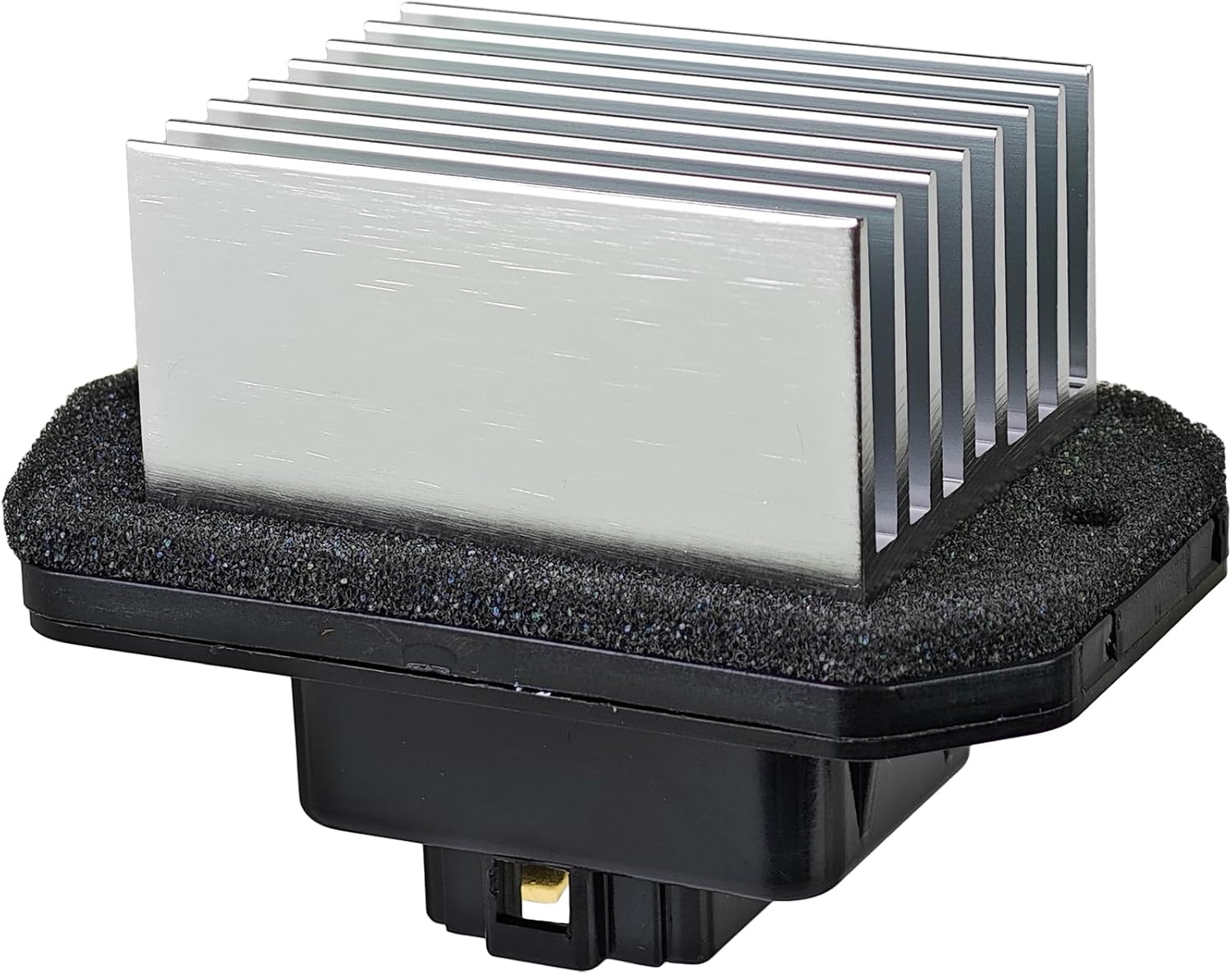
| Manufacturer | TVM TRAVERMAN |
|---|---|
| Model | 79330-SDA-A01 |
| OEM part numbers | 79330-SDA-A01,79330-SNA-A01,79330-S5A-942,973-452,JA1390 |
This blower motor resistor replaces the factory control module that regulates blower fan speeds, restoring lost lower-speed settings or resolving a blower that only works on high. Designed for direct replacement in affected Honda and Acura models, it installs under the passenger-side dash by unplugging the harness and removing a few screws, so most DIYers can fit it without modifications. The part is built with a metal heat sink and a PA66-M40 glass-fiber reinforced base to dissipate heat and resist vibration, which helps reliability in daily driving. It lists multiple OEM part numbers for cross-reference and covers many model years within the target CR-V range. Limitations: it is a single-purpose HVAC module so compatibility must match the listed part numbers and vehicle years, and electronic failures elsewhere in the blower circuit will not be fixed by replacing the resistor alone.
Best for: A buyer who values a reliable, factory-quality repair to restore HVAC blower control on a 2002–2006 Honda CR-V and prefers a direct-fit part they can install themselves.
Less Ideal for: Drivers looking for a universal or multi-vehicle solution or those who need a troubleshooting diagnosis for intermittent electrical faults beyond the resistor.
- Direct-fit replacement for listed Honda and Acura part numbers for straightforward installation
- Metal heat sink and reinforced PA66-M40 base for improved heat dissipation and vibration resistance
- Restores full range of blower fan speeds, fixing common HVAC issues like blower only on high
- Only fits the specific listed models and part numbers so verify compatibility before buying
Verdict: Choose this resistor when you want a factory-style, heat-managed direct replacement to reliably restore blower speed control on a 2002–2006 Honda CR-V.
6. POHILA Blower Motor Resistor HVAC Heater A/C Kit (direct fit)

| Brand Name | POHILA |
|---|---|
| Included Components | Blower Motor Resistor |
| Model Name | 79330-S5A-942, 79330S5A941, 79330S5A942, 79330S7A941, 79330SDAA01 |
| Item Weight | 0.14 Kilograms |
This POHILA blower motor resistor is a direct-fit replacement intended to restore full fan-speed control when a failing resistor causes limited or stuck blower speeds. It installs as a plug-and-play module into the factory harness and is typically located behind the dash or under the glovebox, so most DIYers can replace it in a short garage session. The part is built from reinforced materials and the listing references several OEM reference numbers for fitment to Honda Civic, Accord, CR-V and related Acura models from the early 2000s through mid 2010s. Practical benefits include regained multi-speed fan operation, straightforward installation with no wiring changes, and a construction that reviewers say matches factory fit and feel. Limitations are inherent to a resistor pack: it fixes fan-speed issues but will not address a bad blower motor, connector corrosion, or HVAC control module faults. Also fitment varies by year and build origin, so confirming the exact vehicle fit is essential before replacing the part.
Best for: Buyers who want a low-risk, proven replacement to fix inconsistent or lost fan speeds on supported Honda CR-Vs and prioritize straightforward, OEM-style fit and ease of installation.
Less Ideal for: People troubleshooting intermittent HVAC electrical faults caused by wiring damage, corroded connectors, or a failing blower motor should diagnose those systems first or consider alternative repairs.
- Direct-fit design plugs into factory harness for simple installation
- Restores all blower fan speeds and resolves symptoms like stuck-on high or missing speeds
- References multiple OEM part numbers to help confirm compatibility
- Construction uses reinforced materials for durability comparable to factory replacements
- Only repairs blower speed control and will not fix failures in the blower motor or HVAC control module
Verdict: A straightforward, direct-fit resistor that reliably restores fan speed control on compatible 2002–2006 Honda CR-Vs with minimal fuss.
7. A-NAFTULY HVAC Front Blower Motor Resistor Control Module

| Brand | A-NAFTULY |
|---|---|
| Model | 79330SDAA01, 79330-SDG-W41,79330SDRA01 |
| Manufacturer Part Number | AN70233 |
| Compatible Years | 2002–2006 Honda CR-V listed in description |
This A-NAFTULY blower motor resistor replaces the factory control module that governs HVAC fan speeds and is intended as a direct replacement for affected Honda and Acura vehicles. Installation is straightforward: the module mounts on the lower passenger side and swaps into the original connector and screw points without special tools. In use it restores stepped fan speeds and resolves symptoms like the fan running on one speed or not blowing at all. The listing explicitly replaces several Honda part numbers and covers many model years including CR-Vs in the 2002 to 2006 range, so it is aimed at owners who need a like-for-like repair. Practical benefits include an easy DIY swap, widely reported successful installs, and compatibility with the original mounting location and connector. Limitations to note are mixed long-term reliability reports across reviewers and the usual need to verify part number and connector type before buying to ensure a perfect fit for your specific vehicle build and trim.
Best for: A cautious buyer who wants a low-risk, DIY repair to restore HVAC fan speeds on a 2002–2006 Honda CR-V and prefers a direct-fit replacement over aftermarket modifications.
Less Ideal for: If you prefer guaranteed long-term durability backed by a dealer or manufacturer warranty or need a universal solution for multiple vehicle brands, look for a different option or dealer-sourced parts.
- Direct replacement for listed Honda/Acura part numbers and factory mounting points
- Simple install from the passenger-side access with basic hand tools
- Restores full fan speed control when the resistor is the root cause
- Multiple reviewers report successful fits on 2002–2006 Honda CR-V and similar models
- Some reviewers report early failures, so longevity may vary
- Compatibility depends on matching original part number and connector type
Verdict: Choose this direct-fit A-NAFTULY resistor when you want an easy, like-for-like repair to restore fan speed control on a 2002–2006 Honda CR-V.
Choosing the Right 2002-2006 Honda CR-V Blower Motor Resistor: Key Factors to Consider
Correct Fitment and Connector Type
A blower motor resistor must match the connector, mounting orientation, and hole pattern used on the 2002-2006 Honda CR-V. Incorrect pinouts or a mismatched plug can prevent the blower from functioning or cause intermittent contact. Confirming fitment reduces the need for splicing or adapter modifications that can introduce failure points.
Fitment also affects installation time and the ability to route wiring without strain. The resistor pack sits near the blower housing under the dash and often uses a specific mounting tab layout. Choosing a resistor that mirrors the original attachment points ensures a secure installation and correct airflow over the resistor elements for cooling.
Electrical Rating and Resistance Values
Resistors must be rated to handle the blower motor's current draw at each fan speed. If the resistor value or wattage rating is too low, it will overheat and fail prematurely. Proper resistance values ensure the HVAC control sends the expected voltage drops for each speed, preserving consistent fan operation across settings.
Look for parts that specify current or wattage capacity and that match the OEM electrical characteristics for this CR-V. Components with conservative ratings relative to the vehicle's blower motor are less likely to degrade from repeated thermal cycling.
Thermal Management and Element Design
The resistor pack operates in a warm, sometimes confined space and must dissipate heat effectively. Good thermal management comes from robust resistor elements, adequate spacing, and a housing design that allows airflow over the elements. Poorly cooled resistors will heat soak and fail, causing loss of speeds or total blower failure.
Consider designs that expose elements to the incoming fan airflow or use heat-tolerant materials and protective coatings. Reliable thermal behavior increases service life, especially when the HVAC is used heavily in summer or winter months.
Terminal and Connector Durability
Electrical connections are a common point of failure when corrosion, loose terminals, or brittle plastic housings develop. Durable terminals, tight-fit connectors, and corrosion-resistant plating reduce the chance of intermittent fan speeds or open circuits. The quality of solder joints or rivets inside the resistor pack also matters for long-term reliability.
Inspect whether replacement parts use reinforced connector housings or replaceable terminal pins. Better mechanical retention prevents vibration-related loosening while driving, which is especially relevant for older CR-Vs that may have seen years of use.
Serviceability and Installation Ease
Ease of access and replacement affects labor time and the likelihood of correct installation. For the 2002-2006 Honda CR-V, the resistor is typically located behind the glove box area, and parts that require minimal trim removal or avoid cutting wires simplify the repair. Clear instructions, retained mounting hardware, and matching connector designs reduce installation errors.
Serviceable designs that permit replacing just the resistor elements or connector pigtails without full harness modification help owners and technicians perform a tidy repair that can be reversed if needed.
Environmental Resistance and Longevity
Exposure to humidity, dust, and temperature swings can accelerate corrosion and electrical wear. Materials and finishes that resist moisture and contaminants help the resistor last longer in service. Protective coatings, sealed housings, and robust plastics reduce the impact of environmental stress on contacts and resistor elements.
Longevity considerations also include manufacturing quality and quality control. Parts built with consistent materials and tested for thermal cycling will typically outlast cheaper alternatives, reducing the chance of repeat repairs.
Common Symptoms of a Failing Blower Resistor
Typical signs that the blower motor resistor is failing on a 2002-2006 Honda CR-V include loss of one or more fan speeds, the fan working only on high, or intermittent operation that changes with vibration or temperature. These symptoms result from open resistor elements or poor connector contact inside the resistor pack.
You may also notice the fan blinks on and off at certain settings or that the HVAC fan runs only at high speed because the resistor bypass path for high is often routed differently. Observing when the failure occurs can help isolate whether the resistor or the HVAC control is the likely cause.
- Loss of low and medium fan speeds while high still works
- Intermittent fan operation tied to vehicle temperature or bumps
- Noisy blower operation that coincides with electrical faults
How to Locate the Resistor on the 2002-2006 CR-V
On this generation of Honda CR-V the blower motor resistor is typically mounted near the blower housing behind or under the glove box area on the passenger side. Access often requires removing the glove box or a trim panel to reach the connector and mounting screws.
Knowing the resistor location before you start saves time and helps you prepare the right tools. Keep a flashlight, a compact socket set, and a flat tool to release retaining clips within reach for a smoother removal process.
- Passenger-side dash area, near blower housing
- Often accessible after glove box removal or lower trim panel removal
- Look for a small rectangular housing with a multi-pin connector
DIY Testing Steps for the Resistor Pack
Begin with a visual inspection of the connector and resistor housing for signs of melted plastic, corrosion, or blackening. Next, with the ignition on and blower set to different speeds, observe whether the connector gets hot or if the fan behaves inconsistently. A multimeter can be used to measure voltage at the connector and continuity across resistor terminals.
A simple HVAC blower resistor test involves checking for continuity on each resistance path when the control is set to the corresponding speed. If a path shows an open circuit while others are intact, the resistor pack is likely faulty. Always disconnect the battery or follow safe electrical procedures when probing live circuits.
- Visual check for heat damage or corrosion
- Measure voltage at blower connector across speed settings
- Continuity check on resistor terminals with multimeter
Installation Tips and Best Practices
When installing a replacement resistor, ensure the connector fits snugly and that mounting screws are tightened to prevent vibration. Avoid overtightening which can crack plastic housings. If the original wiring or connector pins show corrosion, replace or clean them to maintain a reliable contact.
Route wires so they do not rub on sharp edges and confirm the resistor elements are oriented to receive airflow from the blower. After installation, test all fan speeds and monitor for unusual heat or smells during the first few uses to confirm the repair was successful.
- Secure connector fully and hand-tighten mounting screws
- Replace corroded terminals or use dielectric grease sparingly on contacts
- Verify airflow direction across resistor elements after installation
When to Call a Technician
If the fan still fails after replacing the resistor pack, if you detect burning smells, or if electrical issues persist such as blown fuses or erratic instrument behavior, consult a technician. These symptoms may indicate a failing blower motor, wiring harness issues, or a problem with the HVAC control module that require diagnostic equipment.
Also seek professional help if you are uncomfortable working near electrical systems or if removal requires extensive dashboard disassembly. A trained technician can diagnose whether the resistor is the root cause and verify the blower motor and control circuitry are within specification.
- Persistent failures after resistor replacement
- Burning smells or smoke from the HVAC area
- Unclear wiring faults or repeated blown fuses
Still looking for the perfect fit?
Select your Honda CR-V configuration to see the most relevant Blower Motor Resistors recommendations
How We Chose the Best 2002-2006 Honda CR-V Blower Motor Resistor
We selected candidate blower motor resistors using criteria focused on common failure modes and real-world installation needs for the 2002-2006 Honda CR-V. First, fitment accuracy was prioritized so each resistor matches the electrical connector, mounting points, and resistor pack orientation used on this CR-V generation. Second, thermal durability and rated current capacity were considered because resistors near the blower motor face sustained heat and must handle repeated cycles without degrading. Third, corrosion resistance for terminals and solder joints was assessed to reduce intermittent failures in humid environments. Fourth, electrical consistency and tolerance were evaluated so fan speeds remain predictable across HVAC settings. Fifth, ease of installation and serviceability were factored in, including availability of replacement connectors or mounting hardware when applicable. We excluded parts with unclear fitment data, non-standard connectors, or ratings that do not match OEM electrical loads. The final list emphasizes parts that meet correct electrical specifications, robust construction, and good user feedback on longevity for this specific Honda CR-V model years.
Our full evaluation process is outlined in our review methodology.
FAQ
How long does a blower motor resistor typically last on a 2002-2006 CR-V?
Lifespan varies widely depending on usage and environment. Often resistors last several years, but exposure to humidity and heavy HVAC use can shorten life. Regular inspection can catch early signs before complete failure.
Can I drive with a faulty blower motor resistor?
You can drive the vehicle, but loss of lower fan speeds reduces cabin climate control which may affect defogging and comfort. Intermittent electrical faults can also worsen, so addressing the issue promptly is advisable.
Is it possible the blower motor, not the resistor, is causing the problem?
Yes. A high-draw or failing blower motor can overload the resistor and cause repeated resistor failures. If resistors fail shortly after replacement, test the blower motor current draw and inspect for signs of binding or wear.
How difficult is the replacement on this CR-V generation?
Replacement difficulty is moderate. Access usually requires removing the glove box or lower trim, and the job is often doable with basic hand tools. Those unfamiliar with dash panels may prefer professional help to avoid panel damage.
Will cleaning the connector fix intermittent blower speeds?
Cleaning corrosion and ensuring a tight connector can restore proper contact and resolve intermittent issues. If the resistor elements are damaged or open, cleaning alone will not fix the underlying fault.
Final Verdict
For the 2002-2006 Honda CR-V, prioritize a replacement blower motor resistor that matches the original connector and electrical ratings while offering durable terminals and good thermal design. Correct fitment and robust connections minimize the chance of repeat failures and keep your HVAC fan speeds consistent. Balance ease of installation and environmental resistance when choosing a part. If you suspect the blower motor itself draws excessive current, check the motor before replacing multiple resistors. With the right part and careful installation, you can restore reliable heating and cooling performance quickly.
Explore More:
- Check out all Honda CR-V parts & accessories
- Explore Blower Motor Resistors Maintenance & Repair Guides
- Explore HVAC
- Browse all Auto Parts
