

Note: This article contains affiliate links. If you click on these links and make a purchase, I may earn a small commission at no extra cost to you. This helps support my research and content. Read my full affiliate disclosure here.
If you own a 2007-2011 Honda CR-V you know ignition components play a big role in everyday drivability. Choosing the right spark plug affects cold starts, fuel economy, and whether your engine runs smoothly at idle and under load. This guide focuses on the top spark plug options suited to the 2007-2011 CR-V engine family and explains the tradeoffs that matter for routine maintenance and long-term reliability.The selections here are a short list of recommended spark plugs chosen for longevity, ignition consistency, and ease of installation. Below we explain the criteria used to pick them, what to watch for during replacement, and practical tips for gap, heat range, and diagnosing common spark-plug-related symptoms before you get under the hood.
Looking for other parts? See all Honda CR-V parts & accessories.
Top Picks at a Glance
| Best Overall The best all-around choice for most situations | DENSO Platinum TT Spark Plugs, 4-pack (vehicle-specific fit) |  |
| Best Quality Built to a higher standard if you want something more solid | DENSO Iridium TT Spark Plugs, 4‑pack — compatible with Honda CR‑V (2000–2009) |  |
| Best Budget The cheapest option that still gets the job done reliably | BDFHYK Iridium Spark Plug Set of 4 (Vehicle-Specific Fit) |  |
| Highest Rated A top-rated pick with lots of positive feedback | BOSCH 9614 Double Iridium Spark Plug — Pack of 4 |  |
| Most Popular A crowd favorite that many people choose with confidence | NGK IZFR6K11 Iridium Spark Plugs 4-Pack |  |
1. DENSO Platinum TT Spark Plugs, 4-pack (vehicle-specific fit)

| Gap Size | 0.04 Inches |
|---|---|
| Thread Size | 14mm |
| Core Material | Platinum |
| Automotive Fit Type | Vehicle Specific Fit |
These DENSO Platinum TT spark plugs are a direct replacement set designed to restore ignition performance in compatible Honda CR-V 2.0L and 2.4L engines from the early 2000s. The twin-tip design with a 1.1 mm platinum center electrode and a titanium-enhanced ground strap produces a larger, more consistent spark than standard plugs, which helps with smoother starts, steadier idle, and marginal fuel-economy gains. They arrive pre-gapped to 0.040 inches for the listed applications and are intended as an easy swap for routine maintenance. Because they use platinum in the center electrode, they offer improved durability and longer service life compared with basic copper plugs. The package is a four-pack, so it covers a full four-cylinder tune-up. Limitations are that these are vehicle-specific fit plugs, so confirm exact engine fitment before buying, and platinum plugs are generally less long-lived and slightly less performant than some iridium designs for high-mileage or high-performance applications.
Best for: Buyers seeking a reliable, factory-replacement style upgrade that restores ignition performance and longevity for routine maintenance on compatible CR-V engines.
Less Ideal for: Drivers chasing maximum service life or ultimate performance gains who should consider iridium or performance-focused plugs instead.
- Twin-tip Platinum TT design yields a larger, more consistent spark for smoother starts and idle
- 1.1 mm platinum center electrode with titanium-enhanced ground strap improves durability over basic plugs
- Pre-gapped to 0.040 inches for the listed Honda CR-V applications to simplify installation
- Four-pack supplies all cylinders for a complete tune-up
- Compatibility limited to the specified Honda CR-V 2.0L and 2.4L applications so fitment must be confirmed
Verdict: Choose these DENSO Platinum TT plugs if you want a durable, vehicle-matched replacement that improves starting and idle for your CR-V without changing engine tune.
2. DENSO Iridium TT Spark Plugs, 4‑pack — compatible with Honda CR‑V (2000–2009)

| Fitment | Honda CR‑V 2000–2009 (2.0L / 2.4L L4 models) |
|---|---|
| Quantity | 4 plugs |
| Gap | 0.040 inch |
| Tip type | Iridium center with platinum ground tip |
These DENSO Iridium TT spark plugs use a twin‑tip design with a fine iridium center and a platinum ground tip to concentrate the spark and promote more complete combustion. They are sold as a four‑pack and are typically used as a direct replacement during routine tuneups on the 2.0L and 2.4L L4 Honda CR‑V engines listed in the fitment. In practice the iridium tip increases durability and resists corrosion, so you can expect longer service intervals compared with standard copper plugs. The concentrated spark can improve throttle response and fuel economy under normal driving and is a noticeable benefit for drivers who value a sharper engine feel. Installation is straightforward for anyone comfortable with basic engine work, though these are a higher‑end replacement so they cost more than basic plugs. Also verify the correct gap and torque when installing since precision is part of the benefit. For performance‑minded CR‑V owners wanting a reliable, long‑life upgrade, these plugs strike a good balance between durability and ignition performance.
Best for: Buyers focused on improving ignition consistency and longevity on a CR‑V who prioritize drivability and fuel economy gains over the lowest purchase price.
Less Ideal for: Drivers who only need a budget, short‑term replacement or those unwilling to follow precise gap and torque specs during installation should consider simpler economy plugs instead.
- Iridium twin‑tip design for a concentrated, stronger spark
- Improved corrosion resistance for longer service life
- Can deliver better fuel economy and crisper throttle response
- Sold as a complete four‑plug set for full‑engine replacement
- Higher cost than basic copper or single‑platinum plugs
Verdict: Choose these DENSO Iridium TT plugs if you want a durable, performance‑oriented ignition upgrade that improves spark focus and longevity for a 2007–2011 CR‑V.
3. BDFHYK Iridium Spark Plug Set of 4 (Vehicle-Specific Fit)

| Unit Count | 4 |
|---|---|
| Thread Size | M14x1.25 |
| Core Material | Iridium |
| Automotive Fit Type | Vehicle Specific Fit |
| Compatible with Vehicle Type | Car |
These BDFHYK iridium spark plugs are a budget-friendly, vehicle-specific replacement designed to restore or improve ignition performance. Typically installed as a direct swap when replacing worn factory plugs, the fine iridium center electrode promotes quicker, more consistent sparks and the seller claims a service life around 30,000 to 40,000 kilometers. The plugs come with ceramic insulators and nickel tops, and they use an M14x1.25 thread for compatible engines. In use they deliver smoother starts and reduced misfires compared with old copper plugs, and user reports show straightforward fitment on a range of Honda and related engines. Practical limitations include some instances where gaps arrived slightly out of spec so checking and re-gapping before installation is wise, and a few reviewers questioned whether the very low price reflects genuine iridium manufacturing rather than an alloy. For owners who want a cost-effective ignition upgrade or a like-for-like replacement, these plugs offer solid value, but those wanting the longest-lasting, name-brand iridium option may prefer a premium alternative.
Best for: Buyers looking to replace worn plugs or get an affordable ignition upgrade with straightforward, vehicle-specific fitment and improved starting and throttle response.
Less Ideal for: Drivers who prioritize longest possible lifespan and original-brand validation for high-mileage engines should consider OEM or premium iridium plugs instead.
- Iridium center electrode for improved ignition consistency compared with basic copper plugs
- Vehicle-specific fitment for common Honda engines simplifies installation
- Includes ceramic insulators and nickel top for durability
- Affordable option that many users report fits and runs well
- Some units may arrive with gap out of factory spec requiring adjustment
- Low price raises occasional questions about whether the electrode is fully iridium versus a coated or mixed material
Verdict: A cost-conscious, vehicle-specific iridium spark plug set that gives better ignition performance than basic plugs while keeping replacement costs low.
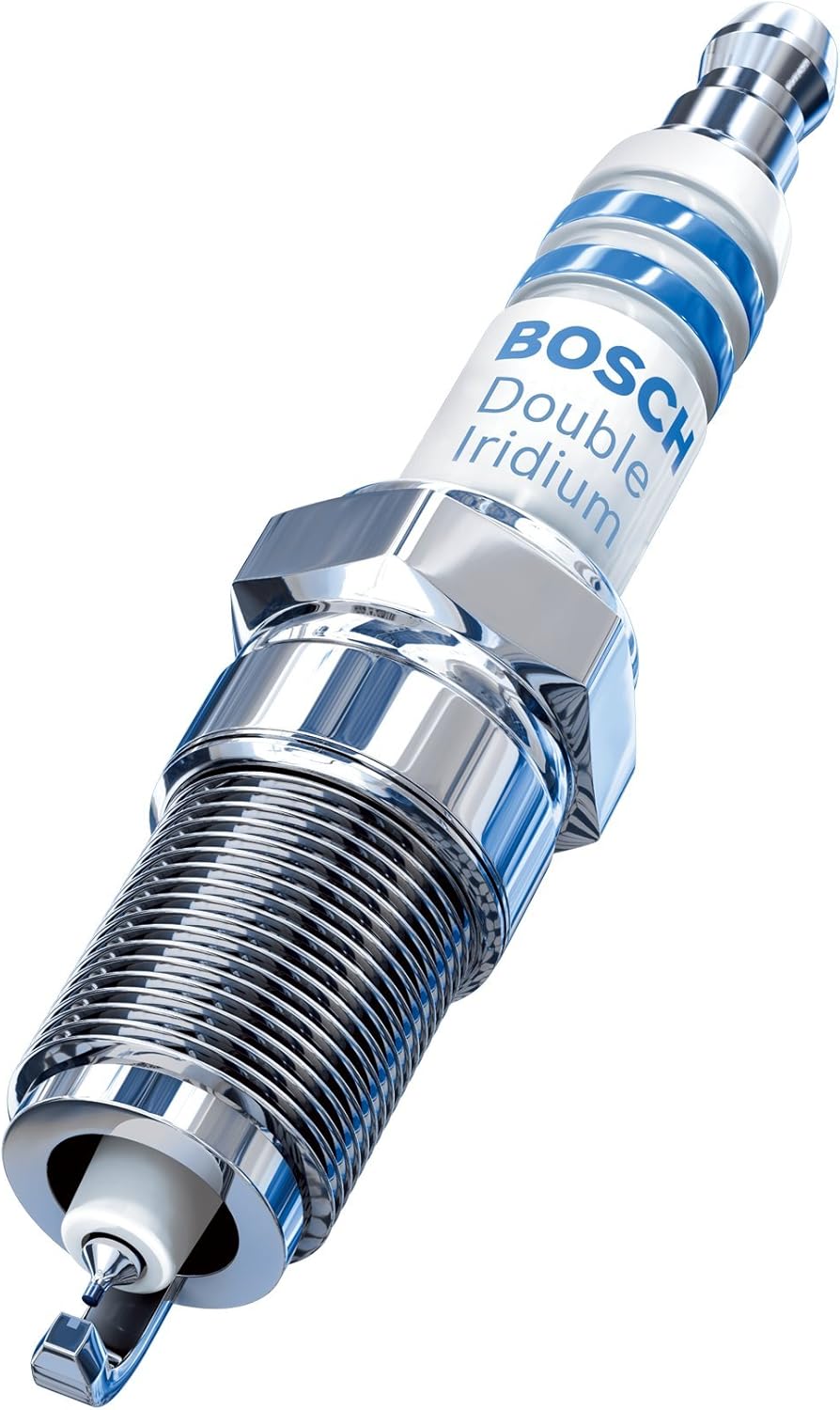
4. BOSCH 9614 Double Iridium Spark Plug — Pack of 4
| Brand | Bosch |
|---|---|
| Core Material | Iridium |
| Top Material Type | Iridium |
| Automotive Fit Type | Vehicle Specific Fit |
| OEM Part Number | 9614 |
These Bosch 9614 double iridium spark plugs are designed as a factory-style replacement for modern gasoline engines, including many Honda applications. They use an ultra-fine laser-welded iridium firing pin and an iridium ground electrode inlay to improve ignitability and extend service life compared with standard copper plugs. Plugs come pre-gapped and feature nickel-plated rolled threads that resist corrosion and remove the need for anti-seize, so installation is straightforward during routine tune-ups. In real-world use they tend to produce smoother starts and more stable idle on cars where the 9614 is the correct fit, and many owners report multi-year life between changes. Be careful to confirm exact fitment for your CR-V drivetrain and engine, because some model years or engines may specify a different Bosch part; using the wrong plug can affect performance or fit. If you prioritize long-lasting, low-maintenance spark plugs and verify compatibility first, these are a dependable choice for regular maintenance.
Best for: Drivers who value long-term reliability and low-maintenance service intervals and who will verify the correct plug number for their CR-V before purchase.
Less Ideal for: Buyers who need a plug specified exactly for a nonstandard or modified engine without checking compatibility should look for the exact manufacturer-recommended part.
- Iridium center and ground electrodes for improved ignitability and extended life
- Ultra-fine laser-welded firing pin reduces voltage requirement and improves spark consistency
- Pre-gapped at the factory for easy, correct installation
- Nickel-plated rolled threads resist corrosion and do not require anti-seize
- Fitment varies by engine and some Honda CR-V engines may require a different Bosch part number
Verdict: Choose these Bosch double iridium plugs if you want a factory-style, long-life replacement that minimizes maintenance when confirmed to fit your CR-V's engine.
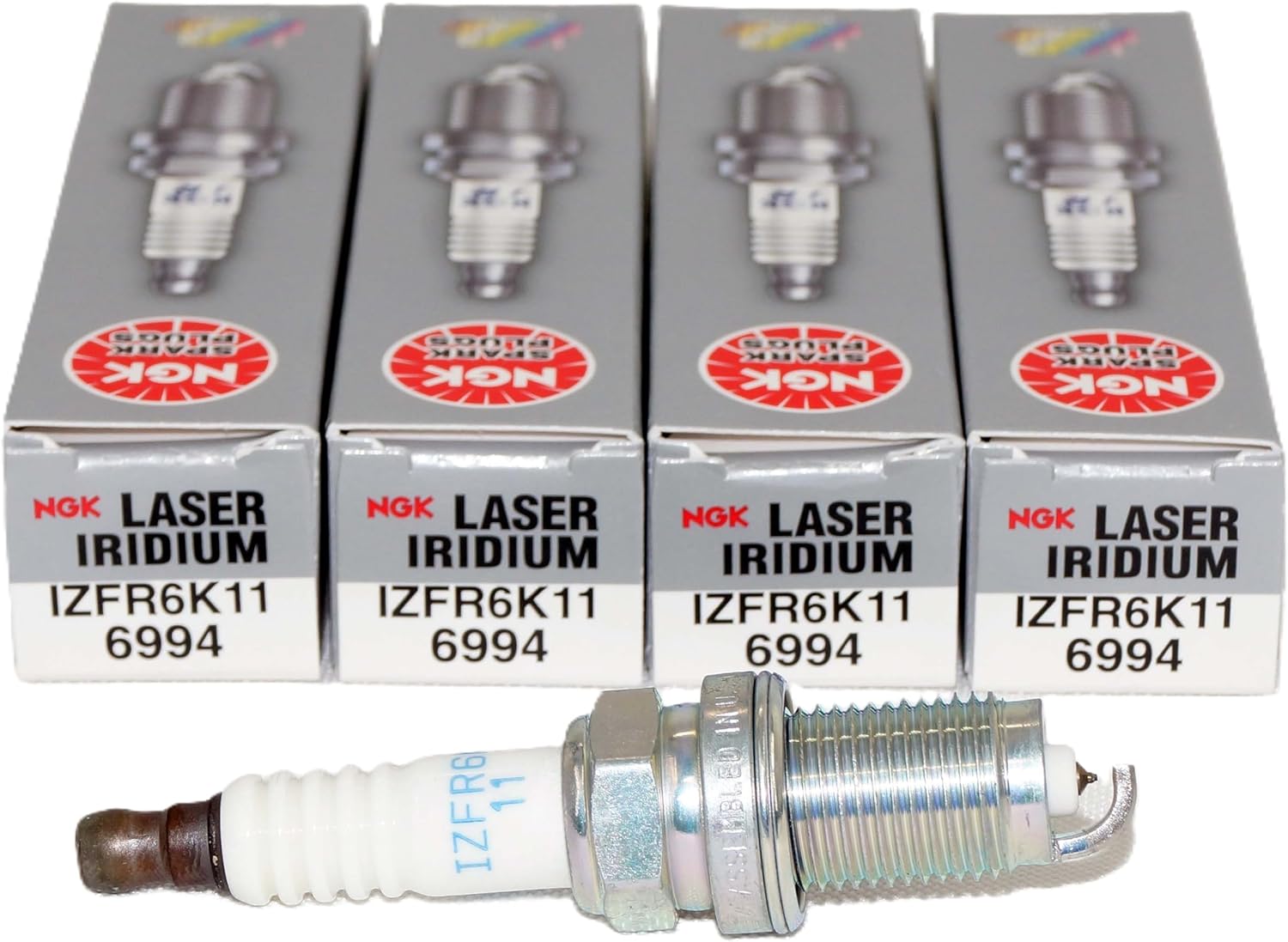
5. NGK IZFR6K11 Iridium Spark Plugs 4-Pack
| Item Type | Iridium Plug |
|---|---|
| Core Material | Iridium |
| Top Material | Nickel |
| Unit Count | 4.0 Count |
| Automotive Fit Type | Vehicle Specific Fit |
NGK IZFR6K11 iridium spark plugs are a factory-quality replacement set intended to restore reliable ignition and efficient combustion. Packaged as four plugs, they fit vehicle-specific applications and use an iridium core for a fine electrode that promotes consistent spark and longer life compared with standard nickel plugs. Installation is the same as other threaded spark plugs and these are typically used during routine tune-ups or when diagnosing misfires, rough idle, or poor fuel economy. Notable features include a high-purity iridium core for durability, nickel top material, and thread plating to reduce the need for anti-seize. In practice they deliver stable starts, reduced electrode wear, and extended service intervals, which helps owners avoid frequent replacements. Limitations are that exact fitment must be verified for the 2007–2011 Honda CR-V engine variant, and they come as a generic four-pack without vehicle-specific installation guides or torque specs, so basic mechanical skill or a repair manual is recommended.
Best for: Buyers who prioritize proven reliability and strong user feedback and want a long-life replacement plug to restore smooth starting and fuel efficiency for routine maintenance on their CR-V.
Less Ideal for: Do not choose these if you need a performance-tuned or specialty heat-range plug for modified engines or if you lack basic mechanical tools and prefer professional installation guidance included with the part.
- Iridium core for finer electrode and longer lifespan than standard plugs
- Vehicle-specific fit type intended to match OEM replacement requirements
- Trivalent thread plating reduces risk of thread galling and removes need for anti-seize
- Sold in a 4-pack to cover all cylinders for most four-cylinder engines
- Product listing does not include application-specific torque or installation instructions
Verdict: A durable, user-trusted iridium four-pack that delivers longer service life and reliable ignition for routine replacement on a 2007–2011 Honda CR-V.
Choosing the Right 2007-2011 Honda CR-V Spark Plug: Key Factors to Consider
Tip Material and Longevity
The electrode tip material strongly influences service life and consistent spark delivery. Iridium and platinum tips typically last much longer than standard nickel tips, resisting wear and maintaining a stable spark gap over tens of thousands of miles. Longer life reduces the frequency of replacements and helps preserve ignition timing and fuel efficiency.
For the 2007-2011 CR-V, durability matters because many owners keep these vehicles for high-mileage use. A plug that holds its gap better will reduce misfires and maintain engine smoothness between service intervals.
Heat Range Compatibility
Heat range determines how quickly the plug transfers combustion heat to the cylinder head. A plug that runs too hot risks pre-ignition and electrode erosion, while one that runs too cold can foul from unburned deposits. Matching the heat range to the CR-V's typical operating temperature and driving habits helps prevent glazing or deposit buildup.
Consider your driving environment and load. Frequent short trips and stop-and-go traffic favor a slightly hotter-operating plug to burn deposits, while sustained highway use and heavy towing favor cooler plugs to avoid overheating.
Correct Thread Size and Reach
Spark plugs must match the engine's thread diameter, pitch, and reach to seat properly and avoid damage. Using a plug with incorrect reach can scratch the combustion chamber, affect sealing, or position the electrode poorly relative to the combustion event, reducing efficiency and potentially causing engine damage.
For any replacement on a 2007-2011 CR-V, confirm the plug's physical dimensions and that the reach matches OEM specifications. This is a non-negotiable safety and compatibility factor.
Recommended Gap and Tolerance
The spark plug gap determines the voltage required to jump the electrode gap and directly affects ignition energy. If the gap is too wide, ignition coils may struggle to produce a consistent spark, causing misfires. If too narrow, combustion can be weaker and combustion efficiency drops.
Many modern plugs are pre-gapped but can shift slightly in transit. Verify the gap before installation and adjust within the manufacturer-recommended tolerance for the CR-V to ensure reliable starts and steady idle.
Electrical Resistance and Coil Compatibility
Plugs with built-in resistors or specific resistance ratings can affect coil load and spark quality. Some ignition systems are sensitive to plug resistance and benefit from certain types of plugs to maintain optimal spark energy.
Check that the chosen plug type works with the CR-V's ignition coils. Using an incompatible resistance can increase coil stress or reduce spark intensity, leading to intermittent misfires or reduced performance.
Deposit Resistance and Operating Conditions
Plugs that resist carbon and oil deposits perform better in engines that see occasional rich combustion or oil consumption. Deposit-resistant designs maintain clean electrodes and consistent spark characteristics over time, reducing the chance of fouling-related misfires.
If your CR-V experiences occasional short trips, city driving, or higher-than-normal oil consumption, select plugs known for deposit resistance to keep ignition reliable between services.
Signs Your CR-V Needs New Spark Plugs
Several symptoms point to spark plug wear or failure on a 2007-2011 CR-V. Look for rough or unstable idle, hesitation during acceleration, reduced fuel economy, and difficulty starting, especially when the engine is cold. These are classic indications that spark energy or timing is being compromised.
Modern vehicles may also trigger a misfire diagnostic code when a cylinder is not firing reliably. However, not every misfire is a plug issue, so use these symptoms alongside visual inspection of the plugs and ignition system.
- Rough idle or vibration at idle
- Hesitation or bucking under acceleration
- Decrease in fuel economy
- Hard starting or extended cranking time
- Check engine light with misfire codes (P0300 series)
How To Inspect Spark Plugs On The 2007-2011 CR-V
Inspecting plugs is a straightforward diagnostic step. Remove one plug at a time to avoid mixing up wires and check the electrode for wear, the insulator for cracks, and the tip for deposits. A light tan or grayish color usually indicates normal operation; heavy black soot, oily deposits, or melted electrodes indicate problems.
Keep a torque wrench available for reinstallation and verify the gap before fitting a new or used plug. If you see consistent problems across multiple plugs, inspect the ignition coils, fuel system, and compression to find underlying causes.
- Look for tan/gray insulator color for normal wear
- Black, sooty deposits indicate carbon fouling
- Wet/oily plugs point to oil control issues
- Excessive electrode erosion suggests overdue replacement
Basic Steps To Change Spark Plugs Safely
Changing spark plugs on the 2007-2011 CR-V can be done with common hand tools, but follow safe practices. Work on a cool engine to avoid burns, replace one plug at a time to prevent ignition wire or coil misplacement, and use a torque wrench to avoid over- or under-tightening the plugs. Always check the gap before installation and use an anti-seize only if specified by the plug manufacturer or OEM guidance.
If you are unfamiliar with engine work, consider having a technician perform the replacement to ensure correct torque, gap, and coil seating. Proper installation avoids cross-threading and maintains the engine's compression integrity.
- Work on a cool engine and disconnect the negative battery terminal if needed
- Replace one plug at a time and label ignition leads or coil packs
- Verify and set the correct gap before installation
- Use a torque wrench and follow specified torque values
- Avoid excessive anti-seize unless manufacturer specifies it
Heat Range And Driving Style Considerations
Choose a heat range that matches the typical operating conditions of your CR-V. For frequent short trips in colder climates, a plug that runs slightly hotter can burn deposits and reduce fouling. For frequent highway driving or warm climates, a cooler-running plug helps prevent overheating and electrode damage.
Keep in mind that changing heat range is a tradeoff. If you shift too far from the manufacturer-recommended range you may solve one problem while creating another, so prioritize plugs that match the engine's normal thermal profile.
- Short-trip city driving favors plugs that resist fouling
- Sustained highway use favors cooler plugs to prevent overheating
- Avoid extreme heat range changes unless advised by a technician
When To Consult A Technician
If inspection reveals oil on the electrodes, damaged threads, cracked insulators, or repeated misfires after replacing plugs, get professional diagnosis. These issues can point to valve cover gasket leaks, worn valve guides, ignition coil failure, or more serious combustion problems.
Routine plug replacement is maintenance, but persistent or severe symptoms require a trained technician who can perform compression tests, coil checks, and fuel system diagnostics.
- Visible oil on multiple plugs
- Cracked porcelain insulators or damaged electrodes
- Persistent misfires after new plugs are installed
- Unclear root cause after basic electrical and visual checks
Still looking for the perfect fit?
Select your Honda CR-V configuration to see the most relevant Spark Plugs recommendations
How We Chose the Best 2007-2011 Honda CR-V Spark Plug
We narrowed candidates using criteria that matter specifically to the 2007-2011 Honda CR-V engine characteristics and typical owner use patterns. First, we prioritized durability by evaluating expected electrode life and resistance to fouling for gasoline engines used in mixed city and highway driving. Second, ignition performance was assessed through reported cold-start behavior, throttle response, and idle smoothness in real-world conditions. Third, thermal compatibility mattered: we looked for plugs with heat ranges appropriate for the CR-V's combustion temperatures to avoid pre-ignition or glazing under normal operating loads. Fourth, we considered electrical design and tip materials that influence spark energy delivery and wear rates.We also applied practical filters: plug types had to match recommended thread size and reach for the 2007-2011 CR-V, be serviceable with common tools, and maintain consistent gap specifications. Exclusions included any plug requiring nonstandard ignition hardware, specialty racing-only heat ranges, or parts that do not meet OEM thread and reach standards. The result is a focused list of options that balance longevity, ignition quality, and ease of maintenance for typical CR-V owners.
Our full evaluation process is outlined in our review methodology.
FAQ
How often should I replace spark plugs on a 2007-2011 Honda CR-V?
Replacement intervals depend on the plug material and driving habits. Iridium or platinum plugs often last much longer than nickel plugs, typically allowing for extended service intervals. Check the vehicle maintenance schedule and inspect plugs visually to decide if earlier replacement is warranted.
What gap should I set for spark plugs on the 2007-2011 CR-V?
The correct gap is specific to the engine and should match the manufacturer's specification. Many replacement plugs come pre-gapped, but verify with a gap tool before installation because slight changes can occur during shipping.
Can worn spark plugs cause hard starting or cold start misfires?
Yes, worn or fouled plugs can increase required ignition voltage and cause misfires during cold starts. Cold-start misfire symptoms often improve after replacing degraded plugs or addressing associated ignition and fuel delivery issues.
Is it okay to use iridium instead of platinum in my CR-V?
Both iridium and platinum offer longer life than conventional nickel tips, but they have different wear and performance characteristics. Choice often depends on desired longevity and ignition performance; many owners choose higher-durability tips for reduced service frequency.
Will changing spark plugs improve fuel economy on my CR-V?
If plugs are fouled or significantly worn, replacing them can restore efficient combustion and improve fuel economy. However, if the plugs are in good condition, gains are likely to be small and other systems may be responsible for poor economy.
What should I do if new plugs do not fix a misfire?
If misfires persist after installing correct plugs, inspect ignition coils, wiring, fuel injectors, and perform a compression test. Repeated misfires can indicate ignition component failure, fuel delivery problems, or mechanical issues that require further diagnosis.
Final Verdict
When choosing spark plugs for a 2007-2011 Honda CR-V, prioritize tip material and heat range that suit your driving patterns. Durable tip materials maintain gap and reduce service frequency, while the correct heat range prevents fouling or overheating under typical loads. Confirm physical fit, thread reach, and gap before installation to avoid mechanical or sealing issues.Balance longevity against cost and match the plug to how you use the vehicle. For most owners, a plug that offers long life, consistent ignition, and correct thermal characteristics will deliver the best day-to-day experience and minimize maintenance hassle.
Explore More:
- Check out all Honda CR-V parts & accessories
- Explore Spark Plugs Maintenance & Repair Guides
- Explore Engine
- Browse all Auto Parts
