

Note: This article contains affiliate links. If you click on these links and make a purchase, I may earn a small commission at no extra cost to you. This helps support my research and content. Read my full affiliate disclosure here.
If you own a 1997-2001 Honda CR-V, choosing the right spark plugs can noticeably improve idle quality, fuel economy, and starting reliability. Worn or incorrect plugs often cause rough idle, hesitation, or hard cold starts on these models, and installing the correct replacement restores intended engine performance.This guide covers the top six spark plugs shortlisted for the 1997-2001 CR-V, assesses factors such as longevity, correct gap, and heat range, and explains what to expect when you replace them. Read on to find plugs that balance durability and fitment for everyday driving and routine maintenance.
Looking for other parts? See all Honda CR-V parts & accessories.
Top Picks at a Glance
| Best Overall The best all-around choice for most situations | TRQ Ignition Coil and Iridium Spark Plug Kit for 1997–2001 Honda CR-V |  |
| Best Quality Built to a higher standard if you want something more solid | DENSO Platinum TT Spark Plugs, 4-pack (vehicle-specific fit) |  |
| Best Value The sweet spot between price and what you get | A-NAFTULY Iridium Spark Plugs 4-Pack (6441 / ZFR6FIX-11) |  |
| Highest Rated A top-rated pick with lots of positive feedback | Sixity Auto 4-Pack NGK V-Power Spark Plugs (4) compatible with Honda CR-V 2.0L 1997-1998 |  |
| Most Popular A crowd favorite that many people choose with confidence | NGK V-Power Spark Plugs, 4-Pack (compatible with Honda CR-V 2.0L 1999–2001) |  |
| Best Seller A high-volume bestseller chosen again and again | NGK G-Power 7100 Nickel Spark Plug — Pack of 4 |  |
1. TRQ Ignition Coil and Iridium Spark Plug Kit for 1997–2001 Honda CR-V

| Included Components | 1 Spark Plug Wire Set, 4 Spark Plugs |
|---|---|
| Part Number | TKA01253 |
| Connector Type | Boot, Spst |
| Unit Count | 1 Count |
| Warranty Description | 2 years |
This TRQ ignition kit combines a preassembled spark plug wire set with four iridium spark plugs to provide a straightforward replacement for 1997–2001 Honda CR-V owners. The components are described as application specific and tested for fit, heat range, and lifecycle to match factory performance, so installation requires no modification and is suitable for a DIY install. Iridium plugs offer longer service life and more consistent spark compared with standard plugs, while the included wires simplify sourcing and ensure proper connector fit. Practical benefits include fewer parts to buy separately, easier installation thanks to preassembled wiring and boots, and projected improved longevity from the iridium electrodes. Limitations are that this is a direct replacement kit rather than a performance upgrade, so users seeking measurable power gains or race-level components should look elsewhere. Also the listing does not include detailed torque specs or gap settings, so verify plug gap before installation.
Best for: Buyers who want a convenient, factory-style replacement that restores reliable ignition with minimal fuss and supports do-it-yourself installation.
Less Ideal for: Drivers seeking performance upgrades, race-spec ignition parts, or who want custom-gap race plugs should consider performance-focused alternatives.
- Complete kit includes both spark plugs and a matched wire set for one-stop replacement
- Iridium spark plugs for longer life and more consistent ignition over time
- Preassembled, application-specific design reduces installation time and avoids modifications
- Not intended as a performance upgrade beyond factory-level specifications
- No explicit plug gap or torque information provided in the listing
Verdict: A convenient, tested direct-fit kit that replaces both plugs and wires to restore reliable, longer-lasting ignition on 1997–2001 Honda CR-Vs.
2. DENSO Platinum TT Spark Plugs, 4-pack (vehicle-specific fit)

| Thread Size | 14mm |
|---|---|
| Automotive Fit Type | Vehicle Specific Fit |
| Gap Size | 0.04 Inches |
| Core Material | Platinum |
These DENSO Platinum TT spark plugs are a direct-replacement, twin-tip design intended to restore ignition performance in 2.0L and 2.4L Honda CR-V four-cylinder engines from the early 2000s. They use a 1.1 mm platinum center electrode with a titanium-enhanced ground strap to produce a larger, more consistent spark for easier starting, steadier idle, and potentially improved fuel economy. Typical use is a routine tune-up where you swap all four plugs—installation is straightforward for anyone comfortable with basic engine work or a quick shop job. Notable features include the twin-tip platinum design that reduces quenching and a 0.040 inch factory gap, which helps maintain long-term gap stability compared with standard copper plugs. The main limitation is this is a vehicle-specific replacement for certain CR-V model years and engine sizes, so fitment must be confirmed before purchase, and the platinum tips offer longevity but not the extreme lifespan of iridium performance plugs. For drivers seeking a reliable factory-quality upgrade that balances durability and performance, these plugs are a practical choice.
Best for: Drivers who want a reliable, factory-quality ignition upgrade for older CR-V 2.0L or 2.4L engines to improve starting, idle smoothness, and fuel efficiency without moving to specialty performance plugs.
Less Ideal for: Enthusiasts seeking the longest-lasting or highest-performance race-oriented plugs should consider iridium or specialist performance plugs instead.
- Twin-tip platinum and titanium-enhanced ground strap produce a stronger, more consistent spark
- Factory-specified 0.040 in gap reduces the need for re-gapping at installation
- Designed as a direct vehicle-specific replacement for compatible Honda CR-V engines
- Platinum center electrode improves durability and long-term gap stability
- Platinum tip gives good longevity but not as long-lived as iridium performance plugs
Verdict: A dependable, factory-quality platinum twin-tip spark plug pack that restores stronger spark and better drivability for early CR-V four-cylinder engines.
3. A-NAFTULY Iridium Spark Plugs 4-Pack (6441 / ZFR6FIX-11)

| Core Material | Iridium |
|---|---|
| Thread Size | 14mm |
| Included Components | 4 Pack Spark Plugs |
| Automotive Fit Type | Vehicle Specific Fit |
These A-NAFTULY iridium spark plugs are a direct-replacement style part sold in a four-pack and intended to restore ignition performance on compatible small cars. The iridium center tip and laser-welded construction are aimed at producing a consistent, high-voltage spark and a fine 0.6 mm tip that helps ignition efficiency. Typical use is a routine tune-up swap where you want longer life than a standard copper plug and smoother idle and throttle response versus a worn plug. Practical benefits include improved fuel burn and reduced misfires when compared with aged factory plugs, plus a 14mm thread that matches common Honda plug ports. Limitations are that this is an aftermarket unit from a lesser-known brand and some buyers may prefer a name-brand factory-quality replacement for long-term durability or verified OEM fitment; also vehicle fitment must be checked carefully against the listed reference numbers and years. Installation is straightforward for a DIYer with a torque wrench and proper gap verification.
Best for: Buyers who want a cost-effective, longer-lasting replacement to restore smooth idle and better fuel efficiency during a scheduled tune-up and are comfortable verifying fitment against reference numbers.
Less Ideal for: Shoppers seeking factory-branded, guaranteed-fit plugs backed by long-term track records or those unwilling to confirm compatibility against the vehicle application should look elsewhere.
- Iridium center electrode and fine 0.6 mm tip for efficient, consistent ignition
- Laser-welded construction intended to improve longevity over basic plugs
- Sold as a 4-pack for a full-engine tune-up
- 14mm thread size that fits common compact car spark plug ports
- Aftermarket brand with less track record than major manufacturers
- Fitment relies on matching the reference numbers and listed vehicle years rather than a guaranteed factory cross-reference
Verdict: A practical, budget-friendly iridium replacement set that restores ignition consistency and fuel efficiency for compatible compact Hondas when you verify fitment.
4. Sixity Auto 4-Pack NGK V-Power Spark Plugs (4) compatible with Honda CR-V 2.0L 1997-1998

| Automotive Fit Type | Vehicle Specific Fit |
|---|---|
| Compatible with Vehicle Type | Car, Truck |
| Gap Size | 0.04 Inches |
| Core Material | Copper |
These NGK V-Power spark plugs are presented as a direct replacement set for the 2.0L Honda CR-V 1997–1998 and are intended for DIY or shop installation when restoring ignition performance. The plugs use a copper core with ceramic and metal top materials and a 0.04 inch gap, which helps provide reliable heat transfer and consistent firing for older four-cylinder engines. They are packaged as a four-count unit and advertised as genuine NGK parts in original packaging, so you can expect factory-quality fit and compatibility when the vehicle match is confirmed. In use they restore consistent starts, smooth idle, and can clear misfire-related check engine lights when paired with a proper installation. The design favors dependable everyday performance rather than extended life racing materials, so you should plan regular replacement intervals aligned with the vehicle’s service schedule. Overall they are a straightforward, dependable option for owners who want factory-style ignition performance without performance-focused materials or long-life iridium tips.
Best for: Buyers who prioritize dependable, factory-style ignition performance and want a straightforward, vehicle-matched replacement to restore smooth running on a late 1990s CR-V.
Less Ideal for: Drivers seeking maximum longevity or high-performance ignition upgrades should consider platinum or iridium plugs instead.
- Vehicle-specific fit for 1997–1998 Honda CR-V 2.0L for straightforward installation
- Copper core promotes efficient heat transfer and stable combustion in older engines
- Comes as a complete four-pack so you can replace all plugs at once
- Uses recognizable NGK V-Power design and original-style packaging for factory-quality replacement
- Copper-core construction offers good performance but shorter service life than platinum or iridium alternatives
Verdict: A dependable, factory-style four-pack of NGK V-Power plugs that restores reliable ignition performance for 1997–1998 Honda CR-V 2.0L engines.
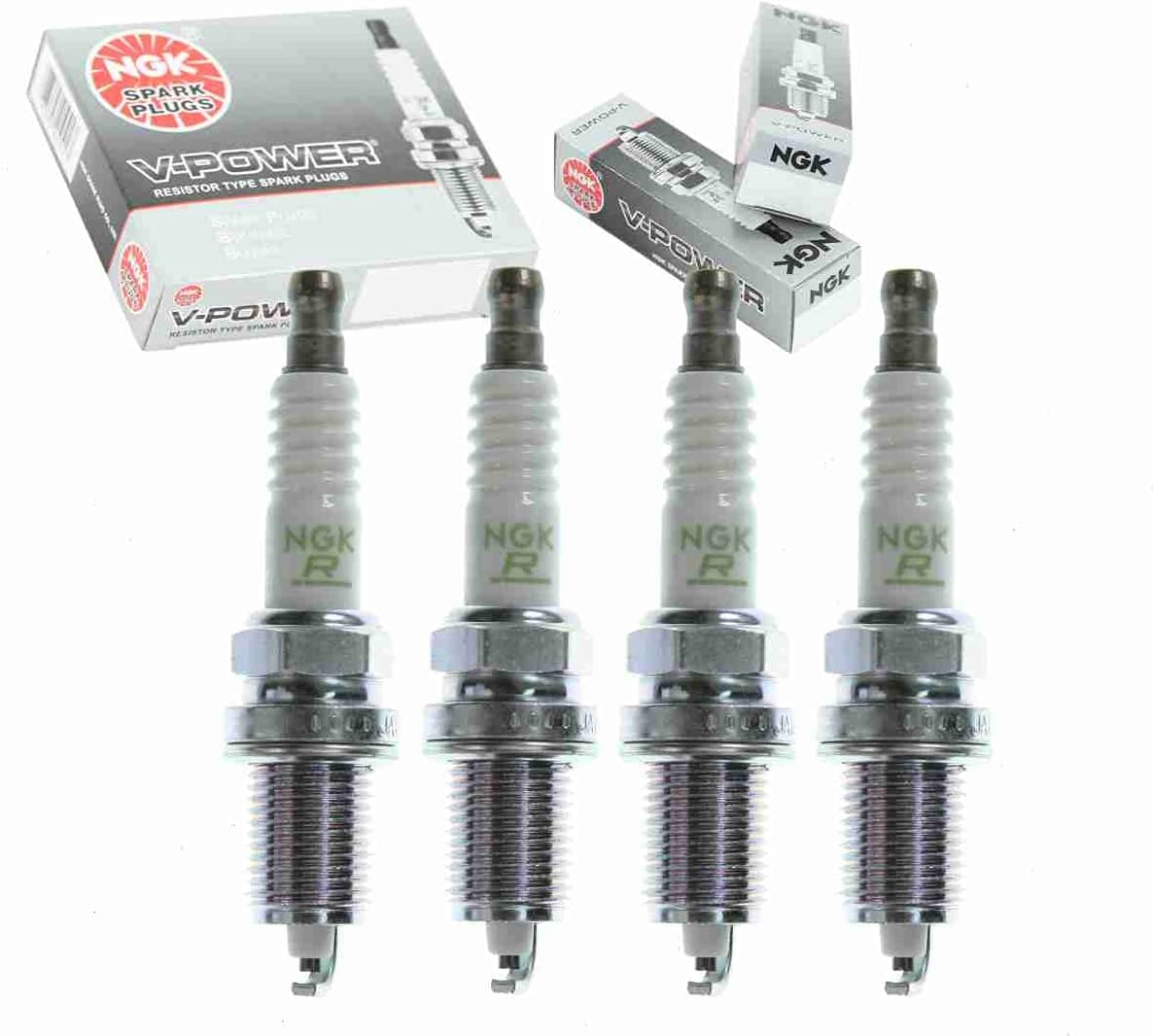
5. NGK V-Power Spark Plugs, 4-Pack (compatible with Honda CR-V 2.0L 1999–2001)
| Unit Count | 4 |
|---|---|
| Core Material | Copper |
| Gap Size | 0.04 Inches |
| Automotive Fit Type | Vehicle Specific Fit |
These NGK V-Power spark plugs are a direct-replacement set intended for the 2.0L Honda CR-V from 1999 to 2001 and come in a four-pack. They use a copper core and a v-groove center electrode designed to promote flame expansion for improved ignitability and steady combustion. In practice they fit like factory-style plugs and are used the same way as original equipment units during routine tuneups or plug changes. The 0.04 inch gap and vehicle-specific fit reduce setup steps for do-it-yourselfers and techs, while the copper core helps with heat transfer in older engines. You get reliable starting, smooth idling, and consistent throttle response on most mileage ranges, and the plugs arrive in original-brand packaging. Limitations include the copper core, which does not last as long as iridium or platinum options, so expect shorter service intervals and more frequent replacements if you want maximum longevity. These are a sensible choice when you want dependable, OEM-like performance without premium long-life alloys.
Best for: Buyers who prioritize dependable, factory-style replacements supported by positive user feedback and want an easy drop-in spark plug for routine maintenance on a 1999–2001 CR-V.
Less Ideal for: Drivers seeking the longest possible service interval or maximum performance gains should consider iridium or platinum upgrades instead.
- Vehicle-specific fit for 1999–2001 Honda CR-V 2.0L reduces guesswork during installation
- Copper core promotes efficient heat transfer for stable combustion in older engines
- V-groove center electrode is designed to improve ignitability and flame expansion
- Comes as a complete four-pack so you can replace all cylinders at once
- Copper construction offers shorter service life than iridium or platinum spark plugs
Verdict: A reliable, factory-style four-pack that makes replacing the spark plugs on a 1999–2001 Honda CR-V quick and straightforward.
6. NGK G-Power 7100 Nickel Spark Plug — Pack of 4

| Core Material | Copper |
|---|---|
| Thread Size | 14mm |
| Top Material Type | Ceramic, Metal |
| Position | Center |
The NGK G-Power 7100 is a nickel-center-electrode spark plug sold as a direct replacement for vehicle-specific fitments. It uses a copper core for heat dissipation, a v-groove center electrode to aid ignitability, and high-grade ceramic insulation to maintain stable performance. For routine maintenance on a 1997–2001 Honda CR-V these plugs install like factory parts and are intended to restore reliable starting, smooth idle, and consistent combustion when the originals are worn. Notable practical benefits are straightforward fitment to the correct thread size, no need for anti-seize thanks to trivalent plating, and broad coverage across import and domestic engines. A few buyers noted the plugs may not arrive pre-gapped, so checking and setting the gap before installation is recommended. Compared with iridium or platinum upgrades the G-Power 7100 is a more budget-friendly, OEM-style option that will need replacement more often than precious-metal plugs but delivers dependable performance for everyday driving and preventive maintenance.
Best for: Buyers seeking a reliable, factory-quality replacement for routine maintenance on a 1997–2001 Honda CR-V who prioritize dependable starting and stock-like performance over long-life upgraded plugs.
Less Ideal for: Drivers wanting maximum longevity or performance gains from performance-grade iridium or platinum plugs should consider upgraded options instead.
- Factory-style direct replacement fit for vehicle-specific applications
- Copper core and v-groove center electrode improve ignitability and heat dissipation
- Trivalent plating and cold-rolled threads reduce risk of cross-threading and eliminate need for anti-seize
- Nickel design is less long-lasting than iridium or platinum alternatives
Verdict: A dependable, factory-style nickel spark plug pack that restores stock ignition performance on a 1997–2001 Honda CR-V without the cost of precious-metal upgrades.
Choosing the Right 1997-2001 Honda CR-V Spark Plug: Key Factors to Consider
Compatibility and Thread Reach
Correct compatibility is the first priority because mismatched thread size or reach risks engine damage. For the 1997-2001 Honda CR-V, confirm the plug's thread diameter, thread pitch, and reach match the engine's cylinder head. Thread reach affects how far the electrode protrudes into the combustion chamber and incorrect reach can cause piston contact or poor combustion.
Also verify the seating type and gasket or washer design for a proper seal. Using plugs specified for this model reduces the chance of installation issues and ensures the plug tip sits in the optimal location for reliable ignition.
Electrode Material and Longevity
Electrode material affects life span and spark consistency. Iridium and platinum alloys typically last longer and resist erosion better than conventional copper plugs, which means longer service intervals and steadier performance. For a 1997-2001 CR-V used in daily driving, longer-lasting electrodes reduce maintenance frequency and help maintain fuel trim stability over time.
Consider cost against expected interval; longer-lasting plugs lower long-term maintenance but may cost more up front. Also weigh whether the vehicle's ignition coil output and driving style justify premium materials.
Recommended Spark Plug Gap
The correct spark plug gap is critical for reliable ignition. If the gap is too wide, the ignition coil may struggle to create a consistent spark, causing misfires or rough running. If it is too narrow, combustion efficiency and throttle response can suffer. For the 1997-2001 CR-V, use the manufacturer's recommended gap and verify any pre-gapped plugs before installation.
When replacing plugs, inspect and adjust the gap as needed with appropriate tools. Re-gapping can also reveal poorly manufactured plugs that cannot be set accurately, so consider gap stability when choosing a replacement.
Heat Range and Operating Conditions
Heat range dictates how quickly the plug sheds combustion heat and resists fouling or overheating. Choosing the correct heat range helps prevent carbon fouling during short trips and avoids pre-ignition if the plug runs too hot. For the CR-V, select a heat range that aligns with your typical driving: colder climates and many short trips usually benefit from a slightly hotter plug to self-clean, while heavy loads or high ambient temperatures may need a colder plug to avoid overheating.
Avoid guessing on heat range. Stick to ranges compatible with the engine design to maintain combustion stability and component longevity.
Resistance to Fouling and Combustion Deposits
Plugs that resist fouling maintain consistent performance between services. Vehicles with frequent short trips, rich running conditions, or oil consumption can build carbon or oil deposits on the electrode. Look for plugs with designs or materials that tolerate deposits or have a tapered insulator nose that keeps the spark area cleaner.
Reducing fouling improves cold start behavior and decreases the chance of intermittent misfires, which is especially useful in older CR-Vs that may have higher oil consumption or slightly worn valve guides.
Ease of Installation and Serviceability
Practical installation factors matter for owners working on a 1997-2001 CR-V. Consider plugs with reliable hex sizes that match common tools, clear gap specifications, and durable terminals that can withstand multiple installations. Long thread engagement and a good anti-seize recommendation prevent seizing in the aluminum head, but avoid dependence on excessive anti-seize which can alter torque readings.
Also check whether the plug design works with the vehicle's ignition boots and coil boots to prevent stress on the spark plug during removal and installation. Serviceability reduces the risk of cross-threading or breakage during routine maintenance.
Signs Your CR-V Needs Spark Plug Replacement
Symptoms often appear gradually on the 1997-2001 CR-V. Watch for rough idle, reduced fuel economy, hesitation under acceleration, or an engine misfire that is worse on cold starts. These signs can indicate worn electrodes or an incorrect spark gap.
Additional indicators include difficulty starting, especially when the engine is cold, and an unstable idle that smooths out after driving for a while. Regular inspection of plug condition during scheduled maintenance helps catch wear before drivability is affected.
- Rough or fluctuating idle
- Hard starts or extended crank time
- Intermittent misfire or engine hesitation
- Noticeable drop in fuel economy
How to Check and Set Spark Plug Gap
Before installation, always verify the plug gap with a feeler gauge or gap tool. Even plugs marketed as pre-gapped can shift during shipping or handling, so confirm the gap measurement matches the 1997-2001 Honda CR-V specification.
To adjust the gap, use a non-marring tool and bend the ground electrode gently. Re-check the gap after adjustment to ensure consistency. Proper gapping improves spark reliability and reduces the chance of misfires under load.
- Confirm factory gap spec for your year range
- Use a proper gap tool to avoid damaging the electrode
- Check gap after any adjustment or installation
Installation Tips for the 1997-2001 CR-V
When replacing plugs, work on one cylinder at a time to avoid mixing up ignition wires or coil boots. Clean the plug wells of debris before removal to prevent contamination of the combustion chamber.
Apply the correct torque and avoid over-tightening to protect the aluminum cylinder head. If a manufacturer recommends anti-seize, apply it sparingly and account for it when tightening. After installation, verify boots seat fully and check for any signs of cross-threading.
- Replace one plug at a time
- Clear debris from plug wells
- Torque plugs to specification and avoid over-tightening
- Ensure ignition boots are fully seated
When to Use Premium Electrodes Versus Conventional Plugs
Premium materials like iridium or platinum typically last longer and maintain a more consistent spark over higher mileages. For a 1997-2001 CR-V that sees long highway use or higher mileage, premium plugs can reduce the frequency of replacements and help maintain emissions performance.
Conversely, conventional plugs can be suitable for owners who prefer lower upfront cost and plan to replace plugs at shorter intervals. Consider the vehicle's mileage, driving style, and how often you perform maintenance when choosing between premium and conventional options.
- Premium plugs: longer life, better long-term consistency
- Conventional plugs: lower upfront cost, suitable with frequent maintenance
Troubleshooting Cold Start Misfires
Cold start misfires may stem from worn electrodes, incorrect gap, or plugs that foul quickly due to short trips. For the 1997-2001 CR-V, check plugs for carbon build-up and confirm heat range is appropriate for your driving and climate.
If misfires persist after replacing plugs with correctly gapped, compatible units, inspect ignition cables, coil boots, and the ignition coils themselves as these components also affect cold starting performance.
- Inspect plugs for carbon or oil deposits
- Confirm gap and heat range match driving conditions
- Check ignition boots and coils if misfires continue
Still looking for the perfect fit?
Select your Honda CR-V configuration to see the most relevant Spark Plugs recommendations
How We Chose the Best 1997-2001 Honda CR-V Spark Plug
Our selection focused on criteria that matter specifically for the 1997-2001 Honda CR-V engine and typical owner use. We prioritized correct fitment and compatibility with the factory ignition system, verified construction material and electrode design for expected service life, and evaluated recommended spark plug heat ranges to match typical driving and climate. We also considered typical thread length and seat type to ensure safe installation without risking damage to the cylinder head. Ease of installation, resistance to fouling, and expected interval between services were used to estimate real-world value.Exclusions: we excluded any plugs that do not match the CR-V's thread size, reach, or seat configuration, and any options lacking clear heat-range or gap specifications. Our filters removed specialty race-only plugs and those intended for heavily modified engines so the list remains practical for stock or lightly modified examples. The final picks reflect a balance of durability, correct thermal characteristics, and straightforward installation for the 1997-2001 Honda CR-V.
Our full evaluation process is outlined in our review methodology.
FAQ
How often should I replace the spark plugs on a 1997-2001 Honda CR-V?
It depends on the plug material and driving conditions. Conventional copper plugs often need replacement more frequently, while iridium or platinum plugs can last longer. Typical intervals range from routine tune-up schedules to extended intervals recommended for premium electrode types.
Can I reuse the old spark plug gap if I install new plugs?
You should set the gap to the vehicle manufacturer recommendation rather than relying on the previous gap. New plugs may arrive pre-gapped, but always verify and adjust as necessary for consistent performance.
Will different heat range plugs improve cold start performance?
Heat range can affect cold starting. A slightly hotter plug can resist fouling during short trips and help cold starts, while a colder plug can prevent overheating under high loads. Use a heat range compatible with the CR-V engine and consider local climate and driving habits.
What are common spark plug symptoms that indicate replacement is needed?
Common symptoms include rough idle, hesitation under acceleration, decreased fuel economy, hard cold starts, and intermittent misfires. Visual inspection of the plug tip can also reveal wear, fouling, or electrode erosion.
Should I gap new plugs before installing them in my CR-V?
Yes. Even if plugs are advertised as pre-gapped, you should check and adjust the gap to the specified measurement. Proper gapping reduces misfires and ensures reliable ignition across operating conditions.
Is anti-seize necessary when installing spark plugs in the CR-V?
Anti-seize is sometimes recommended for aluminum heads, but use it sparingly and follow torque guidance because it alters torque readings. Some manufacturers supply plugs with coatings that eliminate the need for additional anti-seize.
Final Verdict
Prioritize correct fitment, gap, and heat range when selecting spark plugs for your 1997-2001 Honda CR-V. These factors determine ignition reliability, cold start behavior, and service interval. Decide between premium electrode materials and conventional plugs based on how often you want to perform maintenance and the typical driving you do.Focus on plugs that match the engine's thread reach and seating, maintain a stable gap, and offer the right heat range for your climate. Making those tradeoffs will restore smooth running and reduce the chance of misfires so you can drive with confidence.
Explore More:
- Check out all Honda CR-V parts & accessories
- Explore Spark Plugs Maintenance & Repair Guides
- Explore Engine
- Browse all Auto Parts
