

Note: This article contains affiliate links. If you click on these links and make a purchase, I may earn a small commission at no extra cost to you. This helps support my research and content. Read my full affiliate disclosure here.
If your Jeep Wrangler is showing rough idling, reduced fuel economy, or a persistent engine light, replacing the upstream oxygen sensor can often restore normal running. The upstream oxygen sensor is the primary feedback device that tells the engine control unit how rich or lean the intake mixture is, and a failing unit affects fuel trim, emissions, and throttle response.This guide shortlists five top upstream oxygen sensors compatible with Jeep Wrangler owners and explains the decision factors that matter for fitment, longevity, and accurate sensor response. We evaluate each pick against responsiveness and installation practicality to help you choose the right replacement for everyday driving or light off-road use.
Looking for other parts? See all Jeep Wrangler parts & accessories.
Top Picks at a Glance
| Best Quality Built to a higher standard if you want something more solid | BOSCH 12014 Premium Oxygen Sensor (Direct-Fit) |  |
| Best Value The sweet spot between price and what you get | BLPextrm Oxygen Sensor Kit (2-Pack) — Stainless Steel Upstream/Downstream Replacement |  |
| Best Budget The cheapest option that still gets the job done reliably | Maxfavor 234-4587 Oxygen O2 Sensor (Threaded Mount) |  |
| Highest Rated A top-rated pick with lots of positive feedback | Sixity Auto NTK-compatible Upstream Left Oxygen Sensor for Jeep Wrangler 3.6L V6 (2012–2018) | 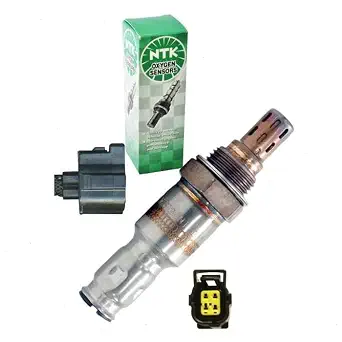 |
| Most Popular A crowd favorite that many people choose with confidence | BLPextrm Oxygen O2 Sensor (56028994AA) Upstream/Downstream |  |
1. BOSCH 12014 Premium Oxygen Sensor (Direct-Fit)

| Material | Stainless Steel |
|---|---|
| Measuring Range | 0% – 15% O2 |
| Mounting Type | Flange Mount |
| Output Type | Digital |
The Bosch 12014 is a direct-fit upstream oxygen sensor that replaces a vehicle's factory sensor to restore accurate exhaust oxygen readings and proper fuel trim. It uses a double laser-welded stainless steel body and an integrated fast-acting heater so the sensor reaches operating temperature quickly, which helps the engine management system correct fuel delivery sooner after startup. Installation is straightforward thanks to factory-style connectors and threads pre-coated with anti-seize compound. In real-world use this sensor suits drivers addressing check-engine codes, rough idle, or poor fuel economy caused by a failing upstream O2 sensor. The robust stainless construction and full functionality testing suggest good longevity under normal driving and aftermarket exhaust conditions, but fitment must be verified for your Wrangler application since Bosch lists broad compatibility across many makes. This is a practical upgrade for those who want reliable, quick-reacting oxygen feedback without modifying the engine control strategy, though drivers seeking performance-tuned wideband data will need a dedicated wideband sensor and controller instead.
Best for: A buyer focused on restoring or maintaining precise upstream oxygen feedback for engine performance and fuel control, wanting a reliable factory-style replacement that reaches operating temperature quickly.
Less Ideal for: Drivers who need real-time wideband AFR data for tuning, motorsport logging, or custom engine management should choose a dedicated wideband sensor and controller instead.
- Direct-fit connectors and pre-coated threads simplify installation
- Fast-acting heater brings the sensor to operating temperature quickly for quicker closed-loop control
- Double laser-welded stainless steel body resists exhaust corrosion for longer service life
- 100% functional testing reduces the chance of early failures out of the box
- Not a wideband unit so it cannot provide the richer real-time lambda data used by performance tuners
Verdict: Choose the Bosch 12014 when you want a dependable, fast-heating direct-fit upstream oxygen sensor to restore accurate factory-style air-fuel control.
2. BLPextrm Oxygen Sensor Kit (2-Pack) — Stainless Steel Upstream/Downstream Replacement

| Mounting Type | Flange Mount |
|---|---|
| Output Type | Analog |
| Upper Temperature Rating | 655 Degrees Celsius |
| Material Type | Stainless Steel, Aluminum Oxide |
| Unit Count | 2.0 Count |
This BLPextrm kit supplies two oxygen sensors intended for upstream and downstream positions on select Chrysler, Dodge, Ram, and Jeep engines. Each sensor uses a stainless steel shell with an aluminum oxide trap layer and a pre-coated thread to protect the sensing element and simplify installation. In use the sensor converts exhaust oxygen into voltage signals for the engine computer to help reestablish stable idle and smoother acceleration when the original sensors have failed. The kit lists many equivalent part numbers and covers a range of model years for popular V6 and V8 engines, which makes it a practical spare for routine repairs. Buyers should note some users report persistent engine codes after fitment on certain years and that access to the passenger-side upstream sensor can be difficult on some Wrangler models, so expect potential extra time or tools for removal and reinstallation. The pair count is handy when replacing both banks at once or keeping a spare on hand.
Best for: Someone who wants a cost-effective, ready-to-install replacement pair to restore closed-loop fuel control and improve drivability on covered Chrysler and Jeep engines, and who values having both sensors at once.
Less Ideal for: Do not choose this if you want a guaranteed direct-fit verified for every model year or if you prefer sensors with manufacturer-backed long warranties or OE-level validation.
- Sold as a two-sensor kit to replace both upstream and downstream positions
- Stainless steel body and aluminum oxide trap layer for sensor durability
- Pre-coated threads reduce risk of seizing during installation
- Lists many replacement part numbers for easier compatibility checking
- Some buyers report new engine codes or compatibility issues on certain model years
Verdict: A budget-friendly two-pack that provides durable, factory-style oxygen sensors to restore fuel control and drivability on compatible Jeep Wrangler and related engines.
3. Maxfavor 234-4587 Oxygen O2 Sensor (Threaded Mount)

| Mounting Type | Threaded Mount |
|---|---|
| Output Type | electrical signal |
| Material Type | Ceramic, Metal, Stainless Steel |
| Style Name | O2 Sensor |
This Maxfavor 234-4587 O2 sensor is a straightforward upstream replacement that restores oxygen sensor readings and clears related diagnostic codes. It installs like a standard threaded sensor and connects to the factory wiring harness; the listing and user reports show it fits many Chrysler, Dodge, Jeep, Ram, VW Routan, and Chevy Camaro applications within the specified years. Construction uses a ceramic sensing element, stainless steel housing, and layered protection to resist contamination, which helps it survive exhaust exposure and deliver stable electrical signals. For a budget replacement it offers an affordable way to fix check-engine lights and recover drivability and fuel control that can degrade with a failing sensor. Limitations are typical of economy aftermarket sensors: long-term durability and exact factory-calibration may vary versus higher-end or branded replacements, so expect mixed longevity and occasional fitment checks before installation.
Best for: Buyers who need an inexpensive, serviceable upstream oxygen sensor to clear check-engine codes and restore fuel control on a Jeep Wrangler without paying for OE or premium-brand parts.
Less Ideal for: Drivers seeking the longest-lasting, OEM-calibrated sensor or professional shops specifying factory-quality components for warranty-sensitive repairs should consider higher-end or manufacturer-specific replacements.
- Threaded mount and standard connector for direct replacement installation
- Ceramic sensing element with stainless steel housing for basic durability in exhaust environments
- Layered protection and filter to reduce contamination risk
- Affordable option for clearing codes and restoring proper air-fuel feedback
- Aftermarket build and calibration may not match factory sensors for long-term consistency
Verdict: A cost-effective upstream replacement that gets your Wrangler’s oxygen readings and check-engine light back to normal without breaking the bank.
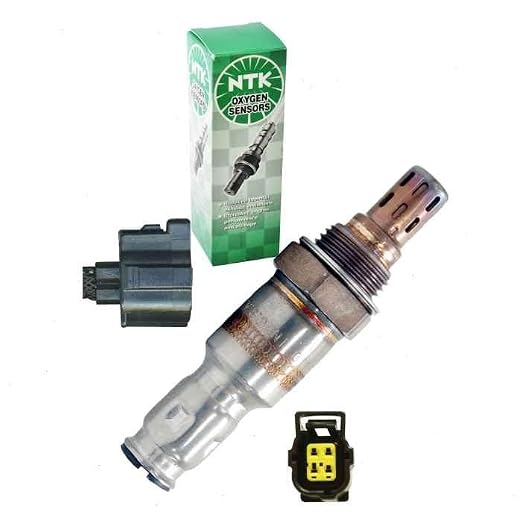
4. Sixity Auto NTK-compatible Upstream Left Oxygen Sensor for Jeep Wrangler 3.6L V6 (2012–2018)
| Mounting Type | Flange Mount |
|---|---|
| Output Type | electrical signal |
| Upper Temperature Rating | 1650 Degrees Fahrenheit |
| Material Type | Stainless Steel |
This upstream left oxygen sensor is a direct-replacement part intended for Jeep Wrangler 3.6L V6 models (2012–2018). It provides the electrical signal the engine computer uses to monitor and adjust air/fuel mixture and emissions. Installation is the same as an OEM sensor and includes the factory-style connector and flange mount for a bolt-in fit; expect some difficulty reaching the sensor on the Wrangler exhaust, so an O2 sensor socket helps. The sensor is stainless steel with a high temperature rating, which supports durability in the exhaust stream and should resist corrosion and heat-related failure. Buyers report it clears check-engine lights and holds up in real-world miles. Limitations are typical for aftermarket sensors: long-term lifespan can vary with driving and exposure, and correct fitment confirmation is important before installation. If you need a reliable upstream sensor that mirrors NTK fit and function for emissions and drivability, this unit covers the basic requirements well.
Best for: Buyers who prioritize dependable, factory-style replacement parts to restore proper emissions control and clear sensor-related check-engine codes on a Wrangler 3.6L V6.
Less Ideal for: Those seeking a performance or modified-exhaust specific sensor or a universal multi-vehicle part should look for products tailored to those needs instead.
- Direct-replacement flange mount and factory-style electrical connector for straightforward fitment
- Stainless steel construction with a 1650°F upper temperature rating for exhaust durability
- Designed to reproduce NTK signal output, helping resolve oxygen sensor error codes
- Aftermarket longevity can vary by operating conditions and is not guaranteed to match every factory sensor's lifespan
Verdict: A practical, factory-style upstream replacement that restores emissions monitoring and engine control reliability on 3.6L V6 Wrangler models.
5. BLPextrm Oxygen O2 Sensor (56028994AA) Upstream/Downstream

| Mounting Type | Flange Mount |
|---|---|
| Maximum Supply Voltage | 12 Volts |
| Measuring Range | 0% – 21% |
| Output Type | NPN |
| Material Type | Alloy Steel |
This BLPextrm oxygen sensor is a direct-replacement style O2 sensor intended to restore correct air-fuel feedback when a Wrangler's upstream sensor is failing. It installs like a factory sensor using a flange mount and standard connector and is rated to withstand exhaust temperatures up to 650 degrees Celsius. In normal use it will monitor oxygen content and send the voltage/NPN output to the engine computer so fuel trims and idle behavior return to proper ranges. Buyers report it clears heated O2 sensor codes and can cure rough idle, stalling, and poor acceleration when the original sensor is degraded. Practical benefits include wide temperature tolerance, metal alloy construction, and straightforward installation for DIY mechanics. Limitations to note are occasional compatibility quirks with certain engine management systems and variable wire length compared with factory sensors, which can require routing or zip-tying the excess. If the vehicle demands precise OEM calibration some users found factory-quality replacements more reliable.
Best for: Jeep owners looking to fix a failing upstream oxygen sensor with a budget-friendly, installable part who prioritize restoring normal driveability and clearing O2-related codes while relying on other buyers' experience.
Less Ideal for: Drivers seeking an exact factory-calibrated sensor for emissions testing or precision engine tuning should consider a certified factory-quality replacement instead.
- Direct-fit flange mount and standard connector for straightforward installation
- High temperature rating up to 650 degrees Celsius suitable for exhaust conditions
- Alloy steel construction designed for durability in high-heat environments
- Reported to clear heated O2 sensor codes and restore proper idle and fuel trim behavior
- Wire lengths may differ from factory routing and can require aftermarket routing or zip ties
- Some vehicles may still trigger error codes if the engine management expects a factory-specific sensor response
Verdict: A cost-effective, high-temperature direct-fit replacement that restores O2 sensor function for Wrangler owners who want a DIY fix backed by positive user experiences.
Choosing the Right Jeep Wrangler Upstream Oxygen Sensor: Key Factors to Consider
Exact Fitment and Connector Type
Correct fitment reduces installation time and prevents electrical or sealing issues. For the Jeep Wrangler, thread pitch, hex size, and oxygen sensor harness connector must match the vehicle harness to avoid splicing or using adapter pigtails.
Mismatched connectors or nonstandard threads can cause poor sealing, exhaust leaks near the sensor, or intermittent signals. Verifying OEM plug style and harness routing ensures the replacement sits in the same protective routing as the original, which matters for long-term reliability.
Sensor Response Time and Signal Stability
The upstream oxygen sensor measures oxygen content before the catalytic converter, and prompt, stable voltage swings allow the engine control unit to adjust fuel trim accurately. Faster response times help correct mixture imbalances quickly, which improves throttle response and reduces hesitation during acceleration.
Signal stability matters for smooth idle and consistent emissions readings. Sensors with erratic output or slow switching can trigger lean or rich conditions, causing the ECU to compensate incorrectly and potentially increase fuel consumption.
Durability and Environmental Protection
Jeep Wranglers often see a mix of town driving and off-road exposure. Sensors need robust housings, heat shielding, and protected wiring to withstand vibration, water ingress, and road debris. Corrosion-resistant threads and durable wiring boots reduce the chance of premature failure.
Consider sensors with reinforced wiring or additional heat sleeves if you regularly drive in hot climates or subject the exhaust to high temperatures. Durability directly affects how often you may need to replace the sensor and how reliable the vehicle will be during extended trips.
Compatibility With Diagnostic Tools and Codes
A replacement upstream sensor should provide predictable live-data output so you can diagnose codes like bank 1 sensor 1 or P0135. Sensors that replicate OEM voltage characteristics make it easier to interpret fuel trim, short-term and long-term learning values, and closed-loop behavior.
If you rely on a scan tool to confirm repairs, choose sensors known to produce clear, repeatable readings. That reduces the time spent chasing intermittent codes and helps confirm whether a sensor swap resolved the issue.
Installation Ease and Accessory Requirements
Some replacements are direct-fit while others require anti-seize, special sockets, or pigtails. For the Jeep Wrangler, consider the accessibility of the upstream port and whether a lift or heat soak will be necessary to reach the sensor. Direct-fit sensors with correct plug and wiring save installation steps and lower the risk of connector damage.
Also factor in torque specifications and whether the sensor housing includes an integrated gasket or requires thread sealant. Proper installation technique prevents exhaust leaks and ensures a long service life.
Warranty and Expected Service Life
A reliable warranty signals manufacturer confidence and reduces long-term ownership cost. Evaluate typical service life expectations and warranty length to understand the tradeoff between initial cost and replacement frequency.
Longer warranties and clear failure coverage are especially valuable for vehicle owners who use their Jeep Wrangler for frequent short trips or rough-road driving, conditions that tend to shorten sensor life.
Common Symptoms of a Failing Upstream Oxygen Sensor
A failing upstream oxygen sensor often produces drivability symptoms before it sets a fault code. Typical signs include rough idle, hesitation on acceleration, increased fuel consumption, and a persistent check engine light. These symptoms occur because the upstream sensor is the primary input for the engine control unit's short-term fuel trim adjustments.
Other telltale signs include inconsistent throttle response and occasional misfires that appear under load. Observing live fuel trim numbers with a scan tool can reveal erratic swings or a sensor that does not switch as expected, which helps differentiate sensor faults from fuel system problems.
- Rough or uneven idle
- Reduced fuel economy
- Check engine light illumination
- Hesitation or lack of power
- Erratic short-term fuel trim readings
How the Upstream Sensor Affects Engine Performance
The upstream sensor's feedback directly influences injector pulse width to keep the air-fuel ratio near stoichiometry. When it operates correctly, the ECU maintains stable closed-loop control, optimizing combustion and emissions. A slow or weak signal compromises that loop and forces the ECU to rely on default maps or long-term trims.
Because the upstream sensor sits before the catalytic converter, its readings also influence catalytic converter efficiency and the behavior of downstream diagnostics. A compromised upstream sensor can therefore have a cascading effect, making other engine management systems run less efficiently.
- Direct impact on fuel trim and combustion
- Influences catalytic converter warm-up and efficiency
- Affects emission control and diagnostic accuracy
Diagnosing With Codes and Live Data
When a check engine light relates to the oxygen sensor, codes such as bank 1 sensor 1 or heater circuit faults are common starting points. Use a scan tool to read freeze-frame data and monitor live voltage or wideband equivalents. Pay attention to switching frequency and voltage ranges to decide whether the sensor itself is at fault or if wiring and heater circuits are the cause.
If heater circuit codes like P0135 appear, verify the sensor heater draws the correct current and that fuses and relays are intact. For intermittent codes, test while the engine is at operating temperature since oxygen sensors behave differently when cold.
- Check live voltage swings and switching rate
- Confirm heater circuit operation for faster warm-up
- Use freeze-frame data to correlate symptoms with conditions
Installation Tips for Jeep Wrangler Owners
Before replacing an upstream oxygen sensor, let the exhaust cool and disconnect the battery. Use penetrating oil on stubborn sensors and the correct oxygen sensor socket to avoid damaging the housing. Applying a small amount of high-temperature anti-seize to the threads ensures easier removal in the future, but avoid contaminating the sensor tip.
Route the replacement wiring to match the factory harness clips and secure any exposed sections with heat-resistant sleeving. Tighten to the manufacturer torque spec to prevent exhaust leaks, and clear stored codes with a scan tool after installation to confirm the check engine light resets when the new sensor is operating correctly.
- Allow exhaust to cool before removal
- Use a dedicated oxygen sensor socket
- Protect wiring with heat sleeve and secure to factory clips
- Apply anti-seize only to threads, not the sensing tip
When to Test the Sensor Yourself Vs Seeking Professional Help
If you have a basic scan tool and a multimeter, you can perform initial checks such as monitoring voltage swings, checking heater resistance, and verifying connector continuity. These tests often identify common faults and help decide if a replacement is necessary. For many Wrangler owners, this saves time and provides clearer information before ordering parts.
However, if diagnostics point to wiring damage under the dash or intermittent faults that do not reproduce reliably, a professional diagnosis is advisable. Professionals have wiring diagrams, advanced scopes, and access to vehicle-specific service data that can resolve complex issues without unnecessary part swaps.
- Use a scan tool and multimeter for first-line checks
- Seek professional help for intermittent or wiring-related faults
- Professional shops can perform in-depth heater current and waveform analysis
Still looking for the perfect fit?
Select your Jeep Wrangler configuration to see the most relevant Oxygen Sensors recommendations
How We Chose the Best Jeep Wrangler Upstream Oxygen Sensor
We selected the five upstream oxygen sensors on this list using practical, vehicle-specific criteria aimed at Jeep Wrangler owners. First, we prioritized sensors that match factory electrical connectors and thread sizes to minimize fitment issues during install. Second, we evaluated expected response time and signal stability, which directly affect fuel trim and drivability on the Wrangler's engine management system. Third, durability under common Jeep use cases such as short trips and moderate off-road exposure was a factor, with attention paid to heat-resistant housings and wiring protection. Fourth, we considered compatibility with diagnostic workflows, including whether the sensor supports accurate live-data readings for troubleshooting codes like bank 1 sensor 1 and P0135. Finally, we looked at warranty coverage and typical failure modes to assess long-term value.Excluded from the shortlist were universal sensor kits requiring extensive modification, sensors that need separate controller modules, and units lacking clear fitment documentation for the Jeep Wrangler. The resulting selection focuses on direct-fit upstream sensors that simplify installation and restore reliable oxygen feedback to the engine control unit.
Our full evaluation process is outlined in our review methodology.
FAQ
How long does an upstream oxygen sensor typically last on a Jeep Wrangler?
Lifespan varies with driving conditions, but upstream sensors usually last many years under normal driving. Frequent short trips, heavy idling, or off-road exposure can shorten service life, so expect replacement sooner under those conditions.
Can I drive with a bad upstream oxygen sensor?
You can drive short distances with a faulty sensor, but expect reduced fuel economy, possible rough idle, and a risk of continued engine light conditions. Prolonged driving may increase emissions and stress other systems like the catalytic converter.
Will replacing the upstream sensor clear a bank 1 sensor 1 code immediately?
Replacing a failed sensor often clears the related code, but the ECU may require a few drive cycles to confirm correct operation. If the code persists, check heater circuits, wiring, and other engine systems that can mimic sensor faults.
How do I test if the oxygen sensor heater is working?
Measure heater resistance with the sensor unplugged and compare it to expected values; a very high or open reading indicates failure. You can also monitor heater relay and fuse function and check for voltage at the heater connector with the ignition on.
Does a bad upstream sensor affect the catalytic converter?
Indirectly, yes. A failing upstream sensor can cause persistent rich or lean conditions, which may stress the catalytic converter over time. Correcting sensor faults helps maintain proper converter function and emissions control.
Is a wideband sensor necessary for a stock Jeep Wrangler?
For most stock Wranglers, an OEM-style narrowband upstream sensor provides the required ECU feedback. Wideband sensors are useful when tuning or monitoring in detail, but they are not typically required for stock engine control systems.
Final Verdict
When replacing an upstream oxygen sensor on a Jeep Wrangler, prioritize correct fitment, reliable signal response, and durable construction to match the vehicle's usage. Consider whether you need quick warm-up via a functioning heater circuit and choose a sensor that provides clear live-data behavior so diagnostic checks are straightforward. Balance durability and warranty against expected service life based on your driving patterns.Focus on direct-fit options that replicate OEM electrical characteristics and routing to minimize installation complexity and reduce the chance of future faults. Choosing a sensor with proven signal stability will most often restore fuel economy and driveability, letting you get back to reliable daily driving or off-road adventures with confidence.
Explore More:
- Check out all Jeep Wrangler parts & accessories
- Explore Oxygen Sensors Maintenance & Repair Guides
- Explore Engine
- Browse all Auto Parts
