

Note: This article contains affiliate links. If you click on these links and make a purchase, I may earn a small commission at no extra cost to you. This helps support my research and content. Read my full affiliate disclosure here.
When an oxygen sensor on a Jeep Wrangler begins to fail it can trigger rough idle, poor fuel economy, or a persistent check engine light. Selecting the right bank 1 oxygen sensor matters because the wrong fit or slow response can leave fuel trims inaccurate and leave emissions systems running poorly. This guide focuses on the top bank 1 options that fit Wrangler applications and covers the practical tradeoffs you need to weigh.We shortlisted seven bank 1 oxygen sensors that meet Wrangler fitment requirements and evaluated each for connector compatibility, sensor response, and long-term durability. Below you will find what to look for, common symptoms that point to an oxygen sensor issue, installation considerations, and maintenance tips to help you pick the best replacement for your Jeep Wrangler.
Looking for other parts? See all Jeep Wrangler parts & accessories.
Top Picks at a Glance
| Best Overall The best all-around choice for most situations | Walker Products 350-34039 Heated Oxygen (O2) Sensor — Direct Fit |  |
| Best Quality Built to a higher standard if you want something more solid | TRQ O2 Oxygen Sensor OSA61699 |  |
| Best Value The sweet spot between price and what you get | BOSCH 12014 Premium Fitment Oxygen Sensor |  |
| Best Budget The cheapest option that still gets the job done reliably | UNITHUB Oxygen Sensor (UH-OS06100) |  |
| Highest Rated A top-rated pick with lots of positive feedback | Sixity Auto NTK-Style Upstream Left Oxygen (O2) Sensor for Jeep Wrangler 3.6L V6 | 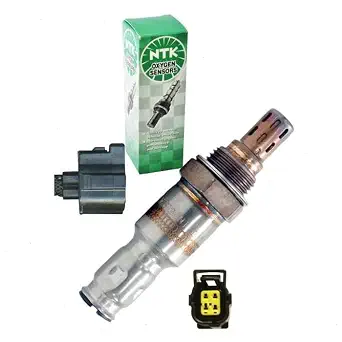 |
| Most Popular A crowd favorite that many people choose with confidence | NewYall Pack of 4 Upstream/Downstream Oxygen Sensors (4-pack) |  |
| Best Seller A high-volume bestseller chosen again and again | higherbro 2-pack Oxygen Sensors (Upstream + Downstream) for 1997–2000 Jeep Wrangler/Compatible Models |  |
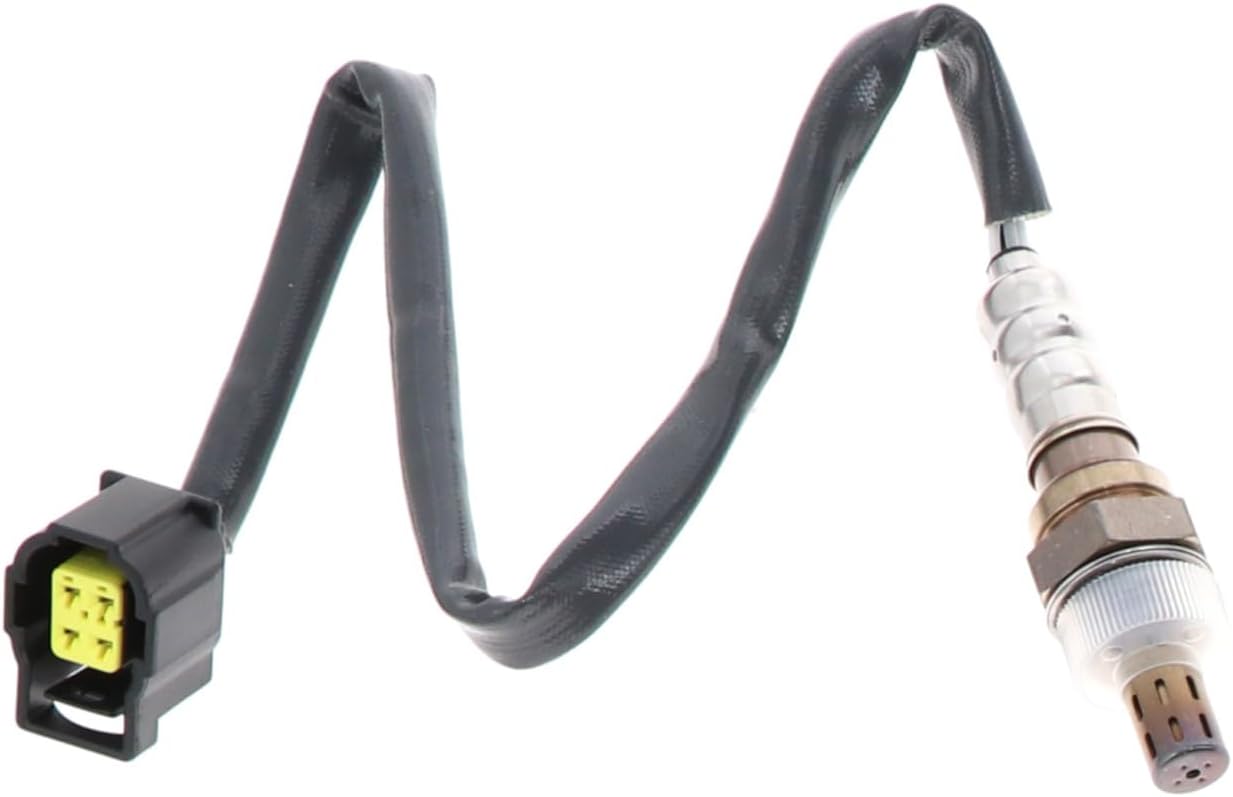
1. Walker Products 350-34039 Heated Oxygen (O2) Sensor — Direct Fit
| Material | Ceramic, Metal |
|---|---|
| Mounting Type | Flange Mount |
| Output Type | Electrical Signal |
| Manufacturer Part Number | 350-34039 |
This Walker 350-34039 oxygen sensor is a four-wire, heated direct-fit replacement intended to restore proper air-fuel feedback to the engine control system. It installs like a factory sensor and is typically used to clear O2-related fault codes, recover fuel economy, and return smooth idle and drivability when a worn sensor has failed. Key construction details include a ceramic sensing element, dual lower shields, laser-welded body, high-temperature sleeving, and a plasma-sprayed protective coating for corrosion resistance. The four-wire heated design means faster warm-up and reliable readings on downstream or upstream circuits that require a heater. Practical benefits are solid OEM-style fit and broad vehicle coverage plus pre-applied thread treatment that speeds installation. Limitations are that fitment is vehicle-specific so verifying the correct position (bank and downstream versus upstream) is necessary, and a few users report mismatched applications on some engine variants, so confirm compatibility before replacing the sensor you remove.
Best for: Buyers who want a reliable, factory-style replacement to fix O2-sensor fault codes and restore normal drivability with minimal fuss and service time.
Less Ideal for: Those who need a sensor for uncommon engine variants or who prefer to replace all sensors as a set without verifying exact bank and position first.
- Four-wire heated design for quicker warm-up and stable readings
- Engineered for OEM-style fit and simple bolt-in installation
- Durable construction with laser-welded body and protective coatings
- Pre-applied thread treatment reduces assembly prep and seizing risk
- Not universally interchangeable across all engine variants so incorrect application can cause new codes
Verdict: A durable, heated direct-fit O2 sensor that restores OEM-style performance for drivers needing a dependable bank 1 replacement.
2. TRQ O2 Oxygen Sensor OSA61699

| Mounting Type | Flange Mount |
|---|---|
| Output Type | Oxygen Sensor |
| Upper Temperature Rating | 1832 Degrees Fahrenheit |
| Material Type | Stainless Steel |
This TRQ O2 Oxygen Sensor is a flange-mount, direct-replacement oxygen sensor intended to read exhaust oxygen and feed that data to the engine control system. It is used to replace a failing Bank 1 sensor so the ECU can correct fuel trim and timing, which helps restore throttle response, fuel economy, and emissions performance. The sensor is stainless steel with a high upper temperature rating and comes pre-assembled for a straightforward swap; many users report quick installs and cleared check-engine lights when fitment is correct. Practical benefits include improved drivability after replacement and access to TRQ's DIY installation resources. Downsides to consider are mixed longevity reports from some buyers and occasional connector pin-type mismatches that may require wiring work or verifying the correct plug before installation. For performance-focused fixes this sensor can get the engine back to proper closed-loop operation, but long-term durability may vary depending on operating conditions.
Best for: Drivers who need a performance-minded Bank 1 oxygen sensor replacement to quickly restore closed-loop fuel control and improve throttle response after a faulty sensor and who prioritize a direct-fit, DIY-installable solution.
Less Ideal for: Those seeking a lifetime-focused or heavy-duty racing sensor with guaranteed extended service life should consider higher-end or application-specific performance units instead.
- Direct-fit flange mount designed to replace the factory sensor without modifications
- Stainless steel construction and 1832°F upper temperature rating for high-heat tolerance
- Pre-assembled unit simplifies installation and reduces install time
- Works to restore proper air-fuel feedback, helping clear related check-engine codes
- Some buyers report premature failures indicating variable long-term durability
- Connector end may not match every harness configuration, occasionally requiring splicing
Verdict: A practical direct-fit Bank 1 oxygen sensor replacement that quickly restores proper fuel control for drivers who want a fast DIY fix and improved drivability.
3. BOSCH 12014 Premium Fitment Oxygen Sensor

| Material | Stainless Steel |
|---|---|
| Measuring Range | 0% – 15% O2 |
| Mounting Type | Flange Mount |
| Output Type | Digital |
| Item model number | BOS12014 |
The Bosch 12014 is a direct-fit oxygen sensor intended to replace a worn sensor and restore accurate air-fuel monitoring. It installs with factory-style connectors and pre-coated threads to simplify swap-in replacement, and Bosch states each unit is 100 percent function-tested with a double laser-welded stainless steel body for corrosion resistance. A fast-acting heater element helps the sensor reach operating temperature quickly so the engine management sees correct readings sooner after startup. In use it behaves like a typical OEM-quality upstream or downstream O2 sensor: it sends digital signals for exhaust oxygen content to the vehicle computer to correct fuel trim and reduce emissions. Practical benefits include reliable fitment, durable stainless construction, and quicker warm-up compared with passive sensors. Limitations are that fitment must be verified for your specific Wrangler year and bank/location and the listing does not include detailed wiring diagrams or vehicle-specific installation hardware beyond the direct connector.
Best for: Buyers who prioritize a durable, factory-style replacement that restores proper exhaust oxygen sensing and fuel trim on a practical maintenance budget.
Less Ideal for: If you want a multi-vehicle universal sensor, a performance-tuned sensor with custom calibration, or a plug-and-play part for non-Wrangler applications, consider alternatives tailored to those needs.
- Direct-fit connectors and pre-coated threads make installation straightforward
- 100% functional testing and stainless steel body improve reliability and corrosion resistance
- Fast-acting heater reduces time to operating temperature for more accurate short‑term readings
- Compatibility is vehicle- and bank-specific so you must confirm correct fitment for your Wrangler
Verdict: A durable, factory-style direct-fit sensor that gets your Wrangler's oxygen sensing and fuel trims back to spec with minimal fuss.
4. UNITHUB Oxygen Sensor (UH-OS06100)

| Mounting Type | Flange Mount |
|---|---|
| Output Type | Electrical signal |
| Material Type | Ceramic, Stainless Steel |
| Sensor Pins | 4 Pins |
This UNITHUB oxygen sensor is a basic replacement designed to report exhaust oxygen levels to the engine computer for combustion and emissions control. It installs like a standard flange-mounted O2 sensor and arrives with zip ties for securing the harness. The sensor uses a ceramic sensing element with stainless steel housing and offers a four-pin connector. In practice it can restore closed-loop operation and clear related trouble codes on vehicles that accept aftermarket sensors, and several buyers report successful long-term use. However some Jeep Wrangler and Patriot applications are sensitive to signal bias and heater performance; a number of users found this sensor failed to go into the expected operational state or triggered new codes on those engines. For budget repairs it can be a useful, low-cost option provided you verify compatibility with a scan tool or choose a vendor with a good return policy. Expect occasional fitment or signal-compatibility issues on certain Wrangler engine variants.
Best for: Wrangler owners looking for an inexpensive replacement sensor to clear codes or temporarily restore emissions monitoring on vehicles that accept aftermarket sensors.
Less Ideal for: Drivers who need guaranteed factory-quality signal characteristics for emission-sensitive Wrangler engines or for final long-term repairs should consider higher-end or OEM-matched sensors.
- Low-cost replacement compared with dealer parts
- Standard flange mount and 4-pin connector for straightforward installation
- Ceramic sensor element with stainless steel housing for basic durability
- Includes zip ties and needed hardware for immediate fitment
- Not compatible with some Jeep engine signal-bias systems and may not enter operational range on sensitive models
Verdict: A wallet-friendly replacement choice for Wrangler owners who need a quick, low-cost oxygen sensor swap, provided you confirm signal compatibility first.
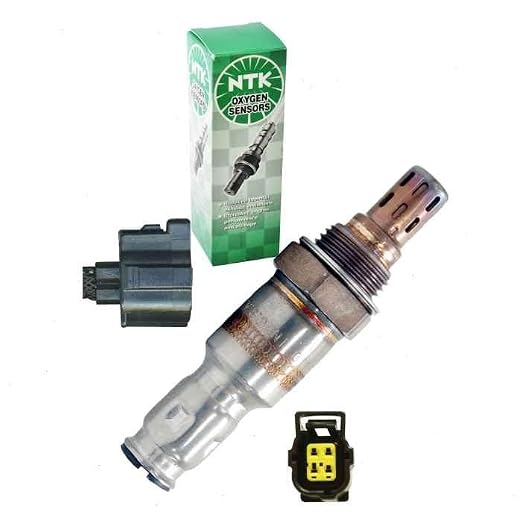
5. Sixity Auto NTK-Style Upstream Left Oxygen (O2) Sensor for Jeep Wrangler 3.6L V6
| Mounting Type | Flange Mount |
|---|---|
| Output Type | electrical signal |
| Upper Temperature Rating | 1650 Degrees Fahrenheit |
| Material Type | Stainless Steel |
This upstream left oxygen sensor replaces the factory unit on 3.6L V6 Jeep Wranglers from 2012 to 2018 and is used to monitor exhaust oxygen levels for the engine control system. It is a flange-mount sensor with an electrical output signal and stainless steel construction, so it installs in the same location and sends the same type of feedback the ECU expects. Typical use is a one-for-one swap when a check engine light flags a bank 1 sensor or when diagnosing fuel trim problems. Practical benefits include genuine NTK compatibility, a high temperature rating that suits exhaust conditions, and packaged hardware for direct replacement. Expect installation to be straightforward for a mechanically skilled owner but somewhat awkward because of the sensor location on these Jeeps, and you will likely need an O2 sensor socket for removal and torque access. This part appears to clear codes and run reliably in real-world use, though buyers replacing multiple failed sensors may prefer to source all required locations at once rather than one at a time.
Best for: Buyers who prioritize a reliable, factory-style replacement to resolve a bank 1 oxygen sensor fault and want a part that matches the expected fit and signal for long-term service.
Less Ideal for: If you prefer a multi-sensor preventative replacement strategy, or need a universal sensor for multiple vehicle types, this single-fit upstream unit is not the right choice.
- Direct-replacement fit for 2012–2018 Jeep Wrangler 3.6L V6 upstream left position
- Stainless steel body and 1650°F upper temperature rating for durable exhaust exposure
- Electrical output and flange mount match factory signal and installation method
- Includes original-style packaging and hardware for an easier swap
- Sensor location on the Wrangler can make removal and installation difficult without the proper socket or lift
Verdict: Choose this NTK-compatible upstream left sensor when you need a dependable, factory-style replacement to clear bank 1 errors on 3.6L Jeep Wranglers.
6. NewYall Pack of 4 Upstream/Downstream Oxygen Sensors (4-pack)

| Maximum Supply Voltage | 12 Volts |
|---|---|
| Measuring Range | 0.7 to 1.3 (lambda) or 14.7:1 |
| Mounting Type | Flange Mount |
| Output Type | Transistor |
| Upper Temperature Rating | 800 Degrees Celsius |
This four-pack of NewYall oxygen sensors supplies both upstream and downstream positions for the vehicle applications listed and is intended for emissions monitoring and engine performance feedback. You install them in the exhaust system where each sensor measures oxygen level and sends a transistor-style voltage signal to the engine control system to help maintain the stoichiometric air-fuel ratio. The kit covers many Chrysler, Dodge, and Jeep models in the fitment table, and the sensors are flange-mount with an 800 °C temperature rating, which suits normal exhaust temperatures. Practical benefits include replacing multiple failing sensors at once and avoiding repeated shop trips. Limitations to be aware of are inconsistent long-term reliability reported by some buyers, occasional fitment lead-length issues on certain Jeep models, and the pack uses identical sensors front and rear so buying this set when unique upstream/downstream units are required could be wrong for your car.
Best for: Buyers who prioritize replacing multiple worn oxygen sensors at once and who check fitment carefully before ordering to avoid surprises; ideal for DIYers and budget-conscious owners looking to refresh emissions hardware across a full bank.
Less Ideal for: Drivers who need a guaranteed long-term OEM-equivalent sensor or who are unsure about exact sensor types and lead lengths should consider branded factory-quality replacements or single verified-fit parts instead.
- Includes four sensors so you can replace all bank sensors in one job
- Flange-mount design and high temperature rating suitable for exhaust service
- Covers a wide list of Chrysler, Dodge, and Jeep models according to the fitment table
- Some users report early failures and incorrect readings after installation
- Downstream lead length may be too short for certain Wrangler applications
- All four sensors are identical so they may not match vehicles that require different upstream and downstream units
Verdict: Good value for replacing all oxygen sensors at once when fitment is confirmed, but confirm connector length and that identical sensors suit your bank before buying.
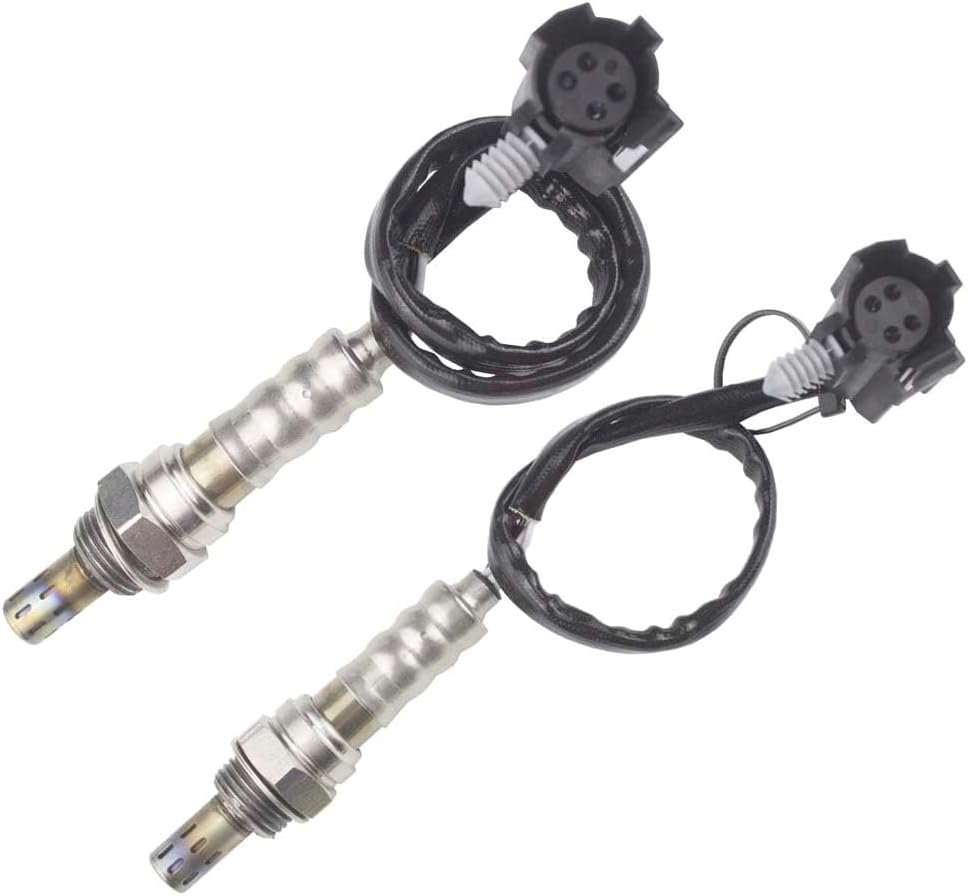
7. higherbro 2-pack Oxygen Sensors (Upstream + Downstream) for 1997–2000 Jeep Wrangler/Compatible Models
| Mounting Type | Flange Mount |
|---|---|
| Output Type | Analog or Digital Signal |
| Upper Temperature Rating | 1200 Degrees Fahrenheit |
| Material Type | Ceramic, Metal, Plastic |
| Unit Count | 2.0 Count |
This higherbro kit includes two oxygen sensors sold as an upstream and downstream pair to replace worn sensors on late 1990s Jeep Wrangler engines and similar vehicles. Installation is straightforward for someone with basic tools: thread-in flange mount design and standard electrical connectors mean the parts bolt into the factory locations and feed analog/digital signals to the engine computer. The sensors are made from ceramic, metal and plastic and are rated for high operating temperatures up to 1200°F, which is typical for exhaust sensors. Buyers report the kit clears check engine lights and restores proper sensor readings when fitment is correct, and the two-pack covers both pre- and post-catalytic converter positions. Limitations show up in durability and fitment consistency: several users report early downstream failures or mismatched fit on four-cylinder variants, so confirm engine and connector match before installation. This is a budget-friendly replacement that can get an older Wrangler back to proper emissions signaling, but it may not match the longevity of higher-end factory-quality parts.
Best for: Buyers who prioritize getting a reliable, ready-to-install replacement to clear engine codes and restore proper oxygen readings on older Jeep Wrangler engines without paying for dealer parts.
Less Ideal for: Drivers seeking the longest-lasting, factory-grade sensors for heavy-duty or high-mileage use should consider premium branded sensors or dealer replacements instead.
- Includes both upstream and downstream sensors so you can replace both catalytic converter positions at once
- Flange mount and standard connector design make installation simple for DIY mechanics
- High temperature rating (1200°F) suitable for exhaust environments
- Two-piece kit is more economical than buying sensors individually
- Some customers report early failures on the downstream sensor indicating variable long-term reliability
- Fitment appears inconsistent for certain four-cylinder applications so vehicle compatibility must be double-checked
Verdict: A cost-conscious two-sensor replacement that simplifies repairing Bank 1 oxygen sensor faults on late 1990s Wrangler engines when correct fitment is confirmed.
Choosing the Right Jeep Wrangler Bank 1 Oxygen Sensor: Key Factors to Consider
Correct Bank and Sensor Position
Installing the correct bank 1 sensor is essential because Jeep Wranglers use multiple oxygen sensors located before and after the catalytic converter. Bank 1 refers to the side of the engine that contains cylinder one, and choosing the wrong bank or position can produce misleading diagnostic data and fail to clear O2-related codes.
Confirming whether you need the upstream (sensor 1) or downstream unit is important for proper operation. Upstream sensors influence fuel trim directly by reporting exhaust oxygen content to the engine control module in real time, while downstream sensors monitor catalytic converter efficiency. For bank 1 replacements make sure the sensor you select matches the intended bank and position to avoid installation errors and recurring check engine light issues.
Electrical Compatibility and Heater Circuit
Most modern Wranglers require a heated oxygen sensor to reach operating temperature quickly. The heater circuit helps the sensor produce accurate readings immediately after startup, which shortens warm-up enrichment time and reduces emissions. If the replacement sensor lacks the appropriate heater configuration you can see rough idle, poor fuel economy, and longer warm-up times.
Check the number of wires and the connector type against your Wrangler's factory sensor. Wire count correlates with heater presence and signal grounding. Sensors with proper OEM-style connectors minimize the need for splicing and ensure reliable contact even under off-road vibration and exposure to water or dirt.
Response Time and Signal Accuracy
A sensor that responds quickly to changes in exhaust oxygen allows the engine control module to adjust air/fuel ratio more precisely. Slow or inconsistent sensor signals cause delayed corrections that show up as unstable idle, poor throttle response, and incorrect fuel trims. For Wrangler owners who tow or run variable loads, a sensor with quick response helps maintain drivability under changing conditions.
Signal accuracy also matters when diagnosing codes. A sensor that biases or generates noisy voltage readings can trigger intermittent codes and complicate troubleshooting. Look for specifications or documentation indicating low latency and stable voltage curves across temperature ranges.
Durability and Environmental Resistance
Jeep Wranglers often see off-road exposure, which puts sensors at higher risk of stone chips, moisture intrusion, and corrosion. Durable housings, protective sleeves, and corrosion-resistant threads extend service life in harsh conditions. Sensors rated for extended operating cycles are less likely to fail prematurely after repeated thermal cycling from short trips followed by highway driving.
Consider how the sensor is shielded from road debris and whether the lead harness has adequate abrasion protection. A robust physical design reduces the likelihood of mechanical damage that can produce erratic readings or complete failure.
Installation Accessibility and Serviceability
Bank 1 oxygen sensors on the Jeep Wrangler can be positioned in places that are tight or partially obstructed by exhaust heat shields and crossmembers. Ease of access affects how long a replacement takes and whether basic hand tools will suffice. A sensor with a straight plug-and-play connector and a service-friendly hex size reduces installer effort and the risk of damaging wiring during removal.
Also consider whether the replacement is compatible with common oxygen sensor sockets and whether anti-seize on the threads is required or pre-applied. Good serviceability lowers the chance of cross-threading or sealing issues that can lead to exhaust leaks and erroneous codes.
Emissions and Diagnostic Code Behavior
Replacing a bank 1 oxygen sensor should restore proper emissions monitoring and prevent recurring diagnostic trouble codes related to oxygen sensors. Different sensors can influence how quickly the engine control module recognizes a fault or confirms a repair. A sensor that accurately reports oxygen levels helps the vehicle pass onboard diagnostic readiness checks and maintain stable catalytic converter monitoring.
Pay attention to how replacements affect codes like heater circuit faults and narrowband signal errors. Choosing a sensor with matching electrical and signal characteristics reduces the likelihood of persistent codes that complicate inspections and troubleshooting.
Common Symptoms of a Failing Bank 1 Oxygen Sensor
Symptoms often start subtly and can include rough idle, stalling, or reduced fuel economy as the engine control module leans or richens fuel trims to compensate. You might also see decreased throttle response under load or during acceleration if the sensor is slow to report changes in exhaust composition.
A persistent check engine light is a common indicator. Codes related to oxygen sensor performance or heater circuit faults often accompany physical symptoms. Not every code requires immediate replacement, but combined with drivability changes a failing bank 1 sensor becomes a likely culprit.
- Uneven idle and frequent RPM fluctuations
- Increased fuel consumption and black smoke under heavy load
- Check engine light with oxygen sensor or heater circuit codes
- Poor acceleration or hesitation when throttle changes
How to Test a Bank 1 Oxygen Sensor on a Jeep Wrangler
Basic tests include a visual inspection of the connector and harness, checking for corrosion, damaged insulation, or loose pins. For heater circuit checks use a multimeter to verify continuity and resistance against factory specifications. A failed heater circuit prevents the sensor from reaching proper operating temperature quickly and can produce cold-start drivability issues.
Signal testing evaluates the sensor output while the engine runs. Narrowband sensors will swing voltage between low and high values as the engine cycles rich and lean. Observing the signal with a scan tool or oscilloscope shows whether the sensor responds quickly and consistently. For more advanced diagnostics you can compare live fuel trim data to see how the engine adjusts; dramatic swings may point to a slow or failing sensor.
- Inspect connector and wiring for damage before testing
- Measure heater resistance to confirm the circuit is intact
- Monitor live voltage or fuel trim data with a scan tool
- Check for persistent codes such as oxygen sensor circuit faults
Installation Tips for Bank 1 Oxygen Sensor Replacements
Prepare the vehicle with the exhaust cool and use penetrating lubricant on the sensor threads if removal looks tight. Use the correct oxygen sensor socket to avoid damaging the sensor body and apply anti-seize to the threads when instructed by the replacement manufacturer. Make sure the sensor is oriented correctly so the wiring harness is not strained or routed near heat sources.
After installation verify connector engagement and perform a short test drive to let the sensor reach operating temperature. Clear any existing codes and monitor live data for stable fuel trims and correct voltage swings. If a heater circuit code returns immediately, recheck wiring and connector pins for proper contact.
- Use proper socket and torque to avoid thread damage
- Apply anti-seize only if recommended
- Route harness away from exhaust hotspots and sharp edges
- Clear codes and confirm correct live readings after installation
Understanding Upstream Versus Downstream Signals
Upstream sensors, commonly referred to as sensor 1, are located before the catalytic converter and directly influence fuel trim by providing near-real-time feedback on exhaust oxygen content. Downstream sensors monitor converter efficiency and typically show less variation; they are used more for emissions compliance checks than for closed-loop fuel control.
For bank 1 replacements confirm whether you need the upstream or downstream variant. Using the upstream unit in the downstream position or vice versa changes the expected signal behavior and can trigger diagnostic codes or mislead troubleshooting efforts.
- Upstream sensors affect fuel delivery and idle behavior
- Downstream sensors report catalytic converter performance
- Sensor position dictates expected voltage patterns and tests
When to Replace Versus When to Repair Wiring
Not all oxygen sensor faults require a complete sensor change. If a visual inspection reveals damaged wiring, corroded connectors, or a failing ground, repairing the harness or replacing the pigtail connector can restore function without replacing the sensor itself. However, repeated heater failures or slow signal response usually indicate the internal sensing element has degraded and replacement is the proper remedy.
Evaluate the cost and effort of harness repair against sensor age and mileage. For older sensors with intermittent signals or prolonged response times replacement is often more reliable than patching because internal contamination or element wear cannot be repaired easily.
- Repair connectors and wiring when damage is isolated and accessible
- Replace the sensor if the heater element or sensing element is failing
- Consider vehicle mileage and exposure when deciding between repair and replacement
Maintaining Oxygen Sensor Longevity
Regular maintenance that helps oxygen sensors last includes addressing oil consumption and coolant leaks promptly, as contamination from burning oil or antifreeze degrades sensor performance. Avoid using leaded fuels or certain silicone-based sealants that can poison the sensing element. Keeping exhaust leaks sealed reduces false readings caused by air ingress.
Periodic inspections of the wiring harness and ensuring the engine runs within normal temperature ranges also extend sensor life. For Wranglers that see heavy off-road use consider protective sleeves or routing modifications to shield the harness from debris and abrasion.
- Fix oil or coolant leaks to prevent sensor contamination
- Avoid sealants and fuels that can damage sensor elements
- Inspect wiring and consider protective routing for off-road use
Still looking for the perfect fit?
Select your Jeep Wrangler configuration to see the most relevant Oxygen Sensors recommendations
How We Chose the Best Jeep Wrangler Bank 1 Oxygen Sensor
We selected the seven bank 1 oxygen sensors by applying criteria that matter specifically for Jeep Wrangler owners. Primary filters included exact fitment to Wrangler exhaust and connector types, correct thread and heater circuit specifications, and compatibility with the vehicle wiring harness to avoid splicing. We prioritized sensors with documented fast response times and low variance in voltage output because those traits help keep fuel trims stable and reduce false fault codes.Durability factors such as robust heater elements, corrosion-resistant housings, and protective sleeves were weighted to address off-road and high-mileage use typical of Wrangler ownership. We also considered ease of installation, including whether the sensor uses a direct plug-and-play connector and common mounting options for bank 1 locations. Sensors lacking clear fitment documentation, missing heater circuits for models that require them, or requiring significant wiring modifications were excluded. Final picks balance reliability, proper electrical characteristics, and practical serviceability for the Wrangler's emissions system.
Our full evaluation process is outlined in our review methodology.
FAQ
How do I know if my Jeep Wrangler needs a bank 1 oxygen sensor replacement?
Often you will see rough idle, decreased fuel economy, or a check engine light with oxygen sensor or heater circuit codes. Confirm with a visual inspection and basic heater and signal tests before deciding on replacement.
Can I install a bank 1 oxygen sensor myself?
Many owners can install a bank 1 sensor with common hand tools and an oxygen sensor socket. Ensure the exhaust is cool, verify connector compatibility, and follow proper torque and anti-seize guidance when applicable. If wiring or complex diagnostics are needed consider professional help.
Will replacing the bank 1 sensor clear the check engine light?
Replacing a failed sensor often clears related codes after you erase them, but if the underlying issue is wiring, exhaust leaks, or catalytic converter problems the light may return. Monitor live data to confirm the repair fixed the root cause.
What does an oxygen sensor code like P0135 mean for my Wrangler?
Codes such as P0135 typically point to heater circuit faults or insufficient heater performance for the indicated sensor. It often means the heater is not reaching proper operating parameters and should be tested before replacing the entire sensor.
Should I choose an upstream or downstream bank 1 sensor replacement?
Choose the sensor that matches the original position. Upstream (sensor 1) units affect fuel trim directly and need fast response, while downstream units monitor converter efficiency and show more stable readings.
How long do bank 1 oxygen sensors usually last on a Jeep Wrangler?
Lifespan varies with driving conditions but sensors often last several years under normal use. Off-road exposure, contamination from oil or coolant, and severe thermal cycling can shorten service life, so inspect periodically if you drive in harsh conditions.
Final Verdict
Focus first on correct fitment for bank 1 and the proper sensor position because electrical and signal compatibility determine whether the engine control module receives usable data. Prioritize a sensor with a verified heater circuit, fast response, and durable construction if your Wrangler sees off-road use or high mileage.Balancing ease of installation and long-term reliability will guide most decisions. If you are unsure after diagnostic testing, address wiring and connector issues first, then opt for a replacement that matches OEM electrical characteristics to restore stable fuel trims and reduce recurrence of oxygen-sensor-related codes.
Explore More:
- Check out all Jeep Wrangler parts & accessories
- Explore Oxygen Sensors Maintenance & Repair Guides
- Explore Engine
- Browse all Auto Parts
