

Note: This article contains affiliate links. If you click on these links and make a purchase, I may earn a small commission at no extra cost to you. This helps support my research and content. Read my full affiliate disclosure here.
If your 2007-2018 Jeep Wrangler is showing rough idle, reduced fuel economy, or a persistent check engine light, a failing oxygen sensor is often the culprit. This guide focuses on direct-fit oxygen sensors for the Wrangler across the JK and JKU generations and shortlists the top options built for this vehicle. You will find sensors intended to address common O2 sensor symptoms, whether you need an upstream or downstream unit, and guidance on fitment and electrical compatibility. The selections below reflect sensors chosen for fit, sensor response, and durability. Read on to compare the practical tradeoffs and to learn which factors matter most when you need an oxygen sensor replacement for your Wrangler.
Looking for other parts? See all Jeep Wrangler parts & accessories.
Top Picks at a Glance
| Best Overall The best all-around choice for most situations | Walker Products 350-34039 Oxygen Sensor, 4-Wire Direct Fit |  |
| Best Quality Built to a higher standard if you want something more solid | BOSCH 15122 Premium Original Equipment Oxygen Sensor |  |
| Best Value The sweet spot between price and what you get | NewYall Pack of 4 Upstream/Downstream Oxygen Sensors (Model 56O28994AA) |  |
| Best Budget The cheapest option that still gets the job done reliably | Maxfavor 234-4587 Oxygen O2 Sensor (Upstream/Downstream) |  |
| Highest Rated A top-rated pick with lots of positive feedback | Sixity Auto NTK-Compatible Upstream Left Oxygen (O2) Sensor for Jeep Wrangler 3.6L V6 | 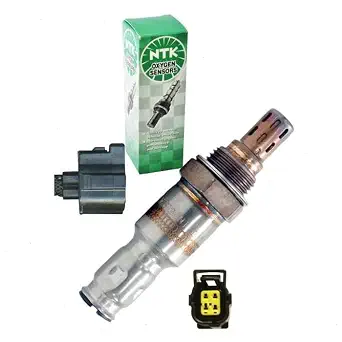 |
| Most Popular A crowd favorite that many people choose with confidence | Bosch Original Equipment Oxygen Sensor (direct-fit) |  |
| Best Seller A high-volume bestseller chosen again and again | BLPextrm Replacement Oxygen Sensor 56028994AA |  |
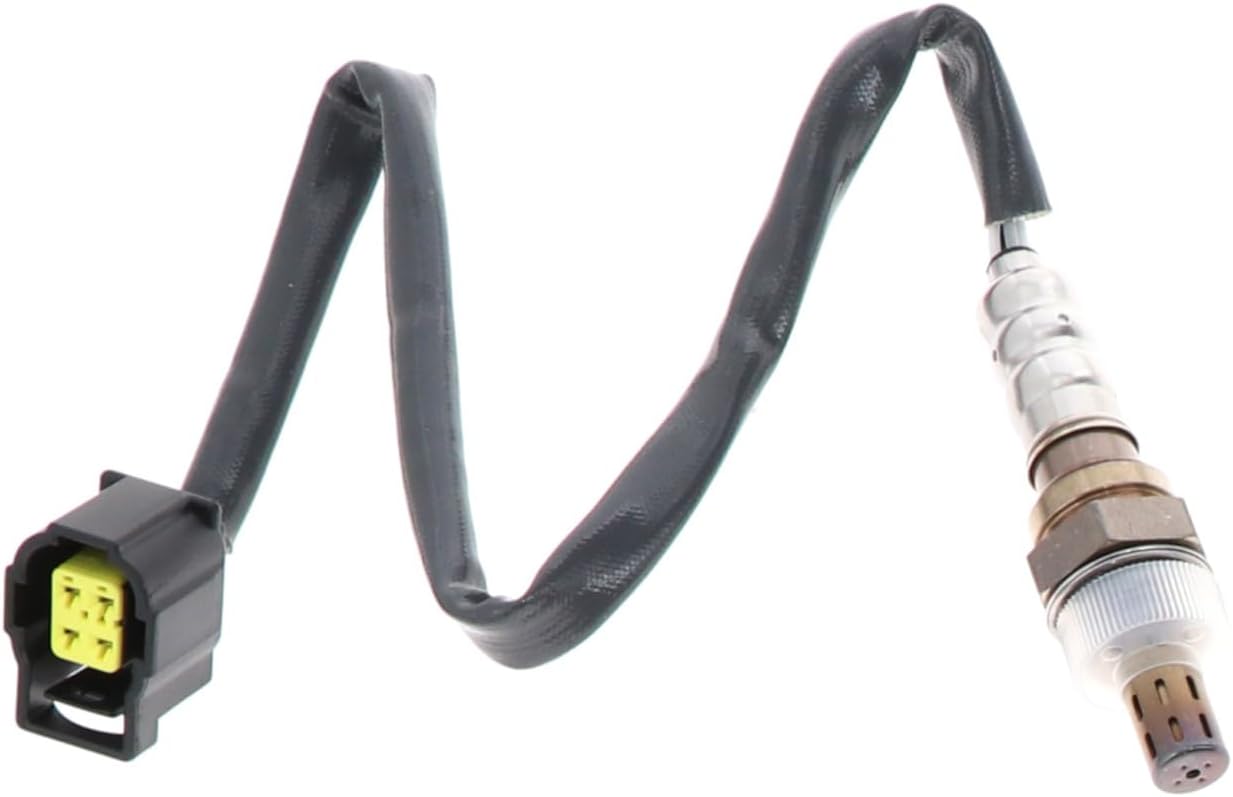
1. Walker Products 350-34039 Oxygen Sensor, 4-Wire Direct Fit
| Material | Ceramic, Metal |
|---|---|
| Mounting Type | Flange Mount |
| Output Type | Electrical Signal |
| Manufacturer Part Number | 350-34039 |
The Walker 350-34039 is a 4-wire, direct-fit heated oxygen sensor intended to replace a factory unit and restore proper fuel trim and emissions monitoring. It installs like a standard O2 sensor and is used to clear downstream or upstream fault codes and return accurate voltage readings to the engine computer. Notable design features include a dual lower shield, ceramic sensing element, laser-welded body and shield, high-temperature sleeving, and a plasma-sprayed protective coating that improve corrosion and heat resistance. The sensor is 100% performance tested in the USA and arrives ready to install with thread treatment applied on many units, which helps with seizure during removal. Practical benefits are reliable fitment for covered applications, improved durability in hot exhaust environments, and straightforward DIY installation when you have the correct O2 socket. Limitations: fitment must match your Wrangler engine and bank/location, and some buyers report incorrect listings for certain 3.6L Pentastar applications, so double-check vehicle compatibility before ordering.
Best for: Buyers who want a reliable, factory-style replacement sensor that balances durability and value for routine O2 sensor repairs on compatible Jeep Wrangler applications.
Less Ideal for: People who need guaranteed fit for a modified vehicle or who prefer to avoid any risk of fitment mismatch should consider checking dealer parts or alternate sensor brands with confirmed application coverage.
- Direct-fit 4-wire design for heated sensor applications simplifies replacement
- Durable construction with laser-welded body, dual shield, and protective coating for corrosion and heat resistance
- 100% performance tested and engineered to match factory fit, form, and function
- Often ships with thread treatment applied to ease installation and prevent seizure
- Vehicle fitment listings are not always accurate for every engine variant, with some reports of incompatibility on certain 3.6L Pentastar models
- Access and installation can be tight on some Wrangler configurations and typically require a special O2 sensor socket
Verdict: A durable, performance-tested direct-fit heated O2 sensor that offers factory-style replacement reliability for covered Jeep Wrangler repairs.
2. BOSCH 15122 Premium Original Equipment Oxygen Sensor

| Mounting Type | Flange Mount |
|---|---|
| Output Type | Push-Pull |
| Specific Uses For Product | Automotive emission control, Fuel efficiency management |
| Upper Temperature Rating | 1200 Degrees Celsius |
The Bosch 15122 is a direct-fit replacement oxygen sensor that measures the oxygen content in exhaust gases so the engine control unit can adjust fuel delivery. It is used as an upstream sensor on compatible Chrysler, Dodge, and Jeep models and installs with factory-style connectors and pre-coated threads to simplify fitting. Notable features include a fast-acting heater for quicker warm-up, a double laser-welded stainless steel body for corrosion resistance, and factory testing that aims to ensure reliable operation out of the box. For a performance-minded driver, a properly functioning sensor helps maintain throttle response and combustion efficiency, which can preserve catalytic converter health and steady power delivery. Limitations are fitment sensitivity and vehicle-engine variations; confirm exact sensor position and engine compatibility before buying because some users report fitment mismatches on certain years or engine trims.
Best for: Drivers who prioritize restoring precise air-fuel control and consistent engine response in older Jeep Wrangler models and want a factory-style replacement that heats up quickly and resists corrosion.
Less Ideal for: Anyone who needs a universal or programmable wideband sensor for tuning or aftermarket engine management should look at dedicated performance sensors instead.
- Direct-fit connectors and pre-coated threads for easier installation
- Fast-acting heater helps the sensor reach operating temperature quickly
- Double laser-welded stainless steel body improves resistance to exhaust corrosion
- Factory testing claimed to verify full functionality before shipping
- Compatibility varies by engine and sensor location so fitment must be verified
Verdict: Choose the Bosch 15122 when you want a durable, fast-heating direct-fit oxygen sensor to restore accurate air-fuel control and maintain engine performance on compatible Wrangler engines.
3. NewYall Pack of 4 Upstream/Downstream Oxygen Sensors (Model 56O28994AA)

| Maximum Supply Voltage | 12 Volts |
|---|---|
| Measuring Range | 0.7 to 1.3 (lambda) / 14.7:1 |
| Mounting Type | Flange Mount |
| Output Type | Transistor |
| Upper Temperature Rating | 800 Degrees Celsius |
This four‑sensor set supplies both upstream and downstream replacement oxygen sensors in a single kit intended to match factory‑style flange mounting and transistor output. Installation is typical for oxygen sensors: thread the sensor into the exhaust bung, reconnect the wiring plug, and clear any related codes. The sensors are rated for high temperature operation and claim a measuring range suitable for stoichiometric monitoring, so they handle normal engine management and emissions control duties. The kit is convenient if you want to replace multiple sensors at once, but the listing warns the upstream and downstream sensors are identical so it may not suit vehicles that require different part lengths or connector variations. Build quality and longevity reports are mixed in user feedback, with some buyers reporting easy installs and restored drivability while others saw early failures or incorrect readings that caused drivability issues. Expect a budget replacement that can restore proper oxygen sensing in many cases but verify fitment and connector/lead length for your Wrangler before ordering.
Best for: A practical buyer looking to replace multiple oxygen sensors at once on a Wrangler and willing to confirm wiring/lead fitment before installation to save time and money.
Less Ideal for: Those who need vehicle‑specific sensor lead lengths or connector types without modification or anyone who prefers guaranteed long‑term OEM equivalent durability.
- Contains four sensors to replace multiple bank positions at once
- Flange‑mount and transistor output match common factory sensor designs
- High upper temperature rating suitable for exhaust environments
- Measuring range specified to support stoichiometric air‑fuel monitoring
- Upstream and downstream sensors are identical so lead length or connector differences may not match all applications
- Mixed user reports on durability and accuracy
Verdict: Buy this kit if you want an affordable way to replace all four oxygen sensors at once for a Wrangler project, but double‑check connector and lead fitment first.
4. Maxfavor 234-4587 Oxygen O2 Sensor (Upstream/Downstream)

| Mounting Type | Threaded Mount |
|---|---|
| Output Type | electrical signal |
| Material Type | Ceramic, Metal, Stainless Steel |
| Style Name | O2 Sensor |
The Maxfavor 234-4587 is a direct-replacement threaded oxygen sensor intended to restore correct air-fuel readings and clear emissions-related fault codes. It is used like any standard O2 sensor: uninstall the old sensor, compare fitment, clean the port, and thread the new unit in place before reconnecting the harness. Built with a ceramic sensing element and stainless steel housing, the sensor includes a porous PTFE filter and protective layers intended to improve durability. In practice this unit will bring back proper sensor feedback, which can resolve check-engine lights and improve drivability after a failing sensor. Installation is straightforward for DIYers with an O2 sensor socket. Limitations are the usual ones for aftermarket sensors: longevity can vary with operating conditions and some users report inconsistent quality, so expect mixed long-term reliability compared with a higher-end factory-quality replacement.
Best for: Buyers who need a low-cost, serviceable replacement to clear emissions codes and restore proper sensor readings on covered Jeep Wrangler applications and prioritize affordability over premium longevity.
Less Ideal for: If you want guaranteed long-term performance or an OEM-matched part for high-mileage or modified engines, consider a factory-quality or premium aftermarket sensor instead.
- Direct threaded fit for compatible vehicles makes installation simple
- Ceramic sensing element with protective layers and PTFE filter helps resist contamination
- Stainless steel housing for corrosion resistance in the exhaust environment
- Affordable option for repairing emissions faults or replacing a failed sensor
- Variable long-term durability reported by users compared with higher-end replacements
Verdict: A budget-friendly threaded replacement that restores O2 sensor function on compatible Wrangler applications without the cost of premium factory-quality units.
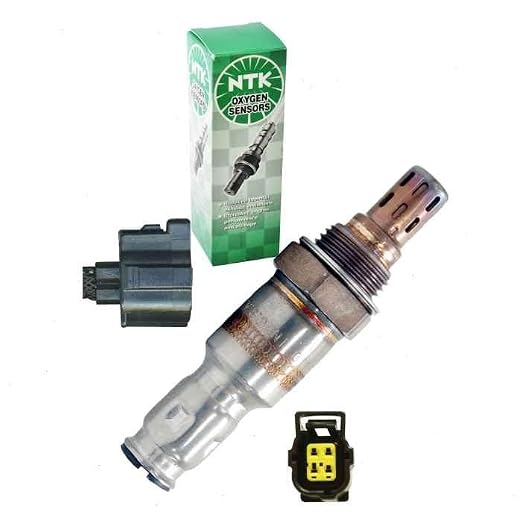
5. Sixity Auto NTK-Compatible Upstream Left Oxygen (O2) Sensor for Jeep Wrangler 3.6L V6
| Mounting Type | Flange Mount |
|---|---|
| Output Type | electrical signal |
| Upper Temperature Rating | 1650 Degrees Fahrenheit |
| Material Type | Stainless Steel |
This upstream left O2 sensor is a direct-replacement style sensor made to match NTK fitment for Jeep Wrangler 3.6L V6 models (2012–2018). It installs where the factory upstream sensor monitors exhaust oxygen to help the engine control module adjust fuel trim and keep emissions in check. The sensor uses a flange mount and stainless steel construction with an electrical output signal and is rated for high-temperature exhaust environments. In everyday use it clears check-engine codes caused by a failing sensor and returns drivability to normal once installed and calibrated. Expect typical installation difficulty because of the sensor location on Wrangler exhausts and plan to use a dedicated O2-sensor socket for removal. The part is a straightforward replacement with OEM-style packaging and hardware, but longevity depends on exposure and installation care; some buyers replace all sensors at once for consistency rather than mixing old and new units.
Best for: A buyer prioritizing reliable, factory-style replacements for a 3.6L V6 Wrangler who wants to restore proper emissions sensing and clear engine codes with a direct-fit unit.
Less Ideal for: Those looking for universal sensors for multiple vehicles or an upgraded performance air/fuel tuning sensor should consider other options.
- Direct-fit replacement matched to NTK upstream left configuration for 3.6L V6 Wranglers
- Stainless steel construction and 1650°F upper temperature rating for durability in exhaust conditions
- Includes original-style packaging and hardware for an easy swap
- Electrical output and flange mount match factory connection and mounting style
- Access and removal can be difficult on Wrangler exhausts, often requiring a specialty O2-sensor socket
Verdict: Choose this sensor when you want a direct-fit, factory-compatible upstream O2 replacement to reliably restore emissions monitoring on a 3.6L V6 Wrangler.
6. Bosch Original Equipment Oxygen Sensor (direct-fit)

| Material | Stainless Steel |
|---|---|
| Mounting Type | Flange Mount |
| Measurement Accuracy | ±1% |
| Output Type | Electrical signal |
This Bosch oxygen sensor is a direct-fit replacement built to match factory connectors and mounting for compatible vehicles. It uses a double laser-welded stainless steel body and a fast-acting heater so the sensor reaches operating temperature quickly, which helps stabilize fuel trims and reduce warm-up emissions. Installation is straightforward thanks to pre-coated anti-seize threads and an OEM-style connector harness. In use it behaves like a factory part: many buyers report codes cleared and smoother running once the failed unit is swapped out. The unit is factory-tested for functionality, but a small number of buyers encountered mismatched or defective units, so verifying heater resistance and fit before full installation is prudent. This sensor covers planar and thimble-style 3, 4, and 5-wire applications where listed, so make sure the engine position and wiring match your Wrangler application before purchasing.
Best for: Buyers who prioritize a factory-quality, plug-and-play replacement backed by broad positive feedback and want to restore proper sensor function without modifying wiring or connectors.
Less Ideal for: Those who prefer an upgraded performance sensor or need a unit explicitly validated for a non-standard engine or aftermarket exhaust configuration should look elsewhere.
- True direct-fit connector and harness simplifies installation without splicing
- Double laser-welded stainless steel body resists exhaust corrosion
- Fast-acting heater brings the sensor to operating temperature quickly
- Threads come pre-coated with anti-seize to prevent seizure during installation
- Some listings have produced units with incorrect heater circuits or build differences, so occasional defective or non-matching parts have been reported
Verdict: Choose this Bosch direct-fit oxygen sensor if you want a factory-style replacement with reliable heater performance and easy install for compatible Wrangler exhaust positions.
7. BLPextrm Replacement Oxygen Sensor 56028994AA

| Mounting Type | Flange Mount |
|---|---|
| Output Type | NPN |
| Maximum Supply Voltage | 12 Volts |
| Measuring Range | 0% – 21% |
This BLPextrm oxygen sensor is sold as a direct replacement for several Chrysler-era and Jeep applications and is intended to restore proper O2 monitoring when a factory sensor fails. It installs like a standard flange-mounted sensor and uses an NPN output with a 12 V supply, so wiring and connectors match factory routing when the plug and length are correct. The sensor is built from alloy steel and rated to 650 degrees Celsius, which supports durable operation in an exhaust environment. In real-world use it can resolve check-engine lights tied to heated O2 circuits and improve engine drivability compared with a failed sensor, though a few users report intermittent compatibility or slower response on certain engines. Wire length uniformity may not match every factory harness configuration, so a small amount of wiring adjustment or zip-tying can be required. For a risk-averse buyer this provides a low-cost, straightforward replacement but bear in mind some vehicles required swapping back to original sensors in isolated reports.
Best for: A cautious DIYer who wants an inexpensive, close-to-factory replacement to clear O2 sensor faults on the specified Wrangler model years and restore normal engine operation without professional installation.
Less Ideal for: Drivers seeking a guaranteed factory-identical sensor for emissions testing or those who prefer OEM-branded parts and full manufacturer-backed support should consider alternatives.
- Direct-fit flange mount design for straightforward installation when plug and length match the factory connector
- Alloy steel construction with operating temperature rating up to 650 degrees Celsius for exhaust durability
- NPN output and 12 V supply compatible with standard vehicle sensor circuits
- Common replacement for many Chrysler/Jeep part numbers so it can clear heated O2 codes in many applications
- Some users reported compatibility or slow-signal issues on certain Jeep engines that triggered check-engine codes
- Wire length is the same across sensors and may require routing adjustment or securing to avoid contact with exhaust
Verdict: A budget-friendly direct-replacement oxygen sensor that can reliably clear heated-O2 faults and restore drivability on affected Jeep Wrangler engines when plug and length match the factory harness.
Choosing the Right 2007-2018 Jeep Wrangler Oxygen Sensor: Key Factors to Consider
Fitment and Connector Type
Correct fitment matters because the Wrangler's exhaust geometry, thread pitch, and sensor bung location vary slightly between JK and JKU generations. A sensor that does not match the thread size or seat type can leak exhaust or fail to secure properly, causing erroneous readings. Connector type is equally critical. Many Wranglers use OE-style connectors and integrated heater circuits. Choosing a sensor with the correct plug avoids cutting and splicing factory wiring, which preserves weatherproofing and reduces the chance of intermittent faults. For 2007-2018 Wranglers, verify whether the target position is upstream or downstream and confirm the pin count and connector shape before buying.
Upstream Versus Downstream Function
Upstream (pre-catalytic converter) sensors monitor the air-fuel mixture and must respond quickly to changes in exhaust composition. Fast voltage response and accurate switching behavior are essential to maintain proper fuel control and avoid lean or rich running conditions. Downstream (post-catalytic converter) sensors monitor catalytic converter efficiency and typically need stable readings rather than extremely fast transitions. When replacing a downstream sensor, focus on long-term stability and resistance to contamination since the downstream position accumulates more soot and deposits over time.
Heater Circuit Performance
Many O2 sensors include an internal heater to bring the sensor to operating temperature quickly. For Wranglers that see lots of short trips or off-road slow-speed driving, a reliable heater circuit reduces time spent in open-loop fueling where emissions and fuel economy suffer. Check that the replacement sensor's heater resistance and power requirements match the Wrangler's wiring to avoid overloading the circuit or insufficient warm-up. A failing heater often triggers diagnostic trouble codes like heater circuit faults, so matching this spec helps prevent new electrical issues after installation.
Response Time and Voltage Characteristics
A sensor's response time determines how quickly the engine computer can adjust fuel trim. Upstream sensors need tight voltage switching around stoichiometry and a quick transition rate. Sluggish sensors can cause long-term fuel trim corrections or drivability symptoms under load. Voltage range and linearity are also important. Some replacements approximate OE behavior closely, producing clear high/low transitions for narrowband sensors, while others offer more muted signals. For owners who rely on accurate closed-loop control, choose sensors with documented response specs that align with Jeep's engine management expectations.
Durability and Environmental Resistance
Wranglers often encounter wet, salty, and dusty conditions that accelerate corrosion. Select sensors with robust housing materials, plated threads, and protective sheathing on the harness to withstand exposure. Heat cycling from exhaust and occasional off-road impacts demand a sensor that resists thermal fatigue and mechanical strain. Durability affects long-term sensor accuracy and reduces the likelihood of future check engine light oxygen sensor triggers caused by wiring failures or element degradation.
Diagnostic Compatibility and Troubleshooting
Ensure the sensor supports straightforward diagnostics for common codes such as bank 1 sensor 1 faults or heater circuit errors like oxygen sensor code P0135. A sensor that behaves predictably under scan tool observation makes it easier to confirm correct operation after install. Also consider how easy it is to test the unit in place using common procedures. Sensors that produce expected voltage swings when the engine is warmed up simplify troubleshooting and help you determine if the new part resolved the original fault without ambiguity.
Understanding O2 Sensor Locations on the Wrangler
Wrangler exhaust layouts across 2007-2018 place oxygen sensors either upstream or downstream of the catalytic converter, and correct placement matters for diagnosis and replacement. Upstream sensors directly influence fuel trim and engine control, while downstream units confirm catalyst performance.
When planning a repair, identify the sensor position you need to replace and match it to the Wrangler generation. For example, JK and JKU configurations can differ slightly in sensor spacing and harness routing, so confirm the exact bung location before ordering a sensor.
- Upstream sensors affect fuel mixture and idle stability.
- Downstream sensors monitor catalytic converter efficiency.
- Wiring length and connector shape vary by generation; check fitment.
Common O2 Sensor Symptoms and What They Mean
Symptoms like rough idle, hesitation on acceleration, higher-than-normal fuel consumption, and a check engine light oxygen sensor message can indicate a failing O2 sensor. Some symptoms overlap with other systems, so use targeted diagnostics to isolate the sensor.
Intermittent faults are common when wiring or heater circuits degrade, producing transient check engine lights. Persistent rich or lean long-term fuel trim is another telltale sign that the upstream sensor may not be responding correctly.
- Rough idle or stumbling during throttle changes.
- Increased fuel usage without other mechanical causes.
- Persistent or intermittent check engine light with O2-related codes.
How to Test an Oxygen Sensor on a Wrangler
Basic in-vehicle testing starts with a scan tool to view live O2 sensor voltages and heater status. With the engine at operating temperature, upstream narrowband sensors should switch regularly between low and high voltages as the ECU adjusts fuel trim. Heater circuit diagnostics typically show a closed circuit at rest and acceptable resistance when cold.
If a scan tool is not available, you can check heater function by measuring resistance across the heater pins and comparing to expected values, or by observing warm-up behavior. Be cautious when testing directly with probes and follow safety steps to avoid burns from the exhaust.
- Check live voltage data with a scan tool while the engine reaches operating temperature.
- Measure heater resistance for an open or shorted circuit.
- Observe fuel trim behavior to confirm sensor influence.
Installing a Replacement Sensor on a 2007-2018 Wrangler
When you install an oxygen sensor, use anti-seize sparingly on the threads if the manufacturer recommends it, and avoid contaminating the sensing element. Tighten to the specified torque and ensure the harness routing does not contact hot or moving parts. For JK and JKU Wranglers, alignment with the factory harness and protective clips keeps the wiring secure during off-road use.
If the replacement requires an adapter or different connector, plan for proper weatherproofing and strain relief. After installation, clear stored codes and perform a short drive cycle so the engine computer can re-evaluate sensor performance and reach closed-loop operation.
- Confirm torque and thread compatibility before final tightening.
- Preserve harness routing and protective clips to prevent chafing.
- Clear codes and complete a drive cycle to verify repair.
Bank 1 Sensor 1 Specifics for Wrangler Owners
Bank 1 Sensor 1 refers to the upstream oxygen sensor on the cylinder bank containing cylinder 1. For most Wrangler engines in the 2007-2018 range, this is the primary upstream sensor that directly impacts fuel trim. Addressing bank 1 sensor 1 faults promptly helps avoid long-term catalytic and engine management issues.
When diagnosing codes that reference bank 1 sensor 1, focus on verifying wiring continuity, heater operation, and real-time voltage switching. A targeted approach prevents unnecessary downstream replacements and saves time during troubleshooting.
- Bank 1 Sensor 1 is an upstream sensor critical to closed-loop control.
- Diagnose wiring and heater function before replacing the sensor.
- A correct replacement should restore normal voltage switching patterns.
Wideband Vs Narrowband: Which Type Fits the Wrangler?
Most factory Wrangler oxygen sensors are narrowband units designed to indicate lean or rich relative to stoichiometry. Narrowband sensors switch around a specific voltage and are sufficient for standard engine control operations. Wideband sensors provide a continuous measurement of air-fuel ratio and are typically used in tuning or performance monitoring rather than direct OE replacement.
If you are considering an aftermarket wideband for diagnostics or engine tuning, plan for a dedicated gauge or controller and separate installation because wideband units are not direct drop-in replacements for stock narrowband locations without modifications.
- Narrowband sensors are OE-style and control fuel trim.
- Wideband sensors are for tuning and require separate hardware.
- Do not replace an OE narrowband with a wideband without planning wiring and ECU considerations.
Still looking for the perfect fit?
Select your Jeep Wrangler configuration to see the most relevant Oxygen Sensors recommendations
How We Chose the Best 2007-2018 Jeep Wrangler Oxygen Sensor
We prioritized items that deliver reliable fitment and predictable sensor response for the 2007-2018 Jeep Wrangler and evaluated each candidate against Jeep-specific mechanical and electrical requirements. Key evaluation criteria included sensor fitment and connector type, heater circuit reliability, voltage response time under real-world exhaust conditions, and OE-equivalent thread and harness compatibility. We also considered sensor durability for typical off-road exposure, corrosion resistance for exhaust fittings, and stated operating temperature ranges. Electrical behavior was important: sensors with consistent warm-up time and a stable heater circuit reduce false check engine light triggers and help the engine control module reach closed-loop operation quickly. We excluded any sensors lacking a correct OEM-style connector or unclear wiring diagrams. We also filtered out universal sensors that require splicing or custom adapters unless a direct-fit option was unavailable. Finally, we reviewed technical documentation for post-installation troubleshooting notes and warranty coverage to ensure long-term value.
Our full evaluation process is outlined in our review methodology.
FAQ
How long do oxygen sensors typically last on a Jeep Wrangler?
Oxygen sensor lifespan varies with driving conditions but often ranges from 60,000 to 100,000 miles. Off-road exposure, frequent short trips, and corrosion-prone environments can shorten service life, so monitor symptoms and scan data for earlier signs of failure.
Will a bad O2 sensor cause the check engine light to come on?
Yes, a failing sensor frequently triggers the check engine light oxygen sensor codes. The light can indicate heater circuit issues or poor sensor response. Scanning the ECU will reveal specific O2-related codes that guide diagnostics.
Can I install an oxygen sensor myself on a Wrangler?
Many owners can install a sensor with basic hand tools and a sensor socket. Ensure the engine and exhaust are cool, use correct torque, and preserve wiring routing. If the connector does not match, professional help prevents wiring mistakes and weatherproofing failures.
What does oxygen sensor code P0135 mean for my Wrangler?
Code P0135 typically indicates a fault in the heater circuit for bank 1 sensor 1 or the upstream sensor. It often points to an open heater element, wiring fault, or connector issue. Verify heater resistance and wiring before replacing the sensor to avoid unnecessary parts changes.
Should I replace both upstream and downstream sensors at the same time?
You do not always need to replace both simultaneously. Replace the sensor that fails diagnostics first, typically the upstream unit for fuel trim issues. However, if the downstream sensor shows degraded readings or the vehicle has high mileage, replacing both can prevent future codes and reduce rework.
How does a failing oxygen sensor affect fuel economy?
A sluggish or incorrect upstream sensor can keep the engine control module in open-loop or cause incorrect fuel trim adjustments, leading to richer running and reduced fuel economy. Restoring proper sensor function usually returns fuel consumption to expected levels.
Final Verdict
When replacing an oxygen sensor on a 2007-2018 Jeep Wrangler, prioritize correct fitment, connector compatibility, and heater circuit match to avoid wiring modifications and new faults. Focus upstream replacements on response time and downstream units on long-term stability. Consider environmental durability if your Wrangler sees off-road or corrosive conditions. Balancing quick sensor response against robustness will give you the most reliable result. Use targeted diagnostics to confirm bank 1 sensor 1 faults before replacing parts, and after installation verify operation with a scan tool and a proper drive cycle so you can be confident the issue is resolved.
Explore More:
- Check out all Jeep Wrangler parts & accessories
- Explore Oxygen Sensors Maintenance & Repair Guides
- Explore Engine
- Browse all Auto Parts
