

Note: This article contains affiliate links. If you click on these links and make a purchase, I may earn a small commission at no extra cost to you. This helps support my research and content. Read my full affiliate disclosure here.
If you own a 2018-present Jeep Wrangler you know the engine depends on accurate oxygen readings to manage fuel trim, emissions, and throttle response. A failing oxygen sensor can cause rough idle, reduced fuel economy, and a persistent check engine light. This guide covers seven top oxygen sensors shortlisted for fit and signal reliability across the 2018-present Wrangler lineup, including common generation references like JL and JLU where relevant. You will find clear evaluation criteria focused on durability, electrical signal performance, and ease of installation. The products listed are the top picks for restoring proper fuel control and reducing emissions on your Wrangler. Read on to see which features matter most and what to expect during replacement.
Looking for other parts? See all Jeep Wrangler parts & accessories.
Top Picks at a Glance
| Best Overall The best all-around choice for most situations | Sawyer Auto Replacement Oxygen Sensor for 2018–2023 Jeep Wrangler |  |
| Best Quality Built to a higher standard if you want something more solid | Sixity Auto NTK-Compatible Upstream Left Oxygen Sensor for Jeep Wrangler 3.6L V6 | 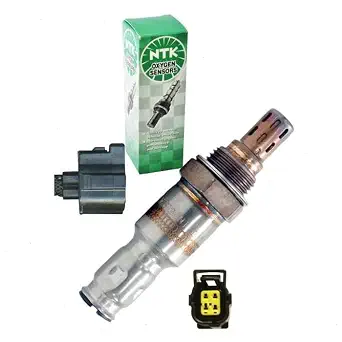 |
| Best Value The sweet spot between price and what you get | Automost 2-Pack Oxygen Sensors (Upstream & Downstream) — Compatible with select 2.4L and 3.6L Jeep applications |  |
| Best Budget The cheapest option that still gets the job done reliably | NATAFOX 68224424AA Replacement Oxygen Sensor (4‑Wire, Direct Fit) |  |
| Highest Rated A top-rated pick with lots of positive feedback | Sixity Auto NTK Downstream Right Oxygen (O2) Sensor for 2018 Jeep Wrangler 3.6L V6 |  |
| Most Popular A crowd favorite that many people choose with confidence | BLPextrm Oxygen O2 Sensor (56028994AA) |  |
| Best Seller A high-volume bestseller chosen again and again | BELKEBIR 4-Pack Oxygen Sensor 234-4587 (Front & Rear) |  |
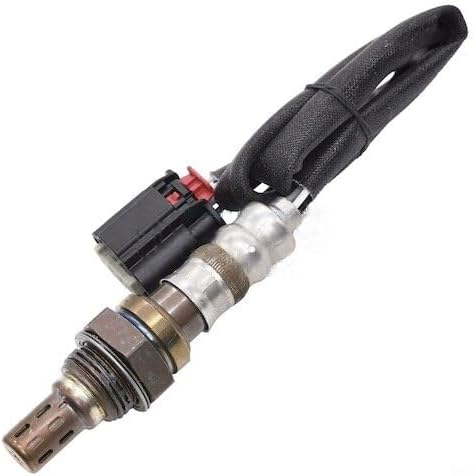
1. Sawyer Auto Replacement Oxygen Sensor for 2018–2023 Jeep Wrangler
| Manufacturer | Sawyer Auto |
|---|---|
| Manufacturer Part Number | PG-2395593 |
| Fitment Years | 2018-2023 Jeep Wrangler |
| Item Weight | 12 ounces |
This Sawyer Auto oxygen sensor is a direct-replacement unit intended to restore accurate oxygen readings for 2018–2023 Jeep Wrangler engines. It installs like the factory sensor thanks to a matching threaded mounting and a factory-compatible electrical pigtail, so it is typically used when the original sensor fails, wiring is damaged, or the engine starts showing lean/rich symptoms or check-engine codes. The OE-style metal housing and sensing element aim to provide reliable durability and consistent signal output for fuel-trim and emissions management. For the balanced buyer who wants a straightforward, no-frills replacement, this sensor offers a practical way to get the vehicle back to normal operation without custom wiring or adapter work. Limitations are typical of aftermarket single sensors: long-term durability will depend on exposure to contaminants and installation quality, and buyers should confirm connector and thread fit before purchase to avoid fitment surprises.
Best for: A practical Jeep owner who wants a straightforward, factory-style replacement sensor to restore normal engine operation without modification or extra parts.
Less Ideal for: Drivers seeking a performance-tuned or high-end longevity sensor for heavy-duty off-road use should consider premium or branded alternatives.
- Direct-fit design with matching threaded mount for simpler swap-in installation
- Factory-compatible electrical pigtail eliminates the need for splicing or adapters
- OE-style metal housing and sensing element for typical durability and signal consistency
- No listed vehicle-specific calibration data or emissions certification included in product details
Verdict: Choose this sensor if you need a simple, factory-style direct replacement to get a 2018–2023 Jeep Wrangler back to proper oxygen sensing quickly.
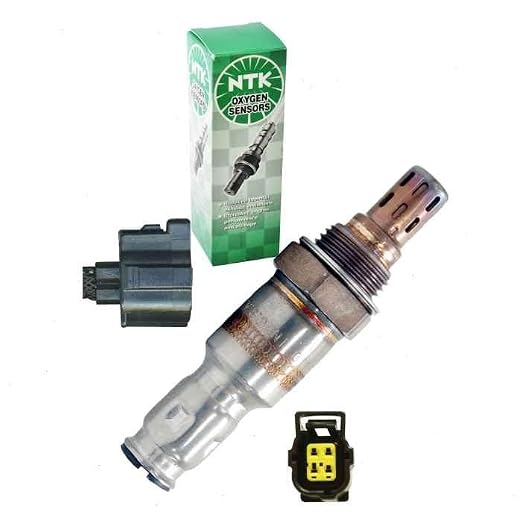
2. Sixity Auto NTK-Compatible Upstream Left Oxygen Sensor for Jeep Wrangler 3.6L V6
| Mounting Type | Flange Mount |
|---|---|
| Output Type | electrical signal |
| Specific Uses For Product | automotive emission control systems |
| Upper Temperature Rating | 1650 Degrees Fahrenheit |
| Material Type | Stainless Steel |
This upstream left oxygen sensor is a direct-replacement unit built to match NTK-style fitment for 3.6L V6 Jeep Wranglers (2012–2018). It installs where the factory upstream sensor measures exhaust oxygen content and sends an electrical signal to the engine control module for fuel trim and emissions control. The sensor is stainless steel with a flange mount and is rated to high exhaust temperatures, so it handles under-hood heat and typical driving conditions. Practical benefits include straightforward bolt-in replacement when access allows, factory-compatible connector and signal output for plug-and-play repairs, and materials meant to resist corrosion. Installation can be awkward on this vehicle because of the sensor location, so an O2 sensor socket and penetrating lubricant help. It is sold as a single upstream left unit, so buyers replacing multiple sensors should plan accordingly. Use this to restore proper fuel trims and clear check-engine codes tied to the upstream bank 1 sensor on covered Jeep Wrangler models.
Best for: Buyers who need a performance-minded, reliable upstream oxygen sensor replacement that restores proper air-fuel control and clears related engine codes on a 3.6L V6 Wrangler.
Less Ideal for: Drivers wanting a full set replacement or long-term performance upgrades beyond factory-style sensors should consider buying multiple sensors or higher-spec performance sensors instead.
- Direct-replacement fit for Jeep Wrangler 3.6L V6 upstream left position
- Stainless steel construction and 1650°F upper temperature rating for durability
- Electrical signal output and factory-style connector for plug-and-play installation
- Matches NTK fitment and packaging including original-style connector
- Sold as a single sensor so replacing multiple units requires additional purchases
Verdict: A factory-style upstream left replacement that reliably restores air-fuel sensing and clears related codes on 3.6L V6 Jeep Wranglers.
3. Automost 2-Pack Oxygen Sensors (Upstream & Downstream) — Compatible with select 2.4L and 3.6L Jeep applications

| Material Type | Zirconium |
|---|---|
| Measurement Accuracy | 1.5% |
| Mounting Type | Flange Mount |
| Unit Count | 2.0 Count |
| Output Type | electrical signal |
This Automost kit includes one upstream and one downstream zirconium O2 sensor intended as direct replacements for certain 2.4L and 3.6L Jeep engines. The sensors monitor exhaust oxygen to help the engine control unit adjust fuel trim, clear check-engine codes related to sensor failure, and restore smoother idle and better fuel economy when original sensors have failed. Installation is straightforward for a mechanically inclined DIYer since the kit uses a flange mount and comes wired to plug into factory connectors with extra lead length that can ease routing. Practical advantages are accurate electrical output and claimed OEM-level build quality. Real-world feedback is mixed: several buyers report immediate fixes and easy installs while others experienced failures or no signal from the downstream unit, which required removal and replacement. That variability means this kit can be a cost-effective fix if you accept some risk compared with higher-end name-brand sensors. For Jeep Wrangler owners focused on keeping repairs practical, the pair is worth considering as a budget replacement but plan for basic troubleshooting if a sensor does not communicate with the ECU.
Best for: Buyers who prioritize practical, lower-cost repairs and want a ready-to-install sensor pair to get a Wrangler back on the road quickly while minimizing labor time.
Less Ideal for: Drivers who require the highest reliability for daily high-mileage driving or who prefer to avoid any risk of repeat disassembly should consider name-brand factory-quality replacements instead.
- Includes both upstream and downstream sensors for one repair event
- Zirconium sensing element with stated 1.5% measurement accuracy
- Flange-mount design and plug-ready leads simplify DIY installation
- Longer wire leads help with routing and fit in tight engine bays
- Mixed quality reports with some units failing to provide signal or stopping shortly after install
- Not a branded OEM part so consistency may vary between batches
Verdict: A budget-friendly upstream and downstream sensor pair that can quickly restore proper oxygen sensing on compatible Jeep engines for owners who value practical, low-cost repairs.
4. NATAFOX 68224424AA Replacement Oxygen Sensor (4‑Wire, Direct Fit)

| Maximum Supply Voltage | 12 Volts |
|---|---|
| Mounting Type | Flange Mount |
| Output Type | electrical signal |
| Specific Uses For Product | Upstream/Downstream Left/Right Oxygen Sensor |
This NATAFOX 68224424AA is a direct-fit 4‑wire oxygen sensor intended to replace upstream or downstream sensors on several Jeep Wrangler and related V6/V8 engines. It plugs into the factory connector and provides the electrical signal and heated element expected from a modern sensor, so it is used during routine emissions or drivability repairs to restore proper air/fuel feedback. The product lists flange mounting and a 12V supply and arrives as a single sensor unit. In practice this is a cost-focused alternative to factory-brand parts: some buyers report it corrects engine-running issues and clears O2-related codes, while others experienced heater failures or unexpected voltage readings that triggered new codes. Expect real-world savings but plan for possible variability in longevity and sensor heater reliability compared with factory-quality replacements. Verify connector shape and exact sensor location before ordering so you get the correct side and position for your vehicle.
Best for: Buyers prioritizing a low-cost repair option to get a Wrangler back on the road quickly and save on parts; suitable for DIYers and shops looking to replace a failed O2 sensor without paying OEM prices.
Less Ideal for: Drivers who need guaranteed long-term factory-equivalent performance or must avoid any risk of repeat codes should consider higher-priced factory-quality sensors or dealer replacements.
- Direct 4‑wire, direct-fit design for straightforward plug-and-play replacement
- Covers upstream and downstream positions for multiple Jeep Wrangler engine variants
- Heated element included to allow fast sensor operation after cold starts
- Uses common flange mount and standard 12V supply for compatibility with factory harnesses
- Mixed reports on heater circuit reliability and sensor voltage accuracy compared with factory sensors
- Aftermarket consistency may vary so some units may trigger new codes on certain vehicles
Verdict: If you want the cheapest direct-fit replacement to restore O2 sensor function on a Wrangler quickly, this sensor delivers rapid savings over factory parts.
5. Sixity Auto NTK Downstream Right Oxygen (O2) Sensor for 2018 Jeep Wrangler 3.6L V6

| Measuring Range | 0% – 20% |
|---|---|
| Mounting Type | Flange Mount |
| Output Type | electrical signal |
| Specific Uses For Product | automotive |
This downstream right oxygen sensor is a direct replacement designed for the 2018 Jeep Wrangler JK 3.6L V6 and functions as the vehicle's downstream O2 sensor (B1S2). It mounts with a flange and outputs an electrical signal to the engine control system to monitor exhaust oxygen levels after the catalytic converter. Typical use is a bolt-in swap when a check engine code or poor emissions readings point to a failing downstream sensor. The listing indicates genuine NTK fitment and includes original-style packaging and hardware, which helps simplify installation and reduce fitment headaches. Because it is a direct replacement it preserves factory calibration and should restore proper emissions monitoring and fuel trim behavior. Limitations are typical for replacement sensors: this is a single downstream unit so upstream diagnosis or multiple-sensor failures require additional parts, and long-term durability depends on driving conditions and installation quality. Installers will benefit from an O2 sensor socket for easier removal and torque control.
Best for: Buyers who prioritize a reliable, factory-style replacement sensor to resolve emissions codes and restore proper exhaust monitoring on a 2018 Wrangler 3.6L V6 without aftermarket calibration.
Less Ideal for: People looking for performance tuning sensors or a universal multi-vehicle option should look elsewhere; this unit is focused on direct replacement fitment for a specific vehicle and position.
- Direct-fit replacement for 2018 Jeep Wrangler JK 3.6L V6 downstream right position
- Flange mount and electrical output match factory connection for straightforward swap
- Sold with original-style packaging and hardware to simplify installation
- From an NTK-compatible design which users report reduces persistent error codes
- Only the downstream right (B1S2) sensor is included so additional sensors must be purchased separately if needed
Verdict: Choose this NTK-compatible downstream sensor if you want a dependable, factory-style replacement to clear emissions codes and restore proper exhaust monitoring on a 2018 Wrangler 3.6L V6.
6. BLPextrm Oxygen O2 Sensor (56028994AA)

| Mounting Type | Flange Mount |
|---|---|
| Output Type | NPN |
| Maximum Supply Voltage | 12 Volts |
| Measuring Range | 0% – 21% |
This BLPextrm oxygen sensor is a direct-replacement style sensor offered for upstream and downstream positions on compatible Jeep Wrangler applications and similar Chrysler-family engines. It mounts with a flange, uses an NPN output and is rated to withstand exhaust temperatures up to 650 C. In use it restores the engine control module's ability to read exhaust oxygen, which can resolve rough idle, poor acceleration, and heated-O2 sensor fault codes. Buyers report straightforward installation when connectors and thread fit match, and the alloy-steel construction aims for faster response and longer life than generic units. Expect some variability between vehicles: a few customers saw persistent codes or mismatched signal behavior requiring return or reinstalling original sensors, so this is best for someone who checks plug compatibility and can clear codes after installation. Wire length is uniform across sensors, so routing may need attention on some Wrangler setups. The product includes a one-year warranty and is commonly chosen as a budget-friendly factory-style replacement.
Best for: A cautious buyer who prioritizes peer feedback and wants an affordable factory-style oxygen sensor replacement for late-model Wrangler engines and related Chrysler-family powertrains, and who will verify plug and thread match before installing.
Less Ideal for: Those who need guaranteed plug-and-play behavior for highly tuned or nonstandard engine management systems or who cannot troubleshoot persistent OBD-II codes after replacement.
- Factory-style flange mount and NPN output for direct replacement wiring on compatible engines
- High temperature rating (up to 650 C) for durability in exhaust environments
- Alloy steel construction with design focused on fast response time and extended service life
- One-year warranty provides basic post-purchase support
- Not universally compatible across all engine control systems—some vehicles reported persistent error codes after installation
- Uniform wire length may require extra routing or securement on certain installations
Verdict: A budget-minded, factory-style O2 sensor replacement that often clears heated-sensor and efficiency codes when plug and thread match a 2018‑present Wrangler application.
7. BELKEBIR 4-Pack Oxygen Sensor 234-4587 (Front & Rear)

| Mounting Type | Flange Mount |
|---|---|
| Output Type | Push-Pull |
| Upper Temperature Rating | 1200 Degrees Celsius |
| Material Type | Stainless Steel |
| Included Components | 4*Oxygen Sensor |
These BELKEBIR oxygen sensors are sold as a four-pack intended to replace front and rear O2 sensors that monitor exhaust oxygen for the engine control system. Installation is the typical direct-replacement process: remove the old sensor, screw in the new unit and reconnect the wiring harness. The kit includes four identical sensors with stainless steel housings and a claimed 1200 C temperature tolerance, and the product description lists multiple factory part numbers it replaces for cross-reference. In practice this makes the set convenient for owners who want to swap all sensors at once or keep spares on hand. Customer feedback shows mostly good fit and value, though several buyers noted the sensors are not labeled upstream versus downstream and some reported connector mismatches or persistent check-engine codes after installation. That means you should confirm connector type and vehicle year before fitting and be prepared to diagnose codes if they persist. For a safety-first buyer, this is an affordable option with solid materials but it may require careful verification during installation.
Best for: Buyers who prefer a low-cost, full-set replacement to refresh all oxygen sensors at once and who plan to verify connectors and trouble codes during installation.
Less Ideal for: Drivers who want guaranteed plug-and-play factory-labeled units or those who will not troubleshoot persistent engine codes should consider branded, vehicle-specific replacements instead.
- Includes four sensors so you can replace all oxygen sensors or keep spares.
- Stainless steel construction with high reported temperature rating for durability in exhaust environments.
- Cross-references common OEM part numbers to simplify compatibility checks.
- Sensors are not individually marked as upstream or downstream, which can complicate installation.
- Some buyers reported connector or fitment mismatches on certain vehicles, requiring verification before install.
Verdict: If you need an economical way to replace all oxygen sensors on a 2018‑present Jeep Wrangler and are willing to verify fitment and wiring, this four-pack is a practical value choice.
Choosing the Right 2018-Present Jeep Wrangler Oxygen Sensor: Key Factors to Consider
Fitment and Connector Type
Correct physical fit and the factory connector type are essential. An oxygen sensor that matches the Wrangler's threads and harness connector avoids splicing or adapter use, which can introduce points of failure. For 2018-present Wranglers the sensor must seat properly in the exhaust bung and clear nearby components to prevent premature damage. Pay attention to whether the sensor is listed for upstream or downstream use and confirm bank orientation, for example bank 1 sensor 1. A misfit can produce persistent trouble codes even if the sensor itself is functional. Fitment also affects the ease of installation and the ability to torque the sensor to the correct specification without interference.
Signal Accuracy and Response Time
The oxygen sensor provides a voltage or current signal the ECU uses to adjust fuel trim. Faster response time enables tighter closed-loop control, improving idle quality and transient throttle response. Sensors with poor or slow response can cause lean or rich running conditions, increased emissions, and less predictable behavior under load. Consider whether the sensor is specified as upstream (pre-catalytic converter) or downstream; upstream sensors normally require quicker switching characteristics. Technical specs like millisecond response times or voltage swing range are useful indicators of signal performance.
Durability and Environmental Resistance
Wranglers often encounter water, mud, salt, and road debris. A sensor designed with robust housing, protective shielding, and anti-corrosion coatings will typically last longer in these conditions. Heat resistance is also important because oxygen sensors operate near the exhaust and must withstand thermal cycling without degrading. Look for sensors rated for extended operating temperatures and featuring strain relief on the pigtail. A durable sensor reduces the likelihood of failure from contaminants or vibration, which is especially important if you drive off-road regularly.
Wiring Length and Harness Protection
The length of the pigtail and the routing of the harness determine whether the sensor will reach the factory connector without tension or risky routing near hot or moving parts. A harness with heat sleeve or abrasion protection reduces chafing and electrical short risk. If the pigtail is too short installers may be tempted to stretch or re-route it, increasing failure risk. Consider whether the sensor wiring includes built-in shielding or flexible conduit. For bank-specific sensors such as bank 1 sensor 1, confirm the harness orientation matches the Wrangler's routing to avoid awkward installations.
Compatibility With Diagnostic Needs
Oxygen sensors influence diagnostic trouble codes. Some owners replace a sensor to clear codes like P0135 that indicate heater circuit faults, or to address general check engine light oxygen sensor alerts. Choosing a sensor with a reliable heater circuit and consistent baseline readings reduces the chance of recurring codes. Check that the replacement sensor supports the ECU's expected feedback for wideband or narrowband operation and that it will provide stable readings under both cold-start and warmed-up conditions.
Installation Considerations and Serviceability
Installation accessibility affects labor time and the risk of damaging the sensor during service. Sensors with integrated anti-seize on the threads or those that ship with proper thread lubricant simplify future removal and prevent seized fittings. Ease of installation also includes whether the replacement uses the factory mounting orientation and whether the harness will reach the original connector. Consider the availability of replacement wiring or connector repair kits if the harness has unique clips. A sensor that is straightforward to install reduces shop time and helps ensure proper torque and sealing during replacement.
Understanding Upstream Versus Downstream Sensors
Oxygen sensors are typically described as upstream or downstream based on their position relative to the catalytic converter. Upstream sensors sit before the converter and provide rapid feedback to the ECU for fuel trim control. Downstream sensors sit after the converter and primarily monitor catalyst efficiency.
For a 2018-present Jeep Wrangler the upstream sensor is critical for maintaining idle quality and real-time fuel adjustments, while the downstream sensor helps detect catalyst performance changes that can trigger emissions-related codes.
- Upstream sensors need faster response and a reliable heater circuit to reach operating temperature quickly.
- Downstream sensors must provide stable readings to verify proper catalytic converter function over time.
Common Symptoms of a Failing Oxygen Sensor
Recognizing early symptoms helps you decide whether a sensor replacement is necessary. Frequent signs include a persistent check engine light oxygen sensor code, rough or unstable idle, decreased fuel economy, and a noticeable decline in throttle response. Some Wranglers may show intermittent stalling or hesitation during acceleration when the sensor signal is erratic.
Heater circuit failures often present as specific codes and can prevent the sensor from reaching operating temperature quickly, worsening cold-start emissions and drivability until the issue is fixed.
- Erratic voltage readings, leading to fluctuating fuel trims
- Check engine light with codes referencing bank 1 sensor 1 or heater circuit faults
- Poor fuel economy and rough idling
How Generation Codes Relate to Fitment (JL and JLU)
Owner searches commonly reference generation chassis codes like JL and JLU for the Wrangler. When verifying compatibility, match the sensor part to the Wrangler generation and engine combination to ensure proper thread size, sensor location, and harness connector. For 2018-present models the JL and JLU chassis is the most common reference, but confirm the specific engine and bank orientation before ordering.
Generation code awareness helps avoid surprises such as different sensor positions or bracket interference that can vary between model years and engine packages. Always cross-check fitment against the Wrangler's VIN or service manual position diagrams.
- JL and JLU is the primary generation for 2018-present Wranglers; verify engine variant before replacing sensors
- Some earlier generation references like JL and JLU may appear in aftermarket listings but are not interchangeable without checking fitment
Testing an Oxygen Sensor Before Replacement
Before replacing a sensor confirm failure through diagnostics and basic tests. Begin with a scan tool to capture stored codes and live data for the oxygen sensor(s). Look at voltage swings and heater circuit status; a healthy narrowband upstream sensor should switch frequently between low and high voltages once warmed up.
If you are troubleshooting without advanced tools, checking for obvious wiring damage, connector corrosion, and heater continuity are useful first steps. For more detailed signal testing a multimeter or oscilloscope can reveal slow response or flat-lined outputs that indicate a failing sensor.
- Scan for oxygen-related codes and monitor live sensor data
- Check heater circuit continuity and inspect wiring harness condition
Installation Tips for Wranglers
When replacing a sensor use proper anti-seize on the threads if it is not already applied to the replacement sensor. Avoid contaminating the sensing tip with oil or grease. Position the harness so it clears hot components and moving suspension parts, and secure it with clips or heat-resistant ties if necessary.
If the replacement sensor is for bank 1 sensor 1, confirm the orientation and that the connector reaches without being overstretched. Torque the sensor to the vehicle specification and recheck for codes after a short test drive to confirm proper operation.
- Use correct thread sealing and torque to prevent exhaust leaks
- Route and secure wiring away from heat and abrasion points
When to Replace Both Sensors Versus One
Replacement strategy depends on symptoms and diagnostic evidence. If only upstream diagnostics and live data show faults, replacing the single failing sensor may be sufficient. However, if one sensor has failed due to contamination, age, or severe corrosion, the downstream sensor may be aging similarly.
For Wranglers with high mileage or extensive off-road exposure, some owners choose to replace both upstream and downstream sensors at the same time to minimize repeat labor and ensure consistent performance. Use diagnostic codes and live data to guide whether a one-off replacement or dual replacement is more appropriate.
- Replace both sensors together if signs indicate widespread wear or environmental damage
- Single-sensor replacement is reasonable when diagnostics point clearly to one faulty unit
Still looking for the perfect fit?
Select your Jeep Wrangler configuration to see the most relevant Oxygen Sensors recommendations
How We Chose the Best 2018-Present Jeep Wrangler Oxygen Sensor
We prioritized factors that directly affect drivability and emissions control on 2018-present Jeep Wrangler models. Key evaluation criteria included: compatibility and fitment with the Wrangler chassis and engine harness to ensure a plug-and-play replacement; signal accuracy and response time so the engine control module receives reliable oxygen readings for fuel trim adjustments; sensor durability against heat, road debris, and corrosion given typical off-road usage; wiring and connector quality to minimize electrical faults and intermittent check engine light triggers; warranty and support as an indicator of manufacturer confidence; and ease of installation, including harness length and thread type. We excluded sensors that required custom wiring or adapters, universal pigtail kits without Wrangler-specific connectors, and units lacking documented specifications for response time or operating temperature. Only sensors with clear compatibility for the 2018-present Wrangler chassis and standard upstream/downstream positions were considered. This approach emphasizes functional fitment, signal performance, and longevity over marketing claims.
Our full evaluation process is outlined in our review methodology.
FAQ
How do I know if the oxygen sensor is causing my check engine light?
You will typically see a diagnostic trouble code related to oxygen sensors or heater circuits when the ECU detects irregular signals. Use a scan tool to read live data; erratic voltage swings or a heater circuit fault often point to the sensor as the cause.
Can I install an oxygen sensor myself on my 2018-present Wrangler?
Many owners can perform the replacement with basic hand tools and a suitable oxygen sensor socket. Ensure the vehicle is cooled, apply correct torque, and route the harness safely. If you are uncomfortable with underbody work or diagnostics, a technician can complete the task.
What does code P0135 indicate on a Wrangler?
P0135 commonly indicates a heater circuit malfunction for an oxygen sensor. It does not always mean the sensor element is bad; wiring, connectors, or blown fuses can cause the same code. Test heater continuity and inspect the harness before deciding to replace the sensor.
Should I replace upstream and downstream sensors at the same time?
It depends on condition and diagnostics. If only one sensor exhibits faults, replacing that unit is usually adequate. For high-mileage or heavily used Wranglers, replacing both sensors can prevent repeat labor and ensure consistent emissions control.
How do I test an oxygen sensor without specialized tools?
You can check for obvious issues by inspecting wiring and connectors, verifying heater circuit continuity with a multimeter, and watching for symptom patterns like poor idle or fuel economy. For voltage response testing a scan tool or oscilloscope provides more conclusive results.
What should I consider if I see bank 1 sensor 1 referenced in codes?
Bank 1 sensor 1 refers to the upstream sensor on the bank containing cylinder 1. Confirm the engine layout and sensor position for your Wrangler before ordering a replacement, and inspect the heater circuit and wiring for faults associated with that specific sensor.
Final Verdict
Prioritize sensors that match your Wrangler's generation and engine harness, provide reliable signal response, and have durable construction suitable for off-road and road conditions. Confirm whether the fault is in the heater circuit, sensor element, or wiring before replacing parts to avoid unnecessary labor. Focus on fitment, signal accuracy, and harness protection when choosing a replacement for a 2018-present Jeep Wrangler. That approach helps restore fuel control, reduce emissions, and minimize the chance of repeat diagnostics after installation.
Explore More:
- Check out all Jeep Wrangler parts & accessories
- Explore Oxygen Sensors Maintenance & Repair Guides
- Explore Engine
- Browse all Auto Parts
