

Note: This article contains affiliate links. If you click on these links and make a purchase, I may earn a small commission at no extra cost to you. This helps support my research and content. Read my full affiliate disclosure here.
If you drive a 1997-2003 Ford F-150, choosing the right tires affects safety, load handling, and ride comfort every time you head out. Tires tuned for this generation balance the truck's original suspension geometry and typical hauling or towing demands.This guide summarizes the top 7 tire options we shortlisted for the 1997-2003 Ford F-150, explains why each type suits common use cases, and outlines the key criteria used to evaluate them. Read on to find tires that give you better traction, predictable wear, and the load capacity your F-150 needs.
Looking for other parts? See all Ford F-150 parts & accessories.
Top Picks at a Glance
| Best Overall The best all-around choice for most situations | Finalist Terreno A/T 235/75R15 All-Terrain Tire (Set of 2) |  |
| Best Quality Built to a higher standard if you want something more solid | MICHELIN Defender LTX M/S2 LT265/70R17 E Load Range E Tire (single) |  |
| Best Value The sweet spot between price and what you get | Cooper Discoverer Road+Trail AT All-Terrain Tire — 235/70R16 106T |  |
| Best Budget The cheapest option that still gets the job done reliably | Arisun Aresta A/T ZG06 235/70R16 All-Terrain Truck/SUV Tire |  |
| Highest Rated A top-rated pick with lots of positive feedback | Nexen Roadian AT Pro RA8 All-Season 235/70R16 Tire |  |
| Most Popular A crowd favorite that many people choose with confidence | Cooper Endeavor Plus All-Season 265/70R16 112T Tire |  |
| Best Seller A high-volume bestseller chosen again and again | Lexani Terrain Beast AT LT245/75R16 All-Terrain Tire |  |
Finalist Terreno A/T 235/75R15 All-Terrain Tire (Set of 2)
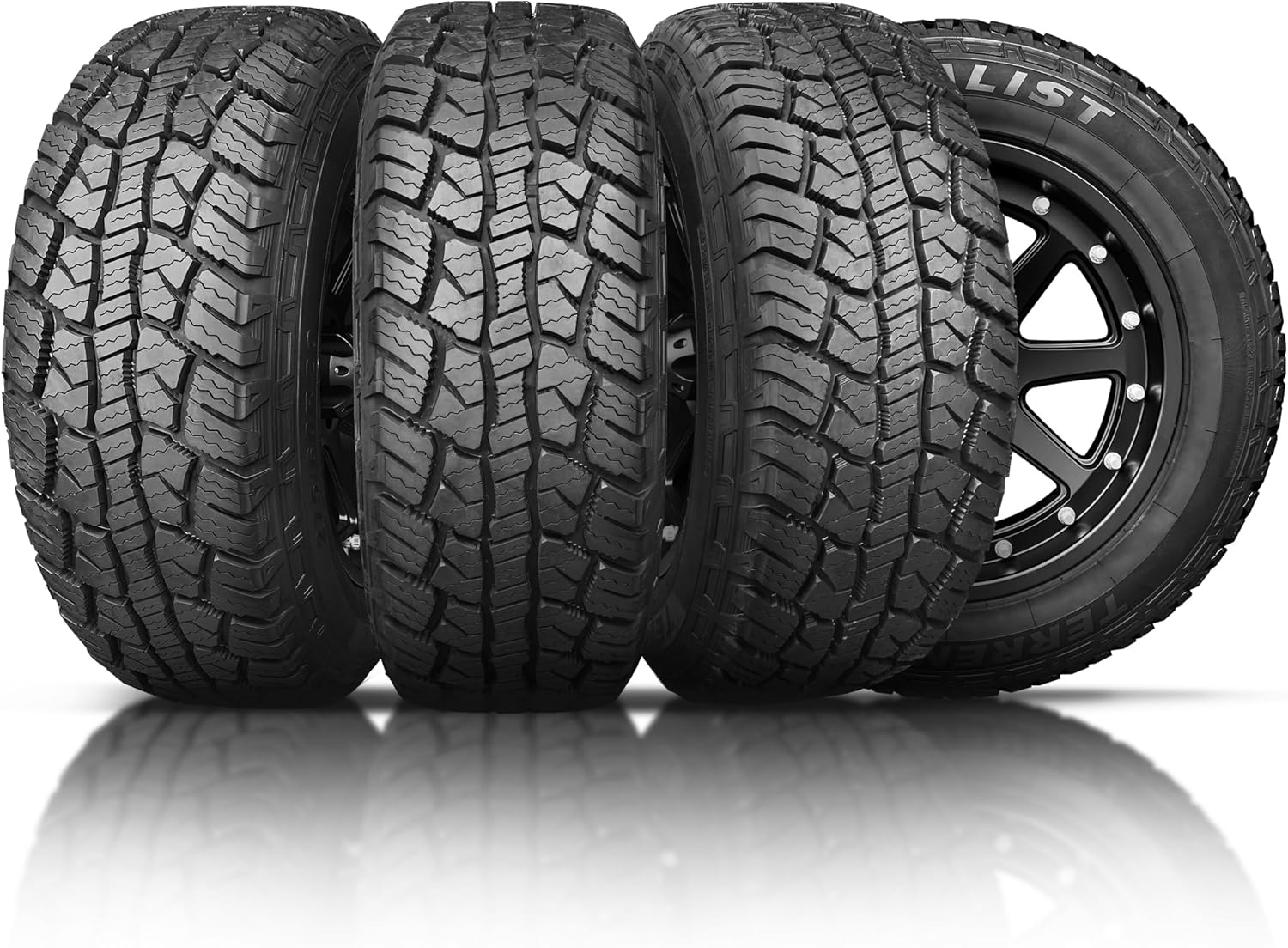
| Size | 235/75R15 |
|---|---|
| Load Capacity | 2271 Pounds |
| Tread Depth | 12.6 32nds |
| Maximum Pressure | 50 PSI |
| UTQG | 520/A/B |
The Finalist Terreno A/T 235/75R15 is an all‑terrain radial tire built for SUV and light truck use that aims to balance on‑road comfort with off‑road capability. It uses a wear‑resistant compound and step‑down tread blocks with 3D siping to improve grip in wet and snowy conditions while providing deeper tread for longer life and snow clearing. Typical use is daily driving on pavement with occasional dirt roads, light trails, and winter driving where extra tread depth helps. Notable practical benefits are a quieter ride than many A/T tires, straightforward balancing, and a 50,000‑mile limited treadwear warranty plus a 3‑year road hazard policy for covered damage. Limitations are that it is an extra‑load S‑speed rated tire, so it is not intended for sustained highway speeds above its rating, and as a value brand tire it may not match premium brand refinement or documented long‑term wear data. Fitment requires the 235/75R15 size and a factory replacement approach to wheel selection.
Best for: Buyers who want a balanced all‑terrain tire that performs well on pavement while still handling occasional dirt roads and light winter conditions and who prioritize tread life and a quiet ride over premium branding.
Less Ideal for: Drivers who need high‑speed performance tires, severe off‑road rock‑climbing capability, or who prefer long proven track records from premium manufacturers.
- Deep tread and 3D siping improve traction in snow and wet conditions
- Durable, wear‑resistant compound aimed at longer tread life
- Quieter ride and easy to balance for its category
- Includes 50,000 mile limited treadwear warranty and 3‑year road hazard coverage
- Value brand so long‑term durability and refinement may lag premium tires
Verdict: A solid budget‑friendly all‑terrain tire that balances quiet on‑road manners, deep tread for snow, and a warranty that suits everyday F‑150 use.
MICHELIN Defender LTX M/S2 LT265/70R17 E Load Range E Tire (single)
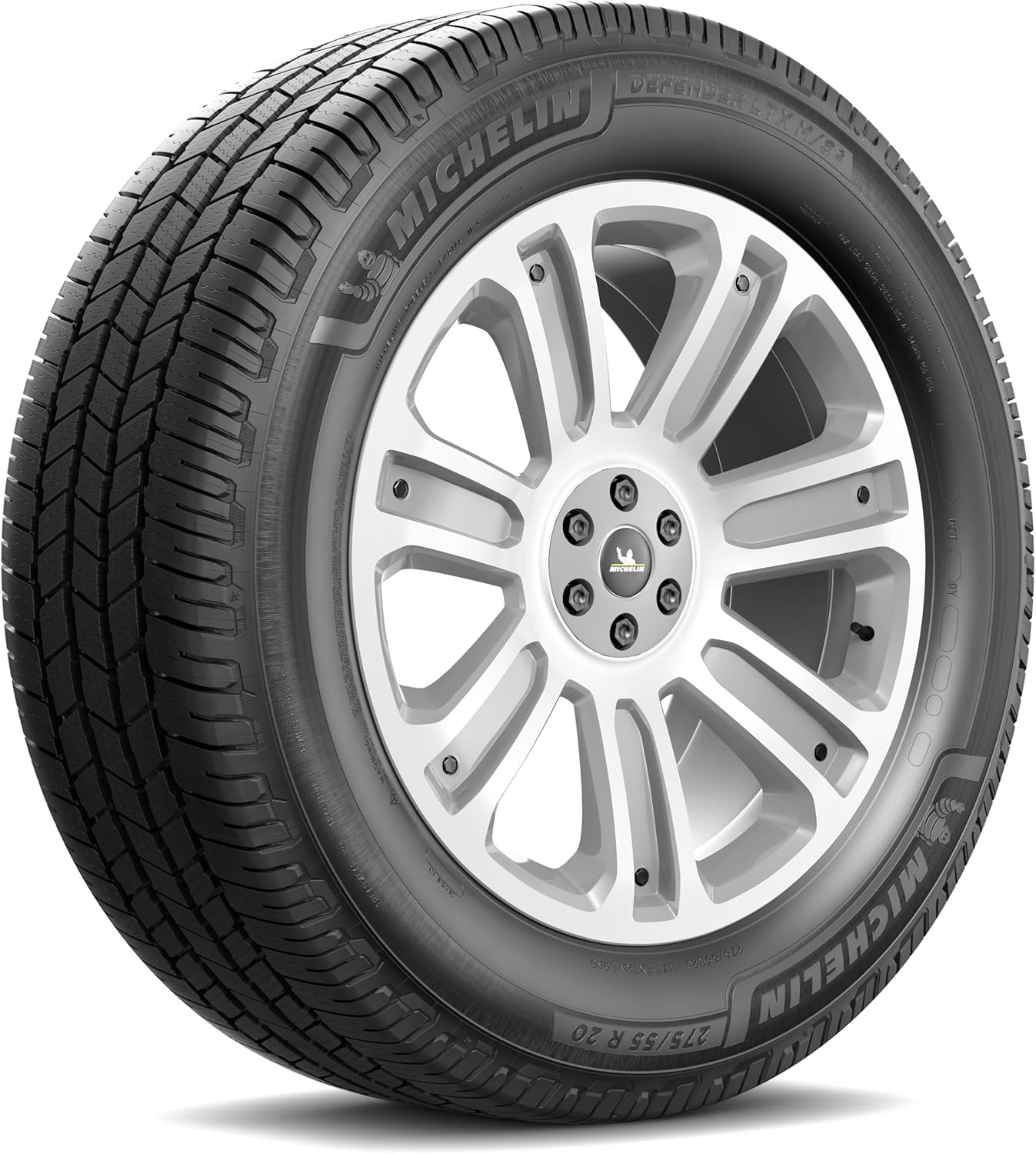
| Rim Size | 17 Inches |
|---|---|
| Load Index | 123 |
| Speed Rating | S |
| Load Range | E |
| Tread Depth | 14 32nds |
The Michelin Defender LTX M/S2 is an all-season light-truck tire built for on-road driving where longevity and a comfortable ride matter most. It uses a symmetrical tread and a reinforced E load range construction to support heavier trucks while offering a quiet, well-damped feel on pavement. Typical use is highway and daily-driving duty on full-size trucks and SUVs where drivers want predictable wet and dry grip plus long mileage instead of aggressive off-road performance. Notable features include a deep 14/32nds tread depth, 10-ply construction for durability, and a high 60,000-mile warranty that reflects its focus on tread life. Practical benefits are reduced road noise compared with more aggressive LT tires, confident handling at reasonable speeds, and fewer replacements over time. Limits are its S speed rating and highway-oriented tread, which mean it is not optimized for spirited, high-speed performance or serious off-road traction; buyers after maximum cornering grip or mud traction should look elsewhere.
Best for: Drivers who want a durable, quiet, and predictable on-road tire for daily driving and long highway miles on older full-size pickups and SUVs, prioritizing longevity and comfort over aggressive handling.
Less Ideal for: Enthusiasts seeking maximum high-speed cornering, summer stickiness, or aggressive off-road capability should consider performance or all-terrain alternatives.
- Long tread life supported by deep tread and a manufacturer mileage warranty
- Comfort-oriented tuning yields a quiet, well-damped highway ride
- 10-ply E load range construction supports heavier light-truck loads
- Symmetrical tread provides predictable wet and dry traction on pavement
- Not tuned for high-speed performance beyond its S rating or aggressive cornering
- Tread design prioritizes longevity over off-road or mud traction
Verdict: Choose the Defender LTX M/S2 for quiet, long-lasting on-road performance and strong load-carrying ability on 1997–2003 F-150s.
Cooper Discoverer Road+Trail AT All-Terrain Tire — 235/70R16 106T

| Size | 235/70R16 |
|---|---|
| Load Index | 106 |
| Speed Rating | T |
| Tread Depth | 13 32nds |
| Seasons | Year Round |
The Cooper Discoverer Road+Trail AT is an all-terrain radial built to deliver predictable handling on pavement while providing confident traction off-road and in snow. It uses interlocking tread blocks, connected center lugs, and a continuous tread pattern that wraps further down the sidewall to improve grip on soft surfaces and resist cuts and tearing on trails. In everyday use the tire is noticeably quieter and more stable than many aggressive AT designs, making it well suited to highway driving and hauling. The Severe Snow Designation and 13/32 tread depth give added confidence in winter conditions, and Cooper backs the tire with a 65,000-mile treadwear warranty. Limitations include a 2-ply construction and an SL load range for the 235/70R16 size, which is appropriate for most light-duty F-150 applications but not for heavy towing or maximum-load duties, and more aggressive mud performance will be behind dedicated mud-terrain tires.
Best for: Practical F-150 owners who want a single tire that handles daily highway driving, occasional trails, and winter roads while maximizing mileage and comfort.
Less Ideal for: Drivers who frequently tow heavy loads, carry maximum payloads, or need extreme off-road mud performance should choose a heavier load-rated or mud-terrain tire instead.
- Balanced on-road comfort and reduced road noise compared with aggressive off-road tires
- All-terrain tread with Severe Snow Designation for improved winter traction
- Tread design that extends down the sidewall for better grip on soft or uneven surfaces
- 65,000-mile treadwear warranty for long-term value
- 2-ply SL construction is not ideal for heavy towing or maximum-load workloads
- Less capable in deep mud compared with dedicated mud-terrain tires
Verdict: A mileage-focused all-terrain tire that gives 1997–2003 F-150 drivers quieter highway manners, capable light off-road grip, and snow-ready traction in a single, practical package.
Arisun Aresta A/T ZG06 235/70R16 All-Terrain Truck/SUV Tire

| Size | 235/70R16 |
|---|---|
| Load Index | 106 |
| Speed Rating | S |
| Load Capacity | 2094 Pounds |
| Maximum Pressure | 44 Pound per Square Inch |
The Arisun Aresta A/T ZG06 is an all-terrain radial tire aimed at light trucks and SUVs that need capable traction without a premium price. It uses an asymmetrical tread and an all-season compound to deliver confident grip in dry, wet, and light winter conditions while the radial construction helps reduce vibration for a smoother ride. In use it performs well on gravel and muddy tracks and reviewers note good durability for towing and occasional off-road use. Practical benefits include a 4-ply construction and a 106 load index giving decent load capacity for heavier F-150 duty, plus a 44 psi max inflation for common truck setups. Limits are typical of budget A/T tires: some units have balancing issues, a bit more road noise than highway-focused tires, and sidewall robustness can be uneven compared with premium brands. For someone replacing worn tires on a 1997 to 2003 F-150 who prioritizes low cost and usable off-road traction, the Aresta A/T is a sensible pick with realistic performance expectations.
Best for: Buyers focused on replacing worn tires on an older F-150 who want capable off-road traction and load-carrying ability at a low cost and are willing to accept modest compromises in refinement.
Less Ideal for: Drivers seeking the quietest highway ride, maximum tread life, or the strongest sidewalls for heavy daily commercial use should consider higher-tier all-terrain or dedicated highway tires instead.
- All-terrain tread delivers good grip on dirt, mud, and light snow
- 4-ply radial construction with 106 load index suitable for heavier loads and towing
- Year-round compound balances wet and dry traction for daily driving
- Noted durability and tread retention for budget-priced tire
- Some tires can be difficult to balance leading to vibration on highway runs
- Slightly louder on pavement compared with highway or touring tires
- Sidewall thickness and robustness may be lower than premium competitors
Verdict: If you need an affordable all-terrain tire for a 1997–2003 F-150 that handles light off-road work and towing without breaking the bank, the Arisun Aresta A/T ZG06 is a practical choice.
Nexen Roadian AT Pro RA8 All-Season 235/70R16 Tire

| Rim Size | 16 Inches |
|---|---|
| Load Index | 101.0 |
| Speed Rating | H |
| Construction Type | Radial |
| Seasons | Year Round |
The Nexen Roadian AT Pro RA8 is an all-season, all-terrain radial tire built for light trucks and SUVs and commonly used as a replacement for stock 16-inch tires. Its open shoulder and zig-zag siping aim to deliver better off-road traction and improved heat dissipation, while a multi-sequence center tread reduces road noise for comfortable highway driving. In practice this tire works well for drivers who split time between paved roads and light off-road use such as gravel, mud or sand; reviewers report confident traction in wet and light snowy conditions and quiet, stable performance on pavement. Notable features include a deep 12/32nds tread, 3PMSF certification for winter capability, and a load index suitable for heavy loads. Limitations are typical of A/T designs: rolling resistance and fuel economy may be modestly lower than highway tires and performance on deep ice or extreme winter conditions is not as strong as a dedicated winter tire. Expect a durable, value-oriented tire that favors versatility over specialized snow or high-speed performance.
Best for: Buyers who prioritize a reliable, durable tire that can handle daily highway driving and occasional off-road or towing duty while providing year-round traction and quiet road manners.
Less Ideal for: Drivers who need maximum fuel economy on-road or who spend most of their driving time in severe winter conditions should consider a highway tire or a dedicated winter tire instead.
- Designed for year-round use with 3PMSF certification for improved winter traction
- Deep 12/32nds tread and open shoulder pattern provide good off-road grip and self-cleaning
- Multi-sequence center tread reduces road noise for comfortable highway driving
- Load capacity and 16-inch fitment suit light trucks and SUVs carrying heavier loads
- As an A/T tire it has higher rolling resistance than highway/HT tires which can slightly reduce fuel efficiency
- Not as capable as a dedicated winter tire on deep ice or packed snow
Verdict: A practical, value-driven all-terrain tire that reliably balances everyday highway comfort and occasional off-road capability for F-150 drivers seeking dependable year-round performance.
Cooper Endeavor Plus All-Season 265/70R16 112T Tire

| Size | 265/70R16 112T |
|---|---|
| Tread Type | Symmetrical |
| Tread Depth | 12.5 32nds |
| Maximum Pressure | 44 PSI |
| Construction Type | Radial |
The Cooper Endeavor Plus is a highway-focused all-season tire built for light trucks and SUVs in the 16-inch rim size. It uses a symmetrical tread and water evacuation grooves to improve traction in rain while a reinforced layer and a 65,000-mile treadwear warranty aim to extend life. In everyday use on highways and wet roads the tire is quiet and composed, delivering predictable steering response and a comfortable ride. Practical features include a wear indicator that makes it easy to check remaining tread and a tread pattern tuned to reduce road noise. The tire is not designed for aggressive off-road use so drivers who need heavy mud or rock performance will need a different tread. Some owners report rising road noise later in the tread life, so expect quieter performance when new and progressively louder noise as wear advances. Overall this is a balanced, budget-friendly choice for F-150 owners who prioritize long mileage and confident wet-weather handling on pavement.
Best for: Buyers who want a reliable, highway-oriented replacement tire for a 1997–2003 F-150 that emphasizes long life, steady wet-weather grip, and a quiet ride when new, and who value confirmed owner experiences.
Less Ideal for: Do not pick this tire if you need dedicated off-road traction, large-load commercial duty, or maximum winter snow performance; consider purpose-built off-road or winter tires instead.
- Good wet traction from water evacuation grooves and checkmark channels
- Long treadlife backing with a 65,000-mile treadwear warranty
- Contemporary tread design for a quiet, comfortable highway ride when new
- Wear square indicator simplifies quick checks of remaining tread
- Not intended for heavy off-road or aggressive mud-terrain use
- Reported increase in road noise as the tread wears
Verdict: A durable, quiet-riding all-season tire that gives 1997–2003 F-150 owners long mileage and confident wet-weather performance on pavement.
Lexani Terrain Beast AT LT245/75R16 All-Terrain Tire

| Rim Size | 16 Inches |
|---|---|
| Load Index | 120/116 |
| Speed Rating | S |
| Load Range | E |
| Construction Type | Radial |
The Lexani Terrain Beast AT in LT245/75R16 is an all-terrain radial built to carry heavy loads while providing usable off-road grip and a quieter ride on pavement. It is typically used on light trucks like a 1997–2003 Ford F-150 for a mix of highway driving and occasional off-road work. The aggressive tread pattern with deep grooves and full-depth sipes helps expel water and slush for improved wet traction, and a unilateral center rib aims to stabilize steering and resist uneven wear. The 10-ply construction and Load Range E rating give a high load capacity suitable for towing or hauling. Reviewers report low road noise for an AT tire and straightforward mounting and balancing, though some owners noted wandering or initial vibration that was resolved with proper pressure and balancing. Limitations include occasional increased noise on very rocky surfaces and the variable feel on heavier trucks that may need careful inflation and balancing to eliminate wander.
Best for: Drivers who prioritize a rugged, load-capable all-terrain tire for a 1997–2003 F-150 and want a balance of off-road traction and reasonable on-road comfort while minimizing risk from underbuilt tires.
Less Ideal for: Buyers seeking the quietest possible highway tire or those planning extreme off-road use and rock-crawling where a dedicated mud-terrain would be a better match.
- Load Range E and 10-ply construction provide high load capacity suitable for towing and hauling
- Aggressive tread with deep grooves and full-depth sipes improves wet and mixed-surface traction
- Engineered to reduce road noise and vibration for a more comfortable highway ride
- Unilateral center rib increases straight-line stability and helps reduce uneven wear
- Some drivers reported steering wander or vibration that required rebalancing and pressure adjustment
- Can be noticeably louder on very rocky or rough surfaces compared with highway tires
Verdict: A heavy-duty all-terrain tire that gives 1997–2003 F-150 drivers a strong mix of load capacity, wet traction, and acceptable highway comfort.
Choosing the Right 1997-2003 Ford F-150 Tires: Key Factors to Consider
Correct Tire Size and Fitment
Matching tire size to your 1997-2003 F-150 is the first step. The right diameter, width, and aspect ratio preserve speedometer accuracy, prevent rubbing on wheel wells or suspension components, and keep braking and handling predictable. Incorrect sizing can change effective final drive ratio and affect ABS and traction control behavior.
Fitment also includes rim width and backspacing. Tires mounted on wheels outside recommended rim widths can cause bead seating problems or uneven shoulder wear. When changing size, consider how the taller or wider tire affects steering effort and turning clearance.
Load Rating and Ply Construction
Load index and ply construction determine how much weight each tire can safely carry. For a 1997-2003 F-150, many owners routinely carry payloads or tow small trailers, so selecting tires with appropriate load capacity reduces heat buildup and extends service life.
Look for tires with a load rating that meets or exceeds the vehicle's placard and consider heavier-duty construction if you regularly tow or carry heavy loads. Reinforced sidewalls and higher ply ratings improve stability under load but can slightly increase ride stiffness.
Tread Compound and Expected Wear
Tread compound affects grip, rolling resistance, and wear rate. Harder compounds typically last longer on highway miles but may sacrifice low-temperature traction. For an older F-150 that sees mixed use, choose a compound that balances longevity with sufficient wet and dry grip.
Consider manufacturer treadwear ratings as a comparative baseline, and remember real-world mileage depends on alignment, driving style, and load. Regular rotation and correct inflation are essential to realize the treadwear potential.
Wet Traction and Hydroplaning Resistance
Good wet traction and hydroplaning resistance improve safety in rain or on wet pavement. Tire tread pattern, siping, and void ratio channel water away from the contact patch and maintain grip during braking and cornering.
For the 1997-2003 F-150, reliable wet performance is crucial because these trucks are often driven in varied weather and road conditions. Tires designed with circumferential grooves and well-placed siping help reduce stopping distances and maintain steering control in standing water.
Noise, Ride Comfort, and Steering Feel
Ride comfort and noise matter on long drives and daily commutes. Tread block design, shoulder stiffness, and sidewall construction all influence NVH, with certain truck-oriented tires trading a quiet ride for tougher sidewalls and better load handling.
Consider tires that balance comfort with the truck's work demands. If you spend more time on the highway than on gravel, prioritize quieter, more compliant designs; if you frequently tow or operate on rough surfaces, expect firmer ride characteristics.
Seasonal Performance and All-Season Versatility
Decide whether you need a year-round all-season tire, a dedicated winter tire, or a light all-terrain option for mixed surfaces. All-season designs offer convenience and acceptable wet/dry performance, while winter tires use softer compounds and deeper siping to improve cold-weather traction.
If you live where winters bring sustained snow and ice, plan for dedicated winter tires for those months. For mild climates, a good all-season tire simplifies maintenance and replacement scheduling.
Common Tire Sizes and How to Read Them
Knowing common tire sizes for the 1997-2003 Ford F-150 helps you shop with confidence and ensures proper fit. Tire size is written as a series like 235/75R15. The first number is the tread width in millimeters, the second is the aspect ratio, and the R denotes radial construction followed by wheel diameter in inches. Always cross-check the vehicle placard and owner's manual for factory-recommended sizes.
- Verify overall diameter to avoid rubbing on fender wells or driveshaft clearance issues
- Confirm wheel width recommendations to ensure proper bead seating
- If upsizing, calculate speedometer and gearing effects before committing
When to Choose Dedicated Winter Tires
If you experience regular snow, slush, or temperatures below 45°F, dedicated winter tires significantly improve braking and lateral control. Winter compounds remain pliable in cold conditions and their siping and tread geometry bite into snow and slush more effectively than all-season rubber.
- Switch to winter tires before the cold season and back to all-season or summer tires when temperatures rise
- Use a full set of four winter tires for predictable handling
- Check load ratings since winter tires for light trucks must still support payloads
Balancing Load Capacity with Ride Quality
A common tradeoff for 1997-2003 F-150 owners is between a tire that offers higher load capacity and one that provides a softer, more comfortable ride. Heavier-duty tires typically have stiffer sidewalls and higher load indexes, which reduce sidewall flex under load but can transmit more road harshness to the cabin.Match the tire's intended rating to how you use the truck. If you rarely carry heavy loads, you can choose a tire that emphasizes comfort while still meeting the required safety rating. For frequent towing or hauling, prioritize load-carrying capability.
- Check vehicle placard for recommended load index
- Consider reinforced or XL-rated tires for frequent towing
- Expect a modest increase in noise and ride firmness with heavier-duty constructions
Maintenance Tips to Maximize Tire Life
Proper maintenance extends tread life and preserves handling. Keep tires inflated to the pressures shown on the vehicle placard, rotate them at recommended intervals, and have alignment checked if you notice uneven wear. Regularly inspect tires for cuts, bulges, and embedded debris.Also monitor tread depth and use the built-in tread wear indicators as a quick visual check. Address balancing and alignment issues promptly to avoid accelerated wear and vibration.
- Rotate tires every 5,000 to 7,000 miles depending on driving style
- Check pressure monthly and before long trips
- Replace tires when tread depth reaches 2/32 inch or earlier on wet roads
Tire Replacement Scheduling and What to Inspect
Tire age affects safety even when tread remains. Manufacturers and safety organizations recommend replacement around six to ten years depending on storage and use conditions. For a 1997-2003 F-150 owner, inspect tires for cracking, sidewall damage, and tread separation, especially if tires are several years old.When replacing, verify date codes to avoid buying aged stock and make sure the new tires match the truck's load and performance needs.
- Locate DOT date code to determine tire manufacture week and year
- Avoid tires with visible dry rot or sidewall bulges
- Consider replacing in axle-matched sets if wear is uneven
Still looking for the perfect fit?
Select your Ford F-150 configuration to see the most relevant Tires recommendations
How We Chose the Best 1997-2003 Ford F-150 Tires
We focused on criteria that matter for owners of 1997-2003 Ford F-150 trucks and applied them consistently across candidate tires. Our evaluation emphasized load rating and load-carrying stability because these trucks often tow or haul; we checked published load index guidance appropriate to common F-150 fitments. Tread compound and pattern durability were weighed to estimate expected tread life and resistance to irregular wear on older suspension setups.We also prioritized wet- and dry-traction performance for safety in diverse conditions, braking responsiveness, and hydroplaning resistance. Ride comfort and noise levels were included to reflect everyday driving quality, while sidewall strength and puncture resistance factored into suitability for light off-road or work use. Finally, we considered available tire sizes that match factory and common aftermarket wheel fits for the 1997-2003 F-150.Exclusions: we excluded specialty passenger-car tires not rated for truck loads and any sizes that do not fit the specified 1997-2003 F-150 wheel and brake clearances. We did not include expired or unsupported tire models lacking current technical data.
Our full evaluation process is outlined in our review methodology.
FAQ
What tire pressure should I use for my 1997-2003 F-150?
Use the pressure listed on the truck's placard or in the owner's manual. Recommended pressures vary by axle load and tire size, but the placard reflects the factory calibration for safe load carrying and fuel economy.
How often should I rotate tires on my F-150?
Rotate tires every 5,000 to 7,000 miles or during every other oil change. Regular rotation evens out wear patterns and helps reach the tire's expected mileage rating.
Can I use light-truck winter tires on my F-150 in snowy regions?
Yes. Light-truck winter tires with an appropriate load rating improve traction in snow and ice. Make sure the winter tires meet your vehicle's load requirements and install them as a full set of four for consistent handling.
When should I replace tires based on tread wear?
Replace tires when tread reaches 2/32 inch, and consider earlier replacement for wet or winter driving where deeper tread is needed. Also inspect for uneven wear patterns that indicate alignment or suspension issues.
Does tire balancing and alignment affect towing performance?
Often. Proper balancing and alignment reduce vibration, prevent premature wear, and maintain stable steering when towing. Misalignment can increase rolling resistance and uneven tread wear under load.
Are all-season tires a good choice for year-round use?
It depends on climate and usage. All-season tires suit mild climates and mixed driving, but in areas with prolonged cold or heavy snow, dedicated winter tires provide safer braking and traction.
Final Verdict
For the 1997-2003 Ford F-150, prioritize tires that meet or exceed the truck's load rating and that match your predominant driving conditions. If you haul or tow regularly, choose tires with higher ply or reinforced construction; if you mainly use the truck for daily driving and highway miles, favor tires with balanced tread life and comfort.Ultimately, weigh load capacity, wet-weather grip, and expected wear when choosing replacements. Proper installation, regular maintenance, and matching tire choices to seasonal demands will deliver the safest and most cost-effective outcome for this F-150 generation.
Explore More:
- Check out all Ford F-150 parts & accessories
- Explore Tires Maintenance & Repair Guides
- Explore Wheels & Tires
- Browse all Auto Parts
