

Note: This article contains affiliate links. If you click on these links and make a purchase, I may earn a small commission at no extra cost to you. This helps support my research and content. Read my full affiliate disclosure here.
If you drive a Ford F-150 with the 5.4L engine, a faulty EGR valve can cause rough idle, reduced fuel economy, and trouble codes tied to emissions. Replacing the valve with one that fits properly and holds up to the engine's heat and soot load matters for daily drivability and passing emissions checks. This guide shortlists the top EGR valves suitable for the 5.4L F-150 and explains the key attributes that affect longevity, fitment, and performance.Below you'll find the best options for this engine, plus practical advice on diagnosing issues, installation notes, and maintenance tips to keep the valve working reliably. Use the evaluation factors to match a replacement to your truck's condition and use case.
Looking for other parts? See all Ford F-150 parts & accessories.
Top Picks at a Glance
| Best Overall The best all-around choice for most situations | AULINK EGR Valve EGV537 (5.4L V8) with Gasket |  |
| Best Quality Built to a higher standard if you want something more solid | Standard Motor Products EGV574 EGR Valve |  |
| Highest Rated A top-rated pick with lots of positive feedback | Quivimoro EGR Valve EGV575 with Gasket |  |
| Most Popular A crowd favorite that many people choose with confidence | Standard Motor Products EGV537T EGR Valve |  |
| Best Seller A high-volume bestseller chosen again and again | MOSTPLUS EGR Valve (Interchange EGV575T) |  |
AULINK EGR Valve EGV537 (5.4L V8) with Gasket

| Valve Type | EGR Valve |
|---|---|
| Number of Ports | 2 |
| Thread Size | 1.25 inches |
| Material Type | Stainless Steel |
This AULINK EGV537 EGR valve replaces the factory unit on 5.4L V8 Ford vehicles and controls recirculated exhaust to reduce combustion temperatures and emissions. It installs where the original EGR valve sits and is used whenever the engine management system commands EGR flow, so proper fit and correct port orientation matter. The unit is stainless steel, has two NPT ports with 1.25 inch thread size, and ships with a gasket when provided. The listing notes factory-quality manufacturing and function and leakage testing, which suggests durability and consistent operation in normal driving. Practical benefits include restoring proper EGR function to eliminate rough idle, reduce pinging, and clear related trouble codes. Limitations to watch for are occasional reports of missing gasket or incorrect outlet orientation, so double-check the part and port direction before installation. If you are not comfortable verifying fit or swapping the valve, a professional install avoids alignment or vacuum/port issues.
Best for: Drivers with a balanced focus on reliability and value who need a direct replacement EGR valve for a 5.4L V8 Ford and want a tested, factory-quality alternative that restores emissions function.
Less Ideal for: If you prioritize guaranteed OEM packaging and factory labeling or need plug-and-play certainty without verifying port direction, consider purchasing through a dealer or an OEM-branded part.
- Made from stainless steel for corrosion resistance
- Two NPT ports with 1.25 inch threads matching listed connections
- Includes gasket in packaging on many units for a ready install
- Function and leakage tested in production for consistent operation
- Some buyers reported receiving the part without the gasket
- At least one report of the outlet oriented differently than expected
Verdict: AULINK EGV537 is a practical, factory-quality replacement that restores EGR function on 5.4L V8 Ford engines while offering durable stainless construction.
Standard Motor Products EGV574 EGR Valve

| Material | Stainless Steel |
|---|---|
| Inlet Connection Type | Threaded |
| Outlet Connection Type | Threaded |
| Number of Ports | 2 |
| Outlet Connection Size | 0.75 Inches |
This Standard Motor Products EGV574 is a direct-fit EGR valve intended as a factory-quality replacement. It uses stainless steel internal components and a polyester-reinforced silicone diaphragm rated for high temperatures, which helps resist thermal degradation under heavy-duty engine conditions. The valve arrives with a reinforced gasket for a complete replacement and threaded inlet and outlet connections for straightforward installation. In practice this part is used to restore proper exhaust gas recirculation and to resolve related check-engine codes or rough-idle symptoms. Buyers report reliable fit and function on older Ford engines when matched to the correct application, and the robust materials suggest better longevity than cheaper alternatives. Limitations to note are fitment sensitivity and occasional reports of misapplication; confirm vehicle compatibility before ordering because an incorrect match will still throw codes. There is no electronic actuator detail listed, so confirm it matches your F-150 5.4L control type prior to purchase.
Best for: A buyer who needs a durable, factory-style replacement EGR valve to restore proper EGR operation on an F-150 5.4L and prioritizes material longevity and straightforward installation.
Less Ideal for: Those who cannot confirm exact actuator/connector type or who need a guaranteed fit for nonstandard or modified engine controls should seek a part explicitly listed for their specific model year and calibration.
- Stainless steel internal components for improved durability under heat.
- Polyester-reinforced silicone diaphragm rated to 200°C to resist thermal aging.
- Direct-fit design with threaded connections for straightforward installation.
- Includes reinforced gasket so the valve and seal are replaced together.
- No explicit mention of electronic actuator type or electrical connector details which may affect fitment.
- Some user reports indicate incorrect fitment on certain vehicle years or configurations.
Verdict: Choose this EGR valve if you want a robust, direct-fit replacement built with heat-resistant components to restore proper EGR function on your F-150 5.4L.
Quivimoro EGR Valve EGV575 with Gasket
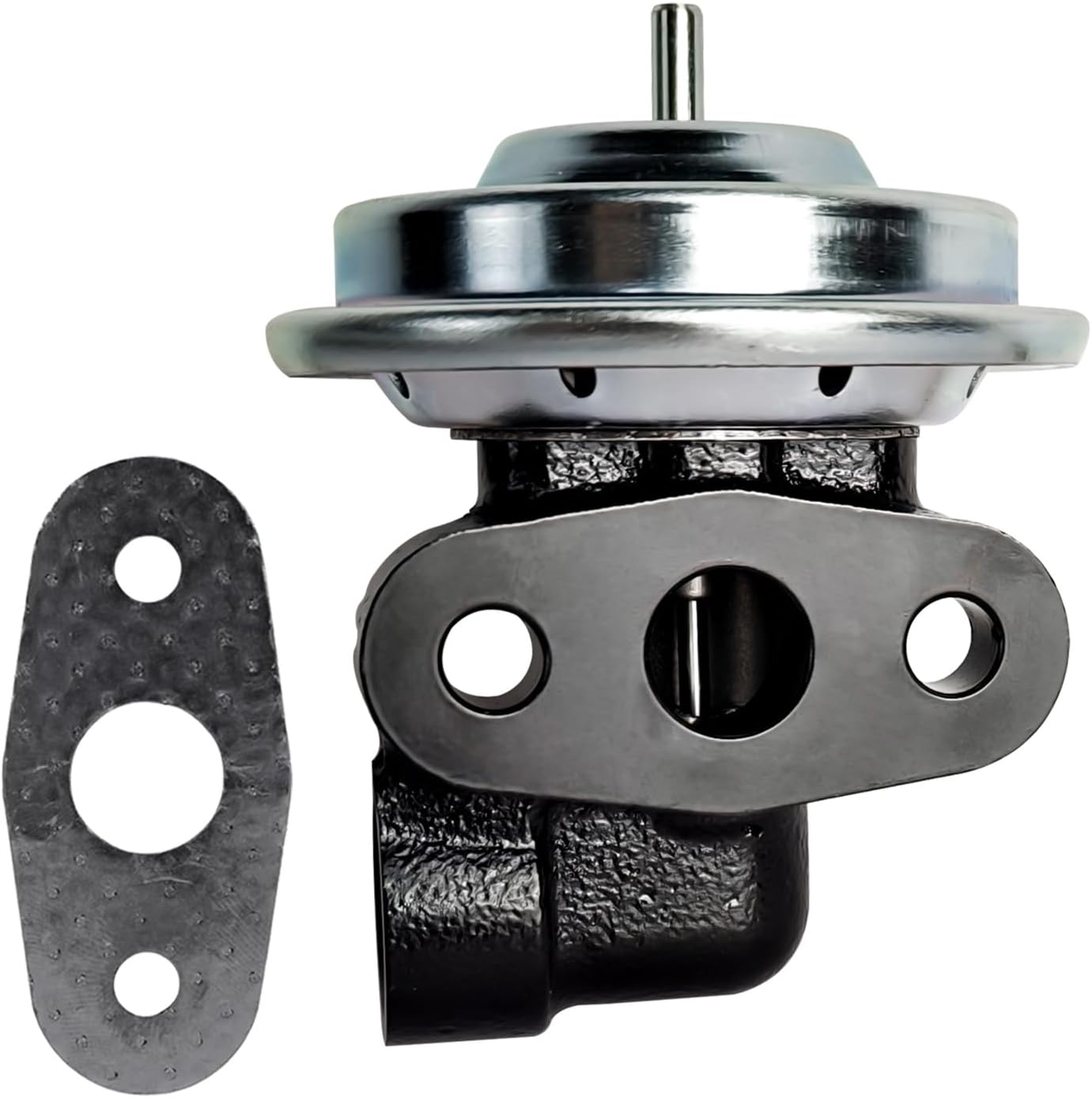
| Exterior Finish | Stainless Steel |
|---|---|
| Valve Type | Diaphragm Valve |
| Thread Type | NPT |
| Thread Size | 1 inches |
| Included Components | 1 EGR Valve, 1 Gasket |
This Quivimoro EGR valve is a direct-fit replacement built to the common OEM part numbers for affected Ford 5.4L and related engines. It routes exhaust gases back into the intake to reduce NOx emissions, stabilize combustion temperatures, and help preserve engine components. The unit ships with a gasket and uses a threaded NPT outlet and a diaphragm-style valve with a stainless steel finish and silicon diaphragm for heat resistance. Installation is straightforward for a mechanically competent DIYer and typically takes a few minutes once the old valve is removed. In practice this valve restores proper EGR flow and idle behavior on vehicles that experience EGR-related rough idle or emissions issues. It is designed to match OE fitment so it avoids time-consuming modifications, but buyers should still confirm compatibility with year and engine before ordering. This part focuses on durability and function rather than cosmetic fit, and like many replacement valves it relies on correct installation and clean intake passages to deliver long service life.
Best for: Buyers who prioritize a reliable, factory-style replacement for EGR-related drivability or emissions problems and who want a durable part that installs like the original.
Less Ideal for: Those looking for a universal or performance-modified EGR solution or anyone unwilling to verify fitment or inspect and clean the intake system during replacement.
- Direct-fit replacement matching common OEM part numbers for simplified installation
- Diaphragm valve with silicon and steel construction for high-temperature durability
- Includes gasket so you can complete the swap without sourcing extra parts
- Threaded NPT connections and 1-inch thread size align with factory plumbing
- Compatibility must be confirmed against vehicle year and part numbers before purchase
Verdict: A durable, direct-fit replacement EGR valve built to match factory part numbers and restore reliable EGR operation on affected Ford 5.4L vehicles.
Standard Motor Products EGV537T EGR Valve

| Brand | Standard Motor Products |
|---|---|
| Inlet Connection Type | Threaded |
| Number of Ports | 2 |
| Specification Met | EPA |
This EGV537T EGR valve is a straightforward replacement part intended to restore EGR function and emissions control on compatible Ford 5.4L applications. It installs like a factory-style unit and includes a gasket, which simplifies swapping an old, clogged, or failed valve. In use it reestablishes proper exhaust gas recirculation to help smooth idle, reduce NOx emissions, and clear EGR-related fault codes when the rest of the intake and passages are clean. Reviews indicate good fit and function on older F-Series engines, though one long-term report cites a leak after months of service, so expect typical wear on a component exposed to heat and soot. Installation can require penetrating oil and care with seized mounting bolts on high-mileage trucks. For someone replacing a worn valve without changing wiring or plumbing, this provides a factory-quality, direct-fit option that gets the job done.
Best for: Buyers who prioritize a proven, direct-replacement part to fix EGR-related drivability or emissions faults on older Ford 5.4L trucks and prefer solutions with strong user feedback.
Less Ideal for: Do not choose this if you plan to upgrade to a performance or modified emissions setup or need a long-term high-mileage overhaul solution without addressing intake carbon buildup.
- Direct-fit, vehicle-specific replacement designed to match factory mounting and ports
- Includes gasket to simplify installation and improve sealing
- Restores EGR function to help smooth idle and resolve related fault codes
- Manufactured by a known aftermarket parts brand with many positive user reports
- Some users reported leaks developing after months of use indicating possible longevity variability
- Removal and installation can be difficult on high-mileage engines due to seized bolts
Verdict: A reliable, factory-style replacement EGR valve for Ford 5.4L engines that restores function with minimal fuss and solid user-proven fitment.
MOSTPLUS EGR Valve (Interchange EGV575T)

| Material | Metal |
|---|---|
| Exterior Finish | Stainless Steel |
| Inlet Connection Size | 1 Inches |
| Inlet Connection Type | Threaded |
| Number of Ports | 2 |
This MOSTPLUS EGR valve is a replacement exhaust gas recirculation unit designed to match factory fit and function for compatible Ford applications. It installs in minutes as a threaded, two-port valve with a G-style electrical connector and is presented as a direct-fit, factory-quality replacement. In use it routes a controlled amount of exhaust back into the intake to reduce combustion temperatures and help clear codes related to a failing EGR system. Buyers will appreciate the stainless steel finish and the pre-drilled ports that simplify swapping the old unit for a new one. Several reviewers report straightforward installation and reliable operation on compatible Ford trucks and SUVs, though a few buyers note occasional fitment mismatches so checking part numbers and VIN fitment is important. The package may arrive with loose gasket pieces in the box, so inspect components before installation. For a risk-averse buyer this is a practical, budget-friendly alternative to a dealer part when the part number matches your vehicle.
Best for: Buyers who prioritize a conservative, low-risk repair path and want an affordable replacement EGR valve that closely follows factory fit and function for compatible Ford 5.4L-era vehicles.
Less Ideal for: People who need guaranteed dealer-sourced parts, custom performance modifications, or coverage from a manufacturer-backed warranty should consider other options.
- Direct-fit design intended to match factory specifications for compatible Ford applications
- Stainless steel exterior finish that resists corrosion
- Threaded inlet and standard G-style connector make installation straightforward
- Multiple interchange part numbers listed to help confirm compatibility
- Some buyers reported fitment errors despite listed applications, so VIN or part-number confirmation is necessary
Verdict: A budget-conscious, direct-fit replacement EGR valve that offers factory-style fit and straightforward installation for compatible Ford models when part numbers match.
Choosing the Right Ford F-150 5.4L EGR Valve: Key Factors to Consider
Fitment and Mounting Pattern
Correct fitment is essential on the Ford F-150 5.4L because the valve attaches to a specific flange and links to the intake manifold and exhaust passages. A valve that matches the exact bolt pattern, port size, and actuator linkage orientation prevents installation problems and exhaust leaks. Improper fit can lead to vacuum leaks, exhaust leaks, and check engine lights immediately after installation.
When evaluating options, confirm the listed compatibility with the 5.4L configuration and check whether the product requires any adapter or modified gasket. A valve that fits without modification reduces labor time and the risk of creating new sealing surfaces that can fail later.
Actuator Type and Electrical Connector Durability
EGR valves for the 5.4L frequently use either vacuum-actuated or electronic actuators. Electronic actuators provide tighter control but expose more electrical components to heat and soot; their connector quality and thermal resistance are therefore critical. A rugged connector and well-routed wiring reduce the chance of intermittent faults and code generation during normal use.
Consider whether the actuator has a serviceable harness or a permanently sealed connector. Valves with robust, weather-resistant connections and durable internal motors or solenoids are less likely to fail from vibration, heat cycling, or corrosion.
Carbon and Soot Resistance
The 5.4L engine tends to introduce soot into the EGR passages, which can cause sticking, restricted flow, or complete valve seizure if the internal design does not mitigate deposit buildup. Valves with smoother internal passages, tighter tolerances, or materials that tolerate higher carbon loads will maintain operation longer between cleanings.
Some replacement valves incorporate coatings or design features to reduce deposit adhesion. Even with these features, consider access for future cleaning and whether the valve can be serviced without removing major intake components.
Sealing Surface and Gasket Compatibility
A proper seal between the EGR valve and intake manifold or gasket flange is necessary to prevent exhaust leaks that can cause poor idle and false sensor readings. Check whether the replacement includes a compatible gasket designed for the 5.4L flange or whether a specific OEM-style gasket is recommended.
The durability and compression characteristics of the gasket material matter because repeated heat cycles can harden and fail inferior gaskets. Choosing a valve with a known gasket match reduces the chance of post-installation leaks and associated drivability problems.
Serviceability and Maintenance Access
Because carbon buildup is common, a design that allows periodic cleaning or bench testing without full removal saves time and money. Consider whether the valve can be removed with basic hand tools and whether the actuator can be separated from the mounting flange for cleaning.
Also account for the availability of replacement gaskets and whether the valve's orientation complicates access in the F-150 engine bay. Valves that require extensive disassembly of adjacent components increase labor costs and the chance of installation error.
Reliability Ratings and Warranty Support
Long-term reliability is particularly important for an emissions component that affects drivability and compliance. Look for valves with documented mean time between failures or positive user reports for the 5.4L application. Warranty coverage that protects against early failure provides additional assurance during the break-in and initial soot accumulation period.
Understand the scope of coverage and whether warranty claims require proof of professional installation. A clear warranty policy reduces ownership risk and helps determine whether a refurbished or new unit is the better long-term choice.
Common Symptoms of a Failing EGR Valve on the 5.4L
Symptoms often begin subtly and progress as soot builds or the actuator fails. Typical signs include a rough or fluctuating idle, reduced low-end power, and the illumination of an emissions-related trouble code. Some owners notice hesitation or stalling at low speeds when the valve sticks open or closed.
Specific trouble codes like restricted EGR flow or insufficient flow are common, but codes alone do not pinpoint whether the issue is the valve, gasket, or clogged passages. Observe drivability patterns along with codes to narrow down the cause.
- Irregular or rough idle at startup or at idle
- Loss of low-speed power or hesitation under light load
- Check engine light with EGR flow-related codes
- Black soot around the valve gasket or manifold flange
Diagnosing Before You Replace
Before replacing the valve, perform simple checks: inspect the connector and wiring for damage, look for visible soot at the flange, and check for vacuum leaks around the mounting area. A visual inspection often reveals whether the issue is a failed actuator or a clogged passage.
Basic bench or in-vehicle tests can confirm actuator movement and valve response. If you find heavy carbon deposits, try a targeted cleaning and re-test the valve function before committing to replacement. Testing helps avoid unnecessary parts replacement.
- Visual inspection of gasket area and connector
- Bench-actuate or energize the actuator to observe movement
- Check for related vacuum leaks or intake manifold leaks
- Scan for specific flow-related trouble codes
Installation Tips for the F-150 5.4L
Plan for safe access and work with the engine cool. Use the correct gasket specified for the 5.4L flange and torque bolts to the vehicle's specifications to avoid warping the mounting flange. Replace any brittle mounting hardware and inspect nearby vacuum lines for degradation while you have the valve off.
Clean mating surfaces thoroughly before installing the new gasket to ensure a good seal. Route and secure the electrical connector away from hot exhaust components and avoid pinching the harness when reassembling surrounding components.
- Use proper torque and sequence for mounting bolts
- Always install a fresh gasket or verified reusable seal
- Inspect wiring and harness clips during reassembly
- Test-drive and re-scan for codes after installation
Maintenance: Cleaning and Preventing Recurrence
Regular inspection and cleaning can extend service life. If you find carbon buildup early, remove and clean the valve body and passages with appropriate cleaners and soft brushes. Avoid aggressive scraping that can damage sealing surfaces or actuator shafts.
Address upstream causes like excessive oil consumption or PCV problems, since oil-laden intake air accelerates soot accumulation. Scheduled checks every 30,000 to 50,000 miles can catch deposits before they impair valve movement.
- Use non-abrasive cleaning methods for valve internals
- Check PCV system and intake for oil contamination
- Replace gaskets when reinstalling after cleaning
- Record maintenance to track recurrence patterns
When to Choose Refurbished Versus New
Refurbished valves can be a cost-effective choice if they include rebuilt actuators, replaced seals, and a clear bench test record. However, refurbishment quality varies, so look for suppliers that document what was replaced and tested. A well-refurbished valve with a short warranty can be appropriate for an older truck where budget and value are primary concerns.
New valves eliminate uncertainty about prior abuse and may offer longer-term reliability. If the vehicle is maintained for frequent towing or heavy-duty use, a new valve with robust actuator components and a clear warranty can reduce the chance of repeat failures.
- Refurbished: lower initial cost, depends on rebuild quality
- New: higher assurance, often better long-term reliability
- Compare warranty and documented bench testing when choosing
Gasket and Seal Choices for Reliable Installation
The gasket is a small part that often causes big problems if ignored. Use a gasket material rated for high-temperature exhaust exposure and one that matches the 5.4L flange thickness to maintain proper sealing compression. Thin or incorrect gaskets can lead to exhaust leaks and poor EGR function.
If the replacement valve does not include a gasket, source an OEM-style gasket or a high-quality aftermarket equivalent. Also inspect the mating flange for warpage or carbon buildup that might prevent a proper seal even with a new gasket.
- Select gaskets rated for exhaust and high temperature
- Replace gasket whenever valve is removed
- Check mating surfaces for flatness and cleanliness
Still looking for the perfect fit?
Select your Ford F-150 configuration to see the most relevant EGR Valves recommendations
How We Chose the Best Ford F-150 5.4L EGR Valve
We focused on criteria that matter for Ford F-150 5.4L owners replacing an EGR valve rather than cosmetic or marketing features. Primary evaluation points included precise fitment to the 5.4L intake and mounting pattern, as incorrect fit is the most common cause of installation failures. We also prioritized valves whose actuator and internal passages resist soot buildup and thermal stress, since the 5.4L's combustion characteristics produce heavy carbon deposits. Durability of electrical connectors and vacuum/actuator components was assessed, as failures there commonly generate intermittent codes. Materials and sealing surfaces were examined for resistance to warping and gasket failure.We considered ease of installation and whether required gaskets or hardware are included, because real-world repairs often falter from missing or incorrect seals. We also weighed manufacturer-supplied testing and bench calibration as an indicator of consistent operation. Items excluded were those with ambiguous fitment listings, incomplete mounting information, or lack of clear actuator specifications. The result is a list of valves that balance fit, longevity, and serviceability for the F-150 5.4L.
Our full evaluation process is outlined in our review methodology.
FAQ
What are the most common EGR valve symptoms on a Ford F-150 5.4L?
Common symptoms include rough or fluctuating idle, reduced low-speed power, hesitation, and an illuminated emissions-related trouble code. Visible soot or exhaust smell near the valve flange can also indicate failure.
Can I clean the EGR valve instead of replacing it?
Often you can restore function by cleaning carbon deposits if the actuator and seals are intact. Cleaning is a reasonable first step for valves that stick from soot, but a mechanically or electrically failed actuator requires replacement.
How do I test the EGR valve on the 5.4L engine?
Basic tests include visually inspecting the connector and gasket area, bench-actuating the valve to confirm movement, and scanning for flow-related codes. More advanced diagnostics use a scan tool to command the valve and observe engine response under controlled conditions.
Does a bad EGR valve trigger code P0401 on the F-150 5.4L?
Yes, a restricted or non-functioning EGR valve can cause insufficient EGR flow codes like P0401. However, the code can also result from clogged passages or gasket leaks, so confirm valve operation before replacing parts.
Should I replace the gasket when installing a new EGR valve?
Yes, replace the gasket whenever you remove the valve. A fresh, correctly rated gasket ensures a proper seal and reduces the likelihood of exhaust leaks or false sensor readings after installation.
How often should the EGR valve be inspected or cleaned on the 5.4L?
Inspect the valve every 30,000 to 50,000 miles or earlier if you notice drivability symptoms. Trucks used for towing or heavy-duty work may require more frequent checks due to higher soot production.
Final Verdict
For the Ford F-150 5.4L, prioritize correct fitment, actuator durability, and resistance to carbon buildup when selecting an EGR valve. A valve that matches the 5.4L mounting and includes a reliable gasket will minimize installation headaches. Balance the decision between a well-documented refurbished unit and a new valve by weighing warranty coverage and expected long-term use. Addressing underlying intake or PCV issues alongside the valve replacement will reduce the chance of recurrence and keep your truck running smoothly.
Explore More:
- Check out all Ford F-150 parts & accessories
- Explore EGR Valves Maintenance & Repair Guides
- Explore Engine
- Browse all Auto Parts
