

Note: This article contains affiliate links. If you click on these links and make a purchase, I may earn a small commission at no extra cost to you. This helps support my research and content. Read my full affiliate disclosure here.
If the climate control in your 2016-2023 Toyota Tacoma is weak, noisy, or intermittent, the blower motor is a likely suspect. A proper replacement restores consistent cabin airflow for heating and air conditioning and can eliminate annoying rattles or loss of fan speed that affect comfort and defrosting.This guide presents our shortlist of the top blower motors suited to the 2016-2023 Tacoma. We focused on fitment, airflow performance, electrical compatibility, and long-term reliability to help you choose a unit that reduces noise, delivers steady RPM across fan settings, and works with your Tacoma's HVAC system. Read on to see which options match your needs and installation confidence.
Looking for other parts? See all Toyota Tacoma parts & accessories.
Top Picks at a Glance
| Best Overall The best all-around choice for most situations | A-Premium Front HVAC Heater Blower Motor for Toyota Tacoma 2016–2022 |  |
| Best Quality Built to a higher standard if you want something more solid | AISIN HVAC Blower Motor with Wheel Assembly (Front) — Compatible with Toyota Tacoma 2016-2023 |  |
| Best Value The sweet spot between price and what you get | BDFHYK AC Heater Blower Motor Assembly with Fan Cage for Toyota Tacoma (2016–2023) |  |
| Best Budget The cheapest option that still gets the job done reliably | maXpeedingrods HVAC Heater Blower Motor Assembly PM5197 |  |
| Highest Rated A top-rated pick with lots of positive feedback | KAX AC Heater Blower Motor for Toyota Tacoma (2016–2023) |  |
| Most Popular A crowd favorite that many people choose with confidence | SCITOO HVAC Blower Motor with Fan Cage for Toyota Tacoma (2016–2023) |  |
| Best Seller A high-volume bestseller chosen again and again | SYKRSS HVAC Blower Motor Assembly for Toyota Tacoma (2016–2023) |  |
A-Premium Front HVAC Heater Blower Motor for Toyota Tacoma 2016–2022

| Vehicle fitment | Toyota Tacoma 2016-2022 L4 2.7L / V6 3.5L |
|---|---|
| Voltage | 12 Volts |
| Material Type | Alloy Steel |
| Part number | APBM0358 |
This A-Premium blower motor is a direct-fit replacement for the front HVAC fan on Toyota Tacoma 2016–2022 models. It includes the motor and fan cage and installs in place of the factory unit without modification, making it suitable for DIY swaps or quick shop replacements. The motor is wound with enameled copper wire and built on motor-specific silicon steel, which the manufacturer says matches factory specifications; in practice customers report consistent airflow and dependable operation. Several reviewers note an audible mid-pitched whine and occasional rattling at certain speeds, so it is not as quiet as a factory Denso unit. Installation is straightforward with basic hand tools and typically takes minutes once the blower access is prepared. The unit comes with a one-year parts guarantee from the brand. If you want a cost-effective, ready-to-install blower that restores cabin airflow and heating/AC function, this A-Premium unit is a practical choice, but expect some added operational noise compared with a silent OEM-style motor.
Best for: Buyers who want an affordable, ready-to-install replacement that restores HVAC airflow quickly and prefer a practical direct-fit solution over sourcing a factory-brand motor.
Less Ideal for: If you prioritize the quietest possible cabin operation or want a factory-brand silent motor, consider higher-end or OEM-sourced replacements instead.
- Direct-fit for Toyota Tacoma 2016–2022 so no modification required
- Includes fan cage for one-piece replacement and faster install
- Manufactured with enameled copper winding and motor-grade silicon steel for reliable airflow
- Easy to replace using basic hand tools and common sockets
- Notably louder than some factory motors with a mid-pitched whine reported by multiple users
- Occasional rattling at certain fan speeds reported by users
Verdict: A practical, budget-friendly direct-fit blower motor that quickly restores Tacoma HVAC airflow for owners who value reliability and easy installation.
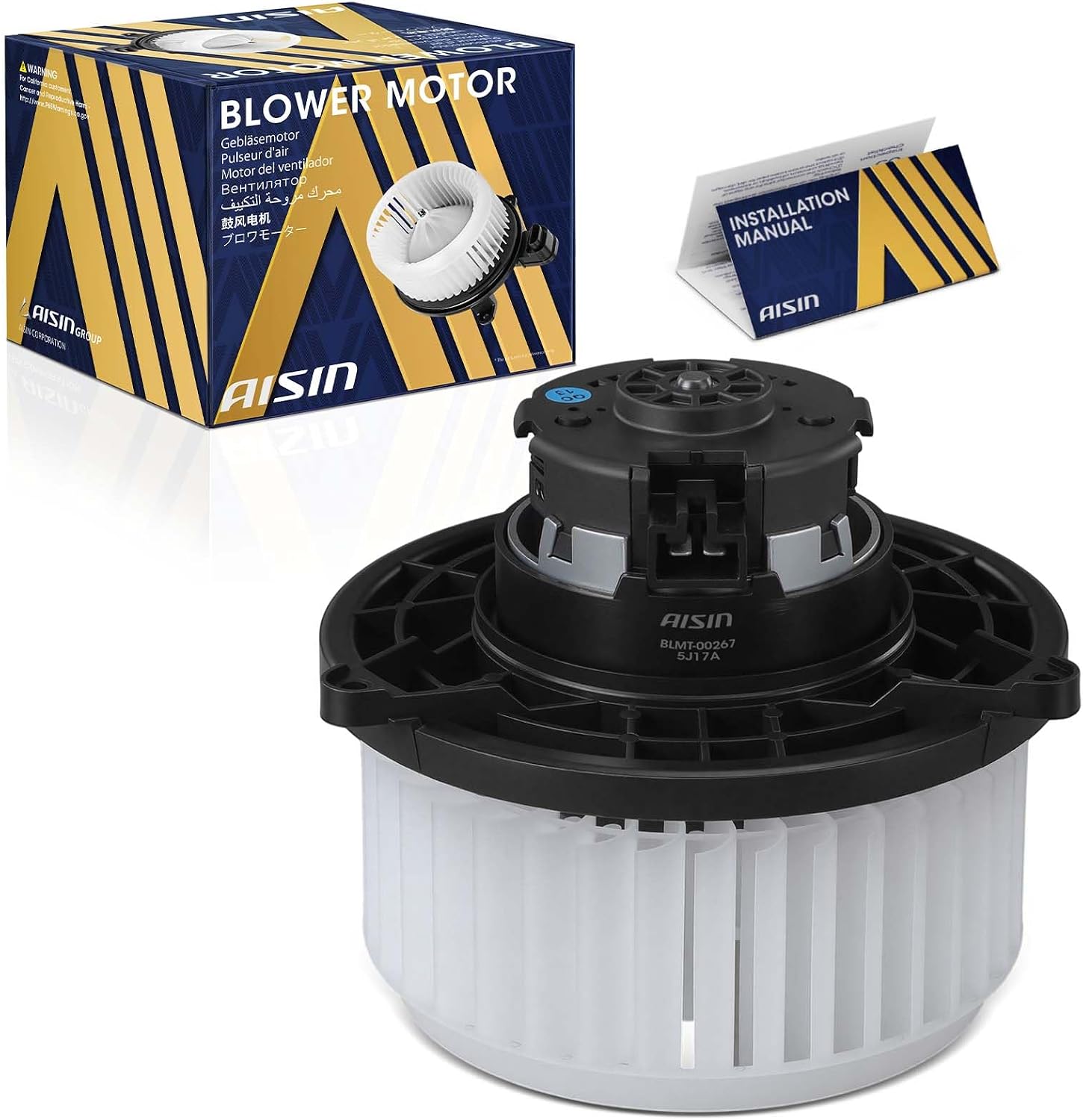
AISIN HVAC Blower Motor with Wheel Assembly (Front) — Compatible with Toyota Tacoma 2016-2023
| Speed | 3300 RPM |
|---|---|
| Voltage | 12 Volts |
| Horsepower | 256 Watts |
This Aisin blower motor assembly is a direct-fit front HVAC replacement for Toyota Tacoma 2016–2023 that includes the cage wheel and installation manual. It uses a brushed 12-volt motor rated at 256 watts and spins up to about 3300 RPM, delivering the airflow needed for heater and A/C performance. In practice this means restored or improved cabin ventilation and fan speed range compared with a failing or noisy original unit. Aisin highlights a high-rigidity center shaft and precision motor to reduce vibration and audible noise, which helps keep the cabin quieter at higher fan settings. Installation is typical for blower motor swaps and the included manual and factory-style connector terminals simplify the job for DIYers and shops. The unit is backed by a one-year, mileage-unlimited warranty. Expect a reliable, factory-quality replacement that focuses on quiet operation and consistent airflow, though the brushed motor design is a conventional choice rather than an advanced brushless option.
Best for: Buyers who prioritize restoring factory-level HVAC performance and quieter fan operation on a 2016–2023 Tacoma and want a straightforward direct-fit replacement they can install or have installed quickly.
Less Ideal for: Those looking for the absolute longest-lived or highest-efficiency aftermarket blower technology should consider brushless or performance-specific upgrades instead.
- Direct-fit design and factory-style connectors for straightforward replacement on 2016–2023 Tacoma
- Includes cage wheel, reducing the need to transfer parts from the old unit
- Engineered center shaft and precision motor to minimize vibration and cabin noise
- Rated performance (3300 RPM, 256 W) that restores strong airflow for HVAC systems
- Uses a brushed motor instead of a brushless design, which can mean shorter service life under heavy use
Verdict: Aisin delivers a quiet, factory-style direct replacement blower motor that restores strong HVAC airflow and reduces cabin vibration for 2016–2023 Toyota Tacoma owners focused on reliable performance.
BDFHYK AC Heater Blower Motor Assembly with Fan Cage for Toyota Tacoma (2016–2023)

| Fitment | Toyota Tacoma 2016-2023 L4 2.7L / V6 3.5L |
|---|---|
| Included components | AC heater blower motor fan with fan cage |
| Connector | 2 pins |
| Part numbers | Replacement for 8710304050, PM5197, 75106 |
| Materials | Iron, Plastic |
This BDFHYK blower motor assembly is a direct-fit replacement intended for 2016–2023 Toyota Tacoma with either the 2.7L four-cylinder or 3.5L V6 and ships with the fan cage included. It installs in the same location as the factory unit and uses the standard two-pin connector, so most DIYers can swap it in with basic tools and a few bolts. The motor is balanced and the listing emphasizes quiet operation, which multiple users confirm; it runs smoothly and restores heating, cooling, and defogging functions. Practical buyers will appreciate the included fan cage and packaging inspection aimed at reducing transit damage. Expect solid short-term performance at a value price, though some owners report slightly weaker airflow compared with a fresh factory unit and occasional fitment differences that require verification against your original part number. The part comes with a one-year support policy from the seller but long-term durability is still uncertain compared with an OEM motor.
Best for: Buyers looking to restore HVAC function on a Tacoma themselves or reduce repair cost while keeping installation straightforward and mostly bolt-in.
Less Ideal for: If you prioritize factory-matching airflow or need a long-proven OEM lifetime, consider a factory-quality replacement from a major parts supplier instead.
- Direct-fit design for 2016–2023 Toyota Tacoma 2.7L and 3.5L applications
- Includes fan cage so you do not need to reuse the old housing
- Balanced impeller and reinforced shaft for reduced vibration and quieter operation
- Standard two-pin electrical connector simplifies installation
- Offers a budget-friendly alternative to a factory replacement
- Some users report noticeably lower airflow compared with a fully healthy factory motor
- A few units required minor modification or did not match connector housing exactly, so double-check fitment against your original part
Verdict: A budget-conscious, mostly bolt-in replacement that restores Tacoma HVAC function and includes the fan cage, making it a smart pick for practical DIY repairs.
maXpeedingrods HVAC Heater Blower Motor Assembly PM5197

| Compatibility | Toyota Tacoma 2016-2022 L4 2.7L and V6 3.5L |
|---|---|
| OEM part numbers | 8710304050, PM5197, 75106 |
| Brand | maXpeedingrods |
| Item weight | 1850 Grams |
This maXpeedingrods blower motor is a bolt-in replacement intended for Toyota Tacoma models from 2016 through 2022 with 2.7L or 3.5L engines. It replaces the factory blower to restore consistent cabin airflow, quiet operation, and heater/vent performance after a failed motor. Installation is straightforward for anyone with basic hand tools and HVAC access, and the unit is built to match factory mounting and electrical connections so you should not need modifications. The product claims durable construction and an upgraded fan design to resist dust buildup and deliver stronger airflow with lower noise. Owners report quick swaps and noticeably quieter operation, though some global reviewers describe early failures or reduced power on a minority of units. The part comes with lifetime technical support from the seller and a one-year limited warranty for quality-related issues. For a budget-focused repair this offers a practical mix of value and ease of installation, but buyers who need a long-term guaranteed lifespan may prefer an established OEM replacement from a dealership.
Best for: Buyers repairing a Tacoma HVAC system on a tight budget who want a straightforward, factory-compatible replacement that restores airflow and reduces cabin noise without a dealer visit.
Less Ideal for: Drivers seeking the longest possible service life or dealer-backed parts coverage should consider a factory replacement from a dealership or OEM supplier.
- Direct-fit for 2016–2022 Toyota Tacoma 2.7L and 3.5L applications, simplifying installation
- Upgraded fan design aimed at stronger airflow and reduced dust buildup
- Reportedly low noise in normal operation compared with failed OEM units
- Affordable option compared with dealer-sourced replacements
- Some users reported early failures or weak airflow on a small number of units
- Not backed by a manufacturer warranty equivalent to dealer parts
Verdict: A budget-friendly, direct-fit blower motor that quickly restores HVAC airflow and quiets a failing blower in 2016–2022 Tacomas.
KAX AC Heater Blower Motor for Toyota Tacoma (2016–2023)

| Vehicle fitment | Toyota Tacoma 2016-2023 |
|---|---|
| Manufacturer | KAX |
| Model | AC Blower Motor |
| Item model number | 2526BLM0658US |
This KAX blower motor is a direct-fit replacement intended to restore cabin airflow in Toyota Tacoma (2016–2023). It replaces factory blower motors and is used the same way: remove the old unit from under the dash and plug in the new assembly to regain heat and A/C circulation. Notable features include application-specific fitment and claimed factory-quality performance to ease installation. In real use the motor provides solid airflow and consistent operation across fan speeds, and many buyers report straightforward installs and quieter-than-expected operation. The unit is compact and arrives ready to install with the motor and fan assembly assembled. Limitations to expect are typical of aftermarket blower motors: some users report minor vibration or the need to verify wiring orientation on nonstandard applications, and long-term durability can vary versus higher-end OE replacements. For a reliability-focused Tacoma owner this model offers a budget-friendly way to restore climate control function with a generally dependable fit and performance profile.
Best for: Tacoma owners who prioritize a reliable, OEM-style restore of heating and cooling without paying for dealer parts and who want a straightforward, install-and-forget replacement.
Less Ideal for: Drivers seeking a factory-authorized lifetime solution or guaranteed long-term longevity may prefer dealer parts or premium branded units; this is not aimed at custom or modified HVAC setups.
- Direct-fit design specific to 2016–2023 Toyota Tacoma for easier installation
- Restores consistent airflow and works across fan speeds to recover heating and A/C function
- Frequently reported as quieter than some original units during normal operation
- Compact assembled motor and fan saves time compared with separate parts
- Aftermarket longevity may vary compared with higher-end factory replacements
- A small number of users reported vibration or required minor wiring checks during installation
Verdict: A practical, direct-fit replacement that gets a 2016–2023 Tacoma's HVAC airflow back to factory-like performance without the dealer price.
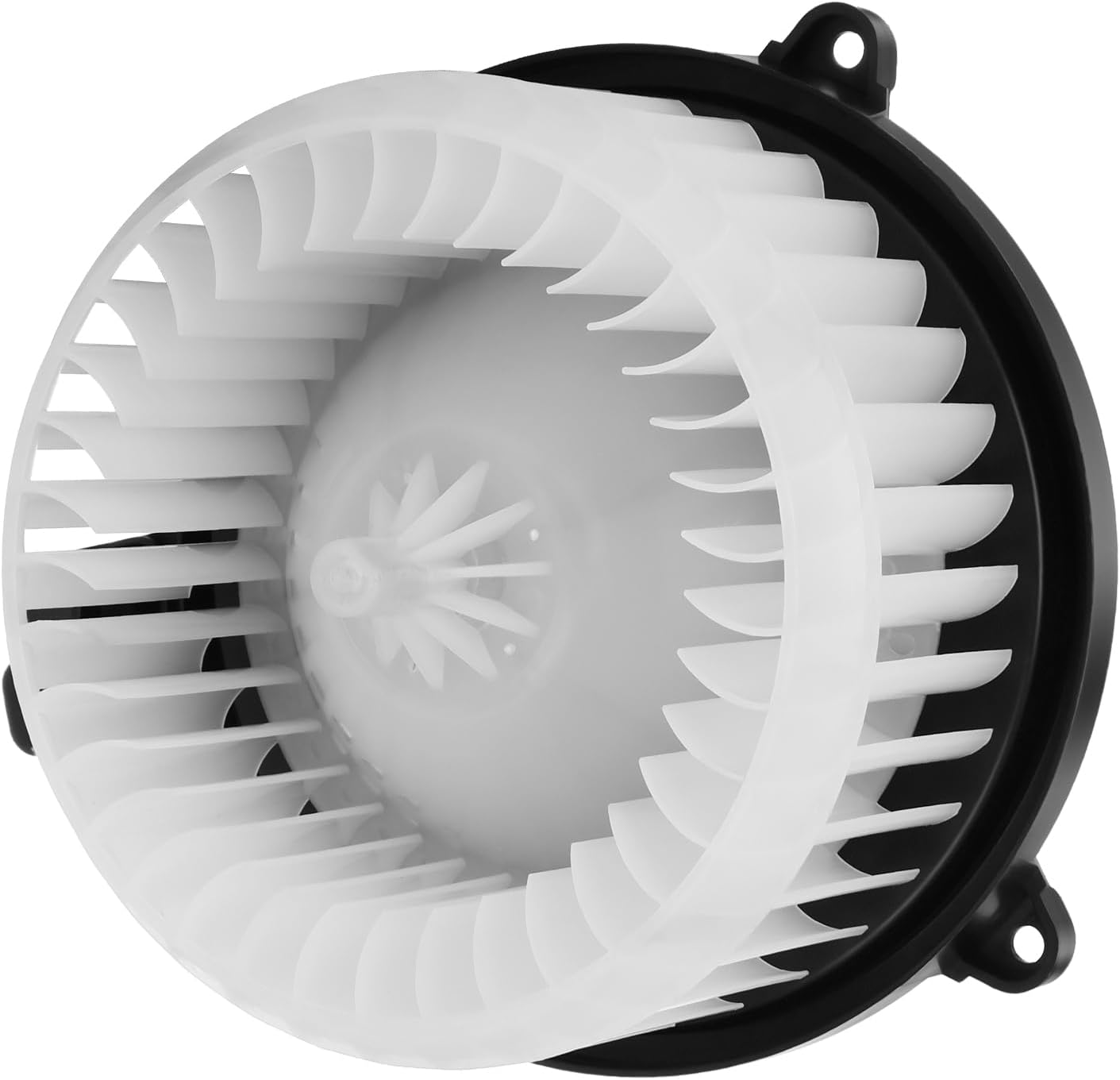
SCITOO HVAC Blower Motor with Fan Cage for Toyota Tacoma (2016–2023)
| Fitment | 2016–2023 Toyota Tacoma (listed trims) |
|---|---|
| Includes | Blower motor with fan cage |
| Material (rotor) | Silicon steel sheet |
| Wire | Copper enameled wire |
This SCITOO blower motor is an aftermarket replacement built to restore heater and A/C airflow in Toyota Tacoma trucks from 2016 through 2023. It includes the motor and fan cage so you get a plug-and-play replacement that fits the listed Tacoma trims. Installation is typically straightforward for a moderately handy owner since the unit mounts under the glove box and connects to existing wiring harnesses. The motor uses permanently lubricated self-aligning bearings intended for longer service life and the seller highlights copper enameled wire and silicon steel rotor plates for durability. In normal use the unit pushes good airflow and several owners report noticeably quieter and stronger blower performance than a failing original, though some buyers mention a mild humming or louder noise at low speed on a few examples. If you need to restore HVAC function quickly without dealer labor, this offers a cost-effective option; expect variability in noise and longevity compared with factory parts and plan for a simple DIY install or a short shop visit if you want professional assurance.
Best for: Buyers who prioritize restoring HVAC function affordably and want a mostly plug-and-play replacement they can install themselves or verify quickly at a local shop, with attention to social proof from other users.
Less Ideal for: Anyone seeking an exact factory-grade, silent OEM match or those unwilling to accept some variability in noise and longevity should consider factory replacements or dealer-sourced components instead.
- Direct fit for 2016–2023 Toyota Tacoma trims listed, including SR, SR5, TRD and Limited.
- Includes fan cage for a complete replacement and plug-and-play electrical connections.
- Permanently lubricated self-aligning bearings aimed at longer life and consistent airflow.
- Several buyers report easy installation under the glove box with minimal tools required.
- Some units have produced a low-speed humming or louder-than-factory noise for a minority of buyers.
- Aftermarket quality can vary so long-term durability may not match factory parts.
Verdict: A cost-effective, plug-and-play replacement blower that restores airflow for 2016–2023 Tacoma owners who want a practical DIY or low-cost repair backed by multiple user reports.
SYKRSS HVAC Blower Motor Assembly for Toyota Tacoma (2016–2023)

| Compatible vehicles | Toyota Tacoma 2016-2023 L4 2.7L / V6 3.5L |
|---|---|
| OE part numbers | 75106, 8710304050, PM5197 |
| Part number | SY06129002 |
| Item weight | 1.82 Kilograms |
This SYKRSS blower motor is a direct-fit replacement intended for Toyota Tacoma 2016–2023 L4 2.7L and V6 3.5L engines and installs in place of the factory unit to restore HVAC airflow. Typical use is straightforward: remove the glove box or access panel, unbolt the old motor, unplug the connector and transfer in the new assembly. The listing cites OE part numbers and claims factory-quality build and pre-shipment vibration and life testing, which aligns with buyer reports of easy installation, strong airflow and generally acceptable noise levels. Practical benefits include compatibility with the Tacoma electrical connector and enough performance to return heating and A/C function without modifying the vehicle. Reported issues are mixed durability in a few reviews and occasional initial break-in noise for some units, so longevity may vary unit to unit. For an owner who wants an affordable, ready-to-install replacement that restores cabin climate control quickly, this unit delivers a sensible balance of fit and performance, though long-term reliability is not guaranteed.
Best for: Practical Tacoma owners who need a no-frills, affordable replacement to restore heating and A/C quickly and prefer a part that matches factory fitment and connector layout.
Less Ideal for: Buyers seeking a premium, long-term upgraded motor with extended durability testing or warranty support should consider higher-end aftermarket or dealer parts instead.
- Direct-fit compatibility listed for Toyota Tacoma 2016–2023 with matching OE part numbers
- Easy to install using factory mounting points and connector
- Stated to pass vibration and life testing before shipment
- Most user reports note good airflow and acceptable noise after installation
- Some users reported early failure or limited lifespan on individual units
- A few reviews mention initial noisy operation during break-in
Verdict: A practical, budget-friendly direct-fit replacement to quickly restore HVAC airflow in 2016–2023 Toyota Tacoma trucks.
Choosing the Right 2016-2023 Toyota Tacoma Blower Motor: Key Factors to Consider
Fitment and Connector Compatibility
Correct fitment ensures the blower motor mounts securely and aligns with the vehicle's ducting. A direct-fit unit uses the same mounting flange and bolt pattern as the original, preventing air leaks that reduce cabin airflow.
Connector compatibility matters because some blower motors require a specific wiring harness or resistor pack location. Choosing a motor with the same plug type avoids splicing or adapter cables, which minimizes points of electrical failure and keeps the installation reversible.
Airflow Performance Across Fan Speeds
Airflow performance determines how effectively the HVAC system heats, cools, and defogs the cabin. Look for motors that deliver consistent RPM and CFM across low to high fan settings so you do not lose low-speed airflow for defrosting or high-speed performance on hot days.
A motor that maintains stable output under load will keep cabin temperatures and defrosting times predictable, which is especially important for Tacoma owners who may use the truck in a range of climates and conditions.
Noise and Vibration Characteristics
Blower motor noise can range from a faint whir to pronounced grinding or rattling. Noise sources include worn bearings, imbalanced fans, or poor mounting. Choose motors designed with balanced impellers and durable bearings to minimize whining or scraping sounds.
Vibration isolation at the mounting points also reduces transfer of noise into the dash. A quieter motor improves driving comfort and reduces perceived build-quality issues in the cabin.
Durability and Environmental Resistance
Durability matters because blower motors sit in a dusty, sometimes humid environment behind the dash. Motors with sealed housings, corrosion-resistant materials, and robust bearings generally last longer and resist early failure.
Consider whether the motor design sheds heat effectively and resists ingress of debris. Tougher construction reduces the chance of premature failure for Tacoma owners who drive off-road or in salty winter conditions.
Electrical Load and Compatibility with Resistor or Control Module
The blower motor must match the vehicle's electrical design so it does not overload the resistor pack or HVAC control module. Mismatched current draw can cause blowing fuses, damaged resistors, or erratic fan behavior.
Confirming the motor's voltage and amperage ratings and how they pair with the Tacoma's existing blower motor resistor or electronic control helps avoid electrical faults and ensures the system regulates fan speeds properly.
Ease of Installation and Serviceability
Installation complexity affects cost and downtime. A blower motor that installs from under the dash or glovebox with accessible fasteners and plug-and-play connectors reduces labor time and the risk of damage during replacement.
Serviceability also includes the availability of replacement brushes or bearings and clear access to mounting hardware. Simpler installations are preferable for owners who plan to do the work themselves or want lower shop labor.
Common Symptoms of a Failing Blower Motor
Recognizing early symptoms helps you diagnose blower motor issues before they lead to complete failure. Symptoms typically present as reduced airflow, intermittent operation, unusual noises, or changes in fan speed response when adjusting the HVAC controls.
Intermittent fan operation or sudden loss of one or more speed settings often indicates a motor nearing the end of its service life or an electrical issue such as a failing resistor. Strange noises like scraping, grinding, or high-pitched whines usually point to worn bearings or a misaligned fan wheel.
- Weak or inconsistent airflow at all fan speeds
- Fan works only on certain speed settings
- Rattling or grinding sounds when fan is running
- HVAC blower runs only intermittently or not at all
Diagnosing Before Replacement
Before buying a replacement, rule out simple electrical causes. Check fuses and the blower motor resistor for visible overheating or corrosion. Inspect connectors for loose pins or damaged wires at the motor and the HVAC control.
If the motor receives power but does not run, the issue is likely internal to the motor. If power is inconsistent, trace wiring and the resistor or control module. Doing basic testing saves you from replacing a motor when the problem lies elsewhere.
- Verify fuse continuity and correct fuse rating
- Probe for voltage at the motor connector with the fan switch on
- Inspect the fan wheel for debris or visible damage
- Listen for bearing noise by briefly energizing the motor with the blower out
Installation Tips for Tacoma Owners
Plan for glovebox or under-dash access depending on the Tacoma model year and trim. Gather the correct tools, a service manual or teardown guide, and ensure the replacement motor includes necessary mounting clips or grommets. Work patiently to avoid damaging the dash trim and electrical connectors.
Take care to seat the motor properly against the housing to prevent air leaks. Reuse any vibration-isolating grommets or replace them if worn. After installation, cycle the fan through all speeds and listen for smooth operation and the absence of vibration or rattle.
- Disconnect the battery before accessing electrical connectors
- Label connectors or take a photo for correct reassembly
- Replace grommets and fasteners if brittle or damaged
- Test all fan speeds and HVAC functions after installation
When to Replace the Blower Motor Resistor Vs Motor
A failing resistor often causes loss of one or more blower speeds while the motor still runs at other settings. If you have zero fan operation, the fault could be the motor, resistor, or a fuse. Inspect the resistor for signs of heat damage or burnt connectors first.
If the resistor checks out and the motor shows electrical continuity yet does not spin, replacement of the motor is warranted. Choose replacement parts that match the Tacoma's electrical characteristics to ensure smooth interaction between resistor and motor.
- Replace the resistor when specific fan speeds are lost
- Replace the motor when there is no movement despite power
- Check continuity of motor windings before full replacement
- Confirm connector and wiring integrity to avoid repeat failures
Minimizing Blower Motor Noise After Replacement
Noise reduction starts with selecting a motor with a balanced impeller and quality bearings. During installation, ensure the motor is mounted snugly with intact isolation mounts and that the fan wheel is free of debris or distortion. Small misalignments can turn a quiet motor into a noisy one.
If residual noise persists, check surrounding ducts and the blower housing for loose panels or foreign objects. Replacing brittle foam seals or worn mounting grommets often reduces vibration-transmitted noise significantly.
- Use new grommets or isolation pads when available
- Inspect the fan wheel balance and straightness
- Secure any loose dash or HVAC housing panels
- Clean the housing to remove debris that contacts the wheel
Expectations for Lifespan and Maintenance
A quality blower motor properly installed and used under normal driving conditions should provide several years of reliable service. Lifespan varies with driving environment, frequency of HVAC use, and exposure to dust or moisture. Periodic inspections during service visits help catch bearing wear or debris buildup early.
Maintenance is minimal but effective. Keep cabin filters in good condition to reduce debris reaching the blower area, and clear any leaves or road grime from the HVAC intake under the cowl. Address unusual noises or airflow changes promptly to avoid secondary damage to resistors or control modules.
- Replace cabin filter at recommended intervals
- Inspect for debris at the HVAC intake cowl
- Address fan noise early to prevent further damage
- Consider bearings or brush replacement when serviceable
Still looking for the perfect fit?
Select your Toyota Tacoma configuration to see the most relevant Blower Motors recommendations
How We Chose the Best 2016-2023 Toyota Tacoma Blower Motor
We prioritized items that match the electrical and mechanical fitment for 2016-2023 Toyota Tacoma models and that address real-world failure modes owners report. Evaluation criteria included airflow output across fan speeds, noise level during operation, motor durability and bearing design, electrical compatibility with OEM wiring and connectors, and ease of installation including plug-and-play harnesses and mounting points.We also considered motor cooling and dust-resistant features that affect long-term reliability in daily driving and off-road conditions. Units with clear replacement guidance and readily available mounting hardware scored higher. We excluded any parts that required major dash modifications, custom wiring, or that lacked clear fitment information for the 2016-2023 Tacoma.In short, we filtered for direct-fit blower motors that balance quiet operation, reliable airflow, and straightforward installation while remaining electrically compatible with the Tacoma HVAC system.
Our full evaluation process is outlined in our review methodology.
FAQ
What are the first things to check if my Tacoma blower fan is not working?
Start with the fuse and the blower motor resistor or control module. Inspect connectors for corrosion or loose wires. If power reaches the motor connector but the fan does not spin, the motor itself is likely faulty.
Can I replace the blower motor myself in a 2016-2023 Tacoma?
Many owners can handle the replacement with basic hand tools and a service manual, since access is usually through the glovebox or an under-dash panel. Plan time for careful removal of trim and label connectors to ensure correct reassembly.
How long should a replacement blower motor last in a Tacoma?
Lifespan often ranges from several years to over a decade depending on usage and environment. Regular cabin filter changes and keeping the HVAC intake clear can extend motor life. Heavy use or dusty conditions shorten service life.
Will replacing the resistor fix all blower motor problems?
No. A resistor typically affects fan speed selection. If the motor does not run at any speed despite a healthy resistor, the motor is likely the cause. Diagnose by checking for voltage at the motor connector.
What causes blower motor noise after installation?
Noise can come from an imbalanced fan wheel, worn bearings, loose mounting grommets, or contact with debris. Verify proper seating, replace worn isolators, and ensure the fan wheel spins freely without rubbing the housing.
Does a higher airflow motor draw more current and cause electrical issues?
Not necessarily. A higher airflow motor may draw more current, so confirm the motor's amperage rating matches the Tacoma's resistor or control capacity. Choosing a motor with compatible electrical specs prevents overloading the circuit.
Final Verdict
For a 2016-2023 Toyota Tacoma, prioritize direct-fit blower motors that match the vehicle's mounting and electrical connectors. Focus on units that deliver steady airflow across fan settings, use robust bearings, and minimize noise through a balanced impeller and proper isolation.Weigh the tradeoffs between higher airflow and electrical compatibility, and favor options that reduce installation complexity. Addressing symptoms early and choosing a motor designed for the Tacoma's environment will restore reliable heating and cooling and reduce the chance of repeat failures.
Explore More:
- Check out all Toyota Tacoma parts & accessories
- Explore Blower Motors Maintenance & Repair Guides
- Explore HVAC
- Browse all Auto Parts
