

Note: This article contains affiliate links. If you click on these links and make a purchase, I may earn a small commission at no extra cost to you. This helps support my research and content. Read my full affiliate disclosure here.
If you own a 1997-2001 Toyota Camry, a reliable radiator hose is essential to keep the cooling system functioning and avoid roadside breakdowns. Hoses that crack, swell, or lose sealability can cause coolant loss and engine overheating, so choosing the right replacement matters for day-to-day reliability and engine longevity.This guide covers the top-selected radiator hoses for the 1997-2001 Camry, focusing on fitment accuracy, material durability, and ease of installation. We shortlisted seven options that suit factory routing and clamps, and we evaluate them against real-world criteria you can use when deciding which hose to buy and install next.
Looking for other parts? See all Toyota Camry parts & accessories.
Top Picks at a Glance
| Best Overall The best all-around choice for most situations | Taungkan Upper and Lower Radiator Coolant Hose Set (2-Pack) |  |
| Best Quality Built to a higher standard if you want something more solid | Gates Upper Radiator Coolant Hose for Toyota Camry 2.2L L4 (1992–2001) |  |
| Best Value The sweet spot between price and what you get | ACROPIX Radiator Hose for Toyota Camry 2.2L (1997–2001) Inner |  |
| Best Budget The cheapest option that still gets the job done reliably | CarGeeaa Radiator Hose (Replacement #16571-20020) |  |
| Highest Rated A top-rated pick with lots of positive feedback | Gates 22309 Upper Radiator Hose |  |
| Most Popular A crowd favorite that many people choose with confidence | Gates 20338 Molded Coolant Hose |  |
| Best Seller A high-volume bestseller chosen again and again | Gates 22271 Premium Molded Coolant Hose |  |
Taungkan Upper and Lower Radiator Coolant Hose Set (2-Pack)

| Brand Name | Taungkan |
|---|---|
| Unit Count | 2.0 Count |
This Taungkan two-piece radiator hose set replaces the upper and lower coolant hoses on 1997–2001 Toyota Camry applications and is sold as a matched pair for one-stop replacement. It installs like a direct factory-replacement hose, so it is typically used during cooling system repairs or preventative maintenance when aging rubber and leaks appear. The listing emphasizes OE-quality testing and straightforward fitment for the specified Toyota years, which should speed installation and reduce the chance of leaks compared with trying to match individual hoses. Because it is a pair, you get both ends of the cooling loop refreshed at once, which is convenient for sellers doing a full-service repair. Limitations are that compatibility must be confirmed with the vehicle fitment tool before purchase and that brand-specific fitment details are necessary for certain model years and engine configurations, so you should verify hoses match your exact Camry variant. Expect standard replacement performance rather than performance upgrades.
Best for: Buyers who want a straightforward, factory-style replacement pair to refresh the Camry cooling system during routine maintenance or repair and prefer replacing both hoses at once for convenience.
Less Ideal for: Drivers seeking performance or heavy-duty upgraded silicone hoses or those who need hoses for vehicles outside the 1997–2001 Camry scope should look for other options.
- Sold as a matched upper and lower hose pair for complete coolant circuit replacement
- Marketed as OE-quality with testing aimed at easy installation and proper fit
- Designed specifically for 1997–2001 Toyota Camry fitment, simplifying part selection
- Replaces specified factory part numbers to aid correct matching
- Fitment depends on exact model year and engine configuration so confirmation is required
- No detailed material or durability specifications provided on the listing
Verdict: Choose this matched two-piece hose set if you want a direct factory-style replacement to refresh the cooling system on a 1997–2001 Toyota Camry.
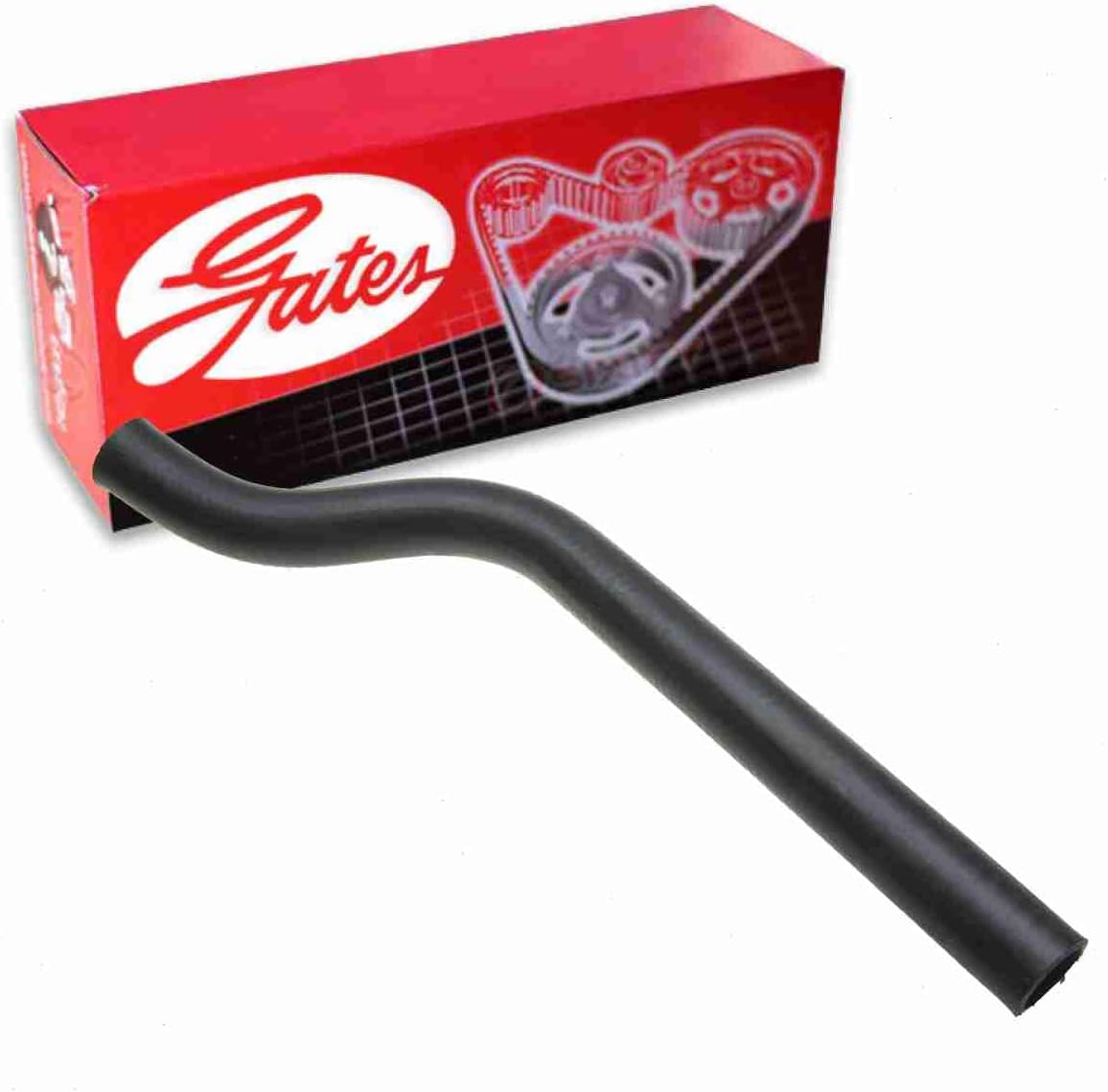
Gates Upper Radiator Coolant Hose for Toyota Camry 2.2L L4 (1992–2001)
| Manufacturer | Sixity Auto |
|---|---|
| Brand | Sixity Auto |
| Manufacturer Part Number | 4038022587 |
| Date First Available | July 26, 2022 |
This Gates upper radiator coolant hose is a factory-style replacement that restores the top coolant connection on 2.2L Camry engines. It installs like the original hose and is used to route hot coolant from the engine head or thermostat housing to the radiator during normal driving and spirited runs. Notable features include Gates branded construction and original-style fitment intended to match factory contours, which simplifies installation and reduces the need for modification. In real-world use this means reliable coolant flow and predictable durability under typical driving and moderate performance demands. Limitations are straightforward: it is a single OEM-style upper hose so it does not upgrade material for extreme motorsport use or altered cooling setups, and you will still need correct clamps and routine inspection for age-related cracking. For anyone swapping in a like-for-like part on a lightly modified Camry, this offers a clean, no-fuss replacement that keeps the cooling system working as intended.
Best for: Buyers who want a reliable, like-for-like replacement to maintain cooling performance on a 2.2L Camry and prefer parts that install cleanly without fabrication.
Less Ideal for: Drivers building a high-heat or track-focused cooling system who need reinforced or silicone hoses and those looking to upgrade multiple cooling components at once.
- Factory-style fitment for direct replacement on 2.2L Camry upper cooling circuit
- Gates branded construction for consistent quality and predictable installation
- Simplifies replacement with original contours to match thermostat housing and radiator neck
- Single upper hose only and not a performance-upgraded silicone or reinforced option
Verdict: A straightforward factory-style upper radiator hose that lets you replace the original part quickly to restore reliable cooling on 2.2L Camry engines.
ACROPIX Radiator Hose for Toyota Camry 2.2L (1997–2001) Inner

| Brand | ACROPIX |
|---|---|
| Material | Rubber |
| Position | Inner |
| Fitment | Toyota Camry 2.2L 1997-2001; Toyota Solara 2.2L 1999-2001 |
This ACROPIX radiator hose is a direct replacement rubber coolant hose intended for the upper/inner cooling circuit on Toyota Camry 2.2L (1997–2001) and compatible Solara models. It installs the same way as the original: remove the failed hose, transfer clamps if needed, and fit the new part. The listing emphasizes heat and aging resistance and a sealing profile designed to prevent coolant leaks and protect the engine cooling system. For routine repairs it delivers the practical benefits you want: simple swap-in installation, a factory-style fitment note for the OE number, and a standard rubber construction that tolerates typical under-hood temperatures. Expect it to perform well as a budget replacement for an old, cracked hose, though it is a basic aftermarket part without reinforced braid or extended-life materials, so longevity may vary versus higher-end specialty hoses. For everyday maintenance or emergency replacement on the covered Camry models this hose is a straightforward, no-frills solution.
Best for: A budget-conscious owner who wants a practical, replace-and-forget coolant hose to get a 1997–2001 Camry or 1999–2001 Solara back to reliable cooling without extra complexity.
Less Ideal for: If you need a heavy-duty or performance-grade hose for high-boost or modified engines, choose a reinforced or silicone option instead.
- Made from rubber designed for high temperature and aging resistance to help prevent cracks and leaks
- Sold as a single direct-fit replacement for the upper/inner radiator hose on 2.2L Camry and Solara models
- Simple installation replaces the old hose with minimal tools or modification
- Includes manufacturer part number and fitment listing for easy verification
- Standard rubber construction lacks reinforcement or specialty materials for extended service life
Verdict: A straightforward, budget-friendly rubber replacement hose that restores proper cooling for 2.2L Camry and Solara models with minimal fuss.
CarGeeaa Radiator Hose (Replacement #16571-20020)

| Included Components | 16571-20020 1657120020 16571-20030 1657120030 16571-20060 1657120060 16571-20080 1657120080 |
|---|---|
| Unit Count | 1.0 Count |
| Brand Name | CarGeeaa |
| Compatible Models | Camry 1996-2006, Sienna 1997-2002, Lexus RX 1998-2008 |
This CarGeeaa radiator hose is a straightforward aftermarket replacement sold to match OEM part numbers for late 1990s and early 2000s Toyota Camry V6 and related Lexus and Sienna applications. It is designed for simple direct swap installation so owners can remove a worn or leaking upper radiator hose without special tools or modifications. The listing highlights compatibility with specific part numbers and several model years, which helps ensure a correct fit when matched to your vehicle. The product is single-piece, rubber construction in black and comes as one count, which is typical for budget replacement parts. Practical benefits include low cost and the convenience of replacing the hose yourself to restore cooling system reliability. Limitations are typical for economy aftermarket hoses: long-term durability and material quality may vary compared with higher-end or Bosch-style replacements, so monitoring for leaks after installation and replacing clamps if corroded is recommended.
Best for: Drivers looking to replace a failing radiator hose on a 1997–2001 Toyota Camry V6 without spending much and who prefer a budget-friendly, direct-fit part they can install themselves.
Less Ideal for: Buyers seeking an upgraded, heavy-duty hose or a long-term OEM-level replacement should consider higher-end branded hoses or sourcing a factory-quality part instead.
- Made as a direct fit for specific Toyota Camry V6 and related Lexus/Sienna part numbers to simplify installation
- Single-piece rubber hose offers a simple, familiar replacement process for DIY mechanics
- Economical option for budget-conscious owners needing a quick radiator hose swap
- Material quality and long-term durability are not specified and may be lower than premium aftermarket brands
Verdict: A low-cost, direct-fit radiator hose replacement intended to get a 1997–2001 Camry V6 back on the road quickly and affordably.
Gates 22309 Upper Radiator Hose

| Brand | Gates |
|---|---|
| Material | Nitrile Rubber |
| Model | 22309 |
| Manufacturer Part Number | 22309 |
The Gates 22309 is an upper radiator hose designed to replace the factory pipe on applicable Camry-era applications within the article scope. Made from nitrile rubber, it routes coolant between the radiator and engine and installs like a direct replacement; several owners note it sometimes arrives slightly long and can be trimmed a small amount for a perfect fit. The hose’s construction feels thick and durable, which helps resist heat and coolant degradation over years of service. Because it matches OEM connection points and uses standard hose dimensions, installation is straightforward with constant-tension or worm-drive clamps. The main limitation is the occasional need to trim and reuse or replace clamps during installation, and buyers should inspect clamp condition and hose seating to avoid leaks. For someone replacing an aging upper radiator hose, this Gates part offers a reliable, factory-style option that should outlast cheap aftermarket alternatives when installed correctly.
Best for: Buyers who prioritize a dependable, factory-quality replacement and want a long-lasting hose rather than the cheapest quick fix.
Less Ideal for: If you want a perfect bolt-on fit without any trimming or plan to reuse old, worn clamps, consider alternatives that match your vehicle with no modification needed.
- Factory-style nitrile rubber construction for heat and coolant resistance
- Thick, durable feel that suggests long service life
- Direct-fit design that aligns with factory connections for straightforward installation
- May require trimming to match exact original length on some vehicles
Verdict: Choose the Gates 22309 for a durable, factory-style upper radiator hose that prioritizes long-term reliability.
Gates 20338 Molded Coolant Hose

| Material Type | EPDM |
|---|---|
| Centerline Length (mm) | 124 |
| Hose Inside Diameter (mm) | 15 |
| Standards | SAE 20R4 class D2, DIN 73411 class A |
The Gates 20338 is a pre-shaped molded coolant hose intended as a direct-style replacement for specific radiator, bypass, or heater connections. Made from EPDM with synthetic fiber reinforcement and an EPDM cover, it resists heat, ozone, and common coolant chemicals so it holds up under normal engine temperatures. The hose is centerline measured at 124 mm with a 15 mm inside diameter, which makes it suitable where a short, exact-length molded hose is required. In practice you install it in tight engine bays where a precise shape avoids kinks and reduces installation fiddling. Many buyers report minor trimming to fine-tune fitment, so expect to adjust length on some setups. While the construction follows SAE and DIN class requirements, this single-piece molded part must match the Camry connection points precisely or require trimming; it is not a universal flex section. For buyers who want a factory-style replacement that resists electrochemical degradation, the Gates 20338 is a reliable option for matching original coolant routing.
Best for: Buyers who prioritize a proven factory-style replacement with strong customer feedback and want a low-risk swap that closely matches original coolant routing on their 1997–2001 Camry.
Less Ideal for: If you need a one-size-fits-all or highly adjustable hose for custom plumbing or nonstandard modifications, this molded replacement is not the best choice.
- Factory-style molded shape reduces installation time and prevents kinks when fitment is correct
- EPDM construction with synthetic fiber reinforcement resists heat, ozone, and coolant chemicals
- Engineered to resist electrochemical degradation, a common cause of hose failure
- Meets SAE 20R4 class D2 and DIN 73411 class A requirements for replacement hoses
- Single molded piece requires correct length and end profile for a perfect fit and may need trimming on some vehicles
- Not adjustable like universal hose kits so incorrect fitment means replacement rather than simple modification
Verdict: Choose the Gates 20338 when you want a factory-style, durable molded coolant hose that closely matches original coolant routing for reliable replacement.
Gates 22271 Premium Molded Coolant Hose

| Material Type | Epdm,Synthetic Fiber |
|---|---|
| Item Type Name | Gates 22271 Premium Molded Coolant Hose |
| Unit Count | 1.0 Count |
The Gates 22271 is a premolded coolant hose intended as a direct replacement for the radiator/heater plumbing on compatible 1997–2001 Toyota Camry four-cylinder applications. It ships as a single molded piece built from EPDM with synthetic fiber reinforcement and a coolant-resistant cover, so it resists heat, ozone and common coolant chemicals while maintaining shape under vacuum. In practice this part is used during a radiator swap or when a cracked or collapsed hose needs replacement; its preformed bends and factory-style dimensions simplify installation and reduce trimming or adjustment. Notable features include EPDM construction, knit reinforcement and compliance with common industry standards for molded hoses. The main benefits are easier fitment, durability close to factory quality, and lower cost than dealer parts. Limitations are that it is a single OEM-fit hose so you must confirm the part number fits your exact Camry engine and routing, and clamps or extra sleeves are not included so you may need to reuse or replace those separately.
Best for: Buyers who prioritize a worry-free, factory-style replacement and want a direct-fit part to minimize garage time and installation uncertainty when replacing Camry coolant hoses.
Less Ideal for: Someone looking to replace multiple cooling components at once or who needs a full hose kit with clamps and accessories should consider a complete kit instead.
- Preformed shape for straightforward, time-saving installation
- EPDM and synthetic fiber construction resists heat, ozone and coolant chemicals
- Built to match factory-style specifications for reliable fit and sealing
- Sold as a single hose without clamps or installation hardware
Verdict: Choose this Gates molded coolant hose when you want a factory-quality, preformed direct replacement for a 1997–2001 Toyota Camry cooling hose.
Choosing the Right 1997-2001 Toyota Camry Radiator Hose: Key Factors to Consider
Fitment and Correct Routing
Accurate fitment is the top priority for a 1997-2001 Toyota Camry radiator hose because incorrect bends or end diameters can cause kinks, poor sealing, or interference with adjacent components. A hose must match the factory routing so it does not rub against the alternator, engine mounts, or other harnesses. Proper routing also ensures correct clamp placement and prevents undue stress at the hose ends.
When evaluating options, check that the hose comes with manufacturer-specified end diameters and that the shape follows the original path. Hoses that are pre-formed for this Camry reduce installation time and the risk of shortcuts that lead to leaks later. If a hose requires trimming or bending on-site, confirm you have the tools and skills to avoid cutting too short or creating pinch points.
Material and Construction
The hose material directly affects lifespan and resistance to heat, coolant chemicals, and under-hood contaminants. For this Camry, EPDM rubber is a common, reliable choice because it tolerates the temperature range and coolant chemistry typical of the vehicle. Reinforced constructions with nylon or synthetic fiber layers add pressure resistance and reduce the chance of bulging under load.
Avoid hoses with unclear material specifications or single-layer rubber that can swell or deteriorate faster. Pay attention to manufacturer claims about ozone resistance, heat aging, and compatibility with ethylene glycol-based coolant, since these factors determine how long the hose will stay flexible and leak-free in everyday driving.
Heat and Pressure Ratings
Radiator hoses operate under elevated temperatures and system pressure when the engine is hot and the thermostat is closed. For a 1997-2001 Camry, choose hoses rated for continuous engine temperatures and occasional pressure spikes that exceed idle operating conditions. Higher burst pressure ratings give a margin of safety during cooling-system stress events.
Check published temperature ranges and maximum working pressure. A hose rated for higher temperatures and pressure is not a guarantee of longer life, but it indicates better-engineered reinforcement and reduces the risk of sudden failure. Consider the vehicle's typical use: frequent highway driving or towing-like loads require more robust pressure tolerance.
Clamps and End Fittings
A hose is only as good as the seal at its ends. The correct clamp type and placement are essential to prevent coolant seepage. Many 1997-2001 Camry coolant connections use worm-gear clamps or spring-style clamps; the replacement hose should accept these securely without deforming the hose bead.
Examine whether the hose has a molded bead or reinforced lip at the connection points to improve sealing. If the hose does not include new clamps, confirm existing clamp condition and compatibility. Undersized or over-tightened clamps can cut into the hose, while loose clamps lead to leaks and degraded cooling performance.
Durability and Resistance to Environmental Factors
Under-hood conditions expose the radiator hose to oil splash, road salt, UV light, and temperature cycling. For Camry owners, a hose with resistance to oil and ozone and low susceptibility to cracking prolongs service intervals. Reinforcement layers and anti-abrading outer covers add protection where hoses run near rigid components.
Assess the manufacturer information for claims about abrasion resistance and aging. Even with good materials, inspect the hose routing area for nearby heat sources or sharp edges and consider protective sleeving if contact is unavoidable. A durable hose lowers the likelihood of surprise failures and reduces maintenance frequency.
Ease of Installation and Replacement
Many owners perform radiator hose replacement at home, so ease of installation matters. Pre-shaped hoses that match the Camry's bends reduce the need for twisting or forceful fitting. Clear orientation markings and finished ends make clamping straightforward. Hoses that require minimal disassembly of adjacent parts save time and reduce the chance of error.
Consider whether the hose requires removal of ancillary components or coolant draining beyond typical practice. Hoses that fit cleanly and accept common clamps let you complete the job with basic tools and limited coolant loss. If you plan to reuse clamps, inspect them for corrosion and spring tension before reinstallation to ensure a reliable seal.
Upper Vs Lower Radiator Hose: Role Differences
The upper radiator hose typically carries hot coolant from the engine to the radiator and is exposed to higher temperatures near the thermostat housing. On the 1997-2001 Camry, the upper hose usually includes sharper bends and may sit closer to accessory components, so correct shaping and heat resistance are especially important.
The lower radiator hose returns cooled fluid from the radiator to the water pump and often runs lower in the engine bay, where it may be subject to road debris and oil exposure. Lower hoses can be straighter but must resist abrasion and maintain a secure seal at the pump connection.
- Upper hose: higher heat exposure, tighter bends, more routing complexity
- Lower hose: more exposure to road debris, often larger diameter and straighter routing
- Replace both hoses if one shows age signs to avoid future failures
Common Radiator Hose Symptoms to Watch For
Recognizing failure signs early prevents overheating and engine damage. Typical symptoms on a 1997-2001 Camry include visible cracks or soft spots when the engine is cool, bulging areas along the hose, persistent coolant smell, and drips or pooling under the vehicle after it has been parked.
Other indicators include fluctuating engine temperature gauge readings, low coolant level without visible external leaks, and audible hissing from the engine bay when hot, which can point to a small coolant hose leak under pressure.
- Cracks, fraying, or brittle texture on hose surface
- Bulges or soft, squishy spots along the hose length
- Coolant odor or visible drips under the engine
- Unstable temperature gauge or recurrent low coolant level
How To Replace a Radiator Hose on a 1997-2001 Camry
Replacing a radiator hose on this Camry can be a straightforward DIY job if you follow safe procedures. Start with the engine cool, drain enough coolant to drop the level below the hose connection, and support the vehicle where required for access. Loosen the clamps and gently twist and pull the hose off the fittings; use penetrating spray sparingly to avoid contaminating coolant.
Fit the new hose in the correct orientation, ensure its molded beads seat fully against the fittings, and install clamps with even, moderate tension. Refill the cooling system, bleed air as required by the Camry's procedure, and check for leaks while the engine reaches operating temperature. Proper disposal or containment of drained coolant is important for environmental safety.
- Work on a cool engine and collect drained coolant in an appropriate container
- Loosen clamps, remove old hose, clean mating surfaces
- Install new hose with correct orientation, secure clamps, refill and bleed system
- Run engine to operating temperature and inspect for leaks
Clamp Types and Best Practices
Clamp selection affects sealing reliability for the Camry's radiator hose connections. Worm-gear clamps give adjustable tension and are common for aftermarket hose replacements, while spring clamps are often used in factory assemblies and provide consistent compressive force as the hose expands and contracts with temperature changes.
When installing, position clamps over the hose bead if present, and tighten them until they compress the hose sufficiently without cutting into the material. Replace corroded clamps and avoid overtightening, which can weaken the hose at the connection point and cause premature failure.
- Use clamps that fit the hose diameter range without bottoming out
- Position clamps over molded beads for better sealing
- Replace old clamps showing corrosion or loss of tension
Sizing and Fitment Notes Specific to 1997-2001 Camry
Accurate diameter and length are essential for a dependable fit. The Camry's radiator hose size fitment must match the original mating points at the radiator, thermostat housing, and water pump. When a hose lists compatibility with the 1997-2001 Camry, verify that both end diameters and overall shape align with your engine layout and whether yours is a V6 or four-cylinder variant within the same year range.
If you are unsure, measure the existing hose's inner diameters and trace the routing before ordering. Replacement hoses that are too long can sag and rub; hoses that are too short can pull at connections and leak.
- Measure inner diameters and centerline lengths when in doubt
- Confirm routing and bends match between old and new hoses
- Account for engine configuration when checking fitment details
Maintenance Tips to Extend Hose Life
Regular visual inspections and coolant changes are inexpensive ways to extend hose longevity on the Camry. During routine service, check hoses for softness, cracking, and secure clamps. Maintaining clean coolant chemistry and replacing coolant per recommended intervals reduces internal degradation of hose materials.
Protect hoses from abrasion by rerouting or adding sleeving where contact with sharp edges occurs. Address minor leaks or clamp issues promptly to prevent larger failures that lead to overheating.
- Inspect hoses at every oil change for visible deterioration
- Replace both upper and lower hoses as a pair if one displays advanced aging
- Use protective sleeving in areas prone to rubbing
Still looking for the perfect fit?
Select your Toyota Camry configuration to see the most relevant Radiator Hoses recommendations
How We Chose the Best 1997-2001 Toyota Camry Radiator Hose
We evaluated candidate radiator hoses for the 1997-2001 Toyota Camry against several concrete, vehicle-specific criteria to build this shortlist. First, fitment accuracy: hoses had to match original routing and end-fitting dimensions for the Camry's cooling ports and use compatible clamp locations. Second, material and construction: we prioritized EPDM rubber and reinforced multi-layer hose constructions known to resist heat, oil exposure, and coolant degradation. Third, heat and pressure ratings: hoses were assessed for continuous operating temperature range and burst pressure to ensure they withstand the Camry's cooling system conditions. Fourth, corrosion resistance and clamp compatibility: we checked that typical clamp types and placements would secure the hose without causing leaks or deformation. Fifth, installation practicality: we favored hoses with cleanly formed ends, pre-shaped bends that fit the Camry's engine bay, and clear installation orientation.We excluded hoses lacking clear fitment data for the 1997-2001 Camry, universal straight sections that require major trimming, and poorly described aftermarket parts with uncertain material specs. The final list reflects hoses that meet practical durability, fitment, and installability standards for owners who want a straightforward replacement that performs in typical driving conditions.
Our full evaluation process is outlined in our review methodology.
FAQ
How often should I replace radiator hoses on a 1997-2001 Camry?
Hoses typically last many years, but inspect them regularly after five years or 60,000 miles. Replace sooner if you see cracking, soft spots, bulges, or coolant loss, since age and heat exposure accelerate degradation.
Can I replace only the upper or lower hose, or should I replace both?
You can replace a single failed hose, but replacing both upper and lower hoses at the same time is often recommended if they show similar age. That approach reduces the chance of another failure shortly after service.
What coolant should I use after replacing a radiator hose?
Use the coolant type specified for the 1997-2001 Camry, typically an ethylene glycol-based formula compatible with the vehicle's seals. Always follow the vehicle maintenance manual for concentration and change intervals.
How can I tell if my hose leak is small or a sign of imminent failure?
Small weeps or dampness at the clamp can be resolved by tightening or replacing the clamp, but visible cracks, soft spots, or bulging areas indicate structural failure and likely imminent rupture. When in doubt, replace the hose to avoid overheating.
Do I need special tools to replace a radiator hose on this Camry?
Most replacements require basic hand tools: screwdrivers or nut drivers for worm-gear clamps, pliers for spring clamps, and a drain pan for coolant. In some tight spots you may need swivel extensions or a small pick to ease hose removal.
Will aftermarket hoses fit as well as OEM radiator hoses?
Many aftermarket hoses are designed to match OEM dimensions and perform well, but fitment quality varies. Prioritize options that list explicit compatibility with the 1997-2001 Camry and provide dimension details to ensure correct fit.
Final Verdict
When replacing radiator hoses on a 1997-2001 Toyota Camry, prioritize correct fitment, resilient construction, and proper clamp sealing. Matching end diameters and routing ensures a leak-free installation, while material and pressure ratings determine longevity under normal driving conditions. Consider replacing both hoses if one shows significant age to avoid repeat service.Decide based on the tradeoffs between ease of installation, material durability, and fit precision. Choosing a hose that matches the Camry's factory routing and uses compatible clamps gives the most reliable outcome and reduces the chance of overheating-related damage.
Explore More:
- Check out all Toyota Camry parts & accessories
- Explore Radiator Hoses Maintenance & Repair Guides
- Explore Cooling System
- Browse all Auto Parts
