

Note: This article contains affiliate links. If you click on these links and make a purchase, I may earn a small commission at no extra cost to you. This helps support my research and content. Read my full affiliate disclosure here.
Repair Snapshot
Use a mechanic if the oil pump is behind the timing cover, requires engine removal or lifting, or if you are not comfortable verifying timing marks and torque specs. A mistake here can cause immediate engine damage.
This article is part of our Engine Maintenance & Repair Guides.
Replacing an oil pump is one of the more serious DIY engine repairs because the pump is the heart of your lubrication system. If it fails, oil pressure drops and bearings, camshafts, lifters, and timing components can be damaged in minutes.
On many vehicles, the oil pump sits behind the oil pan, timing cover, or both, so this job often involves much more disassembly than the pump itself suggests. The exact steps vary by engine design, but the core process is the same: drain the oil, gain access to the pump, replace seals and gaskets, prime the new pump, then verify oil pressure immediately after startup.
Before you begin, get the factory torque specs and removal sequence for your engine. Small errors like misapplied RTV, skipped priming, or incorrect timing cover installation can turn an oil pump replacement into an engine rebuild.
Before You Start
Oil pumps fail less often than oil pressure sensors, clogged pickup screens, worn engine bearings, or low oil level issues. Before replacing the pump, confirm the diagnosis with a mechanical oil pressure gauge and check the engine for sludge, metal debris, and known engine-specific oiling problems.
Signs the Pump May Actually Need Replacement
- Verified low oil pressure with a mechanical gauge, not just a warning light.
- Visible pump damage, excessive wear, or a stuck pressure relief valve during teardown.
- Pickup tube and screen are clear, oil level is correct, and the engine does not have another obvious cause of low pressure.
- The engine suffered contamination or internal damage and the repair plan includes replacing the pump as preventive protection.
Check Access Before Committing
Some older pushrod engines allow oil pump access by removing only the oil pan and pickup tube. Many modern engines require removing the harmonic balancer, timing cover, engine mount brackets, crossmembers, or even lifting the engine slightly. If your vehicle requires timing chain removal or engine cradle movement, set aside significantly more time.
Prepare the Vehicle and Work Area
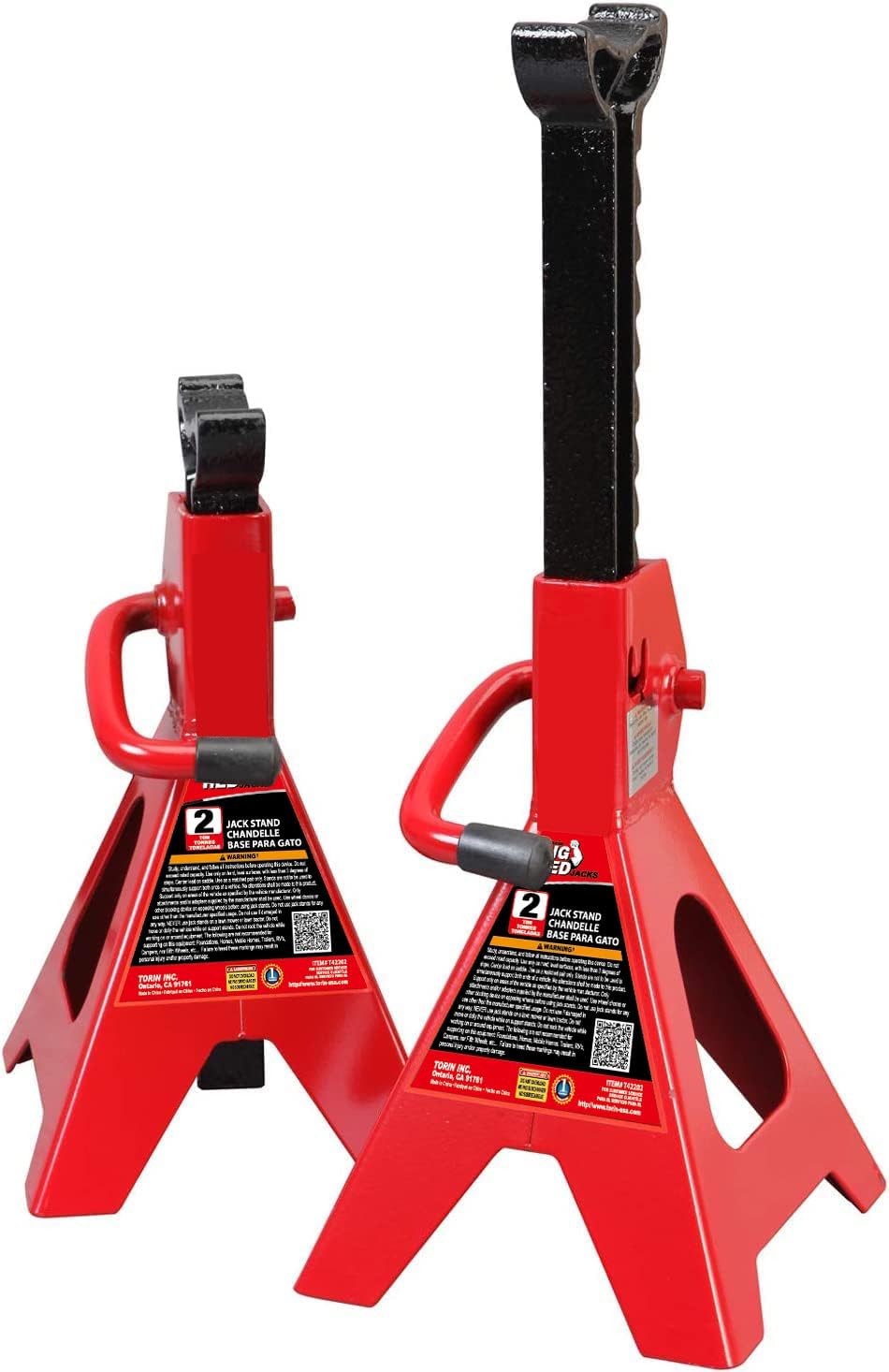
Park on level ground, let the engine cool fully, and disconnect the negative battery cable. Chock the wheels, raise the front of the vehicle with a floor jack, and support it securely on jack stands placed under approved lift points.
Remove any lower splash shields, braces, or covers that block access. If the oil pan cannot clear the subframe or crossmember, review the service procedure before taking anything apart so you know whether the engine must be supported and lifted.
- Keep a large drain pan ready; both oil and residual cleaner will drip during disassembly.
- Label bolts by component, especially timing cover and oil pan hardware with different lengths.
- Photograph routing of wiring brackets, cooler lines, and accessory components before removal.
- Have torque specs and sealant cure times available before reassembly starts.
Drain the Oil and Remove Obstructing Components
Drain the engine oil and remove the oil filter. Reinstall the drain plug loosely for now if needed to reduce dripping. Then remove components that block oil pan or front cover access, which may include the starter, exhaust sections, steering linkage, skid plates, accessory belt, harmonic balancer, engine mount brackets, or A/C compressor bracket.
Work Carefully Around Sealed Surfaces
Avoid prying aggressively on aluminum housings or pan rails. Use the factory pry points if provided. If RTV is holding the pan or front cover, tap gently with a rubber mallet to break the seal without bending the flange.
Tools That Make This Job Easier


Remove the Oil Pan and Access the Pump
Once the surrounding parts are out of the way, remove the oil pan bolts and lower the pan. On some vehicles, the pan may need to slide forward or backward before it drops free. Watch for hidden bolts at the transmission bellhousing, front cover, or inside the pan lip.
Inspect the inside of the oil pan immediately. Heavy sludge, metal flakes, bearing material, or plastic timing guide debris can explain low oil pressure and may mean the pump is not the only problem. If you find significant metal contamination, stop and reassess the engine’s overall condition before installing a new pump.
Remove the Pickup Tube
The oil pickup tube usually bolts to the pump and sometimes to a main cap or windage tray for support. Remove the mounting bolts and pull the tube straight out. Replace the pickup tube O-ring or gasket no matter how it looks. A hardened or cut O-ring can cause aeration and low oil pressure even with a brand-new pump.
Remove the Old Oil Pump
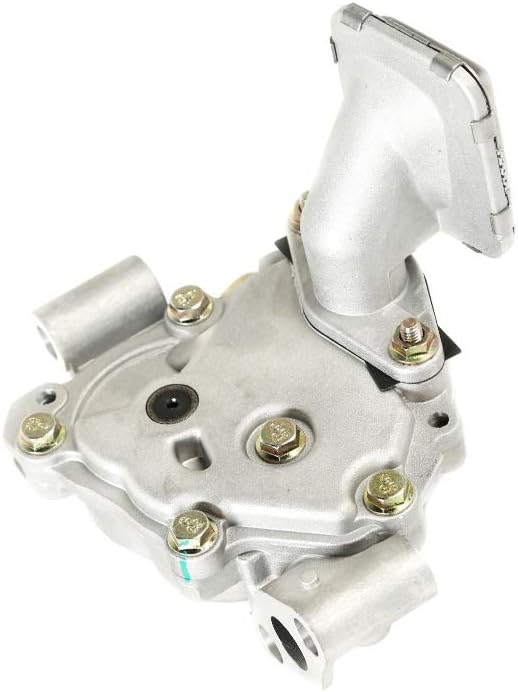
The exact removal method depends on engine design. Some pumps bolt directly to the front of the block or main cap area. Others are integrated into the front cover and driven by the crankshaft. Follow the factory sequence if the pump is tied to timing components.
- Remove the pump mounting bolts in an even pattern.
- Slide the pump off its drive gear, shaft, or crank snout as designed.
- Inspect the pump cavity, pressure relief valve area, and drive surfaces for scoring or seizure marks.
- Compare the old and new pump carefully before installation, including bolt pattern, pickup mounting points, drive depth, and relief valve orientation.
If the pump is driven by an intermediate shaft or distributor gear on an older engine, verify the shaft stays engaged correctly during removal. If timing components had to come off, keep timing marks aligned and avoid rotating the crankshaft or camshafts unnecessarily until reassembly.
Inspect Related Parts Before Installing the New Pump
A new oil pump cannot overcome serious internal engine wear. Before installation, inspect the pickup screen, crankshaft area, chain guides if visible, and bearing material in the pan. If the old pump failed mechanically, flush out debris and clean the pan thoroughly so contamination does not enter the new pump immediately.
Items Worth Checking Now
- Pickup tube screen for sludge, silicone fragments, or metal particles.
- Oil pump drive shaft, crank flats, or gear interface for wear.
- Front crank seal and timing cover seal surfaces if the front of the engine is apart.
- Oil pan flange for bends that can cause future leaks.
- Thread condition in aluminum housings and block mounting holes.
Prime and Install the New Oil Pump
Priming is one of the most important parts of this repair. Many manufacturers recommend packing the pump gears with assembly lube or petroleum jelly, or pre-lubing with clean engine oil, so the pump can build suction immediately on first crank. Use only the method specified for your engine and pump design.
Lubricate any O-rings with clean oil, install new seals, and position the pump squarely on its mounting surface. Start all bolts by hand, then tighten them evenly. Final-torque the pump bolts to factory specification with a torque wrench. Over-tightening can distort the housing or strip threads, especially in aluminum.
Install the Pickup Tube Correctly
Fit the new pickup tube O-ring or gasket and install the tube without forcing it. Make sure the support bracket, if equipped, is in place and the tube seats fully. Torque the pickup fasteners to spec. A loose pickup bolt or pinched O-ring can cause a no-pressure condition right after startup.
Recommended Tools for This Job


Reinstall the Oil Pan and Front Components
Clean all gasket surfaces completely with a scraper and solvent safe for the material. Surfaces must be dry, flat, and free of old RTV. If your engine uses formed rubber gaskets, replace them. If it uses RTV, apply the correct bead size and place extra sealant only at factory-specified joints such as timing cover corners and main cap seams.
Reinstall the oil pan and finger-start all bolts before tightening. Snug the bolts in a crisscross pattern, then torque them in stages to spec. If the timing cover, harmonic balancer, or engine mount brackets were removed, reinstall them in the correct order and torque all fasteners to factory values.
Important Torque and Sealing Notes
- Do not guess torque values for oil pan, pickup tube, or pump bolts.
- Do not overapply RTV; excess sealant can squeeze inside and clog the pickup screen.
- Observe any required RTV skin time or cure time before adding oil or starting the engine.
- If the harmonic balancer bolt is torque-to-yield, replace it if the service manual calls for it.
Refill Oil and Build Oil Pressure Safely
Install a new oil filter and refill the engine with the correct oil type and quantity. Before allowing the engine to start normally, build oil pressure as safely as possible. On some engines, you can disable fuel and ignition and crank the engine in short bursts until the oil pressure light goes out or the gauge shows pressure. On older distributor-driven systems, a priming tool may be used instead if the engine design allows it.
Once pressure is confirmed, reconnect or re-enable the systems and start the engine. The oil pressure light should go out quickly. Listen carefully for knocking, rattling, or sustained valvetrain noise. If pressure does not build within a few seconds, shut the engine off immediately and recheck the pump prime, pickup tube seal, oil level, and installation.
Final Checks After Installation
Let the engine idle while inspecting for leaks around the oil pan, filter, front cover, drain plug, and any components you removed. Verify that no tools or rags were left in the engine bay and that all brackets, shields, and wiring clips are back in place.
- Check oil level again after the engine runs and the filter fills.
- Watch the oil pressure gauge or warning light during the first full warm-up.
- Reinspect for leaks after a short test drive.
- If subframe, mount, or steering parts were loosened, verify those fasteners are torqued and aligned correctly.
Common Mistakes to Avoid
- Replacing the pump without confirming actual low oil pressure using a mechanical gauge.
- Skipping pump priming and assuming it will self-prime immediately.
- Reusing the pickup tube O-ring or leaving the pickup support bracket loose.
- Using too much RTV and risking a blocked pickup screen later.
- Ignoring metal debris in the pan that points to deeper engine damage.
- Starting the engine before checking that oil pressure builds properly.
If the engine had low oil pressure because of worn bearings, a new pump may raise pressure only temporarily or not at all. That is why diagnosis before and inspection during disassembly matter as much as the replacement itself.
Key Takeaways
- Confirm low oil pressure with a mechanical gauge before replacing the oil pump.
- Always replace the pickup tube O-ring or gasket and inspect the screen for sludge or debris.
- Prime the new pump exactly as the manufacturer recommends before first startup.
- Use factory torque specs and correct RTV placement to prevent leaks and oil starvation.
- Shut the engine off immediately if oil pressure does not build within a few seconds after startup.
FAQ
Can I Replace an Oil Pump Without Removing the Engine?
On many vehicles, yes, but you may still need to remove the oil pan, front cover, harmonic balancer, or lift the engine slightly. Some engine layouts make the job much more involved, so check the service procedure for your exact vehicle.
Do I Always Need to Replace the Pickup Tube O-ring?
Yes. It is inexpensive and critical to proper oil pump suction. A reused or damaged O-ring can cause low oil pressure or delayed pressure after startup.
How Do I Know if the Oil Pump Is Bad and Not Just the Sensor?
Use a mechanical oil pressure gauge to verify actual pressure. A bad pressure sensor or wiring issue can trigger a warning light even when the engine’s oil pressure is normal.
Should I Prime the Oil Pump Before Installation?
Yes, if your pump or service manual calls for it. Many pumps should be packed or pre-lubed so they can create suction right away. Skipping this step can delay oil pressure and damage the engine.
What Happens if I Use Too Much RTV on the Oil Pan?
Excess RTV can squeeze inward, break loose, and clog the pickup screen. Use only the bead size and placement specified by the manufacturer.
Will a New Oil Pump Fix Low Oil Pressure From Worn Bearings?
Usually not for long, and sometimes not at all. If the engine has excessive internal bearing clearance, the pump cannot fully compensate for that wear.
How Long Should It Take for Oil Pressure to Come Up After Replacement?
After proper priming and pre-cranking, pressure should build quickly on startup. If the warning light stays on or the gauge does not respond within a few seconds, shut the engine off and inspect the installation.
Is It Smart to Replace Anything Else While I Am in There?
Yes. Common related replacements include the pickup tube seal, oil pan gasket, front cover gasket set, front crank seal, fresh oil, and a new oil filter. If timing components are already removed and worn, consider servicing them at the same time.
Need Parts for This Repair?
The right parts and supplies vary by vehicle.
Select your make and model to find compatible parts and accessories for your car.
Exact Fit
Parts that fit your make and model
Quality You Can Trust
Top brands and OEM quality options
Fast Shipping
Get the parts you need, delivered fast