

Note: This article contains affiliate links. If you click on these links and make a purchase, I may earn a small commission at no extra cost to you. This helps support my research and content. Read my full affiliate disclosure here.
Repair Snapshot
Use a professional if you have persistent vibration after rotating and balancing, bent wheels, uneven tire wear, or low-profile tires on expensive alloy wheels. A shop is also the better choice if you do not have safe lifting equipment or access to a proper balancer.
This article is part of our Wheels and Tires Maintenance & Repair Guides.
Tire balancing reduces vibration by making sure the wheel-and-tire assembly spins evenly at speed. When a tire is out of balance, you may feel a shake in the steering wheel, seat, or floor, especially between about 50 and 75 mph.
For most DIY owners, the important thing to know is that balancing is not the same as alignment. Alignment corrects wheel angles; balancing corrects uneven weight distribution around the tire and wheel. You can do basic balancing checks at home and even perform simple static balancing with the right tools, but a professional spin balancer is still the most accurate option for many vehicles.
This guide explains when balancing is needed, what symptoms to look for, how to do a careful DIY balance, and when it makes more sense to let a tire shop handle the job.
What Tire Balancing Does and when It Is Needed
A tire and wheel assembly is balanced when its weight is evenly distributed around the axle centerline. If one area is slightly heavier, centrifugal force increases as the wheel spins and that heavy spot starts to create vibration. Small corrective weights are added to offset that imbalance.
Common Signs Your Tires May Be Out of Balance
- Steering wheel shake at highway speed, especially in a narrow speed range.
- Seat or floor vibration that gets worse as speed increases.
- A recent tire installation, puncture repair, or wheel weight that fell off.
- Cupping or scalloped tire wear that developed after driving with vibration.
- A vehicle that was smooth before a pothole hit or curb strike and now shakes.
When Balancing Is Typically Recommended
Balance tires whenever new tires are installed, when a tire is dismounted and remounted, after repairing damage that affects the tire or wheel, or whenever vibration points to imbalance. It is also smart to inspect for missing wheel weights during routine tire rotations.
If your tires are wearing unevenly, the issue may not be balancing alone. Incorrect pressure, worn suspension parts, bent wheels, and poor alignment can all cause similar symptoms or make an imbalance feel worse.
Before You Start: Important Checks That Prevent Wasted Effort
Before adding any weights, inspect the basics. Trying to balance a damaged tire, a bent wheel, or a loose front-end component often wastes time because the vibration will remain even if the assembly is technically balanced.
Check Tire Pressure First
Set all tires to the vehicle placard pressure, not the number molded on the tire sidewall. Underinflated or overinflated tires can change ride feel and confuse your diagnosis. If one tire was significantly low, correct the pressure and road-test the vehicle before doing anything else.
Inspect the Tires and Wheels
- Look for bulges, separated tread, exposed cords, or severe flat spotting.
- Check both wheel lips for bends, cracks, or visible wobble.
- Inspect for mud, packed snow, tar, or debris stuck inside the wheel barrel.
- Look for fresh adhesive residue or clip marks that suggest a weight fell off.
- Verify that all lug nuts are present and the wheel seats correctly on the hub.
Rule Out Non-balance Causes
Vibration under braking usually points more toward warped brake rotors or uneven pad deposits than tire balance. A shake that changes when cornering can suggest a wheel bearing or suspension issue. If the vehicle wanders, pulls, or scrubs tires, alignment may be the main problem.
How to Diagnose Which Tire May Be Causing the Vibration
The location of the vibration gives useful clues. Front tire imbalance is more likely to show up in the steering wheel. Rear tire imbalance often feels like a shake in the seat or body. That is not a perfect rule, but it is a good starting point.
Use a Careful Road Test
On a smooth road, note the speed range where the vibration starts, peaks, and fades. Lightly accelerate through that range, then maintain speed. If the vibration is present regardless of throttle input, it is more likely tire or wheel related than drivetrain related.
Try a Front-to-rear Rotation as a Quick Diagnostic
If your tire setup allows rotation and the tires are the same size front to rear, move the front wheels to the rear and the rear wheels to the front using a proper rotation pattern. If the steering wheel shake changes to a seat vibration or becomes noticeably different, you have narrowed the problem to a tire-and-wheel assembly.
Mark Each Wheel Before Removal
Use chalk or a paint marker to label each wheel position before you remove anything. That makes it easier to track whether one assembly repeatedly causes the issue and helps if you later decide to take the car to a tire shop for machine balancing.
Tools That Make This Job Easier


How to Balance Tires at Home with a Static Balancer
A DIY home method usually means static balancing, not the dynamic two-plane balancing done by a modern spin balancer. Static balancing can work well enough for many standard passenger-car tires, especially if the imbalance is mild and the wheel is otherwise in good condition.
Prepare the Vehicle Safely
- Park on a level surface, set the parking brake, and chock the wheels that stay on the ground.
- Loosen the lug nuts slightly before lifting the vehicle.
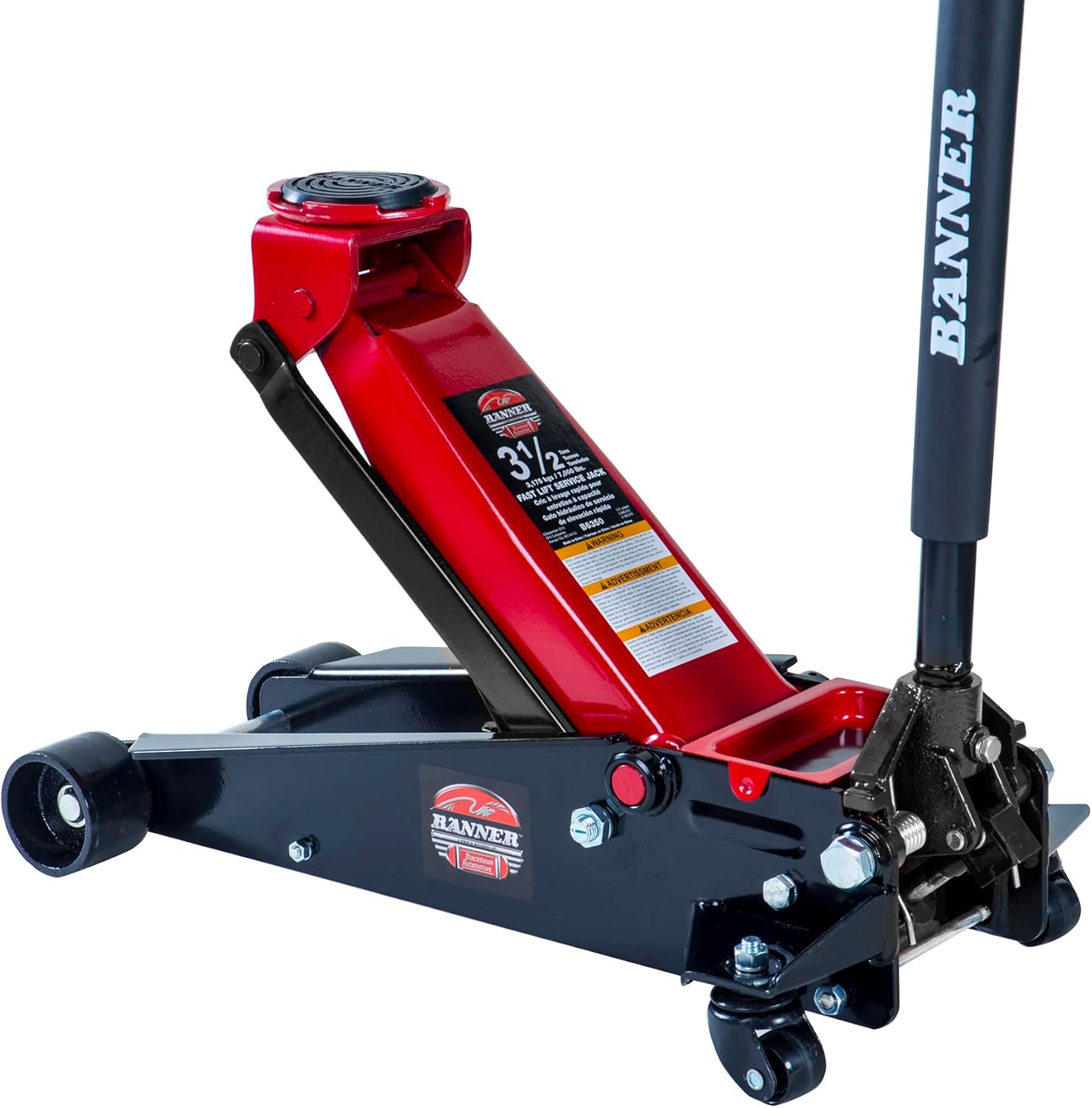
- Raise one corner with a floor jack and support it securely on jack stands.
- Remove the wheel and keep the lug nuts together so they do not pick up dirt.
Clean the Wheel Before Balancing
Remove all old adhesive residue, dirt, and brake dust from the inside of the wheel where weights may be applied. Use rubbing alcohol or brake cleaner on a rag and let the surface dry fully. Adhesive weights will not hold well on a dirty or oily wheel.
Mount the Wheel on the Balancer
Follow the balancer manufacturer’s setup instructions so the wheel is centered correctly. If the wheel is mounted crooked on the balancing stand, your readings will be inaccurate. Make sure the wheel rotates freely and comes to rest naturally.
Find the Heavy Spot
Gently rotate the wheel and let it stop on its own several times. Mark the point that repeatedly settles to the bottom. That is generally the heavy spot. The corrective weight is usually added to the opposite side, near the top.
Add Weight Gradually
Start with a small amount of weight, such as a quarter ounce or the metric equivalent, placed opposite the heavy spot. Spin the wheel lightly again and see whether it now stops in random positions instead of returning to the same place. Add or remove weight in small increments until the wheel no longer favors one position.
Secure the Weights Correctly
If you are using adhesive weights, press them onto a fully cleaned area and hold firm pressure for several seconds. If temperatures are very low, warm the wheel and the tape slightly so the adhesive bonds properly. For clip-on weights, use the correct type for the wheel flange to avoid damage or poor retention.
Reinstall the Wheel and Torque the Lug Nuts
Put the wheel back on, hand-thread the lug nuts, lower the vehicle enough for the tire to touch lightly, and torque the lug nuts in the correct pattern to the manufacturer’s specification. Never guess on lug nut torque, especially on alloy wheels.
What to Expect From DIY Balancing Versus Shop Balancing
DIY balancing can reduce a mild vibration, but it has limits. A professional machine spins the assembly at speed and measures imbalance across inner and outer planes, which is more precise than home static balancing. That matters most on modern alloys, wider tires, and vehicles that are sensitive to vibration.
Where DIY Works Best
- Small passenger vehicles with standard wheel-and-tire sizes.
- Situations where a wheel weight obviously fell off and the imbalance is mild.
- Owners who already have a quality balancing stand and enough patience to fine-tune.
Where a Shop Has the Clear Advantage
- Low-profile tires, larger diameter wheels, and performance vehicles.
- Persistent vibration after tire rotation or home balancing attempts.
- Bent wheels, road-force variation, or tires that need match mounting.
- Vehicles with wheel designs that make weight placement difficult.
Some shops also offer road-force balancing, which can identify a tire that is technically balanced but still causes vibration because of stiffness variation or wheel runout. If you have repeated shake after standard balancing, that extra diagnostic step can be worth the cost.
Detailed Step-by-step DIY Balancing Procedure
If you want a straightforward process to follow, use this sequence. It is designed to keep the job organized and reduce the chance of chasing the wrong problem.
- Confirm the vibration is speed-related and not mainly caused by braking, acceleration, or cornering.
- Set all tire pressures to the door-jamb placard specification.
- Inspect every tire and wheel for damage, stuck debris, and missing weights.
- Mark wheel positions before removal.
- Lift the vehicle safely, remove one wheel, and clean the inside barrel thoroughly.
- Mount the wheel correctly on the static balancer or bubble balancer.
- Let the assembly settle naturally several times and mark the heavy point.
- Apply a small test weight opposite the heavy point.
- Repeat the check and fine-tune the amount and placement until the wheel no longer consistently rotates to one position.
- Reinstall the wheel and torque the lug nuts to spec.
- Repeat the process for any other suspect wheel assemblies.
- Road-test the vehicle on a smooth road and note whether the vibration improved, moved, or stayed the same.
Do not try to correct a large vibration by stacking too much weight onto a wheel. If you need an unusually large amount of weight, suspect a bent wheel, poorly seated tire bead, internal tire problem, or a wheel that was not centered correctly on the balancer.
Recommended Tools for This Job


Common Mistakes to Avoid
Balancing a Damaged Tire
A tire with a belt separation, sidewall bulge, or severe irregular wear should be replaced, not balanced. No amount of added weight will make it ride properly or safely.
Skipping Wheel Cleaning
Adhesive weights that are installed over dust, moisture, or old tape may fall off quickly. Clean metal and proper prep matter more than many DIYers expect.
Confusing Balance with Alignment
If the vehicle pulls to one side, has off-center steering, or shows inside or outside edge wear, you may need an alignment even if the tires are balanced. These are separate services.
Ignoring Lug Torque
Uneven or excessive lug nut torque can distort brake components, affect wheel seating, and create vibration complaints that feel like balance problems. Always torque fasteners correctly.
Assuming Every Vibration Is Tire-related
Bad engine mounts, worn CV axles, driveshaft issues, loose suspension parts, and wheel bearings can all create vibrations. If the symptom pattern does not match classic tire imbalance, broaden the diagnosis.
How Often Tires Should Be Balanced
There is no single mileage rule that fits every vehicle, but balancing is commonly done whenever new tires are installed and whenever vibration appears. Many owners also have balance checked during tire replacement or if a shop notices a missing weight during rotation.
Reasonable Real-world Intervals
- At every new tire installation.
- Any time a tire is dismounted and remounted.
- After hitting a major pothole or curb if vibration starts afterward.
- When wheel weights are missing or loose.
- Any time speed-related steering wheel or seat vibration develops.
If your car is smooth and tire wear is even, you do not usually need to rebalance on a fixed schedule alone. Symptoms and recent tire service are better triggers than arbitrary mileage.
When to Stop and Let a Professional Handle It
Home balancing is best treated as a practical DIY option for mild, straightforward cases. If the shake remains after careful work, more advanced equipment or inspection is usually the next step.
- The wheel appears bent or the tire has visible damage.
- The vibration is severe, gets worse quickly, or occurs at multiple speeds.
- You added weight carefully but the assembly still settles to a heavy spot.
- The tire needs a large amount of corrective weight.
- You suspect road-force variation, suspension wear, or bearing play.
- You are working with expensive wheels that could be marred by the wrong weights or tools.
A shop can also check radial and lateral runout, verify bead seating, and determine whether the tire should be match-mounted or replaced. That can save money compared with repeatedly guessing at the cause.
Key Takeaways
- Start with tire pressure, visible tire damage, wheel damage, and missing weights before attempting any balancing.
- DIY static balancing can help mild vibrations, but machine balancing is usually more accurate and faster.
- Steering wheel shake often points to a front tire issue, while seat vibration more often suggests a rear tire issue.
- If a wheel needs an unusually large amount of weight, suspect a bent wheel, bad tire, or incorrect setup rather than adding more weight.
- Persistent vibration after balancing means it is time to check alignment, suspension, wheel runout, or road-force issues at a shop.
FAQ
Can I Balance Tires Without a Machine?
Yes, you can do basic static balancing at home with a bubble balancer or balancing stand, but it is less precise than professional dynamic balancing. It can reduce mild vibration, but it may not fully solve issues on larger, wider, or low-profile tires.
What Speed Does Tire Imbalance Usually Show Up?
Many imbalance complaints show up between about 50 and 75 mph, though the exact speed varies by vehicle and tire. A shake that appears mainly in one highway-speed range is a classic clue.
Is Tire Balancing the Same as Wheel Alignment?
No. Balancing corrects uneven weight distribution in the tire-and-wheel assembly, while alignment adjusts suspension angles so the wheels point and track correctly. A car can need one service, the other, or both.
How Much Wheel Weight Is Too Much?
There is no universal cutoff because tire and wheel sizes vary, but an unusually large amount of weight should make you suspicious. It can indicate a bent wheel, poor tire uniformity, incorrect centering on the balancer, or a tire that should be remounted or replaced.
Will Balancing Fix Uneven Tire Wear?
It can help prevent further wear if imbalance caused the issue, but it will not repair existing wear. If the uneven wear pattern came from bad alignment, worn suspension parts, or incorrect pressure, those problems must be fixed too.
Can a Missing Wheel Weight Cause Noticeable Vibration?
Yes. Even a small missing weight can create a noticeable vibration at highway speed. If you see fresh adhesive residue or a clip mark where a weight used to be, that is a strong clue.
Should I Balance All Four Tires or Just the One Causing Vibration?
If only one assembly clearly lost a weight and the rest are in good condition, you may address that wheel first. But if the tires have not been serviced in a while or the vibration source is uncertain, checking all four is the better approach.
Do New Tires Always Need Balancing?
Yes, new tires should always be balanced when installed. Even brand-new tires and wheels have slight weight variations that need correction for a smooth ride and normal tire wear.
Need Parts for This Repair?
The right parts and supplies vary by vehicle.
Select your make and model to find compatible parts and accessories for your car.
Exact Fit
Parts that fit your make and model
Quality You Can Trust
Top brands and OEM quality options
Fast Shipping
Get the parts you need, delivered fast