

Note: This article contains affiliate links. If you click on these links and make a purchase, I may earn a small commission at no extra cost to you. This helps support my research and content. Read my full affiliate disclosure here.
If your Highlander is showing signs of driveline vibration or unusual noise, picking the right driveshaft can make a big difference in how the vehicle feels and performs. You want a unit that fits precisely, maintains correct balance, and uses durable joints so you do not trade one issue for another.This guide shortlists the top choices for Toyota Highlander driveshafts based on fitment, balance, and construction quality. Below you will find the shortlisted options and the key criteria we used to evaluate them before the product list.
Looking for other parts? See all Toyota Highlander parts & accessories.
Top Picks at a Glance
| Best overall The best all-around choice for most situations | A-Premium Rear Driveshaft Assembly (3-Piece) Compatible with Toyota Highlander and Lexus RX AWD |  |
| Best Quality Built to a higher standard if you want something more solid | Dorman 936-722 Rear 2-Piece Steel Driveshaft Assembly (serviceable U-joints) |  |
| Best Value The sweet spot between price and what you get | SCITOO Rear Driveshaft Assembly for Toyota Highlander (2001–2007) |  |
| Highest Rated A top-rated pick with lots of positive feedback | A-Premium Rear Drive Shaft Assembly for Toyota Highlander (Rear, AWD) |  |
| Most Popular A crowd favorite that many people choose with confidence | SCITOO Rear Driveshaft Assembly for Toyota Highlander (Rear) |  |
| Best Seller A high-volume bestseller chosen again and again | SYKRSS 946-164 Rear Drive Shaft Assembly for Lexus RX330/ RX350 and Toyota Highlander | 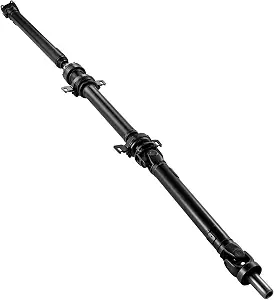 |
1. A-Premium Rear Driveshaft Assembly (3-Piece) Compatible with Toyota Highlander and Lexus RX AWD

| Position | Rear |
|---|---|
| Compatible Models | Toyota Highlander 2001-2007 AWD; Lexus RX330 2004-2006 AWD; RX350 2007-2009 AWD |
| Shaft Material | Steel |
| Shaft Length | 89.125 inch |
This A-Premium rear driveshaft is a three-piece replacement engineered for rear-position duty on AWD Toyota Highlander (2001–2007) and Lexus RX330/350 (2004–2009) models. It installs like a direct replacement and is intended to eliminate vibration and driveline noise caused by worn universal joints or a failing center support. Notable features claimed include corrosion-resistant coatings, vibration damping, and serviceable universal joints, which practical users report make installation and future maintenance easier. The assembly arrives as a complete unit so you can swap it in without rebuilding the old shaft, and buyers commonly report quick fits and improved driving smoothness after installation. Downsides to consider are mixed long-term reports on durability with some early failures noted in reviews, and the aftermarket construction may not match factory metallurgy in every case. This part is a cost-effective option compared with dealer replacements, but diligent inspection at installation and proper transfer case fluid levels are advisable to get the best durability and performance.
Best for: Balanced buyers who want a cost-effective, ready-to-install replacement to restore smooth driveline operation on a Highlander or compatible Lexus and prefer a practical, maintainable part over dealership pricing.
Less Ideal for: Drivers planning heavy towing, extreme off-road use, or those who prioritize factory-spec metallurgy and the longest possible service life should consider higher-end or dealer-sourced options.
- Direct-fit rear driveshaft for specified Highlander and Lexus AWD years so installation is straightforward
- Three-piece assembly with serviceable universal joints simplifies future repairs or U-joint replacement
- Corrosion-resistant finish and advertised vibration damping aimed at restoring smooth driveline operation
- Supplied as a complete unit which avoids time spent rebuilding the old shaft
- Some reviewers report early failures of center support bearing or U-joints indicating variable long-term durability
- Aftermarket materials and construction may differ from factory-quality components for high-mileage or heavy-duty use
Verdict: A practical, complete rear driveshaft replacement that restores smoothness at a fraction of dealer cost but with mixed long-term durability reports.
2. Dorman 936-722 Rear 2-Piece Steel Driveshaft Assembly (serviceable U-joints)

| Model | Dorman 936-722 |
|---|---|
| Manufacturer Part Number | 936-722 |
| Exterior | Ready To Paint If Needed |
| OEM Part Number | 65-5000; SK936722; TOP-006; 3710042090 |
This Dorman rear driveshaft is a fully new, factory-balanced two-piece assembly intended to replace original non-serviceable shafts so the universal joints can be serviced during routine maintenance. It ships pre-assembled and balanced for immediate installation and is aimed at technicians or experienced owners who want a direct replacement that restores serviceability rather than a remanufactured core. Typical use is direct swap-in replacement to regain the ability to change U-joints without replacing the whole shaft, which simplifies future repairs and reduces long-term maintenance cost. Notable features include all-new construction, factory balancing, and a ready-to-paint exterior for a discreet finish. Practical benefits are reduced downtime during U-joint service and elimination of remanufactured part concerns. Limitations are fitment must be confirmed for your Highlander variant and model year and the part requires familiar installation procedures for two-piece shafts and alignment to maintain smooth operation.
Best for: Performance-oriented buyers who prioritize durable, serviceable driveline components and want a direct replacement that supports future U-joint servicing and predictable high-speed balance.
Less Ideal for: Buyers seeking a universal or one-size-fits-all solution or those who prefer a remanufactured, lower-cost option without concern for future serviceability.
- Factory-balanced and shipped pre-assembled for immediate installation
- All-new manufacturing avoids remanufactured core issues
- Makes U-joints serviceable for simpler future maintenance
- Ready-to-paint exterior for corrosion protection or cosmetic matching
- Requires verifying exact fit for specific Highlander model year and trim before installation
- Two-piece installation and alignment require mechanical familiarity or shop service
Verdict: A new, factory-balanced two-piece driveshaft that restores serviceable U-joints for cleaner maintenance and reliable driveline performance.
3. SCITOO Rear Driveshaft Assembly for Toyota Highlander (2001–2007)

| Fitment | Toyota Highlander 2001–2007 AWD Rear |
|---|---|
| Position | Rear |
| OEM Part Numbers | 37100-48020, 3710048020, 946-164, 65-5008 |
This SCITOO rear driveshaft is a complete replacement propeller shaft built to fit Toyota Highlander AWD models from 2001–2007. It is used to replace a worn or damaged rear driveshaft and restore smooth torque transfer from the transmission to the rear differential. The assembly arrives ready to install and is constructed from steel with a painted finish and protective coating to resist corrosion. Notable features include factory-compatible OEM part numbers for fitment, a slip length range to match factory travel, and preassembled joints that save the time and effort of rebuilding U-joints and carrier bearings. In practice this means a relatively quick swap that can remove vibration and driveline noise without the extra labor of pressing parts. Limitations include variable long-term durability reported by some users and occasional differences in grease or preassembly practices, so careful inspection before installation is advised. Expect a sensible, budget-friendly replacement that restores drivability when the original shaft is failing.
Best for: Practical optimizers who want a cost-effective, direct replacement to restore drivetrain smoothness quickly without rebuilding components themselves.
Less Ideal for: Drivers seeking a long-term factory-quality or performance upgrade for heavy-duty towing or extreme off-road use should consider higher-end or OEM options instead.
- Complete, ready-to-install rear driveshaft assembly that avoids rebuilding U-joints and carrier bearings
- Listed OEM-compatible part numbers for direct fit to Highlander rear driveline
- Steel construction with painted protective layer for corrosion resistance
- Preassembled slip length that matches factory travel to reduce installation adjustments
- Some buyers report inconsistent pre-greasing or short-term failures on heavy-use vehicles
- Aftermarket quality can vary compared with factory parts, so long-term reliability is not guaranteed
Verdict: A practical, ready-to-install rear driveshaft that restores drivability on Highlander AWD models at a lower cost than rebuilding or OEM replacement.
4. A-Premium Rear Drive Shaft Assembly for Toyota Highlander (Rear, AWD)

| Position | Rear |
|---|---|
| Shaft Spline Count | 21 |
| Shaft Material | Steel |
| Compatible Models | Toyota Highlander 2008-2014 AWD |
This A-Premium rear driveshaft replaces the factory rear prop shaft on AWD Toyota Highlander models and restores driveline connection between the transmission and rear differential. It is supplied as a complete assembly built from steel with 21 splines and painted exterior surfaces to resist corrosion. Typical use is direct replacement during driveline repair or when diagnosing persistent vibrations or driveline noise; the unit’s precision construction and vibration-damping claims aim to reduce driveline shudder and improve ride stability. The assembly ships with measured extended and compressed lengths for easier fitment and is designed for bolt-in installation without modifying the vehicle. Important limitations are that fitment is specific to Highlander AWD configurations and buyers should confirm spline count and reference numbers match their vehicle; the product comes from an aftermarket brand rather than the original factory manufacturer so finish and tolerance can vary between units.
Best for: Reliability-focused buyers who prioritize restoring factory driveline function and long-term dependability on AWD Toyota Highlander models from 2008–2014.
Less Ideal for: Buyers seeking a factory-manufactured OEM part or those who need a driveshaft for non-AWD Highlander configurations should look elsewhere.
- Complete assembly for straightforward bolt-in replacement
- Steel construction and painted exterior for corrosion resistance
- Precision 21-spline shaft intended to match factory engagement
- Designed to reduce vibration and improve driving stability
- Aftermarket unit rather than factory-manufacturer part so fit and finish may vary
- Compatibility limited to specified Highlander AWD model years and engine options
Verdict: A ready-to-install aftermarket rear driveshaft built to restore driveline function and reduce vibration on AWD Toyota Highlander models from 2008–2014.
5. SCITOO Rear Driveshaft Assembly for Toyota Highlander (Rear)

| Position | Rear |
|---|---|
| Material | Steel |
| OEM Part Number | 37100-48030 / 3710048030 |
| Item Weight | 47.4 pounds |
This SCITOO rear driveshaft is a direct-fit replacement intended for Toyota Highlander rear applications across listed 2.7L, 3.3L and 3.5L model years. It is a full driveshaft assembly built from steel with pressed-in U-joints and a center support design that aims to restore drivetrain smoothness and reduce vibration and noise. Typical use is as a factory-replacement part during a rear driveshaft failure or when worn U-joints or carrier bearings cause driveline shudder. Notable features include factory-style mounting, a painted finish for corrosion resistance, and replaceable U-joints so future service is simpler than some factory crimped designs. Practical benefits are straightforward installation for a measured direct-fit swap and a build that balances durability with value for everyday driving. Limitations in some reports include occasional fitment adjustments at the flange and a small number of units showing vibration at certain speeds, so careful measurement and inspection before installation are advised.
Best for: Convenience-driven buyers who want a straightforward, ready-to-install replacement driveshaft to get their Highlander back on the road quickly with minimal specialist modification.
Less Ideal for: Drivers seeking a zero-compromise, performance-balanced upgrade for high-speed or heavy-duty towing use should consider professionally balanced or heavy-duty aftermarket shafts instead.
- Direct-fit design intended to replace factory rear driveshafts for specified Highlander years
- Steel construction and painted finish for durability and corrosion resistance
- Pressed-in U-joints that can be serviced or replaced without replacing the entire shaft
- Designed to reduce driveline noise and vibration compared with worn components
- Some buyers reported minor fitment work at the flange to achieve proper mating with the differential
- A few reports note slight vibration at highway speeds suggesting factory balancing may vary
Verdict: A practical, direct-fit rear driveshaft replacement for Toyota Highlander owners who need a quick, serviceable repair that restores drivability.
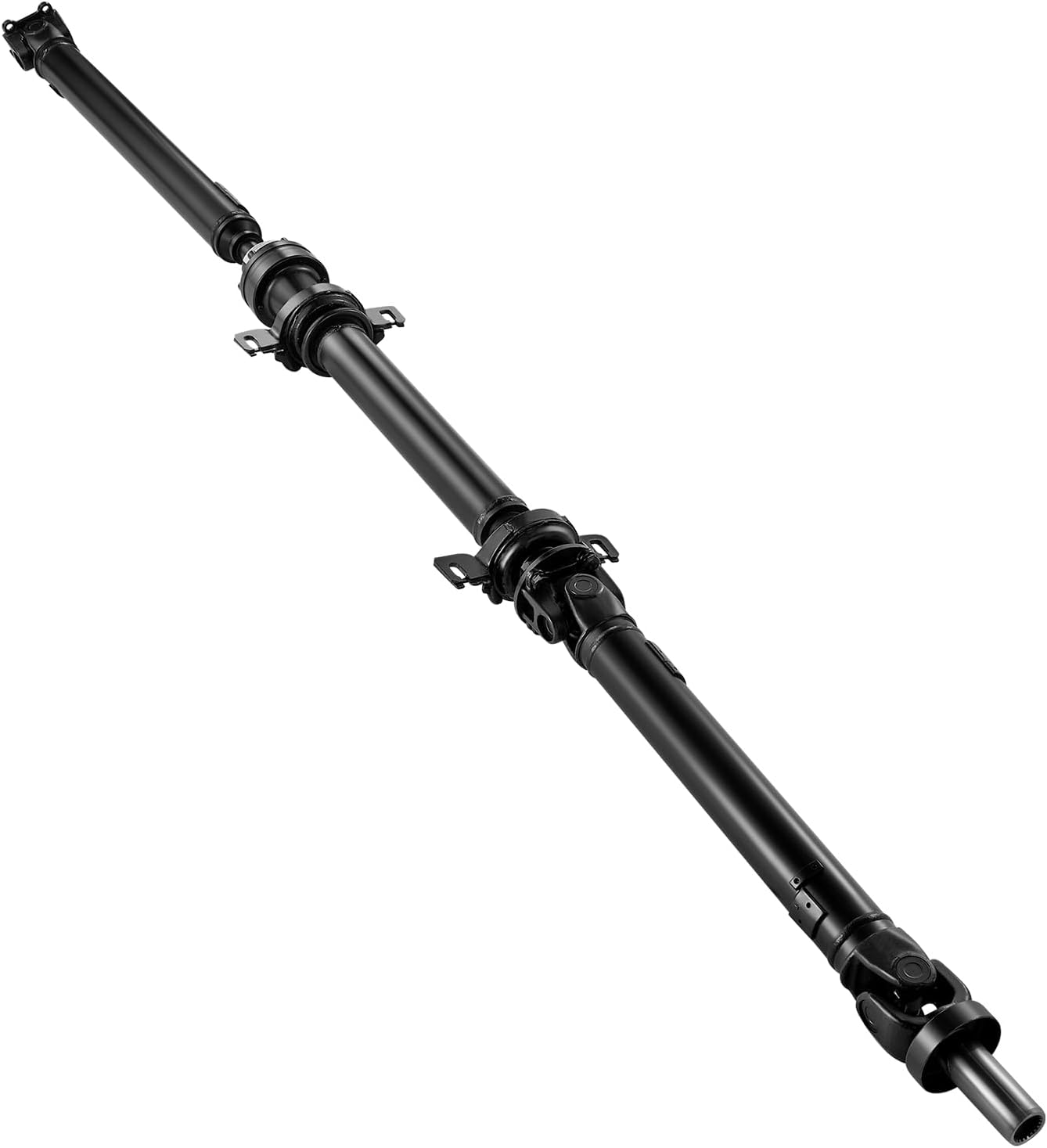
6. SYKRSS 946-164 Rear Drive Shaft Assembly for Lexus RX330/ RX350 and Toyota Highlander
| Position | Rear Side |
|---|---|
| Material | High-Strength Alloy Steel |
| Part Numbers | 946-164, 65-5008, 3710048020 |
This SYKRSS 946-164 rear drive shaft assembly is a replacement unit intended to restore smooth torque transfer and reduce vibration on compatible Lexus RX and Toyota Highlander models. It installs as a complete shaft with universal joints preassembled, so it is typically used as a straight swap for a worn or damaged rear drive shaft. The part is made from high-strength alloy steel and is precision balanced to help minimize driveline vibration and improve longevity under normal driving. Buyers will appreciate that the universal joints and pins come factory set, which reduces the need for specialist tools during installation. Limitations to note are that fitment must be verified carefully since one reviewer reported a slip yoke diameter mismatch on a 2006 RX330, and some buyers may prefer purchasing from a supplier that provides explicit OEM measurements. Expect this to be a practical, cost-effective repair option when the fit matches the vehicle and installation is done following standard driveline alignment practices.
Best for: Risk-averse mainstream buyers seeking a straightforward factory-replacement style driveshaft to return a Highlander to reliable daily use without opting for performance upgrades.
Less Ideal for: Buyers who need guaranteed exact OEM dimensional matching for custom or heavy-duty use should consider getting measured parts from a specialist or dealer.
- Complete assembly with universal joints and pins preinstalled for easier installation
- Constructed from high-strength alloy steel and precision balanced to reduce vibration
- Designed to restore torque transfer and drivetrain efficiency for affected vehicles
- Positive owner reports of straightforward fit and reliable performance on compatible models
- Fitment can vary by model year—some users reported slip yoke diameter differences requiring a return
- Does not include explicit OEM dimension matching in the listing, so verification is necessary
Verdict: A ready-to-install, alloy-steel rear driveshaft assembly that restores drivetrain smoothness for compatible Highlander and Lexus RX applications when fitment is confirmed.
Choosing the Right Toyota Highlander Driveshaft: Key Factors to Consider
Fitment and Spline Compatibility
Correct fitment ensures the driveshaft mates precisely with transmission and differential flanges, which minimizes endplay and prevents premature wear. Confirming spline count, shaft diameter, and flange pattern reduces the need for modifications and preserves factory driveline geometry.
Poor fitment can introduce vibrations, accelerate joint wear, and complicate installation. When a driveshaft matches vehicle specifications, installation is straightforward and the shaft aligns with existing supports and center bearings.
Dynamic Balance
A balanced driveshaft spins concentrically and evenly, which reduces harmonic vibration at operating speeds. Balance matters particularly at highway speeds where small imbalances amplify into noticeable shaking or noise.
Look for shafts that are dynamically balanced at rated RPM or are manufactured to balance-ready tolerances. Proper balance reduces stress on bearings and u-joints, extending the life of adjacent driveline components.
Universal Joint Type and Quality
The universal joints transfer torque while accommodating angle changes between driveline components. Higher quality joints use better-grade bearings, seals, and lubrication options, which improves durability under load and motion.
Consider whether the u-joints are serviceable or sealed, the material and heat treatment used, and the expected maintenance needs. Robust joint construction reduces the likelihood of vibration and noise developing over time.
Shaft Construction and Corrosion Protection
Material choice and manufacturing method affect stiffness, weight, and longevity. Tubular shafts are common for balancing strength and weight, while splined or two-piece assemblies must resist wear and maintain alignment.
Corrosion protection, such as coatings or plating, helps prevent rust that can compromise balance and fit over time, especially in climates with road salt. Durable finishes and tight manufacturing tolerances support long-term, trouble-free operation.
Center Support and Bearing Compatibility
Some driveshafts use a center support bearing or a two-piece design that relies on accurate bearing placement. The compatibility and condition of these supports affect NVH and overall driveline stability.
A mismatched or worn center bearing can transmit vibration and cause misalignment. Ensuring the driveshaft design matches the vehicle's support layout helps keep rotational movement controlled and reduces wear on mounting hardware.
Serviceability and Replacement Parts
Consider whether universal joints, splines, or center bearings are replaceable without removing the entire assembly. Serviceable components make future maintenance simpler and can reduce downtime.
Availability of replacement parts and the ease of performing repairs affect long-term ownership costs. Choosing a driveshaft with common, serviceable components helps keep maintenance straightforward and predictable.
How We Chose the Best Toyota Highlander Driveshaft
We focused on driveshafts that are specifically built or sized for the Toyota Highlander and evaluated each candidate across multiple, category-specific dimensions. Primary criteria included fitment accuracy to factory specifications, dynamic balance measurements or balance-ready construction, and the type and quality of universal joints used. We also assessed build materials and corrosion protection, which affect long-term durability, plus shaft straightness and spline compatibility to ensure proper engagement and minimal driveline lash.We excluded universal or generic shafts that require extensive modification, one-off custom fabrications without documented balance, and parts lacking clear compatibility data for the Highlander. Also omitted were units with inadequate corrosion resistance or unclear joint specifications. The result is a focused list of driveshafts that meet practical installation, performance, and longevity standards for this vehicle.
Our full evaluation process is outlined in our review methodology.
FAQ
What are common driveshaft symptoms I should watch for?
Common signs include vibration that increases with speed, clunking when shifting or accelerating, and unusual driveline noise. These symptoms often point to imbalance, worn u-joints, or misalignment rather than unrelated systems. If you notice persistent changes, have the driveline inspected to pinpoint the source.
Can a worn u-joint cause driveshaft vibration?
Yes, worn or loose u-joints frequently produce vibration and clunking as they lose smooth rotational control. U-joint wear changes the shaft geometry under load, which alters balance and can lead to additional stress on bearings and mounts. Replacing failing joints or the entire assembly usually reduces vibration.
Is driveshaft balancing necessary for replacement shafts?
Balancing is often necessary to ensure smooth operation, especially if the replacement shaft is a two-piece design or has been modified. Many manufacturers balance shafts at the factory, but if a shaft is altered during installation, a post-install dynamic balance can prevent speed-related vibration. Balancing reduces stress on the driveline and improves comfort.
How long does a typical driveshaft last?
Driveshaft life depends on driving conditions, maintenance, and component quality. Under normal use with properly maintained u-joints and supports, a driveshaft can last many years. Exposure to heavy loads, off-road use, or corrosive environments can shorten service life, so inspect joints and supports regularly.
What causes driveshaft noise while driving?
Noise can result from worn u-joints, loose mounting hardware, imbalanced shafts, or a failing center bearing. The character of the noise and when it occurs helps identify the cause. A systematic inspection of joints, supports, and shaft straightness usually reveals the culprit.
Are driveshaft repairs usually straightforward?
Many repairs, such as replacing u-joints or a center bearing, are straightforward for someone with mechanical experience and the right tools. More complex tasks like rebalancing or replacing a two-piece shaft may require shop equipment. The scope of repair depends on the symptom and the shaft design.
Conclusion
Prioritize a driveshaft that matches factory fitment, uses quality universal joints, and comes balanced or balance-ready. Those factors have the biggest impact on vibration, noise, and long-term driveline health.Remember tradeoffs: a fully serviceable, high-quality assembly may cost more upfront but can reduce future repair complexity. Focus on fitment accuracy, balance, and construction when choosing the best option for your Toyota Highlander.
Explore More:
- Check out all Toyota Highlander parts & accessories
- Explore Driveshafts Maintenance & Repair Guides
- Explore Transmission & Drivetrain
- Browse all Auto Parts
