

Note: This article contains affiliate links. If you click on these links and make a purchase, I may earn a small commission at no extra cost to you. This helps support my research and content. Read my full affiliate disclosure here.
Driving a Lincoln Navigator in cold months changes what you need from tires. Snow, slush, and low temperatures reduce grip and increase stopping distances, so the right winter tire matters for control and confidence. This guide outlines the top shortlisted options and explains the key features that make them suitable for the Lincoln Navigator.Below you will find our top picks plus a clear explanation of the evaluation criteria used to choose them and practical guidance to help you pick the best fit for your driving conditions.
Looking for other parts? See all Lincoln Navigator parts & accessories.
Top Picks at a Glance
| Best Reviewed A top-rated pick with lots of positive feedback | Bridgestone Blizzak WS90 Winter/Snow Passenger Tire |  |
| Best Quality Built to a higher standard if you want something more solid | Cooper Discoverer Snow Claw Winter Tire — 275/55R20 XL | 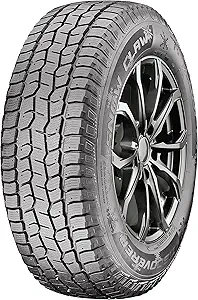 |
| Most Sold A high-volume bestseller chosen again and again | Firestone Winterforce 2 UV Winter/Snow SUV Tire P245/75R16 |  |
| Best Overall The best all-around choice for most situations | Bridgestone Blizzak DM-V2 Winter/Snow SUV Tire (275/55R20) | 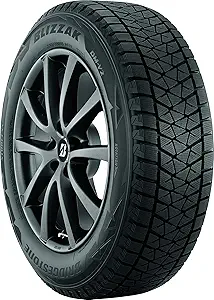 |
1. Bridgestone Blizzak WS90 Winter/Snow Passenger Tire

| Seasons | Winter |
|---|---|
| Tread Type | Asymmetrical |
| Load Index | 102.0 |
| Speed Rating | H |
The Bridgestone Blizzak WS90 is a dedicated winter tire built to improve traction and control on snow and ice for passenger vehicles. It is typically used as a seasonal fitment on SUVs like the Lincoln Navigator to replace all-season tires during cold months. Key features include a winter compound that stays pliable in low temperatures, an asymmetrical tread for predictable handling, and specific ice-gripping bit particles that boost braking on slick surfaces. In practice the WS90 offers strong stopping power on packed snow and better grip on black ice than many general winter touring tires, and Bridgestone’s testing indicates improved longevity versus the previous generation when used only in winter. Important limitations are that this is a seasonal tire meant for winter use only, so road noise and rolling resistance can be higher on warm, dry pavement and tread life will be shorter if used year-round. Proper size and load rating must be chosen to match the Lincoln Navigator’s factory specifications to preserve handling and safety.
Best for: Reliability-focused buyers who prioritize safe, consistent winter performance and prefer proven, vehicle-specific winter tires for seasonal use on their Lincoln Navigator.
Less Ideal for: Drivers who need a year-round tire or who prioritize the lowest possible purchase cost over winter-specific traction should consider other options.
- Designed for winter conditions with compound and tread that improve traction on snow and ice.
- Asymmetrical tread pattern that supports stable handling and predictable steering response.
- Higher load capacity and appropriate speed rating for many SUVs when matched to correct size.
- Proven improvement in ice control and seasonal longevity compared with the prior WS80 generation.
- Intended for winter use only so performance and comfort decrease on warm, dry roads.
- Can be more expensive than budget winter options, which may affect cost-conscious buyers.
Verdict Choose the Blizzak WS90 for dependable winter traction and ice control on a Lincoln Navigator, but swap to all-season or summer tires when temperatures rise.
2. Cooper Discoverer Snow Claw Winter Tire — 275/55R20 XL

| Size | 275/55R20XL 117T |
|---|---|
| Load Capacity | 2833 Pounds |
| Tread Depth | 12.5 32nds |
| Maximum Pressure | 50 Pound per Square Inch |
| Construction Type | Radial |
The Cooper Discoverer Snow Claw is a dedicated winter tire built to give SUVs strong traction in deep snow and on icy roads. It is designed for heavy SUVs like the Lincoln Navigator and is Severe Weather Rated with the Three-Peak Mountain Snowflake certification. The tread compound stays flexible in very cold temperatures and the Snow Groove Technology traps snow in the tread to improve snow-on-snow bite, while the construction allows for studs if you need extra ice performance. In everyday use it performs as a winter-only tire for commuting, highway trips, and winter towing or hauling where confident stopping and acceleration on packed snow matter. Practical benefits include clear winter traction, good braking in snow, and the option to add studs for icy stretches. Limitations are that it is a winter-specialist so it will wear faster and ride differently than an all-season tire when temperatures rise, and stud installation is an extra step and cost for extreme ice conditions.
Best for: Performance-oriented buyers who prioritize maximum winter traction and confident control on a Lincoln Navigator during heavy snow and icy conditions.
Less Ideal for: Drivers who need a single tire for year-round use or those who rarely encounter severe winter roads should consider all-season or touring options instead.
- Severe Weather Rated and Three-Peak Mountain Snowflake certified for proven winter performance
- Snow Groove Technology that traps snow to increase snow-on-snow traction
- Designed to accept studs for improved ice traction when needed
- Tread compound formulated to remain flexible in very cold temperatures
- Not intended for warm-weather or year-round use so tread life and comfort degrade outside winter conditions
- Requires separate stud installation to maximize ice grip which adds cost and service time
Verdict If you want top-tier winter traction for a Lincoln Navigator, the Discoverer Snow Claw is built to bite into snow and accept studs for extra ice control, but it is a winter-only tire so expect different wear and ride off-season.
3. Firestone Winterforce 2 UV Winter/Snow SUV Tire P245/75R16

| Size | P245/75R16 |
|---|---|
| Load Capacity | 2271 Pounds |
| Tread Depth | 12 32nds |
| Maximum Pressure | 44 Pound per Square Inch |
| Construction Type | Radial |
The Firestone Winterforce 2 UV is a winter snow tire intended for SUVs and light trucks that delivers dedicated cold-weather grip and extended tread life. It is typically used as a winter-season replacement on vehicles like the Lincoln Navigator when roads get icy or snowy. The tire features a special cold-weather compound and open shoulder slots plus an asymmetrical tread pattern, which combine to improve traction in snow and slush compared with all-season tires. Full-depth tread design aims to preserve performance as the tire wears, and the 3-Peak Mountain Snowflake certification indicates it meets winter traction standards. In practice this means more confident acceleration and braking in winter conditions, though some drivers may notice higher road noise and slightly reduced on-dry handling compared with touring highway tires. The tire is a single-piece radial build with a 44 psi maximum listed and is offered in the 245/75R16 size for vehicles that use that fitment. For a Lincoln Navigator that requires this size, it provides a focused winter option; for drivers who need lower noise or year-round use, a different tire might be preferable.
Best for: Risk-averse mainstream buyers seeking reliable winter traction for their Lincoln Navigator who prioritize proven snow performance and predictable seasonal safety.
Less Ideal for: Drivers wanting a quiet, year-round highway tire or those who avoid seasonal tire changes should consider a different all-season or touring option.
- 3-Peak Mountain Snowflake certification for verified winter traction
- Cold-weather rubber compound and open shoulder slots improve grip in snow and slush
- Full-depth tread design intended to maintain performance as the tire wears
- Asymmetrical tread pattern balances snow traction with everyday stability
- Reported tire noise can be higher than comparable touring tires
- Some users have reported early failures in isolated cases
Verdict A dedicated winter tire that gives Lincoln Navigator owners verified snow traction and durable tread life, but with some noise and the usual seasonal limitations.
4. Bridgestone Blizzak DM-V2 Winter/Snow SUV Tire (275/55R20)

| Rim Size | 20 Inches |
|---|---|
| Load Index | 117.0 |
| Speed Rating | T |
| Tread Type | Directional |
| Seasons | Winter |
The Bridgestone Blizzak DM-V2 is a winter tire designed to give SUV drivers better control in snow, slush, and icy conditions. It is typically fitted to one vehicle at a time and used only during cold months when winter traction matters most. The DM-V2 uses a next-generation multi-cell compound and hydrophilic coating to shed surface water from ice, plus a directional tread with 15% more block edges to increase snow-shearing force and braking grip. For a Lincoln Navigator, that translates into shorter stopping distances on packed snow, improved stability during low-speed maneuvers, and more predictable handling in slippery conditions. The tire is rated 117 load and T speed with an extra-load construction, so it supports heavy SUVs without sacrificing durability. Trade-offs are expected: like most dedicated winter tires it will wear faster and be noisier if used year-round, and its cold-weather compound reduces dry-road longevity and fuel economy compared with all-season tires.
Best for: Balanced buyers who prioritize dependable winter traction and predictable handling for a large luxury SUV during cold months.
Less Ideal for: Drivers who need a single set of tires year-round or who prioritize maximum dry-road longevity and fuel economy should consider all-season or touring tire alternatives instead.
- Engineered multi-cell compound improves traction and braking on ice
- Directional tread with increased block edges boosts snow grip and snow-shearing performance
- Extra-load 117 rating supports heavy SUVs like the Lincoln Navigator
- Optimized contact patch for more uniform pressure and stable handling in winter conditions
- Designed specifically for winter performance so tread life and dry-road efficiency are lower if used year-round
- T speed rating limits sustained high-speed use compared with higher speed-rated tires
Verdict If you want reliable winter stopping and traction for a Lincoln Navigator, the Blizzak DM-V2 delivers focused cold-weather performance, but it is best used only in winter months.
Choosing the Right Lincoln Navigator Winter Tire: Key Factors to Consider
Tread Compound and Low-Temperature Performance
Rubber composition determines how well a winter tire remains pliable in freezing temperatures. Softer, specially formulated compounds maintain grip on ice and packed snow, while harder compounds can stiffen and lose traction as temperatures drop.
For the Lincoln Navigator, choose a compound designed for cold climates that still supports the vehicle's weight. Good cold-temperature performance reduces stopping distances and improves steering response in wintry conditions, which is especially important with a heavier SUV.
Tread Pattern and Siping
Tread design controls how snow, slush, and water are channeled away from the contact patch. Directional or asymmetric patterns with multiple biting edges and dense siping generally boost traction in packed snow and on icy surfaces.
For larger SUVs, look for patterns that balance snow-ejection capability with a stable footprint. Effective siping improves traction on ice and enhances braking, while grooves of adequate width help prevent hydroplaning on slush and wet roads.
Load Capacity and Speed Rating
A winter tire must match the vehicle's load and speed requirements to maintain structural integrity and handling. Tires underspecified for load can overheat or deform, leading to premature wear or safety issues.
Verify that the chosen tire's load index supports the weight of the Lincoln Navigator including passengers and cargo. The speed rating should align with the vehicle's capabilities and typical driving speeds, since mismatches can affect braking and stability.
Tread Depth and Wear Longevity
Initial tread depth and the rate at which a tire wears influence how long it will provide effective winter grip. Deeper tread helps with snow packing and slush dispersion, but compound choice and construction also determine longevity.
Consider expected mileage and whether you plan to use the tires for multiple seasons. Deeper tread and robust construction can extend useful life, but winter-specific compounds may wear faster on warm pavement, so factor in typical driving distances and conditions.
Ride Comfort and Noise Levels
Winter tires can be noisier or firmer than summer alternatives due to tread design and compound. For a luxury SUV like the Lincoln Navigator, preserving a smooth, quiet ride is often a priority.
Look for tires engineered to reduce road noise and maintain cushioning under load. Reduced noise and vibration contribute to a more comfortable cabin experience while still delivering the traction needed for winter conditions.
Mounting Fitment and Wheel Compatibility
Correct size fitment ensures proper contact patch and safe operation. Wheels used on the Lincoln Navigator vary, so you must confirm the tire size matches the vehicle's wheel diameter and overall rolling circumference to avoid affecting handling or speedometer accuracy.
Professional mounting and balancing tailored to the vehicle help prevent vibration and uneven wear. Also consider whether the tire permits run-flat or reinforced sidewall options if those features are part of the vehicle's equipment.
FAQ
When should I switch my Lincoln Navigator to winter tires?
Switch to winter tires when average daily temperatures consistently fall below about 45 degrees Fahrenheit, since rubber compounds in summer tires harden and lose grip. Timing can vary by region, but changing before the first major snowfall ensures optimal traction. Likewise, keep winter tires on until spring temperatures rise and roads remain consistently warm.
Can I use staggered wheel sizes on a Lincoln Navigator with winter tires?
Using staggered wheel sizes can affect traction and stability, and compatibility depends on the vehicle's drivetrain and wheel configuration. It usually works best to fit identical tires on each axle to preserve handling balance. Check the vehicle's owner manual or a qualified installer for guidance specific to your Navigator's setup.
Are studded winter tires necessary for safe winter driving?
Studded tires can improve ice traction in areas with frequent hard-packed ice, but they may not be legal or practical everywhere. In many regions modern studless winter tires offer comparable ice and snow performance without studs. Consider local road conditions and regulations when deciding whether studs are worth the tradeoffs.
How does winter tire tread depth affect performance?
Deeper tread helps with snow packing, slush evacuation, and hydroplaning resistance, while dense siping improves ice traction. As tread wears, performance in deep snow and slush declines, so monitoring tread depth is important. Replace tires when tread becomes insufficient for winter conditions or when manufacturer guidance indicates reduced effectiveness.
Will installing winter tires change fuel economy or ride quality?
Winter tires may slightly reduce fuel economy due to softer compounds and different rolling resistance, and some models can feel firmer or noisier than all-season tires. The extent varies by tire design and compound. Prioritize winter traction and safety first, then balance those needs against minor fuel or comfort differences.
Do I need special wheels for winter tires on a Lincoln Navigator?
Special winter wheels are not strictly required but are often convenient. Having a second set of wheels mounted with winter tires saves on repeated mounting and balancing. If you choose dedicated winter wheels, ensure they match the Navigator's bolt pattern, offset, and load requirements to maintain proper fitment.
How We Chose the Best Lincoln Navigator Winter Tire
We focused on attributes that matter specifically for large luxury SUVs when driven in winter conditions. Key evaluation criteria included cold-weather rubber compound performance to preserve flexibility at low temperatures, tread pattern and siping density for snow and slush evacuation, and wet braking distances on cold pavement. We also prioritized load capacity and sidewall strength to match the heavier weight and higher center of gravity of the Lincoln Navigator, plus ride comfort and noise levels to retain the vehicle's refined character. Treadwear expectations and available speed/load ratings were reviewed to ensure the options would be durable and safe under typical SUV loads.We excluded tires designed solely for light passenger cars, off-road mud tires, and products lacking published load or speed ratings appropriate for full-size SUVs. We also set aside winter tires that are not available in sizes that fit the Lincoln Navigator's common wheel diameters. The final shortlist balances winter traction, durability, and ride quality to suit the vehicle's size and intended use.
Our full evaluation process is outlined in our review methodology.
Conclusion
Choosing winter tires for a Lincoln Navigator means balancing cold-weather traction, structural strength, and ride quality. Prioritize tires with compounds that remain flexible in low temperatures, tread designs that handle snow and slush, and load ratings that match the vehicle.Accept that there are tradeoffs between durability, noise, and specialized ice performance. Focus first on safety-critical factors such as braking and traction in expected driving conditions, then weigh comfort and longevity to find the best fit for how you drive.
Explore More:
- Check out all Lincoln Navigator parts & accessories
- Explore Winter Tires Maintenance & Repair Guides
- Explore Wheels & Tires
- Browse all Auto Parts
