

Note: This article contains affiliate links. If you click on these links and make a purchase, I may earn a small commission at no extra cost to you. This helps support my research and content. Read my full affiliate disclosure here.
Repair Snapshot
Use a mechanic if your wheels still vibrate after correct ring installation, the wheel bore or hub is damaged, or you are not comfortable safely lifting and torquing wheels.
This article is part of our Wheels and Tires Maintenance & Repair Guides.
Hub-centric rings help center aftermarket wheels on your vehicle’s hub when the wheel’s center bore is larger than the hub opening. Installed correctly, they can reduce steering wheel shake, prevent an off-center wheel fit, and make wheel installation more repeatable.
The job itself is simple, but the details matter. You need the correct ring size, clean mating surfaces, and proper lug nut torque. If the wrong rings are used, or if dirt and corrosion keep the wheel from seating fully, you can still end up with vibration even though the rings are installed.
This guide explains how hub-centric rings work, how to confirm you have the right size, and how to install them safely on most passenger cars, crossovers, and light trucks in the U.S.
What Hub-Centric Rings Do
Many aftermarket wheels are made with a larger center bore so one wheel design can fit multiple vehicles. A hub-centric ring fills the gap between the wheel’s center bore and the vehicle’s hub lip. That lets the wheel sit centered on the hub before the lug nuts are tightened.
Without the correct ring, a lug-centric wheel can sometimes tighten slightly off-center, especially if it is not held square during installation. That can lead to vibration at highway speeds, uneven seating, and harder wheel installation.
- The ring does not carry the full vehicle load by itself once the wheel is torqued properly.
- Its main job is to center the wheel accurately during installation.
- A hub-centric ring is only needed when the wheel bore is larger than the hub diameter.
- If your wheel already matches the hub bore exactly, you do not need a ring.
Signs You May Need Hub-Centric Rings
The most common clue is a vibration that started after installing aftermarket wheels, especially one that shows up between roughly 50 and 75 mph. You may also notice that the wheel feels loose or difficult to hold centered while you hand-thread the lug nuts.
That said, wheel vibration can also come from poor balancing, bent wheels, damaged tires, incorrect torque, stuck brake components, or suspension issues. Hub-centric rings are not a cure-all, so it is worth confirming fitment before assuming they are the answer.
- Aftermarket wheels have a center bore larger than your vehicle hub.
- You can see a visible gap between the hub lip and the wheel bore.
- The wheel can shift slightly before the lug nuts are tightened.
- A highway-speed vibration began after a wheel change, tire rotation, or new wheel install.
How to Confirm You Have the Correct Ring Size
Understand the Two Measurements
Hub-centric rings are sized by outer diameter to inner diameter. The outer diameter matches the wheel’s center bore, and the inner diameter matches the vehicle’s hub diameter. For example, a 73.1 mm to 66.1 mm ring fits a wheel with a 73.1 mm center bore on a vehicle with a 66.1 mm hub.
Use Fitment Data when Possible
The easiest and most reliable method is to use the wheel manufacturer’s fitment guide or the seller’s confirmed application chart. If those are unavailable, measure carefully with calipers. Do not guess based on how the ring looks.
Check Material and Fit
Plastic rings are common, inexpensive, and fine for many street-driven vehicles. Aluminum rings can be more durable, but they may corrode and seize if installed on dirty hubs or without attention to surface condition. Either style must fit snugly without forcing.
- A ring that is too small will not fit over the hub.
- A ring that is too large on the inside will not center the wheel.
- A ring that is too large on the outside may fall out of the wheel bore.
- A ring should seat fully and evenly, not cocked or partially inserted.
Tools, Parts, and Safety Prep
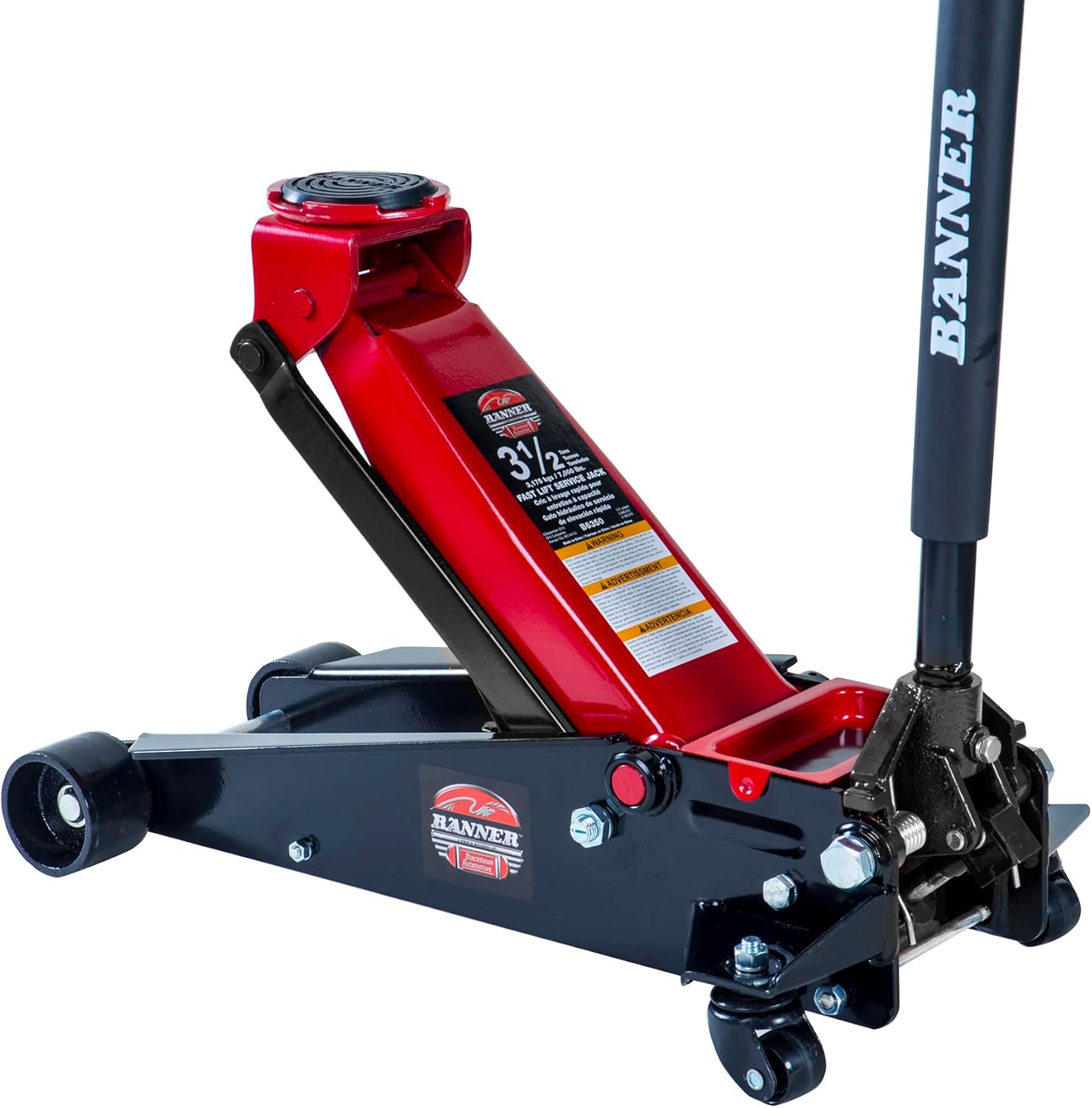
Before starting, park on level ground, set the parking brake, and chock the wheels that will stay on the ground. Loosen lug nuts slightly before lifting the vehicle, then support the vehicle securely on jack stands. Never rely on a jack alone while working around or under a vehicle.
You will also want clean hub and wheel surfaces. Corrosion, baked-on brake dust, and old anti-seize buildup can keep the ring or wheel from sitting flat. A few minutes of cleaning can make the difference between a smooth install and a repeat vibration complaint.
- Verify the wheel and ring sizes before removing anything.
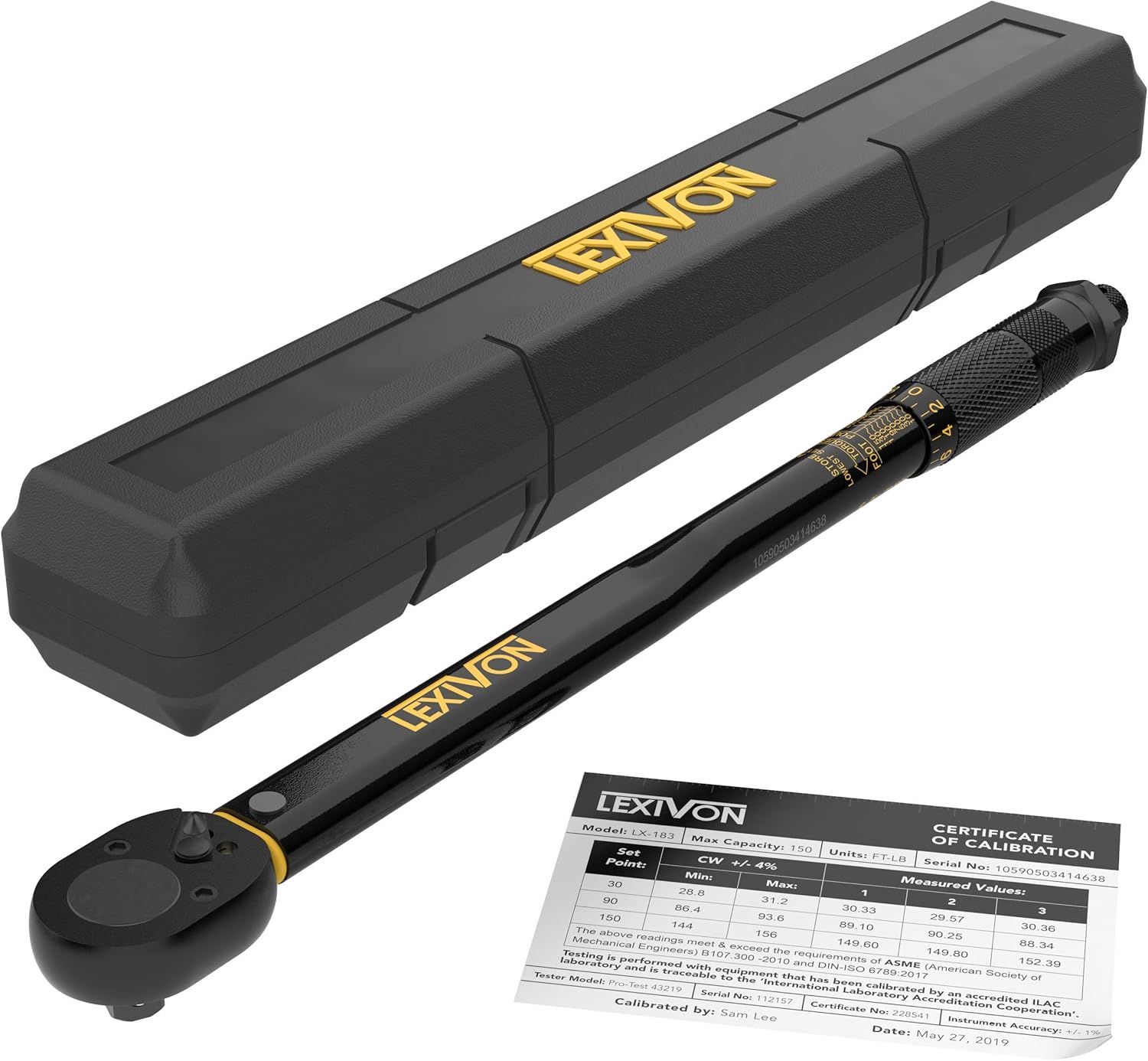
- Have your torque specification ready from the owner’s manual or wheel manufacturer.
- Inspect lug nuts or wheel bolts for damage, incorrect seat style, or stretched threads.
- Work on one wheel at a time if you want to compare fitment as you go.
Tools That Make This Job Easier


Step-by-Step: How to Install Hub-Centric Rings
Loosen the Lug Nuts and Raise the Vehicle
Break the lug nuts loose while the tire is still on the ground, usually about a quarter-turn. Raise the vehicle at the recommended lift point and support it with jack stands. Remove the lug nuts completely and take off the wheel.
Clean the Hub Lip and Wheel Center Bore
Use a wire brush and rag to remove rust, dirt, and debris from the hub lip where the ring will sit. Clean the wheel’s center bore too. If needed, use a small amount of wheel cleaner or brake cleaner and wipe it dry. The ring and wheel must seat against clean metal or clean wheel material.
Test-fit the Ring
Depending on the wheel and ring design, the ring may install into the wheel bore first or onto the vehicle hub first. Follow the wheel or ring manufacturer’s recommendation if provided. In either case, the ring should press in squarely by hand and sit flush without distortion.
Do not hammer the ring into place. If it does not fit with firm hand pressure, stop and re-check the sizing and the cleanliness of the surfaces.
Install the Ring Fully
Seat the ring completely so it is even all the way around. If it installs in the wheel, look through the center bore and confirm it is not tilted. If it installs on the hub, make sure it bottoms evenly against the hub shoulder and does not rock or wobble.
Mount the Wheel Carefully
Lift the wheel onto the hub and slide it straight on without dislodging the ring. This is the step where many DIYers knock the ring out of place without noticing. Support the wheel so it stays square to the hub while you start the lug nuts or wheel bolts by hand.
Hand-thread All Lug Nuts First
Start every lug nut or bolt by hand to avoid cross-threading. Snug them lightly in a star or crisscross pattern while the wheel is still off the ground, but do not fully torque yet.
Lower the Vehicle and Torque to Spec
Lower the vehicle until the tire just contacts the ground enough to prevent rotation, then torque the lug nuts in a star pattern to the manufacturer’s specification. Use a torque wrench, not an impact gun, for final tightening. Proper clamp load is what keeps the wheel secure.
Repeat and Recheck
Repeat the process at the remaining wheels if needed. After driving about 25 to 50 miles, recheck lug nut torque. This is especially important after installing aftermarket wheels or any new wheel hardware.
Common Installation Mistakes to Avoid
Most hub-centric ring problems come from wrong sizing, dirty surfaces, or assuming the ring alone fixes every vibration. Paying attention to basic fitment and torque details prevents most issues.
- Installing the wrong inner or outer diameter ring.
- Leaving rust scale on the hub lip so the ring cannot seat fully.
- Using excessive grease or anti-seize that lets the ring move or collect grit.
- Knocking the ring loose while lifting the wheel into place.
- Final-tightening lug nuts with an impact gun only and skipping torque wrench verification.
- Assuming rings will fix a bent wheel, damaged tire, or poor wheel balance.
If you choose to use anti-seize, apply only a very thin film to the hub lip if corrosion is a concern, and avoid getting it on stud threads unless the vehicle manufacturer specifically allows it. Overapplication can affect torque accuracy and attract debris.
Recommended Tools for This Job


How to Check Your Work After Installation
Once the wheel is torqued, inspect the wheel-to-hub fit visually. The wheel should sit flush against the mounting surface, and the ring should not be visibly pinched, cracked, or sticking out unevenly.
Take the vehicle for a careful test drive. Start at lower speeds, then work up to the speed range where vibration was most noticeable. A properly centered wheel should feel smoother through the steering wheel and seat.
- No clicking, scraping, or clunking when turning or braking.
- No steering wheel shimmy at moderate or highway speeds.
- Lug nuts remain at the correct torque after the initial recheck.
- The wheel removes and reinstalls without the ring falling apart or sticking badly.
If the Vibration Is Still There
If you still feel vibration after installing the correct hub-centric rings, do not keep assuming the problem is ring-related. Rings center the wheel during mounting, but they cannot compensate for a wheel or tire assembly that is out of balance or physically damaged.
Start by confirming the ring stayed seated and the wheel was torqued evenly. Then move on to the other common causes of vibration.
- Have all wheels road-force balanced if possible.
- Inspect for bent wheels, broken belts, flat spots, or uneven tire wear.
- Check that the lug seat style matches the wheel: cone, ball, or mag seat.
- Verify wheel offset and brake clearance are correct.
- Inspect wheel bearings, tie rods, control arm bushings, and brake rotors if vibration changes during braking.
A persistent shake after proper installation often points to balance or wheel hardware issues rather than the rings themselves.
Maintenance and Replacement Tips
Hub-centric rings are simple parts, but they should still be inspected anytime the wheels are removed. Plastic rings can crack, deform from heat, or become brittle with age. Metal rings can corrode to the hub or wheel if moisture and road salt build up.
When rotating tires or switching between summer and winter wheels, check that each ring still fits snugly and has not been damaged during removal. Replace any ring that is split, loose, oval-shaped, or difficult to seat fully.
- Clean the hub lip each time the wheel is off.
- Replace damaged rings as a set if multiple pieces show wear.
- Store spare rings in a labeled bag so sizes do not get mixed up.
- Do not reuse rings that are visibly melted, cracked, or severely corroded.
When to Skip DIY and Call a Pro
Installing hub-centric rings is usually a beginner-friendly job, but a few situations justify professional help. If the wheel does not seem to sit flush, the hub lip is heavily corroded, or the wheel hardware appears incorrect, a tire or wheel shop can confirm fitment quickly.
You should also get help if your vehicle has repeated wheel vibration after balancing and ring installation, or if you are unsure about safe lifting and torque procedures. A shop can inspect for bent wheels, incorrect lug hardware, or underlying suspension problems.
Key Takeaways
- Use hub-centric rings only when the wheel center bore is larger than the vehicle hub, and match both measurements exactly.
- Clean the hub lip and wheel bore before installation so the ring and wheel can seat fully and evenly.
- Install the ring squarely by hand and support the wheel carefully so the ring is not knocked out of place.
- Torque lug nuts in a star pattern with a torque wrench and recheck torque after 25 to 50 miles.
- If vibration remains, inspect wheel balance, wheel condition, tire condition, and lug hardware instead of blaming the rings alone.
FAQ
Do All Aftermarket Wheels Need Hub-centric Rings?
No. You only need hub-centric rings if the wheel’s center bore is larger than your vehicle’s hub diameter. If the wheel already matches the hub correctly, no ring is needed.
Can Hub-centric Rings Stop Wheel Vibration Completely?
They can help if the vibration is caused by the wheel not being centered on the hub during installation. They will not fix a bent wheel, damaged tire, poor balance, wrong lug hardware, or suspension problems.
Should the Ring Go on the Hub or in the Wheel First?
That depends on the ring and wheel design. Many rings are easiest to install into the wheel bore first, while others fit better on the hub. In either case, the ring must sit fully flush and stay in place as the wheel is mounted.
Are Plastic Hub-centric Rings Safe?
Yes, quality plastic rings are commonly used on street vehicles and are generally safe when they are the correct size and installed properly. They are not a substitute for proper lug torque and correct wheel fitment.
Can I Drive Without Hub-centric Rings if My Wheels Fit the Studs?
Some vehicles and wheel setups may seem to drive fine without them, but if the wheel was designed with a larger bore, rings help center it during installation and can reduce the chance of vibration. For best results, use the correct rings when required by the wheel fitment.
Do I Need Anti-seize on Hub-centric Rings?
Usually not much, if any. A very light film on the hub lip may help in rust-prone areas, especially with metal rings, but too much can attract dirt and interfere with proper seating. Keep it minimal and off friction surfaces.
What Happens if I Use the Wrong Size Ring?
If the ring is the wrong size, it may not fit, may sit crooked, may fall out, or may fail to center the wheel correctly. That can leave you with the same vibration problem or create a poor wheel fit.
Need Parts for This Repair?
The right parts and supplies vary by vehicle.
Select your make and model to find compatible parts and accessories for your car.
Exact Fit
Parts that fit your make and model
Quality You Can Trust
Top brands and OEM quality options
Fast Shipping
Get the parts you need, delivered fast