

Note: This article contains affiliate links. If you click on these links and make a purchase, I may earn a small commission at no extra cost to you. This helps support my research and content. Read my full affiliate disclosure here.
Repair Snapshot
Use a mechanic if runout remains after cleaning and re-indexing, if the wheel or hub appears bent, or if you are not comfortable using a dial indicator and safely lifting the vehicle.
This article is part of our Wheels and Tires Maintenance & Repair Guides.
Wheel runout means the wheel or tire does not rotate in a perfectly true plane, causing a side-to-side wobble or slight hop as it spins. That movement can lead to steering wheel vibration, uneven tire wear, brake pulsation, or a shake that gets worse at highway speeds.
In many cases, wheel runout can be improved without replacing major parts. Rust or debris between the wheel and hub, uneven lug nut torque, poor wheel seating, or an incorrectly indexed wheel can all create measurable runout. If the wheel itself is bent, though, correction usually means repair by a specialty shop or full replacement.
This guide walks you through a practical DIY process: verify the symptom, measure runout with a dial indicator, correct the simple causes first, and decide when the wheel, rotor, hub, or tire needs professional attention.
What Wheel Runout Feels Like and Why It Matters
Wheel runout is usually described as either lateral runout or radial runout. Lateral runout is a side-to-side wobble seen at the rim edge. Radial runout is an up-and-down variation that acts more like a hop. Either one can cause vibration, but lateral runout is especially common when a wheel is not seated flat against the hub.
Common symptoms include a steering wheel shimmy, vibration in the seat or floor, uneven tire wear, a wheel that appears to wobble while spinning, or recurring balance issues even after the tire has been balanced. On some vehicles, runout can also contribute to brake pedal pulsation because a wheel that does not mount true can affect rotor alignment.
- A wheel can be balanced and still have excessive runout.
- Rust scale on the hub face is a very common cause on older vehicles.
- Overtightening or unevenly tightening lug nuts can distort how the wheel seats.
- A bent wheel, damaged hub, bad bearing, or tire belt problem can mimic or worsen runout.
Before You Start: Safety and Setup
Park on a level surface, set the parking brake, and chock the wheels that will remain on the ground. If you are checking a front wheel, loosen the lug nuts slightly before lifting the vehicle. Raise the vehicle at the correct lift point and support it securely on jack stands. Never rely on the jack alone.
You will get the most accurate readings with the tire off the ground and the wheel able to rotate freely. If brake drag is heavy, the wheel may not spin smoothly enough for a clean measurement. In that case, you may need to back off the parking brake on the rear, confirm no caliper is sticking, or compare readings with the brake hardware inspected.
If you recently had tire service, check the obvious first: proper tire pressure, missing wheel weights, damaged lug nuts, and whether the wheel is actually the correct fitment for the hub and bolt pattern.
Inspect the Wheel, Tire, and Mounting Surfaces
Look for Visible Clues Before Measuring
Spin the wheel by hand and watch the outer lip of the rim and the tire sidewall. A visibly bent rim lip, bulge in the tire sidewall, broken bead area, or a tread section that rises and falls can point to the source. Mark anything suspicious with chalk or a paint marker.
- Bent rim lip from pothole impact
- Heavy rust or corrosion on the hub face
- Debris trapped between wheel and hub
- Damaged wheel stud threads or distorted lug nuts
- Hub-centric ring missing or damaged on aftermarket wheels
Remove the Wheel and Clean the Contact Points
Remove the wheel and inspect the hub face, center bore, and back side of the wheel mounting pad. Rust flakes, packed dirt, or paint buildup can hold the wheel slightly off-center or prevent it from clamping flat. Use a wire brush and brake cleaner to clean the hub face and the wheel’s mating surface until both are smooth and free of loose debris.
Do not aggressively grind away metal from the hub or wheel. You only want to remove corrosion and debris, not change the mounting surfaces. If the vehicle manufacturer allows it, a very thin film of anti-seize on the hub center pilot can help prevent future seizing, but do not coat the wheel seat or lug nut seats unless specified.
Tools That Make This Job Easier


Measure Wheel Runout Correctly
The most reliable way to diagnose runout is with a dial indicator. You are measuring how much the rim moves as the assembly rotates. Exact limits vary by vehicle and wheel design, so always compare your readings with the service manual when possible. If you do not have factory specs, treat obvious or easily visible movement as a problem that needs correction.
How to Check Lateral Runout
Mount the magnetic base to a suspension component or other solid, non-moving metal surface. Position the dial indicator tip against the wheel rim near the outer bead seat, not on a damaged lip and not on the tire sidewall. Zero the indicator, then slowly rotate the wheel one full revolution. Record the highest and lowest readings. The difference is your lateral runout.
How to Check Radial Runout
Move the dial indicator so the tip contacts the rim in a direction that measures up-and-down movement as the wheel rotates. Again, rotate slowly and note the total variation. Radial runout often points to a bent wheel, tire problem, or severe seating issue.
If the wheel has decorative trim or a rim edge that is not true from cosmetic damage, choose the smoothest machined section possible. For steel wheels, avoid measuring on dented outer lips if you can reach a more representative area.
Correct Simple Causes First
Reinstall the Wheel the Right Way
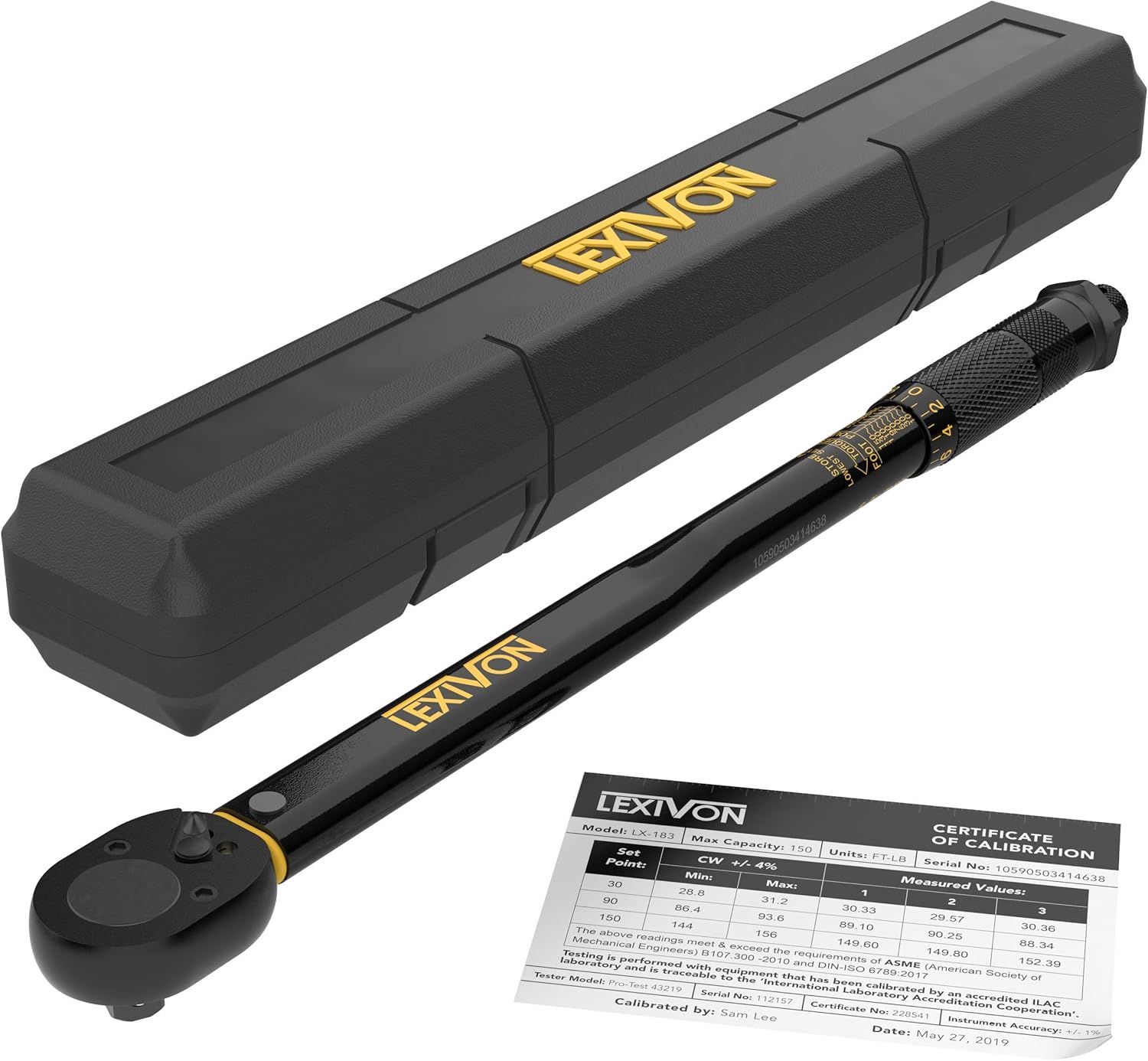
After cleaning the hub and wheel mating surfaces, reinstall the wheel by hand and snug the lug nuts in a star pattern. Make sure the wheel sits flush on the hub and is centered properly. Lower the vehicle just enough for the tire to resist rotation, then torque the lug nuts in stages using the manufacturer specification.
Uneven or excessive lug torque can pull the wheel unevenly against the hub, especially on wheels with corrosion or aftermarket hardware. If the wheel was previously installed with an impact gun only, correcting the torque sequence can sometimes reduce runout immediately.
Re-index the Wheel on the Hub
If runout remains, mark one wheel stud and the wheel position, remove the wheel, then rotate it one or two stud positions on the hub and retorque it. Measure again. This process is called re-indexing. Sometimes the wheel and hub each have a slight amount of runout, and changing their relationship can reduce the total combined error.
- Mark the starting wheel position.
- Measure and record the runout.
- Move the wheel to a new position on the studs.
- Torque the lug nuts properly.
- Measure again and compare.
If one orientation produces a clearly lower reading, keep that position. This is a legitimate diagnostic step and can save you from replacing a good wheel when the issue is simply stack-up tolerance between parts.
Check Whether the Wheel, Hub, Rotor, or Tire Is Causing the Problem
Test the Wheel Separately From the Hub
If re-indexing and cleaning do not help enough, remove the wheel and inspect the hub assembly. With the wheel off, you can check the rotor hat or wheel mounting flange for runout in a similar way. If the hub flange or rotor hat wobbles, the problem may not be the wheel at all.
A bad wheel bearing can also create movement that looks like runout. Grab the tire at the 12 and 6 o’clock positions and check for play. If there is looseness, roughness, or grinding while spinning, the hub or bearing may need replacement before any runout diagnosis will be accurate.
Signs the Tire Is the Real Issue
A tire with a shifted belt, severe radial force variation, or impact damage can cause vibration even if the wheel itself is fairly true. Look for tread that rises and falls while spinning, flat spots, scalloping, bulges, or repeated balancing problems. If the rim measures within reason but the tire still appears to hop, have the tire checked on a road-force balancer.
Aftermarket wheels deserve extra attention. If the center bore is too large and the wheel relies on hub-centric rings, a missing or damaged ring can create an off-center mounting condition. Make sure the correct ring is installed and that the wheel seats properly before assuming the wheel is bent.
Recommended Tools for This Job

When Replacement Is the Correct Repair
If the rim is bent, cracked, or badly out of spec after cleaning and re-indexing, replacement is usually the safest fix. Minor bends in alloy or steel wheels can sometimes be repaired by a reputable wheel repair specialist, but DIY straightening is not recommended. Heat, hammering, or improvised pressing can weaken the wheel and create a safety hazard.
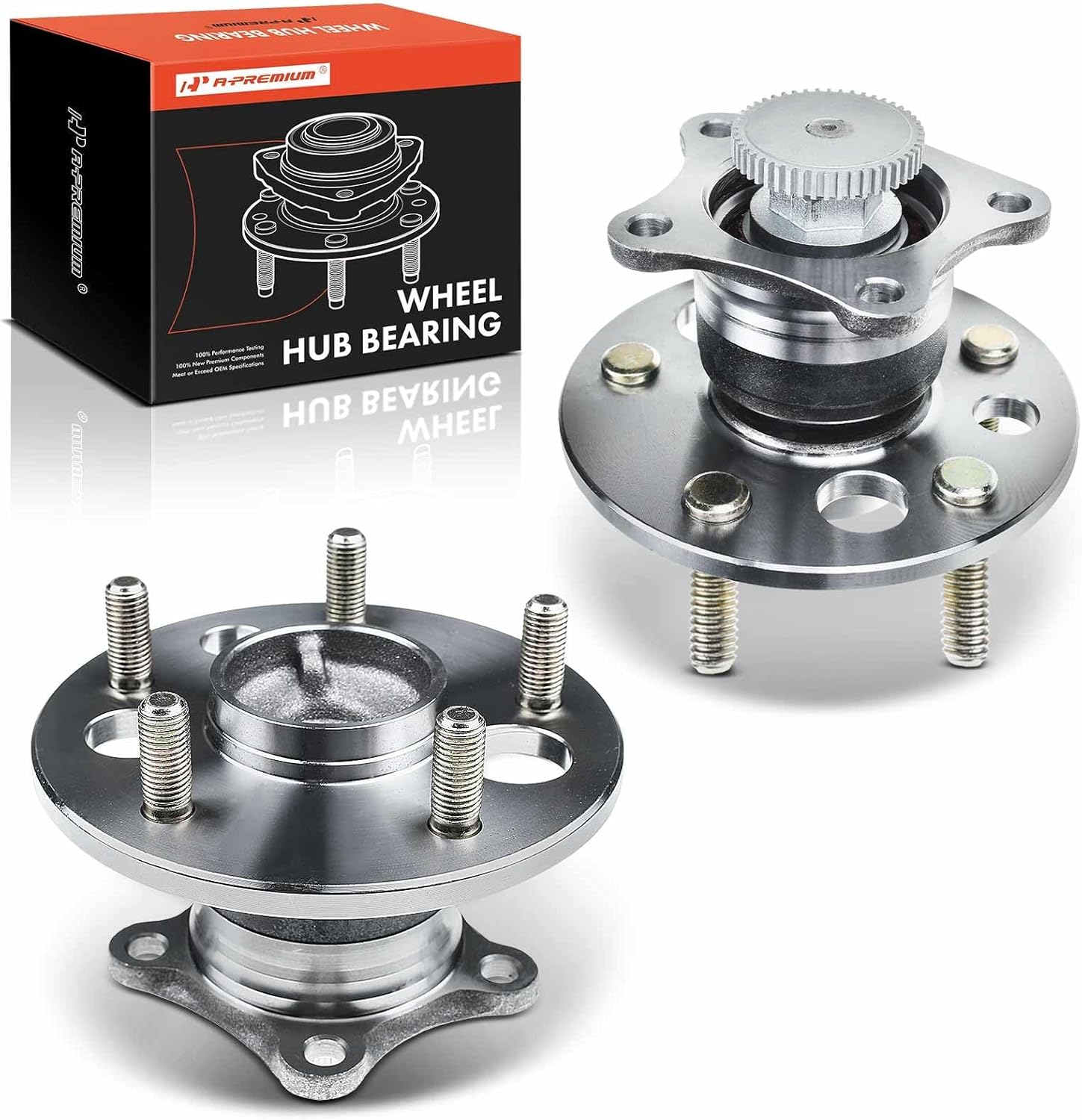
Replace damaged lug nuts or wheel studs if the hardware does not thread smoothly by hand or shows distortion. Hardware that binds can prevent even clamping force and contribute to mounting errors. If the hub flange or wheel bearing is worn or bent, replacing the hub assembly is the proper repair.
- Replace the wheel if it is cracked, severely bent, or cannot be brought into acceptable runout limits.
- Replace the tire if it has sidewall damage, a shifted belt, or severe out-of-round condition.
- Replace the hub or bearing assembly if there is looseness, flange wobble, or rough bearing operation.
- Replace the rotor or drum if the mounting surface is warped or damaged and affecting wheel seating.
Final Checks After Correction
Once you have reduced or corrected the runout, torque the lug nuts one final time to spec and road test the vehicle. Start at low speed, then gradually increase to the speed range where the vibration was most noticeable. Pay attention to steering wheel shake, seat vibration, and brake feel.
If the vibration improved but did not disappear, the vehicle may still need wheel balancing or a tire road-force test. Runout, balance, tire condition, and suspension wear can overlap. A worn tie rod, ball joint, or strut can make a mild wheel issue feel much worse.
Recheck lug nut torque after 25 to 50 miles if you installed a different wheel, new studs, or serviced heavily corroded mounting surfaces. This is especially important on vehicles that had severe rust buildup or aftermarket wheels.
Mistakes to Avoid During Wheel Runout Diagnosis
- Do not measure runout on the tire sidewall and assume it represents the wheel accurately.
- Do not skip cleaning the hub and wheel mounting faces before taking readings.
- Do not torque lug nuts randomly or with only an impact gun.
- Do not ignore bearing play or rotor hat runout when the wheel readings look inconsistent.
- Do not attempt to straighten a cracked or heavily bent wheel at home.
The biggest DIY mistake is replacing a wheel before confirming the source. A rusty hub face, bent rotor hat, poor wheel fitment, or bad tire can all create nearly identical symptoms. Measuring each part in a logical order prevents wasted money.
Key Takeaways
- Clean the hub face and wheel mounting pad thoroughly before assuming the wheel is bent.
- Use a dial indicator to measure runout at the rim, then re-index the wheel on the hub and compare readings.
- Torque lug nuts in a star pattern to factory spec because uneven clamping can create or worsen runout.
- Check the hub, rotor, bearing, and tire if wheel runout remains after cleaning and proper installation.
- Replace or professionally repair a bent wheel instead of trying to straighten it yourself.
FAQ
Can Wheel Balancing Fix Wheel Runout?
No. Balancing corrects weight distribution, but it does not fix a wheel or tire that wobbles or hops because it is mounted crooked, bent, or out of round. A wheel can be perfectly balanced and still have runout.
What Usually Causes Wheel Runout?
The most common causes are rust or debris between the wheel and hub, improper lug nut torque, a bent wheel, a damaged tire, missing hub-centric rings on aftermarket wheels, or a hub or bearing problem.
Do I Need a Dial Indicator to Check Wheel Runout?
A visible wobble can suggest runout, but a dial indicator is the best way to measure it accurately. Without one, it is very easy to guess wrong and replace parts unnecessarily.
Can a Bad Wheel Bearing Cause Runout Symptoms?
Yes. A worn or loose wheel bearing can let the hub and wheel move enough to mimic or worsen runout. If you feel play in the wheel or hear grinding, inspect the bearing before blaming the wheel.
Should I Rotate the Wheel on the Studs to Reduce Runout?
Yes, if the wheel and hub are otherwise in good condition. Re-indexing the wheel to a different stud position can reduce combined tolerance stack-up and lower the total measured runout.
Is It Safe to Drive with Wheel Runout?
Mild runout may only cause vibration, but severe runout can affect tire wear, handling, braking feel, and hardware stress. If the wheel is visibly bent, cracked, or the vibration is strong, repair it before driving regularly.
When Should I Replace the Wheel Instead of Trying to Correct Runout?
Replace the wheel if it is cracked, severely bent, repeatedly measures excessive runout after cleaning and re-indexing, or cannot be safely repaired by a professional wheel specialist.
Need Parts for This Repair?
The right parts and supplies vary by vehicle.
Select your make and model to find compatible parts and accessories for your car.
Exact Fit
Parts that fit your make and model
Quality You Can Trust
Top brands and OEM quality options
Fast Shipping
Get the parts you need, delivered fast