

Note: This article contains affiliate links. If you click on these links and make a purchase, I may earn a small commission at no extra cost to you. This helps support my research and content. Read my full affiliate disclosure here.
Repair Snapshot
Use a mechanic if the blower motor is noisy, airflow is weak from only some vents, or mold-like odors persist after cleaning. Professional service is also a better choice if trim removal is required and you are not comfortable working around airbags or delicate dash panels.
This article is part of our HVAC Maintenance & Repair Guides.
Cleaning your car’s HVAC vents and ducts is one of the easiest ways to improve cabin air quality, reduce musty smells, and keep dust from blowing back into your face every time you turn on the fan. In most vehicles, you can do a solid basic cleaning at home without taking the dashboard apart.
Over time, dust, pollen, pet hair, and moisture collect in the vent outlets, cabin air intake area, and evaporator case. That buildup can cause stale odors, visible debris on the vent louvers, and reduced airflow. A clogged cabin air filter often makes the problem worse, so a full vent-cleaning job usually includes checking or replacing the filter.
This guide walks through a practical DIY process: cleaning the visible vents, clearing loose debris from the duct openings, treating odor-causing buildup, and checking the cabin air filter and intake area. It also covers what this maintenance can fix, what it cannot, and when deeper HVAC service is the smarter move.
What Cleaning the Vents and Ducts Can Actually Fix
A basic HVAC vent and duct cleaning helps with common everyday issues, but it is not a cure-all for every heating and air-conditioning problem. The main goal is to remove loose dust and treat odor-causing contamination where you can safely reach it.
- Dust puffing out of vents when the fan first turns on.
- Mild musty or stale odors, especially after the car sits overnight.
- Visible grime on vent slats and inside the vent openings.
- Airflow that feels slightly restricted because of a dirty cabin air filter or debris near the intake.
- Lingering interior smell caused by moisture and dirt in the evaporator area.
What it usually will not fix: a failed blower motor, a broken blend door, weak A/C performance from low refrigerant, water leaks soaking the HVAC case, or severe mold contamination deep inside the dash. If the odor is strong, sour, or persistent after a proper cleaning and filter change, the evaporator core or drain system may need professional attention.
Tools, Supplies, and Prep Before You Start
Gather the Right Supplies
Use products that are labeled safe for automotive interiors and HVAC systems. Avoid soaking the vents with harsh household chemicals, bleach mixtures, or oily dressings that can leave residue behind and attract more dust.
- Vacuum with a narrow crevice attachment to pull out loose dust and debris.
- Soft detailing brushes to loosen dirt without scratching vent louvers or dash trim.
- Microfiber towels for wiping surfaces clean.
- Compressed air or an air duster to push debris toward the vacuum.
- HVAC disinfectant spray or vent-cleaning foam if you are treating odors.
- A new cabin air filter if the old one is dirty, damp, or overdue.
Set Up the Vehicle Safely
Park in a well-ventilated area with the engine off and the key removed unless a later step specifically calls for running the fan. Open the doors or windows so dust and fumes do not build up inside the cabin. If you plan to spray an HVAC treatment through the intake or evaporator drain, read the product directions first because application methods vary by brand and vehicle layout.
If you need to remove trim near the glove box or lower dash to access the cabin air filter, use plastic trim tools whenever possible and work gently. Many modern vehicles have side-curtain or knee airbag components nearby, so do not probe blindly behind panels.
Inspect the HVAC System Before Cleaning
A quick inspection tells you where the dirt is coming from and whether this is a simple cleaning job or a sign of a bigger HVAC issue.
Check the Vent Outlets
Look closely at the dash vents, defroster vents, and rear passenger vents if your vehicle has them. Use a flashlight to inspect the louvers and the first inch or two inside each opening. You may find gray dust, lint, pet hair, food crumbs, or sticky residue from prior interior dressings.
Inspect the Cabin Air Filter
The cabin air filter is one of the most important parts of this job. In many vehicles, it sits behind the glove box or under a cowl panel at the base of the windshield. Pull it out and examine it for dark discoloration, leaf fragments, moisture, mildew smell, or deformation from being overloaded with debris.
If the filter looks dirty, replace it instead of trying to clean it. A clogged filter can reduce airflow, trap moisture, and let odors return quickly even after the vents are cleaned.
Look at the Outside Air Intake Area
Leaves and organic debris often collect at the cowl area near the windshield, where fresh air enters the HVAC system. If that area is packed with debris, some of it may get pulled into the blower housing or sit damp and create odors. Remove loose leaves and dirt by hand or with a vacuum before continuing.
Tools That Make This Job Easier


How to Clean the Visible HVAC Vents
Start with the parts you can see and reach. This alone can make the system look cleaner and stop a surprising amount of dust from blowing into the cabin.
Vacuum First, Then Brush
Hold the vacuum crevice tool near the vent opening while gently loosening dust with a soft brush. This keeps debris from being pushed deeper into the duct. Work each vent one at a time, moving the louvers to expose hidden edges.
- Open the vent louvers as far as possible.
- Vacuum loose dust from the outer vent opening.
- Use a soft brush to dislodge buildup from the slats and inner edges.
- Vacuum again immediately as debris comes loose.
- Wipe the vent face and surrounding trim with a lightly damp microfiber towel.
Use Swabs for Tight Spaces
For narrow vent slats or textured trim, use cotton swabs or foam swabs lightly dampened with interior-safe cleaner. Do not soak them. The goal is to lift grime from edges and corners without dripping cleaner into electronics or deeper duct passages.
Be Careful with Compressed Air
Compressed air can help remove stubborn dust, but use short, controlled bursts and keep the vacuum near the opening. Blasting air directly into a vent with no vacuum ready often drives debris farther down the duct instead of removing it.
How to Clean Deeper Into the Duct Openings
You can clean just beyond the vent openings, but avoid forcing tools deep into the dash. Inside the HVAC box are delicate doors, sensors, and seals that can be damaged by aggressive probing.
Clean Only the Reachable Section
Use a long foam swab, flexible detailing brush, or a small vacuum attachment to clean the first few inches of the duct where dust collects. If you meet resistance, stop and reposition rather than pushing harder.
Run the Fan Strategically
After cleaning the visible sections, start the vehicle or switch the ignition to accessory mode if needed, then run the blower on medium to high with the windows open. Alternate between fresh-air mode and recirculation if your vehicle allows it. This can help move remaining loose dust toward the vents where it can be vacuumed away.
Do not spray generic cleaner into the vents while the blower is running unless the product specifically says to do so. Excess liquid can collect inside the HVAC case and create more odor problems later.
Treat Musty Smells and Evaporator-related Odors
A musty smell usually comes from moisture and microbial growth around the evaporator core, not just dusty vent openings. The evaporator gets cold during A/C use, and condensation can combine with dirt to create a stale smell when the system starts up.
Use an HVAC-specific Treatment
The best DIY option is an automotive HVAC cleaner or disinfectant designed for evaporators and ductwork. Some products spray through the cabin air filter opening, some go into the fresh-air intake, and others are applied through the evaporator drain tube under the vehicle. Follow the product instructions exactly, because the wrong entry point can reduce effectiveness.
Typical Odor-treatment Process
- Remove the old cabin air filter if the product requires access through the filter housing.
- Apply the cleaner into the specified opening or drain tube.
- Allow the foam or disinfectant to dwell for the time listed on the label.
- Run the blower as directed to circulate the treatment and dry the system.
- Install a new cabin air filter once the procedure is complete.
If the smell returns quickly, check for a blocked evaporator drain. Standing water in the HVAC case can create repeat odor problems. Signs include water sloshing sounds, damp carpets, or no water dripping under the vehicle after using the A/C on a humid day.
Replace the Cabin Air Filter While You Are There
Replacing the cabin air filter is often the highest-value part of the job. Even if the old filter does not look terrible, a fresh filter can noticeably improve airflow and help keep the cleaned ducts from getting dirty again right away.
Choose the Right Replacement
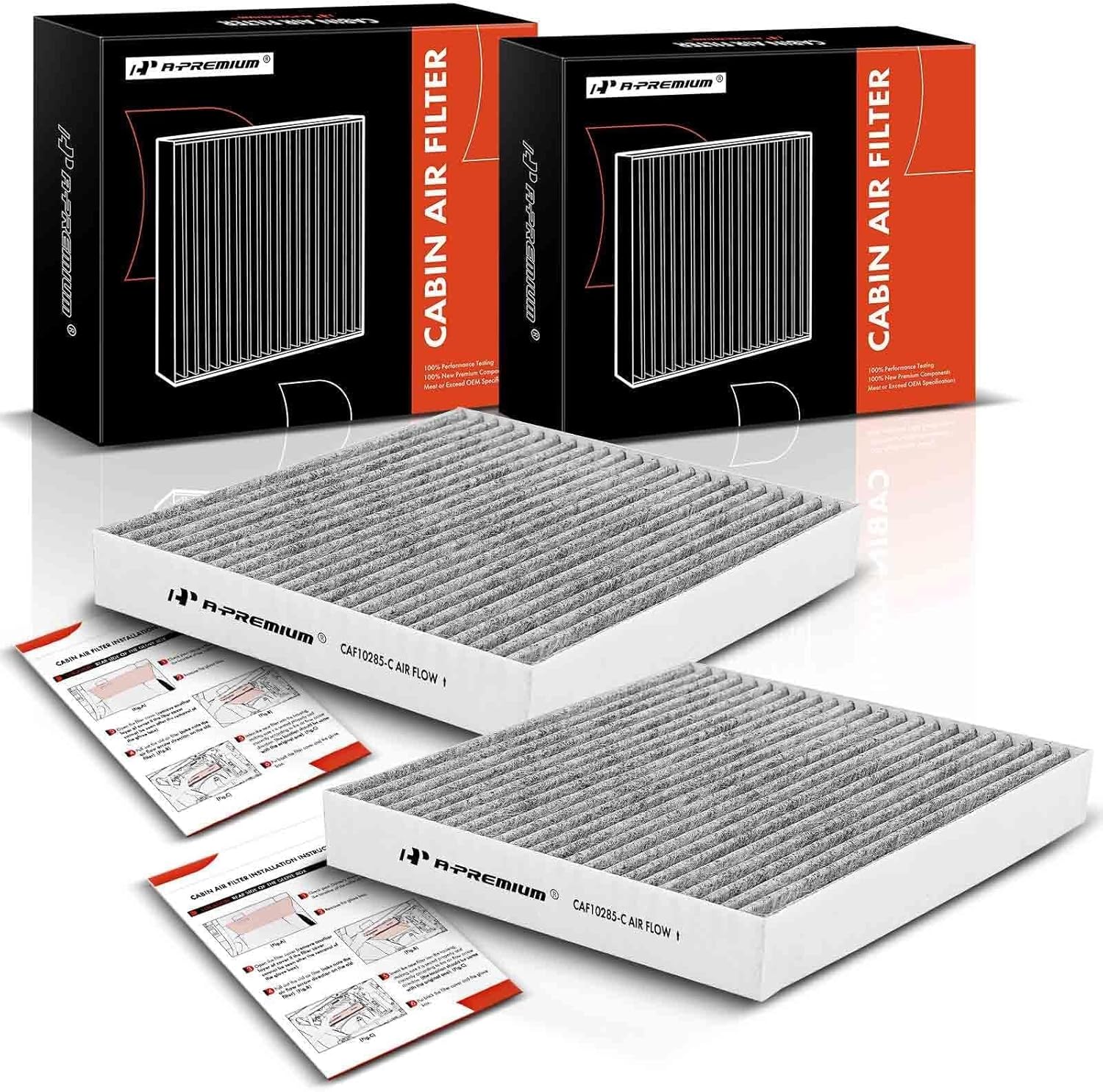
Use the correct filter size and airflow direction for your vehicle. Many filters have an arrow marked “Air Flow.” Install it in the proper orientation or airflow may be restricted. Standard particulate filters work well for most drivers, while activated-carbon filters can help with odor reduction.
Clean the Filter Housing Too
Before inserting the new filter, vacuum the housing and wipe out loose dust if you can access it safely. Leaves and grit in the filter box can get pulled directly into the blower area if left behind.
A good rule of thumb is to inspect the cabin air filter every 12,000 to 15,000 miles, or sooner if you drive on dusty roads, park under trees, carry pets often, or notice reduced airflow.
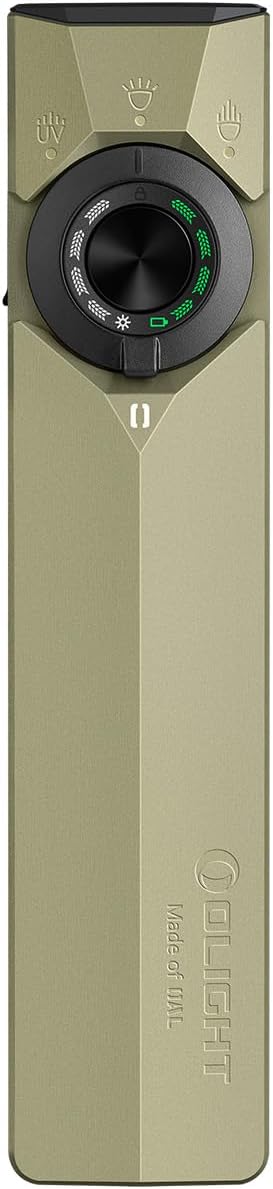
Recommended Tools for This Job

Final Drying and System Check
Once the vents are cleaned and any odor treatment is complete, finish by drying the HVAC system and checking operation.
- Run the blower on high for several minutes with the windows open.
- Switch between vent, floor, and defrost modes to confirm air flows from the correct outlets.
- Test both fresh-air mode and recirculation mode.
- Turn on the A/C and then the heat to verify that odors are gone or reduced.
- Listen for unusual clicking, scraping, or blower noise that could point to debris deeper in the system.
If you still get weak airflow from one or two vents only, the issue may be a stuck mode door or duct separation rather than dirt. If airflow is weak from all vents, recheck the cabin air filter installation and consider testing blower motor performance.
How Often to Clean Car HVAC Vents and Ducts
Most drivers do not need a deep vent-cleaning service on a strict schedule, but light cleaning and periodic inspection should be part of regular interior maintenance.
- Wipe and vacuum visible vents every few months or during regular interior detailing.
- Inspect the cabin air filter at least once a year or about every 12,000 to 15,000 miles.
- Treat the evaporator area for odor if you notice recurring musty smells during A/C use.
- Clean the cowl and fresh-air intake area seasonally, especially in fall and spring.
- Check the system sooner if dust blows from vents, airflow drops, or the cabin starts smelling damp.
Vehicles driven in dusty climates, humid regions, or tree-heavy parking areas usually need more frequent attention. Ride-share vehicles and family cars that see heavy use can also build up debris faster than lightly used commuter cars.
Common Mistakes to Avoid
A few simple mistakes can make the job less effective or even create new problems.
- Do not soak the vents or duct openings with liquid cleaner.
- Do not jam brushes, rods, or swabs deep into the dash.
- Do not skip the cabin air filter inspection, because it is often the main restriction point.
- Do not use strong household disinfectants that can damage plastics or leave harsh fumes behind.
- Do not assume every bad smell is a dirty vent problem; coolant leaks, mildew, or drain issues can smell similar.
When DIY Cleaning Is Not Enough
Basic cleaning works well for surface dust and mild odor complaints, but some HVAC issues need diagnosis or specialized access. If the problem keeps coming back, it is worth finding the root cause instead of repeating the same cleaning routine.
- Persistent moldy smell even after evaporator treatment and a new cabin air filter.
- Water leaking onto the passenger floor or evidence of a blocked evaporator drain.
- Loud blower fan noise that suggests leaves or debris are trapped in the blower wheel.
- Very weak airflow despite a clean filter.
- Blend door or mode door problems causing air to come from the wrong vents.
- Signs of rodent nesting in the HVAC box, such as strong urine odor or shredded material.
A shop can inspect the blower housing, access the evaporator more directly, clear drains, remove deeper contamination, and verify there is not a failing HVAC component behind the smell or airflow issue.
Key Takeaways
- Vacuum and brush the vent openings first so dust is removed instead of pushed deeper into the ducts.
- Replace a dirty or damp cabin air filter during the job, because it is often the biggest source of reduced airflow and recurring odors.
- Use only automotive HVAC-safe cleaners and follow the product directions for intake, filter housing, or drain-tube application.
- Musty smells usually point to evaporator moisture or contamination, not just dusty vent slats.
- If odors, water leaks, or weak airflow remain after cleaning, the HVAC system likely needs professional diagnosis.
FAQ
Can I Clean My Car’s HVAC Vents Without Removing the Dashboard?
Yes. Most DIY cleaning focuses on the vent openings, cabin air filter housing, cowl intake area, and sometimes the evaporator drain or intake path using an HVAC-safe cleaner. You generally do not need to remove the dashboard for routine cleaning.
Will Cleaning the Vents Get Rid of a Musty A/C Smell?
It can help, but musty smells often come from moisture and buildup on the evaporator core rather than the visible vents alone. For best results, clean the vents, replace the cabin air filter, and use an evaporator-safe HVAC treatment.
How Often Should I Replace the Cabin Air Filter?
A good baseline is every 12,000 to 15,000 miles or once a year, but inspect it sooner if you drive in dusty conditions, park under trees, carry pets, or notice weaker airflow or bad odors.
Is It Safe to Spray Cleaner Directly Into the Vents?
Only if the product specifically says it is safe for that use. In general, avoid soaking the vents with liquid cleaner. Light application on swabs or towels is safer for surface cleaning, while deeper treatments should follow the HVAC product instructions.
Why Is There Still Weak Airflow After I Cleaned the Vents?
Weak airflow can be caused by a clogged or incorrectly installed cabin air filter, debris in the blower housing, a weak blower motor, or an internal mode or blend door issue. Cleaning the vent faces alone will not fix those mechanical problems.
What Causes Dust to Blow Out of the Vents when I Turn on the Fan?
Usually it is loose dust and debris sitting in the vent outlets, ducts, or blower area, often combined with a dirty cabin air filter or a debris-filled cowl intake. Surface cleaning and filter replacement typically help a lot.
When Should I Have a Mechanic Clean the HVAC System Instead?
Have a mechanic handle it if the smell is severe or keeps returning, there is water leaking inside the cabin, airflow is poor from only certain vents, the blower is noisy, or you suspect heavy contamination or rodent debris inside the HVAC box.
Need Parts for This Repair?
The right parts and supplies vary by vehicle.
Select your make and model to find compatible parts and accessories for your car.
Exact Fit
Parts that fit your make and model
Quality You Can Trust
Top brands and OEM quality options
Fast Shipping
Get the parts you need, delivered fast