

Note: This article contains affiliate links. If you click on these links and make a purchase, I may earn a small commission at no extra cost to you. This helps support my research and content. Read my full affiliate disclosure here.
Repair Snapshot
Use a mechanic if your vehicle has hard-to-access fuel rails, severe corrosion, high-pressure direct injection components, or if you smell fuel after installation. A pro is also the safer choice if you are not comfortable depressurizing the fuel system.
This article is part of our Fuel System Maintenance & Repair Guides.
Replacing a fuel pressure regulator is usually a manageable DIY repair, but it requires careful handling because gasoline is flammable and the fuel system may still be pressurized.
On many older port-injected engines, the regulator is mounted on or near the fuel rail and can be replaced with basic hand tools. On other vehicles, the regulator may be integrated into the fuel pump module or part of a returnless fuel system, which changes the job considerably. Always confirm the exact part location and procedure for your year, make, model, and engine before starting.
The basic process is to relieve fuel pressure, disconnect the battery, remove any covers or intake parts blocking access, disconnect the regulator vacuum line or fuel connections, replace the regulator and seals, then check carefully for leaks and proper fuel pressure.
Before You Start
A fuel pressure regulator maintains the correct pressure at the fuel rail so the injectors deliver the proper amount of fuel. When it fails, you may notice hard starting, black smoke, poor fuel economy, rough idle, a rich-running engine, fuel in the vacuum line, or trouble codes related to fuel trim.
Before replacing anything, make sure the regulator is actually the problem. Similar symptoms can be caused by a weak fuel pump, leaking injector, clogged fuel filter, faulty fuel pressure sensor, split vacuum hose, or EVAP issue. If you have access to a fuel pressure gauge, compare measured pressure against factory specification with the engine off, idling, and under vacuum if applicable.
Important Safety Precautions
- Work in a well-ventilated area away from cigarettes, heaters, pilot lights, or anything that can ignite fuel vapors.
- Wear safety glasses and gloves because fuel can spray out when lines or fittings are opened.
- Keep a class B fire extinguisher nearby if possible.
- Relieve fuel pressure before disconnecting any fuel line or removing the regulator.
- If your vehicle uses direct injection, do not assume this guide applies, because those systems can operate at extremely high pressure and often require special procedures.
Confirm the Regulator Type and Location
There are two common layouts on gasoline vehicles. Older return-style systems often have a vacuum-controlled regulator mounted directly on the fuel rail. Newer returnless systems may place the regulator in or near the fuel tank as part of the pump module. Some vehicles also use a pressure damper or sensor that can be confused with the regulator.
If your replacement part is a small metal canister with a vacuum nipple and O-ring, it is likely a rail-mounted regulator. If the part listing shows a pump module assembly, then the regulator is likely tank-mounted, and this article only partially applies because you may need to remove the fuel tank or service the fuel pump module.
Signs You Have the Right Replacement Part
- The mounting flange, bolt pattern, and connector or vacuum port match the original part.
- Any included O-rings match the original seal sizes.
- The part is specified for your exact engine, not just the vehicle model.
- Fuel system type matches, especially return-style versus returnless.
Relieve Fuel Pressure and Prepare the Vehicle
Step-by-step Depressurization
Start by parking on a level surface, setting the parking brake, and allowing the engine to cool. Remove the fuel pump fuse or relay, then start the engine and let it run until it stalls. Crank it for a few more seconds to bleed off remaining pressure. Turn the key off.
Next, disconnect the negative battery cable. Some vehicles also have a Schrader valve on the fuel rail that lets you release residual pressure with a rag over the valve. Even after the engine stalls, expect some fuel to remain in the rail or lines, so keep rags in place before loosening anything.
If access to the regulator is blocked by an engine cover, intake tube, resonator, or air cleaner housing, remove those parts now and set them aside in order. Label any vacuum hoses or electrical connectors if there is any chance of mixing them up during reassembly.
Good Prep Habits
- Lay shop towels around the regulator area before disconnecting parts.
- Take a few phone photos so hose and connector routing is easy to duplicate.
- Clean dirt around the regulator and fuel rail before opening the system to prevent contamination.
- Use only fuel-safe containers or rags for any gasoline that spills.
Tools That Make This Job Easier


Remove the Old Fuel Pressure Regulator
Removal steps vary by design, but most rail-mounted regulators are held by small bolts, a retaining clip, or a threaded fitting. Start by disconnecting the vacuum hose if your regulator has one. If you find raw fuel inside that hose, the diaphragm has likely ruptured, which strongly confirms regulator failure.
Place rags under the regulator. Remove any retaining bolts or clip carefully, then twist the regulator gently while pulling it free from the fuel rail. Do not pry aggressively against the fuel rail, and do not nick the sealing surface. A small amount of fuel may spill as the old O-ring comes out.
If the regulator is connected to a fuel line, use the correct disconnect tool if required. Do not force quick-connect fittings. Many are released by pressing tabs or inserting a line tool. If corrosion or dirt is present, clean the fitting before separating it so debris does not enter the line.
What to Inspect While the Regulator Is Out
- Old O-ring condition, especially flattening, cracking, or cuts.
- Fuel rail bore for scoring, corrosion, or dirt buildup.
- Vacuum hose for cracks, looseness, or fuel contamination.
- Retaining clip and bolts for damage or rust.
- Nearby injector seals and fuel rail area for signs of prior leakage.
If the regulator mounting area is dirty, wipe it clean with a lint-free rag and fuel-safe cleaner. Avoid letting any debris fall into an open fuel passage.
Install the New Regulator
Compare the new regulator to the old one before installation. Move over any bracket, clip, or spacer only if the service information or part design calls for it. Install new O-rings or seals whenever they are supplied, and never reuse a cut or flattened seal.
Lightly lubricate the new O-ring with clean engine oil or a small amount of clean fuel so it slides into the rail without tearing. Seat the regulator squarely into place. If it uses bolts, thread them in by hand first to prevent cross-threading. If it uses a retaining clip, make sure the clip is fully seated in its groove.
Reconnect the vacuum hose and any fuel line fittings. Quick-connect fittings should click or lock positively. Tug lightly on the line after connection to confirm it is fully engaged. Reinstall any brackets, intake parts, covers, or hoses removed for access.
Torque and Sealing Notes
Use factory torque specs whenever available, especially for small regulator bolts threaded into aluminum fuel rails or intake components. Over-tightening can strip threads, distort the regulator flange, or crack plastic fittings. If you do not have a spec, do not guess aggressively; look up the exact value in a service manual.
Never use thread sealant or Teflon tape unless the manufacturer specifically requires it. Most regulator seals rely on O-rings, flare seats, or specific fuel-rated sealing surfaces rather than thread sealer.
Prime the Fuel System and Check for Leaks
Reinstall the fuel pump fuse or relay, then reconnect the negative battery cable. Turn the ignition key to the ON position for a few seconds without starting the engine, then switch it off. Repeat this cycle two to four times to prime the fuel system and build pressure.
With the engine still off, inspect the regulator, fuel rail, line connections, and surrounding area closely. Use a bright light and look for wetness, drips, or a strong raw-fuel smell. If any leak is present, stop immediately, depressurize the system again, and correct the problem before starting the engine.
Once the area stays dry during priming, start the engine and let it idle. Watch the regulator and fittings for several minutes. A successful repair should leave the area dry, the idle stable, and fuel odor absent.
If You Have a Fuel Pressure Gauge
This is the best time to confirm repair quality. Compare fuel pressure to specification at idle and, on vacuum-controlled systems, while applying and removing vacuum to the regulator. Pressure that is too high, too low, or unstable after replacement may point to a different issue such as a weak pump, blocked return line, bad sensor input, or wiring problem.
Recommended Tools for This Job
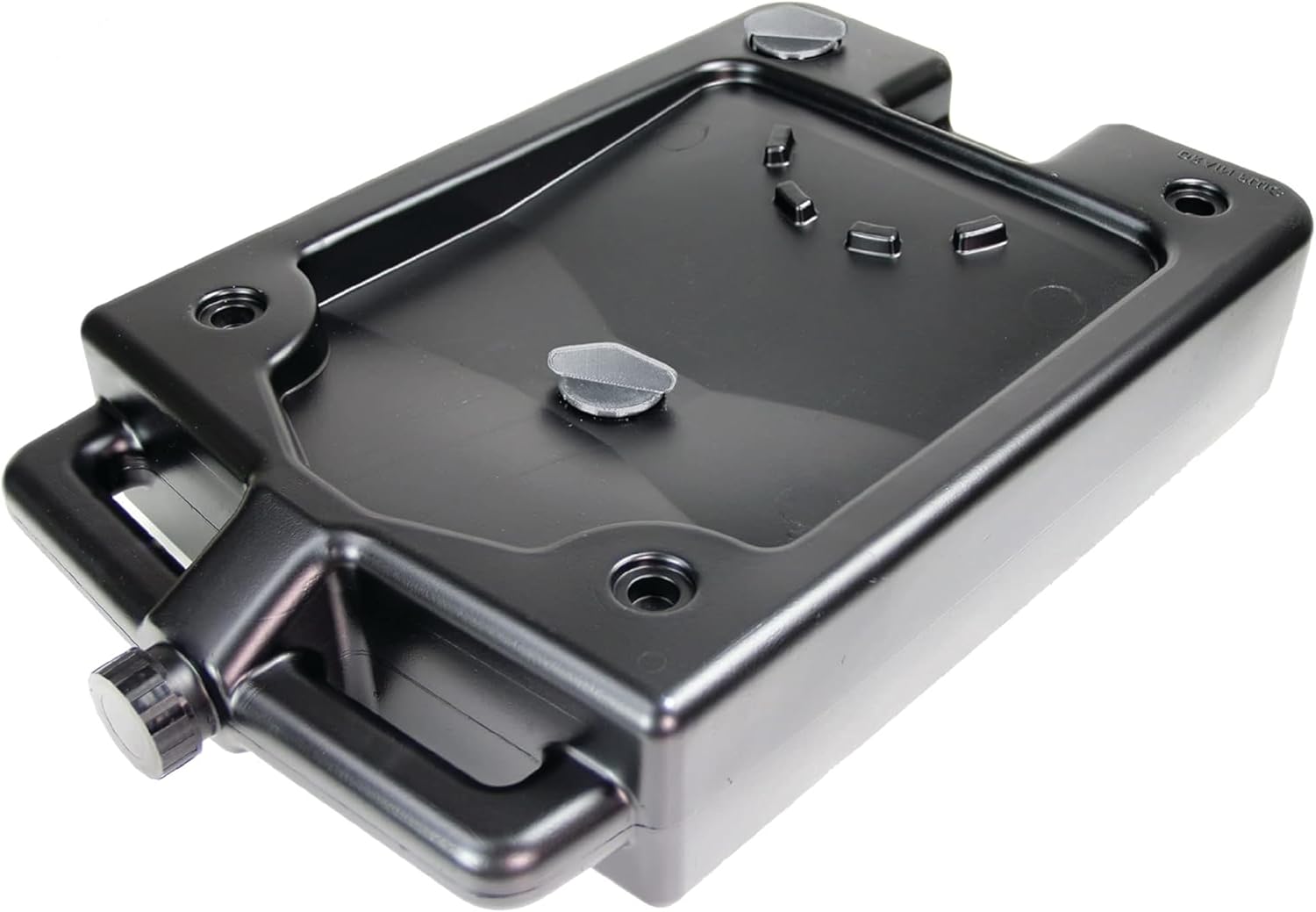


Final Reassembly and Road Test
Reinstall any remaining intake parts, engine covers, and fasteners. Make sure no tools or rags are left in the engine bay. Clear any stored diagnostic trouble codes if you scanned the vehicle before the repair.
Take the vehicle on a short road test after the engine reaches normal operating temperature. Pay attention to starting behavior, idle quality, throttle response, and any fuel smell after parking. Recheck the regulator area one more time when you return, because some leaks only appear after full system pressure and engine vibration are present.
If the engine still runs rich, misfires, or sets fuel-trim codes, the regulator may not have been the only issue. Common follow-up checks include injector leakage, fuel pump output, MAP/MAF sensor faults, vacuum leaks, and contaminated spark plugs.
Common Mistakes to Avoid
- Skipping pressure relief and opening the system while it is still pressurized.
- Reusing old O-rings that can leak as soon as pressure returns.
- Installing the wrong regulator for the engine or fuel system type.
- Damaging a quick-connect fitting by forcing the release mechanism.
- Ignoring fuel inside the vacuum hose, which is an important diagnosis clue.
- Starting the engine before checking carefully for leaks during the key-on prime cycle.
- Over-tightening small bolts in aluminum or plastic components.
When This Job Is Not a Simple DIY Repair
Not every fuel pressure regulator is easily accessible. On some vehicles, the regulator is integrated into the fuel pump assembly inside the fuel tank, which means the real repair is fuel pump module service. That can require draining or lowering the tank, dealing with rusty straps, and safely disconnecting EVAP and fuel lines.
If your vehicle has a direct-injection system with high-pressure fuel components, do not proceed unless you have the correct service information and understand the depressurization procedure. These systems operate at much higher pressures than standard port injection and can cause serious injury.
You should also hand this job to a professional if the fuel rail is heavily corroded, the regulator area is extremely cramped, or the line fittings are seized and likely to break. Replacing a regulator is far less expensive than repairing a damaged fuel rail or fuel line after a forced removal.
Key Takeaways
- Always relieve fuel pressure and disconnect the battery before opening the fuel system.
- Replace all regulator O-rings or seals and lubricate them lightly before installation.
- Prime the system with the key on and inspect for leaks before starting the engine.
- Use factory torque specs and avoid forcing clips, bolts, or quick-connect fuel fittings.
- If the regulator is tank-mounted or the system is direct-injected, the repair may be better left to a professional.
FAQ
What Are the Symptoms of a Bad Fuel Pressure Regulator?
Common symptoms include hard starting, rough idle, poor fuel economy, black exhaust smoke, fuel smell, rich-running codes, hesitation, and sometimes fuel inside the regulator vacuum hose. Some vehicles may also crank longer than normal before starting.
Can I Drive with a Bad Fuel Pressure Regulator?
Sometimes the vehicle will still run, but it is not a good idea to keep driving it. A failed regulator can cause poor performance, catalyst damage from a rich mixture, spark plug fouling, hard starts, or fuel leaks that create a fire hazard.
Do I Need to Relieve Fuel Pressure Before Replacing the Regulator?
Yes. Even after the engine is off, the fuel system can remain pressurized. Always relieve pressure first and keep rags around the connection points because some residual fuel may still come out.
Should I Replace the O-rings when Installing a New Regulator?
Yes. New O-rings or seals should always be used when supplied. Old seals can tear, flatten, or leak once pressure returns, even if they looked acceptable during removal.
How Do I Know if My Regulator Is on the Fuel Rail or in the Fuel Tank?
Check the service information or parts diagram for your exact vehicle. A rail-mounted regulator is usually visible near the injectors and may have a vacuum hose, while a tank-mounted regulator is often integrated into the pump module and not serviceable from the engine bay.
Do I Need a Fuel Pressure Gauge After Replacement?
It is not always required to complete the swap, but it is very helpful. A gauge lets you verify that fuel pressure matches specification and can quickly tell you whether another problem is still present after the new regulator is installed.
Why Does My Car Still Run Poorly After Replacing the Fuel Pressure Regulator?
The problem may be a weak fuel pump, clogged filter, leaking injector, vacuum leak, faulty pressure sensor, bad MAF or MAP input, or a damaged vacuum hose to the regulator. Double-check fuel pressure and scan for codes before replacing more parts.
Is Replacing a Fuel Pressure Regulator the Same on All Cars?
No. Some are simple rail-mounted units, while others are part of the in-tank fuel pump module. Direct-injection systems are also very different and require special caution because of much higher fuel pressure.
Need Parts for This Repair?
The right parts and supplies vary by vehicle.
Select your make and model to find compatible parts and accessories for your car.
Exact Fit
Parts that fit your make and model
Quality You Can Trust
Top brands and OEM quality options
Fast Shipping
Get the parts you need, delivered fast