

Note: This article contains affiliate links. If you click on these links and make a purchase, I may earn a small commission at no extra cost to you. This helps support my research and content. Read my full affiliate disclosure here.
Repair Snapshot
Use a mechanic if your engine requires major intake manifold removal, if fuel lines are badly rusted, or if you are not comfortable working around pressurized fuel. A pro is also a better choice if injector coding or programming is required.
This article is part of our Fuel System Maintenance & Repair Guides.
Replacing fuel injectors can restore smooth idle, improve fuel delivery, and fix misfires caused by clogged, leaking, or electrically failed injectors.
On many gasoline engines, the job involves removing the engine cover, intake ducting, and sometimes the upper intake plenum to access the fuel rail. The basic process is to relieve fuel pressure, disconnect the battery, remove the rail and injectors, install new injectors with fresh O-rings, then verify there are no fuel leaks before driving.
Because procedures vary by engine layout, always compare this guide with your service manual for torque specs, injector orientation, and any vehicle-specific steps such as relearn procedures or injector coding.
Before You Start
Fuel injector replacement is usually straightforward on port-injected gasoline engines, but access can range from easy to time-consuming. Some four-cylinder engines expose the rail right on top of the intake, while V6 and V8 engines may require removing an intake plenum, throttle body ducting, vacuum hoses, and brackets first.
If your vehicle uses direct injection, the job may be much more complex. High-pressure fuel systems can be dangerous, some injectors require special removal tools, and many direct-injection systems call for new seals, precise installation steps, or programming. This article focuses mainly on typical port fuel injection systems used in many U.S. cars, SUVs, and light trucks.
- Work on a cold engine in a well-ventilated area away from sparks, cigarettes, heaters, or open flames.
- Have a fire extinguisher rated for flammable liquids nearby.
- Take photos before disconnecting hoses and connectors so reassembly is easier.
- Label vacuum lines and electrical plugs if access is crowded.
Symptoms of a Bad Fuel Injector
Fuel injectors can fail mechanically, electrically, or by clogging internally. A leaking injector can flood one cylinder, while a weak or clogged injector can cause a lean misfire. Replacing injectors makes sense when testing points to one or more bad units, or when age, contamination, and mileage make a full set replacement more practical.
- Rough idle or engine misfire, especially on cold start
- Hard starting or long crank time
- Loss of power, hesitation, or stumble under load
- Strong fuel smell or visible fuel leakage around the rail
- Poor fuel economy
- Check engine light with misfire or injector circuit codes
Before replacing injectors, confirm the problem is not caused by a bad spark plug, ignition coil, vacuum leak, low fuel pressure, wiring fault, or engine compression issue. If you have a scan tool, look for cylinder-specific misfire data and fuel trim clues. Listening to each injector with a mechanic’s stethoscope can also help identify a dead or inconsistent injector.
How to Diagnose Before Replacing Parts
Basic Checks Worth Doing First
Injector replacement can get expensive, so it is smart to test first. On many engines, a wiring or fuel pressure problem can mimic injector failure. If only one cylinder is affected, compare injector resistance to the others if your service information provides the correct specification.
- Scan for trouble codes and note freeze-frame data.
- Inspect injector connectors for corrosion, broken locks, or damaged wiring.
- Check fuel pressure if you suspect a weak pump or clogged filter.
- Verify spark and compression on the affected cylinder before condemning the injector.
- If possible, swap a suspect injector to another cylinder and see if the misfire follows it.
If testing confirms one failed injector, you can replace only that unit on many vehicles. If the engine has high mileage and multiple injectors are suspect, replacing the full set can save labor later and help keep fuel delivery balanced.
Removal Preparation
Relieve Fuel Pressure Safely
Before loosening any fuel line or removing the rail, relieve system pressure. One common method is to remove the fuel pump fuse or relay, start the engine, and let it run until it stalls. Crank it for a few more seconds to bleed residual pressure. Then turn the key off.
Some vehicles also have a Schrader-style test port on the fuel rail. If yours does, place a rag over the valve and carefully depress it to release remaining pressure. Even after doing this, assume some fuel will still spill when lines are disconnected.
Disconnect the Battery
Disconnect the negative battery cable before unplugging injector connectors or moving the rail. This reduces the chance of accidental sparks and protects sensitive electronics.
Remove Covers and Intake Pieces
Remove any plastic engine covers, intake tubing, resonators, and brackets blocking access to the fuel rail. On some engines, the throttle body duct and upper intake plenum must come off. If the plenum is removed, plan on installing a new gasket during reassembly.
Tools That Make This Job Easier

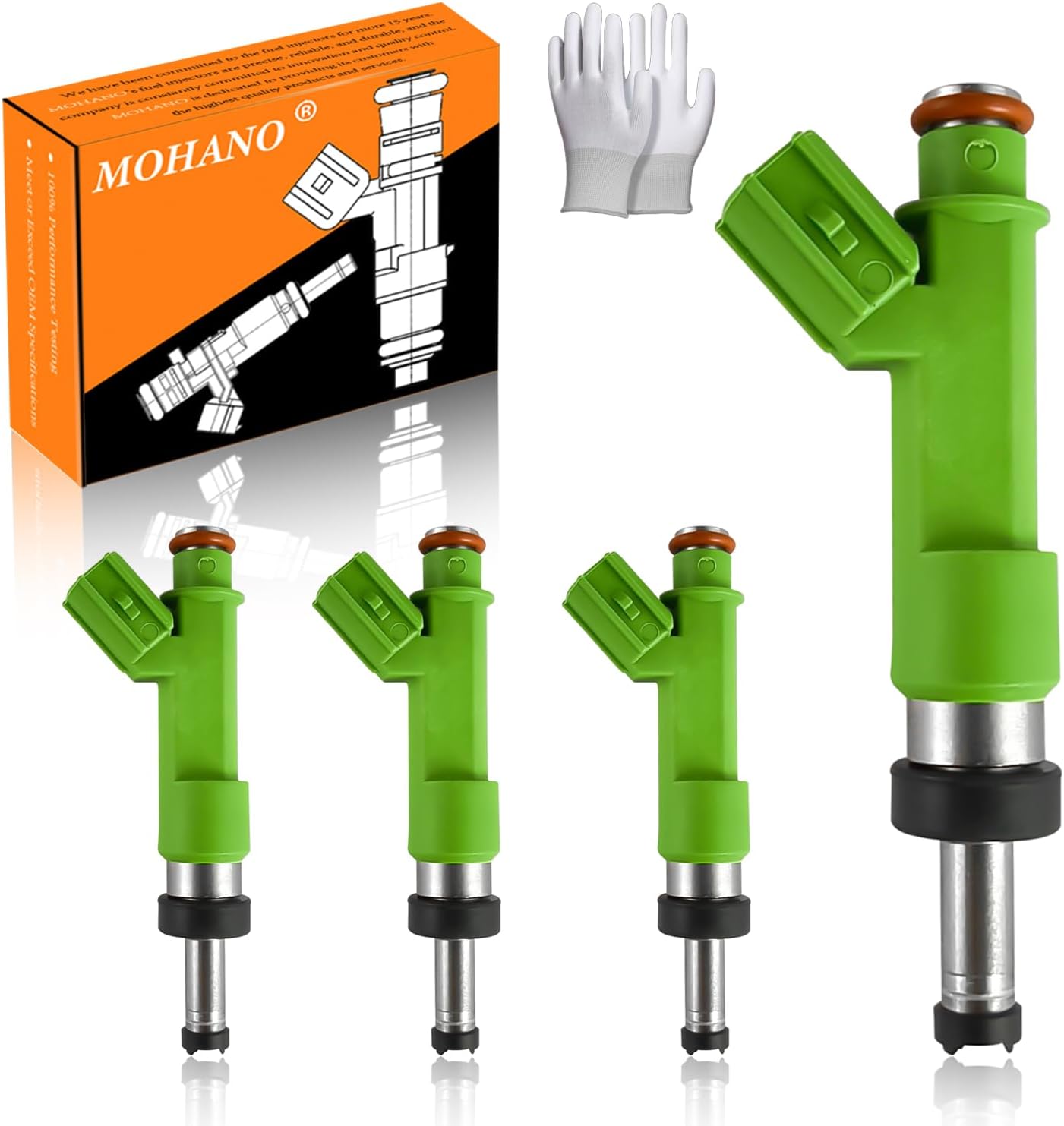

How to Remove the Fuel Rail and Injectors
Disconnect Injector Connectors and Fuel Lines
Unplug each injector electrical connector by releasing its lock tab gently. Avoid yanking on the wires. If clips are brittle from heat, work slowly so you do not break them. Disconnect the fuel supply line from the rail if needed, using the proper disconnect tool where applicable.
Place shop rags under the connection point and keep a small container ready for spilled fuel. If your engine has vacuum hoses, EVAP lines, or brackets attached to the rail area, remove them now and note their original positions.
Unbolt the Fuel Rail
Remove the fuel rail retaining bolts evenly. Keep them organized by location if lengths differ. Most rails are held by only a few small bolts, so do not use excessive force. After the bolts are out, gently rock the rail while pulling upward to free the injector O-rings from the intake manifold.
If the rail feels stuck, do not pry hard against plastic intake parts. Work it loose a little at a time. Stubborn injectors can hang up in the manifold or remain attached to the rail, and either condition is normal as long as nothing is forced.
Remove the Injectors
Once the rail is free, remove the injectors one by one. Depending on design, each injector may use a retaining clip that must be released first. Keep track of clip orientation. Inspect the old injectors and make sure both upper and lower O-rings came out with them. A stuck O-ring left in the manifold can cause installation problems and major leaks.
- Check each injector port for torn seal material.
- Inspect the rail for corrosion, dirt, or damaged injector seats.
- Do not reuse flattened, cut, or hardened O-rings.
- Do not allow dirt to fall into open intake ports.
Installing the New Fuel Injectors
Prepare the New Injectors
Compare every new injector to the old one before installation. Confirm connector style, body length, nozzle type, and O-ring placement match. Install new upper and lower O-rings if they are not already fitted, and lightly lubricate them with clean engine oil. Do not install dry seals.
Avoid heavy grease unless your service information specifically allows it. Too much lubricant can contaminate connections or collect dirt. A light film of clean oil is usually enough to prevent the O-rings from pinching or tearing.
Seat the Injectors in the Rail and Manifold
Install the injectors into the rail or manifold in the same orientation as the originals. If retaining clips are used, make sure they fully engage. Position the rail squarely over the intake ports and press down evenly so all injectors start into their bores without cocking sideways.
The rail should sit down with steady hand pressure and gentle wiggling. If one injector refuses to seat, stop and inspect the O-ring and alignment. Forcing the rail down with bolts can cut a seal or crack a component.
Torque the Rail Bolts Correctly
Start all fuel rail bolts by hand, then tighten them evenly in stages. Use a torque wrench and follow the factory specification if you have it. These fasteners are often small and thread into aluminum, so overtightening is a real risk. If you do not know the exact torque, get the correct spec before final tightening.
Recommended Tools for This Job


Reassembly and Final Checks
Reconnect Everything You Removed
Reconnect the fuel line, injector electrical connectors, brackets, vacuum hoses, EVAP lines, intake tubing, and any plenum or manifold parts removed for access. Replace the intake gasket or plenum gasket if the design requires it. Make sure every connector clicks into place and every hose clamp is secure.
Prime the Fuel System
Reconnect the negative battery cable and reinstall the fuel pump fuse or relay if it was removed. Turn the ignition to the ON position for several seconds without starting the engine, then turn it off. Repeat this two or three times to pressurize the fuel system.
Check Carefully for Leaks
Before starting the engine, inspect the fuel line connection, rail ends, and each injector seat for any wetness or raw fuel smell. If you see a leak, turn the key off immediately and fix it before proceeding.
Once no leaks are visible, start the engine and let it idle. Watch the rail and injector area again for several minutes. A smooth idle and dry injector bases are good signs. If the engine misfires or smells strongly of fuel, shut it down and recheck connector engagement, injector seating, and O-ring condition.
Torque, Adjustment, and When Bleeding Matters
Most fuel injector jobs do not involve a traditional bleeding procedure like brakes or clutch hydraulics, but the system still needs to be primed after reassembly. Cycling the key several times usually restores pressure on port-injected systems. Cranking for a few extra seconds on first start can also be normal.
Torque matters most on the fuel rail bolts, intake plenum bolts, throttle body fasteners, and any brackets removed during access. Tighten these parts in the correct sequence when specified, especially on plastic intake manifolds where uneven clamping can create vacuum leaks.
Some newer vehicles may need injector calibration codes entered, idle relearn, or fuel trim reset procedures after installation. If your replacement injectors include calibration data or your service information mentions programming, do not skip that step. This is far more common on direct-injection and diesel systems than on older port-injected gasoline engines.
Common Mistakes to Avoid
- Skipping fuel pressure relief and getting sprayed with fuel when the line is opened.
- Reusing old injector O-rings or installing new ones dry.
- Pulling on injector wiring instead of releasing the connector locks properly.
- Using rail bolts to force misaligned injectors into the manifold.
- Leaving an old O-ring stuck in the intake or rail seat.
- Forgetting to reinstall a vacuum hose, causing a rough idle after the repair.
- Starting the engine without checking for leaks during key-on prime.
Most post-repair problems come from seal damage, missed connections, or contamination. Slow, careful assembly is more important than speed here. If something does not fit easily, stop and inspect instead of forcing it.
When to Replace All Injectors Instead of One
If one injector has clearly failed electrically on a lower-mileage engine, replacing only that injector may be fine. But there are times when doing the whole set is the better value. High mileage, visible varnish buildup, repeated injector issues, or major labor to access the rail can justify replacing all injectors at once.
Matched injectors can also help keep fuel delivery more even between cylinders. That matters most if the vehicle has had drivability complaints for a while or if multiple cylinders show poor balance. If budget is tight, at least replace all O-rings and inspect the connectors closely while you are in there.
Key Takeaways
- Always relieve fuel pressure and disconnect the battery before opening the fuel system.
- Use new injector O-rings and lubricate them lightly with clean engine oil before installation.
- Never pull the fuel rail down with bolts if an injector is misaligned or not fully seated.
- Prime the system with the key on and inspect every injector and line connection for leaks before driving.
- Check service information for torque specs, intake gasket replacement, and any injector coding requirements.
FAQ
Can I Replace Just One Fuel Injector?
Yes, on many vehicles you can replace only the failed injector if testing confirms the others are good. If mileage is high or rail access is labor-intensive, replacing the full set may save time and reduce future repeat repairs.
Do I Need to Replace the O-rings when Changing Fuel Injectors?
Yes. New injector O-rings should always be installed unless the injector comes preassembled with new seals. Old O-rings can harden, tear, or leak once disturbed.
What Happens if I Install Injector O-rings Dry?
Dry O-rings can pinch, roll, or tear during installation. That can lead to fuel leaks, vacuum leaks, or a misaligned injector. Use a light film of clean engine oil unless the service manual specifies a different lubricant.
How Do I Know if the Fuel Injector Is Bad or if It Is an Ignition Problem?
Check trouble codes, verify spark, inspect the injector connector, and compare injector operation across cylinders. A bad plug or coil can cause the same misfire symptoms as a bad injector, so diagnosis before replacement is important.
Do Fuel Injectors Need to Be Programmed After Replacement?
Most older port-injected gasoline engines do not require programming. Some newer direct-injection or diesel systems do, and certain replacement injectors may include calibration codes that must be entered with a scan tool.
Why Is My Engine Still Misfiring After I Replaced the Injectors?
Common causes include a loose connector, damaged O-ring, missed vacuum hose, unresolved ignition problem, low fuel pressure, or incorrect injector part number. Recheck for leaks, wiring issues, and related misfire causes.
Is It Safe to Drive with a Leaking Fuel Injector?
No. An external fuel leak is a fire hazard and the vehicle should not be driven until repaired. Even an injector leaking internally into a cylinder can cause poor running, fuel dilution, and catalyst damage.
Need Parts for This Repair?
The right parts and supplies vary by vehicle.
Select your make and model to find compatible parts and accessories for your car.
Exact Fit
Parts that fit your make and model
Quality You Can Trust
Top brands and OEM quality options
Fast Shipping
Get the parts you need, delivered fast