

Note: This article contains affiliate links. If you click on these links and make a purchase, I may earn a small commission at no extra cost to you. This helps support my research and content. Read my full affiliate disclosure here.
Repair Snapshot
Use a mechanic if you cannot safely access the tank, your vehicle has an anti-siphon filler neck, or you suspect diesel, water, or heavy contamination in the fuel system. Professional help is also the better choice if the car will not start after refueling with fresh gas.
This article is part of our Fuel System Maintenance & Repair Guides.
Draining bad gas from a car is usually the fastest way to fix rough running, hard starting, stalling, or a no-start condition caused by old, contaminated, or wrong fuel. If gasoline has gone stale, picked up water, or been mixed with the wrong type of fuel, the engine may not burn it consistently enough to run well.
This job can be done at home on some vehicles, but it requires careful handling because gasoline vapors ignite easily and fuel systems can stay pressurized. The safest approach depends on the car: some tanks can be emptied through the fuel line or pump access point, while others are easier to service by siphoning from the filler neck if the design allows it.
Below, you will learn how to confirm the fuel is the problem, choose the right draining method, remove the bad gas safely, and get the vehicle running again with fresh fuel.
When Bad Gas Is the Likely Problem
Bad gasoline can cause symptoms that look like ignition or fuel delivery problems, so it helps to connect the timing of the issue with what happened at the pump or during storage. If the car ran normally before refueling, then immediately began stumbling, knocking, smoking, or refusing to start, contaminated fuel is a strong possibility.
Common Signs of Stale or Contaminated Fuel
- The engine cranks but does not start after a recent fill-up.
- The car starts, then idles rough, hesitates, or stalls.
- Acceleration feels weak or jerky.
- You smell unusually strong fuel odor from the exhaust.
- The vehicle sat for several months and now runs poorly.
Gasoline can degrade over time, especially in a partially filled tank where moisture can collect. Water in the fuel, heavily oxidized gasoline, or accidental diesel contamination can all create driveability problems. If the check engine light comes on, that does not rule out bad gas; misfire and fuel trim codes are common when the engine is burning poor-quality fuel.
Situations That Point to Another Problem Instead
If the car has not been refueled recently and was running poorly long before the current tank, the issue could be a weak fuel pump, clogged injectors, ignition failure, or a vacuum leak. Likewise, if the engine will not crank at all, draining the tank will not solve a battery or starter problem.
Safety Rules Before You Touch the Fuel System
Gasoline is highly flammable, and its vapors can travel farther than many DIYers expect. Work outdoors or in a very well-ventilated area away from water heaters, furnaces, extension cord sparks, cigarettes, grinders, or any open flame. Keep a class B fire extinguisher nearby if possible.
- Wear safety glasses and chemical-resistant gloves.
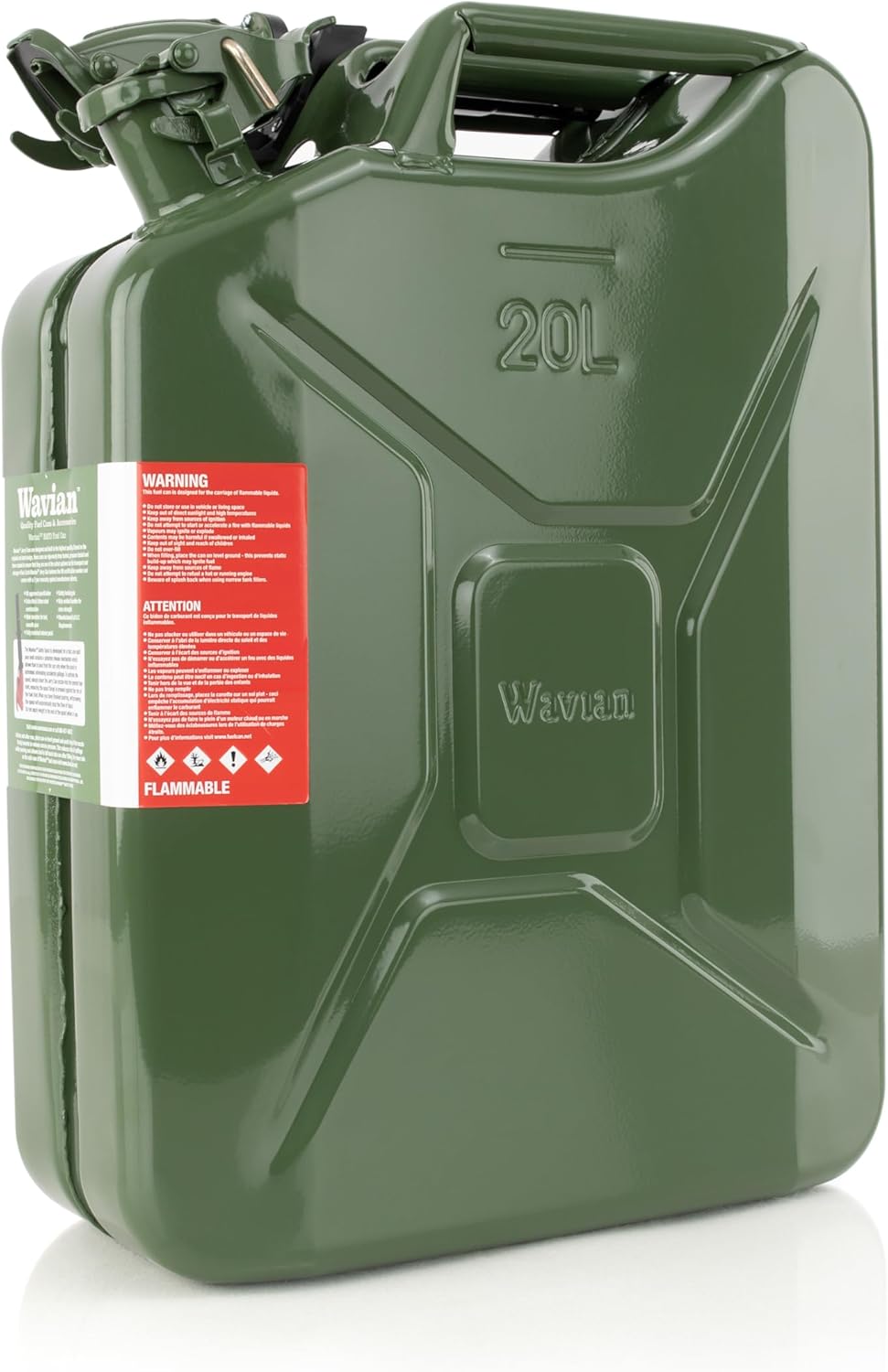
- Do not use household buckets or open containers; use approved gasoline cans only.
- Avoid incandescent work lights that can get hot or break.
- Disconnect the battery negative cable before opening lines or removing the fuel pump assembly.
- Clean up spills immediately with absorbent material.
Never drain fuel onto the ground, into a sewer, or into a trash can. Plan disposal before you start. Most communities accept old gasoline at a hazardous waste collection site, and some shops will help if the amount is small and properly contained.
What to Check Before Draining the Tank
A little diagnosis upfront can save you from unnecessary work. First, confirm how much fuel is in the tank. Draining five gallons is much easier than draining a nearly full tank. Next, think about what kind of contamination may be present: stale fuel from storage, water intrusion, or the wrong fuel altogether.
Useful Pre-checks
- Smell the fuel at the filler neck if accessible; stale gas often smells sour or varnish-like.
- Review the receipt if the symptoms started right after fueling.
- Check whether your vehicle has an external, replaceable fuel filter.
- Look up whether your fuel filler neck has an anti-siphon screen.
- Find the fuel pump fuse or relay location in the owner’s manual.
Modern vehicles often make direct siphoning difficult because the filler neck includes anti-rollover or anti-theft features. If your siphon hose will not pass into the tank, do not force it. The better option is usually to remove fuel through the supply line or pump module access point.
Choose the Best Method for Your Vehicle
There is no single draining method that fits every car. The right choice depends on tank design, how much fuel is inside, and whether you can safely access the fuel pump or lines.
Method Options
- Siphon through the filler neck: easiest when the tank design allows it and contamination is limited to the tank.
- Pump fuel out through the fuel supply line: often effective on fuel-injected vehicles if you can safely control the flow.
- Remove the fuel pump module or use the pump access panel: common when siphoning is blocked and you need direct tank access.
- Drop the tank: usually the last resort for severe contamination, inaccessible pump modules, or damaged fuel.
For most DIYers, a manual siphon is the least invasive option, but it only works if the hose reaches the fuel. If the car was filled with the wrong fuel, or if there is visible water or debris, direct access to the tank may be the more complete repair.
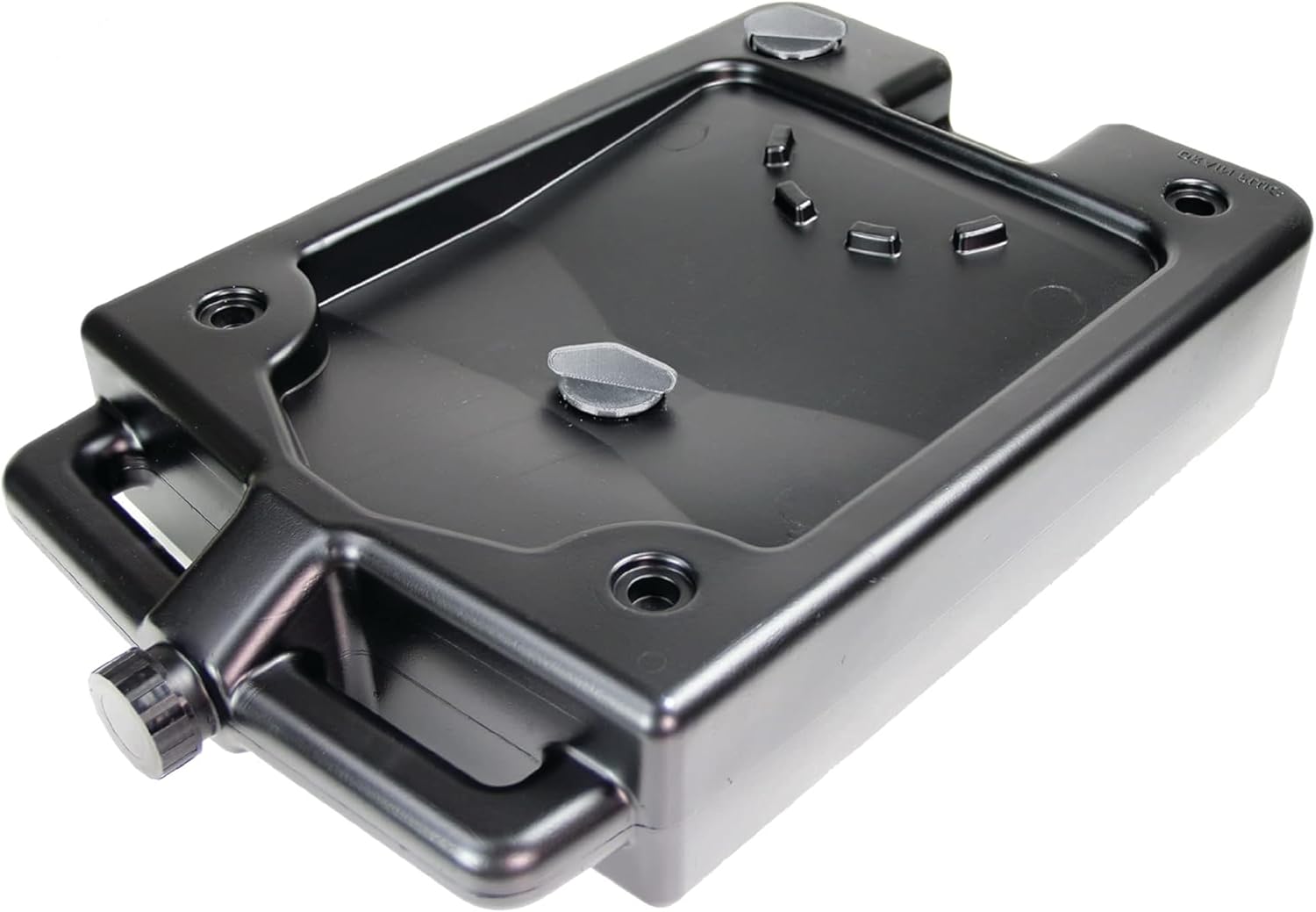
Tools That Make This Job Easier

How to Siphon Bad Gas From the Filler Neck
Use this method only if the siphon hose can pass into the tank without force. Park the vehicle on a level surface, set the parking brake, shut the engine off, and let hot exhaust components cool down first.
Basic Siphon Procedure
- Insert the siphon hose gently into the filler neck until it bottoms in the tank.
- Place the outlet hose into an approved gasoline container positioned lower than the tank.
- Operate the manual pump according to the tool instructions until fuel starts flowing.
- Continue transferring fuel into containers, switching cans before they become too full.
- Stop once you have removed as much bad gas as practical.
Do not use your mouth to start a siphon. That is unsafe and unnecessary. If the flow stops repeatedly, the hose may not be fully submerged or the tank neck design may be blocking access. At that point, move to a direct fuel-line or pump-access method instead of forcing the hose.
This method usually leaves a small amount of fuel behind. For lightly stale gas, that may be acceptable if you top off with fresh fuel and use a quality fuel system cleaner. For severe contamination or misfueling, get the tank as empty as possible.
How to Drain Fuel Through the Fuel Line or Pump
This method is more involved but often works when the filler neck cannot be siphoned. The exact procedure varies by vehicle, so consult a repair manual if possible. You need to identify the fuel supply line and safely control where the pumped fuel goes.
Relieve Pressure First
Fuel-injected systems can stay pressurized even with the engine off. Remove the fuel pump fuse or relay, then start the engine and let it run until it stalls. Crank for a few more seconds to reduce pressure, switch the key off, and disconnect the negative battery cable.
Typical Pump-out Process
- Locate the fuel supply line at an accessible point, often near the fuel rail or underbody connection.
- Disconnect the line carefully and attach a suitable hose that routes into an approved gas can.
- Reconnect the battery temporarily if needed for pump operation.
- Command the pump on using the ignition cycle or jump the relay only if you understand the procedure for your vehicle.
- Transfer fuel in short intervals, monitoring the container at all times.
- Shut everything down before the container is full, then continue with an empty approved container if needed.
If you are not comfortable identifying the correct line, stop here. Disconnecting the wrong hose can create a dangerous spill or a no-start issue later. Some vehicles also require a scan tool or specific relay control strategy to run the pump safely without cranking.
How to Remove Fuel Through the Pump Access Panel
Many cars have an access panel under the rear seat or trunk floor above the fuel pump module. This can be the cleanest way to remove contaminated fuel when the filler neck is blocked. It also allows you to inspect the tank interior for rust, debris, or obvious water separation.
- Disconnect the battery negative cable.
- Lift the rear seat cushion or trunk trim to find the access cover.
- Remove the cover and clean the area around the pump retaining ring so dirt does not fall into the tank.
- Disconnect the electrical connector and fuel lines as required.
- Remove the lock ring or fasteners and lift the pump module carefully.
- Use a manual transfer pump to remove the fuel from the open tank into approved containers.
Take your time when removing the pump module. The fuel level sender and pump basket can be awkward to maneuver out of the tank opening. Replace any damaged seal or O-ring during reassembly, and make sure the retaining ring is fully locked to prevent vapor leaks.
Recommended Tools for This Job


What Else to Do After the Bad Gas Is Out
Draining the tank is often only part of the job. Contaminated fuel can remain in the lines, filter, rail, and injectors. A few follow-up steps improve the odds that the engine will restart cleanly and run normally.
Recommended Follow-up Steps
- Add several gallons of fresh gasoline before trying to start the car.
- Replace the fuel filter if your vehicle uses an external serviceable filter.
- Add fuel system cleaner if contamination was minor and gasoline, not diesel, was in the system.
- Cycle the key to prime the pump before cranking.
- Expect a few extra seconds of cranking while fresh fuel reaches the engine.
If the car was accidentally filled with diesel, be more cautious. Gas engines may need more thorough flushing, and simply diluting the tank may not be enough. If the engine was run extensively on the wrong fuel, professional cleaning of lines and injectors may be the safer call.
On the first restart, let the engine idle and stabilize. Watch for leaks around any line connection, pump seal, or access cover you disturbed. If the engine still misfires badly, stalls, or sets new fault codes, more contaminated fuel may remain in the system.
Disposal and Cleanup
Old or contaminated gasoline should be treated as hazardous waste. Store it only in sealed, approved containers labeled clearly so nobody mistakes it for usable fuel.
- Take the fuel to a local hazardous waste collection site if your area offers one.
- Call your county waste authority or fire department non-emergency line for local guidance.
- Do not mix gasoline with oil, coolant, or brake fluid unless a disposal facility specifically instructs you to do so.
- Use absorbent material on small spills and dispose of cleanup materials according to local rules.
Even after the work is done, keep the drained fuel away from pilot lights, direct sun, and children or pets until you can dispose of it properly. Do not store bad gas in a garage long term just because the cans are sealed.
When to Stop and Call a Professional
Some fuel contamination jobs cross the line from reasonable DIY work to a better shop repair. That is especially true when access is poor, the vehicle uses a complex saddle tank, or the misfueling event has already caused major running issues.
- The filler neck is anti-siphon and there is no easy pump access.
- The tank is nearly full and must be dropped from the vehicle.
- You suspect significant water intrusion, rust, or debris in the tank.
- The vehicle was filled with the wrong fuel and driven until it ran badly or died.
- You are not sure how to depressurize or reconnect the fuel system safely.
A professional can usually evacuate the tank faster, replace contaminated filters, and verify fuel pressure and injector operation after the cleanup. That extra diagnosis matters if the car still will not run properly once fresh gasoline is added.
How to Prevent Bad Gas Problems in the Future
Prevention is easier than draining a tank. If a vehicle will sit for more than a few months, use fresh gasoline, keep the tank reasonably full to reduce moisture buildup, and add fuel stabilizer before storage. Start and drive the car occasionally when practical so the fuel system does not sit stagnant.
- Buy fuel from busy stations with good turnover.
- Avoid topping off if the station storage tanks may be disturbed during fuel delivery.
- Use the correct octane and fuel type every time.
- Label gas cans clearly if you store fuel for lawn equipment or generators.
- Do not leave old gas in portable cans for long periods without stabilizer.
Key Takeaways
- If the car started acting up right after refueling or after long storage, bad gas is a credible cause worth checking first.
- Use only safe draining methods for your tank design, and never force a siphon hose past an anti-siphon filler neck.
- Relieve fuel pressure, control vapors, and store drained fuel only in approved gasoline containers.
- After draining, add fresh gas, inspect for leaks, and replace the fuel filter if your vehicle has a serviceable one.
- Call a mechanic if the tank must be dropped, the wrong fuel was run through the engine, or the car still runs poorly on fresh gas.
FAQ
Can I Just Dilute Bad Gas with Fresh Gasoline Instead of Draining It?
Sometimes, but only if the fuel is just slightly stale and the tank is not heavily contaminated. If there is water in the gas, obvious misfueling, or severe running problems, draining is the better repair.
How Long Does Gasoline Have to Sit Before It Goes Bad?
Gasoline can begin degrading in a few months, especially with heat, air exposure, and ethanol content. Around 3 to 6 months is a common point where stale-fuel problems begin, though storage conditions matter.
Will Bad Gas Trigger a Check Engine Light?
Yes. Bad fuel can cause misfires, lean or rich fuel trim issues, and poor combustion that sets the check engine light. The codes do not always identify the fuel itself as the root cause.
Can I Use the Car’s Fuel Pump to Empty the Tank?
On some vehicles, yes, but only if you know how to relieve pressure, identify the correct line, and control the fuel safely. If you are unsure, a manual siphon or professional service is safer.
Do I Need to Replace the Fuel Filter After Draining Bad Gas?
If your vehicle has an external serviceable fuel filter, replacement is a smart precaution after contamination. If the filter is built into the pump module, replacement may not be necessary unless symptoms continue.
What Happens if I Put Diesel in a Gasoline Car?
A small amount may cause rough running or no start, while a larger amount can require thorough draining and flushing. If the engine was run on diesel-contaminated fuel, professional cleaning may be needed.
Is It Safe to Drain Gas in My Garage?
It is safer to work outdoors because gasoline vapors are flammable and can collect indoors. If you must work inside, ventilation must be excellent and all ignition sources must be eliminated.
Need Parts for This Repair?
The right parts and supplies vary by vehicle.
Select your make and model to find compatible parts and accessories for your car.
Exact Fit
Parts that fit your make and model
Quality You Can Trust
Top brands and OEM quality options
Fast Shipping
Get the parts you need, delivered fast