

Note: This article contains affiliate links. If you click on these links and make a purchase, I may earn a small commission at no extra cost to you. This helps support my research and content. Read my full affiliate disclosure here.
Repair Snapshot
Use a mechanic if the engine has active misfire codes, fuel leaks, hard-start issues that could involve high fuel pressure, or if injector removal requires significant intake disassembly. Professional testing is also best when you need flow matching, leak-down testing, or direct-injection service.
This article is part of our Fuel System Maintenance & Repair Guides.
Cleaning fuel injectors can restore smoother idle, better throttle response, and easier starting when deposits are causing poor spray patterns or restricted fuel flow.
For many DIY owners, injector cleaning starts with the least invasive option: a quality fuel-system cleaner added to the tank. If symptoms are more noticeable, a pressurized rail-cleaning method or injector removal may be needed, but those steps require more care because you are working around gasoline, fuel pressure, and delicate seals.
This guide walks through the common ways to clean fuel injectors, how to decide which method makes sense for your vehicle, what signs point to a deeper problem, and when injector replacement or professional service is the better move.
What Fuel Injectors Do and When Cleaning Helps
Fuel injectors meter a precise amount of fuel into the intake port or combustion chamber. To do that well, they need a clean nozzle and consistent internal operation. Over time, heat, old fuel, short-trip driving, and carbon buildup can affect the injector spray pattern or partially clog the injector.
Mild deposits often respond well to in-tank cleaner or a pressurized cleaning service. But if an injector has an electrical fault, is leaking externally, is stuck mechanically, or has severe internal restriction, cleaning may not solve the problem.
Common Signs of Dirty Fuel Injectors
- Rough idle, especially after the engine warms up
- Hesitation or stumble during acceleration
- Reduced fuel economy without another obvious cause
- Long crank or hard starts
- Engine misfire under load or at idle
- Noticeable loss of power
- A fuel smell or black exhaust smoke in more severe cases
These symptoms can also be caused by spark plugs, ignition coils, vacuum leaks, low fuel pressure, mass airflow sensor issues, or carbon buildup elsewhere in the intake system. That is why basic diagnosis before cleaning is important.
Before You Start: Safety and Diagnosis
Gasoline is highly flammable, and many fuel systems stay pressurized even after the engine is off. Work in a well-ventilated area away from heaters, sparks, smoking materials, and hot lights. Wear safety glasses and gloves, and keep a class B fire extinguisher nearby if you are doing anything beyond adding cleaner to the tank.
Check for Codes and Basic Engine Condition First
If you have a scan tool, check for stored and pending trouble codes before you clean anything. Misfire codes such as P0300 through P0308, lean codes like P0171 or P0174, or injector circuit codes can help narrow the issue. Also verify that maintenance basics are current, especially spark plugs, air filter, and fuel quality.
- Do not try to clean injectors to fix an active fuel leak.
- Do not remove injectors until fuel pressure has been relieved according to service information.
- Do not reuse cut, swollen, cracked, or flattened injector O-rings.
- Do not assume direct-injection injectors can be serviced the same way as older port-injected designs.
If your vehicle is direct-injected, deposits may also build up on intake valves rather than only at the injector tip. In that case, injector cleaning alone may not fix rough idle or low performance.
Choose the Right Cleaning Method
There are three common DIY-level approaches, and the best one depends on symptom severity, mileage, and how much disassembly you are comfortable with.
Method One: In-tank Fuel Injector Cleaner
This is the easiest and safest starting point. You pour a detergent-based cleaner into the fuel tank, then drive the vehicle so the treated fuel passes through the system. This method works best for light deposits and preventative maintenance.
Method Two: Pressurized On-car Injector Cleaning
This uses a cleaning canister connected to the fuel rail or service port so the engine runs directly on concentrated cleaner. It is more effective than in-tank treatment for moderate buildup, but it requires careful setup and strict attention to pressure and leak prevention.
Method Three: Remove the Injectors for Bench Cleaning or Replacement
This is the deepest DIY approach and is best when one or more injectors are clearly underperforming, leaking, or due for O-ring service during intake disassembly. Once removed, injectors can be professionally ultrasonically cleaned and flow tested, or replaced outright.
Tools That Make This Job Easier


How to Clean Fuel Injectors with In-Tank Cleaner
If the engine still runs reasonably well and you are dealing with mild roughness, hesitation, or preventive maintenance, start here. This method is simple and low risk.
Add the Cleaner Correctly
- Read the cleaner instructions and confirm the bottle size matches your fuel tank capacity.
- Add the cleaner to the fuel tank when the fuel level is at or near the amount specified on the label, usually before refueling.
- Fill the tank with the recommended grade of fresh gasoline.
- Drive normally over the next tank of fuel, including some steady highway driving if possible.
Do not dump in extra cleaner thinking more is better. Over-concentrating some products can affect drivability or trigger temporary smoke. Follow the label exactly.
What Results to Expect
You may notice smoother idle, better throttle response, and reduced hesitation by the end of the tank. If nothing changes and the symptoms continue, the problem may be beyond light deposit buildup.
How to Use a Pressurized Injector Cleaning Kit
A pressurized cleaning kit is more effective than pouring additive into the tank, but it is also the point where mistakes can create fire risk or fuel system damage. Always follow the vehicle service information and the cleaning kit instructions.
Prepare the Vehicle
- Park outside or in a very well-ventilated area and let the engine cool.
- Relieve fuel system pressure using the correct factory procedure.
- Locate the fuel rail service port if your vehicle has one.
- Disable the fuel pump or isolate fuel supply as required by the cleaning kit instructions.
Run the Cleaner Through the Injectors
- Connect the cleaning canister and adapter securely.
- Set canister pressure only to the level recommended for the vehicle and tool.
- Start the engine and let it run on the cleaning solution until the canister is empty or the specified cleaning time is complete.
- Shut the engine off, disconnect the kit, reconnect the normal fuel supply, and inspect for leaks before restarting.
Never guess on pressure values. Too much pressure can damage components or create dangerous spray leaks. After the service, clear codes if needed and road-test the vehicle.
After-cleaning Checks
- Look and smell for any fuel leaks around fittings, the rail, and injector areas.
- Confirm idle quality is improved once the engine stabilizes.
- Check that misfire counts do not return during a short road test.
- Recheck for trouble codes after the drive cycle.
How to Remove and Clean Fuel Injectors
Injector removal is more advanced because it often requires removing the engine cover, intake ducting, electrical connectors, fuel rail fasteners, and sometimes part of the intake manifold. If you are not comfortable with that level of work, this is where a shop becomes the better option.
Remove the Injectors Carefully
- Disconnect the negative battery cable if the service information calls for it.
- Relieve fuel pressure fully before opening the system.
- Label connectors or take photos so everything goes back correctly.
- Remove any covers, ducts, or brackets blocking access to the fuel rail.
- Unplug injector connectors and remove the rail mounting hardware.
- Lift the fuel rail evenly so the injectors come out without bending or tearing seals.
Some injectors remain clipped to the rail, while others stay in the intake manifold. Work slowly and do not pry aggressively against plastic intake parts.
Inspect Before Deciding to Clean
- Check injector bodies for cracks or fuel staining.
- Inspect the electrical connector for corrosion or broken locks.
- Examine O-rings and seals for cuts, flattening, or swelling.
- Look for heavy varnish, carbon, or debris at the inlet screens and tips.
At-home spray cleaning can remove some external deposits, but it will not verify spray pattern or flow balance. The best result from removed injectors usually comes from professional ultrasonic cleaning and flow testing.
Reinstall with New Seals
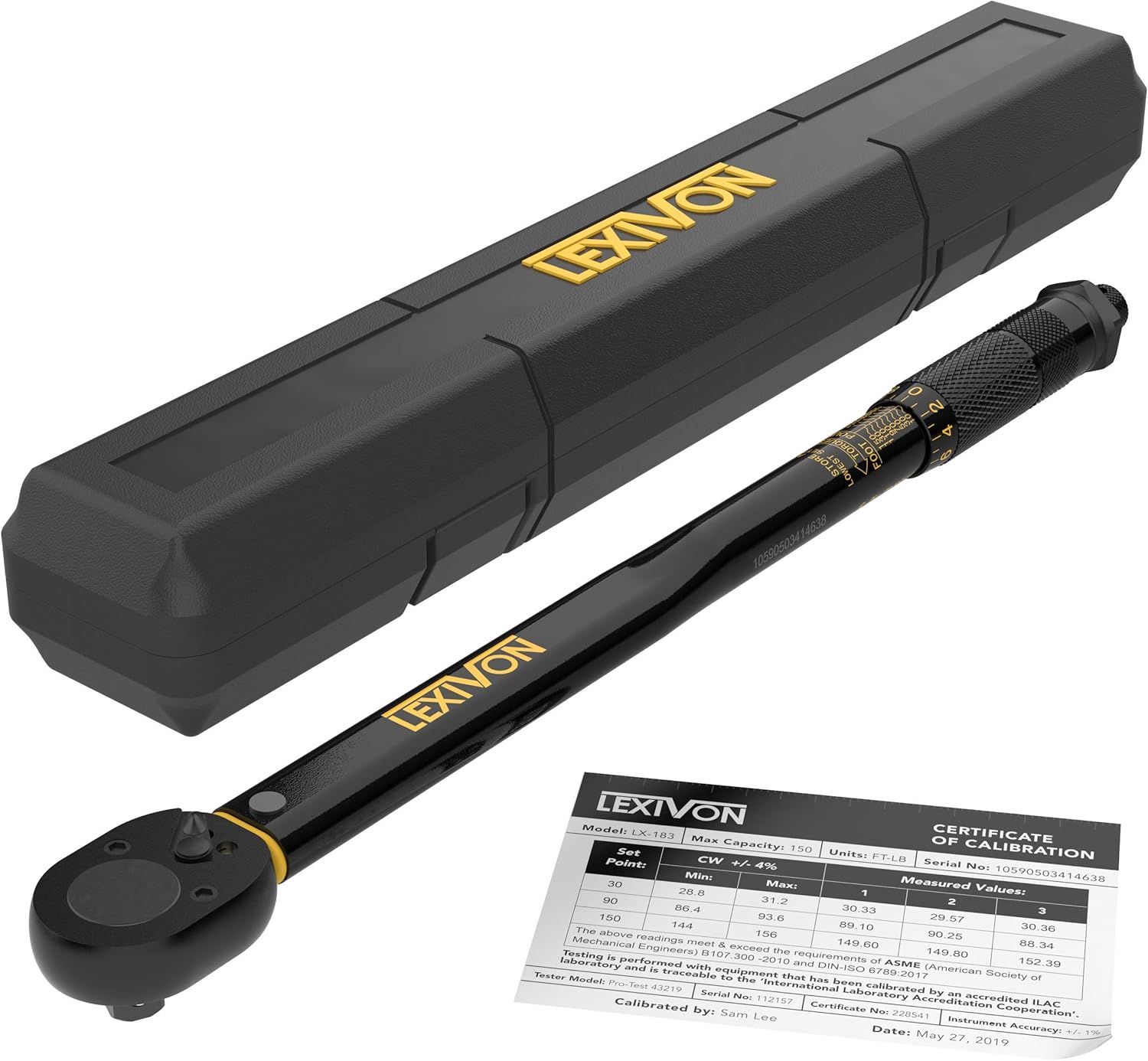
Use new O-rings whenever recommended. Lightly lubricate the O-rings with clean engine oil before installation so they slide in without tearing. Reinstall the rail evenly, torque fasteners to spec, reconnect electrical plugs, and prime the system before starting the engine.
After reassembly, cycle the key to the on position a few times without starting the engine to build pressure. Then inspect carefully for leaks before and after startup.
Recommended Tools for This Job


How Often Fuel Injectors Need Cleaning
There is no universal mileage interval that every vehicle needs. Fuel quality, driving habits, engine design, and maintenance history all matter. Many owners use an in-tank cleaner every 3,000 to 7,500 miles, or a few times per year, especially on engines that see frequent short trips.
A stronger on-car cleaning service is usually done only when symptoms justify it, not as a monthly routine. Injector removal and professional bench cleaning are generally reserved for persistent drivability problems, high-mileage engines, or when testing shows one injector is performing differently from the others.
Driving Habits That Increase Deposit Buildup
- Repeated short trips where the engine rarely fully warms up
- Long storage periods with old fuel in the tank
- Consistent use of lower-quality fuel
- Ignoring air filter, spark plug, or fuel filter maintenance where applicable
- Heavy stop-and-go use with little highway operation
Signs Cleaning Is Not Enough
Injector cleaning is not a cure-all. Sometimes the injector is electrically dead, mechanically stuck, leaking internally, or the real issue is somewhere else in the fuel or ignition system.
Watch for These Red Flags
- A single-cylinder misfire returns immediately after cleaning
- Injector circuit fault codes are present
- Fuel pressure is out of specification
- There is visible fuel leakage at the injector, rail, or line fittings
- The engine oil smells like gasoline or the oil level rises unexpectedly
- The engine still runs lean or rich after maintenance and cleaner use
If engine oil is contaminated with fuel, change the oil before driving further. Gasoline-thinned oil can quickly damage bearings and cylinder walls.
Mistakes to Avoid During Injector Cleaning
- Skipping diagnosis and assuming every rough idle is caused by dirty injectors
- Using the wrong cleaner for the procedure or vehicle type
- Working on a hot engine near ignition sources
- Forgetting to relieve fuel pressure before disconnecting lines or rails
- Reusing damaged O-rings or installing them dry
- Ignoring a fuel leak after reassembly
- Treating direct-injection and port-injection systems as if they are identical
A careful, clean work area matters here. Dirt introduced during injector service can create the same problems you are trying to fix.
When to Call a Professional
Professional help makes sense when the vehicle has multiple fault codes, hard-start symptoms, confirmed low fuel pressure, or direct-injection components that require special procedures. Shops can perform balance tests, leak-down tests, waveform checks, and flow matching that are not practical for most home garages.
If injector removal requires upper intake manifold removal, specialty seal tools, or programming after replacement, paying for expert service can save time and reduce the risk of leaks or repeat repairs.
Key Takeaways
- Start with an in-tank cleaner for mild symptoms, but move to deeper diagnosis if drivability problems persist after one treated tank.
- Relieve fuel pressure and check carefully for leaks any time you open the fuel system or use a pressurized cleaning kit.
- Replace injector O-rings when removed and lubricate new seals lightly with clean oil before reinstallation.
- Do not assume dirty injectors are the cause if you also have ignition, fuel pressure, or injector circuit fault codes.
- Use a professional for direct-injection service, persistent single-cylinder misfires, or any repair involving leaks you cannot confidently resolve.
FAQ
Can I Clean Fuel Injectors Without Removing Them?
Yes. The two most common no-removal methods are adding fuel injector cleaner to the gas tank and using a pressurized on-car cleaning kit. The in-tank method is easiest and safest for light deposits, while a pressurized rail-cleaning setup is more effective for moderate buildup.
How Long Does It Take for Fuel Injector Cleaner to Work?
With an in-tank cleaner, results usually show up over one tank of fuel. Some drivers notice improvement within 20 to 50 miles, but a full tank gives the cleaner time to circulate through the system. If there is no change after that, the issue may not be simple deposit buildup.
Will Cleaning Fuel Injectors Fix a Misfire?
It can if the misfire is caused by restricted injector flow or a poor spray pattern. But misfires are also commonly caused by spark plugs, coils, compression problems, vacuum leaks, or low fuel pressure. A scan tool and basic diagnosis should come first.
Is Fuel Injector Cleaner Safe for Every Fill-up?
Usually no. Most products are designed for occasional use, not every tank, unless the label specifically says otherwise. Follow the product instructions and avoid overusing concentrated cleaners.
How Do I Know if an Injector Needs Replacement Instead of Cleaning?
Replacement is more likely if the injector has an electrical fault, fails balance or flow testing, leaks externally, sticks repeatedly, or shows no improvement after proper cleaning. Physical damage or severe corrosion also points toward replacement.
Should I Replace Injector O-rings when I Remove the Injectors?
Yes. Replacing O-rings is cheap insurance against fuel leaks and vacuum leaks. Old seals can tear, flatten, or swell during removal, and reusing them increases the chance of a leak after reassembly.
Can Dirty Fuel Injectors Damage the Engine?
They can contribute to poor combustion, misfires, lean running, rich running, and fuel dilution in the oil if an injector leaks. Long-term driving with those problems can damage spark plugs, catalytic converters, cylinder walls, or bearings.
Are Direct-injection Fuel Injectors Cleaned the Same Way as Port Injectors?
Not always. Direct-injection systems operate at much higher pressures and often require different service methods and tools. Also, some drivability complaints on direct-injected engines come from intake valve carbon rather than the injectors themselves.
Need Parts for This Repair?
The right parts and supplies vary by vehicle.
Select your make and model to find compatible parts and accessories for your car.
Exact Fit
Parts that fit your make and model
Quality You Can Trust
Top brands and OEM quality options
Fast Shipping
Get the parts you need, delivered fast