

Note: This article contains affiliate links. If you click on these links and make a purchase, I may earn a small commission at no extra cost to you. This helps support my research and content. Read my full affiliate disclosure here.
Repair Snapshot
Use a mechanic if the EGR valve is buried under the intake, the fasteners are heavily rusted, or fault codes remain after replacement. A pro is also the better choice if your vehicle needs relearn procedures or electronic diagnostics.
This article is part of our Exhaust and Emissions Maintenance & Repair Guides.
Replacing an EGR valve is usually a manageable DIY repair if the valve is easy to reach and you work carefully around hot exhaust components.
The EGR, or exhaust gas recirculation, valve helps reduce combustion temperatures and emissions by routing a controlled amount of exhaust gas back into the intake. When it sticks, clogs, or fails electrically, you may notice a check engine light, rough idle, pinging, hesitation, failed emissions testing, or stalling at low speed.
On many vehicles, replacement is straightforward: confirm the valve is the problem, remove the old unit, clean the mating surface, install a new gasket and valve, then clear codes and test-drive the car. The exact location and hardware vary by engine, so always compare your replacement part to the original and check torque specs for your vehicle.
Before You Start
An EGR valve can be vacuum-operated, electronically controlled, or integrated with additional sensors. Before buying parts, verify the code and the exact engine in your vehicle. Common EGR-related codes include P0401, P0402, P0403, and manufacturer-specific flow or circuit faults.
Do not assume the valve itself is always bad. Carbon-clogged passages, damaged vacuum hoses, wiring faults, or a faulty DPFE or EGR temperature/position sensor can trigger similar symptoms. If you already know the valve has failed, replacement makes sense. If not, spend a few minutes checking the basics first.
- Let the engine cool fully before touching any EGR parts, since the valve is usually mounted near the exhaust or intake crossover.
- Disconnect the negative battery cable if your vehicle service information recommends it or if you will unplug multiple electrical connectors.
- Spray penetrating oil on EGR fasteners ahead of time if they look rusty or heat-cycled.
- Take photos of hose routing and connector positions before disassembly.
How to Confirm the EGR Valve Is the Problem
Common Symptoms of a Failing EGR Valve
- Check engine light with EGR flow or circuit codes
- Rough idle or stalling, especially if the valve is stuck open
- Spark knock or elevated combustion temperatures if the valve is stuck closed
- Poor throttle response or hesitation
- Failed emissions inspection
Quick Checks Before Replacement
Inspect vacuum hoses for cracks, disconnections, or oil contamination on vacuum-controlled systems. On electronic valves, inspect the connector for broken locks, corrosion, backed-out pins, or rodent damage. Look for heavy carbon buildup around the valve inlet and in the adjacent intake passage.
If you have a scan tool, check for pending and stored codes and look at freeze-frame data. Some vehicles can command the EGR valve on and off during testing. If the valve does not respond, or if position feedback is out of range, replacement may be justified. If the system commands correctly but flow remains low, the passages may simply be plugged with carbon.
Locate the EGR Valve
On many gasoline engines, the EGR valve bolts to the intake manifold, upper plenum, or an EGR tube leading from the exhaust side of the engine. It may be a round metal diaphragm-style valve with a vacuum nipple, or a more modern electronic assembly with a multi-pin connector.
Some engines place the valve in clear view near the throttle body, while others hide it behind the engine, under an engine cover, or beneath intake ducting. Remove cosmetic covers, air intake tubes, or nearby brackets only as needed for safe access.
- Compare the new valve to the installed one before removal.
- Make sure the bolt pattern, port shape, connector style, and hose connections match.
- Check whether your replacement includes a gasket or whether the gasket must be purchased separately.
Tools That Make This Job Easier


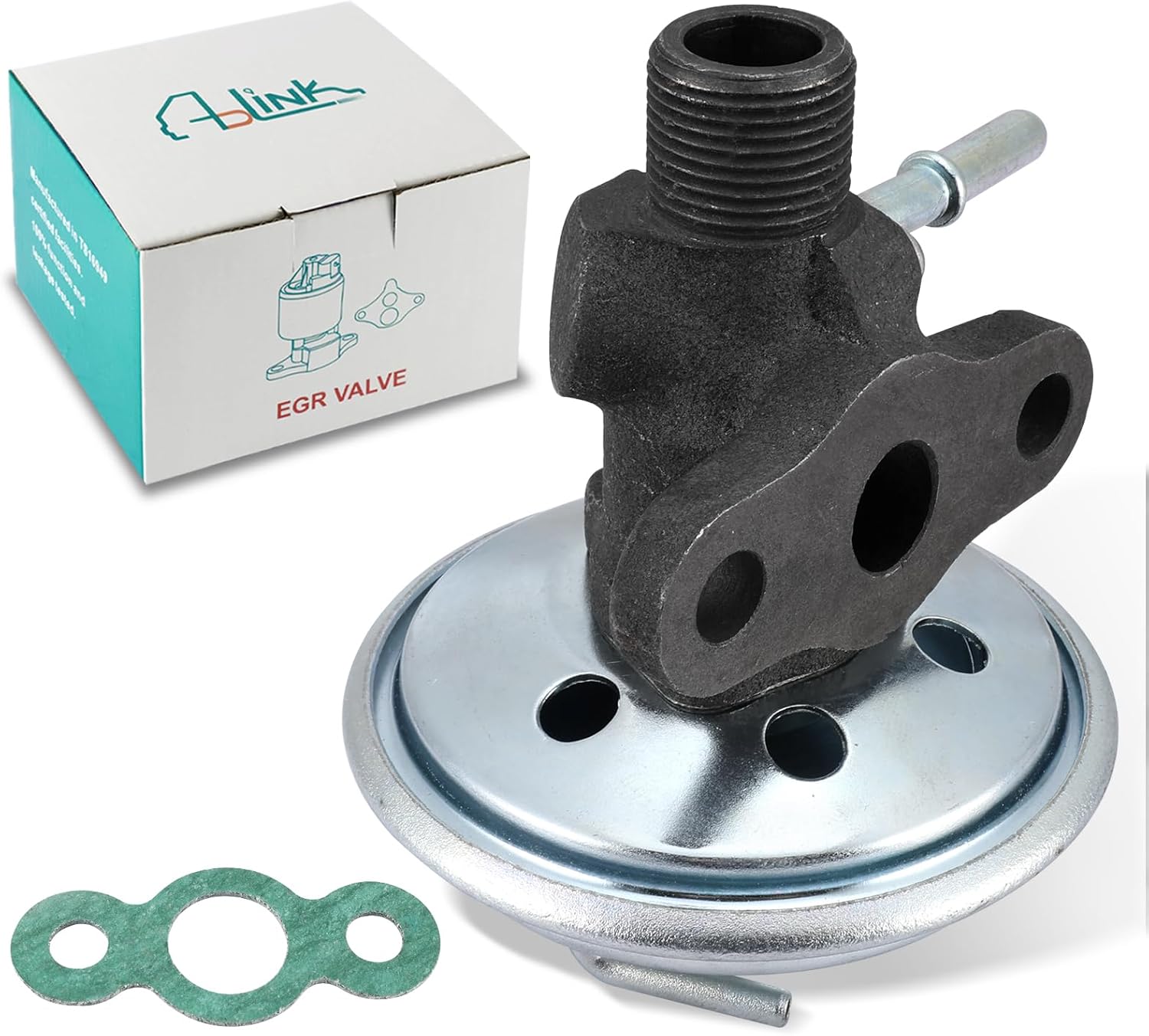
Remove the Old EGR Valve
Disconnect Hoses and Electrical Connections
Unplug the electrical connector by pressing the lock tab and pulling straight back. If the valve uses vacuum control, remove the vacuum hose gently so you do not tear it. Label hoses if there is any chance of mixing them up.
Remove Surrounding Components if Needed
Take off any intake ducting, brackets, heat shields, or small covers blocking access. Keep fasteners organized in the order you remove them. If a bracket supports the EGR tube or harness, note its position for reassembly.
Loosen the Valve Fasteners Carefully
Use the correct socket or wrench and break the bolts loose evenly. EGR fasteners can seize from heat and corrosion, so avoid using excessive force at a bad angle. If a bolt resists, apply more penetrating oil and work it back and forth gradually. Snapping a bolt in the intake or exhaust crossover will turn a simple repair into a much larger job.
If your valve connects to a metal EGR tube, you may need a line wrench or open-end wrench to loosen the tube fitting before the valve can be removed. Support the tube so it does not bend.
Lift Off the Valve and Gasket
Remove the valve and old gasket together if possible. Pay attention to gasket orientation and to any sleeves, spacers, or heat insulators that may transfer to the new part. Do not let chunks of gasket or carbon fall into the intake opening.
Inspect and Clean the Mounting Area
Before installing the new valve, inspect the mounting surface and nearby passages. A failed EGR valve is often accompanied by carbon buildup that can restrict flow or prevent proper sealing.
Use a plastic scraper or gasket scraper carefully to remove old gasket material from the mating surface. Wipe the area with a clean rag and approved cleaner. Avoid gouging aluminum surfaces. If the passage is heavily clogged, remove loose carbon carefully without pushing debris deeper into the intake.
- Do not use excessive force on soft aluminum intake surfaces.
- Do not allow cleaner to pool in electrical connectors.
- Do not reuse an old crushed or carbon-soaked gasket unless the manufacturer specifically says it is reusable.
If the old valve appears functional but packed with carbon, you may be tempted to clean and reinstall it. That can work in some cases, but if the valve has an internal electrical fault, a worn pintle, a damaged diaphragm, or repeated EGR codes, replacement is the better long-term fix.
Install the New EGR Valve
Position the New Gasket Correctly
Place the new gasket on the mounting surface in the same orientation as the original. Some gaskets are directional. If the bolt holes or passage opening are slightly offset, do not force the installation; stop and verify the part.
Set the Valve in Place and Start Bolts by Hand
Hold the valve square to the mounting surface and thread all bolts by hand first. This prevents cross-threading in the intake or crossover housing. If your setup includes a metal EGR tube, start that fitting by hand as well before tightening anything fully.
Tighten Fasteners Evenly
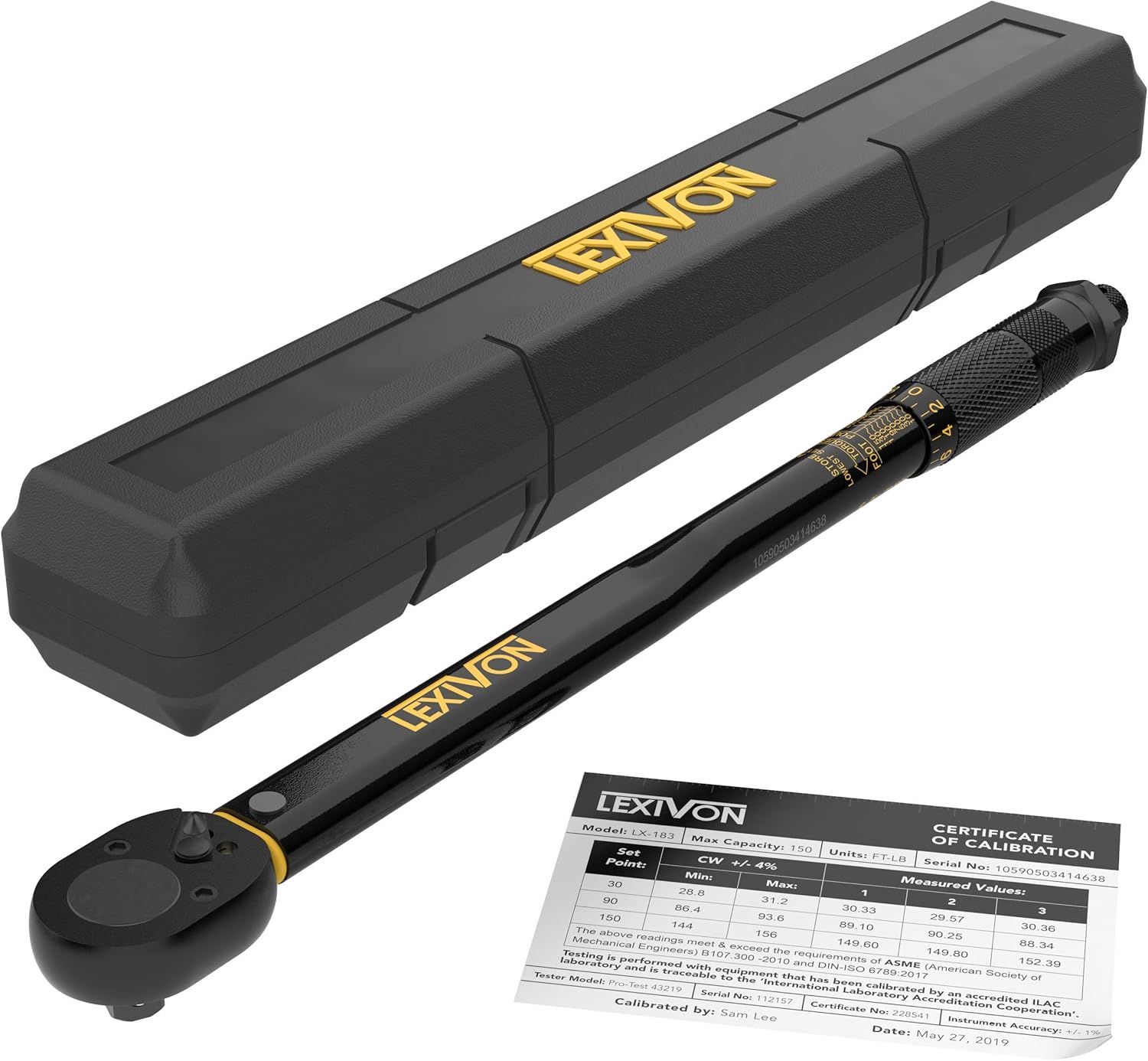
Snug the bolts evenly, alternating between them so the gasket seats flat. Then torque them to specification if you have the spec for your engine. EGR valve bolts are often relatively small, and overtightening can strip threads or warp the flange. If you do not have the spec, use caution and aim for firm, even seating rather than brute force.
If the manufacturer calls for anti-seize on tube threads or fasteners, apply only a small amount and keep it away from the valve opening. Many bolts go into aluminum, so careful torque matters more than extra thread compound.
Reconnect All Hoses and Connectors
Reconnect the vacuum hose fully and make sure it is not cracked or loose. Reattach the electrical connector until the lock clicks. Reinstall any intake ducting, heat shields, brackets, or engine covers you removed earlier.
Recommended Tools for This Job


Clear Codes and Check Your Work
Reconnect the battery if it was disconnected. Before starting the engine, do a final visual inspection. Make sure no tools are left in the engine bay, all connectors are seated, all hoses are attached, and no rags remain near the intake or exhaust areas.
Use an OBD-II scan tool to clear stored trouble codes if possible. Start the engine and listen for exhaust leaks, hissing vacuum leaks, or an unstable idle. A brief idle fluctuation may occur while the engine computer readjusts, but it should settle quickly.
- Watch for a check engine light returning immediately after startup.
- Inspect around the valve flange for soot marks that suggest an exhaust leak.
- Confirm no vacuum hose collapsed or slipped off during installation.
- Check live data if available to verify EGR command and position are plausible.
Test Drive and Relearn Considerations
Take the vehicle on a short test drive once it idles normally and no obvious leaks are present. Include light acceleration, steady cruising, and a few minutes at operating temperature. The EGR system usually operates most actively under part-throttle cruise, so a brief drive around the block may not be enough to confirm the repair.
Some vehicles need one or more complete drive cycles before emissions monitors reset and the computer fully evaluates EGR flow. If you replaced the valve to pass an inspection, make sure the readiness monitors are complete before heading back for a test.
If the same code returns, do not assume the new part is bad. Recheck clogged passages, harness damage, vacuum supply issues, related sensors, and any EGR cooler or tube restrictions on your engine.
Common Mistakes to Avoid
- Replacing the valve without confirming that clogged passages or a bad vacuum source are not the real cause.
- Installing the gasket backward and partially blocking the EGR port.
- Overtightening small fasteners into aluminum threads.
- Breaking brittle vacuum hoses during removal and reusing them anyway.
- Leaving carbon debris in the passage where it can immediately affect the new valve.
- Skipping code clearing and readiness verification after the repair.
When EGR Valve Replacement Is Not Enough
On some vehicles, the EGR valve is only one part of a larger system that includes passages in the intake manifold, an EGR cooler, a control solenoid, pressure feedback sensors, or temperature sensors. If the old valve was stuck because of carbon overload, those related parts may also need attention.
Repeated EGR flow codes after replacement often point to a blocked passage rather than a defective new valve. Circuit codes may indicate damaged wiring, poor grounds, blown fuses, or PCM driver issues. In those cases, a wiring diagram and bidirectional scan tool testing may be needed.
If the valve is mounted behind the engine against the firewall, attached to coolant lines, or integrated into a more complex emissions assembly, the job may be better left to a professional. Accessibility often determines whether this is a one-hour DIY repair or an all-day frustration.
Key Takeaways
- Always confirm the EGR valve is actually faulty before replacing it, because blocked passages and hose or wiring issues can cause the same codes.
- Let the engine cool completely and use penetrating oil on heat-cycled fasteners to reduce the chance of stripped or broken bolts.
- Clean the mounting surface and install the gasket in the correct orientation so the new valve seals and flows properly.
- Start all bolts and tube fittings by hand, then tighten evenly to avoid cross-threading and flange damage.
- Clear codes, test-drive the vehicle, and verify monitors and symptoms are resolved before calling the repair complete.
FAQ
Can I Drive with a Bad EGR Valve?
Usually yes for a short time, but it is not ideal. A stuck-open valve can cause rough idle, stalling, and poor drivability, while a stuck-closed valve can increase combustion temperatures and trigger spark knock. You may also fail emissions testing and keep the check engine light on.
Do I Need to Replace the EGR Gasket Every Time?
In most cases, yes. EGR gaskets are inexpensive and often compress or carbon-soak over time. Reusing an old gasket increases the chance of leaks and repeat repairs.
Should I Clean the EGR Valve or Replace It?
Cleaning may help if the valve is only lightly carboned and still functions correctly, but replacement is the better option if the valve has an electrical fault, damaged diaphragm, sticking pintle, or recurring EGR trouble codes.
Will Replacing the EGR Valve Turn Off the Check Engine Light by Itself?
Sometimes the light will go out after enough successful drive cycles, but it is best to clear the codes with a scan tool after the repair. If the light returns, more diagnosis is needed.
What Happens if I Install the Wrong EGR Valve?
The engine may set immediate fault codes, run poorly, or fail to control EGR flow correctly. Always match the valve by year, make, model, engine size, and connector or vacuum-port style.
Does an EGR Valve Need to Be Programmed After Replacement?
Most older and many common applications do not require programming, but some newer electronically controlled systems may need a relearn or adaptation procedure. Check service information for your exact vehicle.
Why Did My EGR Code Come Back After Replacing the Valve?
The most common reasons are clogged intake or EGR passages, vacuum supply problems, damaged wiring, a faulty related sensor, or a poor-quality replacement part. Reinspect the whole EGR system instead of replacing another valve immediately.
Need Parts for This Repair?
The right parts and supplies vary by vehicle.
Select your make and model to find compatible parts and accessories for your car.
Exact Fit
Parts that fit your make and model
Quality You Can Trust
Top brands and OEM quality options
Fast Shipping
Get the parts you need, delivered fast