

Note: This article contains affiliate links. If you click on these links and make a purchase, I may earn a small commission at no extra cost to you. This helps support my research and content. Read my full affiliate disclosure here.
Repair Snapshot
Use a mechanic if the valve is buried under the intake, the fasteners are seized, or the idle problem may actually be caused by wiring, vacuum leaks, or throttle body issues.
This article is part of our Engine Maintenance & Repair Guides.
Replacing an idle air control valve is a manageable DIY repair on many older vehicles with a cable-operated throttle body, and it can fix rough idle, stalling at stops, or an engine that idles too high or too low.
The idle air control valve, often called the IAC valve or IAC motor, regulates a small amount of air that bypasses the throttle plate so the engine can maintain a steady idle. When it sticks, gets carboned up, or fails electrically, the engine computer may struggle to keep idle speed under control.
Before replacing it, make sure the symptoms actually point to the IAC valve. Vacuum leaks, a dirty throttle body, bad wiring, a failing throttle position sensor, or even low charging voltage can cause similar problems. This guide walks through removal, installation, cleaning around the mounting area, and the relearn steps many vehicles need afterward.
What the Idle Air Control Valve Does and When to Replace It
The idle air control valve is usually mounted on or near the throttle body. Its job is to meter bypass air at idle so the engine can compensate for cold starts, accessory loads like A/C, and changes in engine load when you shift into gear or come to a stop.
A bad IAC valve may cause intermittent stalling, surging idle, very high idle, low idle, hard starts when cold, or a check engine light. Common trouble codes can include idle control system faults, but not every failed valve sets a code.
Common Symptoms That Point to the IAC Valve
- The engine starts but stalls unless you keep your foot lightly on the gas.
- Idle speed hunts up and down after warm-up.
- The engine idles unusually high even with no throttle input.
- The car stalls when the A/C turns on or when shifting into Drive.
- Idle improves temporarily after tapping the valve housing or cleaning the throttle body.
Problems That Can Mimic a Bad IAC Valve
- Vacuum leaks at hoses, intake gaskets, or brake booster lines.
- Heavy carbon buildup in the throttle body bore or on the throttle plate.
- Damaged connector pins, broken wires, or corrosion in the IAC harness.
- Incorrect base idle adjustment on older vehicles.
- A sticking EGR valve, weak fuel delivery, or an engine misfire.
Tools, Parts, and Prep
On many vehicles, the IAC valve is easy to reach once you remove the air intake tube. On others, it may sit behind the throttle body or under engine covers. Give yourself enough time to work carefully because the screws are often small and easy to strip.
Before You Start
- Park on level ground, set the parking brake, and let the engine cool.
- Disconnect the negative battery cable to reduce the chance of a short or an unexpected idle relearn while unplugging components.
- Confirm you have the correct replacement valve by matching the connector, bolt pattern, and included gasket or O-ring.
- Take a photo of the intake tube routing and nearby connectors before disassembly.
If your replacement part does not include a new gasket or O-ring, buy one separately. Reusing a flattened seal can create a vacuum leak that causes the same idle symptoms you are trying to fix.
How to Access the Idle Air Control Valve
Most IAC valves are mounted to the throttle body with two screws or bolts and connected by a small electrical plug. Access usually starts with removing the intake duct between the air box and throttle body.
Typical Access Steps
- Loosen the intake tube clamps with a screwdriver or socket.
- Disconnect any breather hoses, resonator tubes, or sensors attached to the intake duct.
- Remove decorative engine covers if needed.
- Locate the IAC valve on the throttle body and inspect the connector, screws, and sealing surface.
If the screws look rusty or packed with dirt, clean the heads first so the tool seats fully. A stripped IAC screw can turn a simple replacement into a frustrating extraction job.
Tools That Make This Job Easier


Removing the Old Idle Air Control Valve
Take your time during removal because the valve pintle and mounting flange can be damaged by prying. The valve should come free once the fasteners are removed and the seal is broken.
Removal Procedure
- Unplug the electrical connector by pressing the lock tab and pulling it straight off.
- Inspect the connector for corrosion, bent pins, oil intrusion, or broken lock tabs.
- Remove the mounting screws or bolts using the correct socket, Torx bit, or driver.
- Gently wiggle the valve free from the throttle body. Do not pry hard against the aluminum housing.
- Remove the old gasket or O-ring and make sure none of it remains stuck to the mounting surface.
Important Removal Cautions
- Do not force the pintle in or out by hand unless the service information for your vehicle specifically allows it.
- Do not spray harsh cleaner directly into the electrical side of the old or new valve.
- Do not gouge the throttle body sealing surface while scraping off the old gasket.
On some designs, coolant passages run through the throttle body area, but most IAC valve replacements do not require draining coolant. If you see coolant hoses attached near the mounting point, work carefully and check your vehicle-specific procedure.
Clean the Mounting Area and Inspect the Throttle Body
Carbon buildup is a major reason idle systems act up. Even if you are installing a new IAC valve, you should clean the air bypass port and surrounding throttle body area so the new part does not inherit the same restriction.
What to Clean
- The IAC valve mounting surface.
- The bypass air passage in the throttle body.
- Heavy deposits around the throttle plate and bore.
- Any loose carbon near the gasket sealing area.
Use throttle body cleaner on a rag or spray lightly into the bypass passage if your vehicle design allows it. Wipe out softened carbon with a clean rag. Do not let chunks of debris fall deep into the intake.
If the throttle plate is very dirty, this is a good time to clean it as well. A dirty throttle body can cause low or unstable idle even with a brand-new IAC valve. If your vehicle uses an electronic throttle body instead of a cable throttle, follow the factory cleaning precautions and do not force the plate open on systems that prohibit it.
Installing the New Idle Air Control Valve
Installation is usually straightforward, but seal placement and fastener torque matter. The goal is to seat the valve evenly without cracking the housing or creating a vacuum leak.
Installation Procedure
- Compare the new valve to the old one, including connector shape, mounting flange, pintle length, and air passage layout.
- Install the new gasket or O-ring in the correct position.
- Place the new valve against the throttle body and start both fasteners by hand.
- Tighten the screws or bolts evenly until the valve sits flush.
- Torque the fasteners to the vehicle specification if available. If you do not have the exact spec, tighten only snugly because the throttle body is often aluminum.
- Reconnect the electrical connector until it clicks.
- Reinstall the intake duct, hoses, and engine covers.
If desired, apply a tiny amount of dielectric grease to the connector seal area, not the terminal faces, if the connector design and manufacturer guidance allow it. This can help keep out moisture on older vehicles.
Torque Notes
Idle air control valve fasteners are commonly small machine screws or bolts. Exact torque varies widely by engine family, so a repair manual or trusted service data is best. If the spec is unavailable, use a small ratchet or inch-pound torque wrench and avoid overtightening. Stripped threads in the throttle body are much harder to fix than the valve itself.
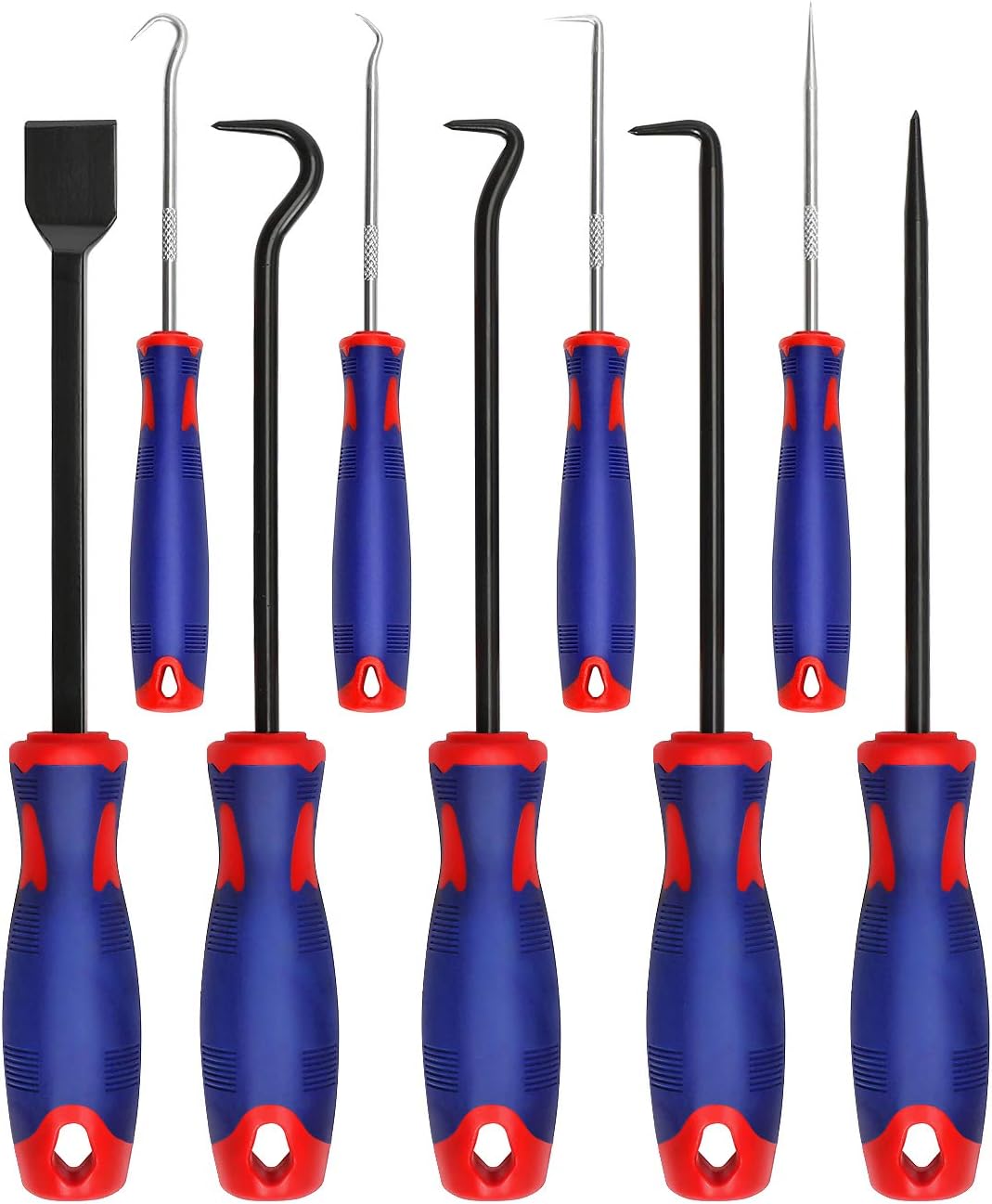
Recommended Tools for This Job


Reconnect the Battery and Perform Idle Relearn
Many vehicles need a short relearn period after IAC valve replacement, battery disconnect, or throttle body cleaning. The engine computer may need time to relearn the correct idle position and airflow.
Basic Relearn Process That Works on Many Vehicles
- Reconnect the negative battery cable.
- Turn the key to ON for several seconds, then OFF, if your vehicle uses a key-on initialization step.
- Start the engine without touching the accelerator.
- Let the engine idle until it reaches normal operating temperature.
- Turn the A/C on and off, and if safe, cycle steering input or shift through gear ranges so the computer can adapt to changing loads.
- Take a short drive with several stops and allow the engine to idle in Park and in gear.
Some makes require a scan tool relearn or a very specific sequence. If the idle remains erratic after installation, look up the exact idle relearn procedure for your year, make, engine, and transmission.
How to Verify the Repair Worked
A successful repair should give you a stable idle, clean restarts, and no stalling when accessories are turned on. Verification takes only a few minutes but can save you from chasing the wrong problem.
Post-repair Checks
- Listen for a smooth, consistent idle after warm-up.
- Check that idle speed does not surge when the A/C compressor engages.
- Watch for vacuum leak sounds around the valve and intake duct connections.
- Scan for stored or pending trouble codes if you have a scan tool.
- Confirm the check engine light stays off after a complete drive cycle.
If the engine still idles high, inspect for an intake leak or a throttle plate that is not closing fully. If it still stalls, revisit the connector, battery voltage, and throttle body cleanliness before assuming the new part is defective.
Common Mistakes to Avoid
- Replacing the IAC valve without checking for vacuum leaks first.
- Installing the new valve over an old, flattened gasket or O-ring.
- Stripping the mounting screws by using the wrong bit or driver.
- Skipping throttle body cleaning when carbon buildup is obvious.
- Forgetting the idle relearn procedure after installation.
- Using low-quality aftermarket parts that do not match the original valve calibration.
If your old valve failed because of oil contamination, heavy sludge, or repeated carbon buildup, inspect the PCV system too. Excess crankcase vapors can speed up throttle body and idle passage deposits.
When Replacement Will Not Fix the Problem
An IAC valve is not a cure-all for idle issues. If symptoms continue after replacement, the root cause may be elsewhere in the air, fuel, ignition, or electronic control system.
Further Diagnosis May Be Needed For
- Vacuum leaks at the intake manifold, PCV hoses, EVAP lines, or brake booster hose.
- Throttle position sensor or mass airflow sensor faults.
- Dirty or sticking throttle plate on vehicles with electronic throttle control.
- Low fuel pressure, injector issues, or a weak fuel pump.
- Engine misfires from worn plugs, coils, or compression problems.
- Charging system problems that lower idle quality.
If your vehicle no longer uses a separate idle air control valve and instead controls idle through the electronic throttle body, this guide does not apply. In that case, diagnosis usually focuses on throttle body condition, wiring, and throttle actuator faults instead.
Key Takeaways
- Verify vacuum leaks and throttle body carbon buildup before blaming the idle air control valve.
- Always replace the IAC gasket or O-ring and clean the bypass passage before installing the new valve.
- Use the correct bit or driver on the mounting screws because stripped fasteners are a common DIY setback.
- Let the engine complete an idle relearn after replacement or the new valve may seem faulty at first.
- If rough idle continues after replacement, inspect wiring, sensors, and intake leaks instead of swapping more parts blindly.
FAQ
Can I Drive with a Bad Idle Air Control Valve?
Sometimes, but it is risky. A failing IAC valve can cause stalling at stoplights, hard starting, or an idle that races unexpectedly. If the vehicle stalls in traffic or idles dangerously high, repair it before driving regularly.
Is It Better to Clean the Idle Air Control Valve or Replace It?
If the valve is sticking from carbon buildup and the motor or solenoid is still good, cleaning may help. If the valve has electrical faults, a damaged pintle, repeated sticking, or returns the same symptoms soon after cleaning, replacement is the better fix.
Do I Need to Disconnect the Battery to Replace an IAC Valve?
It is strongly recommended. Disconnecting the negative battery cable reduces the chance of shorting the connector and often helps reset adaptive idle values before the relearn process.
Will Replacing the IAC Valve Turn Off the Check Engine Light?
If the light was caused by the IAC valve or its idle control behavior, it may go out after the repair and a few drive cycles. Some vehicles require clearing codes with a scan tool, especially if the light stays on after the problem is fixed.
Why Is My Car Still Idling Rough After I Replaced the Idle Air Control Valve?
The most common reasons are a vacuum leak, dirty throttle body, incorrect relearn procedure, wiring damage, or a different engine problem such as a misfire or fuel issue. Recheck the gasket seal, connector, and intake duct first.
How Long Does It Take to Replace an Idle Air Control Valve?
On an easy-to-access engine, it may take less than an hour. If the intake duct, engine covers, or nearby components block access, expect 1 to 2 hours including cleaning and relearn.
Do All Cars Have an Idle Air Control Valve?
No. Many older vehicles with cable-operated throttles use a separate IAC valve, but many newer vehicles control idle through the electronic throttle body and do not have a standalone idle air control valve.
Need Parts for This Repair?
The right parts and supplies vary by vehicle.
Select your make and model to find compatible parts and accessories for your car.
Exact Fit
Parts that fit your make and model
Quality You Can Trust
Top brands and OEM quality options
Fast Shipping
Get the parts you need, delivered fast