

Note: This article contains affiliate links. If you click on these links and make a purchase, I may earn a small commission at no extra cost to you. This helps support my research and content. Read my full affiliate disclosure here.
What You’ll Need
A quick look at the tools and supplies commonly used for this job.
Tools
- Spark plug socket and ratchet
- Flashlight
- OBD-II scan tool
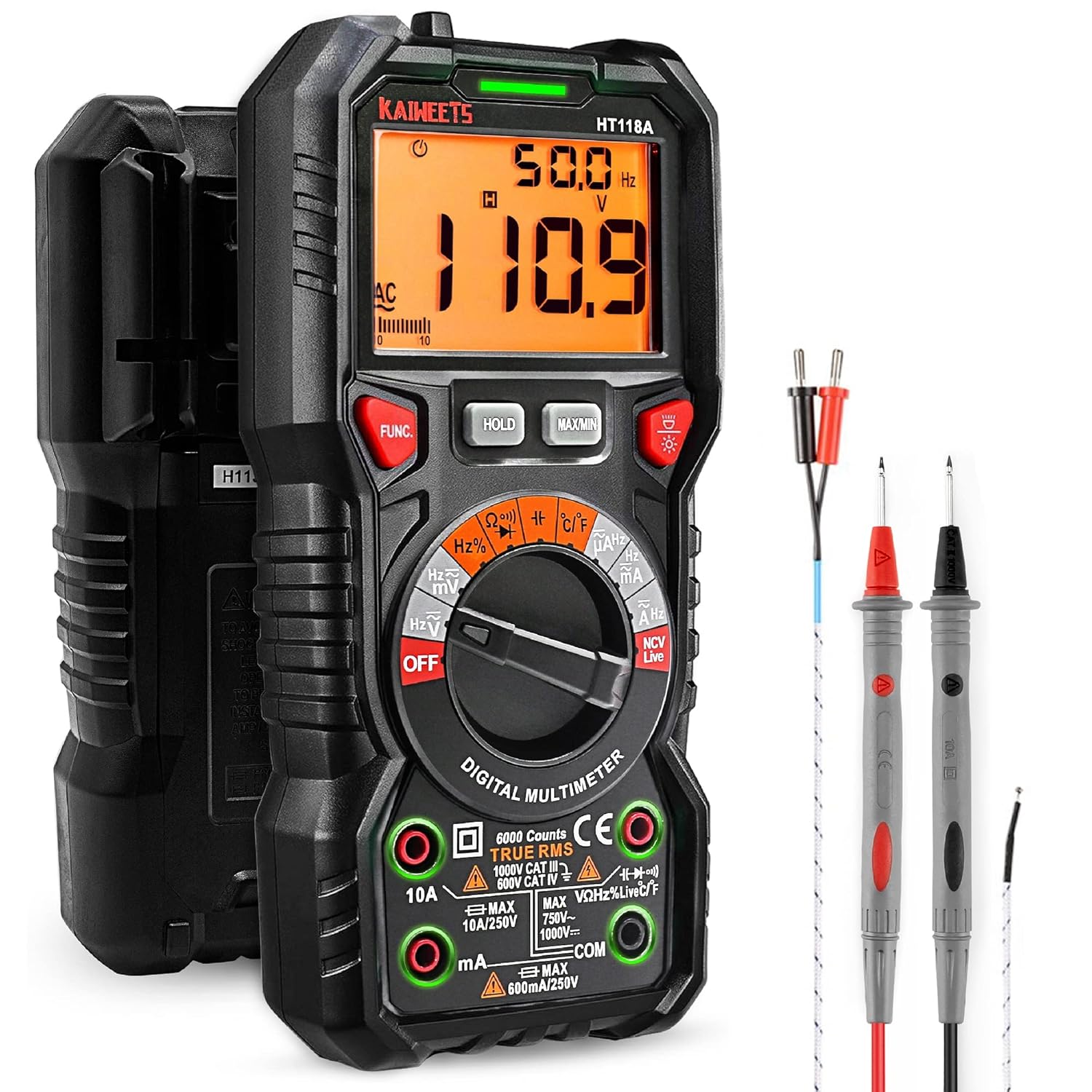
- Digital multimeter
- Owner’s manual
- Battery charger or jump pack
- Insulated gloves
Parts & Supplies
- Replacement spark plugs
- Shop towels
- Mass airflow sensor cleaner
- Throttle body cleaner
- Dielectric grease
This article is part of our Engine Maintenance & Repair Guides.
A flooded engine happens when too much fuel enters the cylinders and there is not enough air or spark for normal combustion. The result is usually a crank-no-start condition, a strong fuel smell, and a car that seems like it wants to start but never quite catches.
This problem was common on older carbureted engines, but it can still happen on fuel-injected vehicles after repeated short trips, failed start attempts, leaking injectors, bad ignition components, or sensor problems that command an overly rich mixture. The key is to diagnose it methodically so you do not keep cranking, wash down the cylinder walls, foul the plugs, or kill the battery.
Below is a practical DIY procedure to help you tell whether your engine is actually flooded, how to separate it from other no-start causes, and what your next move should be.
What a Flooded Engine Usually Feels Like
When an engine is flooded, there is typically enough fuel present to interfere with ignition rather than help it. The engine may crank at normal speed, but the air-fuel mixture inside the cylinders is too rich to ignite consistently.
- The engine cranks strongly but will not start.
- You smell raw gasoline near the tailpipe, under the hood, or inside the cabin after repeated cranking.
- The engine tries to start for a second, sputters, then dies.
- The vehicle may start briefly if you hold the accelerator pedal down, then stall.
- Spark plugs may be wet or smell strongly like fuel when removed.
These symptoms point toward excess fuel, but they do not prove flooding by themselves. A weak spark, incorrect sensor input, low battery voltage, or poor compression can create a similar no-start complaint. That is why the rest of the checks matter.
Common Causes of Engine Flooding
Understanding why flooding happens helps you decide whether you are dealing with a one-time event or a repair issue. Modern engines usually flood because something caused repeated enrichment or prevented the fuel from burning.
- Multiple failed start attempts, especially in cold weather.
- Bad spark plugs, weak ignition coils, or ignition wire problems.
- Leaking fuel injectors that drip after shutdown or during cranking.
- A stuck-open cold start enrichment condition on older systems.
- Faulty engine coolant temperature sensor reporting the engine as colder than it is.
- Dirty or faulty mass airflow sensor causing an incorrect load calculation.
- A heavily restricted air intake or badly contaminated throttle body.
- Low battery voltage causing weak spark while injectors still deliver fuel.
On carbureted engines, a stuck choke or excessive pumping of the accelerator pedal is a classic flooding cause. On electronic fuel injection systems, the root problem is more often a sensor, ignition, or injector fault rather than pedal use alone.
Safety Before You Start Testing
If you suspect flooding, work carefully around fuel vapors and ignition components. Do not smoke, do not create sparks near the engine bay, and do not keep cranking in long bursts. Repeated cranking can overheat the starter, drain the battery, and increase fuel buildup.
- Work in a well-ventilated area.
- Set the parking brake and keep the transmission in Park or Neutral.
- Use short crank attempts rather than continuous cranking.
- Let the starter cool between attempts.
- Keep open flames and hot work far away from the car.
Initial Checks You Can Do in a Few Minutes
Listen to the Cranking Speed
A flooded engine usually still cranks at a normal speed. If the starter sounds slow, dragging, or uneven, charge the battery first. Low cranking voltage can reduce spark energy enough to mimic flooding.
Smell for Raw Fuel
A strong gasoline smell after one or two start attempts is one of the clearest clues. Smell near the tailpipe first. If you smell fuel under the hood, also consider an external fuel leak, which is a different and more urgent problem.
Note What Happened Before the No-start
Think about the events leading up to the problem. Did the engine almost start several times? Was it started and shut off quickly on a cold morning? Did it run rough before refusing to start? That story often supports a flooding diagnosis.
Watch for Black Smoke or Fuel-rich Signs
If the engine starts briefly, black smoke from the exhaust, a heavy fuel smell, or rough stumbling idle all point to an over-rich condition. That does not guarantee the engine is flooded right now, but it tells you the system may be delivering too much fuel.
Tools That Make This Job Easier


The Best At-Home Tests to Confirm Flooding
Use Clear-flood Mode if Your Vehicle Supports It
Many fuel-injected vehicles have a built-in clear-flood strategy. On many models, pressing the accelerator pedal fully to the floor while cranking tells the computer to reduce or stop injector pulse width so extra air can clear the cylinders. Check your owner’s manual before trying this, since the exact behavior varies by make and model.
If the engine starts or almost starts only with the pedal held to the floor, that strongly suggests the mixture was too rich. If there is no change at all, flooding is still possible, but you need more evidence.
Remove and Inspect One or Two Spark Plugs
If access is reasonable, remove a spark plug after a failed start attempt. A flooded engine often leaves the plug tip wet with fuel or heavily fuel-soaked. A normal-looking dry plug points away from flooding and toward lack of fuel delivery, though one cylinder alone does not tell the entire story.
- Wet plug with a strong fuel odor: strong evidence of flooding or no ignition.
- Dry plug: fuel may not be reaching that cylinder, or the issue may not be flooding.
- Black, sooty plug: rich running condition likely, even if the current no-start has another cause.
- Heavily fouled plug: may not spark reliably even after the excess fuel clears.
Scan for Diagnostic Trouble Codes
Use an OBD-II scan tool if the vehicle is 1996 or newer. Codes related to coolant temperature sensors, mass airflow sensors, manifold pressure sensors, misfires, or fuel trim can explain why the engine became over-fueled. Even if no code is stored, live data can still help.
Check Engine Coolant Temperature on Live Data
If the scan tool shows an implausibly cold engine coolant temperature reading on a warm engine, the computer may be commanding too much fuel. For example, if the engine has been sitting in 75-degree weather and the sensor reports a near-freezing temperature, that is a red flag.
Confirm Battery Voltage
A healthy battery matters because weak cranking can cause a no-start that looks like flooding. With the engine off, a fully charged battery should be around 12.6 volts. During cranking, voltage should not collapse dramatically. If the battery is weak, charge it before drawing conclusions.
How to Tell Flooding Apart From Similar No-Start Problems
The biggest diagnostic mistake is assuming every crank-no-start with a fuel smell means flooding. Use the symptom pattern to separate likely causes.
Flooded Engine Vs. No Spark
A no-spark condition can also leave wet plugs because the fuel is entering the cylinders but never ignites. If plugs are soaked and the engine does not respond even slightly to clear-flood mode, inspect ignition coils, coil boots, spark plug condition, crankshaft position sensor operation, and related wiring.
Flooded Engine Vs. Fuel Pressure Problem
Low fuel pressure usually gives dry plugs, a lean stumble, or no combustion at all. Flooding is the opposite: too much fuel, fuel smell, and often wet plugs. However, a leaking injector can create both excessive fuel in one cylinder and poor start behavior overall.
Flooded Engine Vs. Weak Battery
A weak battery often causes slow, labored cranking or clicking. Flooding usually allows normal cranking at first, though repeated failed attempts may later drain the battery. If the battery is low, charge it before continuing diagnosis.
Flooded Engine Vs. Low Compression
Low compression can make the engine crank evenly but never fire, especially on a timing-related failure. A compression problem will not usually create a strong raw-fuel smell on its own unless injectors are working and combustion never happens. If compression is low across cylinders, flooding is not the primary issue.
Recommended Tools for This Job


What to Do Once You Confirm the Engine Is Flooded
Once you are reasonably sure the engine is flooded, the goal is to clear excess fuel without creating more of it.
- Stop repeated normal cranking attempts.
- Charge the battery or connect a booster if needed.
- Use the vehicle’s clear-flood procedure if applicable.
- Let the engine sit for several minutes to allow fuel to evaporate.
- If spark plugs are accessible and visibly soaked, remove and dry or replace them.
- Reinstall plugs, then retry with a fully charged battery.
If the engine starts after clearing, do not shut it off immediately. Let it idle and stabilize, then watch for rough running, black smoke, misfires, or a check-engine light. Those clues may point to the underlying cause that flooded it in the first place.
When the Flooding Keeps Coming Back
A one-time flooding event may happen after repeated failed starts or unusual cold-weather use. Recurring flooding means something is wrong and needs repair.
- Replace badly worn or fuel-fouled spark plugs.
- Inspect coils, ignition wires, and coil boots for weak spark.
- Clean and test the mass airflow sensor if equipped.
- Inspect the throttle body and air intake for heavy carbon buildup or obstruction.
- Check the engine coolant temperature sensor and compare live data to actual ambient temperature.
- Test injectors for leakage if one or more plugs keep coming out wet.
- Review stored trouble codes and fuel trim data after the engine runs.
If one cylinder repeatedly shows a soaked plug while others look normal, suspect that injector first. If all cylinders seem rich, think about sensor inputs, fuel pressure control, or ignition weakness affecting the whole engine.
Signs You Should Stop DIY Diagnosis
Some situations call for professional help instead of more driveway testing.
- You smell fuel under the hood strongly enough to suspect an external leak.
- The engine hydrolocked or suddenly will not crank after severe flooding.
- You have spark, fuel, and battery voltage, but the engine still will not even try to fire.
- Multiple sensor or communication codes are present.
- The vehicle starts only briefly and stalls immediately every time despite dry or new plugs.
At that point, the issue may involve injector control, timing, compression, anti-theft system faults, or a more complex ignition problem rather than simple cylinder flooding.
Key Takeaways
- A strong fuel smell, normal cranking, and wet spark plugs are the most useful signs that an engine may be flooded.
- Use clear-flood mode and avoid repeated normal cranking, because extra cranking can worsen flooding and drain the battery.
- A flooded engine can be caused by bad spark plugs, weak ignition, leaking injectors, or sensor errors that command too much fuel.
- If the problem keeps returning, fix the underlying rich-running or no-spark issue instead of just drying plugs and trying again.
- Stop and seek help if you suspect an external fuel leak, hydrolock, or a no-start that does not fit the usual flooding pattern.
FAQ
Can a Modern Fuel-injected Car Still Get Flooded?
Yes. It is less common than with older carbureted engines, but modern cars can still flood from repeated failed starts, weak spark, leaking injectors, sensor faults, or very rich cold-start operation.
What Does a Flooded Engine Smell Like?
It usually smells strongly of raw gasoline, especially near the tailpipe after cranking. If the strongest smell is under the hood, check carefully for an external fuel leak instead of assuming it is only flooding.
Will Pressing the Gas Pedal Help Start a Flooded Engine?
On many fuel-injected vehicles, holding the accelerator pedal fully down during cranking activates clear-flood mode and reduces injector operation. Check the owner’s manual first, because the exact strategy varies by vehicle.
How Long Should I Wait Before Trying to Restart a Flooded Engine?
A short wait of 5 to 15 minutes can help some excess fuel evaporate, especially if combined with a fully charged battery and clear-flood mode. If plugs are badly soaked, removing and drying or replacing them is often more effective than just waiting.
Can Flooding Damage the Engine?
Repeated severe flooding can wash fuel onto the cylinder walls, dilute engine oil, foul spark plugs, and overwork the starter and battery. One mild event is usually not catastrophic, but repeated cranking should be avoided.
How Do I Know if It Is Flooding or a Bad Battery?
A bad battery usually causes slow or weak cranking, while flooding often still allows normal cranking at first. Battery weakness can also contribute to flooding by reducing spark strength, so battery voltage should always be checked.
Should I Replace Spark Plugs After an Engine Floods?
If the plugs are old, badly fouled, or repeatedly soaked, replacement is smart. Slightly wet plugs can sometimes be dried and reused, but heavily fuel-fouled plugs may never fire consistently again.
Need Parts for This Repair?
The right parts and supplies vary by vehicle.
Select your make and model to find compatible parts and accessories for your car.
Exact Fit
Parts that fit your make and model
Quality You Can Trust
Top brands and OEM quality options
Fast Shipping
Get the parts you need, delivered fast