

Note: This article contains affiliate links. If you click on these links and make a purchase, I may earn a small commission at no extra cost to you. This helps support my research and content. Read my full affiliate disclosure here.
Repair Snapshot
Use a mechanic if the engine was submerged, the starter will not turn the engine, you suspect hydrolock, or the vehicle has contaminated transmission or differential fluids. Professional help is also wise if the engine knocks, misfires badly, or shows low compression after drying.
This article is part of our Engine Maintenance & Repair Guides.
Drying out an engine after water ingestion starts with one critical rule: do not keep cranking or trying to restart it until you know water is not trapped inside the cylinders.
A small amount of water in the intake tract may only soak the air filter and cause a no-start or rough running condition. But if enough water entered the combustion chambers, the engine can hydrolock, which means a piston tries to compress water that will not compress. That can bend connecting rods, damage pistons, crack spark plugs, or ruin bearings in seconds.
If you shut the vehicle off quickly or it stalled after hitting deep water, you may be able to save it with a careful inspection, drying process, and fresh fluids. The steps below focus on common gasoline engines and help you determine whether the engine is safe to restart, needs more cleanup, or should be towed for professional diagnosis.
What Water Ingestion Does to an Engine
Water ingestion usually happens when the engine pulls water through the intake after driving through deep standing water, floodwater, or a large splash at speed. The air filter may become soaked first, then water can move through the intake tube, throttle body, and intake manifold into one or more cylinders.
There are two broad outcomes. In a mild case, the intake system gets wet, the engine stumbles, and it may restart after drying. In a severe case, water enters the cylinders in large enough volume to stop piston movement. That is hydrolock, and continued cranking can turn a manageable cleanup job into an engine replacement.
- A soaked air filter and wet intake tube usually mean the engine ingested at least some water.
- An engine that stopped suddenly with a thud or refuses to rotate may be hydrolocked.
- Milky oil, heavy knocking, or compression loss after restart can point to internal damage.
Stop Immediately and Make the Car Safe
What to Do Before Touching Anything
If the car is still in standing water or an unsafe location, prioritize your safety first. Move it only if doing so will not require restarting the engine. A tow is much cheaper than a destroyed engine.
Turn the ignition fully off, remove the key or disable push-button ignition, and disconnect the negative battery cable once the vehicle is in a safe work area. Let hot engine parts cool before working near the exhaust, ignition system, or radiator area.
- Do not keep trying to start the engine “just to see if it clears out.”
- Do not use starting fluid on a water-ingested engine.
- Do not assume the problem is fixed just because the starter still clicks or turns.
Check for Signs of Hydrolock Before Cranking
Common Warning Signs
Before you crank the engine again, look for clues that water reached the cylinders. If the engine stalled instantly in deep water, stopped with a harsh jolt, or now will not rotate normally, assume hydrolock is possible until proven otherwise.
- Engine died suddenly while crossing water
- Starter engages but the engine barely turns or stops abruptly
- Intake snorkel, air box, or filter housing contains standing water
- Spark plugs or coils are wet after removal
- Water drips from the throttle body or intake manifold
If the starter cannot turn the engine or it locks up at the same point every time, stop there. That can mean a cylinder is still full of water or internal damage has already occurred. At that point, further force is risky and a professional inspection is the safer move.
Open the Intake and Remove Water
Start with the Air Filter Box
Open the air box and inspect the filter. If the paper filter is wet, replace it rather than trying to dry and reuse it. Check the lower half of the air box and intake ducting for pooled water, mud, leaves, or debris.
Remove the intake tube between the air box and throttle body if practical. Wipe the inside dry with clean towels, then use compressed air carefully to blow out trapped moisture from bends, resonator chambers, and sensor connectors. Avoid blasting debris deeper into the intake.
Inspect the Throttle Body and Intake Manifold Opening
Open the throttle plate by hand if your vehicle design allows it, and inspect for water beads, mud film, or sludge. Clean light contamination with throttle body or intake cleaner and lint-free towels. If you see obvious standing water past the throttle body, the engine likely pulled moisture farther in and the spark plugs need to come out before any restart attempt.
Tools That Make This Job Easier


Remove Spark Plugs and Clear the Cylinders
This Is the Most Important Step if Water May Be in the Engine
On a gasoline engine, remove the ignition coils or plug wires, then remove all spark plugs. Label connectors and coils as needed so they go back in the right places. Take your time and keep dirt out of the plug wells.
With the plugs out, place towels loosely over the plug holes to catch spray, then crank the engine in short bursts. Any water in the cylinders should mist or shoot out. Keep hands, face, and tools clear of rotating parts. Repeat until no more moisture comes out.
- Disconnect fuel or ignition if needed to prevent firing while cranking.
- Remove all spark plugs.
- Crank in short 3 to 5 second bursts.
- Watch for water discharge from any cylinder.
- Continue until the expelled mist is gone and cranking sounds even.
Inspect the spark plugs themselves. If they are fouled, cracked, rusty, or heavily water-contaminated, replace them. If they look usable, dry them thoroughly and check the gap before reinstalling. Also dry the coil boots and apply a small amount of dielectric grease if appropriate.
If one cylinder keeps spitting water after repeated cranking, there may still be intake pooling, exhaust backflow, or a larger issue. Do not rush to reinstall the plugs and start the engine until the cylinders stay dry.
Check the Engine Oil for Water Contamination
Pull the dipstick and inspect the oil. Milky, tan, or foamy oil suggests water contamination. In flood or heavy ingestion situations, change the oil and filter before attempting a full restart. Even if the dipstick looks normal, an immediate oil change is cheap insurance if you know the engine inhaled water.
Drain the oil while the vehicle is level, replace the filter, and refill with the correct oil grade. If the drained oil looks heavily emulsified, plan on a second oil change after the engine runs briefly and reaches operating temperature. Some severe cases need multiple changes to fully remove moisture.
- Milky oil means stop and change it before restarting.
- Do not assume fresh oil alone fixes internal damage from hydrolock.
- If the crankcase was fully flooded, professional inspection is recommended.
Dry Electrical Connectors and Sensors
A water-ingested engine may also have moisture in ignition and intake-related electronics. Focus on the mass airflow sensor connector, throttle body connector, coil connectors, cam and crank sensor connectors that were splashed, and any visible ground points around the engine bay.
Unplug connectors one at a time, inspect for corrosion or moisture, and dry them with compressed air. If needed, use electrical contact cleaner that is safe for automotive connectors. Let everything dry before reconnecting. A small amount of dielectric grease at the seal can help resist future moisture intrusion, but do not pack sensor terminals with grease.
If the engine later runs rough or sets fault codes, scan for misfire, airflow, throttle, or crank correlation codes. A connector that looks dry can still have intermittent moisture causing false readings.
Reassemble and Perform a Careful First Restart
Use a Controlled Restart, Not a Full Send
Once the intake is dry, cylinders are clear, plugs are ready, and oil is fresh, reinstall the spark plugs to the proper torque, reconnect coils or plug wires, and reassemble the intake. Install a new air filter if the old one got wet. Reconnect the battery.
Start the engine and let it idle. Do not rev it immediately. Listen for knocking, metallic tapping, or an uneven idle that does not improve in the first minute. Some brief roughness or steam from the exhaust can happen as remaining moisture burns off, but loud mechanical noise is a bad sign.
- Watch the oil pressure and check engine lights right away.
- Look for smoke that is heavy, oily, or continues after warm-up.
- Shut the engine off if you hear knocking or severe misfire.
- Check under the hood for water leaks from intake joints left loose.
After the engine runs for several minutes, shut it off and recheck the oil. If it has turned milky again, water remains in the crankcase or there is another path of contamination. That calls for more fluid service and possibly a deeper inspection.
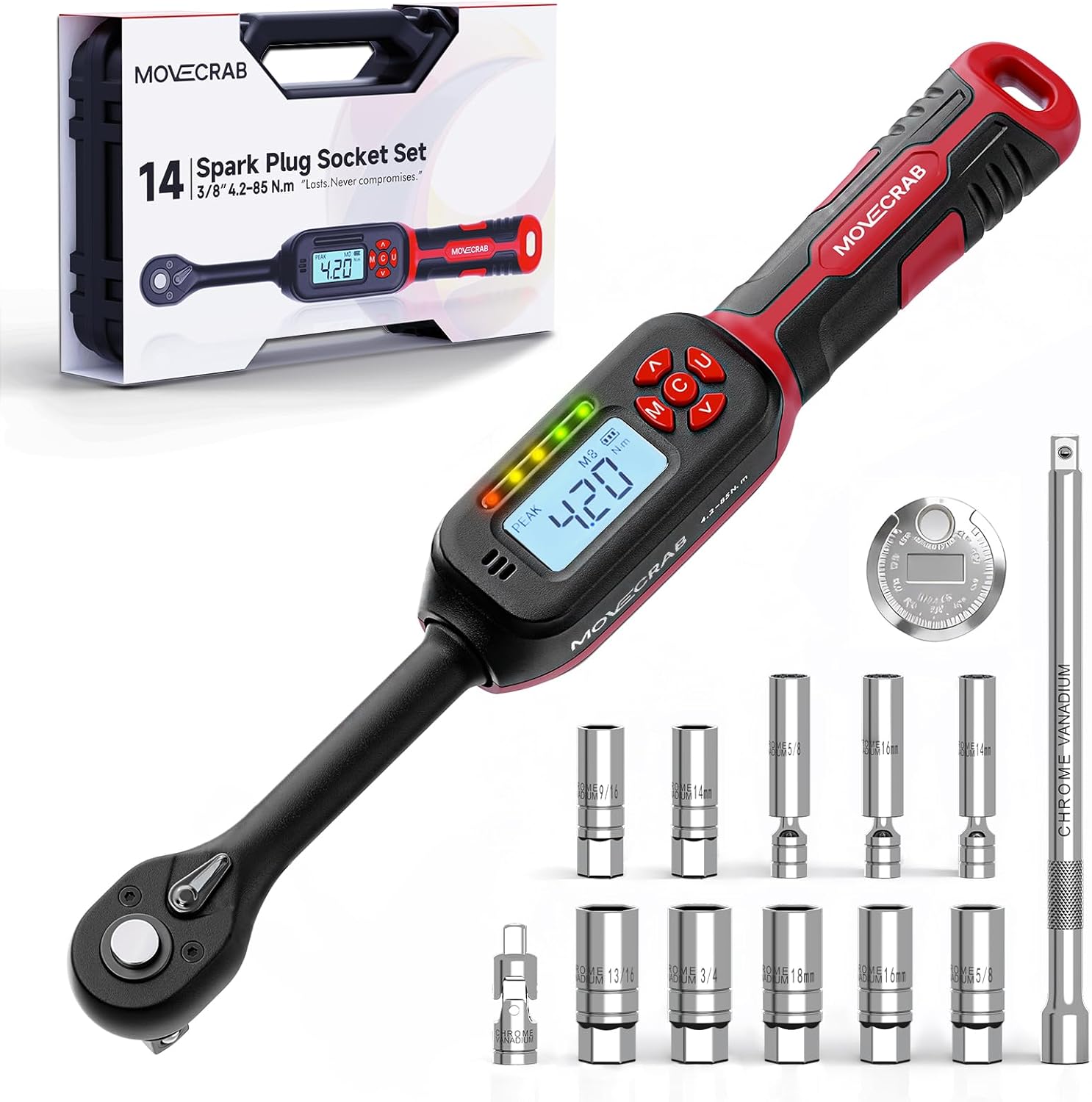
Recommended Tools for This Job


Test Drive and Post-Repair Checks
If the engine idles smoothly and shows no obvious mechanical noise, take a short, gentle test drive close to home. Keep RPM low and watch for hesitation, reduced power, misfires, smoke, or warning lights. Avoid highway driving until you are confident the engine is stable.
After the drive, scan for codes even if the check engine light is off. Pending misfire or airflow codes can reveal moisture-related issues before they become more serious. Reinspect the air box, throttle body area, and dipstick. If the vehicle has been through deeper water, also check transmission, differential, and transfer case fluids for contamination.
Signs the Engine May Have Internal Damage
- Persistent knocking, rod-like tapping, or heavy vibration
- Low power that does not improve after drying and fresh plugs
- One cylinder misfire that stays after ignition parts are verified
- Uneven cranking speed or compression imbalance
- New oil contamination shortly after restart
If you notice any of these symptoms, perform a compression test or leak-down test, or have a shop do it. A bent connecting rod from hydrolock may let the engine run, but it will not run correctly for long and can fail catastrophically.
When Drying It Out Is Not Enough
Some situations go beyond a simple dry-out procedure. If the engine was submerged above the intake opening, if floodwater entered multiple vehicle systems, or if the engine stopped hard and now has mechanical noise, there may be damage to internal engine parts, sensors, catalytic converters, bearings, or drivetrain fluids.
Floodwater can also carry silt and contaminants that corrode connectors and damage cylinders even after the visible water is gone. In those cases, a professional inspection is usually the smarter financial decision. Spending for diagnosis can prevent repeated parts replacement and wasted time.
- Tow the vehicle if the engine will not rotate freely with plugs removed.
- Get compression testing if the engine runs rough after proper drying.
- Inspect other fluids if water depth reached axle, transmission, or transfer case vents.
- Do not ignore delayed symptoms that appear a day or two later.
How to Prevent Water Ingestion Next Time
Most water ingestion happens because drivers underestimate depth or speed. It does not take a dramatic flood to pull water into a low-mounted intake. A deep puddle taken too fast can throw a large wave straight into the intake opening.
- Avoid standing water when you cannot confirm the depth.
- Never enter water quickly enough to create a bow wave over the hood.
- Know where your vehicle’s air intake is located before bad weather season.
- Replace missing splash shields and damaged intake duct seals.
- If you stall in water, do not restart until the intake has been checked.
Key Takeaways
- If the engine stalled in water, stop cranking immediately until you verify the cylinders are clear.
- Remove the spark plugs and expel any water before attempting a restart on a gasoline engine.
- Replace a wet air filter and change the oil if there is any sign of water contamination.
- Restart only after the intake, ignition components, and electrical connectors are dry and reassembled correctly.
- Tow the vehicle for professional diagnosis if the engine locks up, knocks, or still runs poorly after drying.
FAQ
Can an Engine Recover After Sucking in Water?
Yes, sometimes. If only a small amount of water reached the intake and you stop cranking quickly, the engine may recover after the intake is dried, cylinders are cleared, and contaminated oil is changed. If hydrolock occurred, internal damage is possible even if the engine restarts.
How Do I Know if My Engine Is Hydrolocked?
Common signs include a sudden stall in deep water, a starter that cannot rotate the engine normally, or an engine that stops abruptly at the same point while cranking. Confirm by removing the spark plugs on a gasoline engine and checking whether water is expelled from the cylinders.
Should I Change the Oil After Water Ingestion Even if the Dipstick Looks Normal?
Yes, that is a smart precaution if you know the engine inhaled water. A fresh oil and filter change is relatively inexpensive and helps remove moisture that may not be obvious on the dipstick yet.
Can I Just Let the Engine Sit and Dry on Its Own?
Not safely if water may be inside the cylinders. Air drying alone does not remove trapped water from combustion chambers, plug wells, or contaminated oil. You need to inspect the intake, remove spark plugs, and actively clear moisture before restarting.
Will a Wet Air Filter Alone Cause a No-start?
Yes, a heavily soaked air filter can choke airflow enough to cause stalling, rough running, or a no-start. But a wet filter also raises the chance that water traveled deeper into the intake, so it should not be treated as the only problem until you inspect further.
What if the Engine Starts but Runs Rough After Drying?
Check for wet or damaged spark plugs, moisture in coil boots and connectors, a dirty mass airflow sensor area, and trouble codes. If rough running continues after those checks, perform compression testing to rule out a bent rod or other internal damage.
Is White Exhaust Smoke Normal After This Repair?
A small amount of steam can be normal for a short time as leftover moisture burns off. Heavy white smoke that continues after warm-up, especially along with coolant loss or rough running, means more diagnosis is needed.
Need Parts for This Repair?
The right parts and supplies vary by vehicle.
Select your make and model to find compatible parts and accessories for your car.
Exact Fit
Parts that fit your make and model
Quality You Can Trust
Top brands and OEM quality options
Fast Shipping
Get the parts you need, delivered fast