

Note: This article contains affiliate links. If you click on these links and make a purchase, I may earn a small commission at no extra cost to you. This helps support my research and content. Read my full affiliate disclosure here.
What You’ll Need
A quick look at the tools and supplies commonly used for this job.
Tools
- Flashlight or work light
- Mechanic’s mirror
- Socket set
- Gloves
- Safety glasses
- Serpentine belt tool or long-handled ratchet
- Straightedge
- Smartphone camera for close-up photos
Parts & Supplies
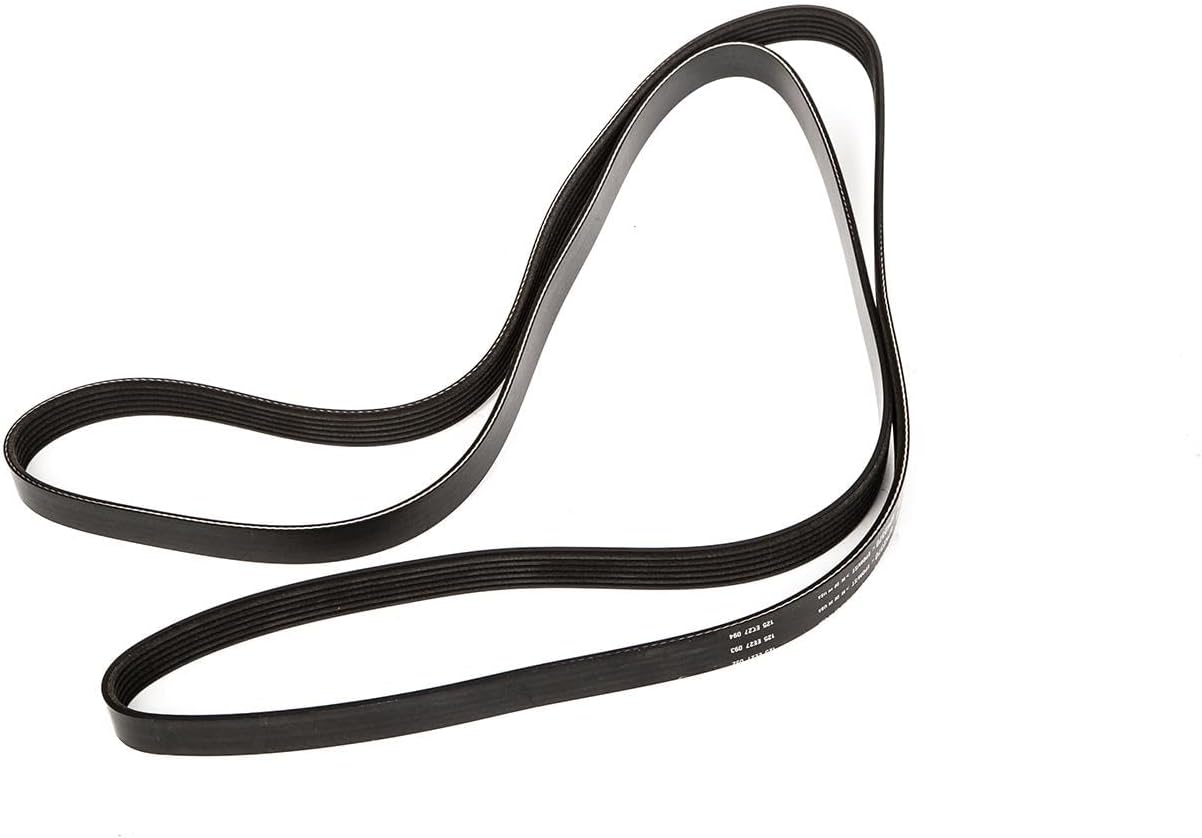
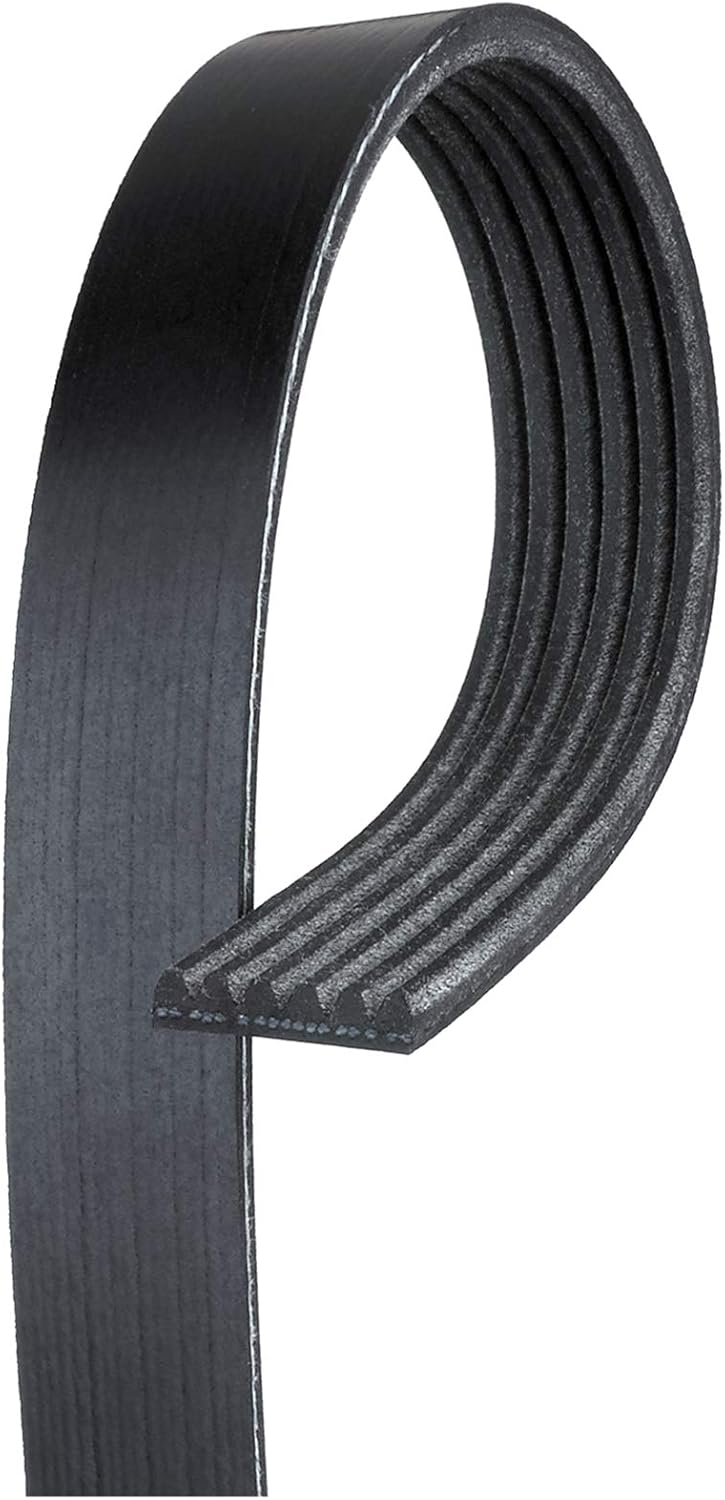
- Replacement serpentine belt
- Belt routing diagram or service information
- Shop rags
- Chalk or paint marker
This article is part of our Engine Maintenance & Repair Guides.
A worn serpentine belt can cause squealing, charging problems, weak power steering assist, overheating, and sudden accessory failure. The good news is that belt wear usually leaves visible clues before the belt breaks.
On most vehicles, the serpentine belt drives critical accessories like the alternator, water pump, power steering pump, and A/C compressor. Diagnosing belt condition early can help you avoid a no-start, a dead battery, or an overheat event on the road.
This guide walks you through the practical checks a DIY owner can do at home, how to tell normal aging from replacement-level wear, and when the real problem may be the tensioner, pulley, or fluid contamination instead of the belt itself.
What the Serpentine Belt Does and Why It Fails
The serpentine belt is a single multi-ribbed belt that transfers engine rotation to several accessory pulleys. As the engine runs, the belt flexes constantly, grips pulley grooves, and handles heat from the engine bay. Over time, that repeated stress hardens the rubber, wears down the ribs, and reduces grip.
Belts typically fail from age, mileage, contamination, heat, misalignment, or a weak automatic tensioner. A belt can also look bad because another part is causing abnormal wear. For example, a seized idler pulley, a wobbling alternator pulley, or coolant dripping onto the belt can create symptoms that mimic simple belt wear.
- Age and mileage slowly harden the rubber and wear down the ribs.
- Oil or coolant contamination can make the belt slip, swell, or deteriorate.
- A weak tensioner can allow chirping, squealing, and uneven belt wear.
- Pulley misalignment can shred belt edges or polish the rib surfaces.
- A failing accessory bearing can overheat or damage the belt.
Common Symptoms of a Worn Serpentine Belt
Start diagnosis with the symptom that brought you to the car. Belt problems often show up as noise, visible wear, or poor accessory performance. The trick is to connect the symptom to the condition of the belt and the pulleys it runs on.
Sounds to Watch For
- A brief squeal at startup can point to low belt grip, moisture on the belt, or a weak tensioner.
- A constant squeal often suggests slipping from wear, contamination, or pulley alignment issues.
- A chirping sound is more commonly linked to a belt tracking problem or a pulley that is slightly out of line.
- A grinding or rumbling noise usually points to a pulley or accessory bearing, not the belt itself.
Driveability and System Clues
- Battery warning light if the alternator is not being driven properly.
- Heavy steering feel on hydraulic power steering systems.
- Engine temperature rising if the belt drives the water pump and slips or breaks.
- Weak A/C performance if the compressor is not spinning correctly.
- Visible belt flutter or vibration with the engine idling.
A worn belt may cause one symptom or several at once. If you have charging, steering, or cooling issues together with belt noise, inspect the belt immediately and avoid long drives until you know what is wrong.
Safety and Prep Before You Inspect
Always inspect the belt with the engine off before doing any running checks. Keep hands, sleeves, jewelry, and tools away from moving pulleys. Never spray belt dressing on a modern serpentine belt to quiet noise; it can mask the problem and attract dirt.
- Park on a level surface and set the parking brake.
- Let the engine cool enough to work safely near hot components.
- Use a light and inspect from more than one angle.
- Take a photo of the belt routing before loosening anything.
- If needed, compare what you see with the under-hood routing sticker or service information.
Visual Inspection: What a Bad Belt Looks Like
A careful visual check is the fastest way to diagnose belt wear. Rotate the belt by hand only with the engine off. If needed, relieve tension slightly or bump the engine over by hand according to safe service procedures so you can inspect the full circumference.
Check the Ribbed Side
- Look for cracks across the ribs, especially many small cracks close together.
- Check for missing rib chunks or sections where the grooves are torn away.
- Look for glazing, which appears as a shiny, polished surface that reduces grip.
- Compare rib depth across the belt; flattened ribs usually mean the belt is worn out.
- Inspect for embedded debris such as small stones or hardened dirt.
Check the Back and Edges
- Frayed edges often point to pulley misalignment or belt tracking problems.
- A glazed or burned-looking back side can indicate slippage against a smooth pulley.
- Splits, peeling layers, or exposed cord mean replacement is overdue.
- Uneven width or shredded edge material suggests the belt is walking off-center.
Modern EPDM belts do not always show dramatic cracking the way older neoprene belts did. That means a belt can be badly worn even if cracks are minimal. On many newer vehicles, rib wear and loss of belt material are more important clues than obvious surface cracking.
Tools That Make This Job Easier


Hands-On Checks for Tension, Flexibility, and Tracking
After the visual inspection, check how the belt sits and behaves on the pulleys. You are not trying to stretch-test the belt aggressively. Instead, you are looking for obvious looseness, poor tracking, and signs that the automatic tensioner is no longer controlling belt movement.
What to Look for with the Engine Off
- The belt should sit centered in pulley grooves, not hanging over one edge.
- The ribs should mate cleanly with the pulley grooves with no lifted sections.
- The belt should not feel excessively loose between pulleys on a spring-tensioned system.
- Twist resistance should feel firm but not rock-hard; an old belt may feel stiff and dried out.
- If the tensioner indicator is out of range, the belt may be stretched or the tensioner may be worn.
What to Look for with the Engine Idling
Observe from a safe distance. A healthy belt usually runs smoothly with only minor normal movement. If you see the belt fluttering, walking sideways, or bouncing the tensioner arm excessively, the problem may involve the tensioner, a pulley bearing, or misalignment rather than the belt alone.
- Side-to-side belt wander suggests alignment issues.
- Rapid tensioner arm movement can indicate a weak tensioner or a dragging accessory.
- A belt that visibly slips when A/C loads engage is often worn or contaminated.
- Smoke or a burning rubber smell means shut the engine off immediately.
How to Tell Belt Wear From Tensioner or Pulley Problems
Many serpentine belt diagnoses go wrong because the belt gets blamed for everything. A new belt may stop a symptom for a short time, but if the root cause is a bad tensioner or pulley, the noise or wear will come back. Check the entire belt drive system before buying parts.
Signs the Belt Is the Main Problem
- Ribs are worn down, shiny, cracked, chunked, or missing.
- The belt shows age and mileage consistent with overdue replacement.
- The belt is contaminated or physically damaged but pulleys spin normally and align properly.
- Noise is brief and belt-related with no bearing roughness in accessory pulleys.
Signs Another Component Is Causing the Wear
- One belt edge is frayed while the rest of the belt looks decent.
- An idler or tensioner pulley feels rough, loose, or noisy when spun by hand.
- A pulley face is rusty, damaged, or wobbling.
- The tensioner arm sits near its limit or moves erratically.
- Oil, coolant, or power steering fluid is present on or near the belt.
If you remove the belt, spin each accessible pulley by hand. They should rotate smoothly and quietly, with no grinding, binding, or obvious play. Use a straightedge across pulley faces when possible to spot misalignment. Even a small angle error can cause chirping and edge wear.
Recommended Tools for This Job

Step-by-Step Diagnostic Procedure
Step One: Confirm the Symptom
Note whether the issue is noise, charging trouble, overheating, poor steering assist, or a visual concern spotted during routine maintenance. Also note when it happens: cold start, wet weather, when the A/C turns on, or all the time.
Step Two: Inspect the Belt Surface
Use a flashlight and inspect the ribbed side, the back side, and both edges. Look for cracks, glazing, fraying, missing ribs, contamination, and exposed cord. Photograph suspect areas so you can compare them after removal.
Step Three: Check Routing and Pulley Contact
Make sure the belt is following the correct path and fully seated in every pulley groove. A partially misrouted or offset belt can produce immediate noise and rapid wear. This is especially important if the belt was recently replaced.
Step Four: Check Tensioner Behavior
With the engine idling, watch the tensioner from a safe position. Moderate steady motion is normal, but pronounced bouncing or shaking is not. With the engine off, inspect the tensioner pulley and note whether the indicator is within its normal range if the design includes one.
Step Five: Look for Contamination
Trace any wetness above the belt path. Valve cover leaks, power steering leaks, coolant drips, or spilled fluids can ruin a belt quickly. If fluid is present, fix the leak before installing a new belt or the new one may fail early.
Step Six: Remove the Belt if Needed for Confirmation
If the diagnosis is still unclear, relieve tension with the proper tool and remove the belt. Spin every accessible pulley by hand and feel for roughness or looseness. Check the old belt closely for edge damage patterns, polished ribs, hard spots, or missing material.
Step Seven: Decide Whether the Belt Alone Is Enough
Replace the belt if it is visibly worn, aged, contaminated, or damaged. Replace the tensioner or idler pulley too if they show weak spring action, bearing noise, wobble, or alignment problems. Solving only half the issue usually leads to repeat noise.
Interpreting What You Find
Use the evidence pattern, not just one clue. A shiny belt with no contamination and low rib depth points to normal wear. A fairly good-looking belt with one shredded edge points more toward alignment. A noisy belt that becomes quiet only briefly after drying off may point to weak tension or contamination.
- Cracks plus glazing plus age usually mean the belt is simply due.
- Frayed edges or sideways tracking usually mean check pulley alignment first.
- Wet belt surfaces mean find and repair the fluid leak before replacement.
- Noise with rough pulley bearings means the pulley or accessory must be addressed too.
- A new-looking belt with persistent squeal often means tensioner weakness or a seized component.
When to Replace It and What to Do Next
If the belt shows significant cracking, glazing, chunking, frayed edges, missing ribs, contamination, or exposed cord, replacement is the right move. If the belt is old and you are already removing it to inspect noisy pulleys, many DIY owners replace it as preventive maintenance even if wear is only moderate.
After replacing the belt, confirm it is routed correctly, seated in every groove, and running true at idle. Recheck for fluid leaks and listen for any remaining chirp or squeal. If the noise remains with a new belt, do not assume the new belt is defective; revisit pulley alignment, tensioner function, and accessory bearings.
- Replace the belt immediately if cords are exposed or the belt is separating.
- Do not continue driving if the belt drives the water pump and overheating is possible.
- Consider replacing an old belt and weak tensioner together to avoid repeat labor.
- Keep the old belt only as an emergency spare if it is still structurally sound, not if it is damaged.
Key Takeaways
- Inspect the belt for glazing, rib wear, cracks, frayed edges, and contamination before assuming noise means only a bad belt.
- If one edge is shredded or the belt walks sideways, check pulley alignment and tensioner condition instead of replacing the belt alone.
- Fluid leaks onto the belt must be fixed first or the replacement belt may squeal and fail early.
- A bouncing tensioner or rough pulley bearing can cause the same symptoms as belt wear and should be diagnosed at the same time.
- Replace the belt right away if it has exposed cords, missing chunks, or severe wear that could lead to sudden accessory failure.
FAQ
How Do I Know if My Serpentine Belt Is Worn Out or Just Noisy From Moisture?
Moisture can cause a brief startup squeal, especially in damp weather, but the belt should still look healthy and run smoothly. If you also see glazing, worn ribs, frayed edges, contamination, or repeated noise under load, the belt or tensioner likely needs attention.
Can a Serpentine Belt Look Fine and Still Be Bad?
Yes. Many modern EPDM belts wear by losing rib depth rather than developing obvious cracks. A belt can appear decent at a glance but still slip because the ribs are worn down, the rubber is hardened, or the belt has been contaminated.
Should I Use Belt Dressing to Stop a Squeal?
No. Belt dressing is generally not recommended for modern serpentine belts. It can temporarily mask symptoms, attract dirt, and delay a proper diagnosis of wear, contamination, weak tension, or pulley problems.
What Causes a Brand-new Serpentine Belt to Squeal?
If a new belt squeals, suspect pulley misalignment, a weak tensioner, contamination, incorrect routing, or a dragging accessory pulley. New belts usually do not squeal on their own unless another issue is present.
Can I Drive with a Worn Serpentine Belt?
Maybe for a very short distance, but it is risky. If the belt fails completely, you may lose alternator output, power steering assist, A/C, and on many vehicles water pump operation. That can leave you stranded or cause overheating.
How Often Should a Serpentine Belt Be Inspected?
A good habit is to inspect it at every oil change or at least several times a year. Also inspect it any time you hear belt noise, notice charging issues, see fluid leaks, or are doing cooling system or front-engine maintenance.
What Does Fraying on Only One Edge of the Belt Usually Mean?
One-sided fraying usually points to a tracking or alignment problem, such as a misaligned pulley, a worn tensioner, or a pulley with bearing play. It is less likely to be simple age-related wear alone.
Need Parts for This Repair?
The right parts and supplies vary by vehicle.
Select your make and model to find compatible parts and accessories for your car.
Exact Fit
Parts that fit your make and model
Quality You Can Trust
Top brands and OEM quality options
Fast Shipping
Get the parts you need, delivered fast