

Note: This article contains affiliate links. If you click on these links and make a purchase, I may earn a small commission at no extra cost to you. This helps support my research and content. Read my full affiliate disclosure here.
What You’ll Need
A quick look at the tools and supplies commonly used for this job.
Tools
- OBD-II scan tool
- Digital multimeter
- 12-volt test light
- Spark tester
- Wiring diagram for your vehicle
- Basic socket and screwdriver set
- Back-probe pins or piercing probes
- Safety glasses and gloves
Parts & Supplies
- Dielectric grease
- Electrical contact cleaner
- Replacement ignition control module if testing confirms failure
- Replacement heat sink compound if required by manufacturer
- Shop rags
This article is part of our Engine Maintenance & Repair Guides.
Ignition control module problems can cause a no-start, random stalling, weak spark, misfires, or a crank-no-start condition that feels like several different problems at once.
The ignition control module, often called the ICM, helps control coil firing based on signals from the crankshaft position sensor, camshaft sensor, PCM, or distributor pickup depending on vehicle design. When it fails, the symptoms can look a lot like a bad ignition coil, bad crank sensor, wiring issue, or even a fuel problem. That is why a step-by-step diagnosis matters before you buy parts.
This guide walks through the most useful DIY checks: confirming the symptom, checking for spark, verifying power and ground, looking for a trigger signal, and deciding when the module is the likely failure. Procedures vary by make and model, so use your wiring diagram and service information for terminal identification and exact specs.
What the Ignition Control Module Does
The ICM acts as a switch and timing controller for the ignition system. On older distributor-based systems, it often receives a signal from a pickup coil or crank sensor and turns the ignition coil on and off. On newer systems, ignition control may be shared with or handled by the PCM, but some vehicles still use a separate module to manage coil triggering or signal conditioning.
Because the module handles coil switching, a failure can stop spark completely or make spark weak and inconsistent. Heat is a common enemy. Some modules fail only when hot, then work again after cooling down, which can make diagnosis frustrating if you only test the car cold.
- Distributor-mounted ICMs are common on many older GM, Ford, and import applications.
- Some modules are mounted near the coil pack or on an ignition bracket.
- A few systems blend ICM and coil functions into one assembly, so diagnosis may involve the whole unit.
Common Symptoms of a Bad Ignition Control Module
Start by matching your vehicle’s behavior to the most common ICM failure patterns. Symptoms alone do not prove the module is bad, but they tell you where to focus your tests.
- Engine cranks but will not start, especially with no spark present.
- Intermittent stalling after the engine warms up, followed by a restart after cooling.
- Random misfires under load or during acceleration.
- Sudden loss of tachometer signal while cranking or right before stalling on some vehicles.
- Hard starting, rough running, or weak spark with no obvious fuel issue.
- Check engine light with ignition-related or crank/cam correlation codes.
If the vehicle starts and runs normally cold but dies hot, keep the ICM high on the suspect list. If there is no spark and no injector pulse, do not assume the module is bad right away. Many systems shut both off when the crank sensor signal is missing.
Before Testing the Module
Rule Out Basic Problems First
Make sure the battery is fully charged and the engine cranks at normal speed. Low cranking voltage can create misleading ignition symptoms. Check that ignition-related fuses are good and that main grounds are clean and tight.
Confirm Whether the Problem Is Spark, Fuel, or Both
Use a spark tester on one plug wire or coil output while cranking. If you have strong consistent spark, the ICM is less likely to be the main problem. If you have no spark or irregular spark, continue with ignition testing. If you also have no injector pulse, shift some attention to the crank sensor, cam sensor, PCM power supply, and wiring.
Scan for Codes and Live Data
Pull stored and pending codes before unplugging anything. Misfire codes alone are not enough to condemn the ICM, but codes related to crankshaft position sensor, cam sensor, ignition primary circuit, or loss of RPM signal are useful clues. On some vehicles, live RPM while cranking helps a lot. If the scan tool shows 0 RPM during cranking, the crank sensor or its circuit may be the real issue, not the module.
Tools That Make This Job Easier

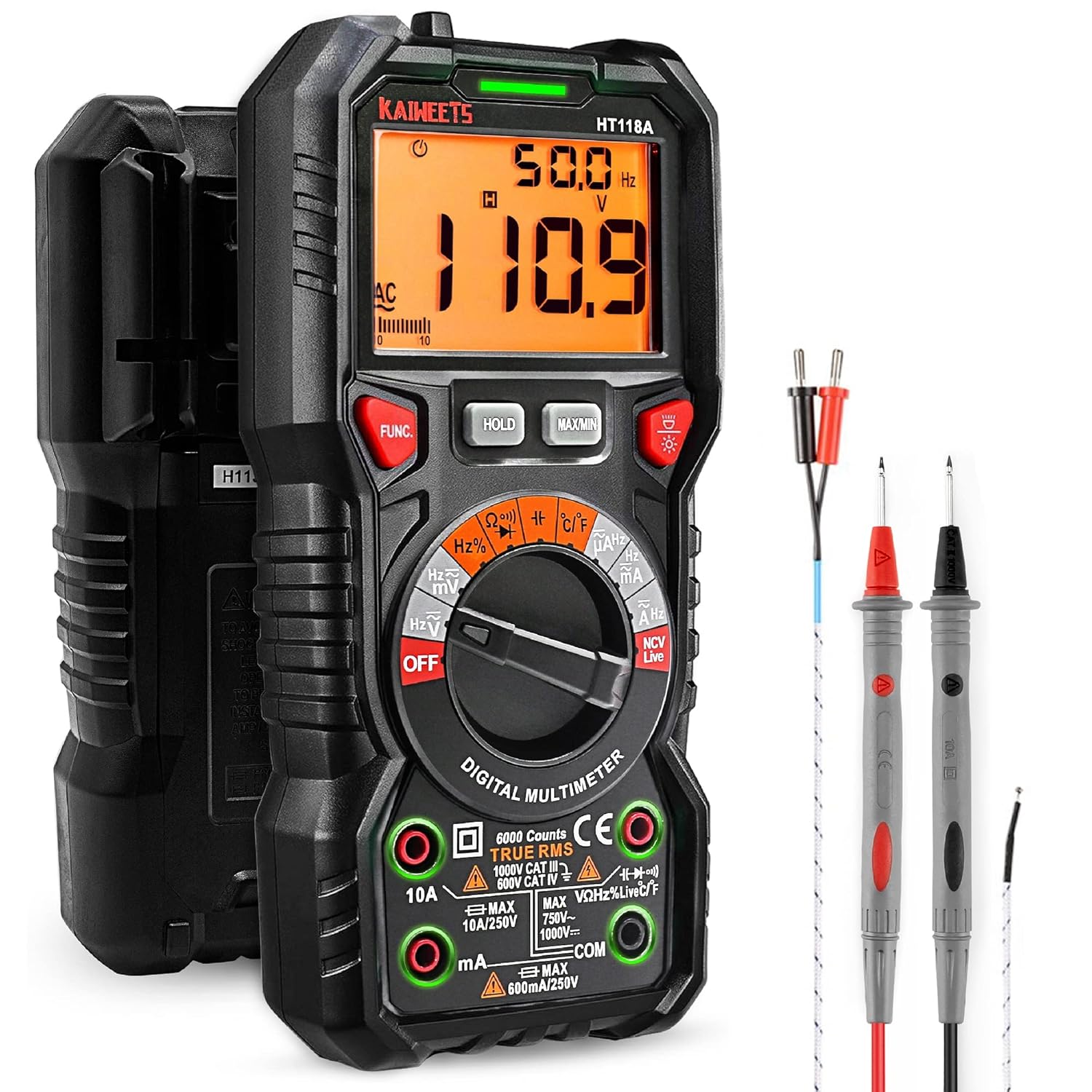

Tools and Safety During Diagnosis
Ignition systems can produce high voltage, so use an actual spark tester instead of holding a wire near metal. Avoid probing connectors from the front if it spreads terminals. Back-probe where possible and follow your wiring diagram carefully.
- Disconnect the battery before removing the module.
- Keep hands clear of moving belts and fans during cranking tests.
- Do not short power to signal terminals during back-probing.
- If the module mounts to a heat sink, note whether thermal compound is required during installation.
Step-by-step Ignition Control Module Diagnosis
Check for Spark Output
Connect a spark tester and crank the engine. A healthy system should produce a strong, regular spark. No spark at all points you toward the ignition primary side, including the ICM, ignition coil, crank sensor input, or power supply. Weak or erratic spark may still involve the ICM but can also come from a failing coil or poor grounds.
Verify Power at the Module
With the key in the correct position specified by the wiring diagram, check for battery voltage at the module’s power feed terminal. Some vehicles provide power in RUN and START; others vary by circuit. If power is missing, stop there and trace the fuse, relay, ignition switch output, or broken wiring before blaming the module.
Verify Module Ground
A bad ground can mimic a failed ICM. Check voltage drop on the ground side while cranking if possible. A good ground should show very little voltage drop, generally under about 0.1 to 0.2 volts on a short dedicated ground circuit. High drop means resistance in the ground path, corrosion at connectors, or poor engine/chassis grounds.
Check for Crank or Pickup Signal Into the Module
The ICM cannot trigger the coil if it never receives an engine position signal. Depending on design, this may come from a crankshaft position sensor, distributor pickup coil, or hall-effect sensor. Use service information to identify the signal wires. A DVOM can sometimes verify reference voltage or AC signal presence on magnetic pickups, but some systems require a lab scope for a complete picture.
If the input signal is missing, unstable, or far out of spec, do not replace the ICM yet. Fix the failed sensor, damaged reluctor, or wiring issue first.
Check Coil Primary Control
If the module has power, ground, and a valid trigger input, the next question is whether it is switching the ignition coil. Depending on design, you may use a test light, logic probe, or scope on the coil negative or control wire while cranking. A pulsing signal means the module or PCM is attempting to fire the coil. No pulse with good inputs strongly suggests a bad module or a module-related internal failure.
Test the Ignition Coil so You Do Not Misdiagnose the Module
A bad coil can produce the same no-spark or weak-spark symptom. If the module is switching the coil but spark is absent, test or substitute the coil according to service data. On some systems, the module and coil are mounted together, so inspect for cracks, carbon tracking, melted housings, or oil contamination.
Inspect Connectors and Heat-related Damage
Many ICM failures are actually connector problems. Look for green corrosion, loose terminals, rubbed-through wires, oil saturation, or signs of overheating. Distributor-mounted modules are especially vulnerable to heat cycling. If the module base requires heat sink compound and it was installed dry, overheating can shorten its life or cause repeat failures.
Recommended Tools for This Job


How to Tell the Module Is Bad and Not Something Else
The ignition control module becomes the most likely fault when several conditions line up together: the module has proper power and ground, the engine position input signal is present, related wiring checks out, and the coil is capable of producing spark when triggered. At that point, if the module does not switch the coil or loses output intermittently as it heats up, the case against the ICM is strong.
- Suspect the ICM when power, ground, and trigger input are good but coil control output is missing.
- Suspect the crank or pickup sensor when there is no RPM signal and no input reaching the module.
- Suspect the ignition coil when the module is triggering but high-voltage spark is weak or absent.
- Suspect wiring or connectors when moving the harness changes the symptom or voltage drop is excessive.
- Suspect PCM-related issues on systems where the PCM commands ignition timing and no command is present.
If the fault appears only when hot, use that to your advantage. Test the vehicle cold, then again immediately after the stall or no-start event. Some modules fail internally when heat builds up, then begin working again after cooling. Intermittent thermal failure is classic ICM behavior.
Bench Testing and Parts-store Testing
Some ignition control modules can be bench tested with dedicated equipment, and some parts stores offer module testing. This can be helpful, but do not treat a pass result as absolute proof the module is good. Intermittent failures do not always show up on a short bench test, especially if the fault appears only under real heat and vibration.
Bench testing is most useful after you have already confirmed power, ground, and input signals on the vehicle. In other words, use bench testing as supporting evidence, not as the only reason to replace the part.
Replacement Tips if the Module Fails Testing
If your testing points to a failed ignition control module, replace it carefully and correct any conditions that may have caused the failure. Clean the mounting surface, inspect the connector pins, and apply heat sink compound if the design calls for it. Do not substitute dielectric grease for thermal compound unless the manufacturer specifically says it is acceptable.
After replacement, clear codes, start the engine, and verify spark quality, idle quality, and road-test performance. If the old module failed because of a bad ground, overcharging, poor connector tension, or a shorted coil, the new module may fail again unless the root cause is fixed.
- Reconnect all grounds and harness retainers exactly as removed.
- Use the correct module for your engine and ignition system design.
- Check charging voltage after repair; excessive voltage can damage electronics.
- If misfire remains after replacement, continue testing the coil, plugs, wires, and engine position sensors.
When to Stop DIY Diagnosis
Stop and get professional help if your vehicle requires oscilloscope testing you cannot perform, if wiring diagrams are unclear, or if the ignition system is integrated with anti-theft and PCM controls in a way that makes signal interpretation difficult. Some late-model systems need manufacturer-level scan data to confirm what is commanding the coils.
It also makes sense to step back if you are tempted to replace multiple parts without proof. Randomly replacing the ICM, crank sensor, coil, and PCM gets expensive fast and often does not fix intermittent wiring faults.
Key Takeaways
- Do not condemn the ignition control module until you verify spark loss, power, ground, and a valid crank or pickup signal.
- A missing RPM signal during cranking often points to a crank sensor or input problem rather than the module itself.
- If the module has good inputs but does not switch the coil, the ICM becomes a strong suspect.
- Heat-related stalling and restart-after-cooling behavior is a common pattern for intermittent ICM failure.
- Use heat sink compound where required, or a new module can fail early even if the diagnosis was correct.
FAQ
Can a Bad Ignition Control Module Cause a Crank-no-start?
Yes. If the module fails to switch the ignition coil, the engine may crank normally but have no spark and will not start. However, a bad crank sensor, failed coil, blown fuse, or wiring fault can cause the same symptom.
Will an Ignition Control Module Always Set a Trouble Code?
No. Some module failures, especially intermittent heat-related failures on older systems, may not set a specific code. You may only see misfire codes, crank sensor codes, or no useful code at all.
How Do I Know if It Is the Ignition Coil or the Ignition Control Module?
Check whether the module is receiving proper power, ground, and trigger input, then see whether it is pulsing the coil control circuit. If the module is pulsing the coil but spark is still weak or absent, the coil becomes more likely.
Can an Ignition Control Module Fail Only when Hot?
Yes. That is one of the most common failure patterns. The engine may run normally cold, then stall or lose spark as under-hood temperature rises, and restart again after cooling.
Is It Okay to Use a Test Light on Ignition Circuits?
Sometimes, but only where appropriate and only if the service information supports it. A digital multimeter or scope is safer on many modern low-current signal circuits. Never probe blindly or short terminals together.
Should I Replace the Crank Sensor and Ignition Module Together?
Not unless testing supports both parts being faulty. Replacing parts based on guesswork can hide the real issue and waste money. Diagnose the input signal and output behavior first.
What Happens if I Install a Module Without Thermal Compound?
On designs that require heat sink compound, the module may overheat and fail prematurely. Always follow the manufacturer’s installation instructions for mounting surface prep and compound type.
Need Parts for This Repair?
The right parts and supplies vary by vehicle.
Select your make and model to find compatible parts and accessories for your car.
Exact Fit
Parts that fit your make and model
Quality You Can Trust
Top brands and OEM quality options
Fast Shipping
Get the parts you need, delivered fast